
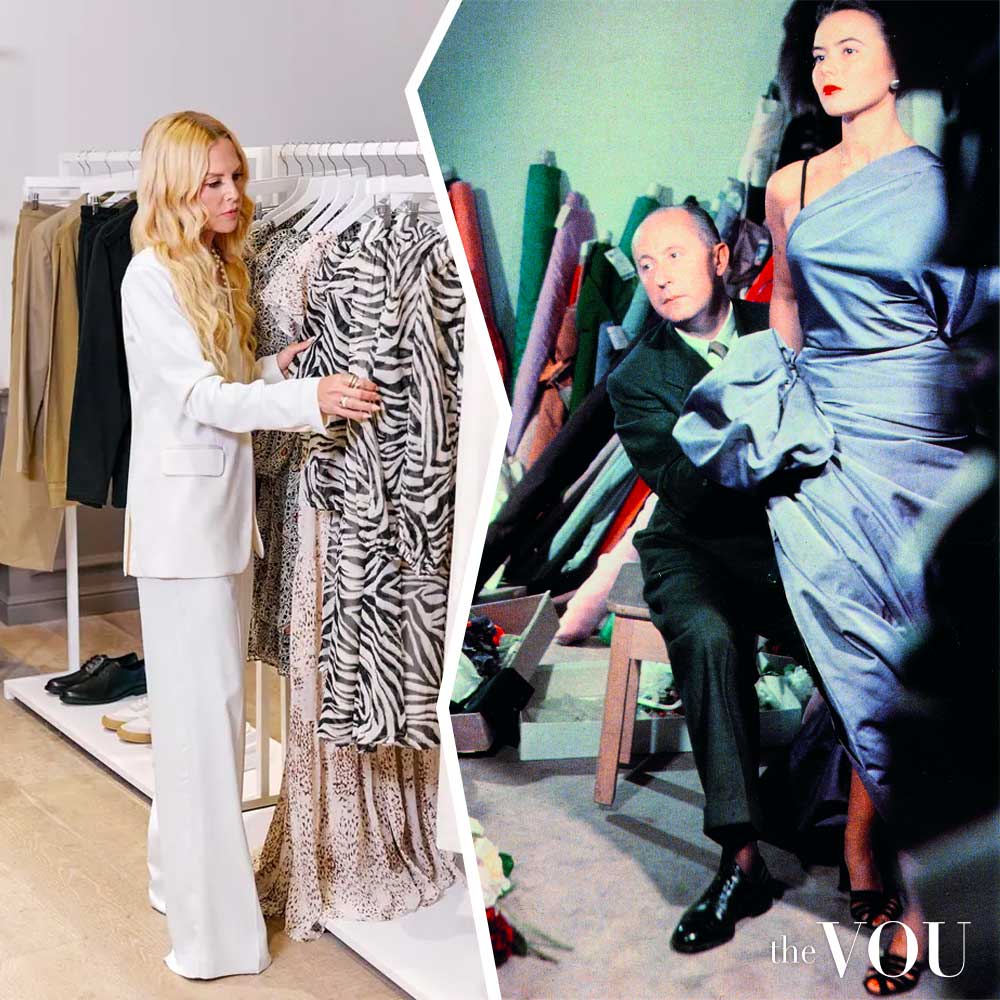
The difference between a fashion designer and a ‘Fashion Stylist‘ is simple. A designer creates new clothes, and a stylist chooses and combines clothes that already exist.
If you want something made, you need a designer or a tailor. If you want help deciding what to buy and wear, you need a stylist.
Personal stylists help private clients, while editorial and celebrity stylists assemble looks for shoots, campaigns and public appearances. Costume design is a related profession in film, television and theatre, where designers may create costumes as well as select and hire existing clothes.
For most men the practical question is whether a personal stylist is worth hiring, so this guide covers what each role produces, what a styling session involves and when it helps.
A personal styling session usually starts with questions about your work, your budget and the occasions you dress for, then moves to a review of your wardrobe and, often, a shopping trip or a list of pieces to buy.
A stylist is most useful at a turning point, such as a new job, a big event or a change in weight, or when the wardrobe is full but nothing seems to work together.
What is a Fashion Designer?
A fashion designer sketches, develops and produces new clothing, footwear or accessories, either for a fashion house or under his or her own label.
The result is a collection, garments that did not exist before, in a chosen cloth, cut and colour.
For men, tailors sit close to designers. A bespoke tailor cuts a single suit to one man’s measurements, while a designer creates a range for many buyers.
What is a Fashion Stylist?
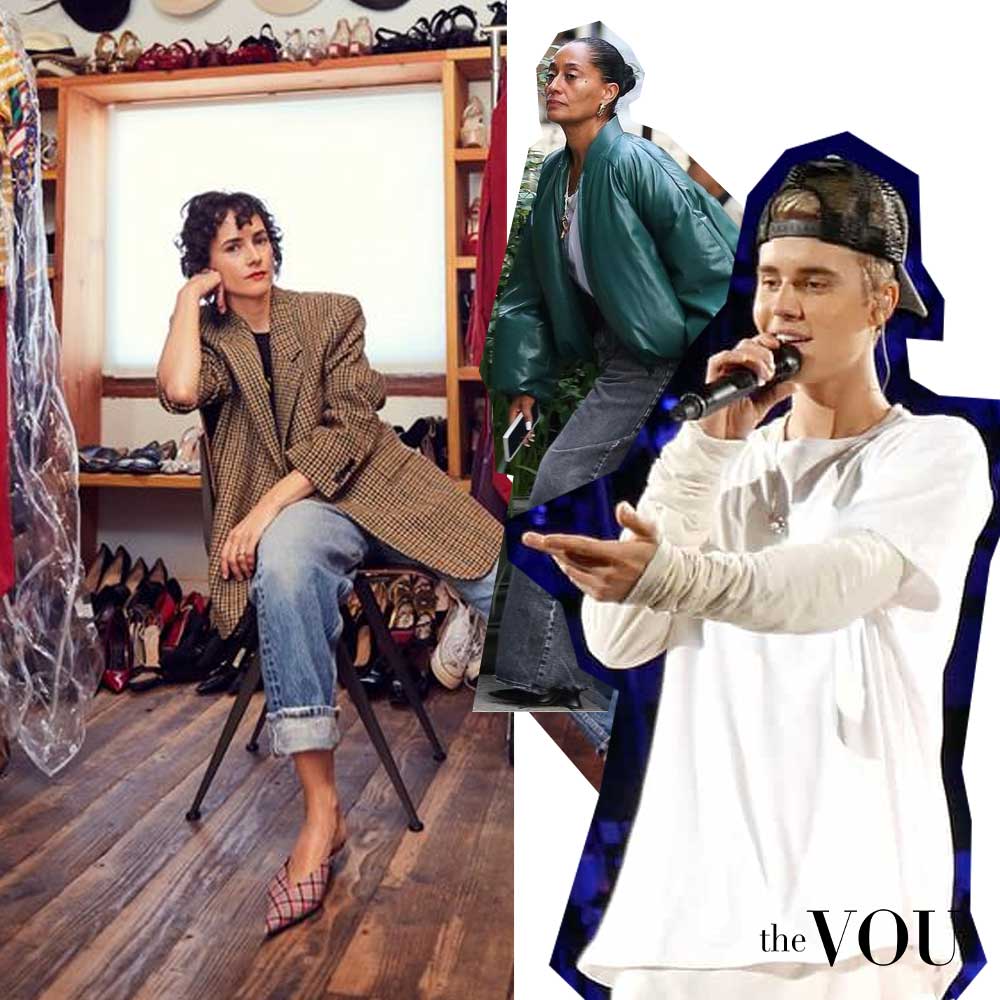
A fashion stylist selects and combines clothes, shoes and accessories into outfits for a person, a shoot or a production.
The result is a look, or for a private client a wardrobe plan, built from clothes that already exist.
Stylists rarely make clothes. Their skill is choosing, fitting and combining, and knowing where to find the right piece.
Designers vs Stylists, 6 Similarities
1. Similar Skills
Both roles need a good eye for colour, proportion and cloth.
Both also follow how different groups dress, from city offices to subcultures.
2. Work on the Same Canvas
Both work with the human body.
A designer thinks about how cloth hangs on a body, and a stylist about how a whole outfit suits a particular man.
3. Excellent Knowledge of Fashion History and Styles
Both draw on fashion history.
Giorgio Armani‘s soft suits, for example, reflect a particular idea of Italian men’s style.
Similarly, costume designer Janie Bryant didn’t just put suits on the men of “Mad Men” but gave each character a different kind of suiting, down to the shirt collars and cufflinks.
4. Huge Trendsetters
Both respond to the times they work in.
Alexander McQueen’s collections drew on British history, and Tan France’s styling on Netflix’s Queer Eye has challenged norms around masculinity and self-care.
5. Highly Adaptable
Both roles have to adapt to changing tastes, technology and markets.
Fashion designers must innovate each season, offering fresh designs and aesthetics that capture the zeitgeist.
Likewise, fashion stylists continuously adapt to new fashion trends and the evolving tastes of their clients by adopting new collections, aesthetics, and styles.
6. Excellent Collaborators and Team Leaders
Neither fashion designers nor stylists work in isolation.
Both collaborate with craftspeople, fashion models, buyers, photographers, and media to bring their visions to fruition.
Stylists rely on the clothes designers make, and designers rely on stylists to present their work.
Designers vs Stylists, 5 Differences
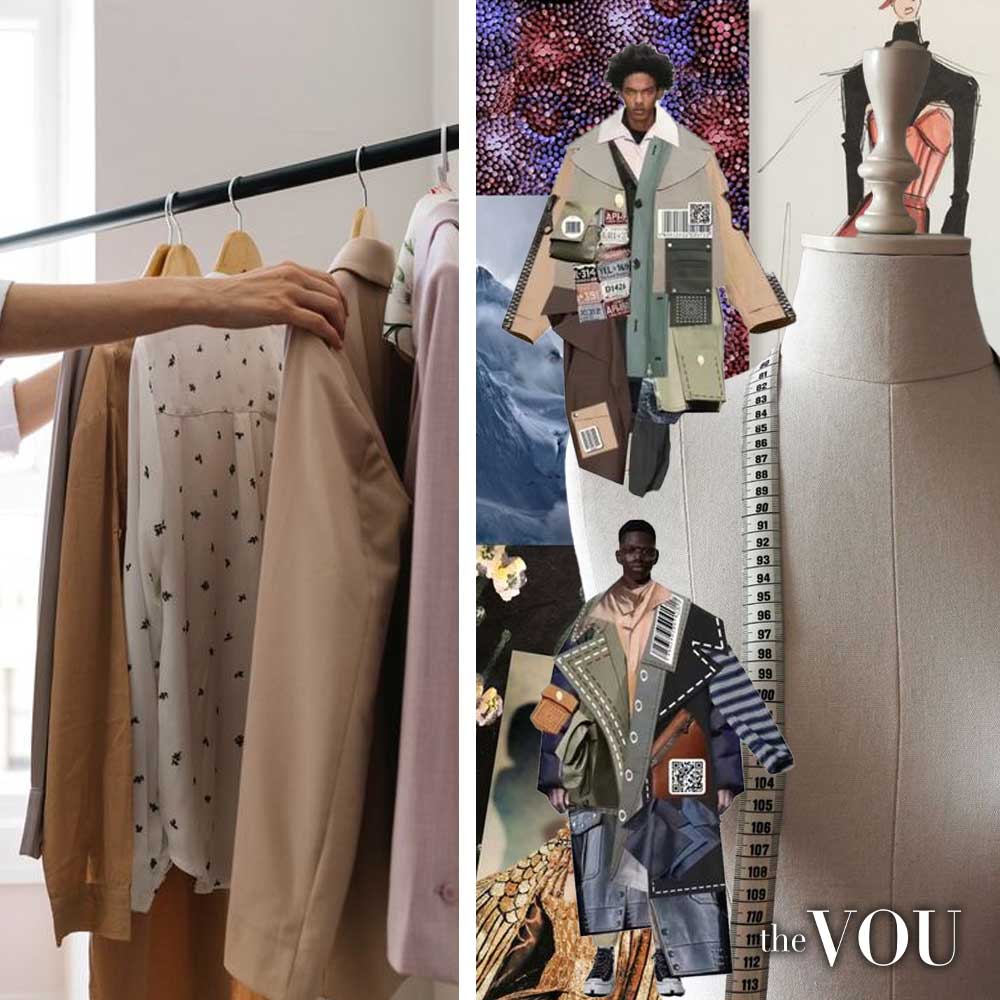
1. Designers Create, Stylists Curate
Designers create new clothes, footwear and accessories.
Stylists work with what already exists, combining pieces into outfits for a person, a shoot or a production.
For a private client, that means learning about the client’s job, lifestyle and occasions before any shopping.
From editorial shoots to personal styling and brand consulting, a stylist takes existing garments and puts them together to tell a new story.
2. Designers Design, Stylists Assemble Styles
Fashion design covers sketching, pattern cutting, choosing cloth and overseeing production.
Fashion styling covers choosing, fitting and combining garments, often with alterations, to suit a person or a story.
3. Different Working Environments
Fashion designers can either belong to venerable fashion houses, think Karl Lagerfeld with Chanel, or venture independently like Ralph Lauren, who began with a line of men’s ties before expanding into a globally-recognised Preppy fashion style brand.
Fashion stylists serve across many platforms, from personal wardrobes to magazine editorials and celebrities to television shows and political campaigns.
Take, for instance, Ilaria Urbinati, the Hollywood stylist who works with Ryan Reynolds, Zac Efron and James Marsden.
With a focus on perfecting a look for specific events, a stylist in that role has to balance the client’s own taste with what each occasion demands.
Another excellent example of fashion stylist work is Ambrose, who tailored hip-hop’s visual narrative in the ’90s by styling icons like Jay-Z.
4. Different Education Routes
Designers who want to work for a major fashion house usually need a strong portfolio, and many hold a degree in fashion design.
After a long apprenticeship, the zenith of a fashion designer’s career path is to become a fashion house or own label Creative Director.
For fashion stylists, a fashion qualification can help but is not required, and experience and a portfolio of past clients usually count for more.
Networking and apprenticeship under established fashion stylists are common routes, later specializing in editorial, personal shopping, or celebrity styling.
5. Different Revenues
For fashion designers, the financial overhead can be substantial as fashion designers need materials, a team, and a workspace.
However, once established, fashion designers can secure lucrative contracts and collaborations.
Unlike fashion designers, stylists require less overhead as the primary investments are time and travel.
The income varies widely and is often project-based, but successful celebrity stylists command high fees.
Designers Who Shaped Menswear
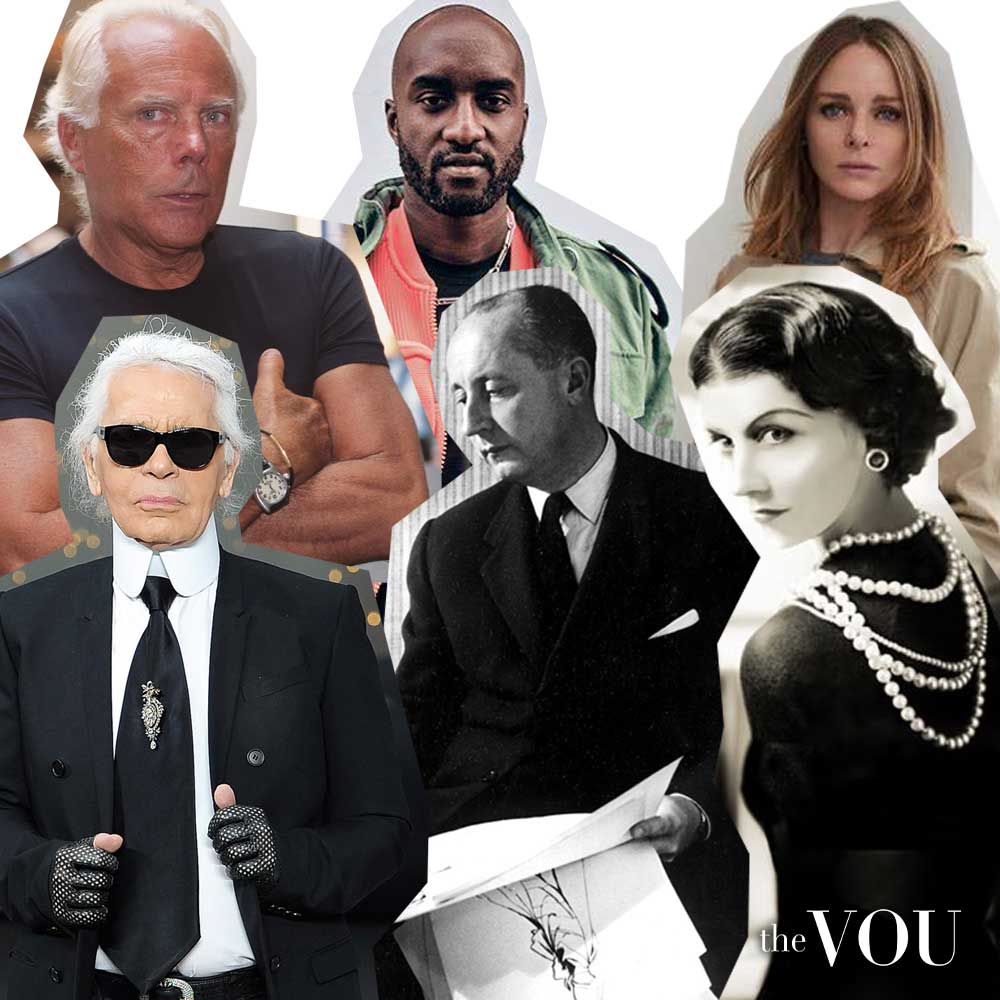
Four designers show how differently the job can shape what men wear.
Karl Lagerfeld. The late Karl Lagerfeld designed for Fendi from 1965 and for Chanel from 1983, both until his death in 2019.
Giorgio Armani. Britannica credits Armani’s style with helping to bring ease and modernity to dressing in the late 20th and early 21st centuries. He died in September 2025, aged 91.
Virgil Abloh. The late Virgil Abloh started his fashion design career with his streetwear label Off-White, later becoming the artistic director of Louis Vuitton’s men’s wear collection.
Rei Kawakubo. Rei Kawakubo, the brain behind Comme des Garçons, pushes the boundaries of fashion, challenging the norms of silhouette, construction, and even fabric choice.
Stylists Who Dress Men
These three stylists are known for dressing men in film and music.
Jeanne Yang. Named Best Men’s Stylist at the Fashion Los Angeles Awards in 2016, Jeanne Yang has dressed Keanu Reeves, Christian Bale, Robert Downey Jr. and Jamie Dornan, and first met Reeves when he was promoting The Matrix.
June Ambrose. Ambrose styled Jay-Z and other hip-hop artists in 1990s music videos, including Sean Combs’ suit in the “Mo Money Mo Problems” video and Busta Rhymes’ kaftan in “Put Your Hands Where My Eyes Could See”.
Karla Welch. Welch has dressed Justin Bieber, and told Fashionista in 2017 that her work with him included designing for his tours and collaborations.
Conclusion
In short, a designer makes the clothes and a stylist makes the outfit.
If you want something new made, start with a designer or a tailor. If you want to look better in what is already in the shops and in your wardrobe, a stylist is the person to call.
Whichever you choose, ask to see previous work for men with a build and budget like yours before you pay.
Mandy Meyer’s focus at The VOU is men’s body-shape styling, garment fit and outfit proportions. Her coverage addresses the practical questions behind a wardrobe choice: how a jacket sits across the shoulders, how trousers fall and how different cuts change the silhouette a wearer wants to create.
Her subject areas include the triangle, inverted triangle, rectangle, oval, trapezoid, hourglass and diamond labels used in body-shape styling. These provide starting references for comparing visible proportions; they do not capture every body or prescribe one correct way to dress. The focus connects those observations with garment shape, construction, length and the relationship between the upper and lower parts of an outfit.
Mandy’s editorial coverage combines visual comparisons with fit checks for comfort and movement. Readers can consider whether a cut gives them the room they need, where clothing pulls or gathers and which changes might support their preferred look. The aim is to make menswear choices more understandable while keeping personal preferences and the wearer’s own styling goals central.
Aidan Russell’s focus at The VOU is men’s face-shape styling, facial proportions and the way accessories frame the face. His coverage addresses a common starting question: how do you choose glasses, hats or necklines when standard face-shape advice does not quite describe your features?
His subject areas include comparing visible face length and width, recognising mixed features and understanding how frame size, brim shape and neckline placement change an overall look. Rather than making a shape label the final decision, this coverage connects proportions with the effect a reader wants, whether that means adding definition, softening an outline or drawing attention to particular features.
Aidan’s editorial focus also links facial styling with the rest of a man’s wardrobe. The aim is to make comparisons easier when trying on accessories or planning an outfit, while allowing for comfort, fit and personal preference. Readers looking for a starting point in face-shape styling can use this coverage to identify options worth trying, without being confined to one prescribed look.
Betzaida Ruiz’s focus at The VOU is personal shopping, wardrobe planning and outfit coordination for men. Her coverage starts with the practical question behind a purchase: what does your wardrobe need to do, and which clothes will help you get dressed for work, daily life and occasions?
Her subject areas include wardrobe audits, identifying missing pieces, planning shopping priorities and coordinating complete outfits. This focus considers the clothes a reader already owns before introducing new items. It also connects buying decisions with fit, repeat use and the relationship between shoes, trousers, shirts, jackets and accessories.
Betzaida’s editorial coverage is particularly relevant when a wardrobe contains plenty of clothes but few combinations that feel useful. It gives readers a way to distinguish a genuine gap from an attractive purchase with no clear role. The aim is a more coherent wardrobe that reflects the wearer’s circumstances, with room for changing work requirements, personal preferences and the occasions that actually appear in their calendar.
Raf Adams’s focus at The VOU is luxury menswear, brand analysis and quiet-luxury styling. His coverage addresses men who want to understand the difference between a recognisable label, a documented garment feature and a buying choice that makes sense for their wardrobe.
His subject areas include materials, construction details, brand positioning and the understated clothing references associated with quiet luxury. This focus examines what can be established from product information and what remains a matter of appearance or preference. Price and reputation provide context, but neither replaces attention to fit, intended use and the details of the item being considered.
Raf’s editorial coverage connects those comparisons with complete outfits and repeat wear. Readers exploring premium clothing can consider how a purchase works with existing pieces, which features matter to them and whether a less conspicuous look suits their needs. The aim is to make luxury menswear easier to assess without turning a brand name into a promise of quality or personal style.