
Start here
What’s This About:
The 1980s trends that are hardest to wear today are mostly about scale: oversized shoulders, head-to-toe neon, shiny stretch fabrics, very full trousers and plastic shoes.
This guide explains five tricky 80s trends and how a man can adapt them, such as:
– Heavily padded shoulders, and how to choose a stronger shoulder that fits
– Neon colours, used as one small detail
– Spandex and shiny stretch fabrics, kept for exercise
– Hammer pants, and relaxed pleated trousers as an alternative
– Why the decade’s sense of scale makes some looks hard to wear now
and many more!
Each trend still has fans, so the aim is to keep what you like and lose what makes it awkward.
Key Points:
01Most hard-to-wear 80s looks combine several bold features at once, so keeping one and toning down the rest makes them wearable.
02A jacket’s shoulder should sit at or just beyond your own shoulder; shoulders are the hardest area to alter.
03Hammer pants are named after MC Hammer, who became a mainstream star with “U Can’t Touch This” in 1990, so they sit at the turn of the decade.
04Jelly shoes date back to plastic sandals made in France from 1946 and suit the beach better than a long day on your feet.
Some 1980s trends are hard to wear today, not because the people who wore them got it wrong, but because their proportions, colours and materials suited a different moment.
This guide looks at five of them, explains where each came from, and shows how a man can borrow the idea without the drawbacks, or decide to skip it.
Taste changes, and each of these trends still has fans, so treat “bad” as a question rather than a verdict.
Why some 80s fashion is hard to wear now
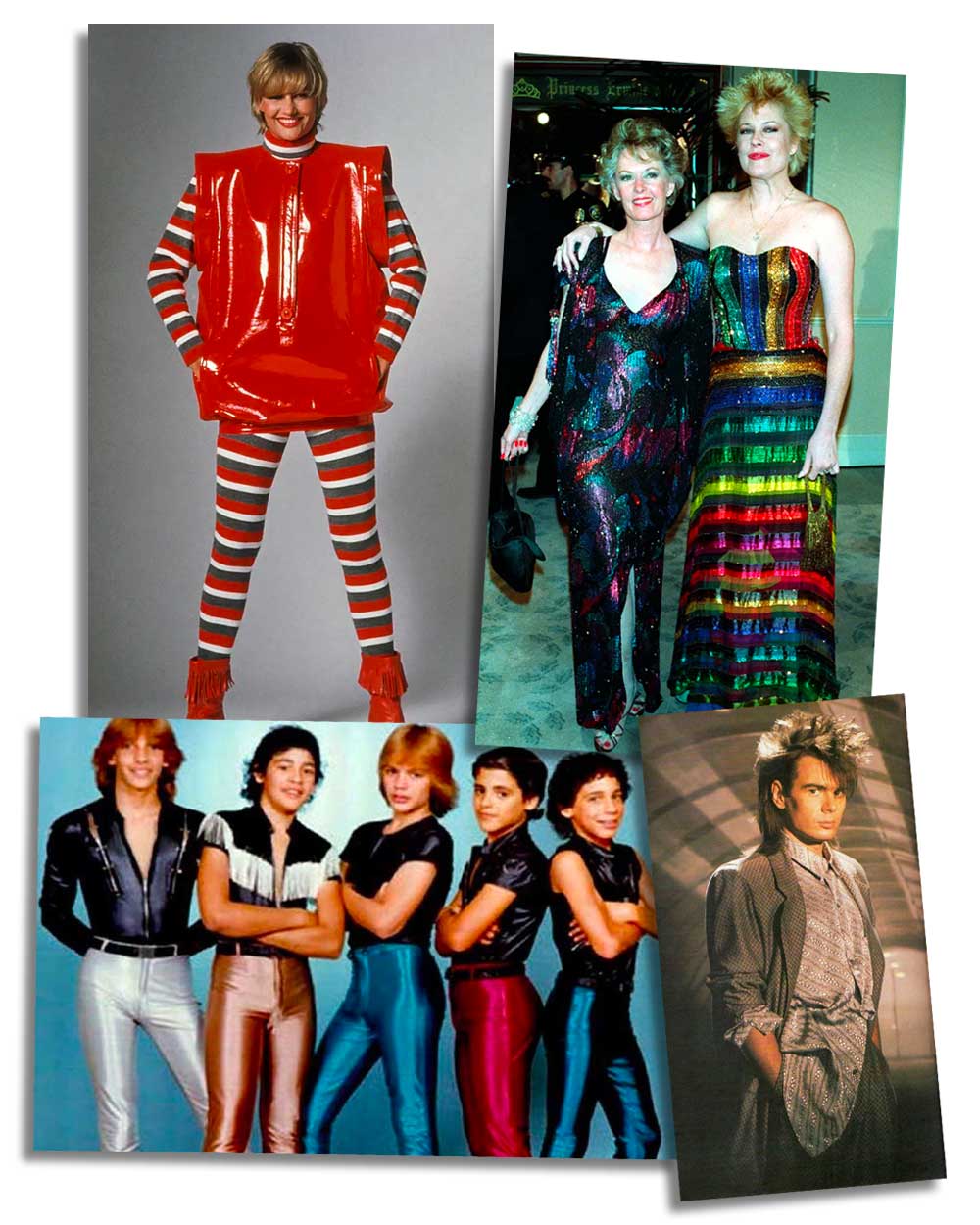
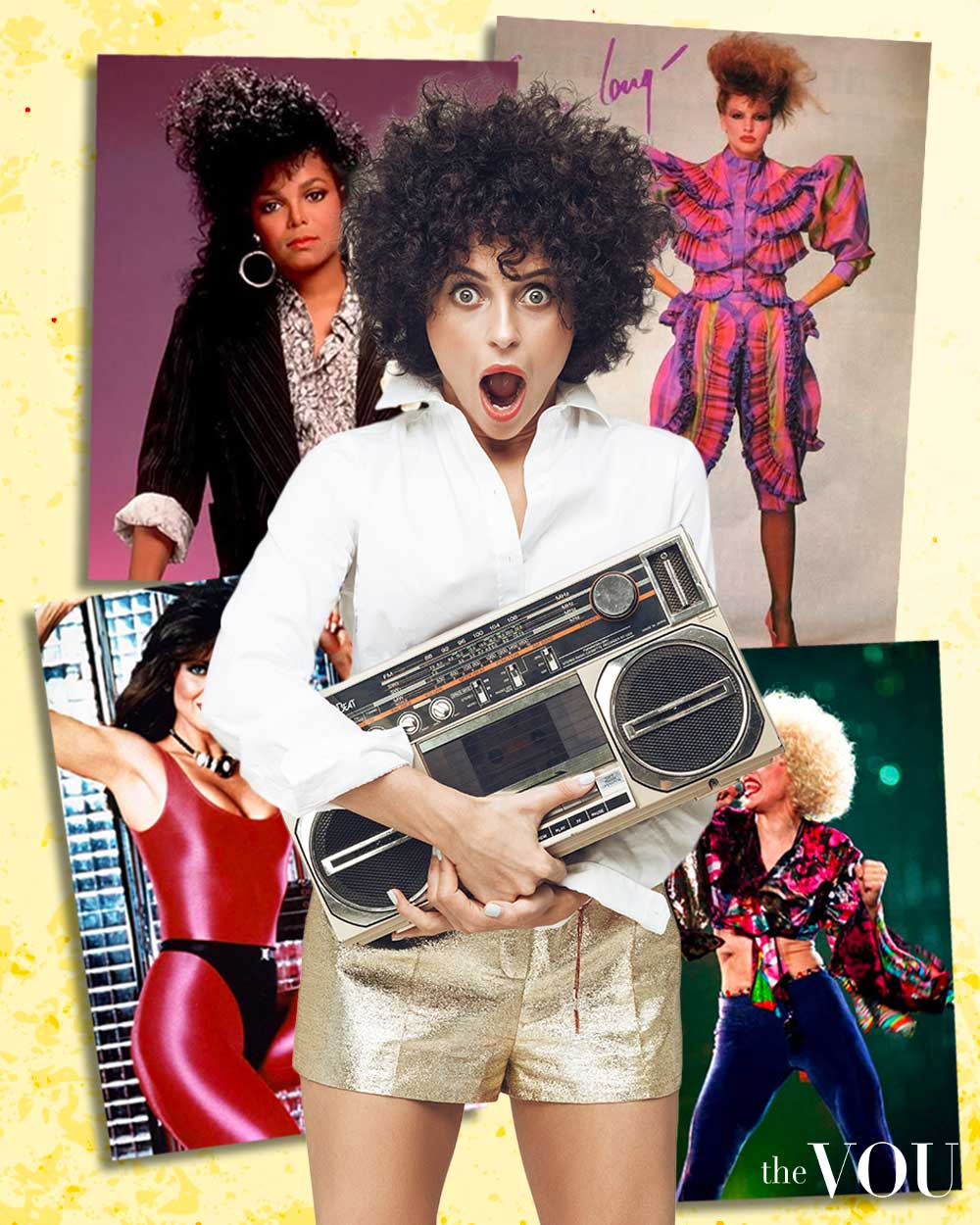
The Museum at FIT sums up the decade’s attitude as “bigger meant better”, with bold colours and patterns for men, women and children.
That scale is exactly what makes some 1980s looks difficult to wear now.
Exaggerated proportions
Heavily padded shoulders, very full trousers and oversized jackets can overwhelm an outfit unless the rest of it is kept plain.
Loud colour
Fluorescent shades worn head to toe dominate every other colour in an outfit and suit a party or a sports ground better than most everyday settings.
Materials and comfort
Shiny stretch fabrics and moulded plastic shoes were made for performance, exercise or the beach, and can feel hot or unsupportive when worn all day.
Everything at once
Combining several bold features in one outfit is what turns a reference into a costume.
1. Exaggerated shoulder pads
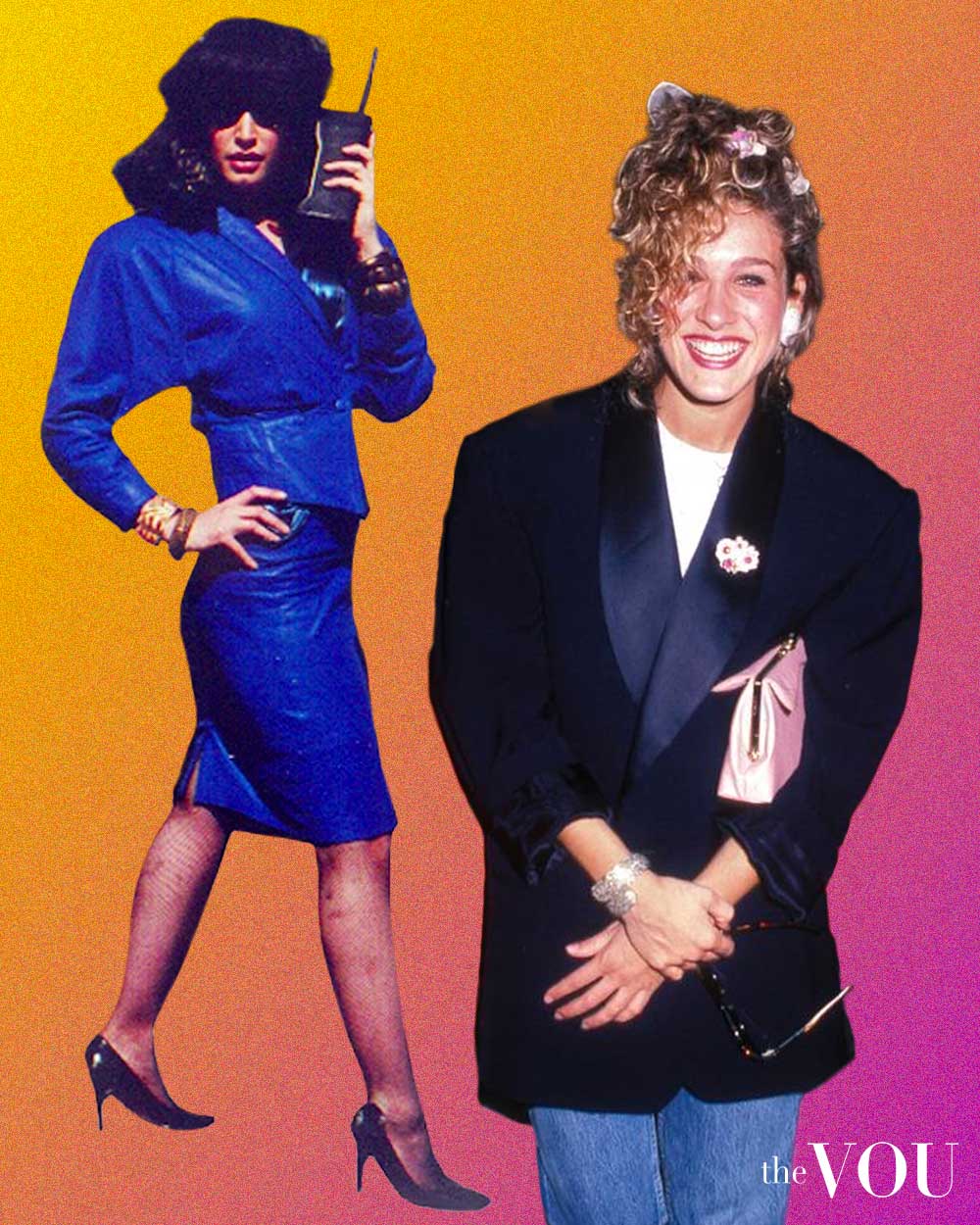
Padded shoulders are most closely tied to women’s power dressing: FIT links jackets with heavily padded shoulders to women entering male-dominated workplaces and dressing to be taken seriously.
Menswear had its own version, and FIT describes mid-to-late-decade men’s suits as pinstriped and double-breasted with wide lapels, worn with wide ties.
The outfits pictured are womenswear, but the same issue applies to a man’s jacket: when the shoulder extends well past your own, the jacket can look borrowed.
How to adapt it: choose a jacket whose shoulder seam sits at, or just beyond, the edge of your own shoulder, with light padding, and keep the trousers at a normal width.
If you like a stronger shoulder, make it the one bold feature and keep the shirt, tie and shoes plain.
A 1980s jacket bought second-hand can be a good way to get the shoulder line, but shoulders are the hardest area to alter, so check that they fit before you buy.
2. Neon colours

Fluorescent pink, green, orange and yellow appeared across sportswear, swimwear and casual clothes in the 1980s, and Complex’s 2018 ranking of 80s trends put neon first.
Head to toe, neon is hard to wear away from a party or a sports field because it dominates every other colour you put with it.
How to adapt it: use one small neon detail, such as trainers, a cap, a sports top or a watch strap, with grey, navy, black or white.
If you want more colour than that, choose one bright garment in a softer, less fluorescent shade.
3. Spandex and shiny stretch fabrics

Spandex, best known by DuPont’s brand name Lycra, was patented in 1958 and introduced to the public in 1962, according to the Smithsonian.
FIT notes that 1980s designers used stretchy fabrics such as Lycra for body-conforming clothes, and that fitness and dance trends brought leggings and other sportswear into everyday dress.
Skin-tight, shiny stretch clothing is designed for exercise and performance, so it can look out of place, and feel warm, in most everyday settings.
How to adapt it: keep close-fitting stretch layers for exercise, for example running tights under shorts.
For everyday clothes, a small amount of elastane in jeans, chinos or shirts adds comfort and ease of movement without the 1980s look.
Check the fibre content on the label if breathability matters to you, because stretch fabrics vary widely.
4. Hammer pants

Hammer pants are very full trousers, gathered at the ankle, with a low, roomy seat.
They are named after MC Hammer, who wore them on stage and became a mainstream star with “U Can’t Touch This” in 1990, so they belong as much to the start of the 1990s as to the 1980s.
Hammer told The New York Times in 2008 that looser trousers make dancing more visible, and ABC News in 2009 that they give freedom of movement, as Mental Floss reported in 2017.
He also told Racked in 2016 that he detests the term “parachute pants” and prefers “Hammer pants”.
The same account traces the shape back to earlier harem-style trousers, which Paul Poiret introduced to Paris fashion in 1911.
They are easy to move in, but the extra fabric can catch on a bicycle chain and tends to dominate an outfit.
How to adapt it: try relaxed pleated trousers with a slightly tapered leg, or cotton drop-crotch joggers for casual wear, with a plain T-shirt and clean trainers.
Keep the top half neat so the trousers remain the one full shape in the outfit.
5. Jelly shoes

Jelly shoes are moulded plastic shoes and sandals with a woven-looking upper.
Permanent Style traces them to the French company Méduse, which began making plastic sandals in 1946, when leather was scarce after the Second World War, and notes that large imports from Brazil made them common in the United States in the 1980s.
The ballet-flat style pictured is a womenswear shoe, and FIT describes 1980s PVC sandals in a rainbow of colours and glitter as an accessory for girls.
Plastic does not absorb sweat and gives little support, so jelly shoes suit the beach and short walks better than a long day on your feet.
How to adapt it: men who like the look can wear jelly fisherman sandals in navy, clear or another muted colour on holiday, with shorts and a linen or cotton shirt.
For everyday summer wear, leather fisherman sandals or canvas espadrilles give a similar open, light look.
Which 80s trends are easier to wear today?
Several 1980s ideas have returned in altered form and are much easier to wear than the five above.
–Soft, unstructured tailoring: the V&A credits Giorgio Armani’s designs for the 1980 film American Gigolo with showing the unstructured tailoring and soft palette that became his signature.
–Pleated, higher-rise trousers: worn with a plain knit or a neat shirt.
–Leather and bomber jackets: over a plain T-shirt with straight jeans.
–White leather trainers: with jeans, chinos or a casual suit.
For the decade’s main menswear styles and how to wear each one now, see our guide to 80s fashion for men, and for specific outfits to copy, our 80s celebrity outfits for men.
Across all five trends, the same approach works: choose one bold feature and keep the rest of the outfit quiet.
Now it’s your turn
Which 1980s trend do you find hardest to wear, and which one would you defend?
Which trend do you think we have missed and should include in our next update?
Please leave your comments below; we read them and use them to improve and update our articles.
Sources
–The Museum at FIT, Fashion History Timeline, 1980 to 1989.
–Kat Eschner, “Thank Joseph Shivers for Spandex”, Smithsonian Magazine, 29 November 2017.
–Jake Rossen, “A Brief History of MC Hammer’s Pants”, Mental Floss, 30 March 2017.
–Lucas Nicholson and Simon Crompton, “An education in jelly sandals”, Permanent Style, 7 July 2025.
–Jian DeLeon, “The Greatest 80s Fashion Trends”, Complex, 1 January 2018.
–V&A, Five iconic Giorgio Armani looks from the V&A collections.
Mandy Meyer’s focus at The VOU is men’s body-shape styling, garment fit and outfit proportions. Her coverage addresses the practical questions behind a wardrobe choice: how a jacket sits across the shoulders, how trousers fall and how different cuts change the silhouette a wearer wants to create.
Her subject areas include the triangle, inverted triangle, rectangle, oval, trapezoid, hourglass and diamond labels used in body-shape styling. These provide starting references for comparing visible proportions; they do not capture every body or prescribe one correct way to dress. The focus connects those observations with garment shape, construction, length and the relationship between the upper and lower parts of an outfit.
Mandy’s editorial coverage combines visual comparisons with fit checks for comfort and movement. Readers can consider whether a cut gives them the room they need, where clothing pulls or gathers and which changes might support their preferred look. The aim is to make menswear choices more understandable while keeping personal preferences and the wearer’s own styling goals central.