
Start here
What’s This About
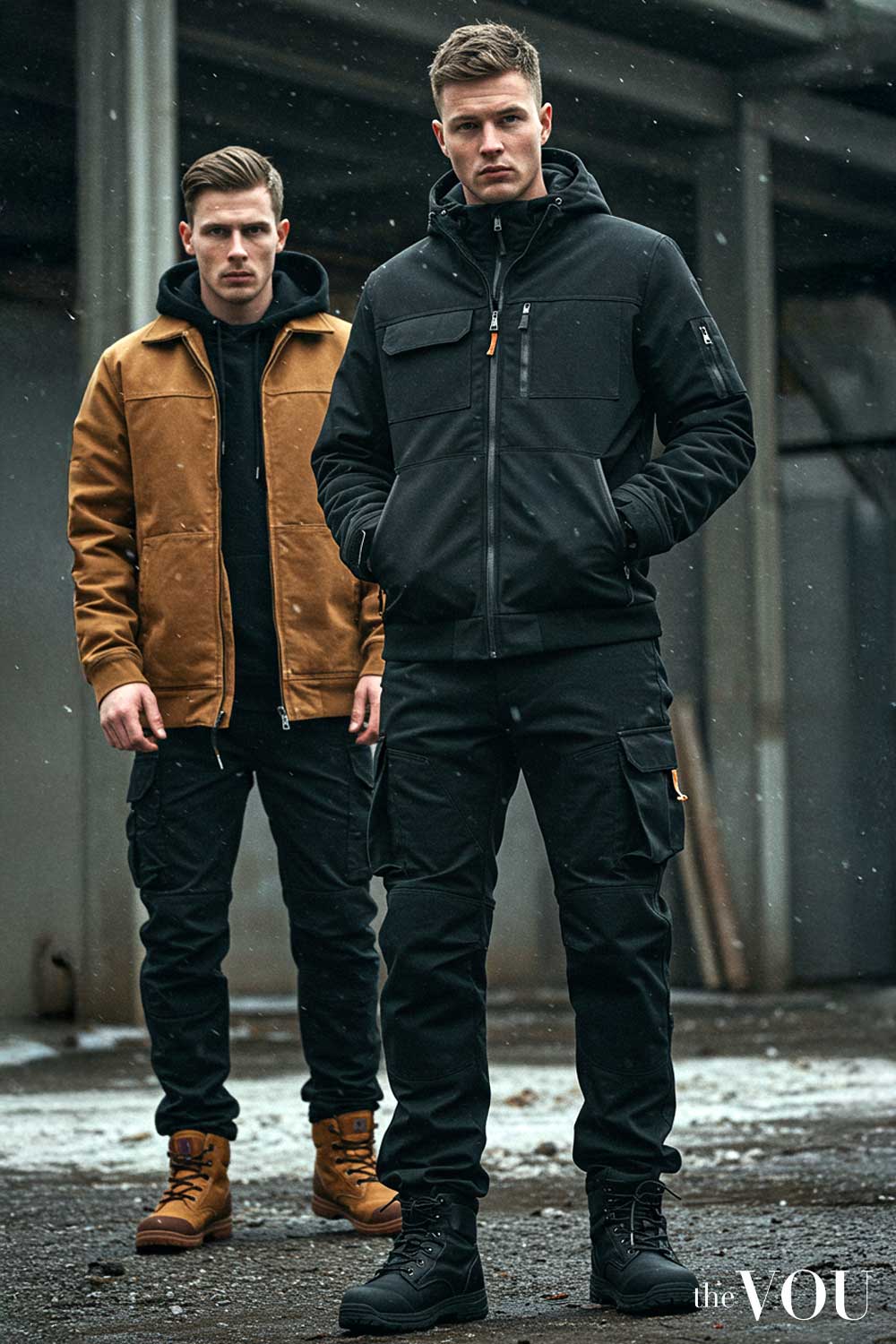
Winter workwear for construction and outdoor jobs works best as loose layers that stay dry, plus head, hand, foot and eye protection that fits your site’s safety rules.
This guide covers what to wear on a cold site, such as:
the three clothing layers OSHA recommends and what each layer should be made of
how to keep your head warm under a hard hat without weakening it
gloves, boots and a spare set of dry clothes
protecting your eyes from glare off snow and ice
what to check before you buy winter workwear
and many more!
Your employer’s safety rules and your site’s safety manager have the final say on what you wear.
Key Points
01OSHA recommends at least three layers of loose-fitting clothing, because layering insulates better and tight clothing reduces circulation.
02Wear only a winter liner designed for your hard hat; OSHA warns that other caps or hoods may affect the helmet’s protection.
03The current US industrial head protection standard is ANSI/ISEA Z89.1-2026, released in September 2026; it does not make currently compliant hard hats obsolete.
04Snow and ice reflect ultraviolet light, which can cause temporary but painful eye damage, so wear eye protection that blocks UV.
Working outside in winter means dealing with cold, wind, wet and short daylight hours, often for a full shift.
The right clothes keep you warm and dry and let you move freely, while the safety equipment your job requires keeps doing its work.
Dress in Three Layers
OSHA’s winter weather guidance recommends wearing at least three layers of loose-fitting clothing, because layering provides better insulation.
Scroll horizontally to see all columns →
| Layer | What it does | OSHA’s suggested materials |
|---|---|---|
| Inner layer | Moves moisture away from your skin | Wool, silk or a synthetic such as polypropylene |
| Middle layer | Insulates, even when damp | Wool or a synthetic |
| Outer layer | Blocks wind and rain while letting some air out to prevent overheating | A wind and rain layer with some ventilation |
Cotton next to the skin holds sweat, so a wool or synthetic thermal base layer is the better choice for physical work in the cold.
Keep each layer loose enough to move in; OSHA notes that tight clothing reduces blood circulation, and warm blood needs to reach your hands and feet.
An insulated coat or jacket, water resistant if you work in rain or snow, goes over the top when temperatures demand it.
Insulated work trousers or bib overalls keep your legs warm, and an insulated vest keeps your core warm when you take your jacket off to work more freely.
Keep Your Head Warm Under a Hard Hat
OSHA recommends a hat that covers your ears, because it helps keep your whole body warmer, and a knit mask for your face and mouth when conditions call for it.
On sites where a hard hat is required, what you wear underneath it matters.
In a letter of interpretation, OSHA explains that its rules do not ban cold weather headwear under a hard hat, but recommends allowing only liners specifically designed to be compatible with the hard hat.
Ordinary beanies, scarves and hoods are not designed for that purpose and may affect the helmet’s protection, and some manufacturers warn against wearing anything inside the shell because it can reduce the clearance between the shell and your head.
Check your helmet maker’s instructions and use the winter liner it approves for your model.
In the United States, industrial hard hats are made to the ANSI/ISEA Z89.1 standard; the 2026 edition, released by the International Safety Equipment Association in September 2026, adds optional enhanced designations and does not make currently compliant head protection obsolete.
Protect Your Hands and Feet
OSHA suggests insulated gloves, water resistant if necessary, and insulated waterproof boots.
Choose gloves that still let you grip tools and handle materials safely, and carry a spare pair if your work keeps them wet.
Where your site requires safety footwear, look for insulated and waterproof versions of the safety boots your job already calls for.
Wool or synthetic socks keep feet warmer and drier than cotton.
Protect Your Eyes From Glare
Snow and ice reflect ultraviolet light, and Cleveland Clinic describes photokeratitis, often called snow blindness, as temporary, painful eye damage from UV light, including the sun’s reflection and welding arcs.
It recommends sunglasses that block or absorb 99% to 100% of UV rays, and wrap-around styles protect from more angles.
If your job requires safety glasses, ask your employer for tinted or UV-protective safety eyewear rather than wearing ordinary sunglasses in their place.
Stay Dry and Take Warm Breaks
Wet clothing loses heat quickly, so OSHA recommends keeping extra clothing, including underwear, handy in case you get wet.
Keep drinking through the day, and take regular breaks somewhere warm and dry.
OSHA expects employers to train workers on cold stress, so learn the warning signs from that training and tell your supervisor if you or a colleague show them.
Choosing Winter Workwear
Many brands make cold-weather workwear, and the right choice depends on your trade, your climate and your site’s rules.
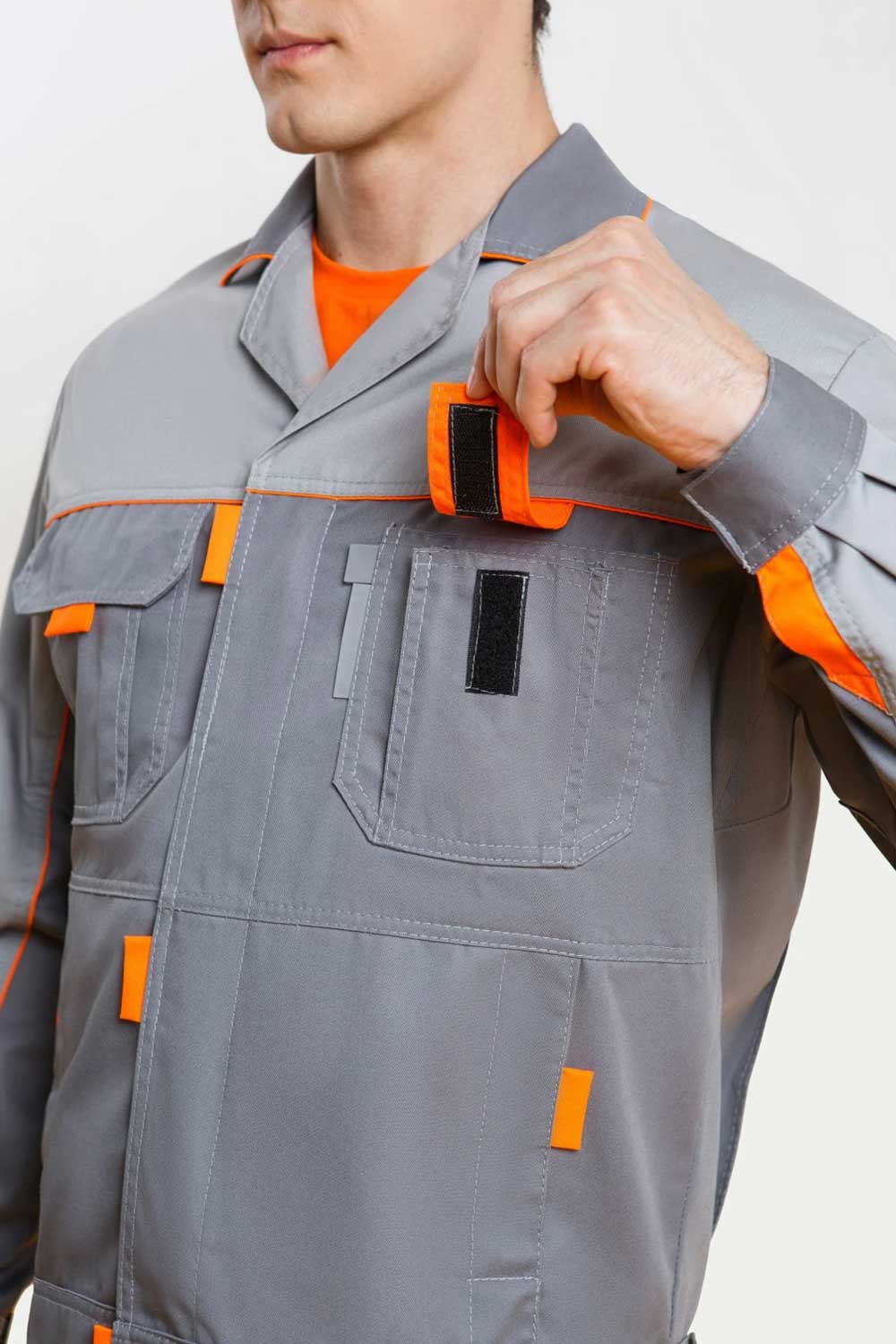
Specialist makers include Yurinox Workwear, which sells insulated jackets and weatherproof workwear, and STUDSON, which sells winter accessories such as a fleece liner designed for its SHK-1 safety helmets.
Whichever brand you consider, read the maker’s own details on insulation, water resistance and washing, and check that each garment works with the protective equipment you already wear.
Fit over layers: try jackets and trousers on over your base and middle layers so you can bend, kneel and reach
Movement: look for room across the back and knees, and cuffs and hems that close against wind
Pockets and closures: zips and fastenings you can work with gloves on
Visibility: high-visibility clothing where your site or role requires it, especially in short winter daylight
Care: fabrics that cope with the washing your work clothes need
Check With Your Site
Your employer’s safety rules decide which protective equipment you must wear, so check with your site’s safety manager before you buy or wear new winter gear.
For more on how dress expectations differ between trades, offices and other workplaces, see our guide to industry-specific business attire for men.