
Start here
What’s This About
Beyond the suit and tie, business professional dress has a handful of detail conventions that make an outfit look finished, and this guide explains seven of them.
The conventions cover details such as
coordinating your belt with your shoes
sock colour and length
tie length and knot size
which jacket buttons to fasten, and when to unfasten them
pocket squares, grooming and accessories
and many more!
These are widely followed conventions rather than laws, and your employer’s own dress policy comes first.
Key Points
01Most of these rules are long-standing conventions of men’s tailoring; following them makes a suit look cared for, but breaking one is rarely a serious problem.
02Your employer’s written policy, any safety requirement and any agreed adjustment take priority over a convention.
03Matching leathers, dark socks and a tie that reaches the belt are three of the most widely followed conventions.
04Religious jewellery is a separate matter from decorative accessories; employers are generally expected to allow religious symbols that do not interfere with the work or with safety rules.
Once you have the suit, shirt and tie of business professional dress, a few smaller conventions decide whether the outfit looks finished.
This article explains seven of these unwritten rules, covering accessories, fit details and grooming.
Each is a convention you can adapt, and none replaces your employer’s dress policy.
1. Your Belt Matches Your Shoe, in Colour and Finish
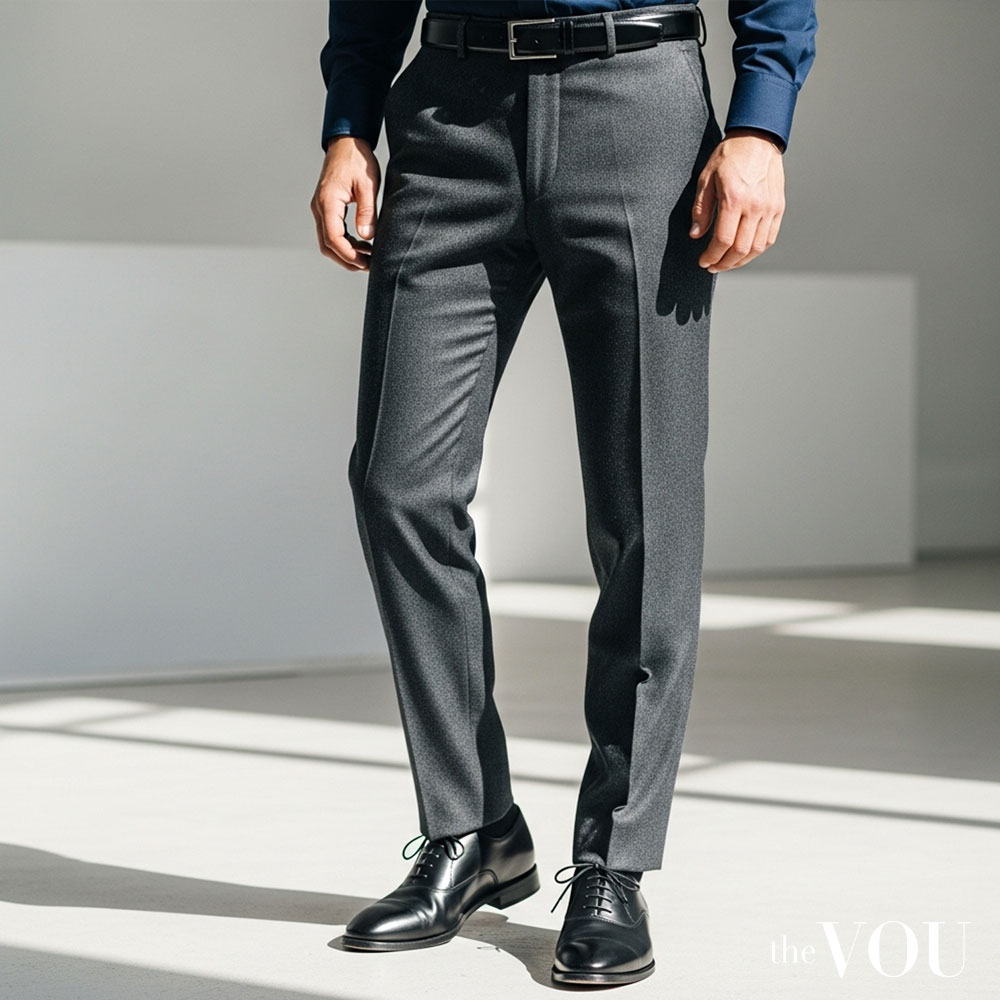
The traditional convention is to wear a belt in the same colour family as your shoes.
For example, a black leather belt goes with black leather shoes, and a brown leather belt goes with brown leather shoes.
Matching the finish as well, such as a matte belt with matte shoes, gives an even more coordinated look.
If you wear braces instead of a belt, the convention does not apply, and an exact match matters less in business-casual settings.
2. Wear Dark Socks Long Enough to Cover Your Calves When Seated
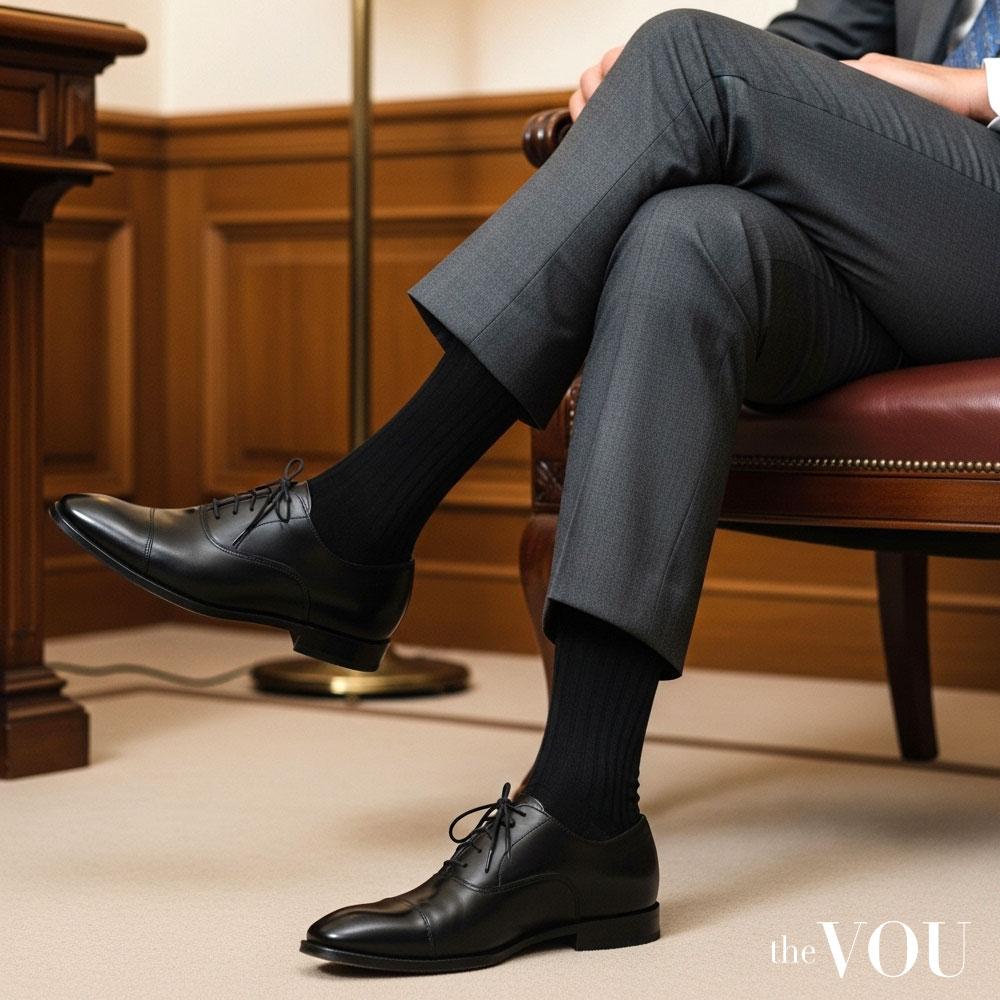
Socks are a small but visible detail in business professional dress.
The conservative convention is dark socks that match your trousers or are a shade darker, long enough that no skin shows when you sit and your trouser leg rises.
Over-the-calf socks are the surest way to achieve this, and white sports socks are best kept for the gym.
3. Position Your Tie Tip to Touch Your Waistband and Choose a Proportional Knot
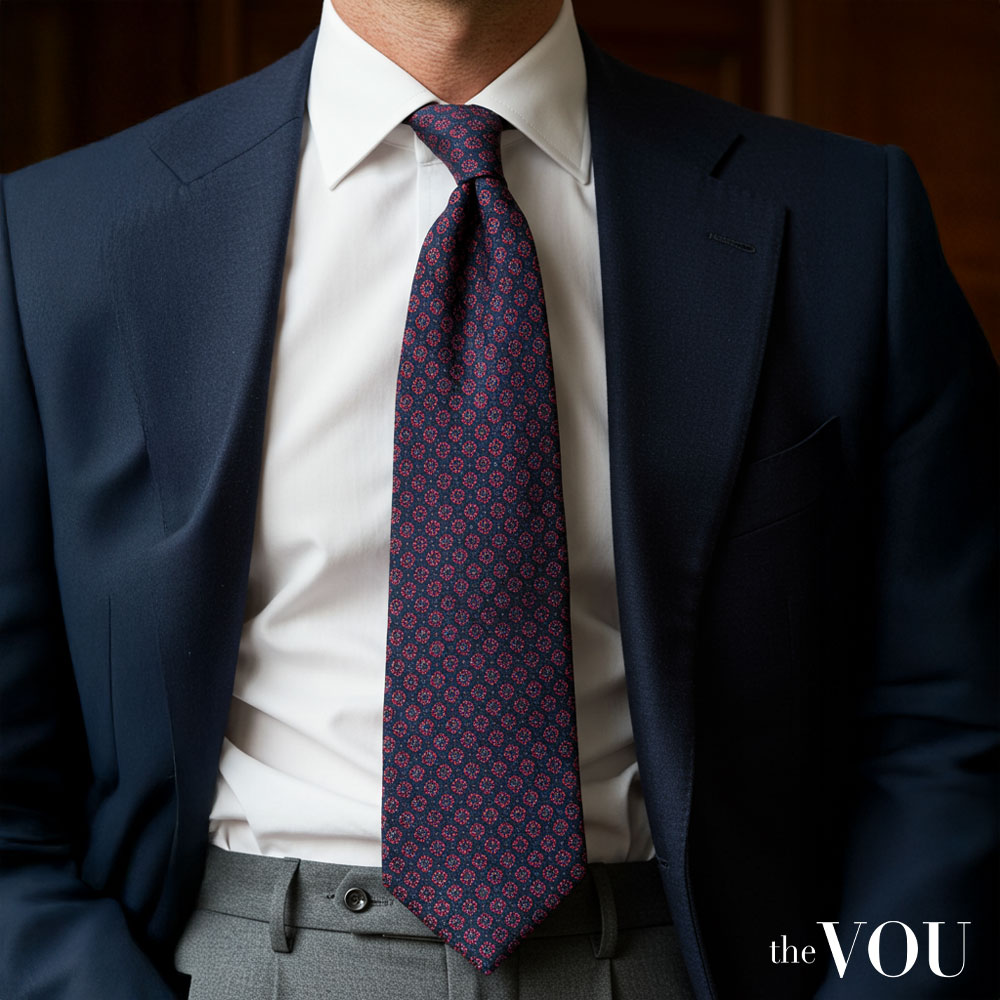
Tie length makes a noticeable difference to how neat a suit looks.
By convention the tip of the tie reaches about the top of your waistband or belt buckle.
A tie that stops well short of the waistband or hangs far below it can look untidy, and tall people may need a longer tie to reach the right point.
Choose a knot in proportion to your shirt collar; a four-in-hand or a half Windsor suits most business shirts, and our guide to the main tie knots shows how to tie them.
A very large or loose knot tends to look careless.
4. Fasten Only the Top Button of a Two-Button Jacket and Unbutton When Seated
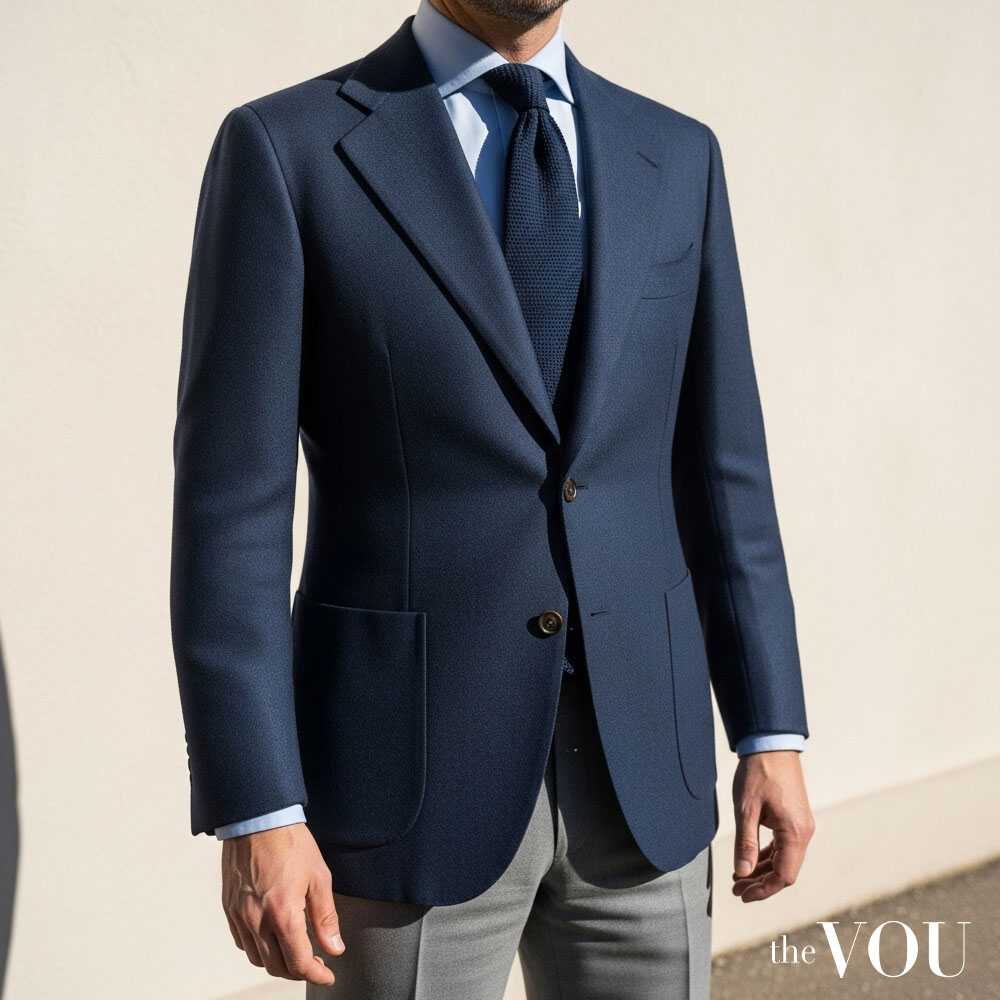
Fastening a single-breasted jacket correctly is a well-known tailoring convention.
On a two-button jacket, fasten the top button and leave the bottom one undone.
On a three-button jacket, fasten the middle button, or the top two if the lapel is cut to roll above the top button; the bottom button is traditionally left undone.
Unbutton a single-breasted jacket when you sit down, so it does not pull or crease, and fasten it again when you stand.
Double-breasted jackets are different. Many wearers keep them fastened, including when seated, although practice varies and unfastening to sit is also common.
5. Choose a Pocket Square That Complements Your Tie Instead of Matching It Exactly
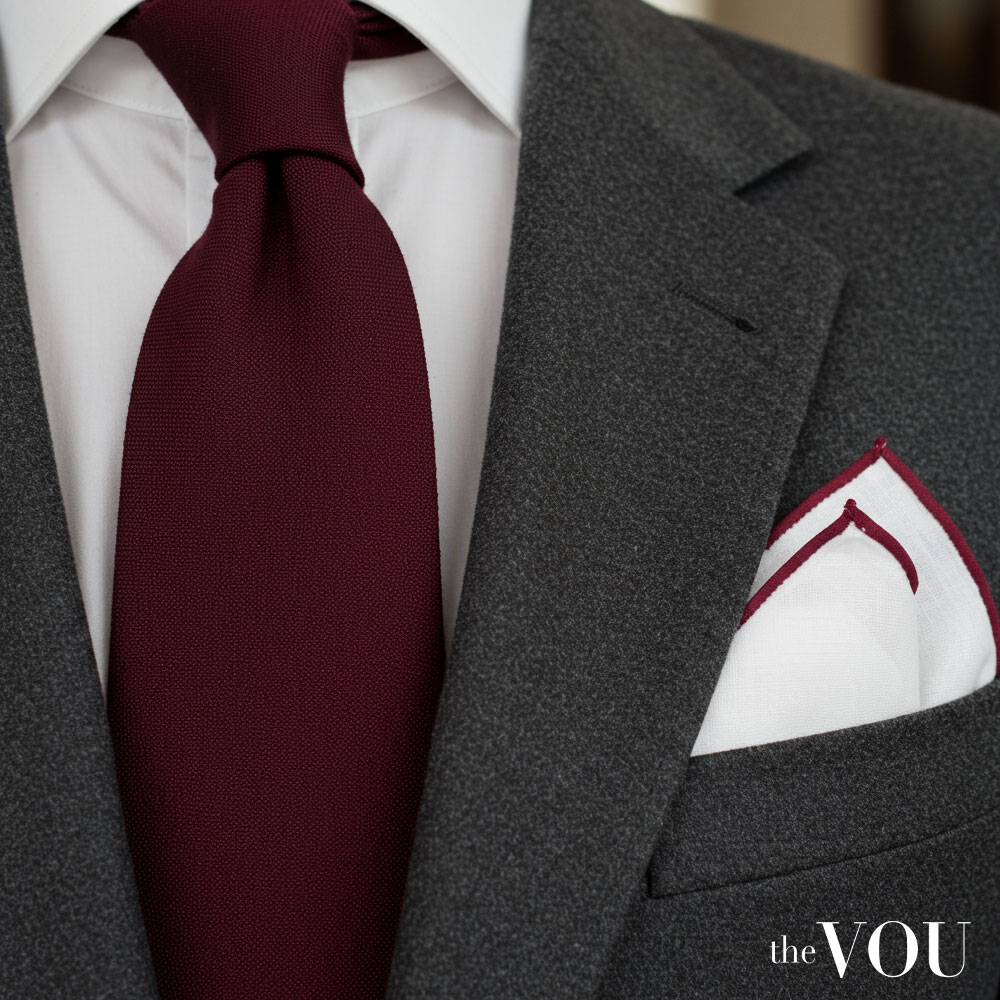
A pocket square is optional, and it adds a finishing touch when you wear one.
Choose one that picks up a colour or pattern from your shirt or tie rather than matching the tie exactly in fabric and pattern.
For business professional settings, a simple straight fold, sometimes called the presidential fold, is usually the best choice.
The aim is a quiet, complementary accent.
6. Keep Grooming Neat With Tidy Hair, Clean Nails and Light Scent
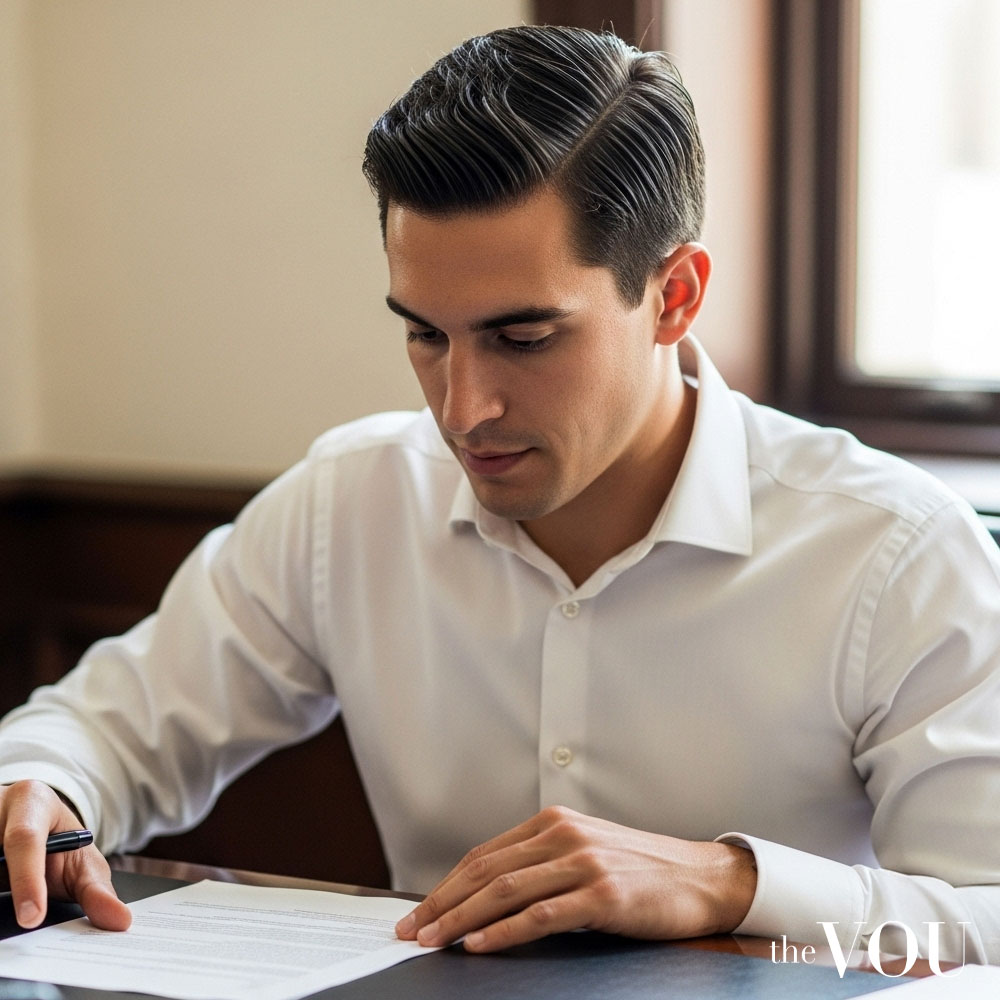
Grooming completes the outfit.
Keep your hair tidy in whatever style or length you wear it, and keep any facial hair maintained.
Keep your fingernails clean and trimmed.
If you wear fragrance, keep it light, because shared offices and meeting rooms magnify strong scents.
These small details show the same care as your clothes.
7. Wear Understated Accessories and Avoid Excessive Jewellery
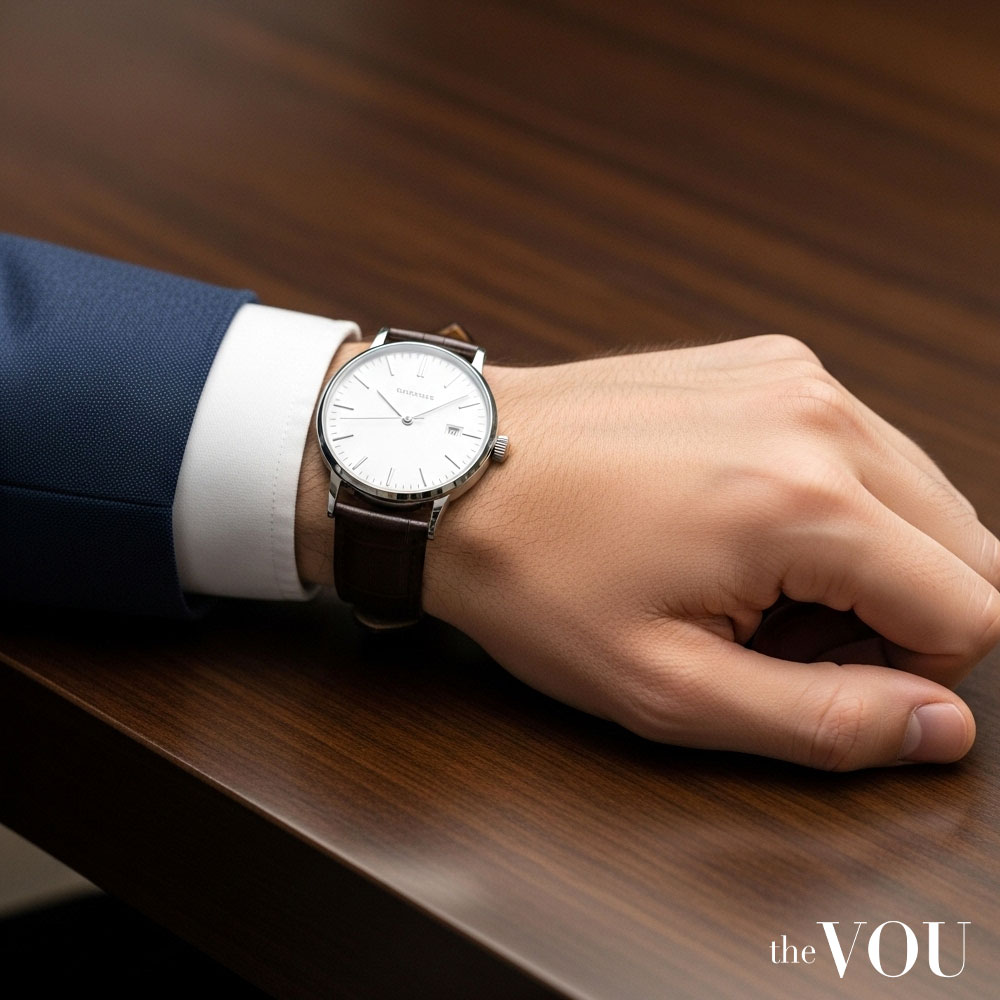
Accessories for business professional dress are usually conservative.
A simple watch is a common choice, though it is optional.
Several decorative rings, bracelets or necklaces at once can look busy in a formal business setting, while a wedding ring is a common, accepted accessory; religious jewellery is a different matter, and if you wear it for religious reasons, raise any conflict with your employer’s policy, since employers are generally expected to accommodate it where it does not affect safety or the work.
If you wear a tie bar, keep it plain; it is conventionally placed between the third and fourth buttons of the shirt.
The aim is to look polished, not flashy.
Develop Your Style Further with The VOU
You can test your understanding of style with our quizzes.
You can also read more informative articles on our website, including our full guide to business professional attire for men.
Our styling services for men are paid consultations; the shop page lists what each one includes.