Start here
What’s This About
First impressions form quickly from visible cues such as clothing, expression and posture, and you can shape a clear, honest visual identity through small everyday choices without pretending to be someone else.
This guide explains how impressions form and what you can do, such as
Understanding which visual cues people notice first
Knowing what quick impressions can and cannot tell anyone
Using clothing, grooming and body language consistently
Taking clear, natural profile photos
Letting your own preferences, not a formula, lead
and many more!
No outfit guarantees a particular reaction; the aim is a presentation that feels like you and suits the setting.
Key Points
01People form impressions quickly, using clothing, grooming, expression and posture among other cues.
02Those quick impressions contain some accurate signals and many mistakes, so clothes never reveal someone’s character reliably.
03A consistent, comfortable look that suits the setting helps people recognise you; it does not need loud choices.
04Photos and video calls now carry many first impressions, so light, framing and a natural expression matter alongside the outfit.
Have you ever met someone for the first time and felt you understood a little about them straight away?
That quick feeling is a normal feature of everyday social life.
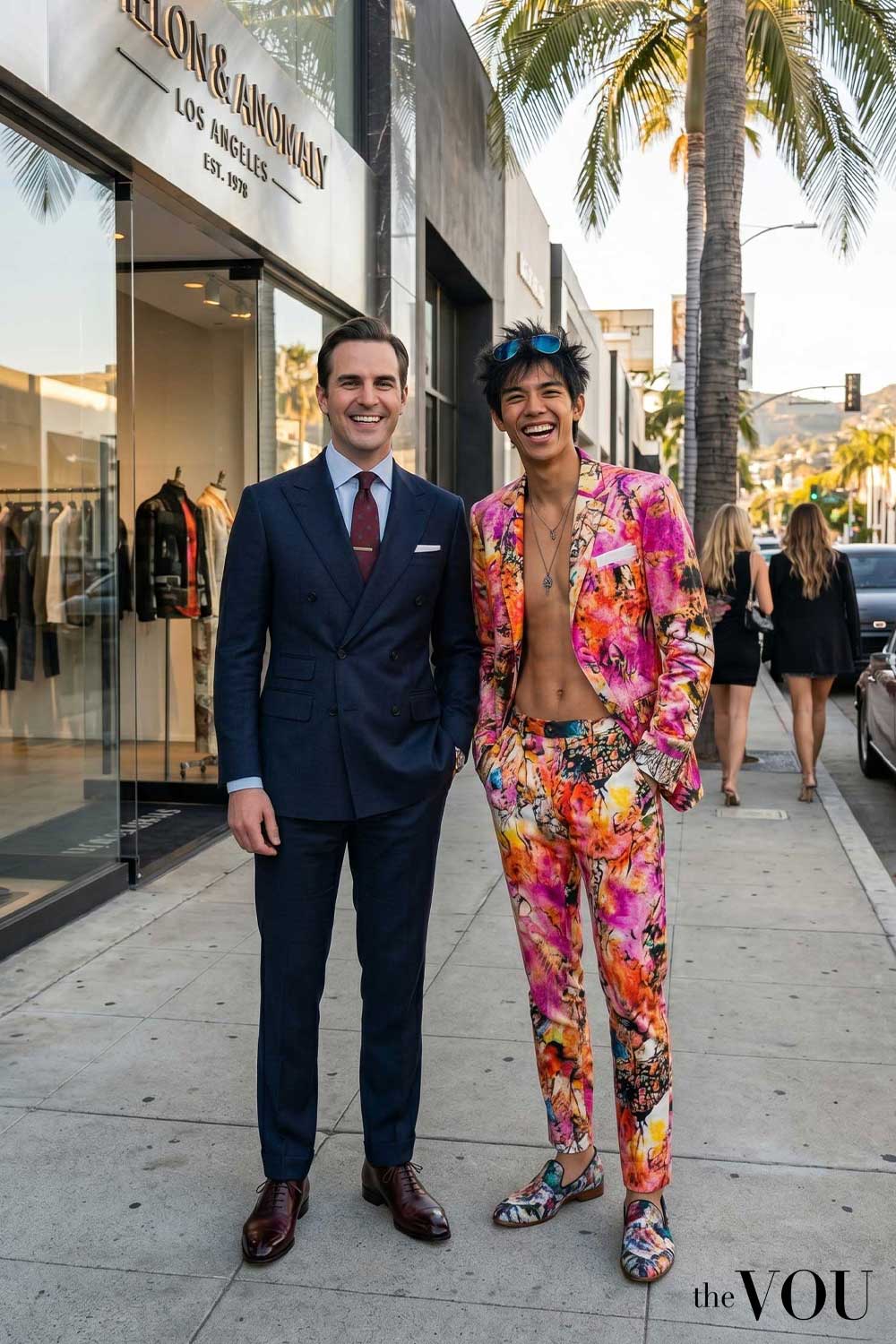
People notice visual cues such as clothing, posture, facial expression, colour choices and the way a man carries himself, and those details combine fast into a first impression.
Visual identity is simply the outward look and feel you present through your clothes, grooming, body language and the way you appear in photos or online.
A good visual identity is not about pretending to be someone else; it is about presenting who you are in a clear, honest and considered way.
Visual identity shows up in many everyday moments, such as a casual introduction, a job interview, a social event, a profile picture or a video call.
The encouraging news is that first impressions are often built from small, simple habits that anyone can work on comfortably.
Why First Impressions Happen So Quickly
When people meet someone new, they tend to organise information fast, noticing visual details and forming a rough sense of the person.
In a short moment, others may notice how relaxed you look, how tidy your outfit is and how your expression makes them feel.
People Notice Visual Signals Fast
Before a long conversation begins, people have usually taken in several visible cues, such as
- Clothing and colour choices
- Facial expression
- Eye contact
- Posture
- Movement and energy
- Grooming and neatness
These signals help people form a basic impression of how you come across, for example calm, warm, creative, polished or easygoing.
Quick Impressions Are Often Imperfect
Those first reads are quick but far from reliable.
In a 2009 study of full-body photographs, observers picked up genuine personality cues for most traits when people posed naturally, though one of the researchers cautioned that observers still make plenty of mistakes.
Clothes can hint at taste, habits and the occasion someone dressed for, but they do not reliably reveal a person’s character, and a single impression is easily revised once people talk.
Knowing that limit is useful both ways, because it takes pressure off your own outfit choices and reminds you not to judge others too quickly.
Signals That Agree Are Easier to Read
When your clothes, grooming, voice and body language point the same way, people can understand you more easily.
For example, a clean, relaxed outfit, a calm way of speaking and open body language support one another and leave a coherent impression.
Feelings Shape What People Remember
First impressions are not only about what people see; they are also about how people feel in that moment.
A welcoming smile, open posture and a comfortable outfit can help someone feel at ease, and how an encounter felt can stay with people as much as what they saw.
What Visual Identity Really Means
Visual identity is more than fashion; it is the overall picture people get when they look at you, both in person and online.
It includes your clothing, haircut, accessories, the colours you enjoy wearing, the photos you share and the way you carry yourself.
Visual Identity Is a Form of Nonverbal Communication
Before you say much, your appearance is already giving people impressions, which is why visual identity is closely linked to how others read you.
Your appearance might suggest qualities such as
- Confidence
- Creativity
- Warmth
- Professionalism
- Simplicity
- Attention to detail
Others will interpret these signals in their own way, and none of them needs loud choices; many come through in quiet, considered details.
Personal Style Shapes Visual Identity
Style is one of the clearest signals within visual identity, giving people clues about your taste and the occasion you dressed for.
In men’s style, those clues often come through fit, fabric, grooming and colour. A simple outfit that fits well and feels natural can say a lot without trying too hard.
Personal style tends to work best when it reflects comfort and your own preferences; our guide on how to develop your personal style covers how to find those preferences.
Consistency Makes You Memorable
A consistent visual identity helps people remember you.
Consistency does not mean wearing the same outfit every day; it means having a general look or feeling that you return to.
You might be known for any of these.
- Clean, simple outfits
- Soft neutral colours
- Bright creative details
- Classic shapes
- Relaxed and friendly photos
That kind of consistency builds familiarity, which can make people feel more comfortable around you.
How Photography and Technology Shape Visual Identity
Today, many first impressions happen through a screen, so photos and video calls now carry much of how people present themselves.
A profile photo, personal website image, video call frame or social media post can all shape how other people see you, which is why visual identity now covers offline and online moments.
Photos Capture More Than a Face
Photography records mood, energy, setting and attention to detail as well as appearance.
A photo with natural light, clear focus, relaxed posture and simple styling tends to feel warm and inviting, and gives people a chance to connect with you before meeting in person.
Small choices can help, such as
- Wearing colours you enjoy that also photograph well in your usual light
- Choosing a clean, uncluttered background
- Using a natural expression
- Standing or sitting in a relaxed way
If you edit a profile photo, removing a busy background can keep the focus on you and give the picture a cleaner look.
Technology Makes Visual Expression More Accessible
Technology has made it easier to present yourself clearly; you no longer need a complicated set-up to create good visuals.
Here are some simple steps.
- Choosing a clear, current profile photo
- Using soft light near a window
- Keeping your online images reasonably consistent
- Picking colours that match your style
- Framing photos in a clean, balanced way
These small actions can make your visual identity feel clearer and more personal.
Online and Offline Identity Work Best Together
Visual identity is easiest to read when it feels similar in real life and online.
If your photos, clothing, body language and communication style feel connected, people get a steadier picture of you and feel they are meeting the same person in every setting.
Ways to Build a Positive First Impression Naturally
First impressions often grow from simple habits; you do not need anything dramatic.
Start With Self-Awareness
The first step is deciding how you would like to come across.
You may want your look to feel one or more of the following.
- Friendly
- Calm
- Creative
- Polished
- Relaxed
- Modern
Once you know the feeling you want, everyday choices become easier, and the setting still matters. A polished look for an interview and a relaxed one for a weekend barbecue can both be you.
Focus on Small Visual Details
Small habits often make a noticeable difference to how you present yourself day to day.
Scroll horizontally to see all columns →
| Area | Simple idea |
|---|---|
| Clothing | Clean, comfortable clothes that fit well |
| Grooming | Neat and true to your routine |
| Colour | Shades you enjoy wearing |
| Body language | Open and relaxed |
| Photos | Natural light and clear framing |
If you want to check whether your clothes are working for you, our guide to the signs your personal style is working offers practical checks.
Let Authenticity Lead
People tend to respond well to what feels honest, which is why visual identity works best when it reflects your real preferences.
If you enjoy classic looks, lean into them; if you like creative touches, let them show; if your style is simple, a simple style can be very effective too.
The goal is clarity, not performance.
Why Visual Identity Matters in Everyday Life
Visual identity is not only for fashion, media or creative work; it plays a role in ordinary daily moments too.
It can support connection in social settings, help people remember you at work and make digital communication feel more personal.
Feeling at Ease in Your Clothes
Some people find they feel more at ease when their appearance matches how they see themselves.
Research on how clothing affects the wearer is mixed, so the benefit you can count on is practical, in that clothes you like and can move in are one less distraction.
Visual Identity Helps Tell Your Story
Your style, photos and small details can share your taste and interests without many words.
Remember that people fill in the rest with their own assumptions, which is why conversation matters more than any outfit.
A Clear Visual Identity Can Help Conversations Start
A clear, approachable presentation can make it easier for others to strike up a conversation.
Even so, the impression that lasts usually comes from what you say and how you treat people.
Final Thoughts
First impressions and visual identity are closely linked because people respond quickly to what they see and feel in the first moments of contact.
Those quick reads are useful but imperfect, so aim for a presentation that is honest, comfortable and suited to the setting rather than one designed to control what people think.
Your style, expression, body language and photos work together, and small everyday choices are enough to keep that picture clear.