
Start here
What’s This About
You can tell your style is working when your clothes fit the way you intend, combine easily, suit the places you go and feel like you, whatever look you prefer.
This guide explains practical checks, such as
Choosing colours deliberately rather than by habit
Wearing clothes that fit your body and the silhouette you want
Having a recognisable approach without wearing a uniform
Adjusting formality for different settings
Using feedback as information rather than proof
and many more!
Each sign comes with simple ways to develop it, and none depends on one correct look.
Key Points
01Good style is not one objective standard; craft basics such as fit, care and dress-code awareness sit alongside your own taste.
02A seasonal colour label, a body shape or a style archetype is an optional tool, not a test you must pass.
03Compliments are pleasant but do not prove anything; comfort, use and how often you reach for an outfit are better evidence.
04There is no set timeline for developing style, and progress comes from trying changes and noticing what works.
Good style in men’s fashion is more than wearing trendy clothes; it is about dressing with intention, in clothes that suit both you and the situation.
Your personal style plays a role in how you present yourself, alongside how you speak and behave, so it is worth checking whether it reflects what you want.
Style involves personal taste, but some shared craft basics, such as fit, garment care and awareness of dress codes, help almost any look work better.
This guide sets out five practical signs that your style is working, with actionable steps to develop each one.
The Foundations of Good Men’s Style
Personal Style and Good Style
Personal style is your individual taste, meaning the colours, shapes, fabrics and references you are drawn to.
Good style, as this guide uses the term, means applying that taste well, with clothes that fit as intended, are cared for, combine easily and suit the occasion.
Some men find the Old Money aesthetic, built on classic tailoring and muted colour, a useful reference for quality, restraint and attention to detail, though it is one approach among many rather than a standard everyone should meet.
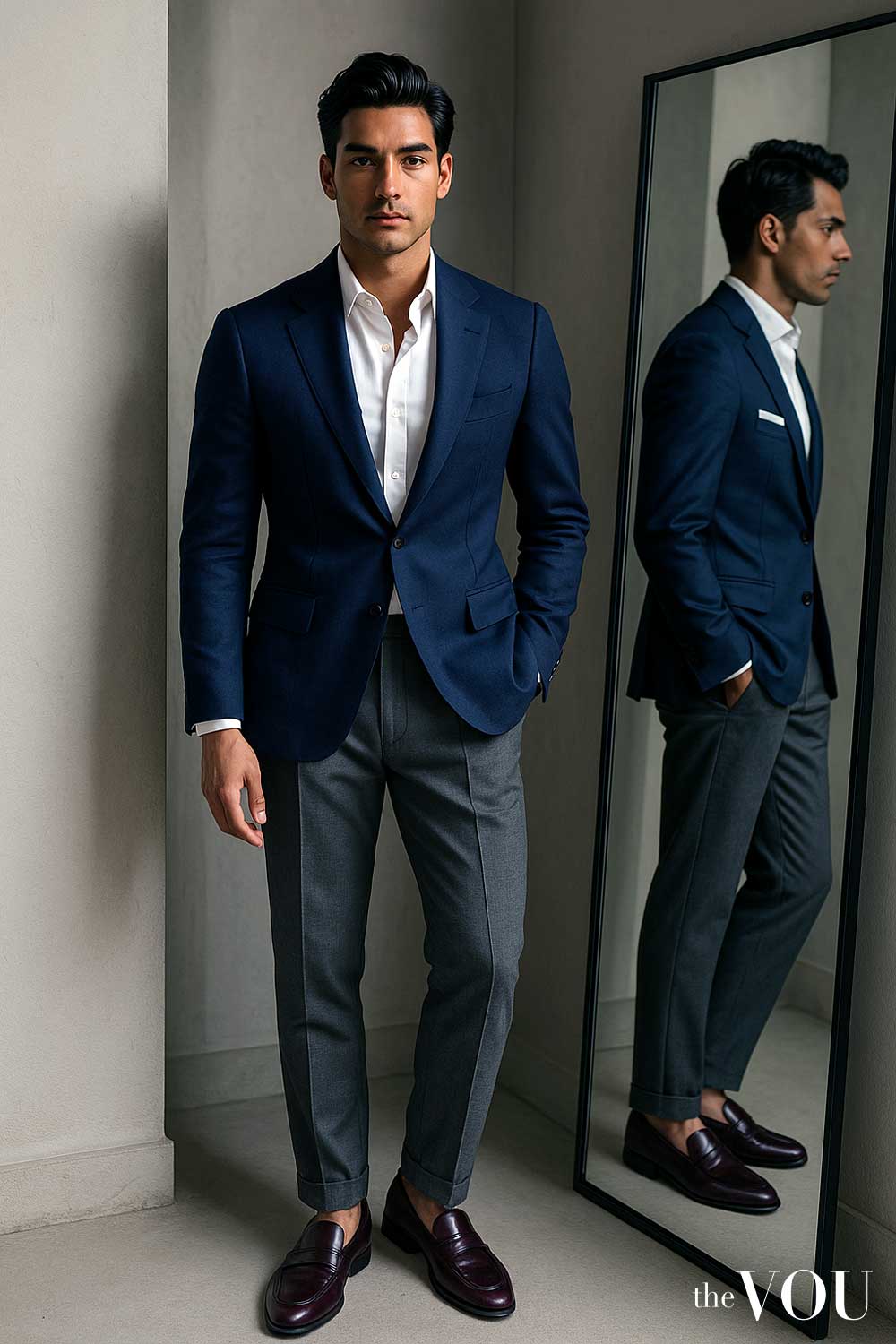
When your style is working for you, you are likely to feel at ease in your clothes and spend less time deciding what to wear.
A common misconception is that good style requires constant trend-chasing or designer labels; in practice, a coherent wardrobe you enjoy wearing matters more than either.
Four Foundations to Consider
Four considerations help most wardrobes, whatever your aesthetic preferences.
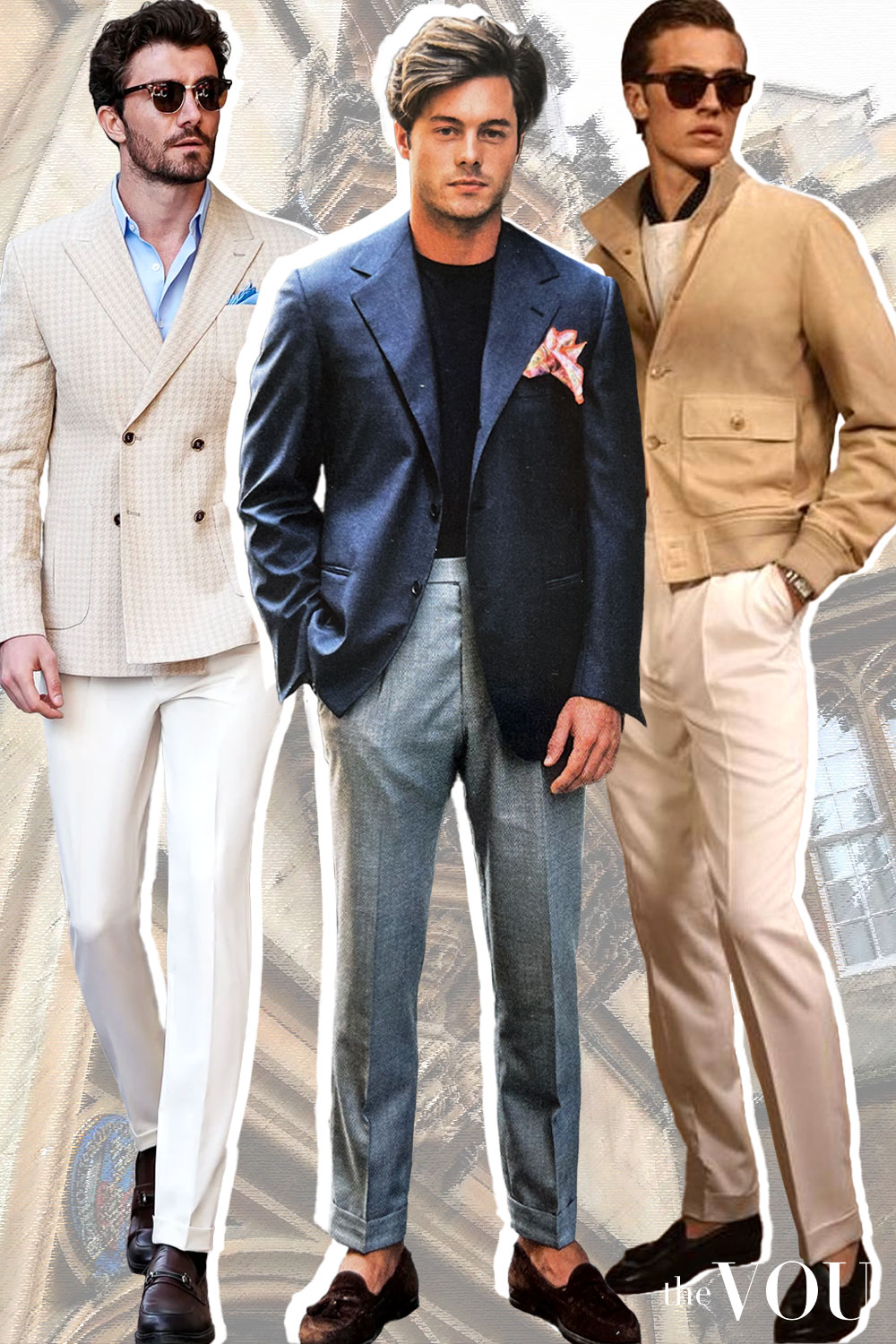
First, consider how the colours of your clothes work together and beside your face, and which effect you prefer.
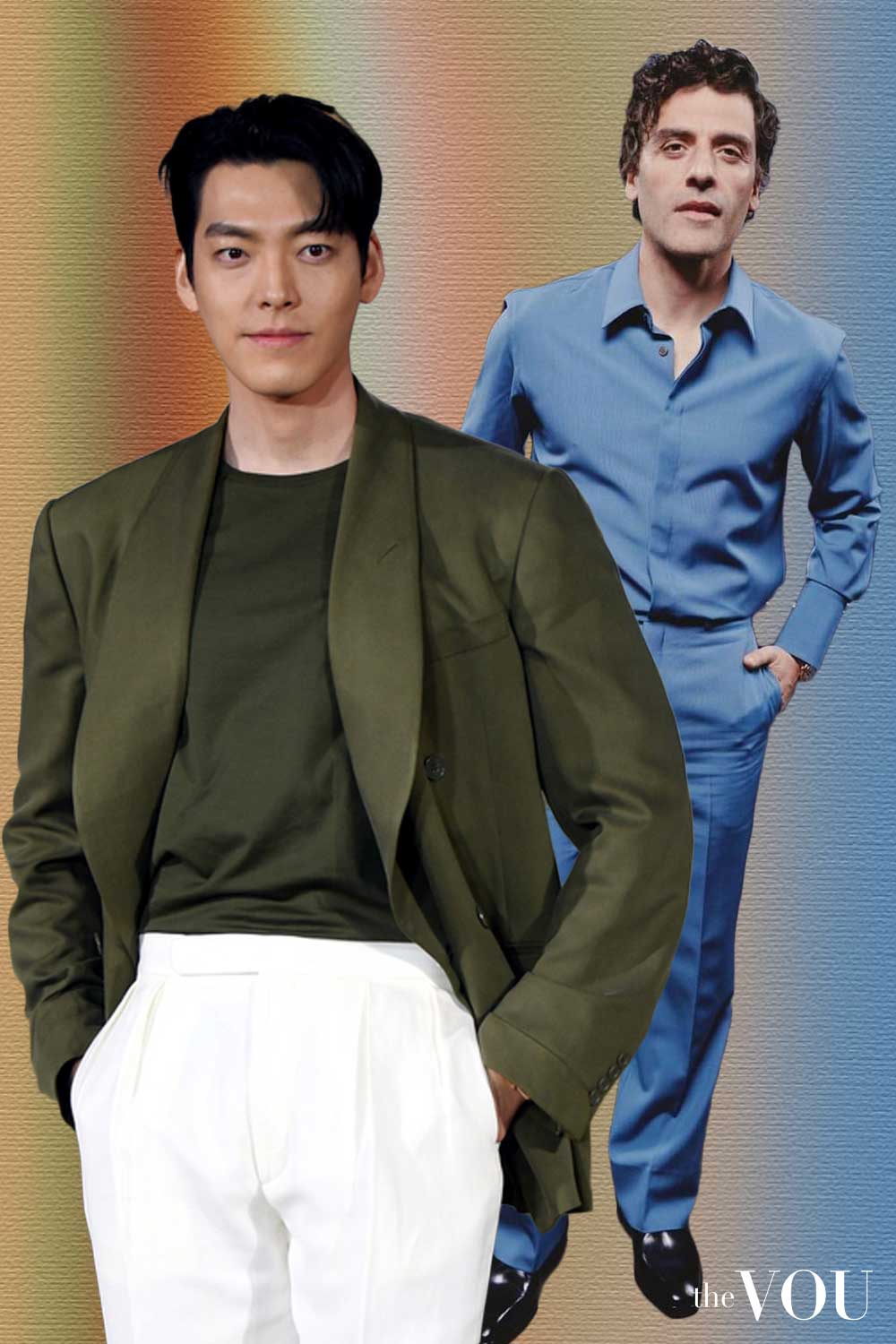
Second, consider how garment shapes and proportions sit on your body and which outline you prefer; our guide to dressing for your body shape offers optional observations to explore.

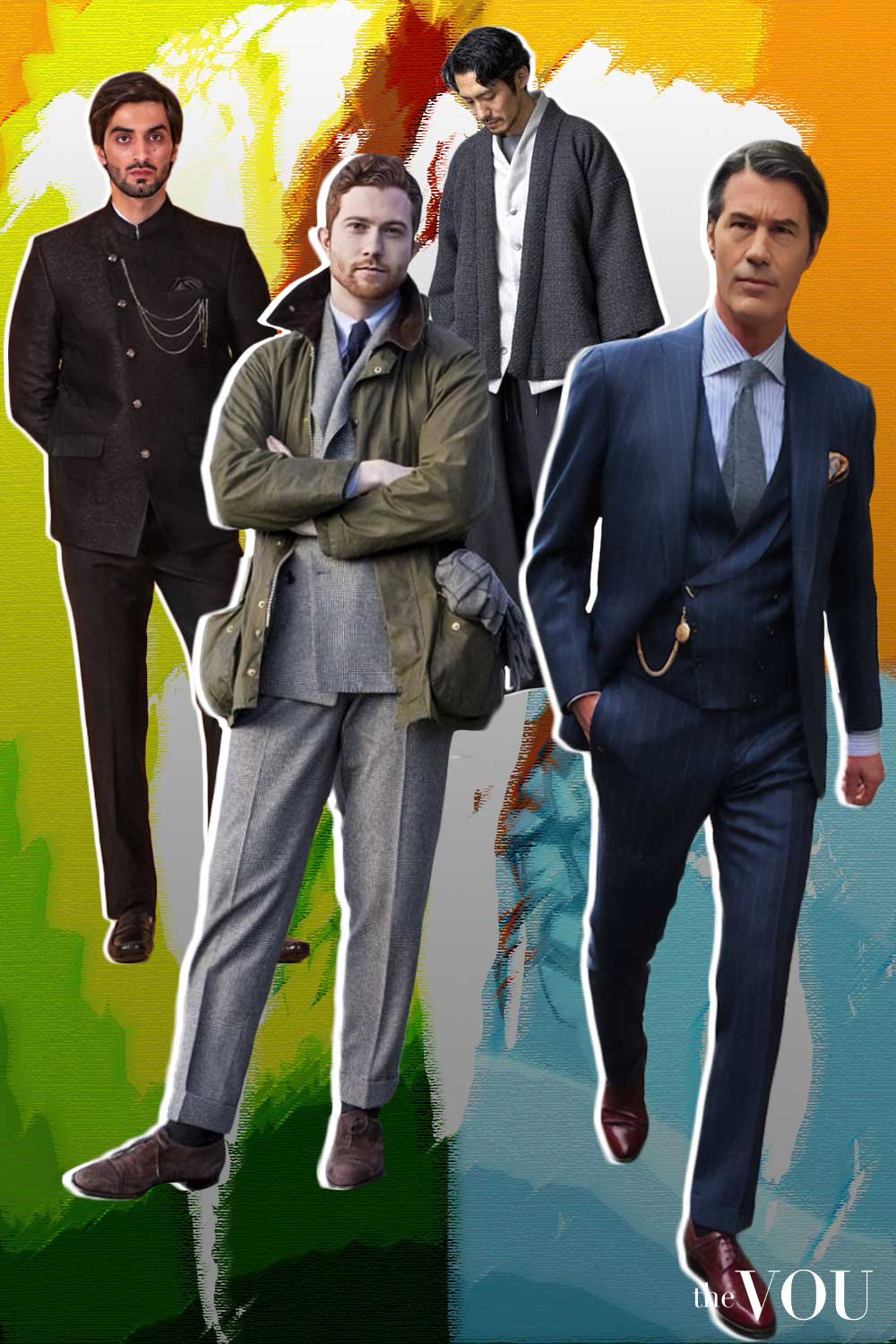
Third, aim for consistency across different scenarios, from casual weekends to formal events, so your outfits feel like versions of the same person.
Finally, developing an eye for quality and craftsmanship helps you choose garments that last and spend your budget carefully.
Five Signs You Have Good Style (And How to Develop Them)
1. You Choose Colours Deliberately
Compare how your clothes work together, how they look beside your face and whether you enjoy wearing them.
A seasonal label is optional.
Seasonal colour analysis groups palettes into Spring, Summer, Autumn and Winter families.
Hair, eyes and visible skin colour offer observations to explore; they do not automatically assign a person to a family.
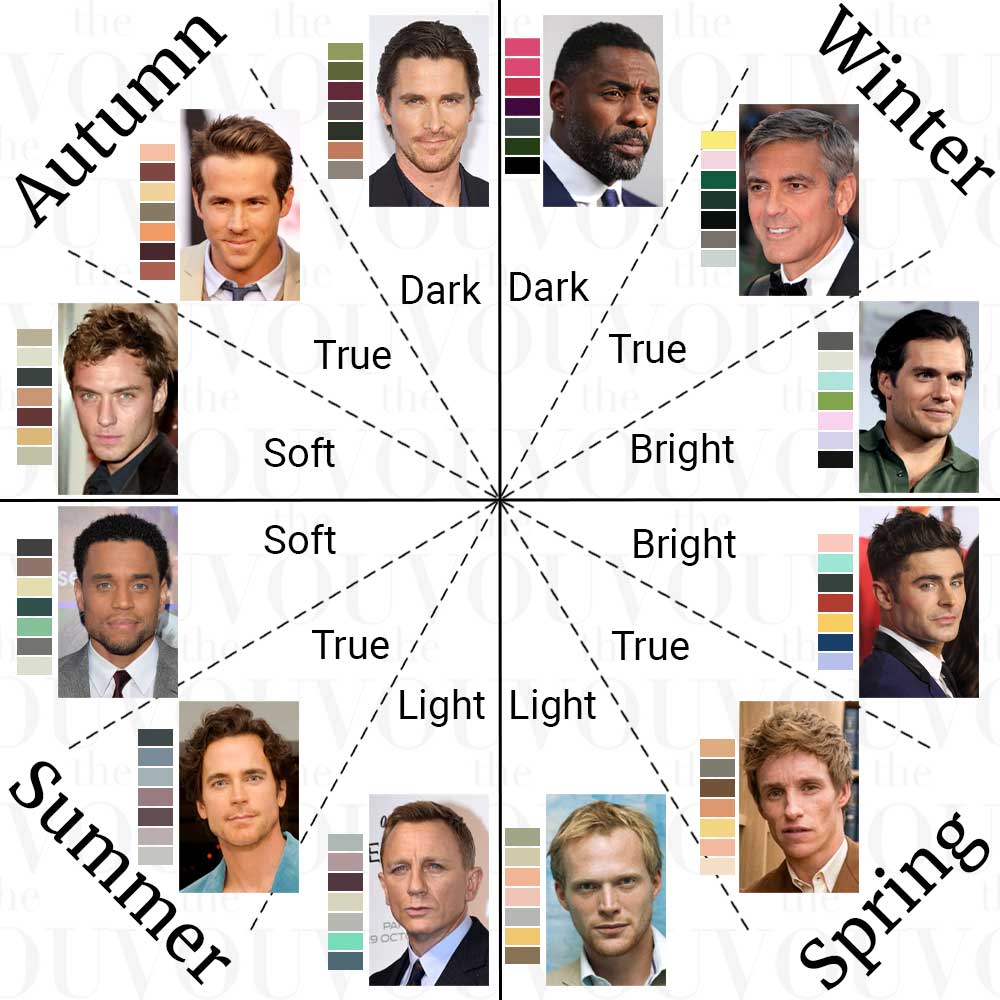
Spring palettes generally combine warmth and clarity, with differences in lightness and intensity across their three subseasons.
Summer palettes lean cooler and softer overall.
Light, True/Cool and Soft Summer have different balances; Summer does not mean wearing only pale colours.
Autumn palettes lean warmer and more muted, with options ranging from softer to deeper combinations.
Winter palettes lean cooler and clearer.
Black and white are useful options, not compulsory clothing for everyone investigating Winter.
Scroll horizontally to see all columns →
 |
Find your seasonal colours |
Record which shirts you enjoy and any feedback you receive, then compare garments in consistent light.
Compliments alone do not establish a season.
2. Your Clothes Fit the Way You Intend
Fit is one of the clearest signs of care, because clothes that fit are more comfortable and easier to wear well.
Check fit in the complete outfit, sitting and moving, not just standing still in a mirror.

Common fit problems include trousers that pool heavily at the ankles when you wanted a clean line, jacket sleeves that cover your shirt cuff and hand, shirts that billow at the waist, or shoulders that collapse or ridge past your natural shoulder line.
Some of those shapes can be deliberate, though. A relaxed shirt, an extended shoulder or a full trouser break are style choices when they are intended and the garment still sits properly.
Good style isn’t about following arbitrary rules but about creating visual harmony with your unique physique.
Scroll horizontally to see all columns →
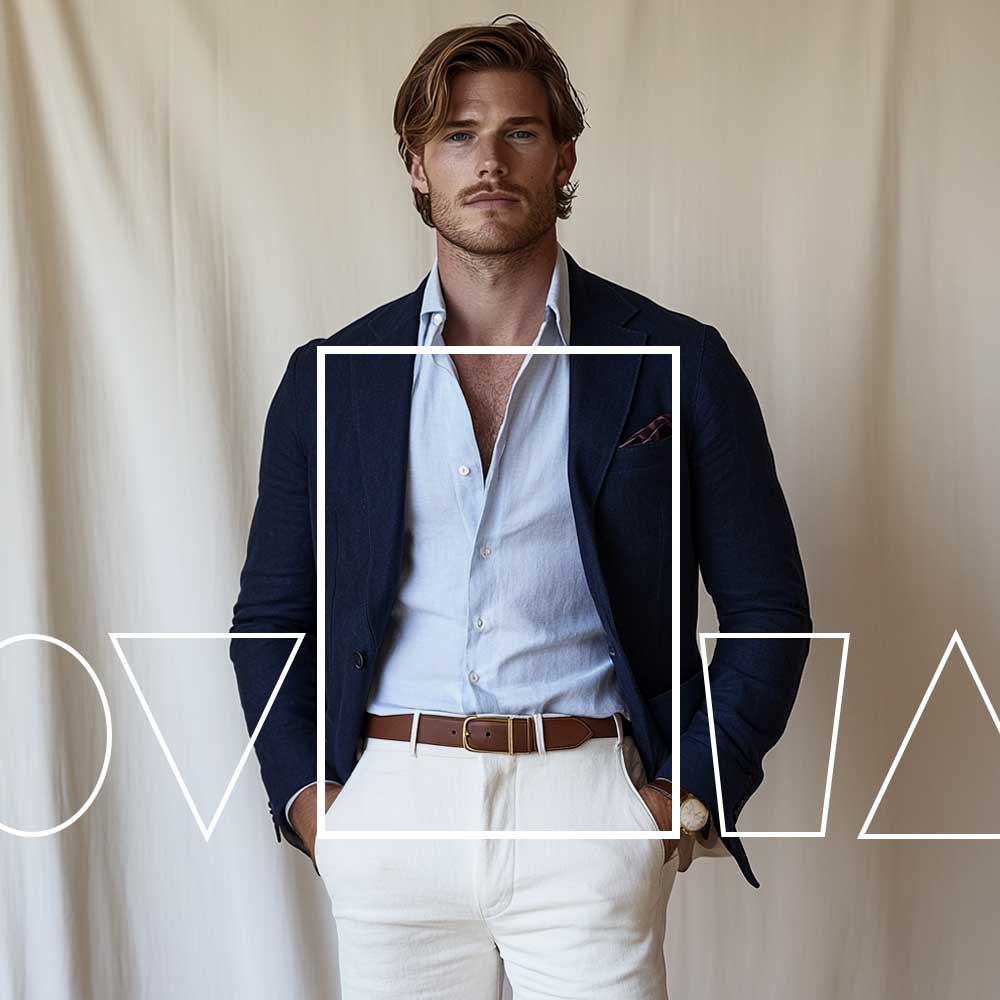 |
Check your body shape |
Even modestly priced garments can look exceptional when tailored correctly, while expensive garments will look cheap if they don’t fit properly.
A skilled tailor can make routine changes such as shortening sleeves and hems, tapering trousers and taking in a waist; bigger changes, such as reshaping shoulders or lengthening a jacket, are rarely practical, so buy the closest fit you can and ask the tailor what is feasible.
3. You’ve Developed a Consistent Personal Aesthetic
A working style often has a recognisable visual identity that feels authentic rather than borrowed.
This doesn’t mean wearing a uniform; it means having a coherent approach to dressing that reflects your preferences and lifestyle.
Changing or mixed preferences are also normal; consistency here means your outfits feel deliberate, not identical.

Your wardrobe tends to feel connected, with garments that mix and match easily because they share colours, shapes or textures you return to.
You can incorporate selective trends that interest you without abandoning the looks you enjoy, or ignore trends entirely.
Scroll horizontally to see all columns →
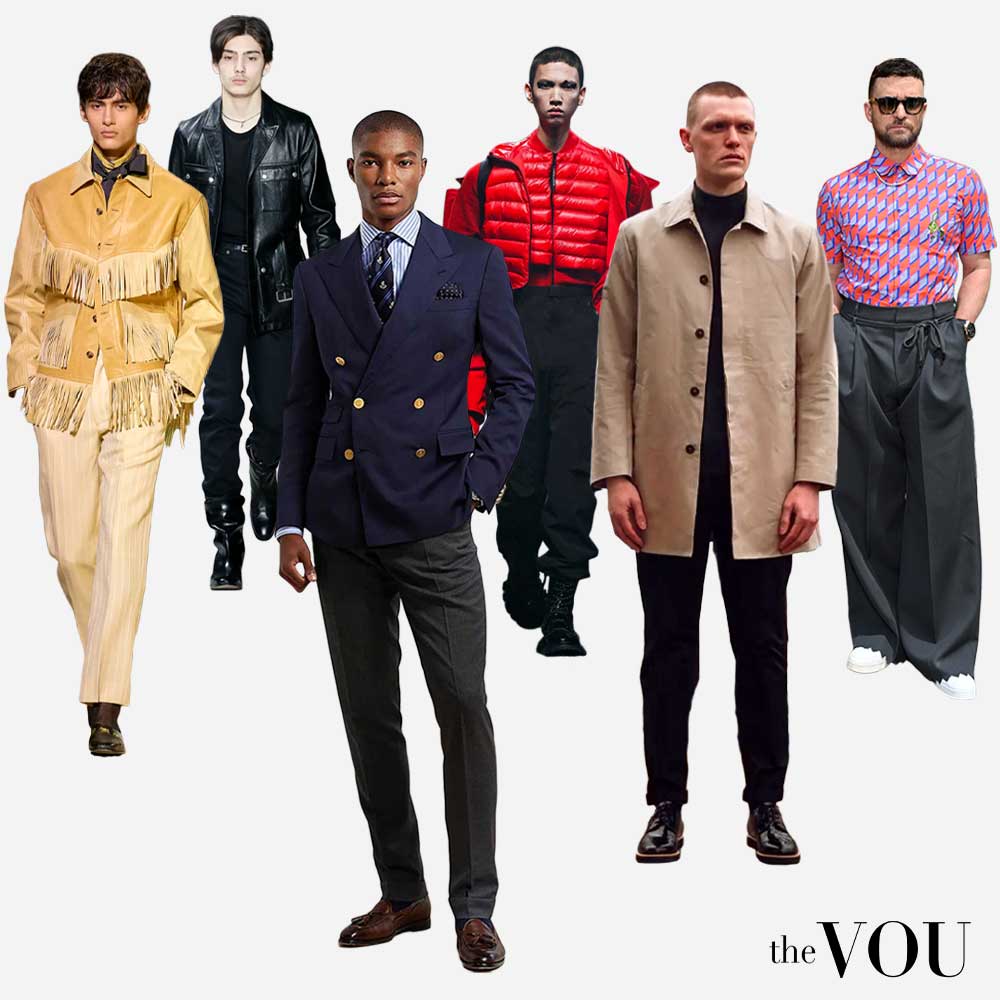 |
Explore your fashion style |
Some people find style archetype labels helpful as shorthand, for example the Modern Minimalist (clean lines and monochromatic palettes), the Refined Casual (elevated everyday wear with subtle luxury details) or the Contemporary Classic (updated traditional menswear with thoughtful modern touches).
Labels describe clothing preferences rather than your character, and mixing details from several looks is completely normal; our Style Personality Quiz is one optional starting point for naming the looks you are drawn to.
4. You Understand Appropriate Dressing for Different Contexts
Adapting to the setting is a practical hallmark of good style.
You can adjust your appearance to different environments without losing your personal identity.

In business settings, adapting might mean understanding the difference between business formal, business professional and smart casual, and knowing which applies to your specific workplace.
For social occasions, adapting means respecting the host’s dress code while expressing your personal style through details and accessories.
Being appropriately dressed also helps you feel comfortable, because you are not worrying about standing out for the wrong reason.
5. You Use Feedback Without Depending on It
Seeking validation shouldn’t be your main motivation, and positive comments are not proof that your style is right or wrong.
Feedback can still be useful information, particularly when it is specific, such as a remark about how a jacket fits or how a colour works with your other clothes.

Comments like “You always look so put together” or “That colour really works on you” are pleasant to hear, but plenty of well-dressed men receive few compliments, and polite remarks are not always meant as assessments.
Better evidence is your own, namely which outfits you reach for repeatedly, which garments feel comfortable all day and which combinations you would happily wear again.
When feedback is constructive rather than merely polite, take note; those insights can help refine your approach.
Refining Good Style Further
If a quieter look appeals to you, refined style often shows in subtle details rather than obvious branding.
Good fabric often reveals itself through how a garment drapes, wears and holds its shape rather than through logos.

Construction details such as neat buttonholes, pattern matching at seams and well-attached linings are worth learning to recognise when you compare garments.
Accessories you choose with care, such as a watch you enjoy, well-maintained shoes or a fragrance you like, can complete an outfit.
A sensible wardrobe plan spends more on the garments you wear most often and less on occasional extras.
Developing Style Intuition Through Practice
Style develops with practice and attention, like most skills.
You might read about menswear history, follow writers whose advice explains its reasoning, and notice what well-dressed people in settings similar to yours actually wear.

Train your eye by comparing garments at different price points, noting which differences in fabric and construction you can actually see and feel.
Practise creating several outfits from your core garments to discover which combinations you enjoy most.
There is no fixed timeline. Some men notice changes they like within weeks, while others prefer to refine gradually over years.
Professional Assessment and When to Seek Expert Style Guidance
Consider professional guidance if you feel stuck despite trying to improve your style on your own.
New responsibilities at work, a career change, returning to dating after a long relationship or relocating to a different climate or culture are common reasons men choose to reassess their wardrobes.
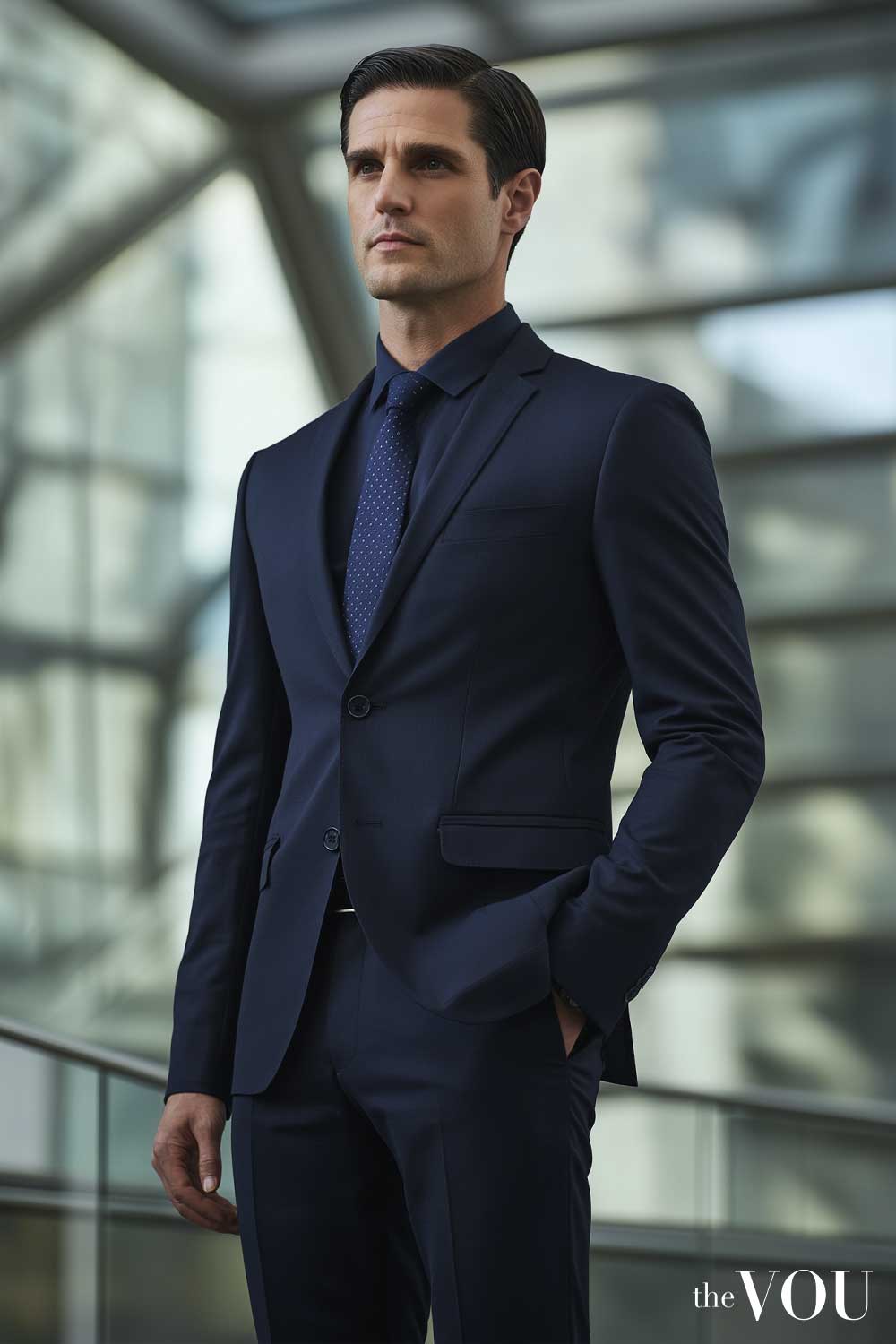
A good consultation can save time and help avoid purchases you would not wear, so ask about the scope, total cost and deliverables before booking; no service can guarantee career or social outcomes.
What a Professional Style Assessment Can Include
If a consultation includes colour analysis, ask which framework and comparison method the consultant uses and how uncertain results are handled.
The VOU’s Professional Seasonal Colour Analysis is one such consultation.
A body architecture analysis offers observations about your proportions to guide garment and tailoring choices; ask how measurements or photographs are used.
A face shape analysis offers suggestions for hairstyle, beard grooming, eyewear and collar choices.
A professional can also help you identify the style archetypes you are drawn to, giving you vocabulary for looks that feel natural rather than forced.
Take the First Step With The VOU’s Styling Quizzes
Start with our quizzes if you would like a structured prompt.
Take our Face Shape Quiz for initial styling suggestions.
If useful, try the Seasonal Colour Analysis Quiz as an initial prompt for clothing comparisons, keeping any result provisional.
Compare garment shapes through our Body Shape Quiz, and try style directions with our Fashion Style Quiz.
Explore The VOU’s Professional Styling Services
For image development across your whole look, The VOU offers paid styling services.
A simple route is to take the quizzes above first, then book a consultation if you would like personal help.
Our Professional Face Shape Analysis package includes an assessment of your face shape, personalised hairstyle suggestions, a facial hair styling guide, eyewear guidance and grooming recommendations.
For the broadest option, consider our Complete Image Transformation Package.
The package includes our Fashion Style, Seasonal Colour, Body Shape and Face Shape analyses, a brand-specific shopping guide and two weeks of support.
Its aim is to help you build a cohesive look across clothing, colour and grooming, with your own preferences kept at the centre.
FAQs
Q. How long does it take to develop good style?
There is no set timeline.
Fit and colour changes can make a visible difference quickly, while a confident sense of what you enjoy usually develops gradually through trying outfits and noticing what works.
Q. Can good style be achieved on a limited budget?
Absolutely.
Good style depends more on understanding fit, colour and proportion than on spending power.
Quality second-hand garments and targeted tailoring can create an excellent wardrobe on almost any budget.
Q. Is it worth investing in professional style analysis?
For some men, professional guidance is a helpful shortcut that reduces trial-and-error purchases.
Whether it is worth the cost depends on your budget and goals, so check what the service includes before booking.
Q. How do I know which areas of style to prioritise first?
Fit and colour usually make the most immediate difference.
Once those feel settled, focus on building combinations across your wardrobe and gradually upgrading quality as your budget allows.
Q. Can good style be measured objectively?
Partly.
Some questions can be checked, such as whether a garment fits as intended, is in good condition and meets a dress code.
Whether you prefer a sharp or relaxed silhouette, bright or muted colours, or classic or experimental clothing is a matter of taste; the best measure is whether your clothes support your life and feel like you.