
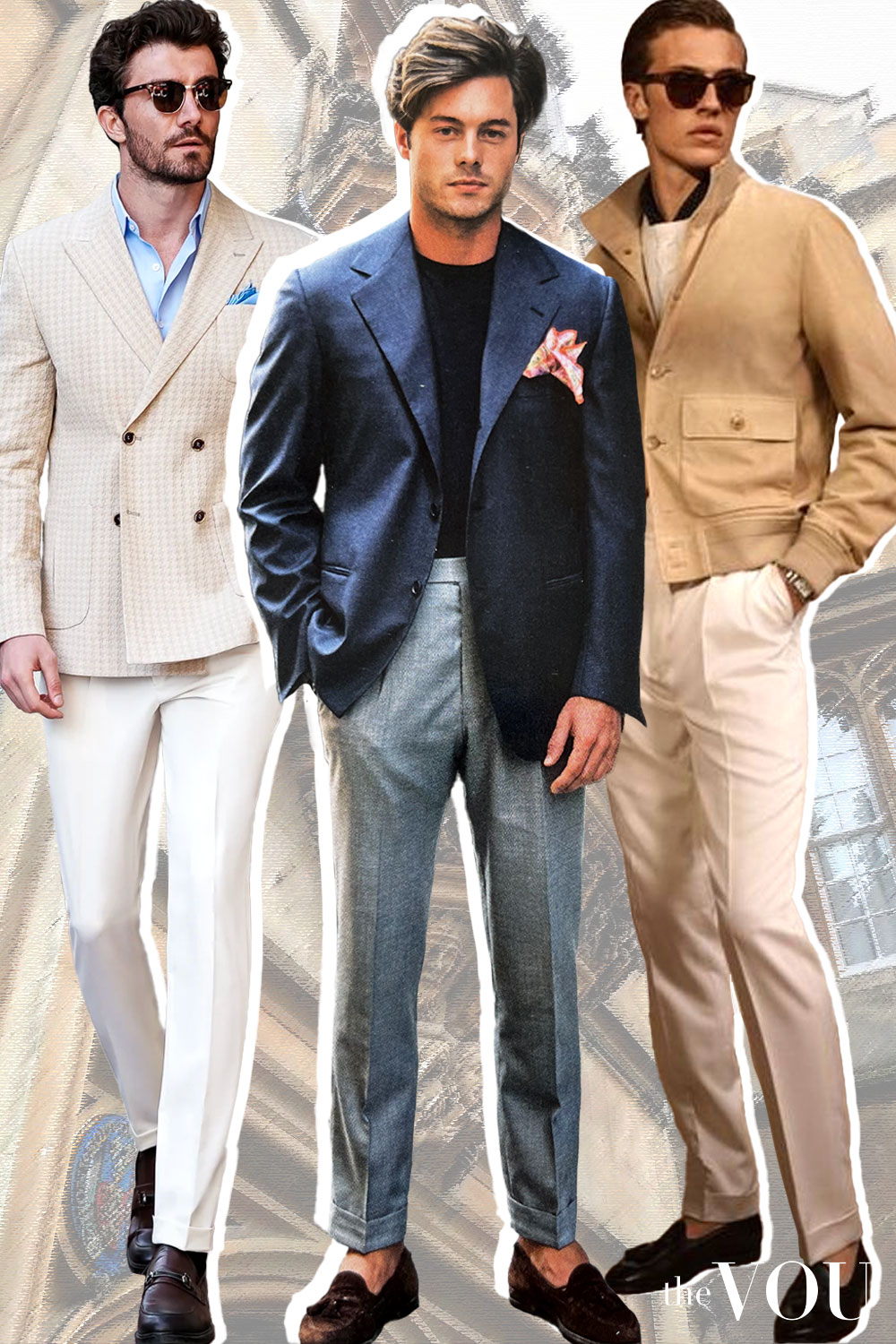
Developing a personal style is more than following trends, mimicking fashion icons, or building a capsule wardrobe around clothes you like, saw this tip on a Reddit forum.
It’s about choosing garments, footwear, and accessories that match your body shape and seasonal colour palette to enhance your physical characteristics and overall look.
In this comprehensive guide, we’ll show you how to quickly build your personal style, making you look polished and well-put together regardless of the time, occasion, or location.
Start With Your Body Shape
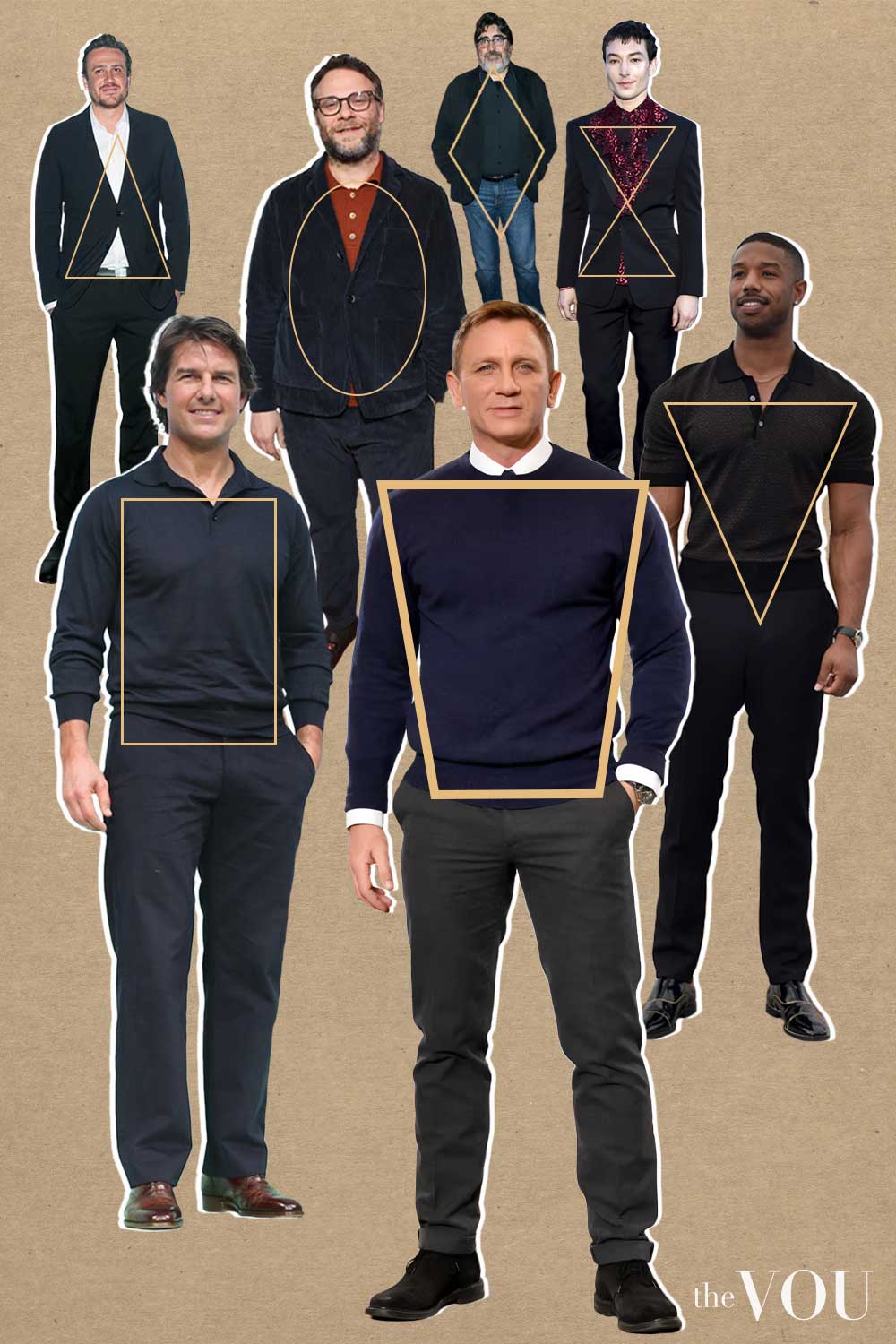
Dressing according to your body shape is the cornerstone of developing a personal style.
When clothing fits correctly, it can create balance and highlight your best features.
The wrong fit, however, can disrupt your natural proportions, making your silhouette appear unbalanced.
Scroll horizontally to see all columns →
 |
Don’t know your Body Shape? |
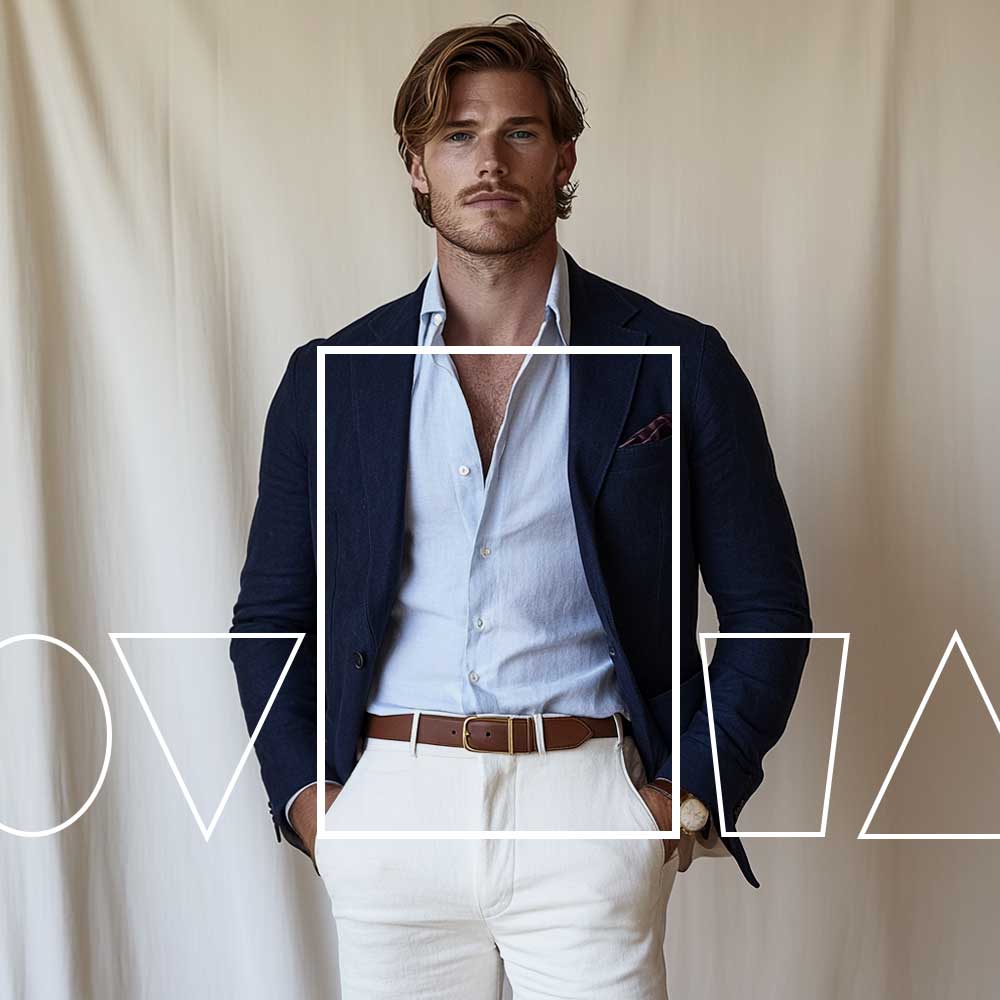
The key is identifying your body shape and choosing garments that enhance your natural build.
Men’s body shapes are categorised into seven main types: trapezoid, rectangle, triangle, inverted triangle, oval, hourglass, and diamond.
Understanding which category you fall into will help guide your clothing choices, ensuring a flattering, cohesive look.
Here is our full guide on how to dress based on your body shape.
Dress Your Seasonal Colour Palette
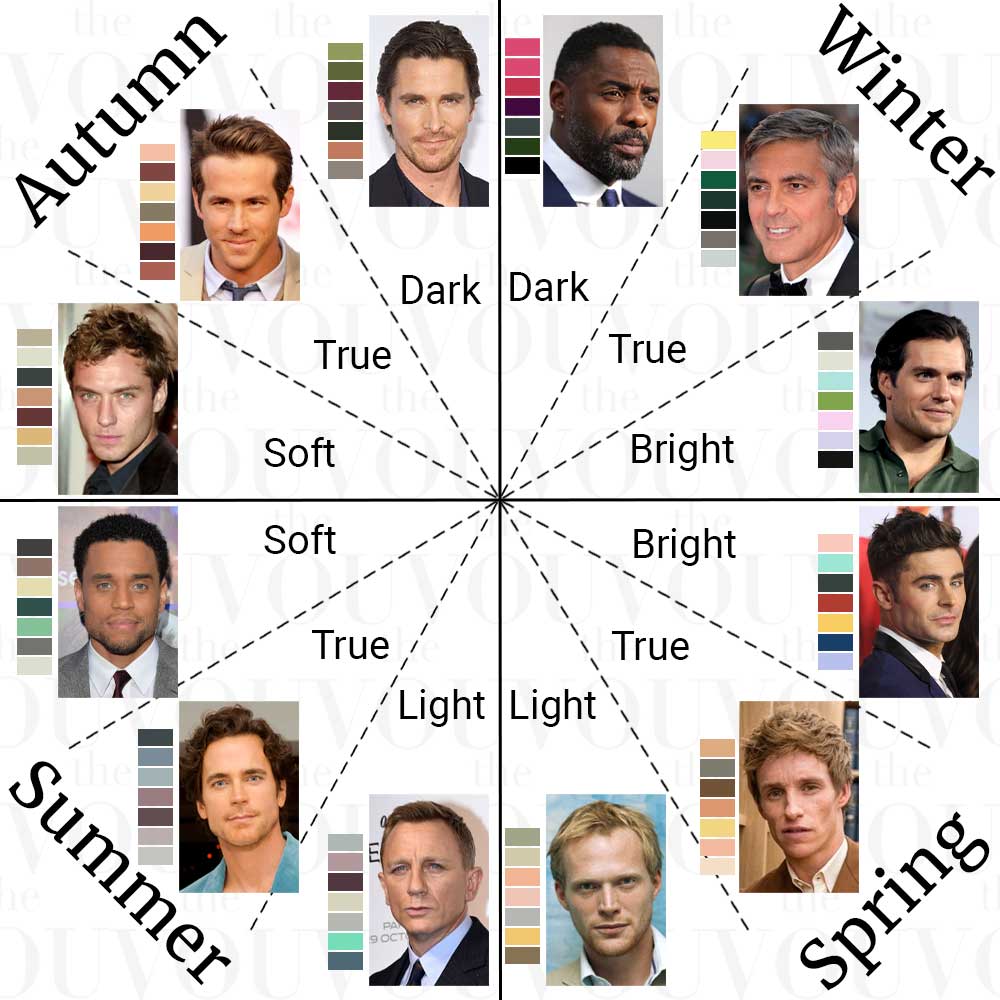
Seasonal colour analysis is identifying which colours best complement your natural colouring, considering your skin tone, eye colour, and hair colour.
The four main seasonal palettes are Winter, Spring, Summer, and Autumn, each with unique hues that enhance or detract from your natural complexion.
How to Identify Your Seasonal Colour Palette

Your seasonal colour must match your hair and skin’s undertones.
For example, Winter men have cool undertones and look best in stark colours like black, navy, and white.
Men in the Springs colour season have warm undertones suited to vibrant hues like peach, light blue, and coral.
Scroll horizontally to see all columns →
 |
Don’t know your seasonal colour? |
Summer colours also have cool undertones but benefit from softer shades like dusty pink, lavender, and sky blue.
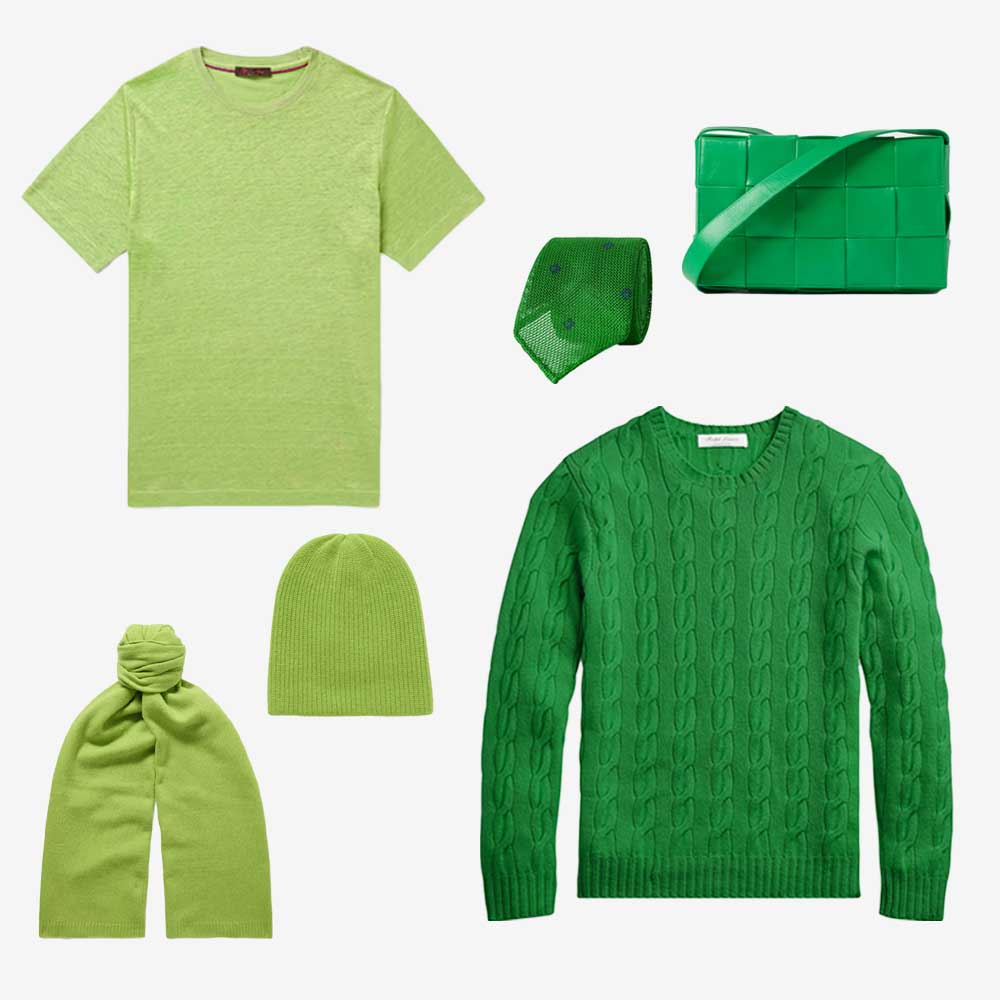
Men in the Autumn colour palette have warm undertones and should wear earthy tones like olive, mustard, and burnt orange.
Create a Wardrobe Based on Your Seasonal Colours
Scroll horizontally to see all columns →
 |
 |
 |
 |
Once you’ve identified your seasonal colour palette, the next step is to build a wardrobe around these hues.
Start by selecting foundational pieces in your base colours and layer with accent shades that complement your complexion.
If your seasonal colour is Winter, opt for classic colours like black, navy, and charcoal to create a sharp, clean look.
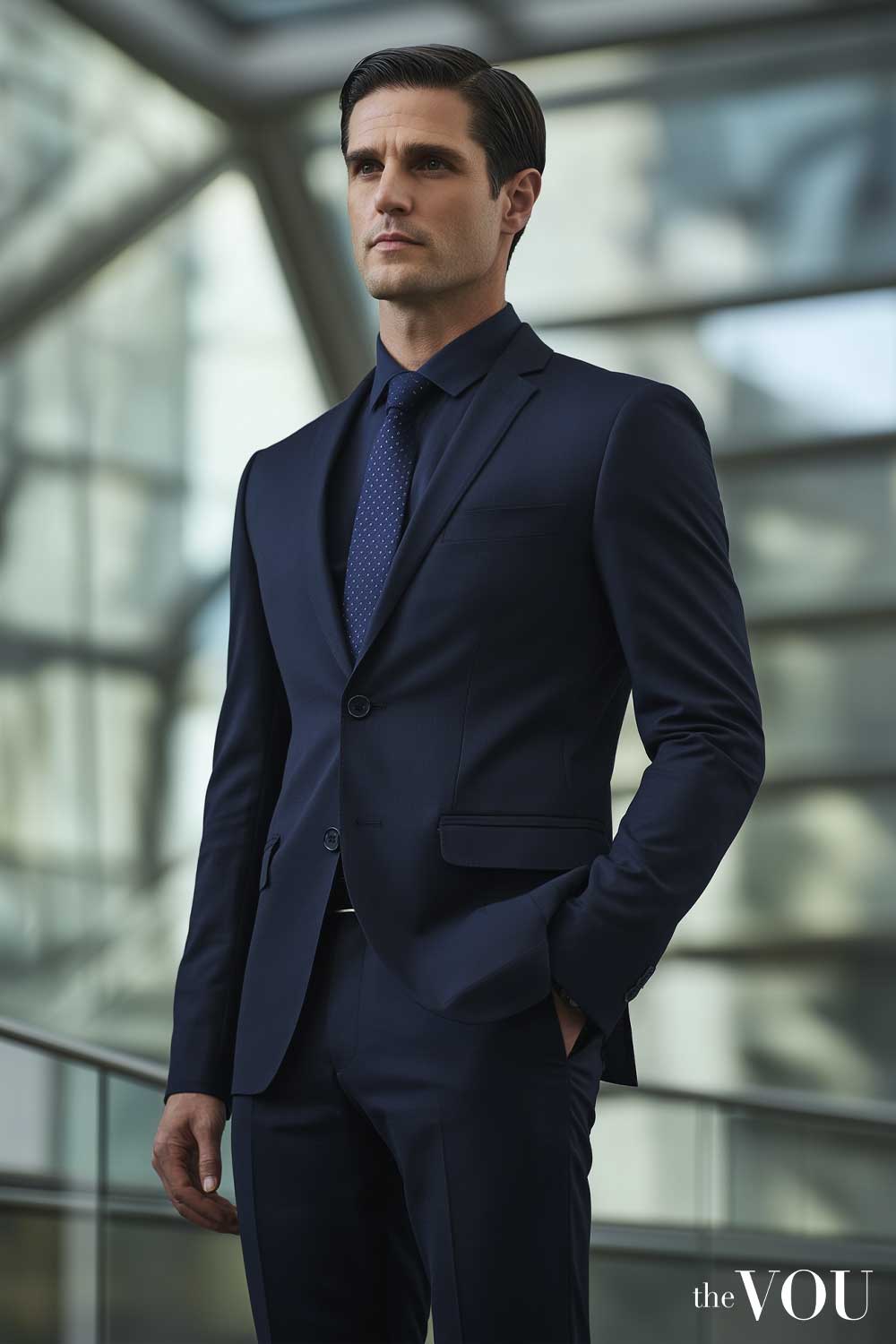
For example, for formal settings combine a navy suit with a white dress shirt and a black.
For a more casual appearance, wear a charcoal cardigan over a grey turtleneck to add depth without overpowering your skin tone.
If you are a Spring man, gravitate towards soft and warm shades like beige, peach, and light blue.

Pair beige trousers with a coral polo shirt for a refreshing day look or wear a light blue blazer over a cream crew-neck jumper to create a sophisticated yet approachable style.
If your seasonal colour is Summer, favour soft, cool shades like pastel pinks, lavender, and muted blues.
 |
 |
Choose a light pink dress shirt with grey trousers for an elegant combination, or add a sky blue jumper over a white Oxford shirt for a polished casual look.
If you are an Autumn man, rich earthy tones such as olive, mustard, and burnt orange will work best.
A brown blazer paired with olive green chinos creates a refined aesthetic, while a rust-coloured sweater can add warmth to your everyday wardrobe.
Wardrobe Essentials for Your Personal Style
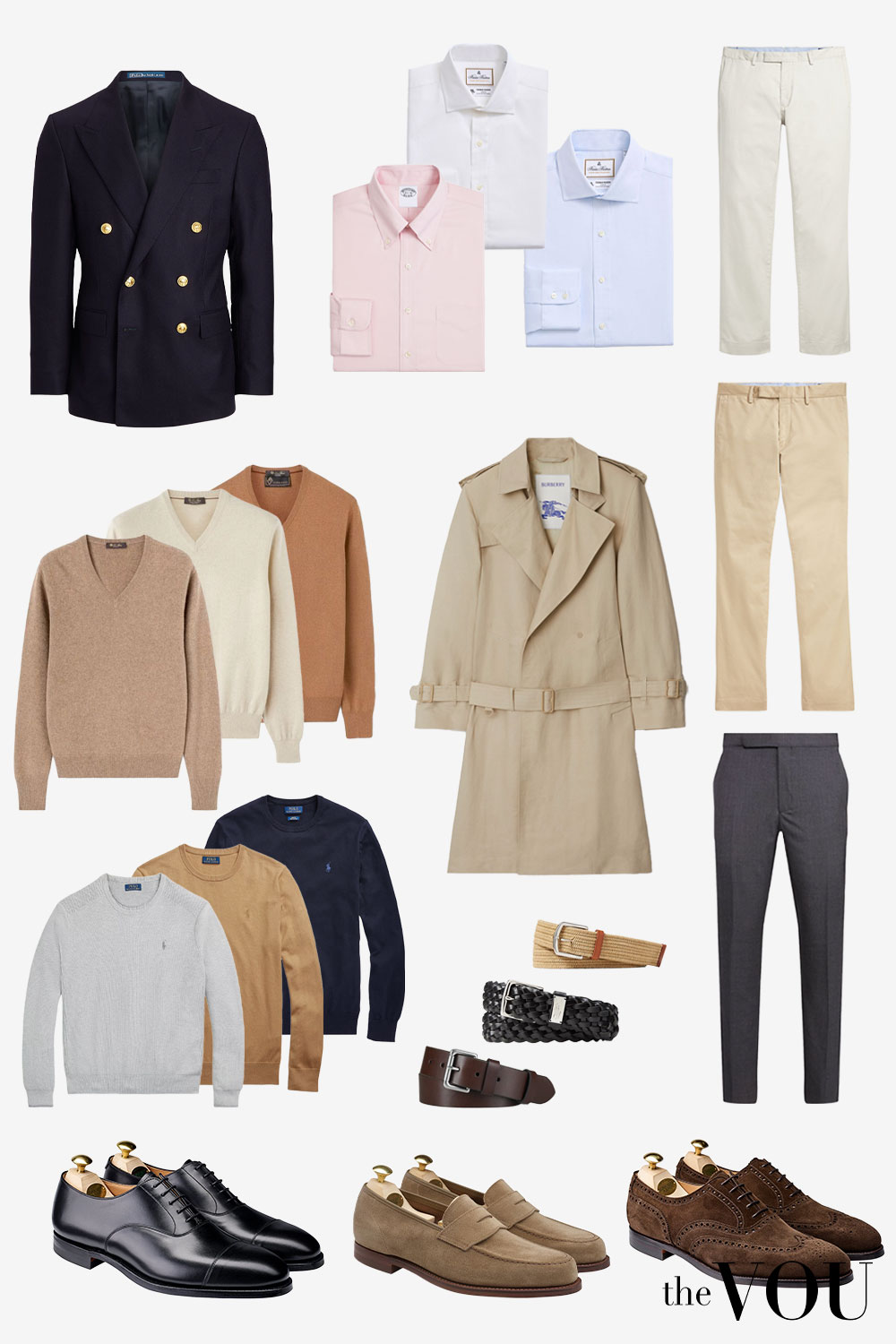
Creating a personal style wardrobe involves selecting garments, footwear, and accessories that suit your body shape, colour palette, and lifestyle.
Prioritise garments of timeless appeal, like single-breasted navy blazers, white dress shirts, and grey wool trousers, as you can dress them up or down depending on the occasion.
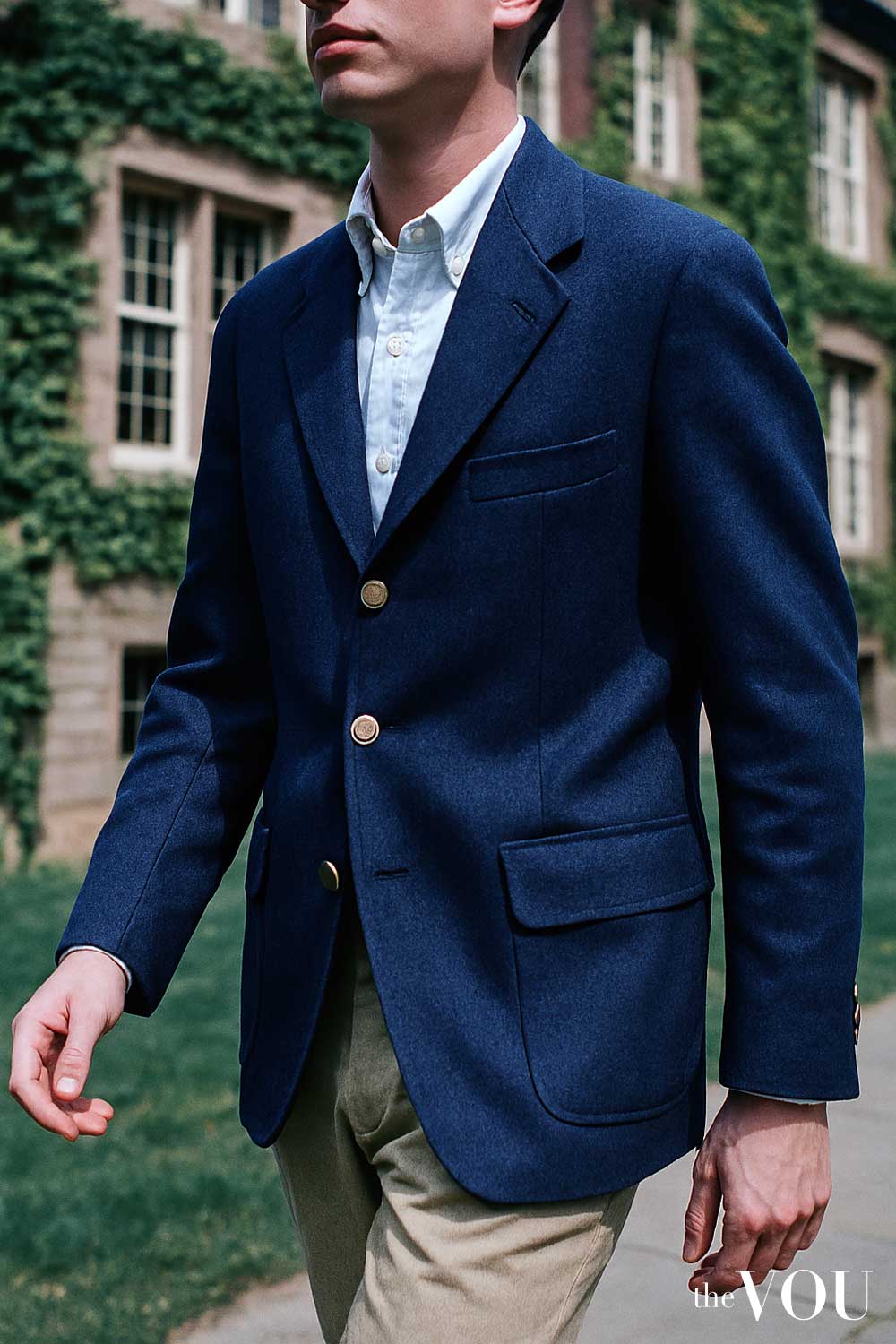
Choose neutral colours matching the fashion style you’re trying to create, ensuring these colours are also matching your seasonal palette.
For example, old money style colours are precise and mixing loud or bright shades will only destroy the overall appearance.
If your seasonal colour is Winter, purchase black cashmere jumpers, dark charcoal dress trousers, and navy overcoats as the foundation of your professional and casual attire.
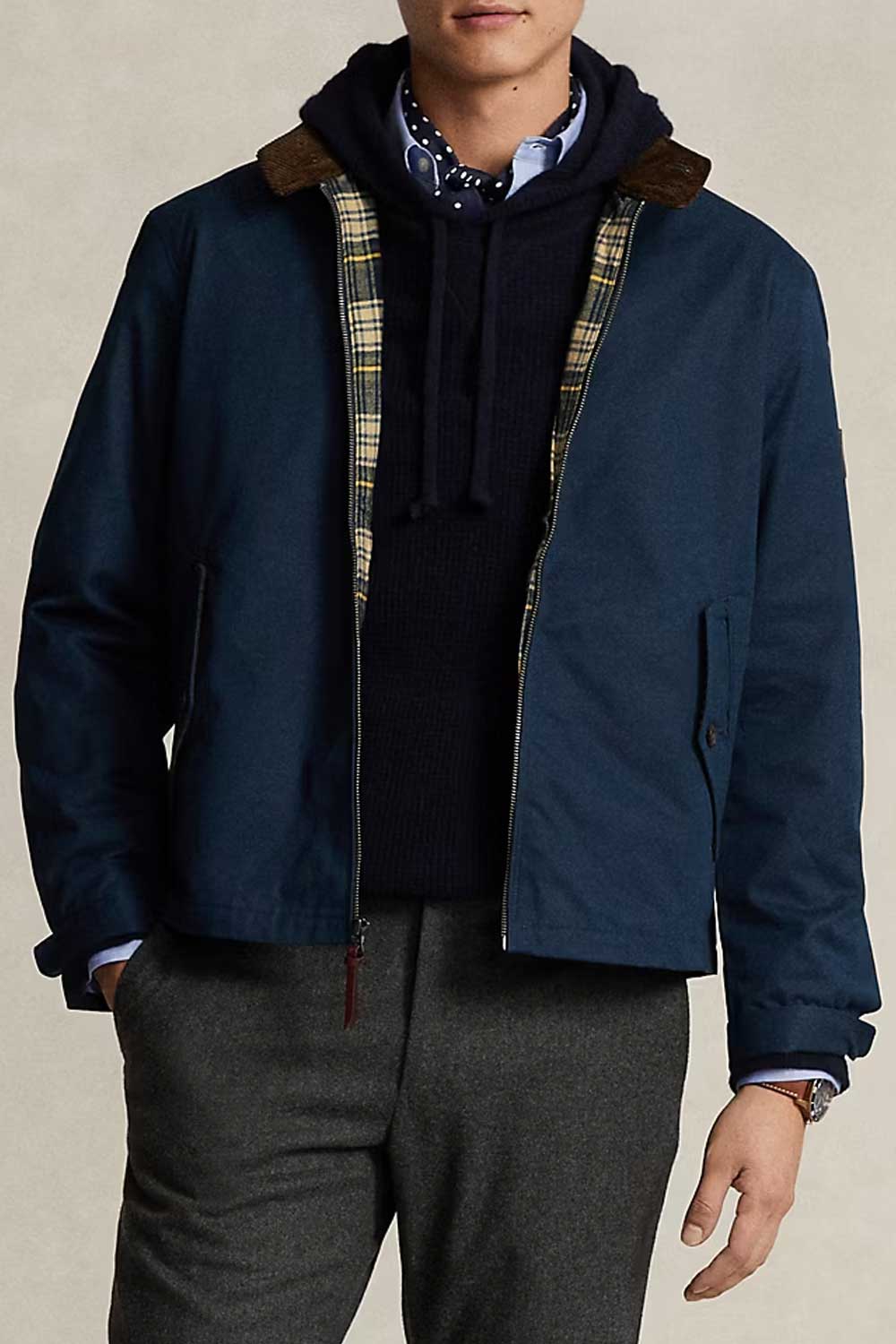
If you are a Spring man, select lighter base colours like beige or light grey, and add accents in peach or light blue for contrast.
Beige cotton blazers and light grey chinos must be the cornerstone of your wardrobe.

Summer men should wear soft blue dress shirts, grey lightweight suits, and pastel pink jumpers but, when layering, stick to cool, muted tones to create a cohesive look.
If your seasonal colour is Autumn, rich textures like tweed, corduroy, and heavy knits in deep hues such as rust, burgundy, and olive are ideal.
Pair burgundy corduroy jackets with white Oxford shirts and brown chinos for a polished, autumnal style.
Sprezzatura to Express Individuality
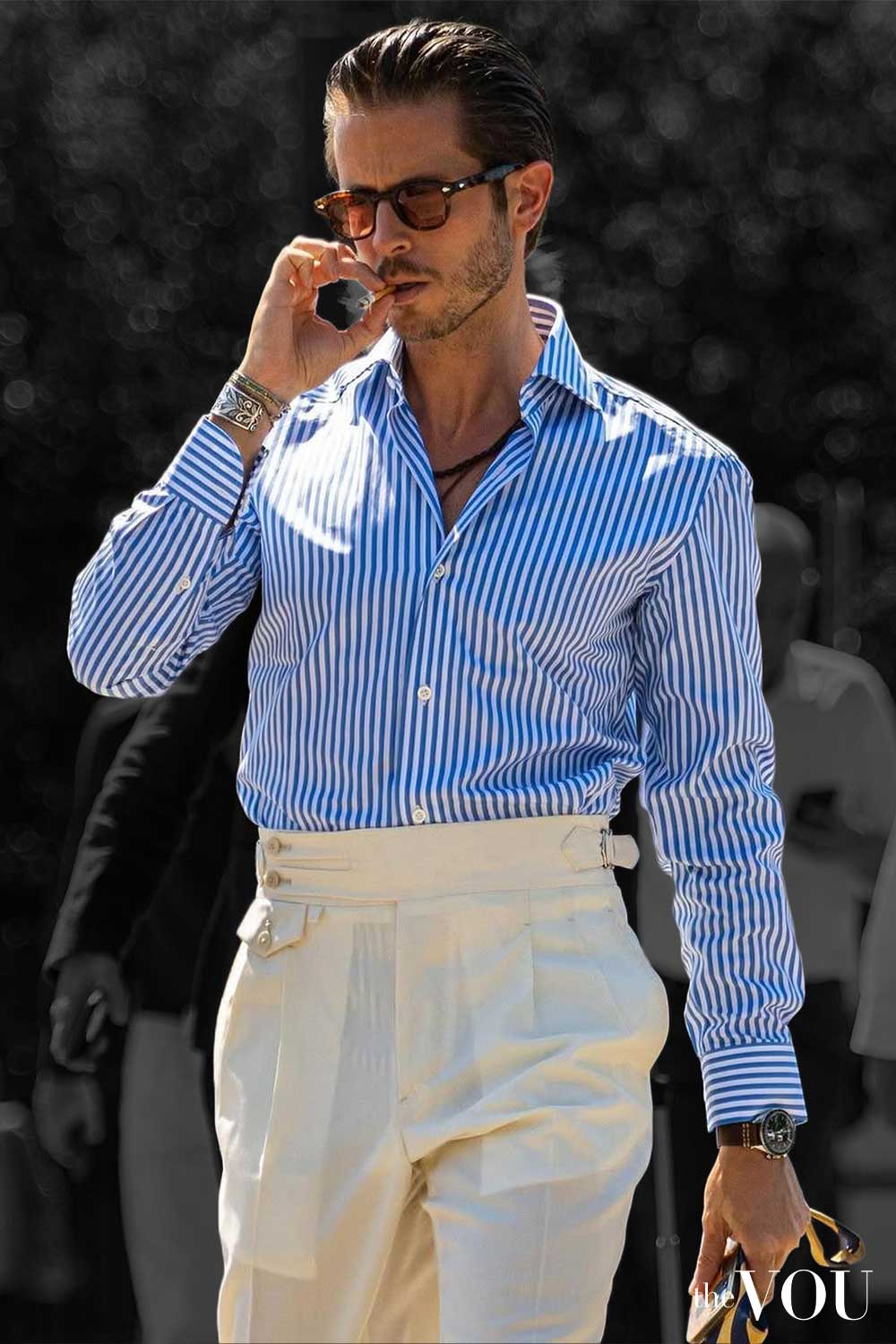
Once you have established your core wardrobe, integrate statement pieces to express your unique style.
This could be a boldly patterned silk tie, a vibrant pocket square, or eye-catching cufflinks.
Experiment with textures, colours, and patterns that align with your overall aesthetic but add a distinctive touch.

For example, if you’re a Winter man, a burgundy tie or a cobalt blue scarf can introduce subtle yet impactful accents to an otherwise neutral outfit.
If you are a Spring man, opt for accessories like a coral silk tie or a soft yellow pocket square to add brightness to your look.
For Summer men, a lavender tie or a mint green handkerchief can provide a refreshing contrast to a muted base outfit.
If your seasonal colour is Autumn, consider adding a burnt orange knit tie or a moss green scarf to introduce warmth and depth to your ensemble.
Accessorise with Intention
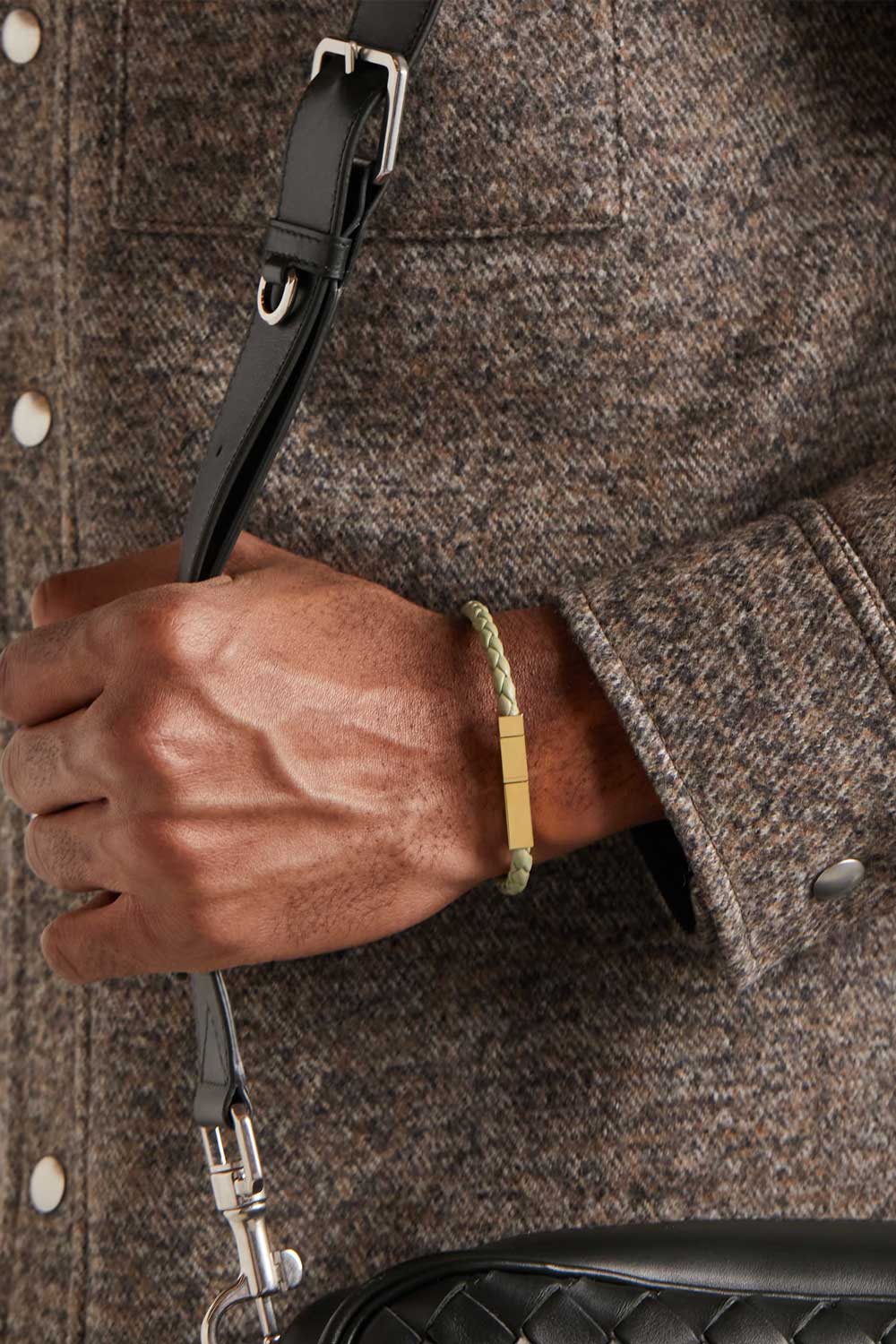
Accessories are an essential element of personal style by providing the finishing touch to an outfit, offering opportunities to introduce texture, colour, and personality.
Select items that enhance your look without overpowering it. Choose watches, belts, shoes, and jewellery that are proportionate to your body shape and harmonious with your seasonal palette.
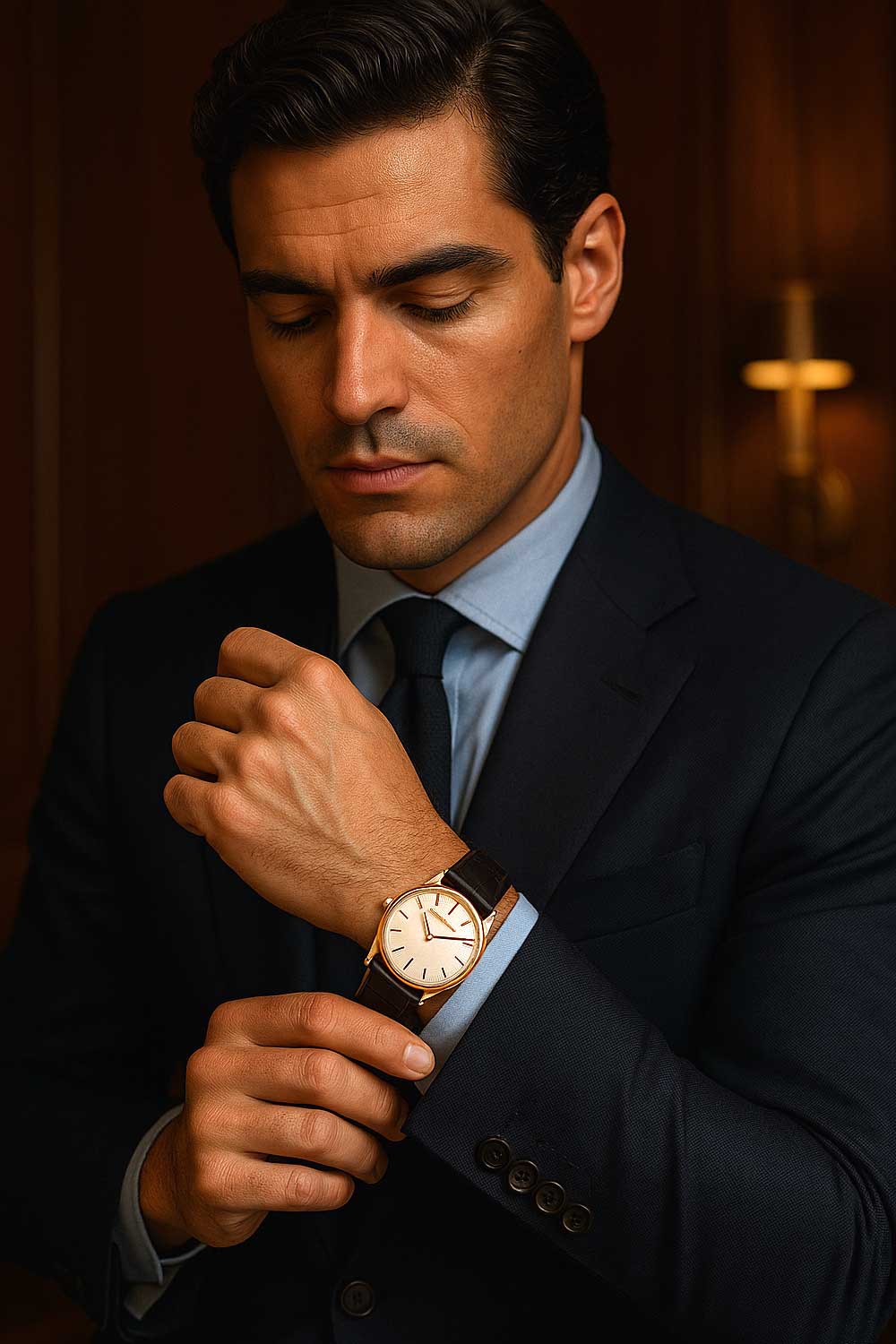
If your body shape is a trapezoid, you can wear bold watches, leather bags, and chunky scarves, as your frame can accommodate them well.
For men with a rectangle shape, opt for accessories that add volume and width, like patterned ties or statement belts, to draw attention to your upper body.
If you have an oval shape, choose long scarves and slim ties that create vertical lines, elongating your silhouette, and so on, more details in our style by body shape.
Tailoring and Alterations for Perfect Fit

Achieving a perfect fit is crucial in creating a polished and refined appearance, as even the most expensive garments can look unflattering if not tailored correctly.
Invest in tailoring services to adjust off-the-rack pieces to suit your body’s unique proportions.
Whether it’s shortening sleeves, tapering waistlines, or hemming trousers, these minor adjustments can significantly enhance your overall look.
For men with an inverted triangle shape, ensure that jackets are nipped in at the waist and trousers have sufficient room in the legs to balance the upper body.
If your body shape is hourglass, seek out tailors who can subtly take in the waist of your garments without adding too much structure to the shoulders or chest area.
Personal Style Development
Your personal style should evolve as your lifestyle, preferences, and circumstances change.
However, maintaining consistency is key to ensuring your style remains cohesive and authentic.
Regularly assess your wardrobe, removing items that no longer resonate with your current style, and introducing new pieces that align with your evolving tastes.
For example, if your lifestyle has become more formal due to a new job or position, invest in additional suits, dress shirts, and ties.
If you’ve moved to a different climate, adjust your wardrobe to include lighter or heavier fabrics as needed.
By regularly evaluating your wardrobe and making thoughtful additions, you can ensure that your personal style continues to reflect who you are, no matter where life takes you.
Take the First Step With The VOU’s Styling Quizzes
Start with our quizzes. First, take our Face Shape Quiz to see which face shape yours is closest to and get first styling suggestions.
Then, see which colours the seasonal colour approach suggests for you with our Seasonal Colour Analysis Quiz.
See which cuts are usually recommended for your build with our Body Shape Quiz, and explore the styles that suit your taste with our Fashion Style Quiz.
Transform Your Image with The VOU’s Professional Guidance
If you want help with developing your personal style, The VOU’s stylists offer paid styling services, from single analyses to a complete package.
Our Professional Face Shape Analysis package provides you with a stylist’s assessment of your face shape from the photos and measurements you send, personalised hairstyle recommendations, customised facial hair styling guide, expert eyewear selection guidance, and detailed grooming recommendations tailored to your unique features.
For the most comprehensive transformation, consider our Complete Image Transformation Package.
The Complete Image Transformation Package includes our Fashion Style, Seasonal Colour, Body Shape and Face Shape analyses, a brand-specific shopping guide and two weeks of support.
The package brings the analyses together into one plan for your clothes, colours and grooming.
Lawrence Anderson’s focus at The VOU is old-money style, British heritage menswear and the wider strategy behind a man’s wardrobe. His coverage addresses readers who want a composed, consistent style but need practical guidance on where to begin, what to keep and which pieces deserve a place in their wardrobe.
His subject areas connect classic tailoring, knitwear, footwear and accessories with the proportions and formality of a complete outfit. British countryside clothing, preppy dressing and Ivy-inspired references provide context for understanding different versions of the look. The emphasis is on recognising the relevant details and adapting them to the wearer’s life, rather than treating an aesthetic as a requirement to buy particular labels.
Lawrence’s editorial coverage brings wardrobe planning back to the reader’s needs: everyday clothing, professional presentation, occasion dressing and a workable budget. It considers existing pieces, outfit coordination and repeat use, giving men a basis for building personal style over time. A coherent wardrobe should reflect the person wearing it and the situations they actually need to dress for.
Raf Adams’s focus at The VOU is luxury menswear, brand analysis and quiet-luxury styling. His coverage addresses men who want to understand the difference between a recognisable label, a documented garment feature and a buying choice that makes sense for their wardrobe.
His subject areas include materials, construction details, brand positioning and the understated clothing references associated with quiet luxury. This focus examines what can be established from product information and what remains a matter of appearance or preference. Price and reputation provide context, but neither replaces attention to fit, intended use and the details of the item being considered.
Raf’s editorial coverage connects those comparisons with complete outfits and repeat wear. Readers exploring premium clothing can consider how a purchase works with existing pieces, which features matter to them and whether a less conspicuous look suits their needs. The aim is to make luxury menswear easier to assess without turning a brand name into a promise of quality or personal style.