

At the other pole of fast fashion madness, a new wave of slow fashion brands is pushing the industry toward a sustainable direction.
Compared to industrial-scale fast fashion enterprises, slow fashion brands make high-quality clothes from sustainable materials.
Hand-made by local artisans from sustainably sourced raw materials, these high-quality clothes last a lifetime and are a pleasure to wear.
Moreover, slow fashion brands remove the need for middle parties and wasteful supply chains.
If you’re looking to start building your slow fashion wardrobe, see 20 of my favourite slow fashion labels below:
1. Stella McCartney
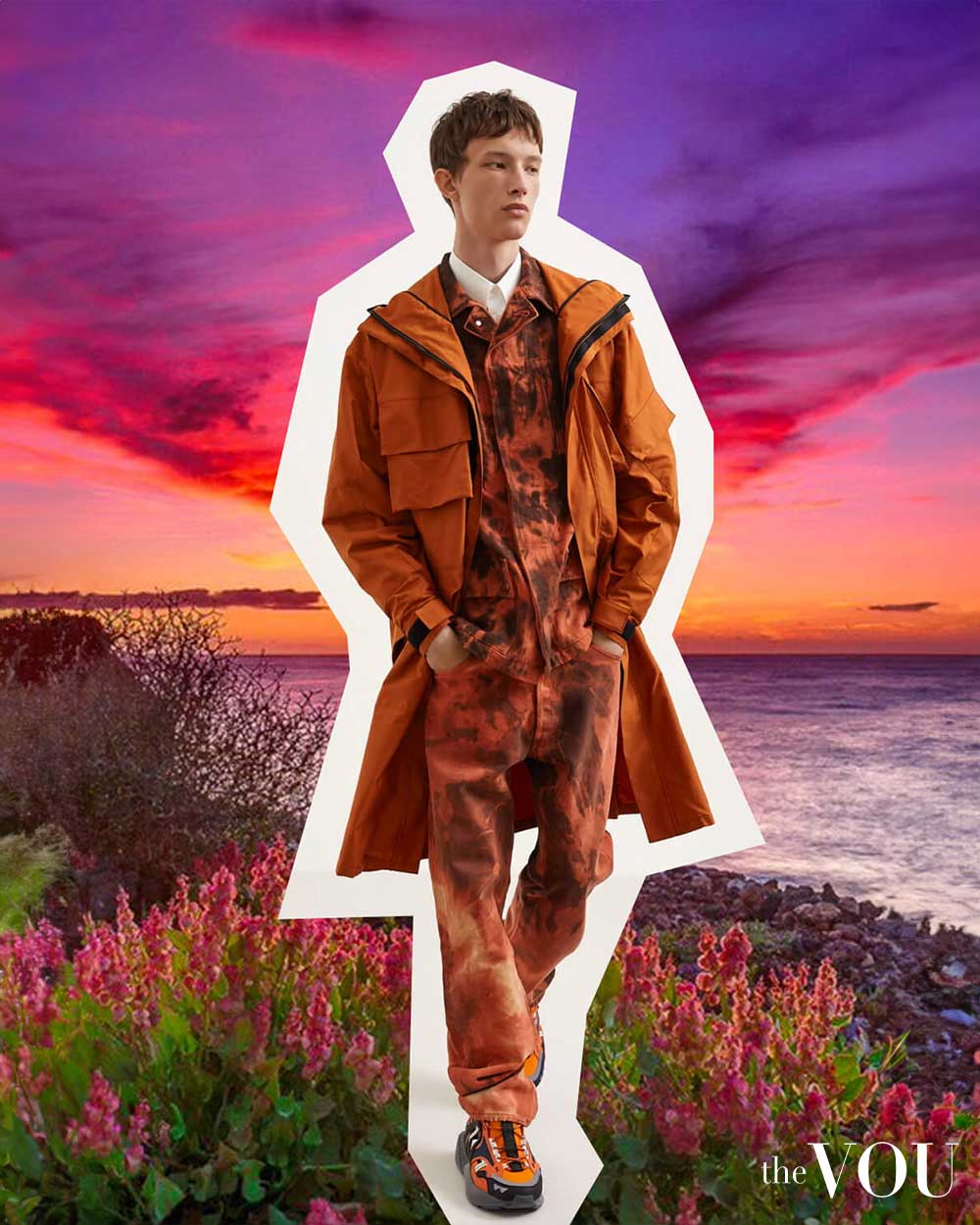
London-born Stella McCartney launched the slow fashion brand with the same name and one goal: to give consumers sustainable and ethical luxury fashion.
Since the beginning, British designers have aimed to create eco-friendly fashion and sustainable wardrobe alternatives.
The designer has been a vegetarian for most of her life and purposefully avoids fur and leather in her cruelty-free creations.
Moreover, Stella champions using sustainable materials such as organic cotton, ethically sourced wool, and recycled textiles.
The slow fashion brand’s official website sums up the following:
“Stella McCartney’s commitment to sustainability is evident throughout all collections as part of the brand’s ethos of being a responsible, honest, and modern company.“
The label’s timeless creations are conspiring silhouettes of pure sensuality, urban sophistication, and modern ethical motifs of conscious luxury.
2. Patagonia
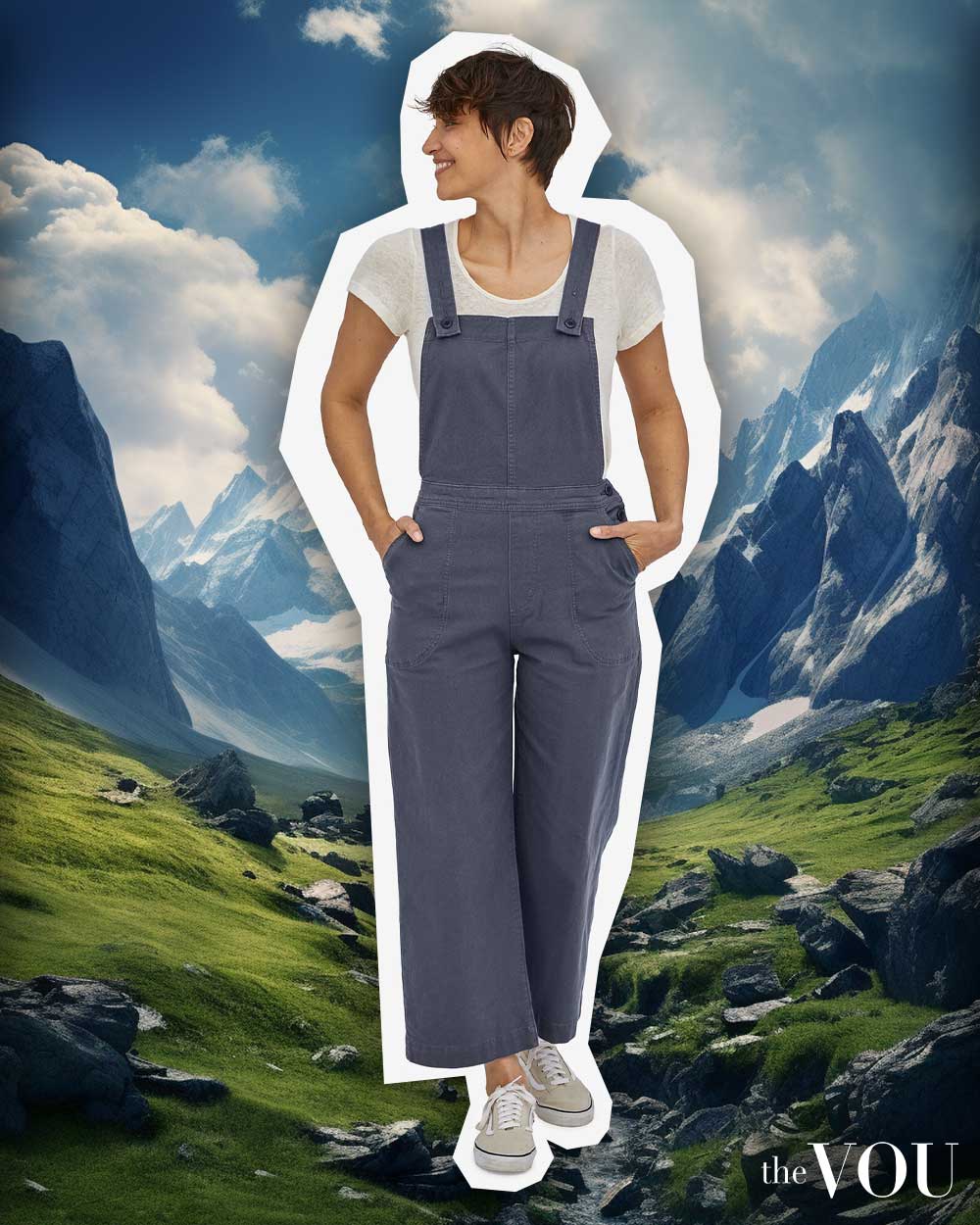
Patagonia is recognized as one of the best sustainable clothing companies in the world right now.
The outdoor brand was one of the speediest defenders of environmental ethics in the activewear fashion industry.
Also, Patagonia was one of the first adopters of using recycled materials and switching to organic cotton.
The brand uses sustainable materials when possible and will help you repair your clothes and gear to make them last longer.
3. Vivienne Westwood
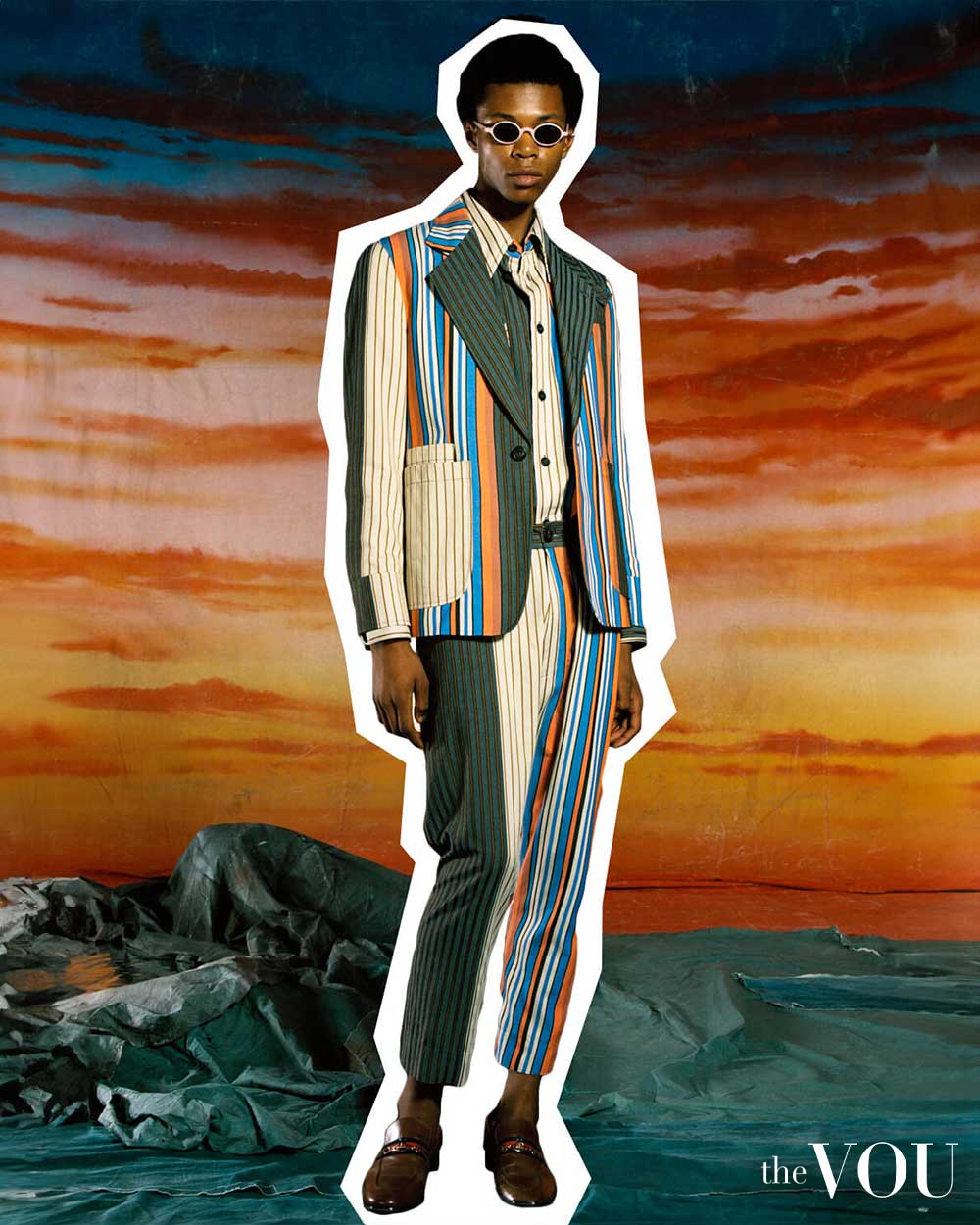
Vivienne Westwood stands apart from all the slow fashion brands we cover in this article as the designer focuses on a different wasteful fashion trend.
Dressing up for Instagram selfies and buying clothes and accessories only to send them back.
To Vivienne Westwood, that’s a sick mindset.
“Buy less, choose well, and make it last,” said the British designer.
As the face of one of the last independent fashion houses in the world, Vivienne has initiated multiple anti-fast fashion protests and collections.
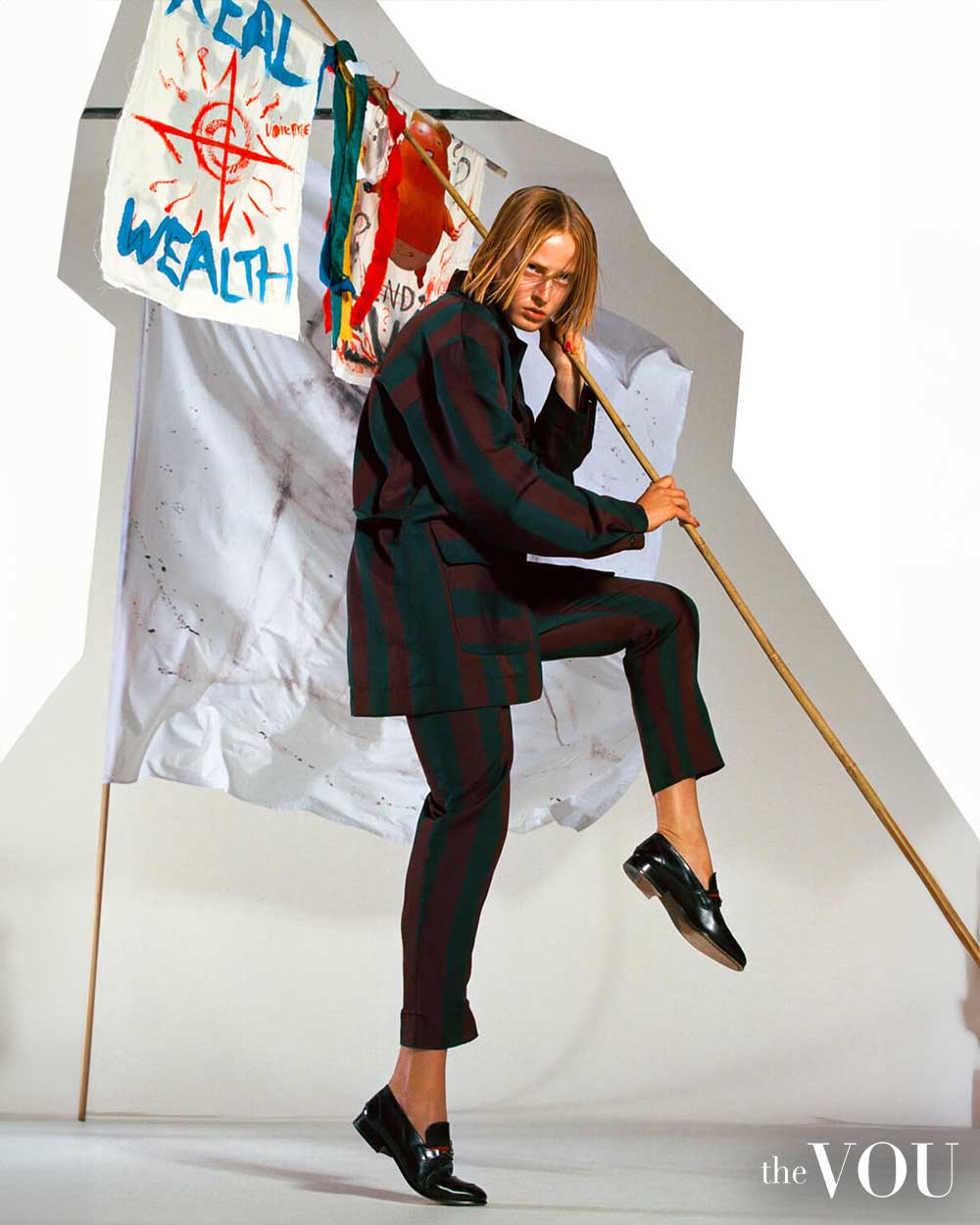
Seeking to secure a more sustainable fashion industry, Vivienne Westwood uses collections, collaborations, and catwalk shows as platforms for sustainable fashion.
In the designer’s words:
“We capture your imagination with innovative designs while campaigning to protect the environment.“
The British designer is one of the few slow fashion brands championing quality over quantity and a keen promoter of human rights in the fashion industry.
4. Bethany Williams
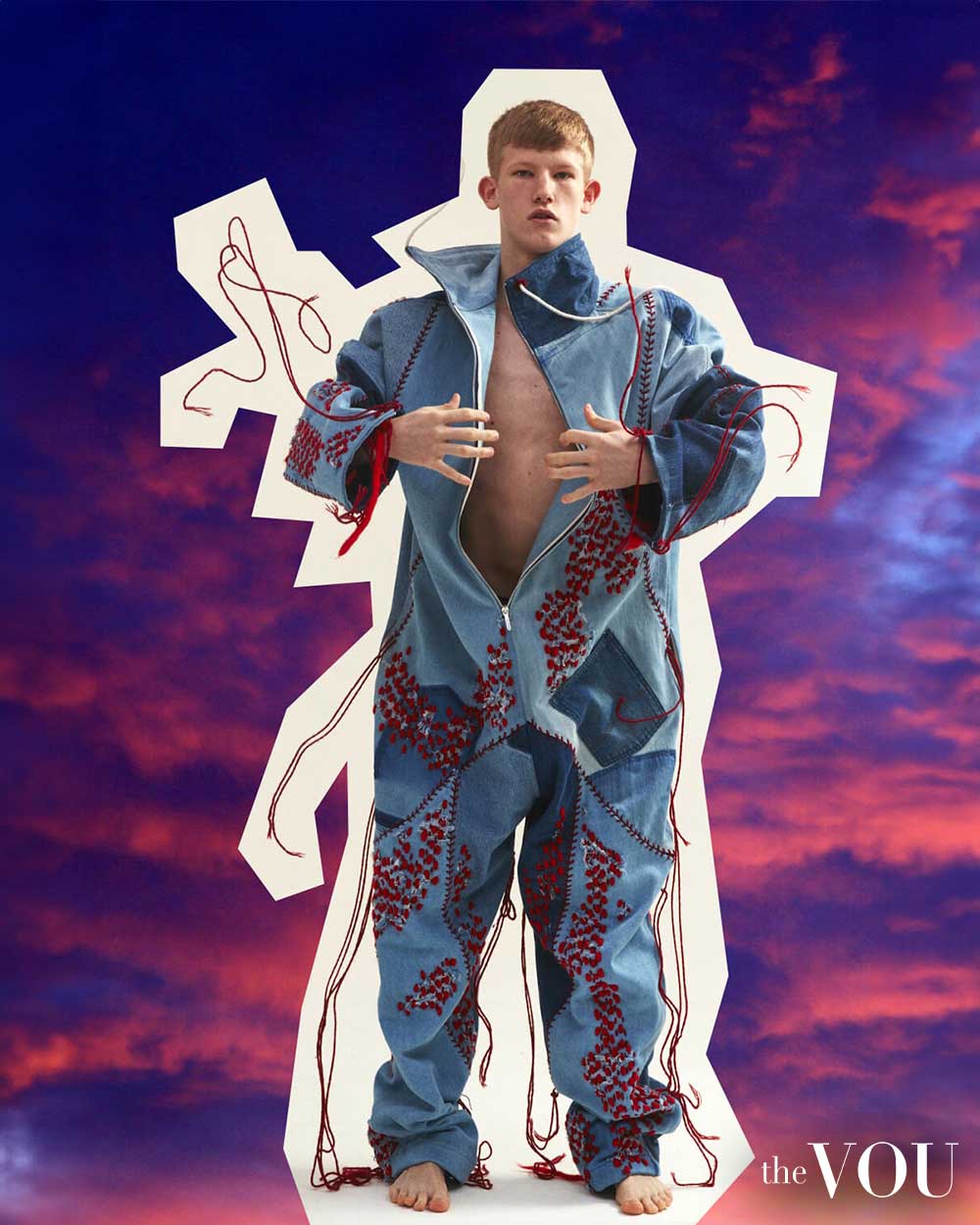
The British designer Bethany Williams is an up-and-coming stylist much appreciated by fashion critics.
Bethany’s debut collection was “Women for Change”; the second is “No Address Needed to Join.”
Both collections are environmentally and socially friendly, as the designer champions repurposing waste materials.
Moreover, this is one of the few slow fashion brands that donate 20% of their profits to help uplift local communities of artisans.
5. Dries Van Noten
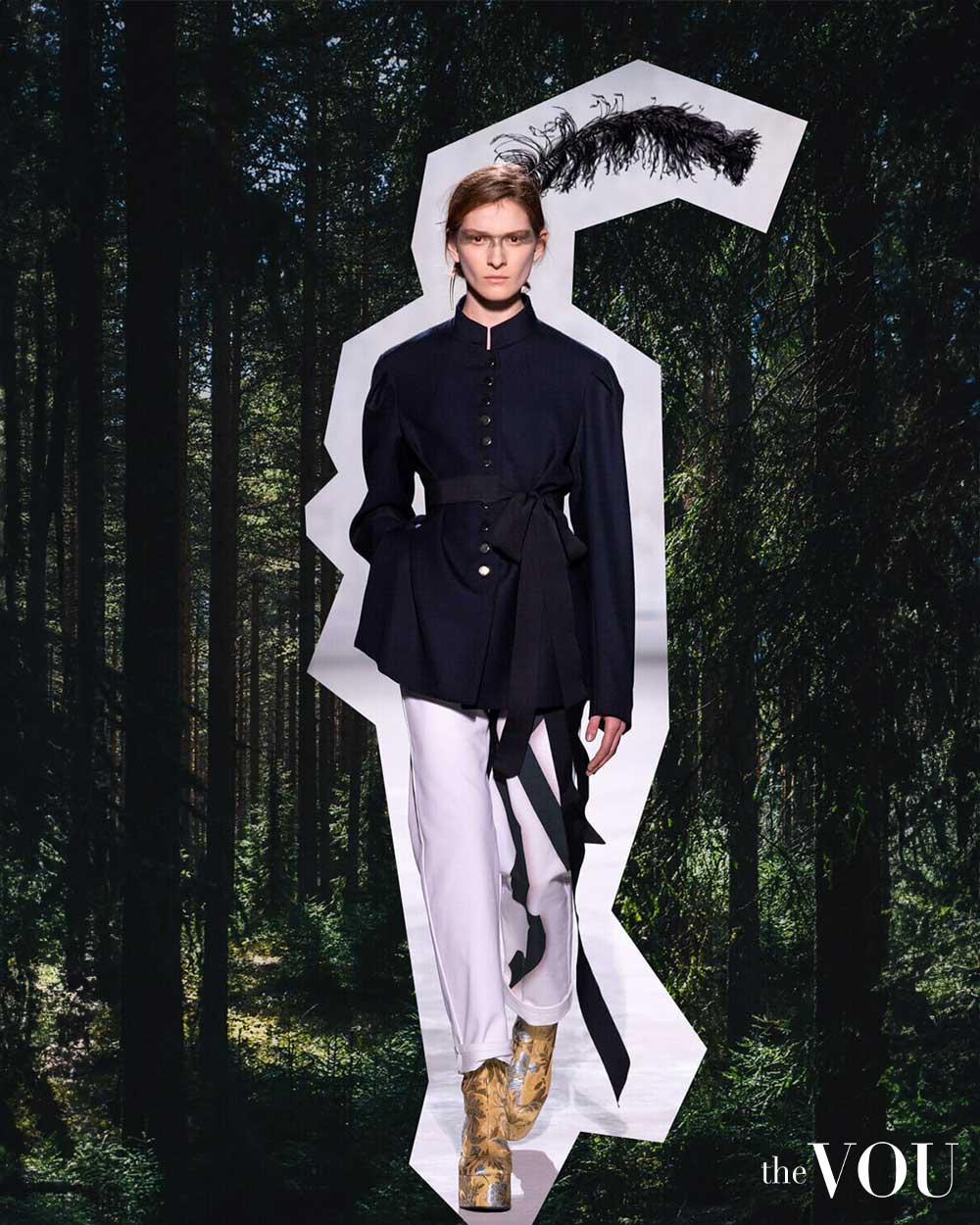
Dries Van Noten is a Belgian fashion figure who continues gaining worldwide recognition.
In 2005, The New York Times named Dries “one of fashion’s most cerebral designers.”
The brand is loved for its eccentric styles and forms, and the designer is very vocal about the sustainable materials he uses in his creations.
6. Pact
Pact is a clothing brand obsessed with making sustainable clothes that make the world a better place.
The Certified B Corp goes to great lengths to ensure the transparency of its entire supply chain.
From growing and harvesting organic cotton to the final sewing and all processes in between, Pact is as clean and responsible as possible.
The super-soft tees, dresses, and underwear are 100 per cent cotton.
Moreover, the brand’s non-GMO cotton is excellent for you and the farmers growing it.
7. Boden
Boden is a sustainable clothing brand hailing from the UK.
The label is committed to responsible sourcing, fair trade, and ethical practices across the 16 countries it has factories in.
The brand has a wide range of apparel, from men’s chinos to women’s dresses for work, beach, and everything in between.
8. Mara Hoffman
Mara Hoffman’s slow fashion brand was launched in 2000.
Mara, a graduate of Parsons’ School of Design in New York City, is part of the new wave of conscious fashion designers.
In 2015, the designer brand began questioning her impact on the environment, and as a result, she started implementing more sustainable materials and labour practices.
Mara’s slow fashion brand chooses a preponderance of eco-friendly fabrics such as Repreve or Econyl.
Organic textiles, such as hemp, natural linen, organic cotton, and other fibrous plant-based materials, are also green alternatives to traditional materials.
Overall, from all slow fashion brands here, Mara Hoffman leads the “mindful consumption” conversation and is a source of inspiration and female empowerment.
Mara Hoffman’s creations are crafted from sustainable and eco-friendly materials by close-knit expert artisans in New York City.
9. Marcus Wainwright
Marcus Wainwright’s slow fashion brand story starts from a personal angle.
His drive to create the perfect pair of jeans led him to launch his luxury brand, Rag & Bone.
Shortly after, the brand became renowned for its keen focus on local production and sustainability.
Right now, the label is focused on several green initiatives.
In the latest one, Marcus has partnered with Cotton Inc’s Blue Jeans Go Green, intending to launch a denim recycling program.
Their innovative project urges customers to bring in old jeans for a 20 per cent discount on new jeans purchased from the brand.
The old jeans are then recycled and made into insulation for homes and civic-minded buildings around America.
10. Kitx by Kit Willow
Following her love for nature and fashion, Kit Willow has decided to develop her slow fashion brand, Kitx.
According to the designer, the Kitx brand epitomizes kindness, integrity, and transparency.
“I strongly believe we can design a better world without harming the environment,” says the designer.
Kit Willow’s slow fashion brand promotes sustainability and ethical production by sourcing fabrics only from environmentally friendly and socially conscious companies.
Conclusion
With raging wildfires ripping through California, Russia, Brazil, and Australia, our impact on nature is evident,
Even worse is our reckless consumption, carbon footprint, lack of waste management, etc.
Luckily, a new wave of slow fashion brands has emerged, hailed by conscious designers who promote environmental and social responsibility.
Mandy Meyer’s focus at The VOU is men’s body-shape styling, garment fit and outfit proportions. Her coverage addresses the practical questions behind a wardrobe choice: how a jacket sits across the shoulders, how trousers fall and how different cuts change the silhouette a wearer wants to create.
Her subject areas include the triangle, inverted triangle, rectangle, oval, trapezoid, hourglass and diamond labels used in body-shape styling. These provide starting references for comparing visible proportions; they do not capture every body or prescribe one correct way to dress. The focus connects those observations with garment shape, construction, length and the relationship between the upper and lower parts of an outfit.
Mandy’s editorial coverage combines visual comparisons with fit checks for comfort and movement. Readers can consider whether a cut gives them the room they need, where clothing pulls or gathers and which changes might support their preferred look. The aim is to make menswear choices more understandable while keeping personal preferences and the wearer’s own styling goals central.
Aidan Russell’s focus at The VOU is men’s face-shape styling, facial proportions and the way accessories frame the face. His coverage addresses a common starting question: how do you choose glasses, hats or necklines when standard face-shape advice does not quite describe your features?
His subject areas include comparing visible face length and width, recognising mixed features and understanding how frame size, brim shape and neckline placement change an overall look. Rather than making a shape label the final decision, this coverage connects proportions with the effect a reader wants, whether that means adding definition, softening an outline or drawing attention to particular features.
Aidan’s editorial focus also links facial styling with the rest of a man’s wardrobe. The aim is to make comparisons easier when trying on accessories or planning an outfit, while allowing for comfort, fit and personal preference. Readers looking for a starting point in face-shape styling can use this coverage to identify options worth trying, without being confined to one prescribed look.
Raf Adams’s focus at The VOU is luxury menswear, brand analysis and quiet-luxury styling. His coverage addresses men who want to understand the difference between a recognisable label, a documented garment feature and a buying choice that makes sense for their wardrobe.
His subject areas include materials, construction details, brand positioning and the understated clothing references associated with quiet luxury. This focus examines what can be established from product information and what remains a matter of appearance or preference. Price and reputation provide context, but neither replaces attention to fit, intended use and the details of the item being considered.
Raf’s editorial coverage connects those comparisons with complete outfits and repeat wear. Readers exploring premium clothing can consider how a purchase works with existing pieces, which features matter to them and whether a less conspicuous look suits their needs. The aim is to make luxury menswear easier to assess without turning a brand name into a promise of quality or personal style.