
Start here
What’s This About
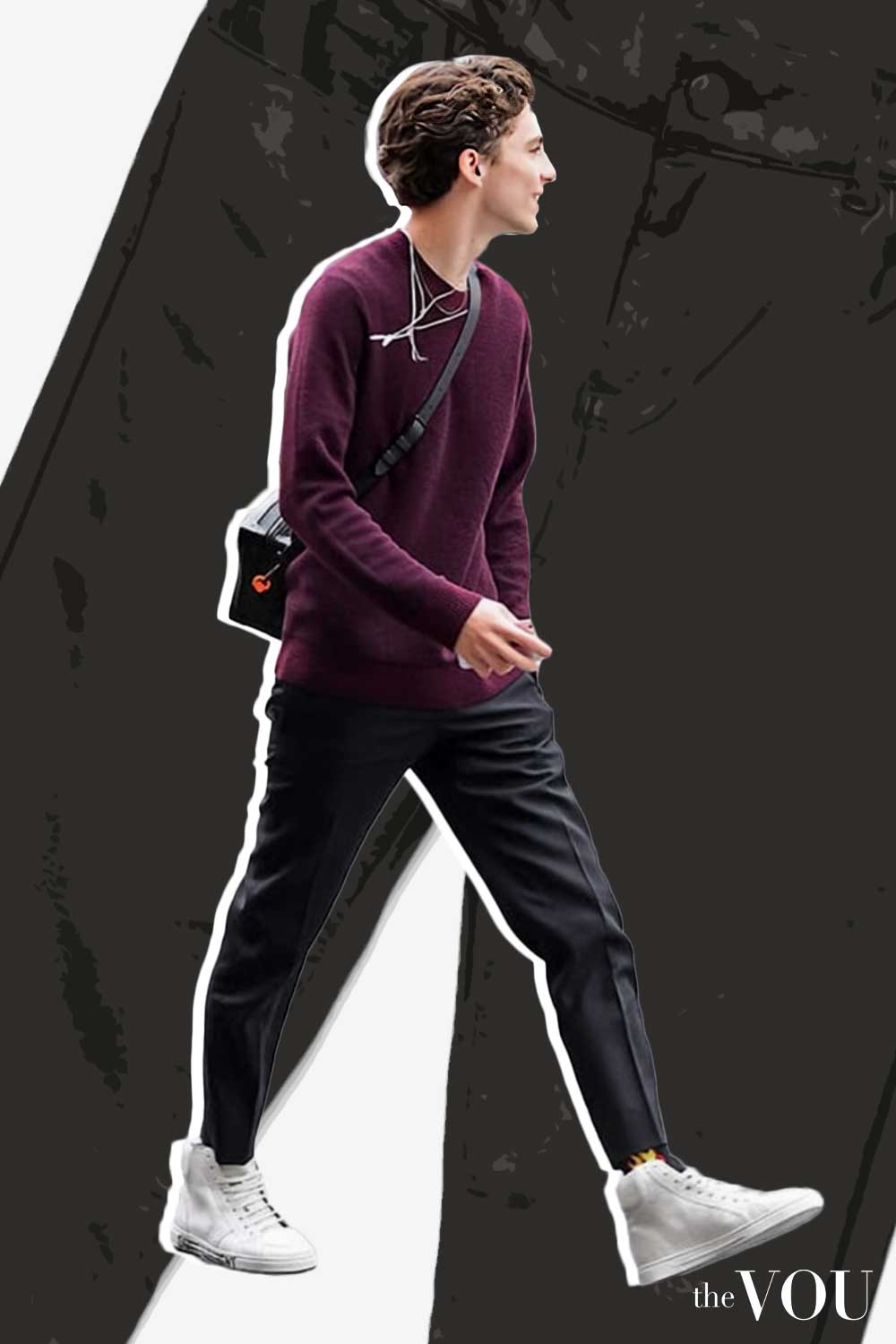
The trousers that suit a slim or narrow build are the ones that fit your waist, seat and thighs without clinging or sagging, in a rise, cut and cloth you choose for the look you want.
This guide walks through each trouser decision in order, such as
checking fit at the waist, seat and thigh, standing and seated
choosing a rise by where the waistband actually sits on you
slim, skinny, straight and fuller cuts, and what each is meant to do
cloth, stretch, pleats, waist fastenings and length
and many more!
A slim build is not a problem to fix, so treat every suggestion as a choice to compare in the mirror.
Key Points
01Fit comes first, meaning the waistband fastens without pulling, the seat neither sags nor pulls, and the thighs have room to sit and move.
02Rise labels vary between makers, so check where the waistband sits on your body, standing and seated.
03A slim cut that follows the leg without clinging is a common choice, but straight and fuller cuts are equally valid looks.
04Pleats, flat fronts, belt loops, side adjusters and the amount of break are preferences with trade-offs, not rules.
Choosing trousers for a slim or narrow build starts with the same question as for anyone else. Do they fit the body you have?
After that come the choices that shape the look, from rise and cut to cloth, pleats and length.
A slim build is not something to correct, and no trouser is guaranteed to make you look broader, taller or heavier.
This guide explains what each choice tends to do, so you can decide what you want your trousers to do for you.
If you would like to compare your outline with the descriptions The VOU uses, our guide to dressing for your body shape sets them out.
Start With Fit at the Waist, Seat and Thigh
Before you think about rise or cut, check the trousers against your body.
The waistband should fasten without pulling and stay where you want it without a belt having to drag it in.
The seat should follow your shape without sagging below or pulling tight when you sit.
The thighs should have enough room for you to sit, climb stairs and cross your legs without the cloth straining.
On a slim build, common problems include a seat that sags because the pattern was cut for more room, a waistband that gapes once the hips fit, or a leg that hangs loose below the knee.
A tailor can often take in a waist and seat or narrow a leg, but letting out is limited by the cloth left in the seams, and what is possible depends on how each pair is made.
Buy for whichever of waist, seat or thigh needs the most room, then alter the others.
Try trousers on standing and seated, with the shoes and the belt or braces you plan to wear with them.
Choose a Rise by Where the Waistband Sits
The rise, usually measured from the crotch seam to the top of the waistband at the front, decides where the trousers sit on you; some makers quote the full rise from front to back instead.
Labels such as low, mid and high rise are not standardised, so one maker’s mid rise can sit higher on you than another’s high rise, and the same pair sits differently on a long or a short torso.
So check the trousers themselves.
Stand and note whether the waistband sits at your natural waist (for many people the narrowest point of the torso, which is not necessarily level with the navel), around the hips, or in between.
Then sit down and check that it does not dig in at the front or gape at the back.
A rise that sits nearer the natural waist keeps a tucked shirt in place and shows more trouser and less shirt, which many people find gives a longer line to the leg.
A lower rise suits a more casual look and shorter shirts.
If your torso is long compared with your legs, a higher rise is a common way to even out the proportion; if your legs are long, you may prefer a mid rise.
Compare the options in a mirror rather than relying on the label.
Slim, Skinny, Straight or Fuller? Pick the Cut You Want
A slim cut follows the line of the leg with a gentle taper below the knee, without clinging.
It is a common choice for a slim build because it keeps a clean line without adding or exaggerating width.
A skinny cut sits close to the leg from thigh to ankle and shows the leg’s own outline most clearly.
If that is the look you like, wear it; if you would rather your trousers did not trace the outline of a narrow leg, a slim or straight cut gives more room.
A straight cut keeps the same width from knee to hem, and fuller or wide cuts, often with pleats, are an established look in their own right.
Extra volume can make a slim leg look narrower by comparison, or it can read as a deliberate relaxed silhouette.
The difference often comes down to whether the waist and seat fit and whether the volume looks intended, so try both before you decide.
Choose Cloth for Drape and Body
Cloth with some body hangs cleanly instead of collapsing against a slim leg.
Wool flannel has a soft, slightly thicker handle that suits autumn and winter; wool gabardine and worsted twills are smoother and crisper; wool and mohair blends are often chosen for warm weather because they wear cool and resist creasing.
Cotton twill and corduroy suit casual wear.
Very light, fine cloth can cling and show every movement, so if your trousers tend to hug your legs, a slightly heavier cloth is worth trying.
Heavier cloth is not automatically better; the right weight depends on the season and on how warm you run.
Stretch Is Useful in Moderation
A small amount of elastane in wool or cotton trousers gives more ease when you sit and move, which many people appreciate in a slim cut.
Makers use different amounts, so check the composition label and how the trousers recover after you sit.
Some people prefer the drape of cloth without stretch, and high-twist wools offer some natural spring without added elastane.
Pleats or a Flat Front
A single pleat adds a little room at the hips and thighs and lets the trousers drape from the waistband.
Pleats suit higher rises and fuller cuts, and they are not only for larger builds.
A flat front gives a plainer line, especially with a slim cut.
Neither is the correct choice for a slim build.
Pleats that lie closed when you stand usually mean the trousers fit at the hips; pleats that splay open usually mean the hips are too tight.
Belt Loops, Side Adjusters or Braces
Belt loops are the most common option and let you change the belt with the outfit.
Side adjusters, small tabs at each side of the waistband, give a plainer waistband without a belt and allow a little adjustment.
Braces hold the trousers from the shoulders, which suits higher rises and lets the trousers hang from the waistband.
All three are valid.
Choose by how you like the waist to look and feel, and remember that none of them can fix a waistband that is the wrong size.
Length and Break
The break is the fold the trouser makes where the hem meets the shoe.
With no break, the hem just touches or skims the shoe; a slight break is a small single fold; a full break is a deeper fold.
Style guides differ on exactly where each one ends, so compare the actual trousers with the shoes you will wear.
On a slim leg, a lot of cloth gathered above the shoe can look crumpled, which is why no break or a slight break is a common choice, especially with a tapered leg.
A cropped length that ends above the ankle is a separate, more casual choice.
Have the hems marked with your usual shoes on.
Colour and Pattern
Grey flannel, navy and mid-grey worsted, stone or tan cotton and olive are versatile starting colours that pair with most shirts and knitwear.
Pattern scale is a matter of proportion and taste.
A small herringbone or fine check is easy to wear, and a bolder check can work when the rest of the outfit is quieter.
There is no rule that a slim build has to avoid larger patterns; compare them in a mirror and keep the ones you like.
Ready-to-Wear, Alterations or Made-to-Measure
Most people start with ready-to-wear trousers and have them altered.
Hemming, taking in the waist and seat and narrowing the leg below the knee are common alterations, although what a tailor can do depends on the cloth and construction of each pair.
If ready-to-wear rarely fits you, made-to-measure usually adjusts a maker’s base pattern to your measurements before the cloth is cut, while bespoke tailoring traditions cut a pattern for you and use fittings.
Providers use these terms differently, so ask what the process involves instead of relying on the label or the price.
The Final Touch
Good trousers for a slim build come down to fit first, then the rise, cut, cloth and length that give the look you want.
None of these choices is compulsory, and a slim build is not a limitation to work around.
Start with one pair that fits well at the waist, seat and thighs, check it standing and seated, and use it as the reference for the next pair you buy.
Style Like a True Gentleman
Before we say goodbye, fit does most of the work, whether or not you ever work with image consultants.
Professional styling starts with getting the fit right and choosing clothes that suit the occasion; knowing your body shape and seasonal colour palette can make the choosing quicker.
Our guides also cover styling by occasion, location, season and time of day, garments, footwear, accessories and heritage fashion brands.
Take our three quizzes, then book a consultation if you would like personal help.
1. Find Your Body Shape
Different garments suit different silhouettes.
To compare your outline with the seven body shape descriptions, take our body shape quiz for men.
2. Find Your Seasonal Colours
The garments in your outfits come in many colours.
To see which seasonal colour palette may suit you, take our seasonal colour quiz for men.
3. Find Your Fashion Style
To explore your personal fashion style, take our fashion style quiz for men; it suggests styles, outfit ideas and brands to explore.
Book a Consultation with The VOU
For personal help, you can book paid consultations with our image consultants and fashion stylists.
Our styling services for men page lists the paid consultations.
Wearing luxury brands is not enough on its own; how your clothes fit and suit the occasion matters more, and our personal style guide covers the rest.
For more on labels, see our guide to logo-heavy luxury brands and how to wear them.
Contact us if you would like to book a consultation.