
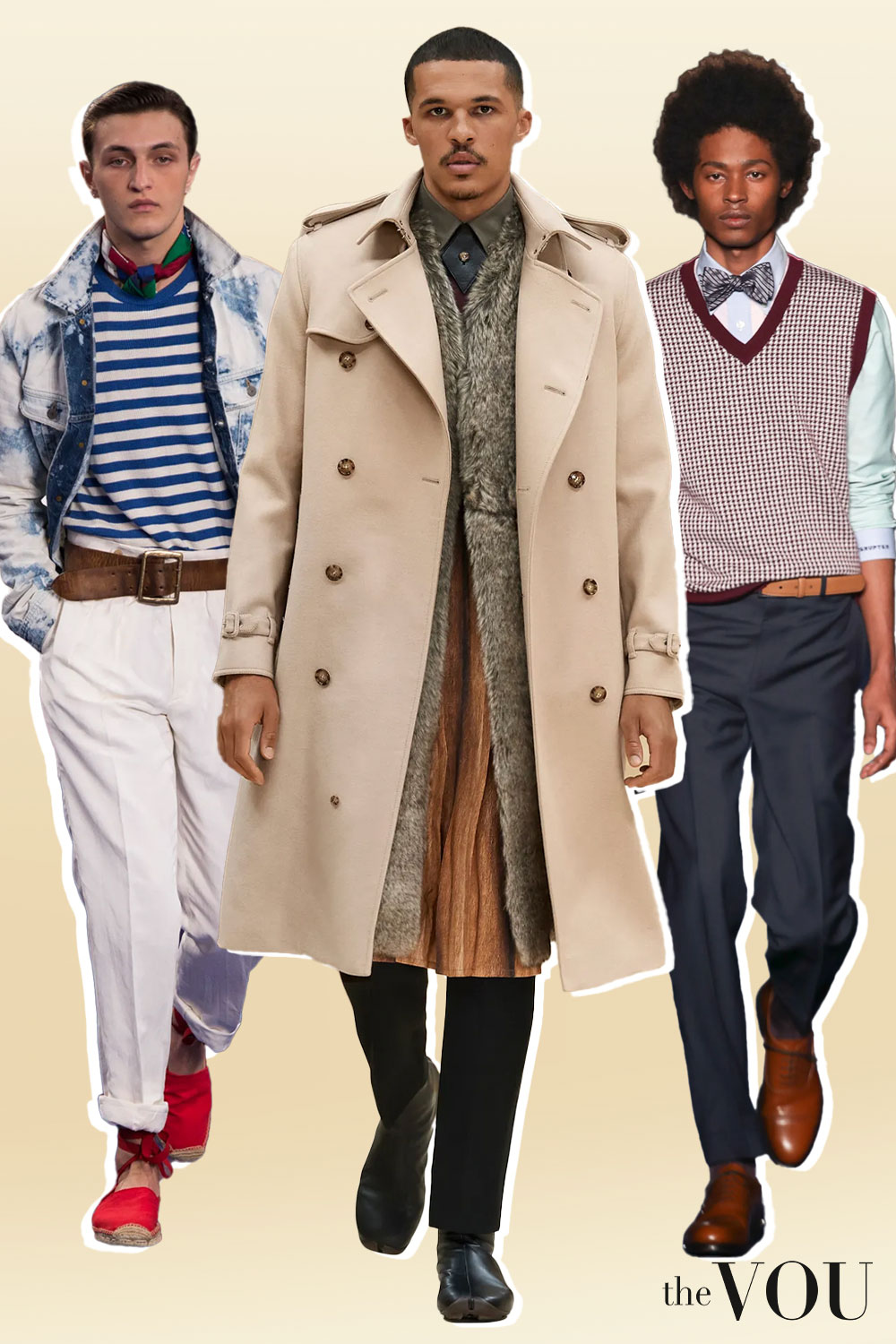
What is a Fashion Style?
Any fashion style is a combination of clothes, footwear, and accessories depicting patterns, motifs, colours, shapes, and fabrics belonging to specific cultures, subcultures, or social movements, adapted to or mixed with the latest fashion trends.
Despite being used interchangeably in fashion parlance, fashion styles are not fashion trends or aesthetics but unique ways of dressing.
Garments, footwear, and accessories with similar aesthetic roots (shapes, silhouettes, patterns, motifs, symbols, colours, and materials) can be grouped into stylistically similar outfits and described as fashion styles.
Groups, communities, and subcultures adopt and reshape fashion styles to showcase their values, beliefs, group belonging, social status, and lifestyle.
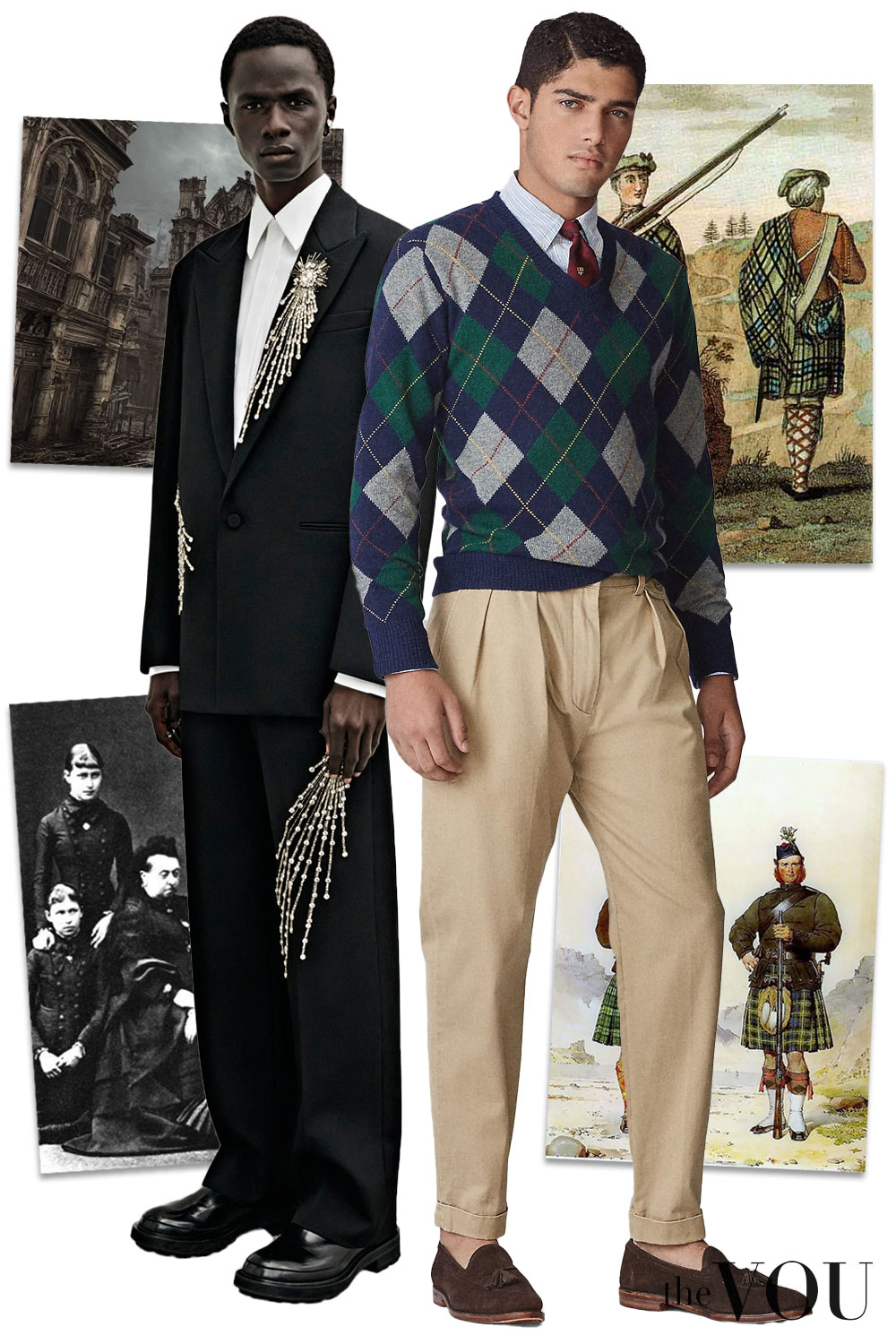
For an outfit to be catalogued as belonging to or representing a particular fashion style, the composing clothes, footwear, and accessories must share aesthetics and motifs representative of the subculture it attempts to portray.
That being said, someone’s look or way of dressing could blend different fashion styles, not belonging to any particular subculture, colloquially called their “personal style.”
The Origin of Style
According to Hegel’s Philosophy of History, ‘style’ originates from the Latin ‘stilus,’ a writing instrument, and was used to describe architecture, art performances, or visual expressions of a subculture (fashion choices).

The concept of style was first used in architecture to describe design ways, such as the Ciceronian, Baroque, or Romanesque styles, eventually expanding to describing forms of art and fashion.
As such, one’s choice of a specific fashion style expresses an intention to depict a particular character or social role at a given occasion.
According to the book Gothic: Literary Sources and Interpretations Through Eight Centuries, the Gothic style originated from the idea that the Roman Empire’s destroyers looked and behaved barbarically.
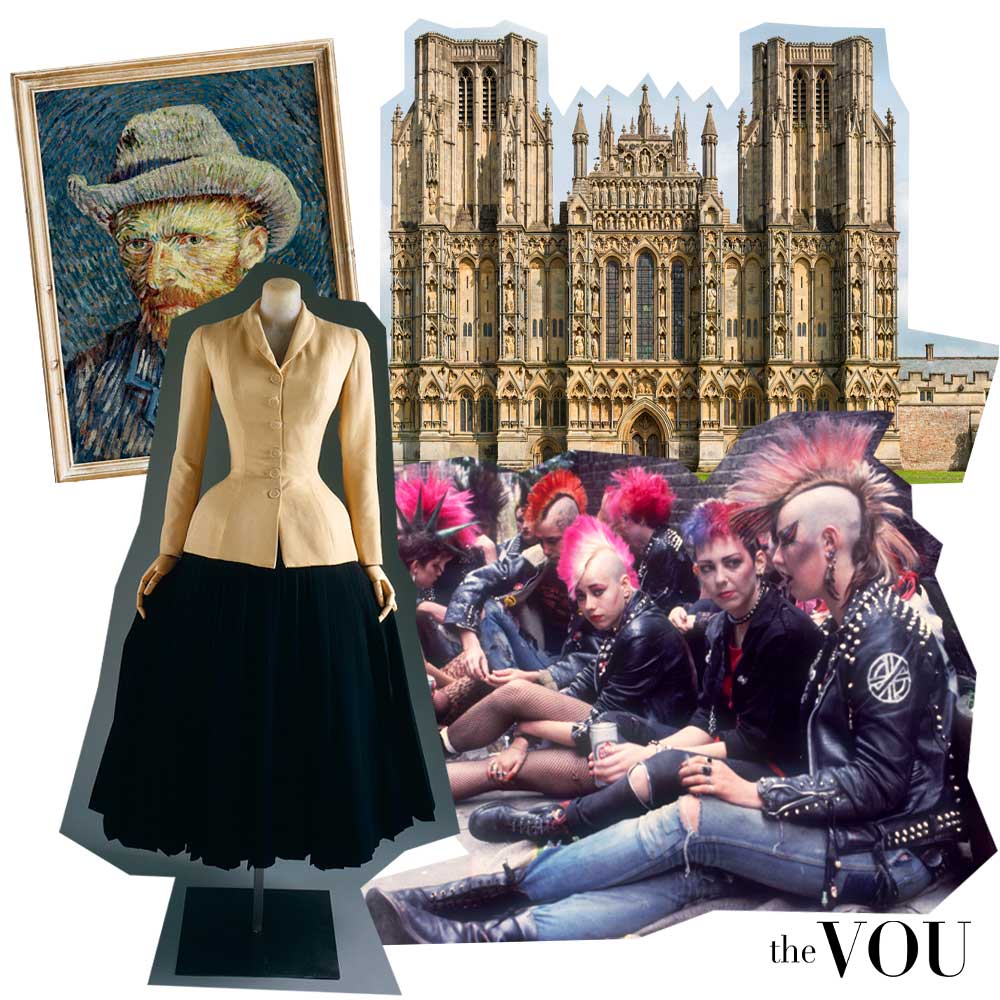
According to Otto Kurz, the ‘Baroque’ style, meaning ‘bizarre’ or ‘absurd,’ resulted in a conflation of miscellaneous expressions.
‘Rococo’ was coined in 1797 by Jacques-Louis David’s pupils as a term of derision for the meretricious taste of the age of Pompadour.
‘Romanesque’ emerged around 1819 as a term denoting “the corruption of the Roman style and mannerism showcased by its impact on the ‘purity’ of the Renaissance.
The first usage of style as an expression of a collective spirit and subcultures’ visuals can be traced back to early 1800 romantic philosophy, notably Georg Wilhelm Friedrich Hegel’s ‘Philosophy of History lectures at the University of Berlin:
“A nation’s art, no less than its philosophy, religion, law, mores, science, and technology, will always reflect the stage in the evolution of the spirit, and each of these facets will thus point to the one common center, the essence of the age.”‘
In straightforward term, “Style” describes distinctive ways of performing an act and is present in various applications, such as a style of rock music, French cooking, Gothic suits, or Victorian architecture.

Fashion Styles Origin
Fashion styles emerge as groups of people and communities wear garments, footwear, and accessories depicting aesthetic patterns, motifs, materials, colours, cuts, sewing, and drawings belonging to or depicting past subcultures.
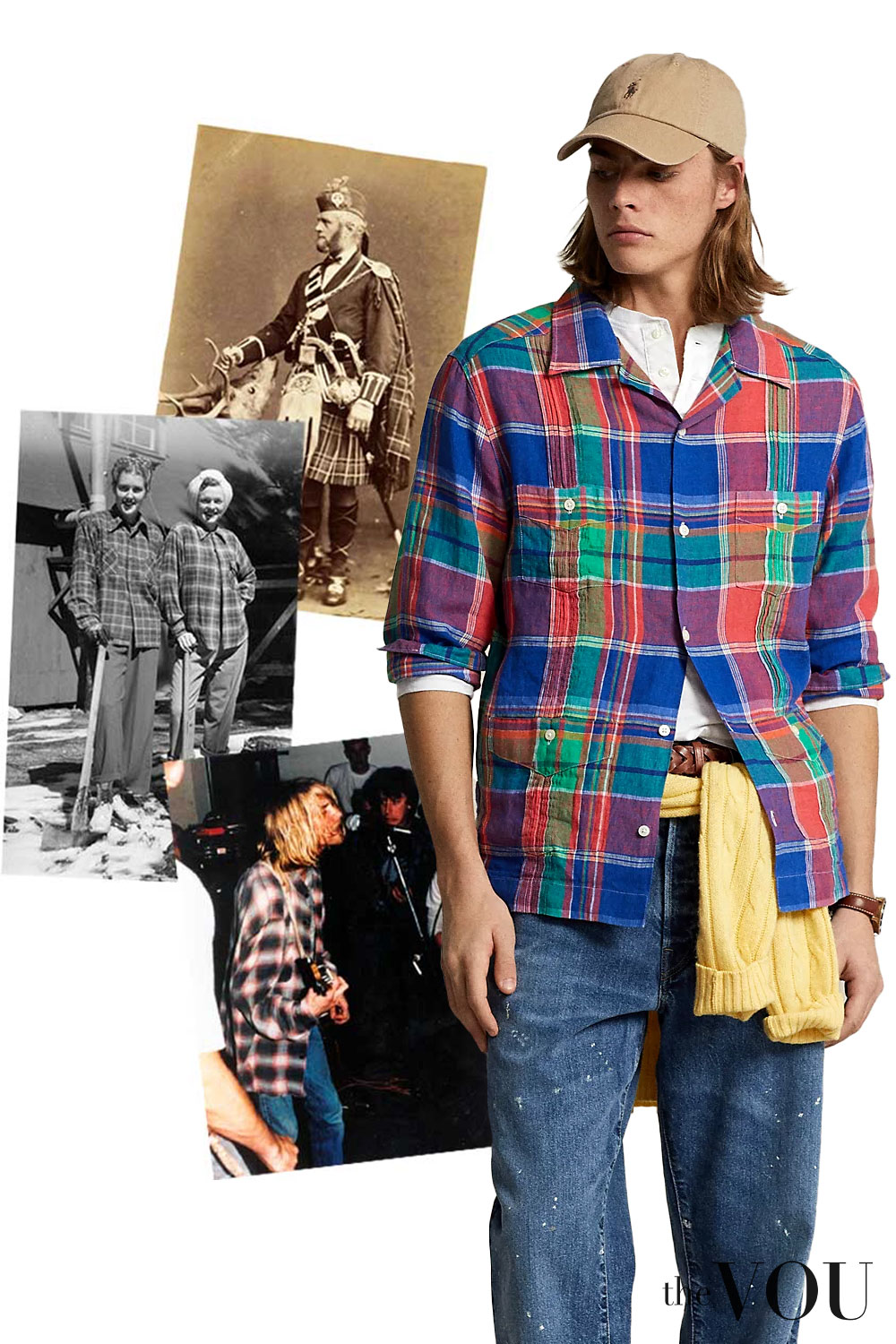
For example, whether the Gothic clothing style uses patterns from medieval feudalist architecture is not questioned, but if historians can find and record these connective unitary aesthetics.
What distinguishes all styles from casual connections is the always present a priori character and, as Adolf Loos, an Austrian pioneer of modern architecture, puts it:
“If nothing were left of an extinct race but a single button, I would be able to infer, from the shape of that button, how these people dressed, built their houses, religion, art, and mentality.”
In fashion design, the most common way of depicting a style is through the artistic mix of clothing and accessories, which incorporate patterns, motifs, shapes, cuts, and colours belonging to a subculture or more into outfits.
French philosopher and semiotician Roland Barthes states:
“fashion style is a form of aesthetic language and a mode of communicating statements using the grammar of fashion.”
Fashion Style vs. Personal Style
It is essential to observe that fashion styles differ from personal styles.
The fashion world has recorded and recognised around 50 fashion styles, catalogued by decade of appearance, aesthetic roots, subcultural origins, and composition of clothes, accessories, and footwear.
While each fashion style has a different origin and aesthetic roots, they’re all influenced by cultural and societal changes and new fashion trends.
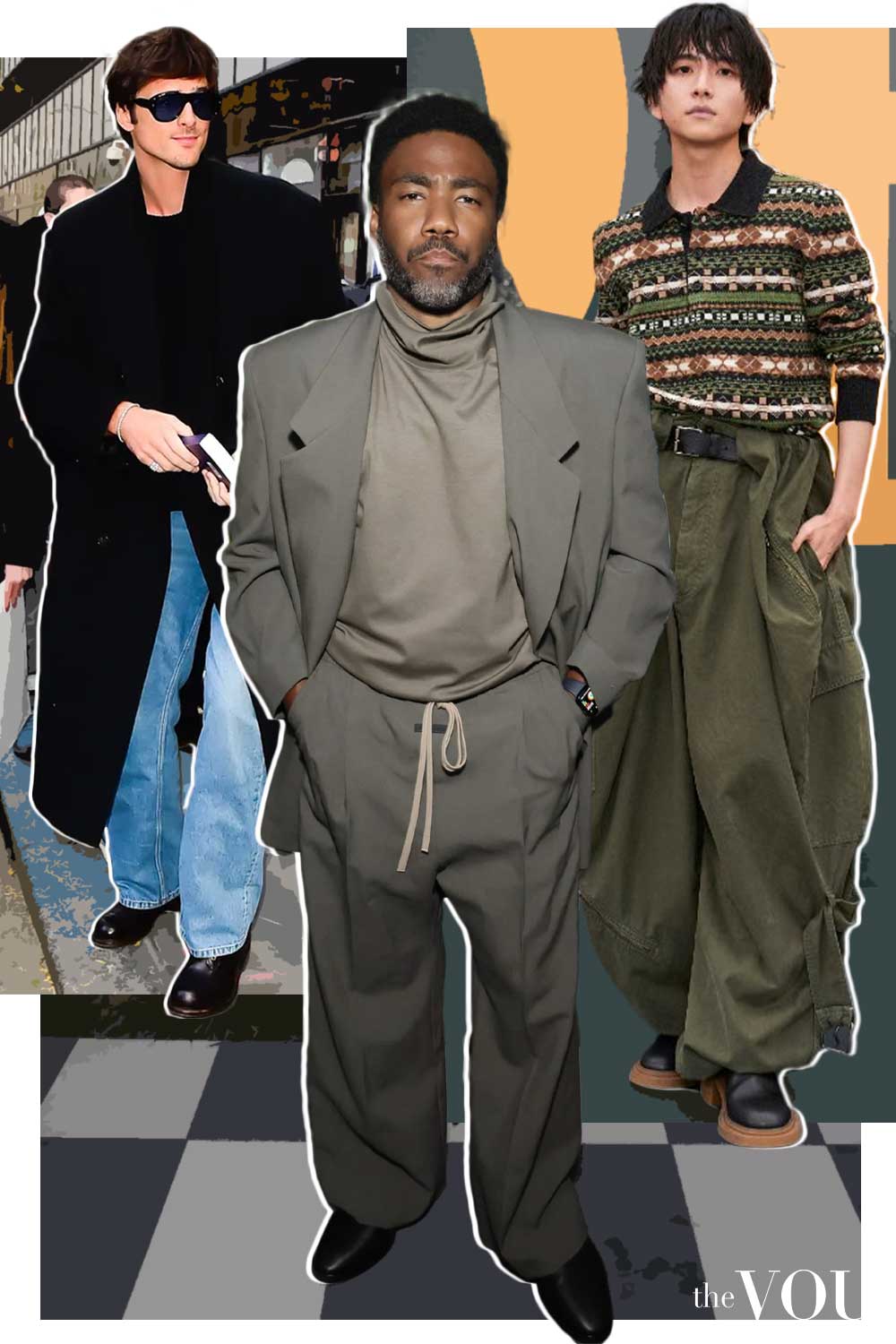
Subcultures create fashion styles by adopting, using, and blending clothes, footwear, and accessories with aesthetics, patterns, and motifs from previous subcultures into new visual identity forms.
These well-established fashion styles resurface yearly, either as perfect interpretations of the past, reimagined in modern variants, or as part of fashion trends and fads.
On the other hand, your own style is how you combine and like to wear your clothes, whether unbuttoned shirts or shoes without laces.
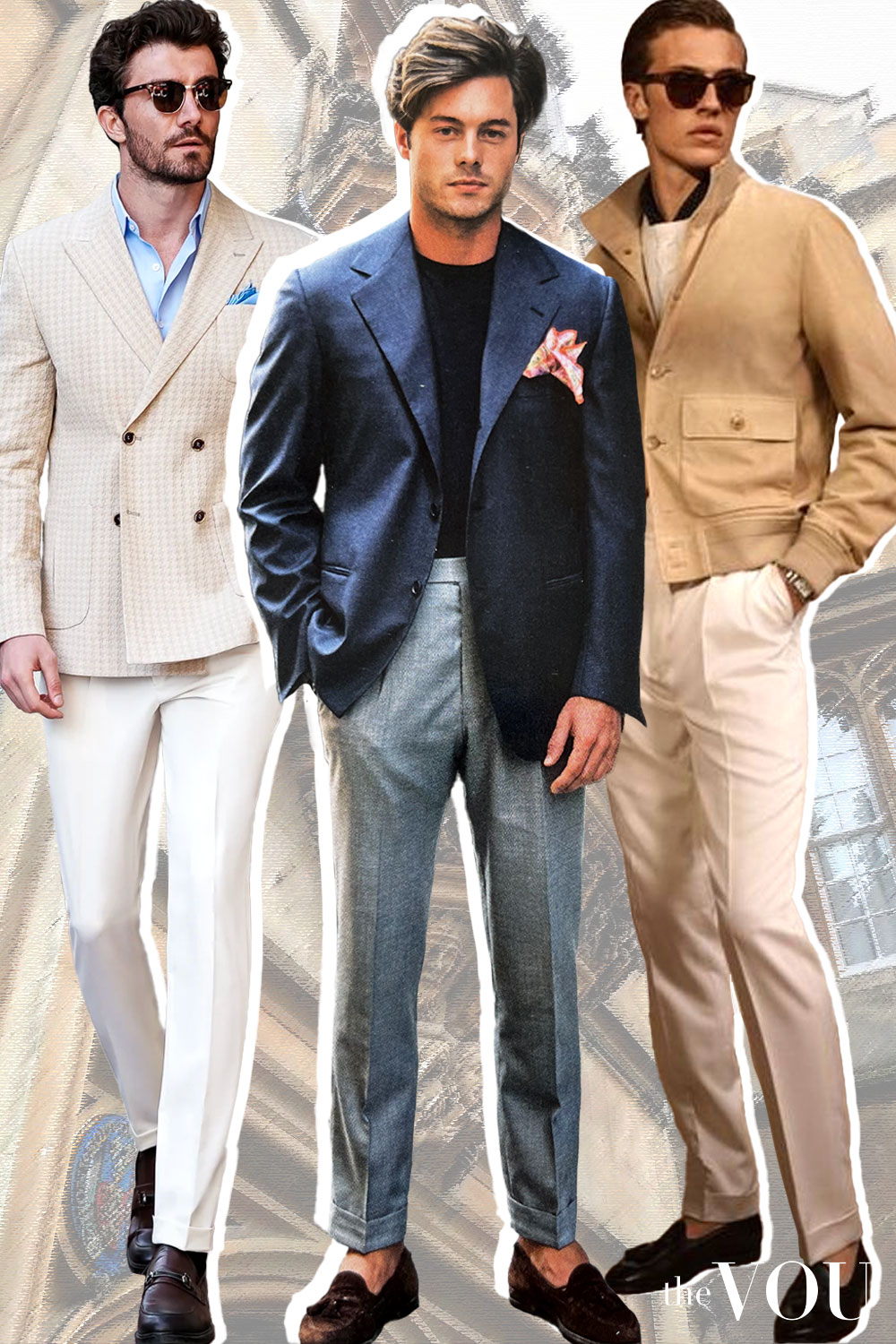
Nevertheless, the clothes and accessories that form your outfit will always comprise aesthetic elements (patterns, motifs, colours, and materials) representative of a subculture and, thus, their fashion style.
Fashion Styles Historical Overview
From ancient Rome to the medieval Caliphate and the Industrial Revolution, most ways of dressing emerged out of necessity.
However, intentionally dressing in specific styles started in the Victorian era.
From the ‘Roaring Twenties,’ new fashion styles emerged in waves matching economic changes or social unrest.
From the Victorian era to the 2020s, each decade is represented by the five most representative fashion styles and their aesthetic roots (patterns, motifs, symbols, materials, and colours).
Victorian Era (1837-1901)
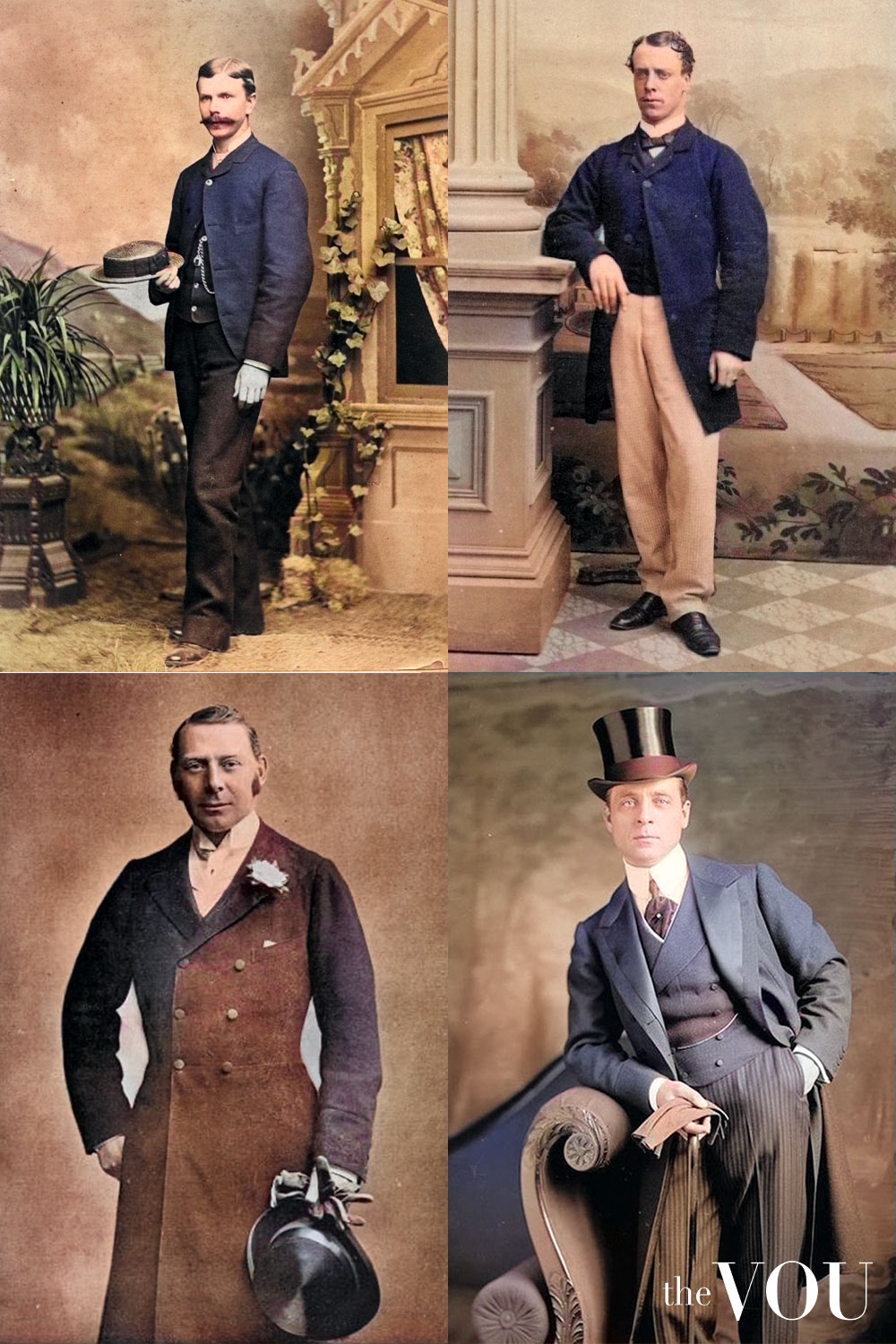
Victorian fashion, a dressing style influenced by the British monarchy and comprised of frock coats, high collars, cravats, and waistcoats.
Art Nouveau, tailored suits with artistic details and nature-inspired patterns.
Sportswear Apparel, clothing with functional cuts inspired by emerging sports activities such as tennis and golf.
Day and Evening Looks, separate outfits for day/night with corresponding materials like wool for day and fine silk for evening.
Mourning Attire, black suits, top hats, and accessories in dark tones reflect the social importance of mourning.
Edwardian Era (1901 to 1914)

Edwardian, high collars, morning coats, top hats, and detailed tailoring with aesthetic roots in the British nobility and King Edward VII’s attire.
Oriental, smoking jackets with oriental motifs from exotic materials and luxurious fabrics inspired by the growing fascination with Far East cultures.
La Belle Epoque, well-fitted suits with artistic details influenced by the art nouveau movement.
Tailored, tailored suits and military-inspired jackets made from expensive fabrics.
Art Deco Artisanal, handmade garments with artisanal details in geometric shapes and rich colours, signalling the approach of the Roaring Twenties.
1920s

Jazz Age, wide-leg trousers and double-breasted suits reflecting the Jazz Age freedom and emancipation.
Art Deco, suits with geometric patterns and metallic motifs reflecting urbanization and modernity.
Gentleman’s Classic, well-tailored suits in classic cuts showcasing practical elegance.
Formalwear, pinstriped tailored suits assorted with fedoras influenced by the growing Italian and Irish gangster look.
Hollywood Glamour. Tuxedos and dinner jackets from fine wool and silk.
1930s
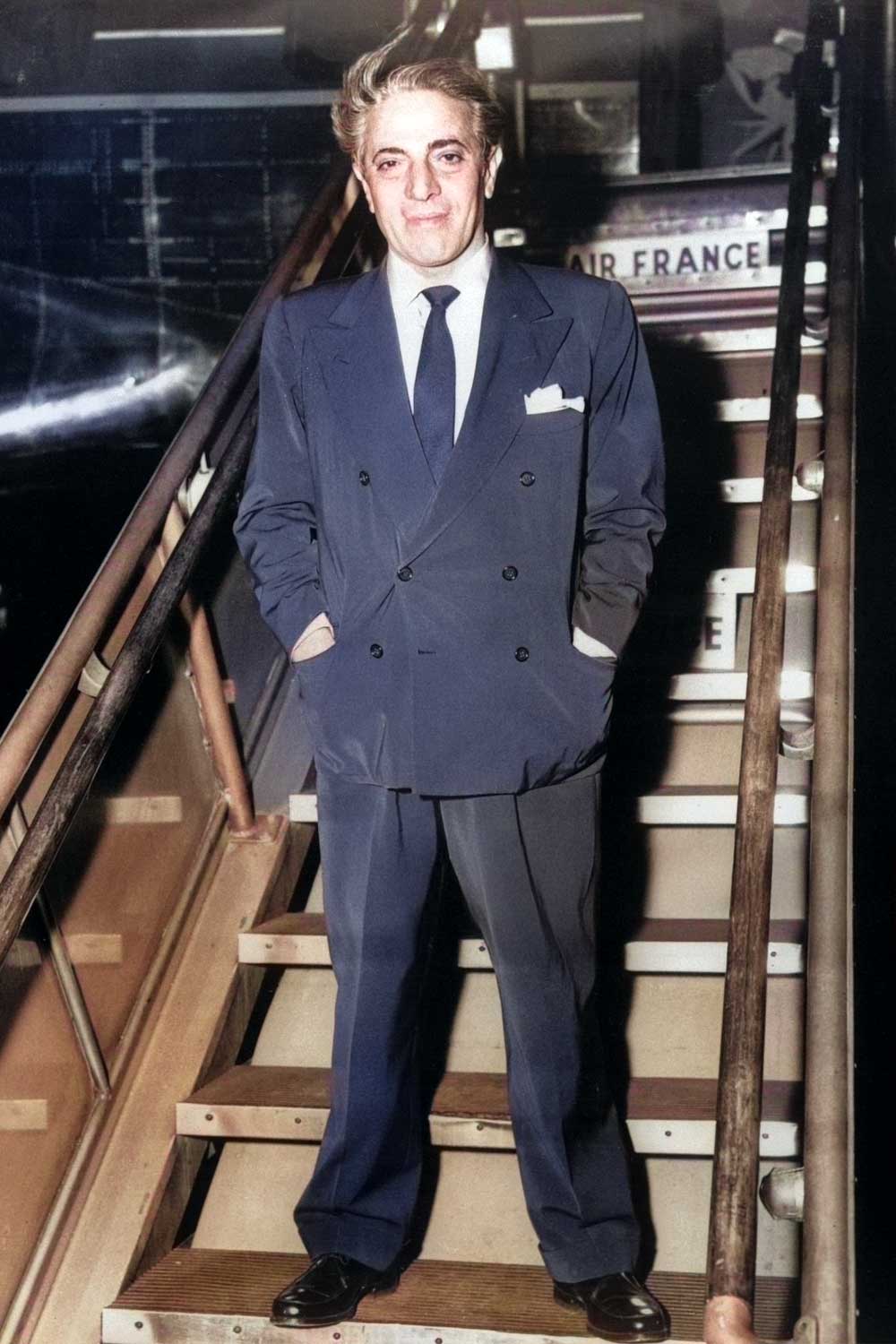
Hollywood Glamour Continued, elegant suits in fine wool and silk reflecting the stars of the cinema.
Escapist, resort wear and tropical suits in exotic prints and light fabrics as a way to minimize the Great Depression.
Utilitarian, functional garments from sturdy fabrics reflecting the global economic hardship.
Surrealist, suits and accessories with abstract motifs, mind-bending prints, and colours representative of Salvador Dalí.
1940s
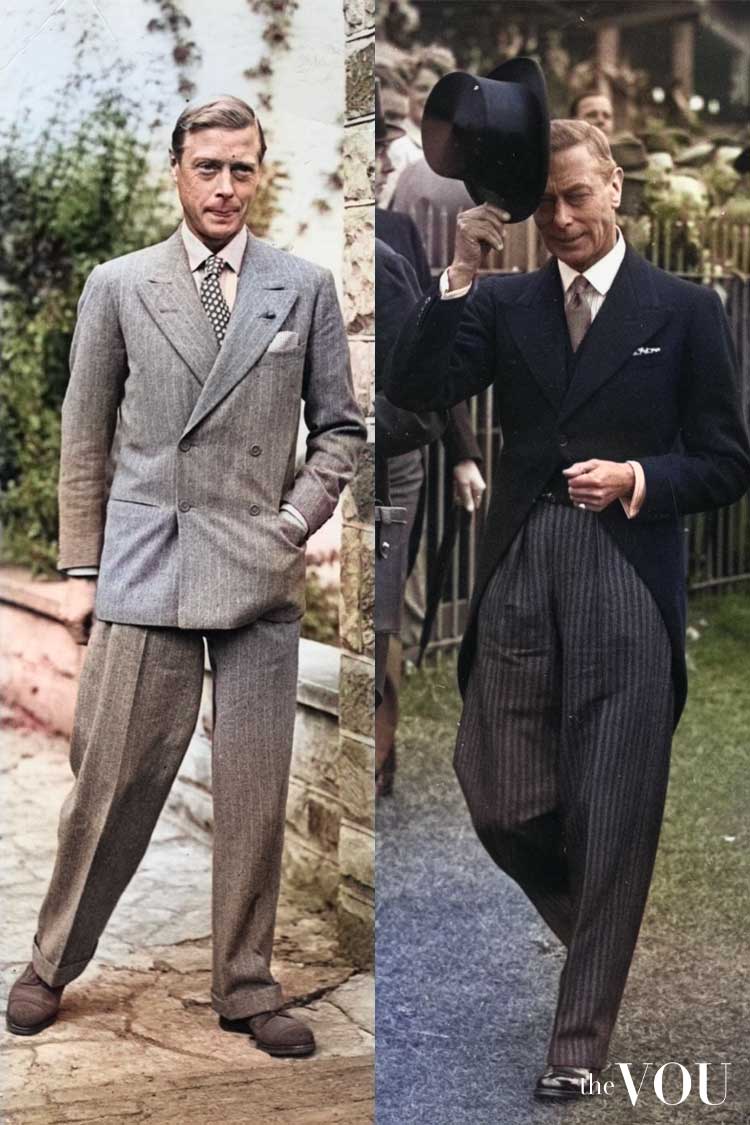
Wartime, utilitarian suits and military-inspired jackets from rationed fabrics in militaristic colours, influenced by World War II.
American Classic, high-waisted trousers and structured jackets with clean lines inspired by American culture.
Movie Star, elegant suits and dinner jackets reflecting the growing influence of Hollywood stars.
The New Look for Men, structured suits with broader shoulders reflecting the post-war optimism.
Zoot Suit, oversized jackets and wide-legged trousers with stripe motifs showcasing the rebellious youth.
1950s
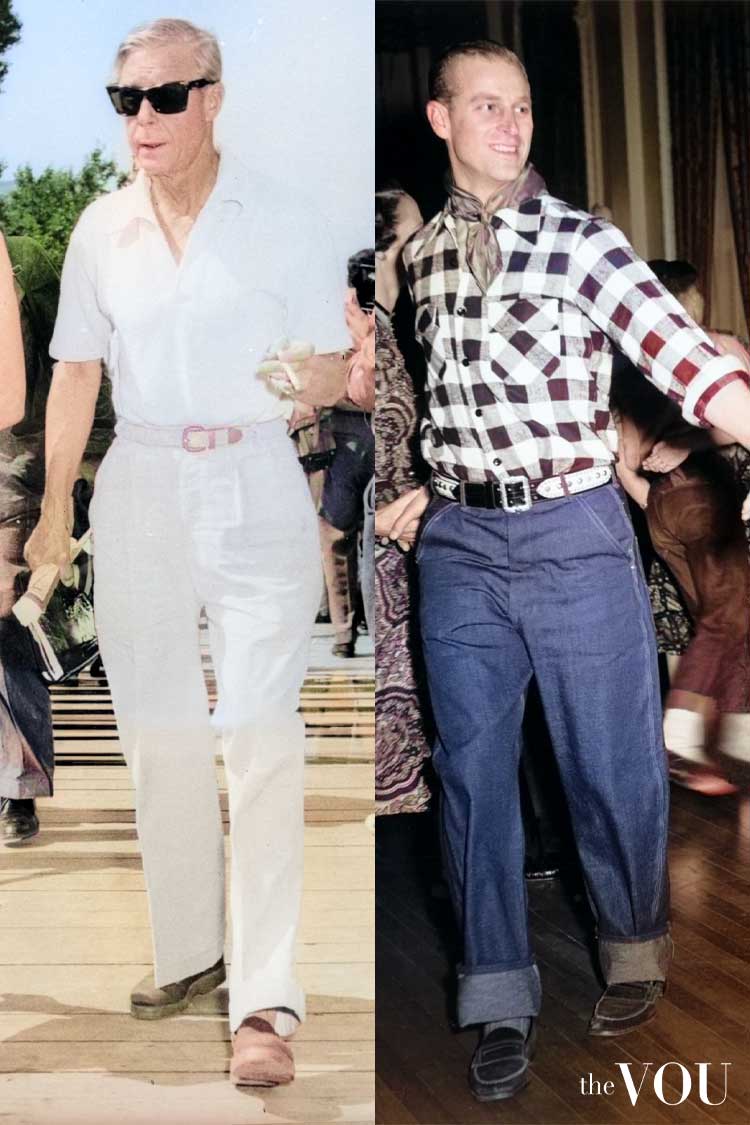
Mid-Century Modernism, tailored suits in abstract patterns showcasing a growing architectural influence among fashion designers.
Rockabilly, leather jackets, slim-fit jeans, and boots pointing to the emerging rock ‘n’ roll subculture.
Classic American, structured suits in conservative cuts, see Cary Grant’s influence.
Beatnik fashion, black turtlenecks assorted with berets, pointing to the emergence of a literary subculture.
Preppy fashion, Ivy League style chinos, navy blazers, loafers, and sweaters with tartan and argyle patterns showcasing British aesthetic roots.
1960s
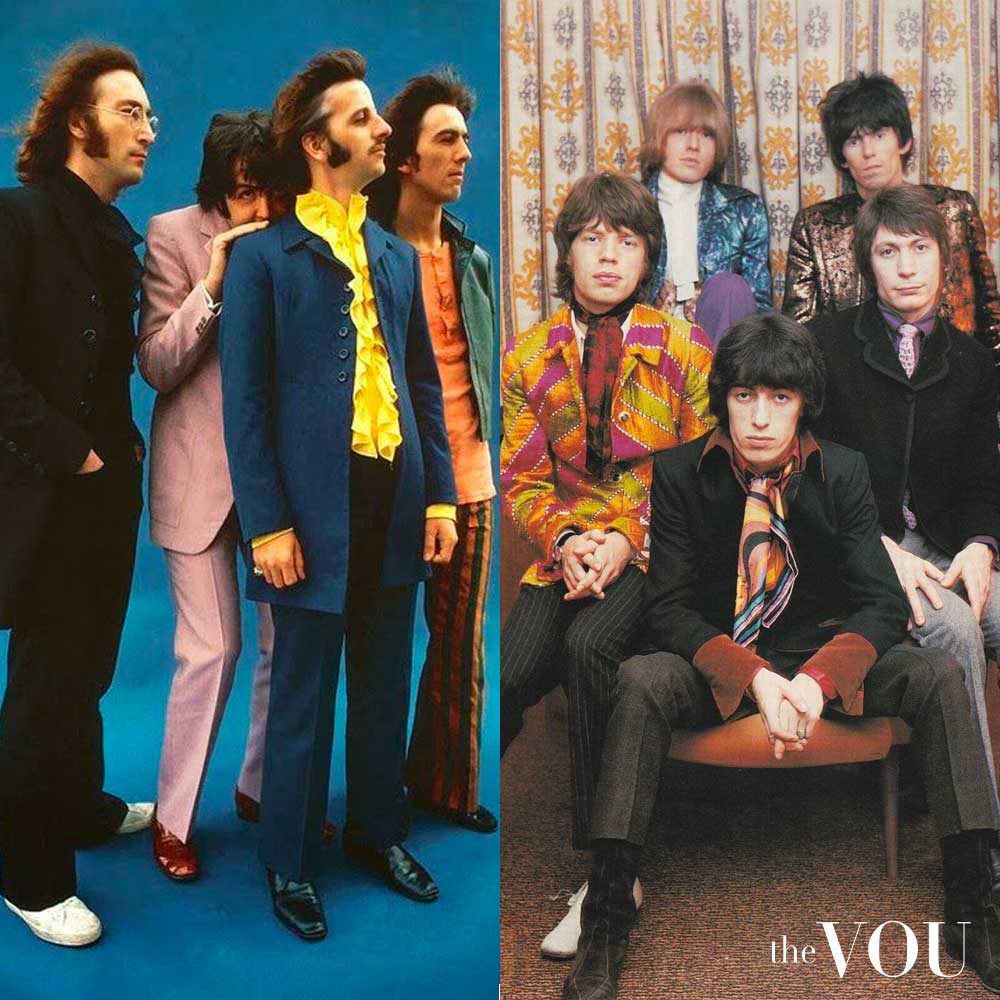
Mod Fashion, slim-fit suits, Chelsea boots, and parkas with bold geometric patterns as signs of growing feelings of rebellion against the status quo.
Hippie, tie-dye shirts, flared jeans, and accessories with floral and peace motifs showcasing a growing anti-war sentiment.
Space Age, futuristic designs; metallics, vinyl; space exploration fascination.
Carnaby Street, colourful suits and bold patterns depicting London’s artists and creatives.
Black Panther, all-black uniforms with berets and leather jackets as forms of political statement.
1970s

Disco, suits with wide lapels, platform shoes, and shirts in shimmering fabrics reflecting the growing disco subculture.
Punk Rock, ripped tees, tight jeans, leather jackets with anarchistic symbols, chains, and safety pins showcasing the subculture’s rebellious nature.
Bohemian fashion, loose shirts, bell-bottom pants with ethnic prints depicting the movement’s ‘free of societal boundaries’ ethos.
Goth fashion, black clothing with spiderweb and skull motifs and silver accessories inspired by Gothic rock musicians of those times.
Leisure. Leisure suits from polyester and shirts with wide collars, defining the casual menswear revolution.
1980s
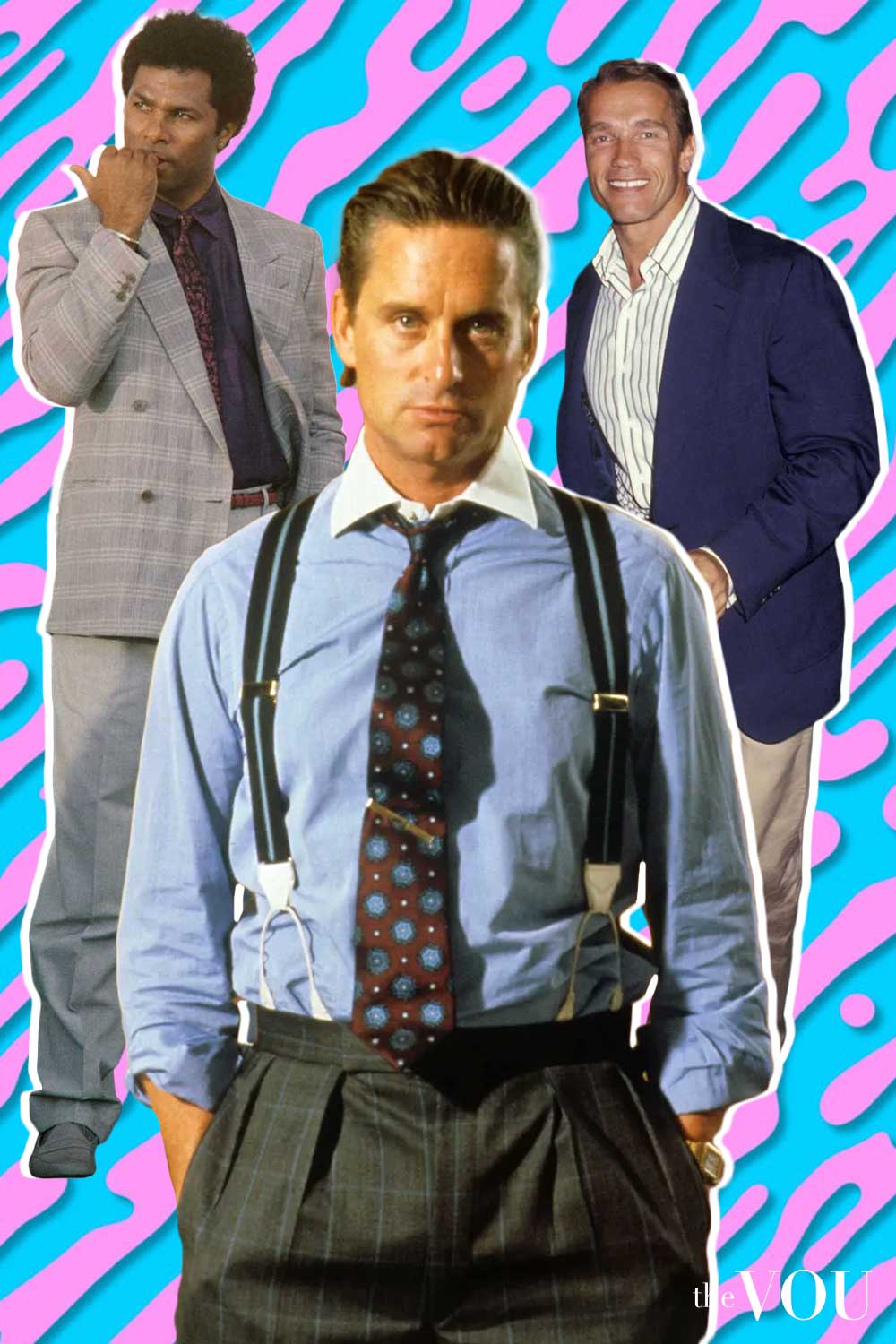
Power Dressing, suits with strong shoulders and pinstripes showcasing corporate success and ambition.
New Romanticism, ruffled shirts, velvet suits, and jackets with gothic motifs showcasing the nightclub culture.
Streetwear, tracksuits and baseball caps with graffiti prints pointing to the emergence of the hip-hop subculture.
Safari, khaki jackets and cargo pants with multiple pockets in African patterns.
Neo Preppy, colorful short chinos, polo shirts in pastel colours, and sleeveless sweaters in argyle patterns.
1990s
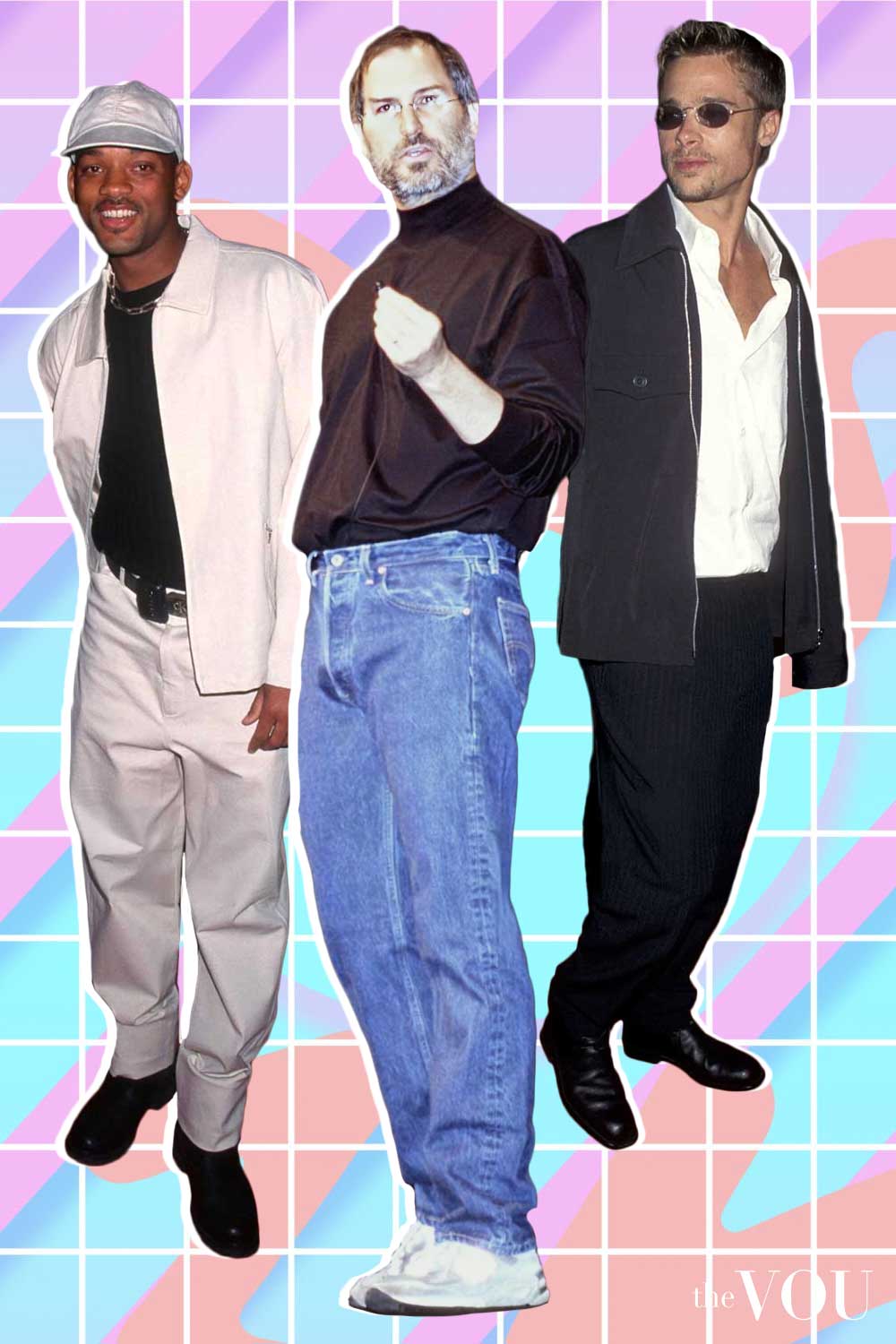
MTV Generation, baggy jeans, oversized t-shirts with slogan prints, and street-inspired accessories reflecting music video influence.
Grunge, flannel shirts, ripped jeans, tops in plaid patterns, and combat boots.
Hip-Hop, baggy jeans, baseball caps, loud logo t-shirts, and heavy golden chains reflecting the urban subculture.
Minimalist, clean-cut suits and simple garments in monochrome shades, depicting the emergence of minimalist fashion.
Y2K fashion, metallic fabrics, futuristic accessories, and tech-inspired patterns depicting the millennial tech optimism.
2000s
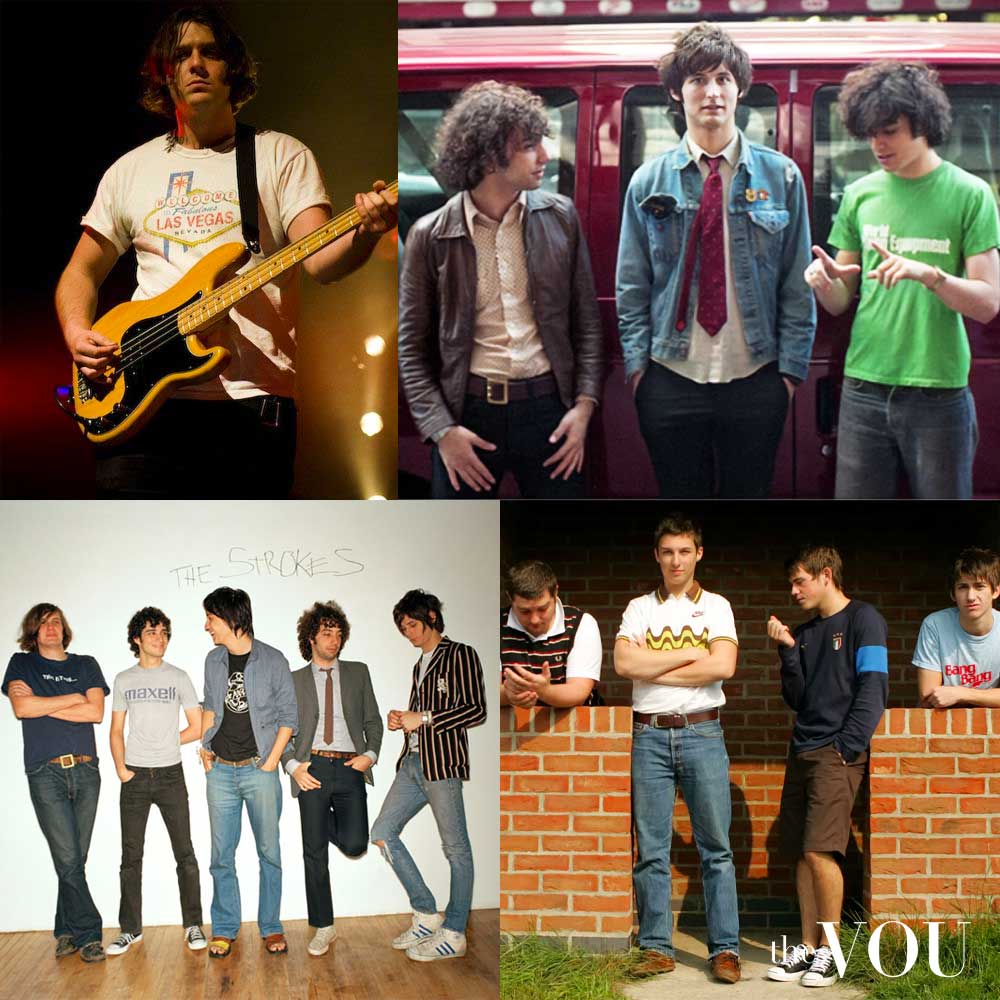
Indie Rock, skinny jeans, vintage t-shirts, and leather jackets inspired by independent music culture.
Emo, skinny jeans with studded belts and dark tops showcasing an emotive alternative to the punk subculture.
Designer Streetwear, luxury brand collaborations with street culture elements at the top of conspicuous consumption.
Hipster vintage clothing with retro prints, ethnic pattern shirts, relaxed pants, and thick glasses depicting the subculture’s ironic vibe.
Athleisure, performance wear, technical fabrics, and comfortable sneakers depicting a growing fitness culture.
2010s
Normcore, normative dressing with unbranded clothes as an anti-fashion statement.
Tech Bro, minimal, comfortable clothing focused on functionality and subtle luxury.
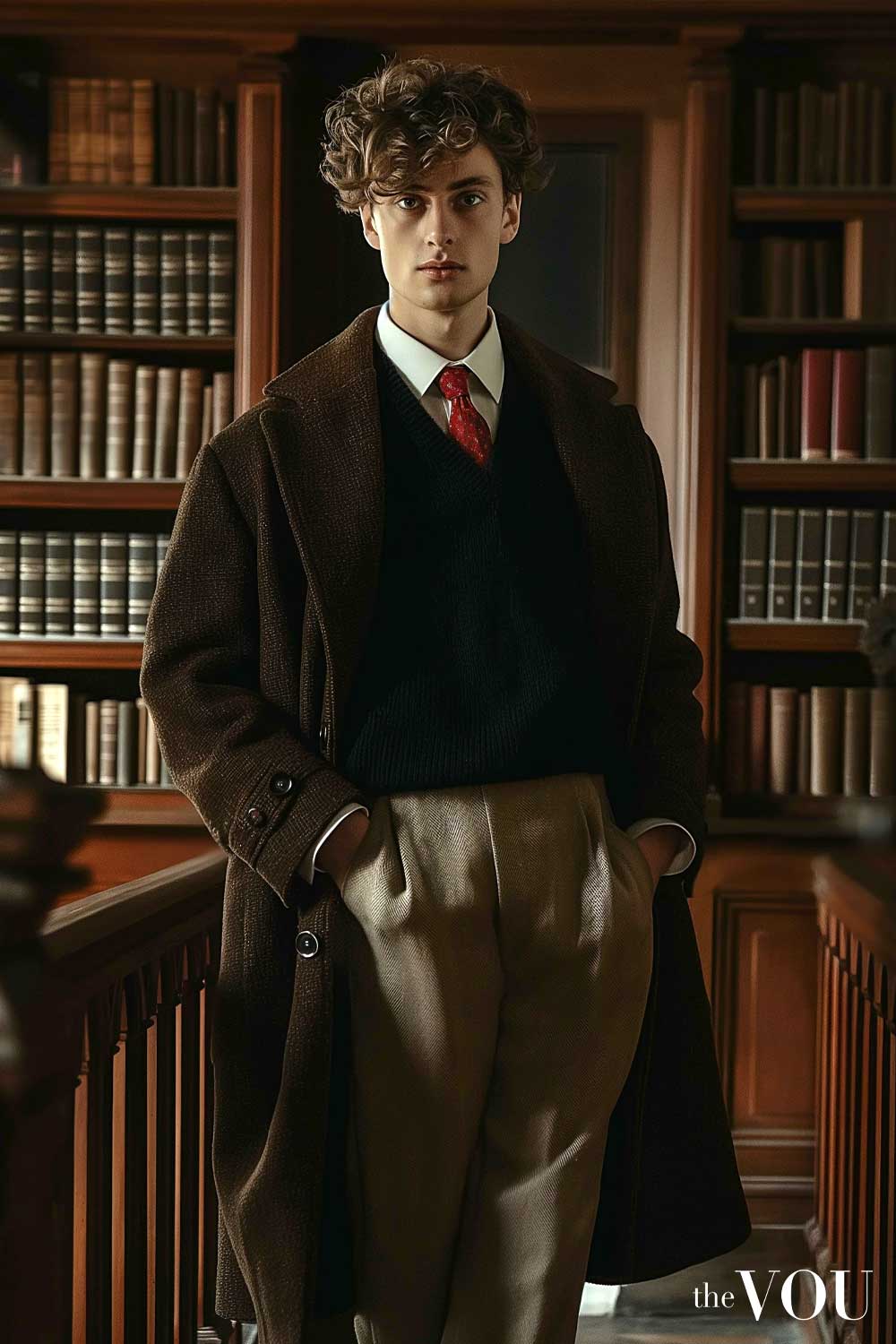
Dark Academia, tweed blazers, wool trousers, and oxford shirts with preppy aesthetics in darker tones influenced by Gothic elements.
Streetwear Evolution, high-end streetwear mixing luxury brands with casual elements.
2020s
Sustainable Fashion, eco-conscious clothing made from sustainable materials with emphasis on ethical production.
Techwear, functional garments from smart materials and with cyber patterns showcasing technology integration.
Health-Conscious. Protective outfits and masks reflecting global health concerns.
Gorpcore, technical outdoor wear adapted for urban environments, mixing functionality with style.
Virtual Fashion, digital clothing made to be worn in augmented, virtual, and mixed-reality environments, at least for now.
References
Take the First Step With The VOU’s Styling Quizzes
Start with our quizzes. First, take our Face Shape Quiz to see which face shape yours is closest to and get first styling suggestions.
Then, see which colours the seasonal colour approach suggests for you with our Seasonal Colour Analysis Quiz.
See which cuts are usually recommended for your build with our Body Shape Quiz, and explore the styles that suit your taste with our Fashion Style Quiz.
Transform Your Image with The VOU’s Professional Guidance
If you want help with finding your fashion style, The VOU’s stylists offer paid styling services, from single analyses to a complete package.
Our Professional Face Shape Analysis package provides you with a stylist’s assessment of your face shape from the photos and measurements you send, personalised hairstyle recommendations, customised facial hair styling guide, expert eyewear selection guidance, and detailed grooming recommendations tailored to your unique features.
For the most comprehensive transformation, consider our Complete Image Transformation Package.
The Complete Image Transformation Package includes our Fashion Style, Seasonal Colour, Body Shape and Face Shape analyses, a brand-specific shopping guide and two weeks of support.
The package brings the analyses together into one plan for your clothes, colours and grooming.
Raf Adams’s focus at The VOU is luxury menswear, brand analysis and quiet-luxury styling. His coverage addresses men who want to understand the difference between a recognisable label, a documented garment feature and a buying choice that makes sense for their wardrobe.
His subject areas include materials, construction details, brand positioning and the understated clothing references associated with quiet luxury. This focus examines what can be established from product information and what remains a matter of appearance or preference. Price and reputation provide context, but neither replaces attention to fit, intended use and the details of the item being considered.
Raf’s editorial coverage connects those comparisons with complete outfits and repeat wear. Readers exploring premium clothing can consider how a purchase works with existing pieces, which features matter to them and whether a less conspicuous look suits their needs. The aim is to make luxury menswear easier to assess without turning a brand name into a promise of quality or personal style.
Mandy Meyer’s focus at The VOU is men’s body-shape styling, garment fit and outfit proportions. Her coverage addresses the practical questions behind a wardrobe choice: how a jacket sits across the shoulders, how trousers fall and how different cuts change the silhouette a wearer wants to create.
Her subject areas include the triangle, inverted triangle, rectangle, oval, trapezoid, hourglass and diamond labels used in body-shape styling. These provide starting references for comparing visible proportions; they do not capture every body or prescribe one correct way to dress. The focus connects those observations with garment shape, construction, length and the relationship between the upper and lower parts of an outfit.
Mandy’s editorial coverage combines visual comparisons with fit checks for comfort and movement. Readers can consider whether a cut gives them the room they need, where clothing pulls or gathers and which changes might support their preferred look. The aim is to make menswear choices more understandable while keeping personal preferences and the wearer’s own styling goals central.
Aidan Russell’s focus at The VOU is men’s face-shape styling, facial proportions and the way accessories frame the face. His coverage addresses a common starting question: how do you choose glasses, hats or necklines when standard face-shape advice does not quite describe your features?
His subject areas include comparing visible face length and width, recognising mixed features and understanding how frame size, brim shape and neckline placement change an overall look. Rather than making a shape label the final decision, this coverage connects proportions with the effect a reader wants, whether that means adding definition, softening an outline or drawing attention to particular features.
Aidan’s editorial focus also links facial styling with the rest of a man’s wardrobe. The aim is to make comparisons easier when trying on accessories or planning an outfit, while allowing for comfort, fit and personal preference. Readers looking for a starting point in face-shape styling can use this coverage to identify options worth trying, without being confined to one prescribed look.
Lawrence Anderson’s focus at The VOU is old-money style, British heritage menswear and the wider strategy behind a man’s wardrobe. His coverage addresses readers who want a composed, consistent style but need practical guidance on where to begin, what to keep and which pieces deserve a place in their wardrobe.
His subject areas connect classic tailoring, knitwear, footwear and accessories with the proportions and formality of a complete outfit. British countryside clothing, preppy dressing and Ivy-inspired references provide context for understanding different versions of the look. The emphasis is on recognising the relevant details and adapting them to the wearer’s life, rather than treating an aesthetic as a requirement to buy particular labels.
Lawrence’s editorial coverage brings wardrobe planning back to the reader’s needs: everyday clothing, professional presentation, occasion dressing and a workable budget. It considers existing pieces, outfit coordination and repeat use, giving men a basis for building personal style over time. A coherent wardrobe should reflect the person wearing it and the situations they actually need to dress for.