
Start here
What’s This About:
With an inverted triangle outline and True/Warm Spring colouring, get the fit right across your shoulders and chest first, then use softer shoulders, fuller trouser legs and clear, warm colours if you want a more even look.
This guide covers wardrobe choices and outfit ideas such as:
– jackets with natural or lightly padded shoulders in clear camel
– straight or gently tapered trousers with room through the thigh
– golden yellow, warm coral and apple green shirts and ties
– casual, business and formal outfits for each season
and many more!
Treat each suggestion as an option to compare in the mirror, not a rule.
Key Points:
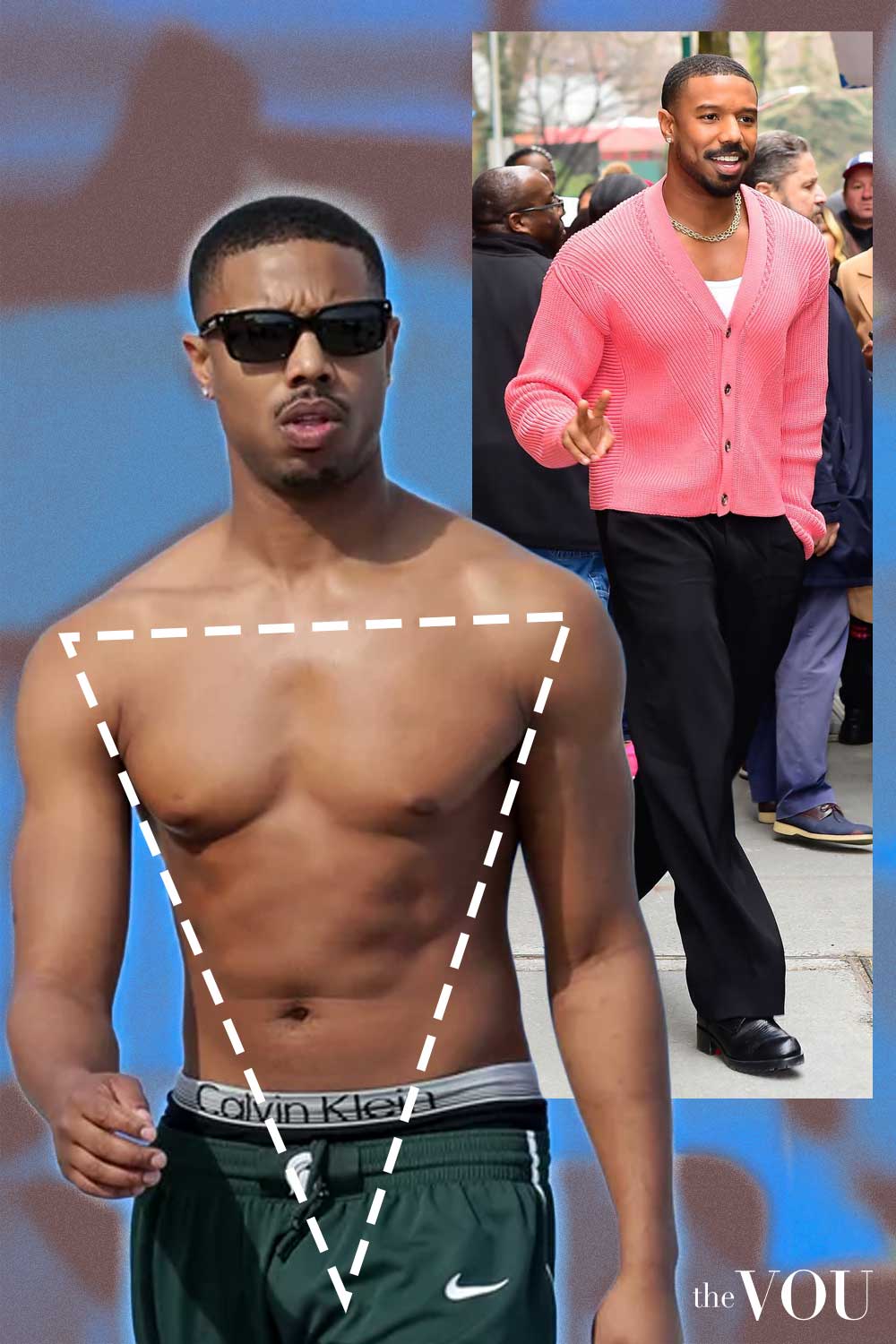
01In this guide, an inverted triangle outline means your shoulders and upper torso look noticeably broader than your hips; it says nothing about how muscular you are.
02Fit comes first: removing loose cloth at the waist is a fit correction, different from a deliberately cinched waist.
03True/Warm Spring guides describe the palette as warm and clear with golden undertones, such as golden yellow, warm coral and clear camel; treat it as a styling convention to compare near your face.
04Lighter shoulder padding and straight or gently tapered trousers are options if you want less emphasis on shoulder width; the effect depends on the whole outfit.
This guide is for men whose shoulders and chest look broader than their hips and whose colouring suits the True/Warm Spring palette.
If you want a more even look, the inverted triangle outline suggests some balance between top and bottom, while True Spring guides describe the palette as the warmest of the spring family, with clear, golden colours.
The guide covers fit, colours, wardrobe essentials and outfits for every season, with the reason behind each suggestion.
If you are unsure of your body shape or your exact seasonal colour palette, take our free quizzes:
Quick Reference Style Guide
Scroll horizontally to see all columns →
| Category | Best Choices | Use With Care |
|---|---|---|
| Silhouettes | – Straight or gently tapered trousers – Jackets that fit the shoulders and chest – Clean vertical lines – Loose waist cloth taken in for fit – Texture or weight below the waist |
– Very skinny trousers beneath a broad upper body – Heavily padded shoulders, if you want less width – Heavy top layers – A strongly cinched waist, if you want less V-shape contrast – Bulky knitwear above the waist |
| Colours | – Golden yellow – Warm coral – Apple green – Clear camel – Warm ivory |
– Cool pastels – Grey tones – Dark navy – Deep burgundy – Cool whites |
| Key Principles | – Fit first, then balance if you want it – Use warm colours – Create vertical flow – Add interest below the waist – Keep details simple |
– Top-heavy emphasis, if you want balance – Cool undertones – Harsh contrasts – Large or busy patterns across the chest – Heavy layering |
Inverted Triangle Body Shape Characteristics
In this guide, an inverted triangle body shape means the outline of your shoulders and upper torso looks noticeably broader than your hips when you stand naturally in close-fitting clothes.
How marked the taper looks varies; it describes an outline, not a measurement, and it says nothing about fitness or muscle.
The VOU uses seven body shape names: Triangle, Inverted Triangle, Rectangle, Oval, Trapezoid, Hourglass and Diamond.
Triangle, Inverted Triangle, Rectangle, Trapezoid and Hourglass follow familiar styling usage; Oval and Diamond are described in The VOU’s own words.
Trapezoid describes a gentler shoulder-to-hip taper, so if you sit between the two, read both inverted triangle and trapezoid guides.
Ready-to-wear jackets and shirts that fit your shoulders often leave loose cloth at the waist.
Taking that cloth in is a fit correction; it is different from a deliberately cinched waist, which exaggerates the V-shape.
If you want a more even look, the usual approach is to soften the emphasis across the shoulders and give your lower half a little more presence; if you are happy with a strong shoulder line, the fit advice still applies.
Some men also find shirtsleeves tight around the upper arm and loose at the wrist; that depends on your arms, not on your outline, so check it rather than assume it.
True/Warm Spring Colours
Treat a seasonal label as a styling convention rather than a measurement.
In the twelve-season convention, True/Warm Spring is the spring palette where warmth leads.
True Spring guides describe these colours as warm and clear, with golden undertones; if your colouring fits that description, they are the shades to compare first near your face in daylight.
Scroll horizontally to see all columns →
| Colour Category | Specific Colours | Best Uses |
|---|---|---|
| Primary | – Golden yellow – Warm coral – Apple green – Clear red |
Statement shirts, ties and accents |
| Neutrals | – Warm ivory – Clear camel – Warm beige – Golden brown |
Foundation garments and suits |
| Accent Colours | – Warm turquoise – Spring green – Clear peach – Bright coral |
Accessories and details |
Guides describe True Spring colours as having:
– Warmth without a cool influence
– Natural clarity without appearing artificial
– Golden undertones throughout the palette
– Enough brightness to create impact
– No greyness or muting
This warm, clear palette is a starting point for lively, coordinated outfits; cut and fit then decide how those outfits sit on your frame.
Wardrobe Essentials
Base Layers
Base layers create the foundation for your wardrobe, so start with fit.
Select undershirts in warm ivory that fit closely across the chest and shoulders without restricting movement; a cotton with a little elastane is one way to get that, so check the composition label.
For cooler weather, select thermal layers in clear camel; flatlock seams lie flatter under a shirt.
Choose base layers long enough to stay tucked when you sit, reach and bend, so they keep a smooth line under outerwear.
Shirts and Tops
Start with the fit of your shirts, then think about proportion.
A semi-spread collar is a versatile choice for dress shirts; pick a collar size that sits comfortably and looks in proportion with your face and jacket lapels.
The shoulder seam should sit at your natural shoulder edge.
Choose a chest that buttons without pulling when you reach forward, rather than aiming for a fixed amount of ease; if that size leaves loose cloth at the waist, a fitted cut or darts can remove it.
True/Warm Spring colours such as warm coral and golden yellow are the palette’s main shirt colours, with apple green for extra variety.
The warm turquoise option adds depth to your collection while maintaining palette harmony.
Casual shirts follow the same fit checks in textured fabrics like Oxford cloth or fine piqué cotton.
Look for clean lines through the body with enough room for movement across your shoulders and chest.
Trousers
Your trousers can give your lower half more presence if you want a more even look.
A straight leg, or a gentle taper that keeps room through the thigh, does this better than a very skinny cut; compare leg widths in a full-length mirror with your usual shoes rather than aiming for a fixed leg-opening number.
For the rise, check where the waistband actually sits, standing and seated, because rise labels and measurements vary between makers; choose the position that feels comfortable and looks right with your jackets.
Clear camel and warm beige establish your trouser foundation.
Golden brown provides depth for formal occasions, while warm ivory offers seasonal versatility.
Each colour keeps the warmth that guides describe for the True Spring palette.
Jackets and Outerwear
Your outerwear needs the right cut as well as the right colour.
If you want less shoulder emphasis, natural shoulders with light or no padding are the simpler choice; a strongly padded shoulder adds width where you already have it.
Single-breasted closures give clean vertical lines.
Jacket length is a choice: a tailored jacket that covers your seat gives a longer line, while shorter casual jackets suit relaxed outfits.
Sport coats in clear camel provide versatile formality.
Casual jackets in warm coral create impact while honouring your palette.
Higher armholes let you lift your arms without the whole jacket rising, and they help keep the lines clean.
Footwear
Shoes with a little substance, such as a visible welt and a classic heel, can sit well beneath a broad upper body; this is an option, not a requirement.
A classically rounded toe is the versatile choice; very long or square toes are a matter of taste.
For formal occasions, choose Oxford shoes in golden brown leather, polished to a subtle sheen.
Business settings welcome cognac brogues with minimal perforations.
Casual environments allow suede loafers in clear camel or minimalist trainers in warm ivory.
Accessories
Accessories add detail and bring in your colours.
Formal belts are usually narrower than casual ones.
Select warm cognac leather with subtle brass hardware, coordinating precisely with your footwear.
Choose a watch case that suits your wrist, in yellow gold or rose gold.
Select dials in warm ivory or clear peach, maintaining harmony with your palette while providing a sufficient presence on your wrist.
Many men match tie width roughly to the width of their jacket lapels; warm coral and golden yellow are the primary tie colours here.
Pocket squares in spring green or bright coral provide small, sophisticated accents.
Seasonal Outfit Combinations
Spring Outfits
Casual
Your weekend attire centres on warm beige cotton chinos, cut straight through the leg to give your lower half a little more presence.
A warm coral linen shirt drapes elegantly across your chest, its collar proportioned to complement your shoulder line.
Suede loafers in clear camel provide substantial grounding, whilst a plaited leather belt in matching tones creates cohesion.
A rose gold chronograph with an ivory dial introduces refined detail without overwhelming your spring palette.
Business
Where your office allows colour, wear a clear camel worsted wool suit for business, featuring natural shoulders and traditional straight-leg trousers.
The golden yellow cotton poplin shirt beneath creates warmth whilst maintaining professional polish.
A silk tie in spring green introduces sophisticated vibrancy near your face.
Cognac Oxford shoes and a coordinating belt ground the ensemble with warm authority, whilst a clear peach pocket square adds refined detail.
Formal
Black remains the traditional dinner jacket colour and is always correct for black tie.
Where the dress code allows colour, a spring evening option is a warm ivory dinner jacket with minimal structure and golden brown formal trousers.
A warm coral dress shirt with a golden silk bow tie is a palette option for a relaxed dress code; a white dress shirt and a black bow tie keep to the black-tie convention.
Black patent leather Oxfords keep to the convention, and warm bronze is an option where the dress code is relaxed.
Mother-of-pearl dress studs and cufflinks contribute luminous warmth to complete your evening attire.
Summer Outfits
Casual
Summer leisure calls for warm ivory linen trousers, cut straight to give your lower half some presence.
An apple green polo shirt crafted from cotton pique provides seasonal colour whilst ensuring comfort.
Suede penny loafers in clear camel offer sophisticated ease, accompanied by a matching leather belt.
Gold-framed aviator sunglasses complement your seasonal metals, while a warm coral canvas strap watch adds casual refinement.
Business
For summer business, choose a lightweight worsted suit in warm beige, tailored with minimal canvassing for comfort.
A clear peach cotton shirt provides crisp professionalism, enhanced by a warm turquoise silk tie.
Cognac Oxford shoes and coordinating leather accessories maintain grounding warmth, whilst a golden yellow pocket square introduces controlled vibrancy.
A rose gold watch with a mother-of-pearl dial completes your summer business aesthetic.
Formal
Black remains the traditional dinner jacket colour and is always correct for black tie.
Where the dress code allows colour, a summer option is a warm ivory mohair dinner suit with straight-leg trousers and a shawl-collar jacket.
A formal shirt in pale golden yellow with an ivory silk bow tie and cummerbund adds subtle warmth where the dress code is relaxed.
Rose gold and mother-of-pearl dress sets contribute elegant detail; black patent leather shoes keep to the black-tie convention, and warm bronze is an option where the dress code allows.
Autumn Outfits
Casual
Autumn weekends begin with straight-cut cotton twill trousers in golden brown, their weight giving your lower half some substance.
A warm coral merino jumper adds seasonal comfort whilst maintaining your bright palette.
Suede Chelsea boots in clear camel create substantive grounding, complemented by a matching leather belt.
A yellow-gold watch with an ivory dial adds refined warmth.
Business
For autumn business, where your office allows colour, try a flannel suit in clear camel, its texture offering depth without compromising warmth.
The golden yellow shirt beneath maintains vibrancy, whilst a bright coral silk tie introduces controlled impact.
Oxford brogues in burnished cognac ground the ensemble, matched with leather accessories in identical tones.
A rose gold watch with warm peach dial provides executive refinement.
Formal
Black remains the traditional dinner jacket colour and is always correct for black tie.
Where the dress code allows colour, consider a velvet dinner jacket in golden brown for autumn evening engagements, its texture adding sophistication and warmth.
Warm ivory formal trousers and a clear peach dress shirt are palette options for a relaxed dress code.
A golden silk bow tie and warm bronze patent Oxfords suit the same relaxed dress code; a black bow tie and black patent Oxfords keep to the black-tie convention.
Rose gold and mother-of-pearl dress sets complete your evening ensemble.
Winter Outfits
Casual
Winter weekends feature wool flannel trousers in warm beige, their substance giving your lower half some weight.
A golden yellow cashmere jumper creates luxurious warmth layered over a warm ivory t-shirt.
Leather boots in golden brown add winter-appropriate grounding paired with a matching belt.
Your rose gold watch features a warm coral dial for coordinated refinement.
Business
Where your office allows colour, winter business can centre on a brushed wool suit in clear camel, constructed to maintain clean lines despite seasonal weight.
A warm coral twill shirt provides sophisticated colour paired with a spring green silk tie for vibrant harmony.
Dark cognac Oxford shoes and matching belts ground the outfit with formal authority.
A yellow gold watch with an ivory dial adds precise detail.
Formal
Black remains the traditional dinner jacket colour and is always correct for black tie.
Where the dress code allows colour, consider a velvet dinner jacket in warm brown for winter formal occasions, its rich texture adding seasonal warmth.
Ivory wool formal trousers and a golden yellow formal shirt are palette options for a relaxed dress code.
A warm brown silk bow tie suits the same relaxed dress code; a black bow tie and black patent leather Oxfords keep to the black-tie convention.
Rose gold and warm coral dress sets complete this refined winter evening ensemble.
Common Choices to Reconsider
Seasonal Colour Pitfalls
True Spring guidance favours warm, clear tones over cool-toned neutrals; compare both near your face in daylight.
Grey suits are a business standard and remain a sound choice where the dress code expects them; where it does not, clear camel or warm beige are palette alternatives.
True Spring guidance usually favours warm ivory over pure white and warm metals over cool ones; compare them near your face.
Guides also usually suggest golden brown rather than deeper, earthier browns, which they describe as less clear than the True Spring palette.
Body Shape Choices to Reconsider
These are common choices that work against a more even look; if you prefer a strong shoulder line, some of them may suit you.
Jackets with extra shoulder padding add width where you already have it.
If you want less width, choose jackets with lighter structure that skim your upper body.
Very slim trousers beneath a broad upper body make the contrast between top and bottom stronger.
A straight leg, or a gentle taper with room through the thigh, gives your lower half more presence.
Oversized knitwear worn to hide your shoulders adds bulk where you already have width.
A jumper that fits your shoulders, with texture rather than volume, keeps the lines clean.
Combined Challenges
The interaction between your body shape and seasonal colours creates specific challenges.
Your warmest, brightest colours draw the eye, so wearing them only above the waist puts the attention on your upper body.
If you want balance, spread your palette’s warm tones between top and bottom.
Large, bold patterns across the chest can make the shoulders read wider, depending on the pattern and the rest of the outfit.
If you want to avoid that, one option is to wear patterns below the waist, choosing clear, medium-scale designs in your seasonal colours; solids and fine patterns remain easy choices above the waist.
Several bulky layers above the waist add volume to the upper body.
Create sophistication through precise colour combinations rather than multiple garments.
Formal Wear Choices
Black remains the traditional dinner jacket colour and is always correct for black tie.
True Spring guidance favours warmer colours, so warm brown or golden-toned dinner jackets are alternatives where the dress code and your own taste allow.
Double-breasted jackets add overlapping cloth across the chest.
If you want less width there, a single-breasted jacket with moderate lapels is the simpler choice, though the cut and button position of a double-breasted jacket change how wide it looks.
Formal accessories are worth the same thought.
True Spring guides usually suggest rose gold or yellow gold rather than silver; treat that as a comparison rather than a rule.
Frequently Asked Questions
Q. How should I approach corporate environments that expect conservative dress?
Where navy or grey suits are expected, wear them, choosing warmer navies or mid greys where you can, and bring True Spring colours in through shirts, ties and pocket squares; keep clear camel suits for less formal settings.
Keep those accessories refined and proportional; golden yellow shirts and spring green ties are options that stay within the palette.
Q. Which alterations should I prioritise with my tailor?
Ask your tailor what can be done for the particular jacket: taking in a loose waist for a clean line is a common alteration, while reducing shoulder padding depends on how the jacket is made and is not always possible.
For trousers, a tailor can often take in the waist and seat; narrowing the legs is easier than letting them out.
Buying jackets with the shoulder structure you want is usually simpler than changing shoulders afterwards.
Q. How can I incorporate current fashion trends?
Evaluate trends against your fit checks and your palette.
Adopt those that fit you well and align with your warm, clear palette.
Incorporate trending colours only when they match your seasonal swatches, and select trending cuts only when they fit your shoulders and chest comfortably.
Q. Which accessories offer maximum impact for my combination?
If you want balance, choose accessories that add interest below your chest line, such as refined belt buckles in golden finishes and shoes with some substance, along with watches in warm metals.
Select warm, clear colours for ties and pocket squares, avoiding patterns that compete with your natural proportions.
Conclusion
Styling an inverted triangle frame with True Spring colouring comes down to fit, proportion and palette.
Get the fit right first, then decide how much balance you want between your shoulders and your lower half, and choose clear, warm colours for each outfit.
Clean lines that flow from shoulder to ankle are a reliable starting point.
True Spring guides favour warm colours over cool undertones; compare them near your face.
Create combinations through colour placement and, if you like them, clear, medium-scale patterns rather than heavy layering; pattern style is a matter of taste to compare, not a season rule.
This approach helps your wardrobe work as a coherent whole, with jackets, trousers, shirts and accessories that combine easily across occasions.
Style Like a True Gentleman
Before we say goodbye, fit does most of the work, whether or not you ever work with image consultants.
Professional styling starts with getting the fit right and choosing clothes that suit the occasion; knowing your body shape and seasonal colour palette can make the choosing quicker.
Our guides also cover styling by occasion, location, season and time of day, garments, footwear, accessories and heritage fashion brands.
Take our three free quizzes, then book a consultation if you would like personal help:
1. Find Your Body Shape
Different garments suit different silhouettes.
To compare your outline with the seven body shape descriptions, take our free body shape quiz for men.
2. Find Your Seasonal Colours
The garments in your outfits come in many colours.
To see which seasonal colour palette may suit you, take our free seasonal colour quiz for men.
3. Find Your Fashion Style
To explore your personal fashion style, take our free fashion style quiz for men; it suggests styles, outfit ideas and brands to explore.
Book a Consultation with The VOU
For personal help, you can book paid consultations with our image consultants and fashion stylists.
Our styling services for men page lists the paid consultations.
Wearing luxury brands is not enough on its own; how your clothes fit and suit the occasion matters more, and our personal style guide covers the rest.
For more on labels, see our guide to logo-heavy luxury brands and how to wear them.
Contact us if you would like to book a consultation.
More from The VOU: about The VOU and its team.
Mandy Meyer’s focus at The VOU is men’s body-shape styling, garment fit and outfit proportions. Her coverage addresses the practical questions behind a wardrobe choice: how a jacket sits across the shoulders, how trousers fall and how different cuts change the silhouette a wearer wants to create.
Her subject areas include the triangle, inverted triangle, rectangle, oval, trapezoid, hourglass and diamond labels used in body-shape styling. These provide starting references for comparing visible proportions; they do not capture every body or prescribe one correct way to dress. The focus connects those observations with garment shape, construction, length and the relationship between the upper and lower parts of an outfit.
Mandy’s editorial coverage combines visual comparisons with fit checks for comfort and movement. Readers can consider whether a cut gives them the room they need, where clothing pulls or gathers and which changes might support their preferred look. The aim is to make menswear choices more understandable while keeping personal preferences and the wearer’s own styling goals central.