
Start here
What’s This About
Choosing a blazer for your body type starts with fit at the shoulder, chest and waist, then shoulder structure, lapel and button stance chosen for the look you want.
This guide covers blazer options for all seven body shapes, such as:
tailored peak lapel blazers for a Trapezoid outline
double-breasted blazers for a Rectangle outline
natural-shouldered blazers for an Inverted Triangle outline
lower-buttoning single-breasted blazers for Oval and Diamond outlines
structured and soft-shouldered blazers for Triangle and Hourglass outlines
and many more!
Each shape section gives a starting point, not a rule, so try alternatives too.
Key Points
01Fit first: the shoulder seam should end close to the edge of your shoulder and the blazer should fasten without pulling.
02Shoulder structure, lapel style and button stance are choices that shift emphasis; none has a guaranteed effect.
03If you sit between two shapes, read both sections and compare the blazers on you.
04A little shirt cuff showing at the sleeve is the usual convention, not a precise measurement.
The blazer is one of the most useful jackets in a man’s wardrobe, and finding a cut you like on your own build takes some trying on.
Trends come and go, but fit and proportion decide whether a blazer looks right on you.
Choosing with your body shape in mind is one helpful starting point.
The VOU uses seven body shape names.
Triangle, Inverted Triangle, Rectangle, Trapezoid and Hourglass follow familiar styling usage; Oval and Diamond are described in The VOU’s own words.
Each describes how the outline reads, not a measurement, and many men sit between two of them.
In this article, we go through a blazer for each shape, then the fit checks that apply to everyone.
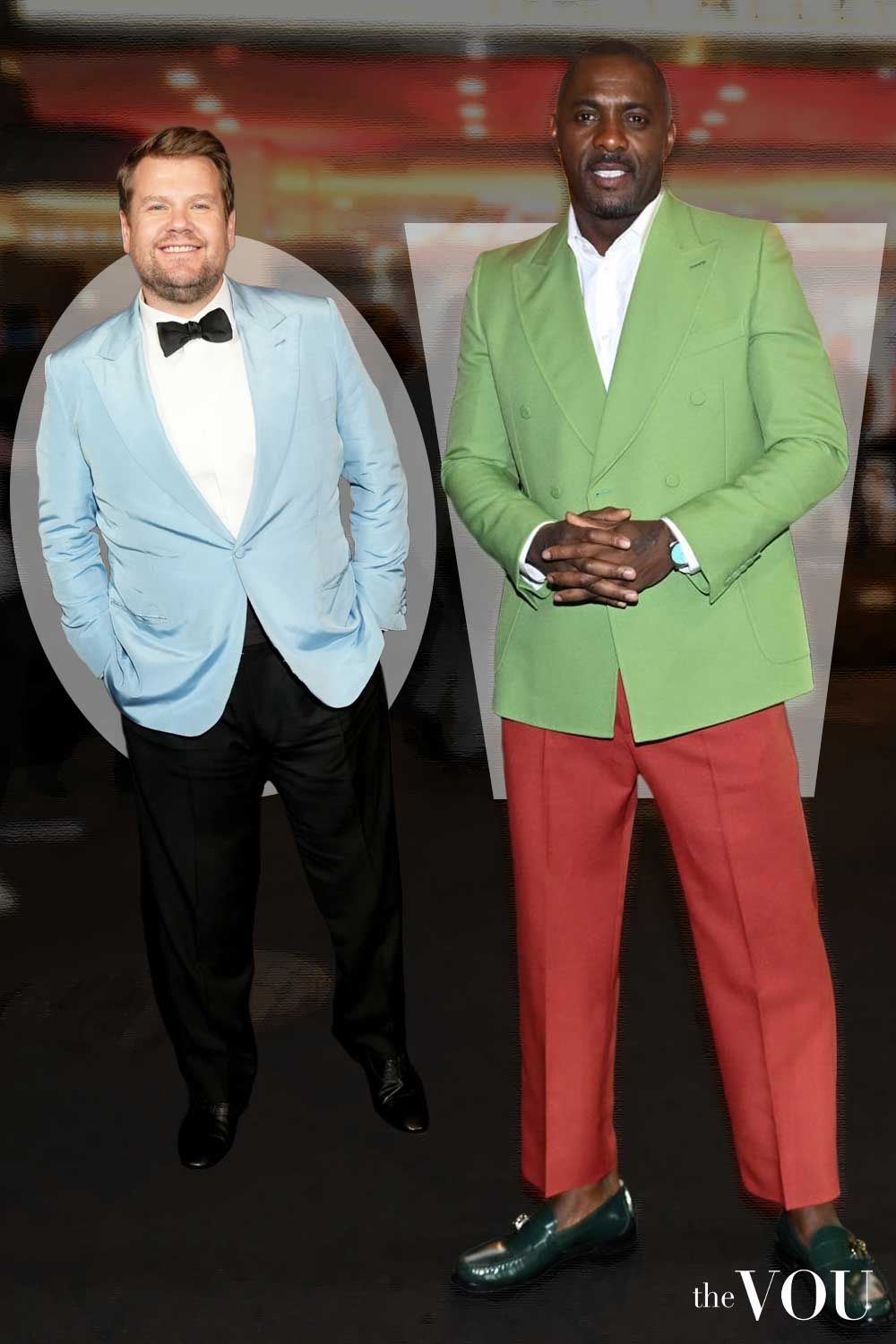
The photographs show jacket styles worn by well-known men; the shape graphics behind them are illustrations of each outline, not a statement about the man’s own body.
Tailored Peak Lapel Blazers for Trapezoid Frames
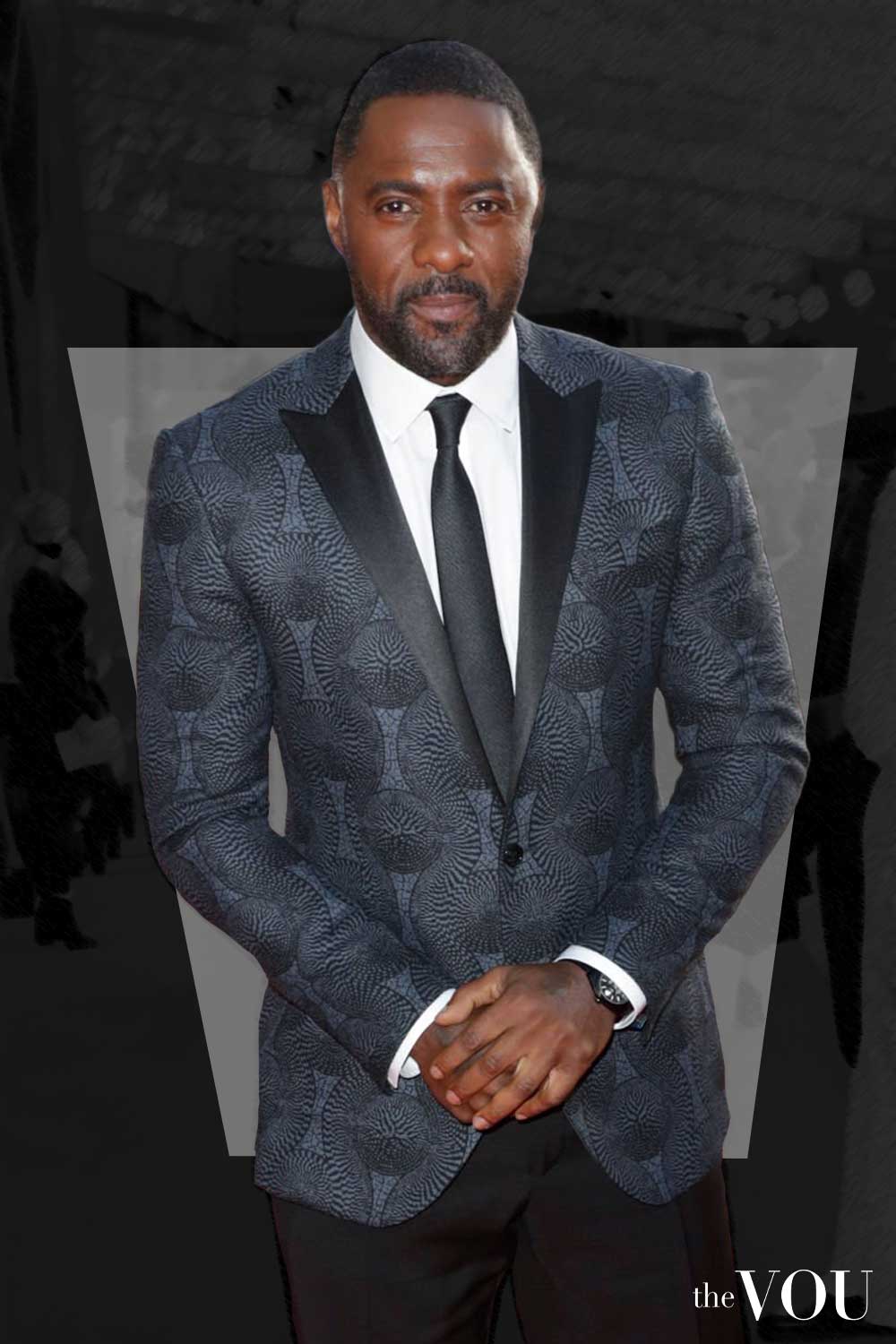
A trapezoid outline, with shoulders a little wider than the hips and a gentle taper between them, often suits a tailored cut that follows that taper with clean lines.
Moderate waist shaping keeps the blazer close to the body without exaggerating the taper; peak lapels, which point up towards the shoulders, are one option if you like more emphasis at the top.
Ralph Lauren Purple Label’s single-breasted blazers in fine wool are one example of this approach, and Anderson & Sheppard’s peak lapels are another to compare.
Lightly Structured Double-Breasted Blazers for Rectangle Frames
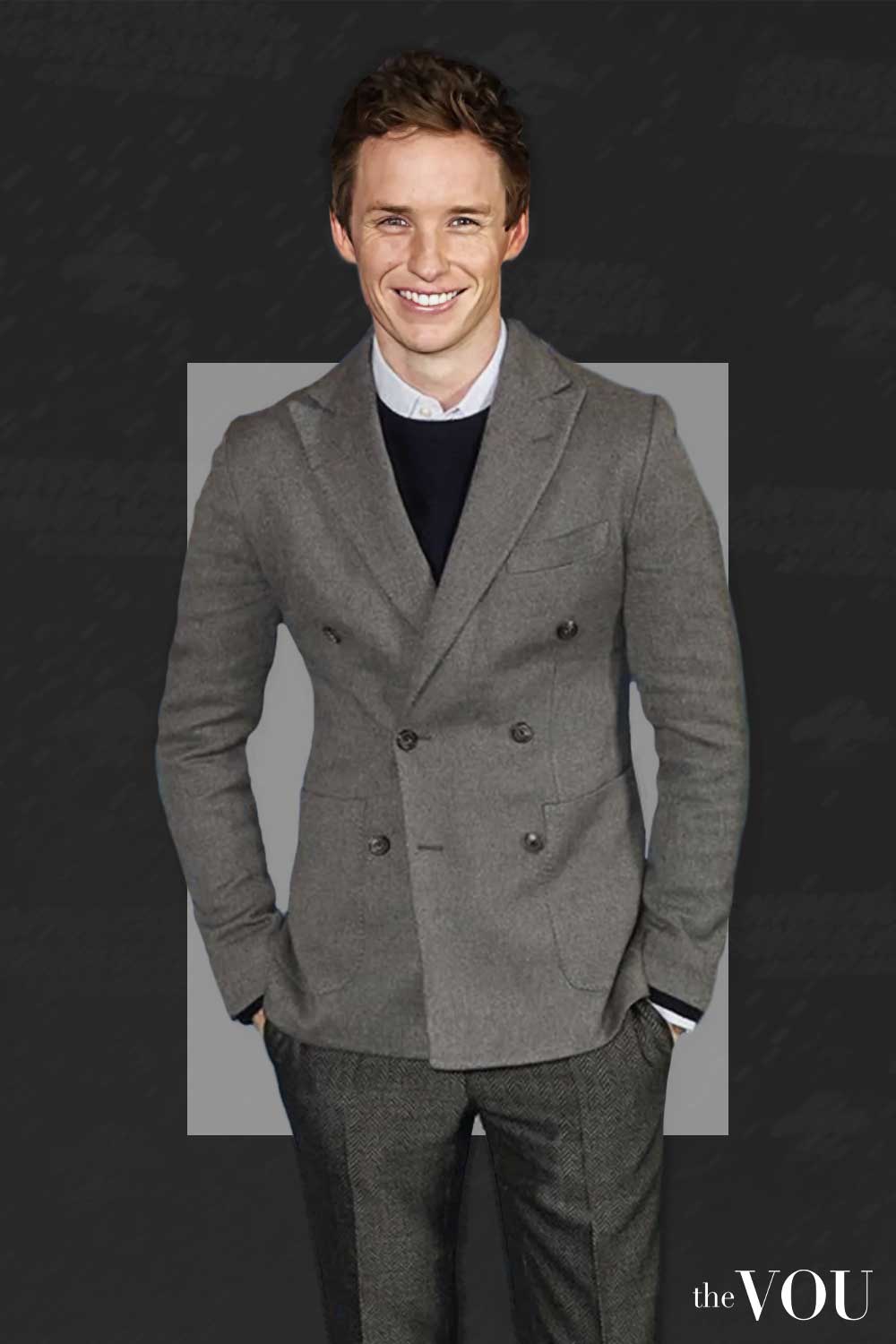
A rectangle outline, with little visible taper through the shoulders, torso and hips, can wear a straight-cut blazer as it is, or add some shape through the tailoring if you prefer.
If you want more shape, look for light shoulder structure and gentle waist shaping, which give the torso a clearer outline.
A double-breasted front adds an extra layer of cloth across the chest and points the lapels outwards, which many men like for more presence.
Brunello Cucinelli and Loro Piana make examples in textured cloth that adds interest to the surface.
Natural Shoulder-Draped Blazers for Inverted Triangle Frames
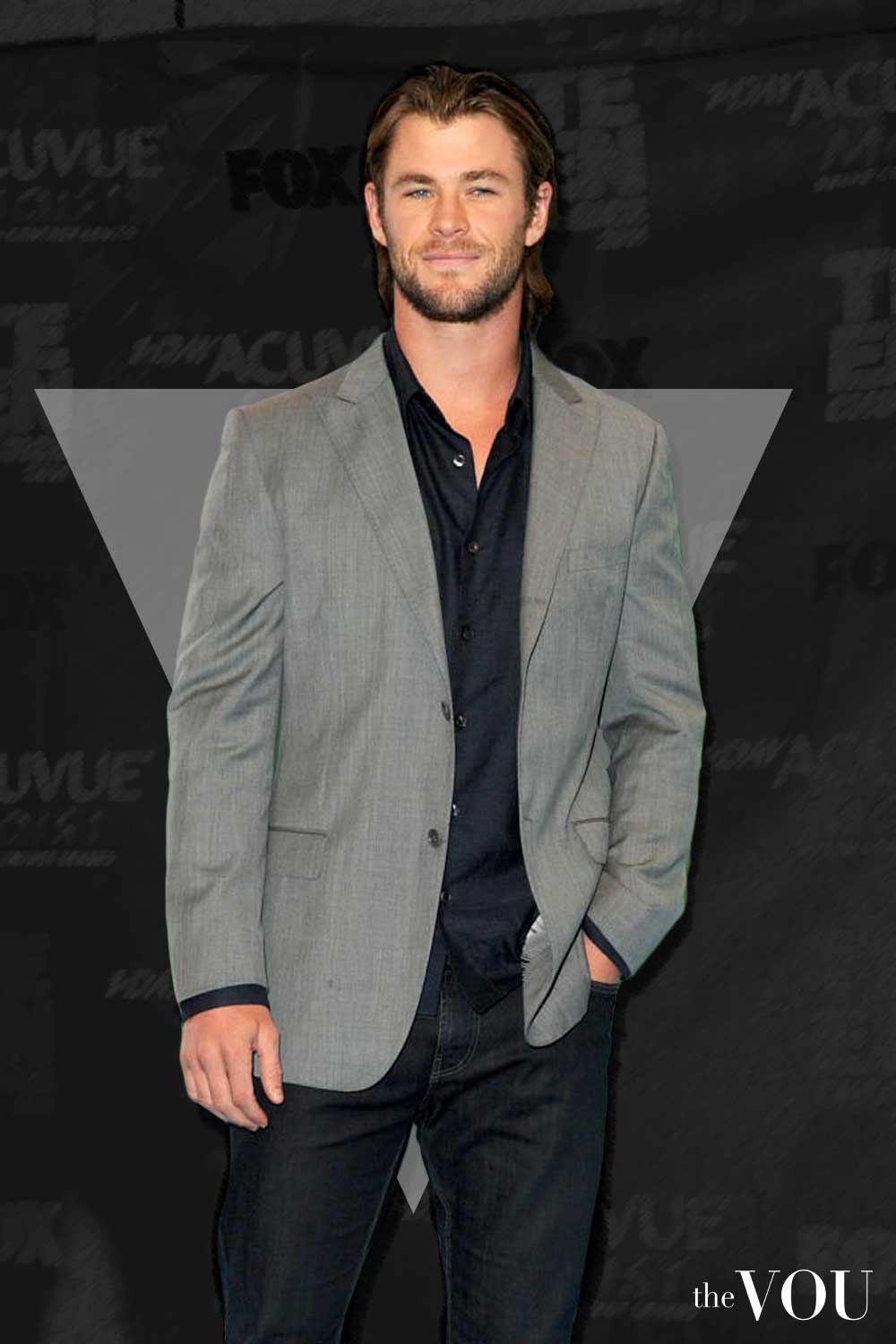
An inverted triangle outline, with shoulders and upper torso noticeably broader than the hips, is easiest to fit first at the chest and shoulder, then at the waist, which often needs taking in.
If you would rather soften the contrast between shoulders and hips, choose a blazer with natural, lightly padded shoulders and clean lines that skim rather than cling to your broader upper body.
If you like the contrast, a more fitted waist shows it.
Kiton’s soft, natural shoulder construction and Zegna’s silk-wool blends are examples worth comparing for this build.
Low Button-Stance Single-Breasted Blazers for Oval Frames
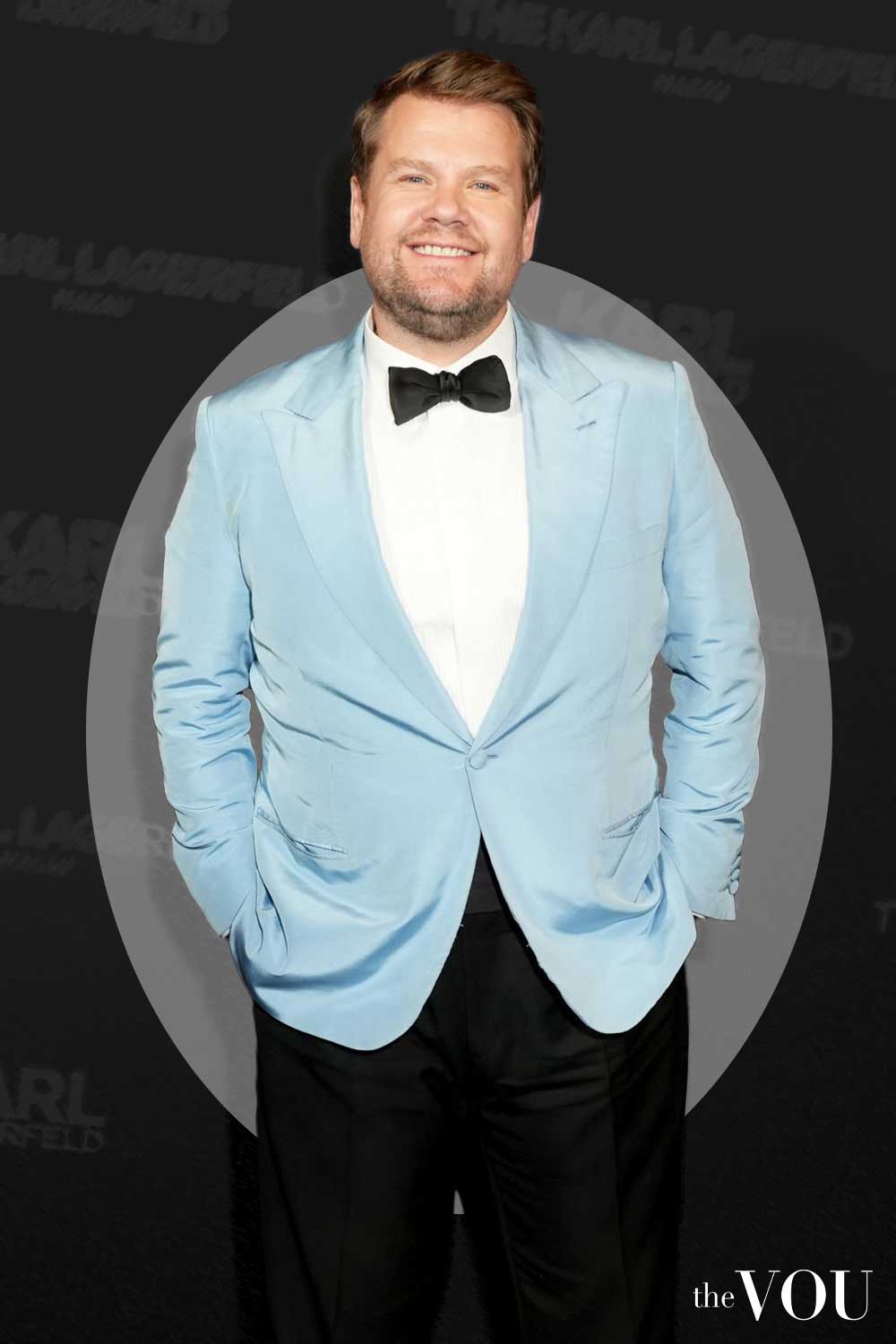
In this guide, we use Oval for a rounded fuller-middle outline, with fullness spread fairly generally through the torso.
Start by fitting the blazer to fasten comfortably over the fullest point of the abdomen without pulling, then check the shoulder.
A single-breasted blazer with a slightly lower button point gives a longer, deeper opening at the front, which some men with a fuller middle like; some shoulder structure keeps the top of the jacket defined.
Huntsman’s house cut, a single-button jacket with structured shoulders and a slightly longer skirt, is one example to compare; its button sits at the waist, so try it against a lower-buttoning jacket and check where each falls on you.
A navy worsted is a versatile cloth for it.
Structured or Roped Shoulder Peak Lapel Blazers for Triangle Frames
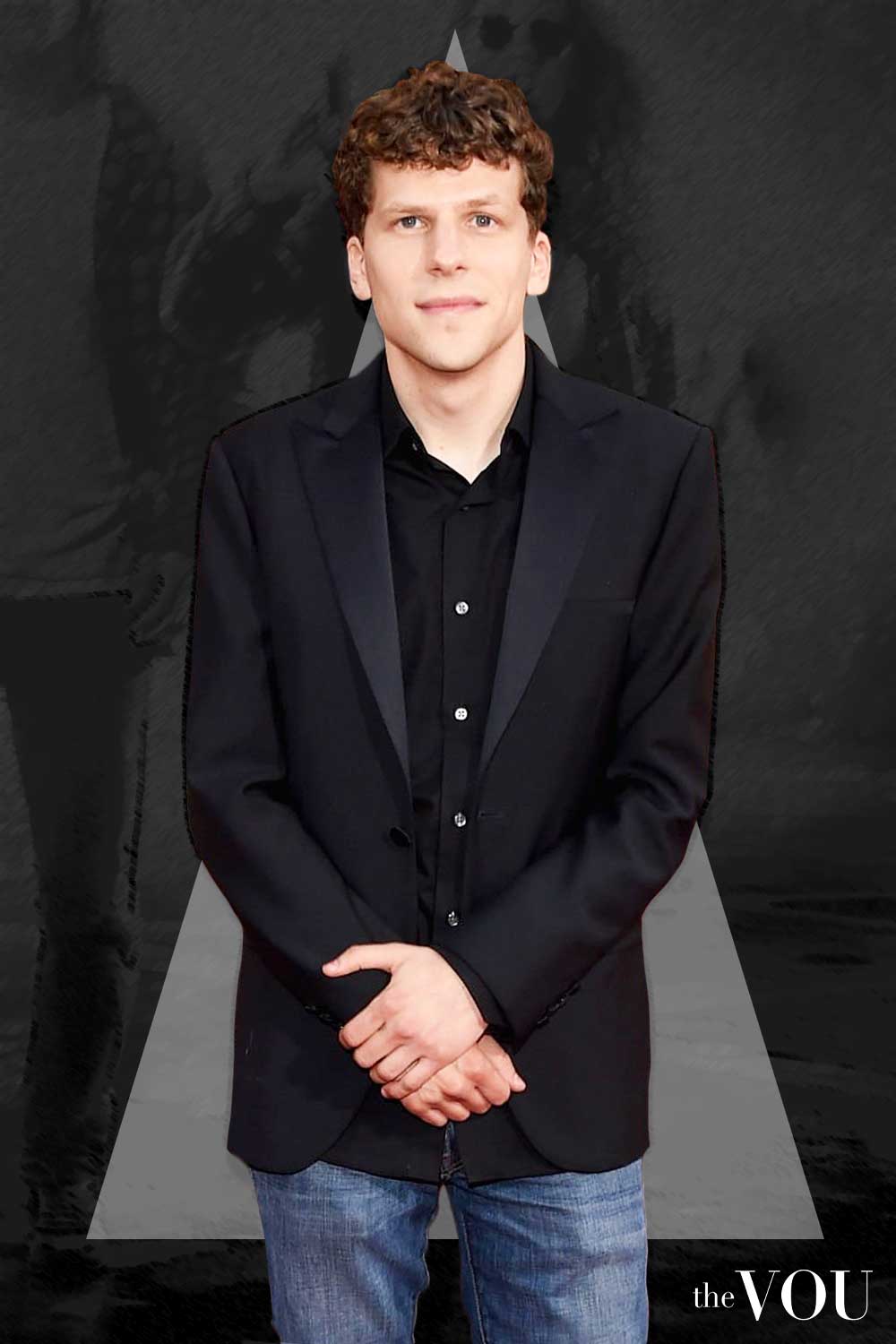
A triangle outline, where the lower torso and hips look broader than the shoulders, is best fitted at the hips first: the blazer should hang over the seat without pulling at the lower button or the vents.
If you want a more even outline, defined shoulders and a clean drape through the torso add presence above the waist.
A roped shoulder, where the sleeve head sits slightly raised above the shoulder line, is one way to add that definition; padded, structured shoulders are another.
Peak lapels pointing towards the shoulders can add to the effect.
Gieves & Hawkes is known for a structured shoulder line, and a firm cloth such as a twill helps the shoulder hold its shape.
Soft-Shouldered Single-Breasted Blazers for Hourglass Frames
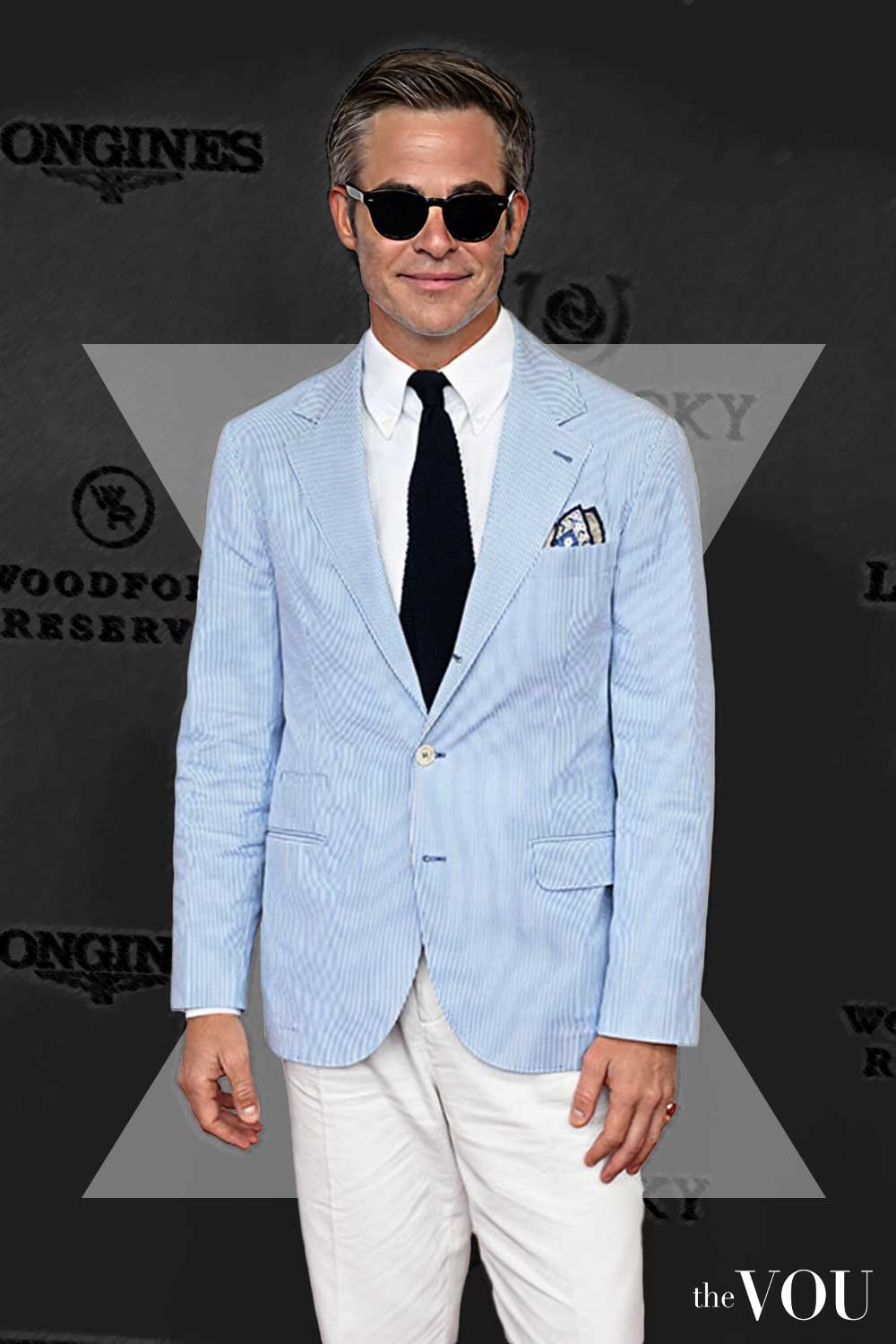
An hourglass outline has broadly balanced shoulders and hips with a visibly more defined waist between them.
A blazer can follow that waist or play it down; both are valid.
A moderately fitted waist with clean lines through the torso, neither loose nor tight, is a good middle ground.
Soft-shouldered construction with little padding follows your own shoulder line, which keeps the shoulders in line with the hips if that is the look you want.
Peak lapels add some emphasis at the chest if you like it; notch lapels, as in the photograph, are the quieter option.
Saint Laurent and Tom Ford both make single-breasted blazers with a clearly shaped waist, examples to compare.
Single-Breasted Blazers with Room Through the Middle for Diamond Frames
We use Diamond for an outline where the middle stands out more distinctly between a comparatively narrower chest and hips.
It can overlap with Oval, so if both descriptions sound like you, read both sections.
Fit through the middle comes first: the blazer should fasten over the fullest point of the abdomen without the button pulling or the front splaying open, and the vents should lie flat over the seat.
A single-breasted blazer with a slightly lower button point, some definition at the shoulder and a length that covers the seat keeps a clean line over the middle; a slightly broader lapel can add a little width at the chest if you want it.
A double-breasted front adds cloth across the middle, so try it fastened before choosing it.
Universal Styling Tips for Blazer Selection
Whatever your shape, a few fit checks matter for every blazer.
The shoulder seam should end close to the edge of your shoulder, so the sleeve hangs cleanly without a dent at the top of the arm.
Some soft or extended shoulders are cut a little differently on purpose; the test is whether the sleeve hangs smoothly.
When buttoned, the blazer should close without pulling, with no X-shaped creases around the button.
Sleeve length is a convention rather than a measurement: most tailors aim for a little shirt cuff to show below the jacket sleeve when your arms hang at your sides.
The Final Word
A well-chosen blazer that fits is one of the most useful jackets you can own, and it is comfortable to wear.
Trends fade, but a blazer chosen for your own proportions and fitted properly stays useful for years.
Take these fit checks with you whether you buy ready-made, have a jacket altered or work with a tailor, and try the alternatives in each section before you decide.
Style Like a True Gentleman
Before we say goodbye, fit does most of the work, whether or not you ever work with image consultants.
Professional styling starts with getting the fit right and choosing clothes that suit the occasion; knowing your body shape and seasonal colour palette can make the choosing quicker.
Our guides also cover styling by occasion, location, season and time of day, garments, footwear, accessories and heritage fashion brands.
Take our three quizzes, then book a consultation if you would like personal help:
1. Find Your Body Shape
Different garments suit different silhouettes.
To compare your outline with the seven body shape descriptions, take our body shape quiz for men.
2. Find Your Seasonal Colours
The garments in your outfits come in many colours.
To see which seasonal colour palette may suit you, take our seasonal colour quiz for men.
3. Find Your Fashion Style
To explore your personal fashion style, take our fashion style quiz for men; it suggests styles, outfit ideas and brands to explore.
Book a Consultation with The VOU
For personal help, you can book paid consultations with our image consultants and fashion stylists.
Our styling services for men page lists the paid consultations.
Wearing luxury brands is not enough on its own; how your clothes fit and suit the occasion matters more, and our personal style guide covers the rest.
For more on labels, see our guide to logo-heavy luxury brands and how to wear them.
Contact us if you would like to book a consultation.