
Start here
What’s This About
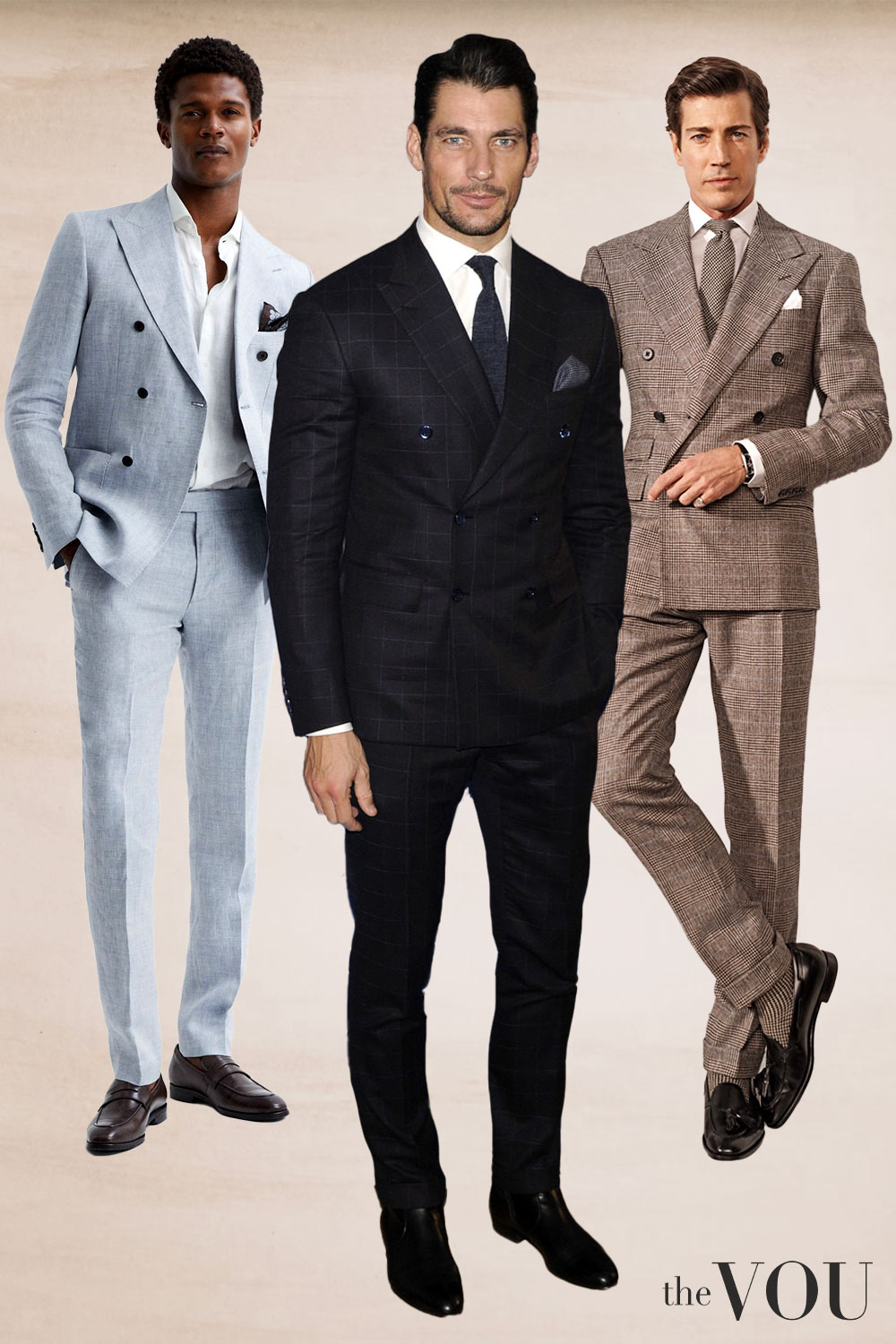
A double-breasted suit has a jacket with two columns of buttons and overlapping fronts, worn with matching trousers and sometimes a waistcoat.
This guide explains how the suit is made and how to wear it well, such as:
What 6×2, 6×1, 4×2 and the Kent button layouts mean
How to fasten a double-breasted jacket, including the hidden anchor button
Lapel, vent and trouser choices, and whether to wear a belt
Where the suit works, from offices to weddings
Why a double-breasted suit does not meet a black tie or white tie dress code
and many more!
A close fit across the front matters more than any single detail, so try the jacket on fastened before you buy it.
Key Points
01Keep a double-breasted jacket fastened when you stand, with the inside anchor button done up first.
02On a 6×2 jacket, fasten the higher working button; fastening the lower one too is optional.
03A double-breasted suit works for business, weddings and formal daytime or evening events, but black tie asks for a dinner suit and white tie for a tailcoat.
04Peak lapels are the usual choice, and many wearers prefer side adjusters or braces to a belt under the overlap.
A double-breasted suit is a suit whose jacket has two columns of buttons and fronts that overlap.
It reads a little more formal and more noticeable than a single-breasted suit in the same cloth, and it is usually worn fastened.
This guide covers how the suit is made, how to button it, and where and how to wear it.
What is a double-breasted suit?
A double-breasted suit is a jacket and trousers cut from the same cloth, and a three-piece version adds a waistcoat in the same cloth.
The jacket’s fronts overlap, with one front fastening over the other, and the two columns of buttons look symmetrical even though only one column fastens.
Peak lapels are the most common, and notch and shawl lapels are less common options.
The double-breasted jacket
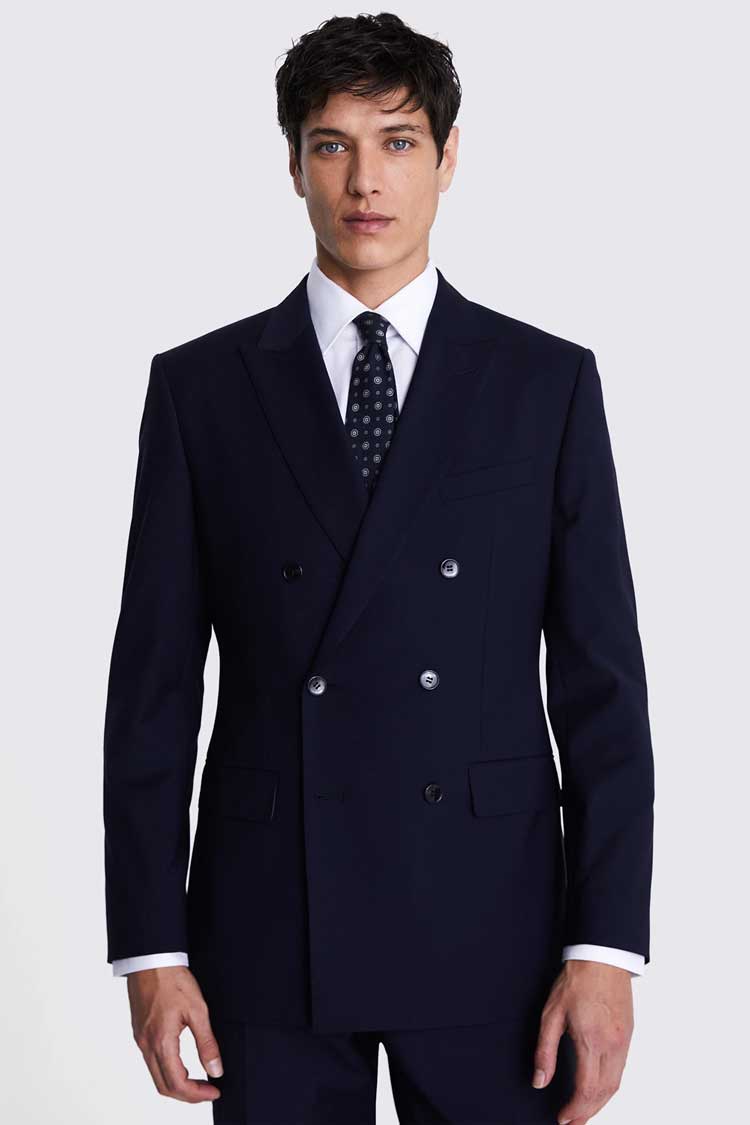
Double-breasted jackets are described by the number of buttons and the number that fasten, written as, for example, 6×2.
The jacket pictured has six buttons in two columns of three.
The trousers
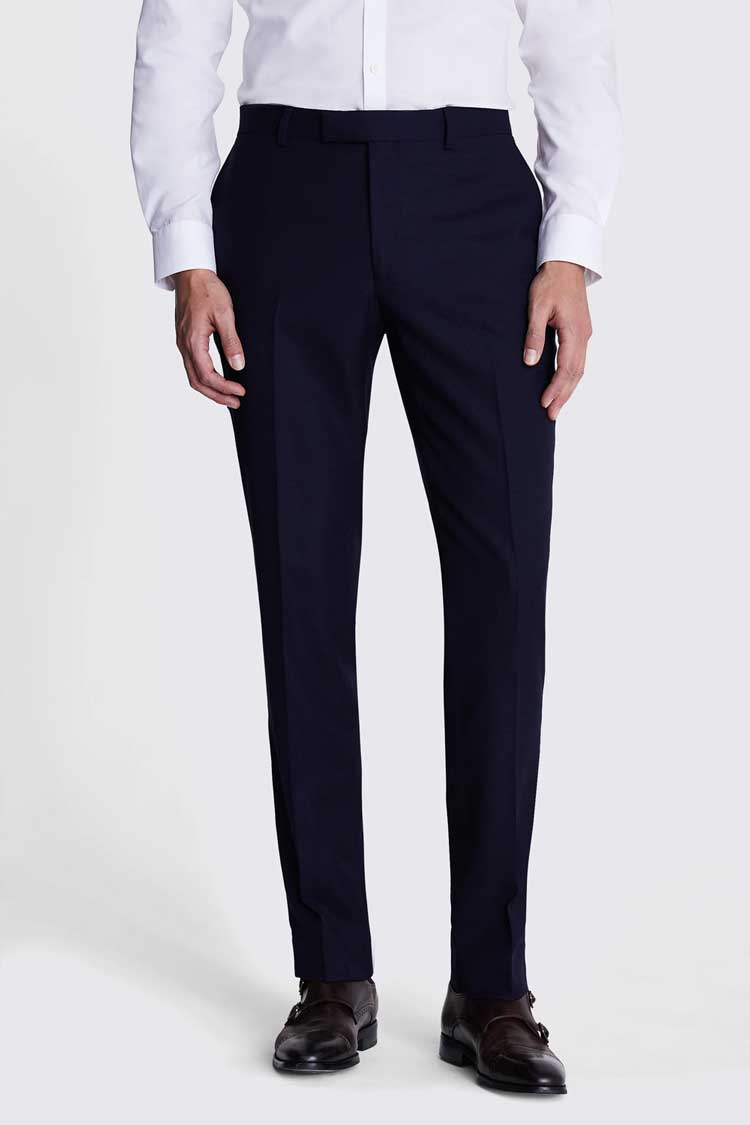
The trousers are cut from the same cloth as the jacket and can be flat-fronted or pleated.
Trousers that sit at or close to the natural waist help the jacket’s fastened front sit cleanly over the waistband.
The waistcoat
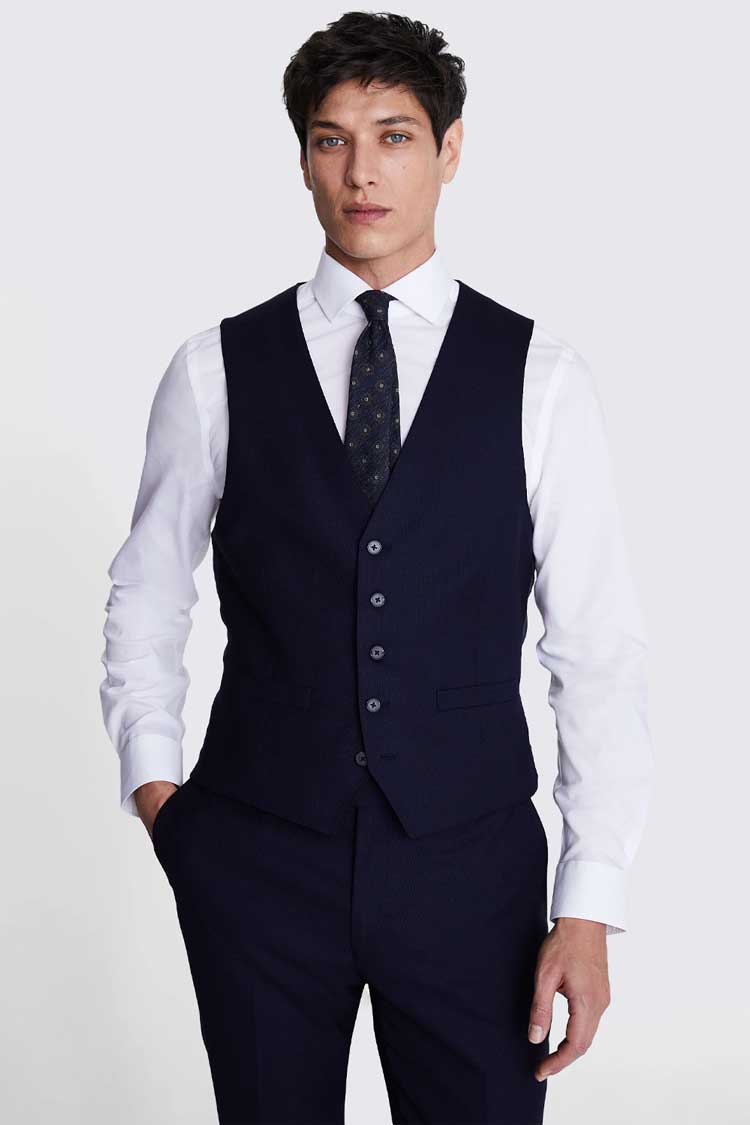
A three-piece double-breasted suit comes with a waistcoat, which can be single-breasted, like the one pictured, or double-breasted.
A matching waistcoat gives the most formal look, and an odd waistcoat in a different cloth gives a more relaxed one; our sprezzatura guide covers that relaxed approach to tailoring.
Our waistcoat guide explains how to fit and wear one.
Double-breasted button layouts
The first number is the total number of buttons on the front, and the second is the number that fasten.
Scroll horizontally to see all columns →
| Layout | What it means |
|---|---|
| 6×2 | Six buttons in two columns of three; two of them fasten, usually the middle and bottom buttons on the outer column, and the top pair is decorative. This is the most common layout. |
| 6×1 | Six buttons, of which only the bottom one fastens, so the lapels roll lower and the opening is longer than on a 6×2. |
| 4×2 | Four buttons in two columns of two; both outer buttons fasten, giving a lower, longer opening than a 6×2. |
| 4×1 (Kent) | Four buttons with only the lower outer button fastening; it is often called the Kent. |
| 2×1 | Two buttons side by side, one of which fastens; less common and more fashion-led. |
Layouts with more buttons, such as 6×3 or 8×4, are more often found on overcoats, peacoats and military-style coats than on suit jackets.
How to button a double-breasted suit jacket
Fasten the hidden inside button first, sometimes called the jigger or anchor button, so the underlapping front lies flat.
On a 6×2 or 4×2 jacket, fasten the higher of the two working buttons; many people leave the lower working button open, and fastening it too is also acceptable.
On a 6×1 or Kent jacket, fasten the single working button.
Keep the jacket fastened when you stand, because an open double-breasted jacket has loose fronts that flap.
Many people keep the jacket fastened when sitting too, although unfastening it for comfort is common.
Our guide to single- and double-breasted blazers compares the two styles.
How to wear a double-breasted suit
Lapels
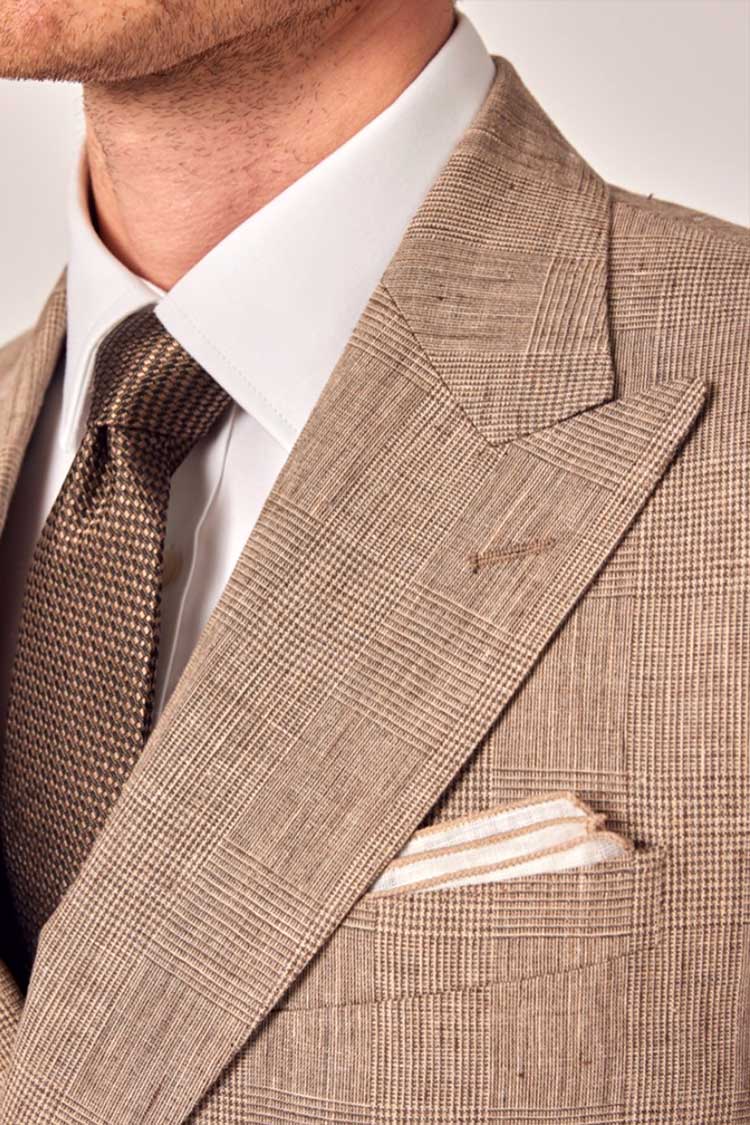
Peak lapels point up towards the shoulders, and they are the traditional choice on a double-breasted jacket.
Notch lapels on a double-breasted jacket are less common and look a little more relaxed.
Fastening
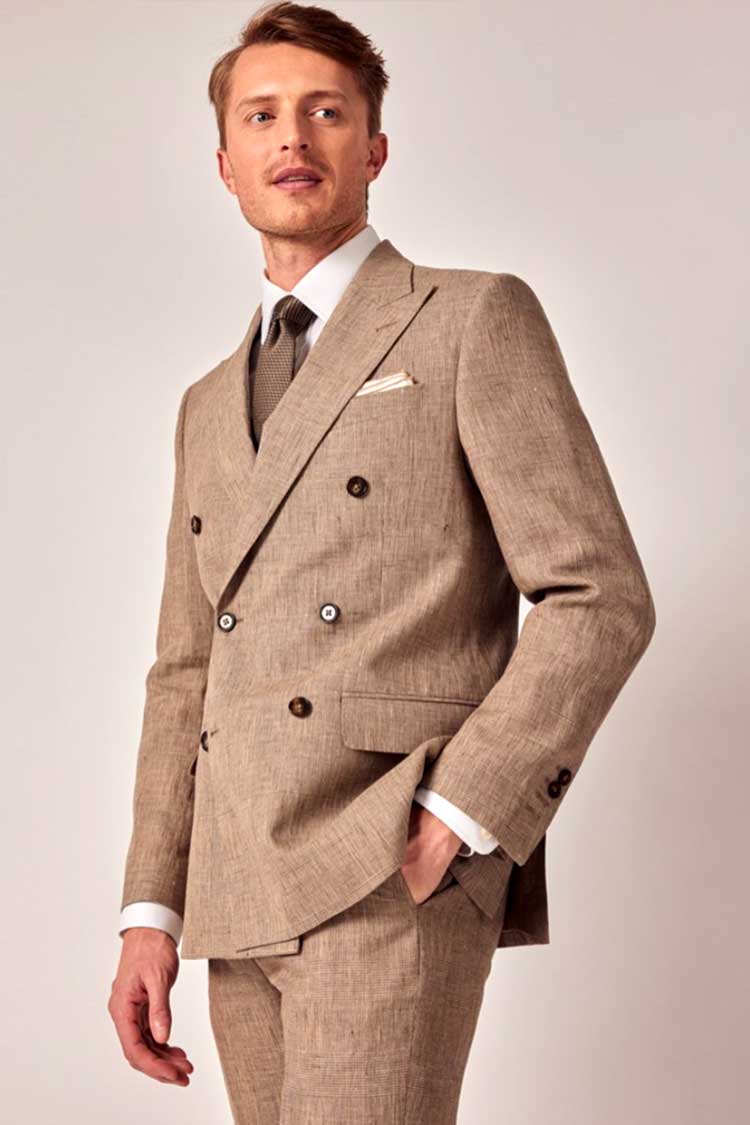
A fastened double-breasted jacket should close without pulling into an X shape around the button.
Because the overlap shows any tightness or looseness, try the jacket on fastened before you buy it and ask a tailor about the button position if it pulls.
Vents
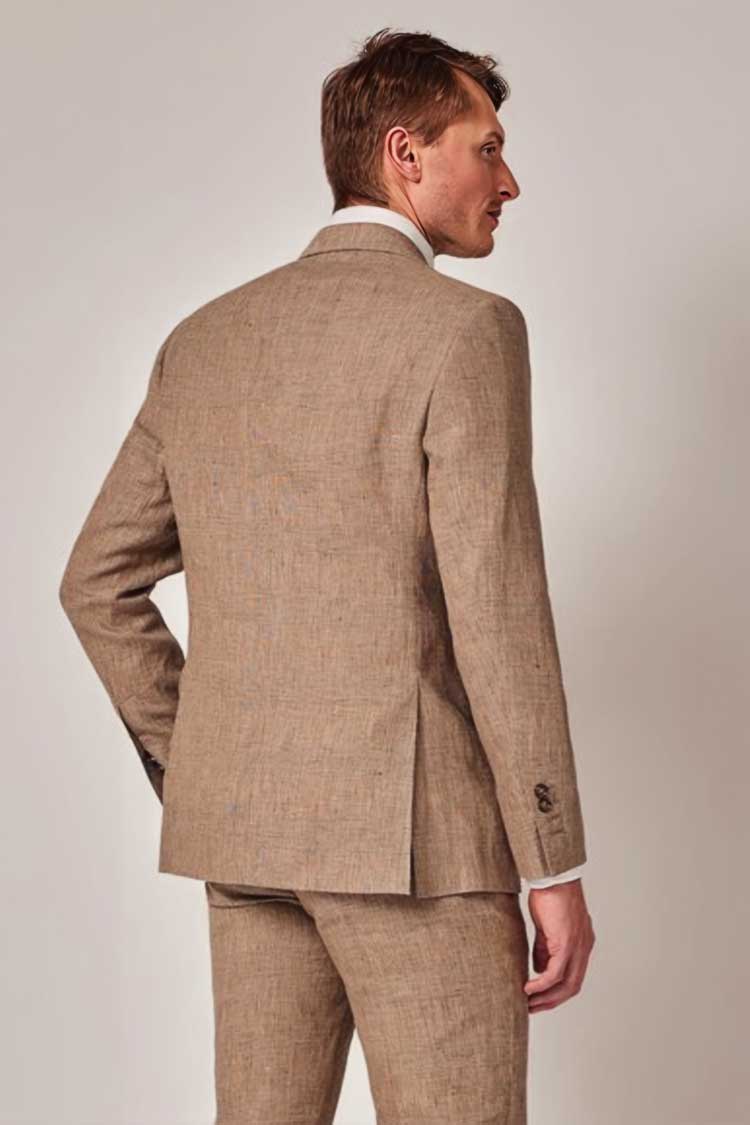
Double-breasted jackets are made with two side vents, a single centre vent or no vent.
Side vents are a practical choice, because they let the back of the jacket sit neatly when you sit down or put your hands in your trouser pockets.
Belt, braces or side adjusters

Many wearers prefer trousers with side adjusters or buttons for braces, because a belt buckle can show or press against the jacket below the overlap.
A belt is not wrong; if you wear one, choose a slim leather belt that matches your shoes.
Shirt, tie and accessories
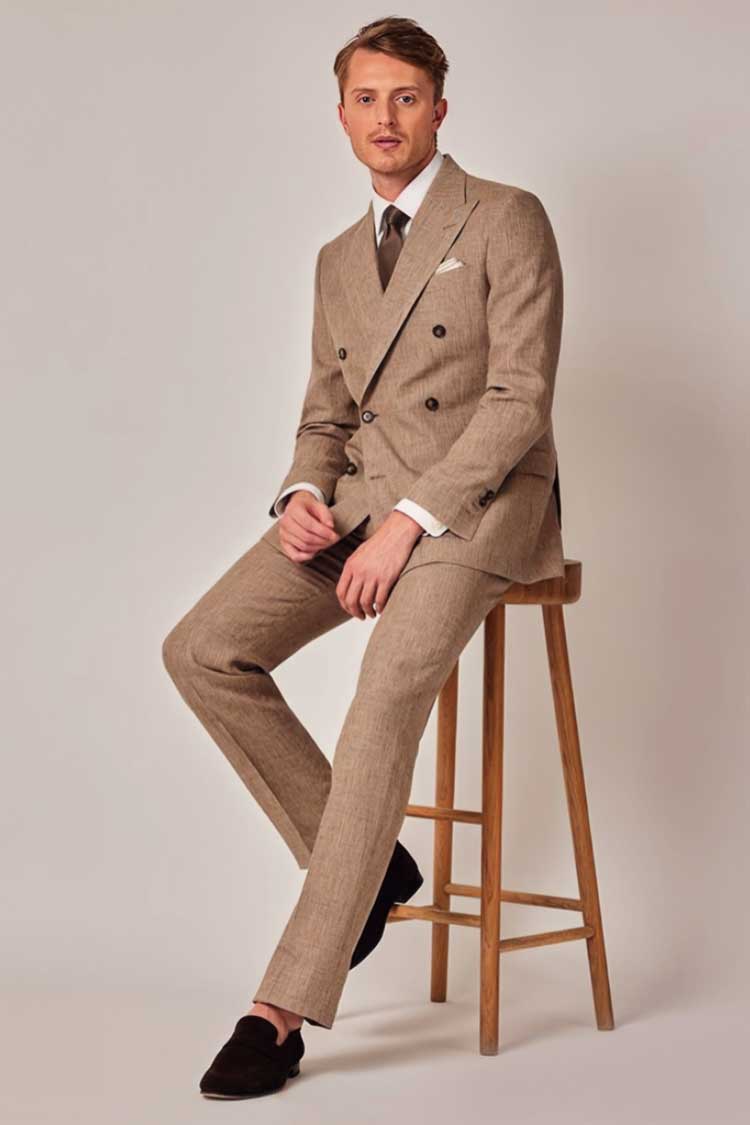
A plain white or light blue shirt with a point or spread collar suits most double-breasted suits.
Choose a tie whose colour and texture suit the cloth, such as a silk tie with a smooth worsted suit or a knitted tie with linen.
Keep accessories simple, such as a pocket square and a watch.
When to wear a double-breasted suit
Business
A navy, charcoal or grey double-breasted suit works in offices where suits are worn, as well as client meetings and presentations.
Weddings and formal daytime or evening events
A double-breasted suit meets a lounge suit or business formal dress code, and it suits weddings, receptions and formal dinners that ask for a suit.
Our lounge suit dress code guide explains what that dress code asks for.
Black tie and white tie
A double-breasted suit does not meet a black tie or white tie dress code.
Black tie asks for a dinner suit, whose jacket has silk-faced lapels and can be single- or double-breasted, and white tie asks for a black tailcoat worn open with a white waistcoat.
A dark double-breasted suit can work for a black tie optional invitation, if you wear it with a white shirt and a dark tie.
Smart casual
A double-breasted suit jacket in a textured cloth, such as linen, cotton or flannel, can be worn on its own with odd trousers or dark jeans.
Our guides to the broken suit and double-breasted blazers cover these outfits.
Double-breasted suit outfit ideas
These outfits are starting points; swap any garment for one you own in a similar colour and formality.
Wear: a navy 6×2 worsted suit, a white shirt, a burgundy silk tie, black leather Oxfords and dark navy socks for business or a formal wedding.
Wear: a charcoal flannel double-breasted suit, a light blue shirt, a dark green or navy wool tie, dark brown leather Oxfords and a white pocket square for winter events.
Wear: a light brown linen double-breasted suit, a white shirt, a brown knitted tie and dark brown suede loafers for a summer wedding or lunch.
Where the double-breasted suit comes from
Double-breasted fronts were common on 19th-century frock coats, and double-breasted naval reefer jackets, the ancestor of the peacoat, made the style familiar on shorter jackets.
As the lounge suit replaced the frock coat in the early 20th century, most suits became single-breasted, and double-breasted suits had periods of strong popularity from the mid-1930s to the late 1950s and again from the mid-1980s.
Today they are widely available, especially from British and Italian tailors and luxury makers.
Mandy Meyer’s focus at The VOU is men’s body-shape styling, garment fit and outfit proportions. Her coverage addresses the practical questions behind a wardrobe choice: how a jacket sits across the shoulders, how trousers fall and how different cuts change the silhouette a wearer wants to create.
Her subject areas include the triangle, inverted triangle, rectangle, oval, trapezoid, hourglass and diamond labels used in body-shape styling. These provide starting references for comparing visible proportions; they do not capture every body or prescribe one correct way to dress. The focus connects those observations with garment shape, construction, length and the relationship between the upper and lower parts of an outfit.
Mandy’s editorial coverage combines visual comparisons with fit checks for comfort and movement. Readers can consider whether a cut gives them the room they need, where clothing pulls or gathers and which changes might support their preferred look. The aim is to make menswear choices more understandable while keeping personal preferences and the wearer’s own styling goals central.