
Start here
What’s This About
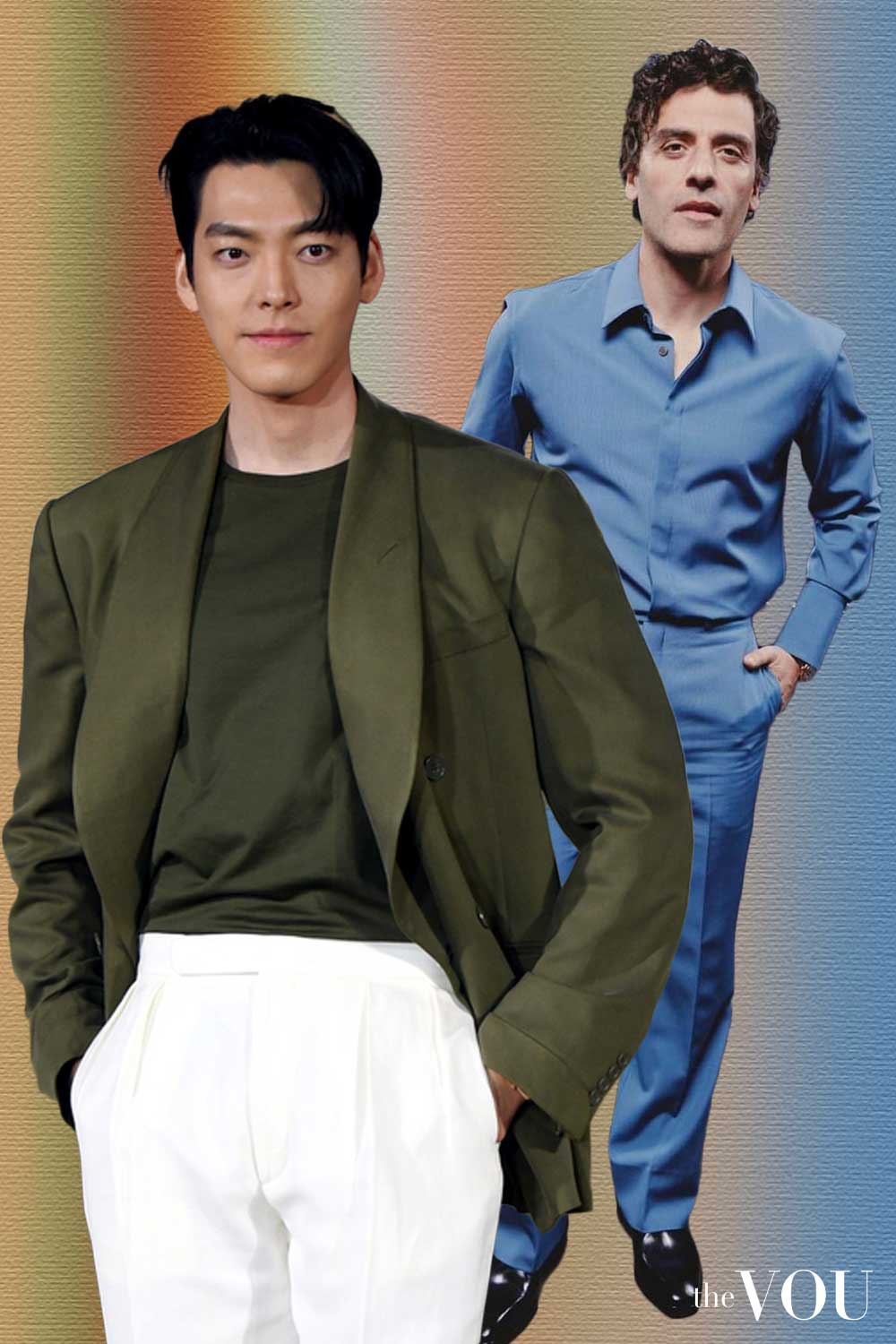
For Soft Autumn outfits, start with muted colours such as warm taupe, camel, olive and sage, then add a smaller amount of terracotta, dusty gold or softened teal, using clothes you already own such as a navy work suit, dark jeans or brown shoes.
This guide sets out eight complete outfits and how to adapt them, such as:
choosing the occasion before the colours
office and daytime occasion outfits
relaxed dinner and casual lunch outfits
travel, outdoor weekend and city outfits
adapting the fit and accessories
using the recipes without buying eight outfits
and many more!
Start with one work outfit and one casual outfit from your own wardrobe, then vary a single layer.
Key Points
01A palette does not decide whether you need a suit, a tie or walking boots; read the invitation, follow workplace requirements and dress for the weather.
02A conservative office outfit can pair a navy suit and black Oxfords with an ivory shirt and muted teal tie, and white remains the choice where the office requires a white shirt.
03Colour names cover varied shades, so compare the actual clothes together; one shop’s sage may be greyer or bluer than another’s.
04Black, white and cooler blues can stay in use, enjoying an outfit does not confirm a seasonal label, and a black-tie invitation calls for the stated evening dress code.
For Soft Autumn outfits, start with muted colours such as warm taupe, camel, olive and sage, then add a smaller amount of terracotta, dusty gold or softened teal. You can use that direction with a navy work suit, dark jeans or brown shoes you already own.
The eight combinations below cover work, dinners, travel and weekends. They are garment suggestions, not identified products or shopping lists. The Soft Autumn palette guide explains the warm-leaning, muted convention and neighbouring comparisons; this page concentrates on getting dressed.
Choose the occasion before the colours
A palette does not decide whether you need a suit, a tie or walking boots. Read the invitation, follow your workplace’s requirements and choose clothing for the weather. None of the ordinary suits or casual combinations below should be read as black-tie instructions.
Colour names cover varied shades. Compare the actual clothes together: one shop’s sage may be greyer or bluer than another’s, and a burgundy can be vivid or muted. If you prefer a particular shirt, keep that preference separate from whether a guide calls it Soft Autumn.
Scroll horizontally to see all columns →
| Situation | Start with | Main colour choice |
|---|---|---|
| Conservative office | Navy suit and required shoes | A restrained teal or terracotta tie |
| Daytime occasion allowing a lighter suit | Warm taupe suit | A softened blue shirt |
| Less formal office | Olive trousers and a polo | Dusty gold with a taupe layer |
| Relaxed dinner | Camel jacket and blue-grey trousers | A warm grey knit |
| Casual lunch | Taupe chinos and a camel polo | A muted teal jacket |
| Cooler travel day | Olive chinos and a cardigan | A soft gold top |
| Outdoor weekend | Dark jeans and practical boots | A terracotta shirt and olive jacket |
| Cool-weather city day | Charcoal trousers and a coat | Cream beneath camel |
1. Conservative office: navy with a muted accent
Wear: a navy suit, ivory shirt where permitted, muted teal tie, navy socks and black leather Oxfords. Add a plain ivory pocket square only if you want one. If the office requires a white shirt, wear white.
The suit and shoes meet the practical brief; the tie puts a small muted colour near the face. Ivory gives the neckline a warmer light area, but it is not essential to making the outfit work. You do not need to find a specially labelled “warm navy” suit before using this combination.
Vary it: substitute a muted terracotta or warm burgundy tie with the same suit and shirt. Compare how clearly it separates from the shirt. Keep a useful grey suit in rotation too: the accent can change while your tailoring stays familiar.
2. Daytime occasion: taupe, softened blue and brown
Wear: a warm taupe suit, dusty blue shirt, muted burgundy tie, taupe or brown socks and dark brown Oxfords. A cream pocket square is optional.
This is an option for a lunch, daytime celebration or wedding where the stated dress code permits the suit and shirt colours. The brown shoes connect with the taupe; the blue shirt keeps the outfit from becoming entirely brown. Choose a quieter blue if you want less contrast, rather than rejecting blue as automatically outside the palette.
Vary it: keep the suit and shoes, replace the blue shirt with cream, and use a muted teal tie. If the event requires a dark suit or a particular formal shirt, use that requirement instead of this formula.
3. Less formal office: olive with a soft gold polo
Wear: olive trousers, a dusty-gold knitted polo, a warm taupe casual jacket, brown loafers, brown socks and a brown belt if the trousers need one.
The polo supplies a lighter area within the olive and taupe. Here “dusty gold” means a subdued yellow-looking colour, not metallic cloth. The outfit is for a workplace that allows polos and casual jackets; replace it with the suit option when the brief is more formal.
Vary it: an ivory polo reduces the colour, while a sage polo gives a closer green combination. Keep enough difference between the top and trousers to obtain the effect you like; matching every shade of olive is unnecessary.
4. Relaxed dinner: camel jacket and blue-grey trousers
Wear: a camel jacket over a warm grey crew-neck knit, dusty blue-grey trousers, brown socks and brown suede loafers.
The camel is the warmest large area. Grey and blue-grey quieten the centre and lower half, while the textured knit and suede distinguish the pieces without needing a patterned tie. This is relaxed tailoring for a venue that permits it.
Vary it: use a cream shirt instead of the knit when you want a collar. A muted burgundy knit makes the same jacket feel more colourful. Keep existing navy trousers if blue-grey is not a useful addition to your wardrobe.
5. Casual lunch: taupe, camel and muted teal
Wear: warm taupe chinos, a camel knitted polo, a muted teal casual jacket, warm grey trainers and grey socks.
The camel top and taupe trousers make a quiet base, allowing the teal layer to stand out without being a vivid blue-green. Compare the jacket open and closed: it occupies much more of the outfit when fastened.
Vary it: remove the jacket in warm weather. Brown loafers and brown socks make an alternative when trainers are not appropriate. You do not need to replace useful white trainers merely to keep every piece muted.
6. Cooler travel day: olive chinos and a taupe cardigan
Wear: olive chinos, a soft gold henley, a warm taupe cardigan, brown socks and comfortable dark brown boots. Choose footwear you already know is comfortable for the journey.
The cardigan is a removable layer, while olive and taupe let the top provide a little colour. The henley works as a casual top when you remove the cardigan, so both versions can serve the journey.
Vary it: use a cream T-shirt or muted terracotta top under the same cardigan. If the day will be warm, choose an appropriately light layer or leave it out. A seasonal palette cannot tell you which fabric weight the journey needs.
7. Outdoor weekend: terracotta, olive and dark denim
Wear: a muted terracotta shirt, dark indigo jeans, an olive field jacket, brown walking boots and socks appropriate for the boots.
The terracotta is the warm accent; olive and indigo keep the larger layers subdued. Use the jacket for the conditions it is designed to handle. Its colour cannot establish whether it will keep out rain, and a photograph or product name cannot establish its fabric or construction.
Vary it: for a dry town walk, substitute ordinary brown boots and a lighter casual jacket. For an actual hike or poor weather, choose suitable equipment first, even when its colours differ from the outfit above.
8. Cool-weather city day: camel over cream and charcoal
Wear: a camel overcoat, cream crew-neck knit, charcoal trousers, dark grey socks and brown ankle boots.
The coat supplies the warm neutral and cream makes a light area at the neckline. Charcoal trousers give you a darker base without needing a dark collar. This is one way to keep existing grey trousers in use with colours drawn from the softer, warmer direction.
Vary it: keep a black or navy coat if it is the practical one you own. Try a camel or softened teal scarf if you want a different colour near your face, but judge the entire outfit; a scarf is optional, not a correction your appearance requires.
Adapt the fit and accessories to you
Use a cut that gives you the comfort and appearance you want. Sit, reach forward and walk in the complete outfit; a colour label does not decide whether you need a slim, straight or fuller fit. The men’s body-shape guide covers that separate discussion.
Choose shoes for the occasion and their relationship to the trousers. Repeating brown in a belt is an easy connection, but accessories do not all need identical leather or matching metals. Keep a favourite watch or wedding ring; if you are buying a new piece, compare its size, finish and colour with clothes you actually wear.
A pocket square can repeat one colour from the outfit without matching the tie. For example, a navy suit, ivory shirt and muted terracotta tie can use a plain ivory square, or none at all. The outfit does not need every accessory shown in a catalogue.
Use the recipes without buying eight outfits
Lay out the pieces you already own for one work outfit and one casual outfit. Then make a second combination by changing only the top or layer. The olive trousers from the polo outfit can work with the henley and cardigan; the camel jacket can sit over an ivory shirt as well as a grey knit.
Before buying, check that the proposed piece solves a real problem: perhaps a shirt to wear with your existing suit, or a jacket that fits over your knit. Compare similar colours in consistent light, read the care instructions and check the return policy before relying on an online colour name. Price and a luxury label do not establish suitability or quality.
There is no compulsory number of colours or garments. Use the capsule wardrobe method if you want a fuller plan for combining and prioritising clothes.
Questions about wearing these colours
Q. Can I keep black, white or a cooler blue?
Yes. The navy office outfit already uses black shoes, and white may be the right shirt for your dress code. A dusty blue shirt is an option beside taupe; compare the actual shade rather than applying a blanket ban to blue. You can also choose a stronger contrast because you like it.
Q. Do I need a Soft Autumn result to try these outfits?
No. These are usable combinations for anyone who wants to explore muted, warm-leaning colours. Enjoying an outfit does not confirm a seasonal label. The palette guide separates observation, comparison and preference.
Q. Can I wear them outside autumn?
Yes. Adapt cloth weight, footwear and layers to the weather and activity. A sage shirt can be light enough for a warm day, while an olive jacket may be chosen for colder conditions. The palette name does not set the temperature at which its colours can be worn.
Q. What if an invitation says black tie?
Follow the stated evening dress code rather than substituting a burgundy suit, coloured evening shirt or brown shoes solely to follow the palette. A required white shirt and black formal shoes can stay. Ask the host if the invitation leaves the expected formality unclear.
Related guides on The VOU: smart casual, formal occasions, business attire, Soft Autumn men, worst Soft Autumn colours, Triangle Body Shape, Canali, Turnbull & Asser, Hermes, Loro Piana, Inverted Triangle Body Shape, Rectangle Body Shape, Ermenegildo Zegna, Drake’s, Polo Ralph Lauren, Oval Body Shape, Kiton, modern old money brands, Corneliani, Daniel Craig’s Bond brands, Trapezoid Body Shape, Cesare Attolini, spalla camicia guide, summer old money brands, Hourglass Body Shape, Cifonelli, Charvet, Rubinacci, Gaziano & Girling, Officine Générale, Barbour.
Style Like A True Gentleman
Before you go, here is a simple way to put this guide into practice, and when to ask an image consultant for help.
Professional styling starts with knowing your body shape and seasonal colour palette, which help you choose clothes that fit well, in colours that suit your skin, eyes and hair.
Our guides also cover styling by occasion, location, season and time of day, garments, footwear, accessories and heritage fashion brands.
Take our three quizzes to find your body shape, seasonal colour palette and fashion style, then book a consultation if you want personal help:
1. Find Your Body Shape
Different garments flatter different silhouettes, so knowing your body shape is the first step in dressing like a confident man.
To find out your unique body shape, take our body shape quiz for men.
Once you know your unique body shape, take the second quiz to discover your unique colour palette.
2. Find Your Seasonal Colours
The garments in your outfits come in many colours, so it helps to check which colours suit your natural colouring.
For that, you have to find out your seasonal colour palette, and you can do it by taking our seasonal colour quiz for men.
3. Find Your Fashion Style
By now, you should already know your body shape and unique colour palette; the next step is to discover your personal fashion style.
To find it, take our fashion style quiz for men; it includes a suggested style, outfit ideas, relevant fashion brands, and much more.
Personal Help from The VOU
For personal help, you can book a consultation with our image consultants and fashion stylists.
Our styling services for men are paid consultations; the shop page lists what each one includes.
Wearing luxury brands is not enough on its own (see our guide to logo-heavy luxury brands and how to wear them); knowing your body shape, colour palette and personal style first makes styling by occasion, location, season and time of day easier.
Contact us to book a consultation once you have taken the three quizzes.