
Start here
What’s This About:
This guide covers the everyday grooming behind a neat old money look, from shaving and facial hair to hair care, hygiene and scent.
It walks through the routine one area at a time, such as:
– How to prepare for, do and finish a shave
– Choosing a beard outline by the effect you want
– Simple hair care and regular trims
– Breath, hands, feet, sweat and scent
– Adjusting your routine for winter
and many more!
Each section ends with one practical tip you can try straight away.
Key Points:
01Old money grooming is about looking cared for, not about expensive products.
02Shave with the direction of hair growth and keep blades sharp and clean to reduce irritation.
03Face shape is one reference for a beard outline, alongside your actual growth and the look you want.
04See a dentist or doctor about persistent bad breath or heavy sweating, since both can have medical causes.
Grooming like a gentleman is a central part of the Old Money aesthetic.
It’s not just about looking presentable; it’s about taking pride in your appearance and projecting an image of confidence and self-respect.
This article will delve into the art of grooming, covering everything from shaving and skincare to hair care, scent, and overall hygiene.
Smooth as Silk Shave
A clean shave is a hallmark of a well-groomed gentleman, depicting refinement and attention to detail.
While the tools and techniques for shaving have evolved, the principles of achieving a smooth, irritation-free shave remain the same.

Preparation: Start by washing your face with warm water and a gentle cleanser, which also wets and softens the hair. Then apply a shaving cream or gel; a pre-shave oil is optional.
The Shave: Use a sharp razor and a shaving cream or soap. Shave in the direction your hair grows, using short, gentle strokes. Rinse the blade after each stroke, replace blades regularly and store the razor somewhere dry.
Post-Shave Care: Rinse your face with cool water if it feels soothing, then apply a moisturising aftershave balm.
Actionable Insight: A sharp, clean blade matters more than an expensive razor. A shaving brush is optional; some men like how it works the lather into the beard.
Facial Hair to Suit Your Face
Facial hair can add personality to your look and, kept neat, suits an old money vibe.
Your face shape is one useful reference when choosing a style, alongside your growth and the look you want.
Square Face: A light beard or stubble can soften the angles of a square face.
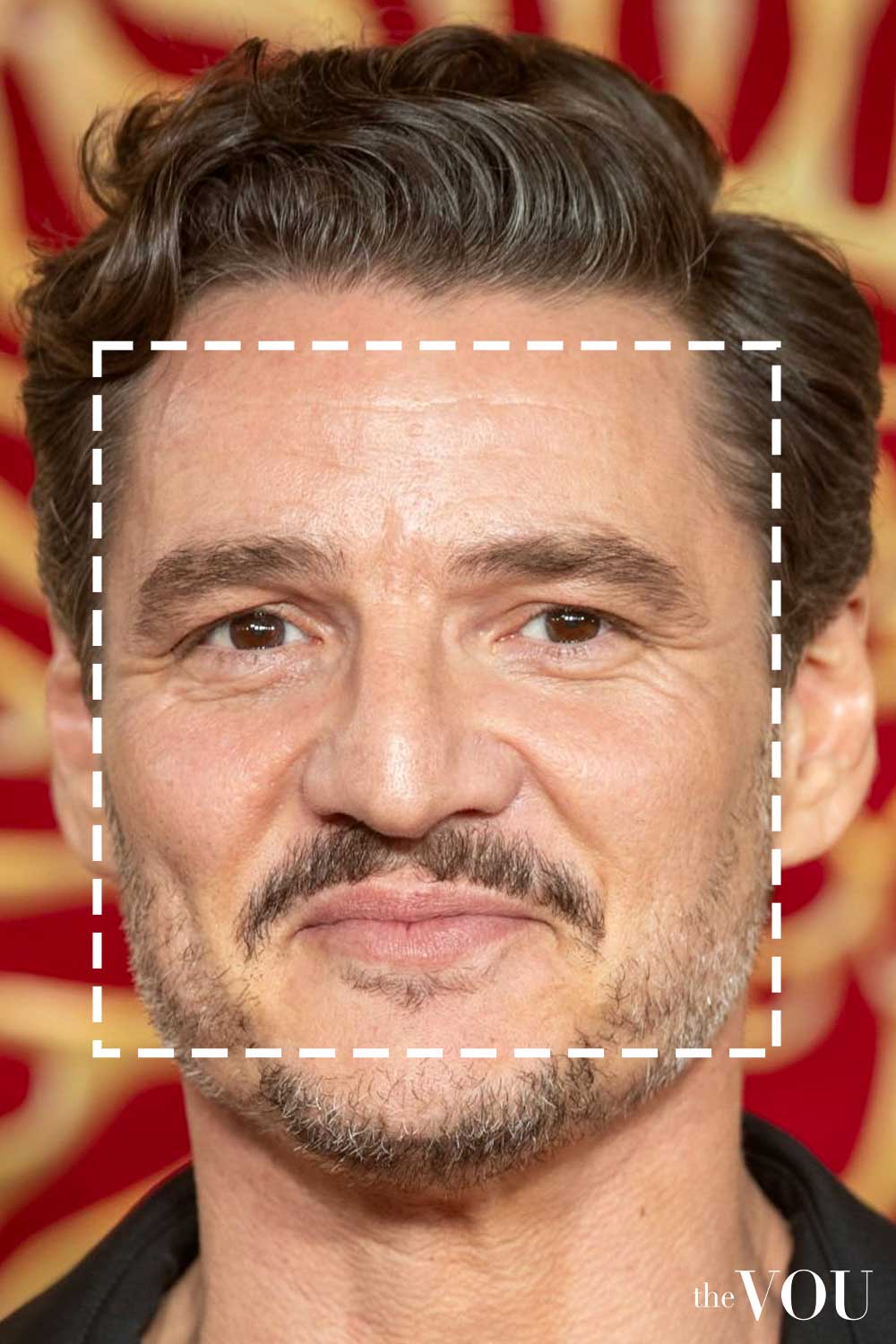
Round Face: A goatee or a beard longer on the chin can help elongate a round face.

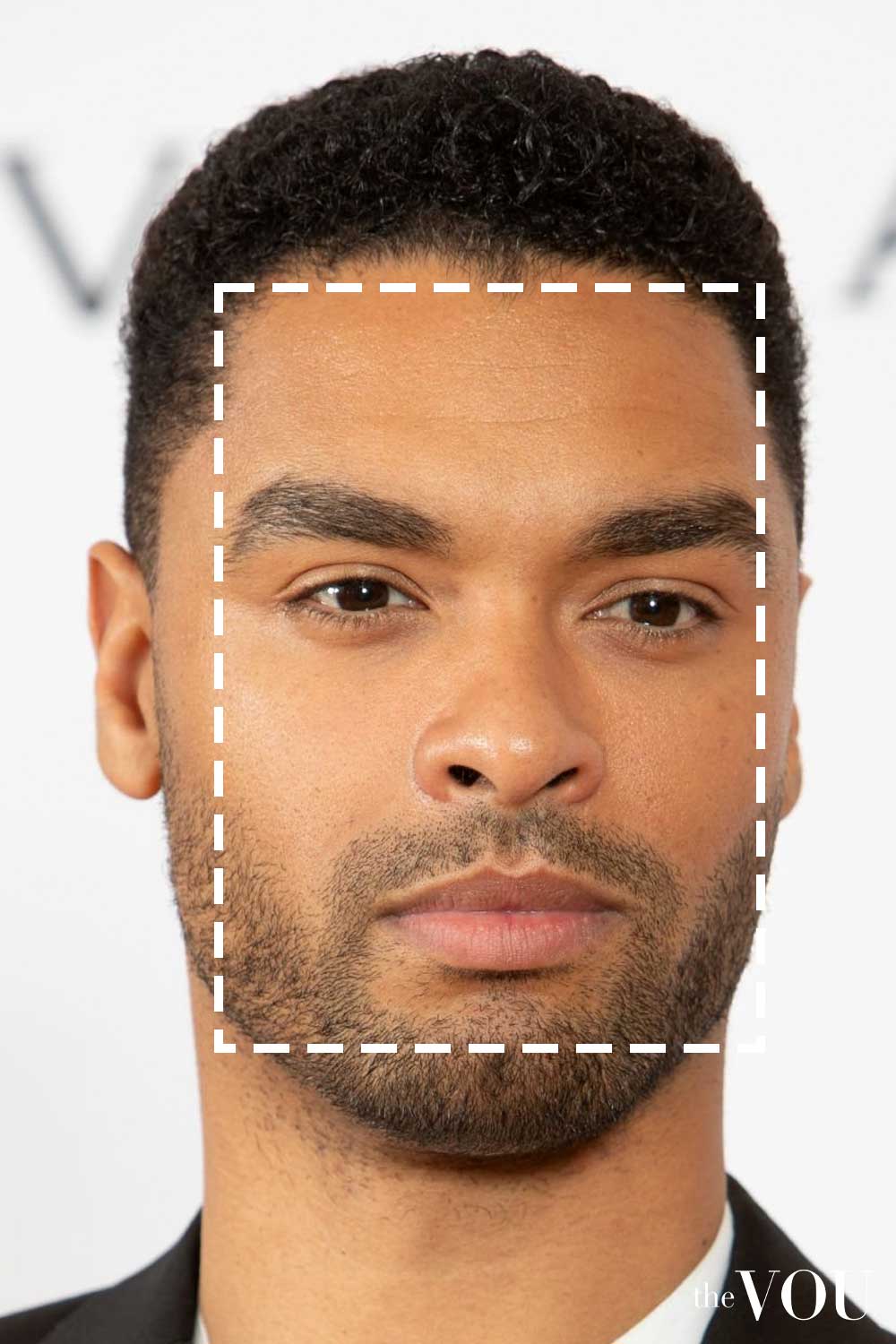
Rectangular Face: Fuller sides with a controlled chin length can be one way to visually shorten a long face; a longer, pointed beard can add length instead.
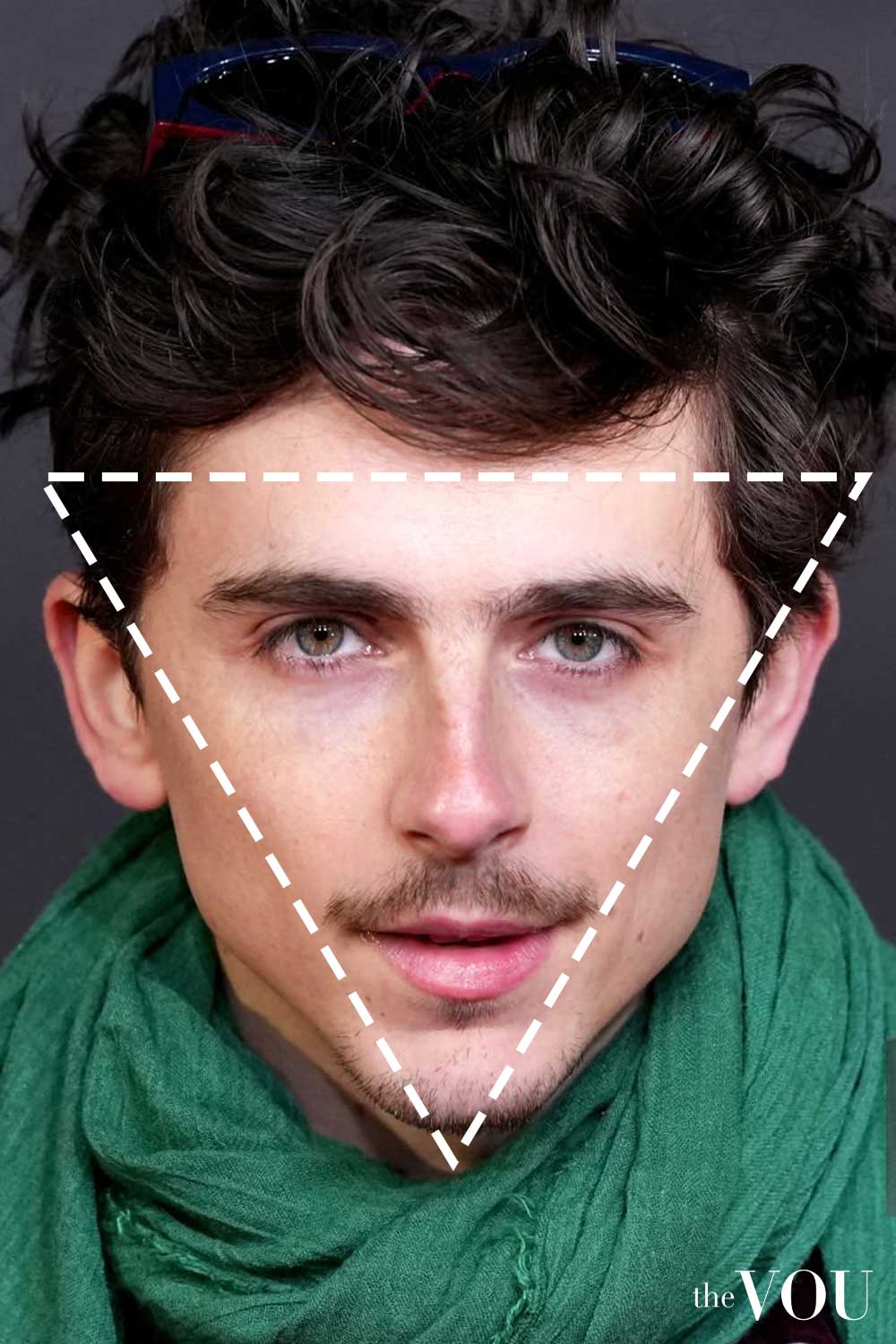
Triangular Face: If your jaw looks broader than your forehead, fuller sides will echo that lower-face width, while closer-trimmed sides with a little more length at the chin draw the eye downward and away from the jaw corners; either outline is a choice, and your actual side and chin growth decides which is achievable.
Actionable Insight: Experiment with different facial hairstyles to find one that complements your features. If you’re unsure, ask your barber for advice.
Hair Care Ideas
Your hair is one of your most noticeable features, so taking good care of it is important.
Here are some tips for maintaining healthy and stylish hair.

Shampoo and Conditioner: Choose shampoo and conditioner appropriate for your hair type. If you have oily hair, you may need to shampoo more frequently than someone with dry hair.
Styling Products: Use styling products sparingly, as too much can weigh down your hair and make it look greasy.
Regular Haircuts: An Ivy League haircut is one classic option; whichever cut you choose, regular trims keep it looking neat.
Healthy Lifestyle: Sleep, exercise and a balanced diet support your general health, which includes your hair. If you notice sudden shedding or thinning, ask a doctor or dermatologist.
Actionable Insight: Experiment with different hairstyles to find one that suits your face shape and personal style. Your barber can tell you what your hair will hold.
Removing Unwanted Hair
Unwanted hair can be a nuisance, but there are several methods for removing it.
Shaving: Shaving is a quick and easy way to remove unwanted hair, but it can also cause irritation and ingrown hairs.
Waxing: Waxing removes hair from the root, resulting in smoother skin and longer-lasting results. However, it can be painful. Laser hair removal gives long-lasting reduction rather than guaranteed permanent removal, and it usually needs several sessions and can be expensive.
Hair Removal Creams: Hair removal creams are painless but can irritate sensitive skin.
Actionable Insight: Choose the hair removal method that best suits your needs and preferences. If you have sensitive skin, you may want to avoid shaving and waxing.
Bad Breath Treatment
Bad breath, or halitosis, is common and can be embarrassing.
Fortunately, there are several simple steps you can take to combat it.
Oral Hygiene: Brush your teeth twice a day, floss daily, and use a tongue scraper to remove bacteria from your tongue.
Mouthwash: An antibacterial, alcohol-free mouthwash can help freshen your breath.
Hydration: Drink plenty of water throughout the day to keep your mouth moist and prevent bacteria from building up.
Diet: Avoid foods that cause bad breath, such as garlic, onions, and coffee.
Regular Dental Checkups: Visit your dentist regularly for checkups and cleanings.
Actionable Insight: Carry sugar-free gum or mints to freshen your breath on the go. If you suffer from chronic bad breath, consult your dentist to rule out any underlying medical conditions.
Hand and Foot Care
Your hands and feet are often overlooked, but they deserve as much care as the rest of your body.
Here are some tips for keeping your hands and feet looking their best:
Moisturise: Apply a moisturiser to your hands and feet daily to keep them hydrated and prevent dryness.
Trim Your Nails: Keep your nails trimmed and clean.
Wear Comfortable Shoes: Choose shoes that fit well and provide adequate support to prevent foot problems.
Protect Your Hands: Wear gloves when doing chores or working with your hands to protect them from damage.
Actionable Insight: A professional manicure or pedicure now and then is an easy way to keep nails and cuticles tidy.
Clean & Dry Up
Proper drying after a shower is essential for maintaining good hygiene.
Not drying yourself properly can create a breeding ground for bacteria, leading to body odour and skin irritation.
Dry yourself thoroughly, especially in areas prone to moisture buildup, such as your armpits and groin.
Actionable Insight: Pat yourself dry with a clean, dry towel after a shower. Avoid rubbing, as this can irritate your skin.
Sweating Tips
Sweating is a natural bodily function, but excessive sweating can be embarrassing and uncomfortable.
Here are some tips for managing sweat:
Antiperspirant: Use an antiperspirant deodorant to reduce sweat production.
Breathable Fabrics: Wear clothes made from breathable fabrics like cotton or linen to allow your skin to breathe.
Layering: Layering your clothes can help to absorb sweat and prevent it from showing through your outer layer.
Shower Regularly: Showering will help to remove sweat and bacteria from your skin.
Actionable Insight: Talk to your doctor if you suffer from excessive sweating. There may be underlying medical conditions that can be treated.
Choosing the Right Scent
A good fragrance can enhance your style and leave a lasting impression.
When choosing a scent, test it on your own skin and consider your lifestyle.
Try It On: The same fragrance can smell and last differently on different people, so wear a sample for a day before you buy.
Lifestyle: When choosing a scent, consider your lifestyle. If you’re active, you may prefer a fresher, sportier scent. If you’re more of a night owl, you may prefer a richer, more sensual scent.
Actionable Insight: Apply fragrance lightly to your wrists and neck; one or two sprays is usually enough to be noticed without overwhelming people close to you.
Grooming in the Winter
Winter weather can be harsh on your skin, so adjusting your grooming routine is important.
Here are some tips for keeping your skin healthy and hydrated during the colder months:
Moisturise: Use a richer moisturiser to combat dry skin.
Exfoliate: Exfoliate regularly to remove dead skin cells and prevent clogged pores.
Protect Your Lips: Use a lip balm to protect your lips from chapping.
Drink Plenty of Water: Staying hydrated is important for healthy skin all year round.
Actionable Insight: Invest in a humidifier to add moisture to your home or office air. This can help to prevent dry skin and chapped lips.
Key Takeaways
Following these grooming tips helps you keep a polished appearance that suits your Old Money style.
Remember, grooming is not just about vanity; it’s about taking care of yourself and projecting an image of confidence and self-respect.
Take the First Step With The VOU’s Styling Quizzes
Start your style journey with our free resources. First, take our Face Shape Quiz for a starting point on your face shape and initial styling guidance.
Then, check which colours suit you with our Seasonal Colour Analysis Quiz.
Check your body shape with our Body Shape Quiz, and your personal style with our Fashion Style Quiz.
Paid Consultations with The VOU
If you would like personal help beyond the free quizzes, The VOU offers paid consultations.
Our Professional Face Shape Analysis package is a paid consultation; its product page lists what it includes.
You can also book our Complete Image Transformation Package.
It combines the face shape, seasonal colour, body shape and fashion style analyses.
Mandy Meyer’s focus at The VOU is men’s body-shape styling, garment fit and outfit proportions. Her coverage addresses the practical questions behind a wardrobe choice: how a jacket sits across the shoulders, how trousers fall and how different cuts change the silhouette a wearer wants to create.
Her subject areas include the triangle, inverted triangle, rectangle, oval, trapezoid, hourglass and diamond labels used in body-shape styling. These provide starting references for comparing visible proportions; they do not capture every body or prescribe one correct way to dress. The focus connects those observations with garment shape, construction, length and the relationship between the upper and lower parts of an outfit.
Mandy’s editorial coverage combines visual comparisons with fit checks for comfort and movement. Readers can consider whether a cut gives them the room they need, where clothing pulls or gathers and which changes might support their preferred look. The aim is to make menswear choices more understandable while keeping personal preferences and the wearer’s own styling goals central.