
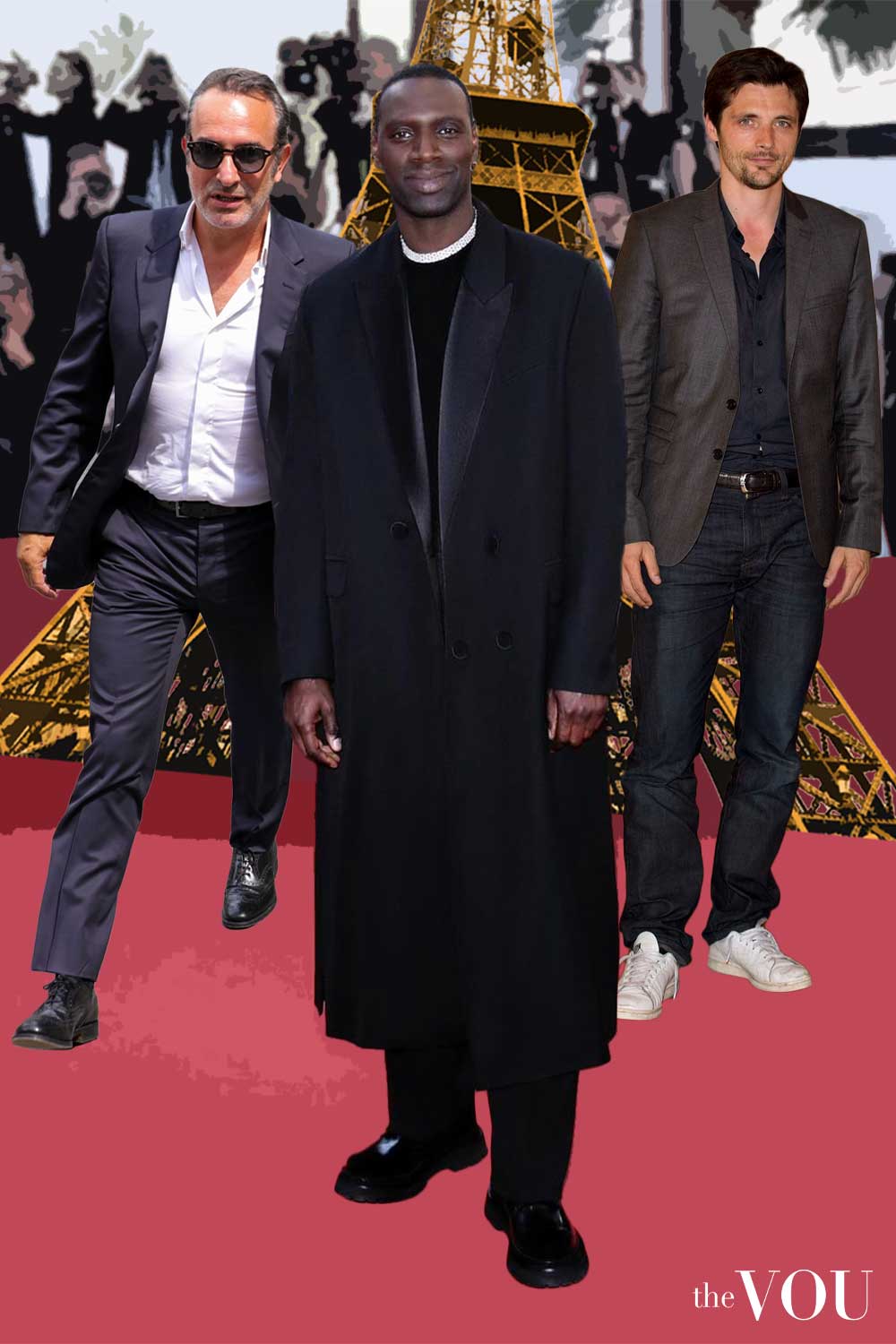
Start here
What’s This About:
Parisian Chic for men is a pared-back way of dressing built on neutral colours, sharp fit, good fabric and very few accessories, and this page explains what defines it.
It covers the basics of the look, such as:
– where the idea of Parisian chic comes from
– the five features that define it
– the shirts, trousers, shoes and outerwear it relies on
– a simple starter outfit
and many more!
For full outfits by season and a shopping list, follow the links to our other Parisian Chic guides.
Key Points:
01Parisian chic is a modern way of describing an understated look, drawing on Paris’s long role as a fashion capital rather than on one historical style.
02Much of its famous history, such as Chanel’s 1917 marinière and Saint Laurent’s 1966 Le Smoking, comes from womenswear, which menswear later borrowed from.
03The men’s version rests on navy, grey, black, white and beige, slim but comfortable tailoring, natural fabrics and minimal accessories.
04A navy jacket, white shirt, grey trousers and black loafers is the simplest starting outfit.
Parisian Chic style embodies the essence of understated luxury and elegance and is ideal for men seeking a sophisticated and timeless look.
The Parisian Chic fashion style blends minimalist design with high-quality garments and precise tailoring to create a polished, understated appearance.
Parisian Chic style focuses on specific details: neutral-coloured garments, tailored silhouettes, premium fabrics, and carefully chosen accessories that enhance rather than overpower an outfit and we’ll detail each one of them in this styling guide.
Parisian Chic Origins
The idea of Parisian chic draws on Paris’s long role as a fashion capital, which was firmly established by the Belle Époque (roughly 1871 to 1914).
In womenswear, Coco Chanel brought practical, comfortable garments into fashion, adapting the sailor’s striped marinière (the Breton top) for her 1917 collection; it is now a classic of men’s casual wear too.
In 1966, Yves Saint Laurent’s Le Smoking, a tuxedo suit for women, took men’s evening tailoring into womenswear and became a byword for Parisian refinement.
Parisian Chic Style Characteristics
Neutral Colours
The Parisian Chic wardrobe relies on a foundation of black, navy, white, grey, and beige.
These colours are easy to mix and match, creating ensembles that maintain a sleek and cohesive appearance.
For instance, wearing a navy blazer with a white Oxford shirt and slim-fit charcoal trousers exemplifies the refined nature of this style.
Impeccable Tailoring
Precise tailoring defines Parisian Chic. Choose single-breasted blazers with notch lapels, slim-fit trousers that taper at the ankle, and well-fitted dress shirts.
A navy blazer, tailored to fit your shoulders and chest, can elevate any outfit, whether paired with dark wash jeans for a smart-casual look or with tailored trousers for formal occasions.
High-Quality Fabrics
Fabric quality matters most. Invest in wool blazers, cashmere sweaters, silk ties, and fine cotton shirts.
A well-made cashmere jumper in neutral tones like camel or navy can be worn alone or layered over an Oxford shirt for a refined appearance.
Subtle Accessories
Accessories in Parisian Chic style should be minimal but impactful. Consider adding a simple leather-strap watch, a silk pocket square in muted shades, or slim leather belts.
A lightweight scarf in subtle patterns or solid neutral tones can be draped around the neck, adding dimension without appearing overdone.
Effortless Layering
Mastering the art of layering adds depth and function to an outfit.
For example, a black turtleneck under a double-breasted camel overcoat provides warmth and an air of sophistication.
In warmer weather, a light linen blazer worn over a fitted cotton T-shirt captures the relaxed yet composed essence of Parisian Chic.
Parisian Chic Wardrobe Staples for Men
Tops
Key tops include crisp white dress shirts, light blue Oxford button-downs, and black fine-knit turtlenecks.
The Breton stripe top, characterised by horizontal navy and white stripes, is a timeless garment that pairs well with chinos or jeans for a casual look.
Trousers
Prioritise slim-fit chinos in beige and navy, dark wash jeans with minimal detailing, and medium-grey flannel trousers.
These garments maintain a tailored look while allowing flexibility for different events.
Footwear
The right shoes are essential for completing the Parisian Chic aesthetic, and black leather loafers or brown suede Chelsea boots (depending on the weather) are the usual choices.
You can also wear white leather sneakers for a more modern old-money look.
For formal settings, black cap-toe Oxfords polished to a mirror finish are the classic choice.
Outerwear
Essential outerwear garments include a beige trench coat for transitional weather, a tailored navy blazer for business and casual settings, and a dark brown or black leather jacket for a touch of edge.
These garments provide versatility and can be styled to suit a range of occasions.
How to Achieve the Parisian Chic Look
Begin with a foundational outfit: a tailored navy blazer, a crisp white dress shirt, and medium-grey trousers.
Pair this ensemble with polished black loafers and a simple leather belt. In cooler weather, add a beige trench coat or drape a cashmere scarf in a neutral hue around your neck for extra warmth.
Ensure your grooming is impeccable, either a clean shave or neatly maintained facial hair, to align with the overall polished appearance.
Conclusion
Embracing Parisian Chic style involves more than just clothing; it is an approach that values quality, attention to detail, and the principle that less is more.
For more, see our Parisian Chic wardrobe essentials and Parisian Chic outfit ideas for every season.
Focus on neutral colours, tailored fits, and premium fabrics. Accessorise thoughtfully and maintain a sense of effortless confidence.
When styled correctly, Parisian Chic for men exudes sophistication, subtle elegance, and timeless appeal.
Style Like A True Gentleman
Many image consultants work in a similar order, and you can follow it yourself.
Professional styling usually starts with your body shape and seasonal colour palette, which help you choose clothes that fit well in colours that work with your skin, eyes and hair.
From there, it is easier to dress for the occasion, location, season and time of day, choosing garments, footwear and accessories, including designs from heritage fashion brands where they suit you.
You can start on your own with our three free quizzes, then book a consultation if you would like personal help.
1. Check Your Body Shape
Different garments suit different silhouettes, so knowing your body shape is a practical first step.
Take our free body shape quiz for men.
2. Find Your Seasonal Colours
The garments in your outfits come in many colours, and some work better with your natural colouring than others.
To explore your seasonal colour palette, take our free seasonal colour quiz for men.
3. Find Your Fashion Style
Next, look at your personal fashion style.
Our free fashion style quiz for men suggests a style, outfit ideas and brands to explore.
Personal Help from The VOU
If you would like personal help, you can ask our image consultants and fashion stylists.
Our styling services for men are paid consultations; the shop page lists what each one includes.
Wearing luxury brands is not enough on its own; knowing your body shape, colour palette and personal style comes first.
Contact us to book a consultation.
Mandy Meyer’s focus at The VOU is men’s body-shape styling, garment fit and outfit proportions. Her coverage addresses the practical questions behind a wardrobe choice: how a jacket sits across the shoulders, how trousers fall and how different cuts change the silhouette a wearer wants to create.
Her subject areas include the triangle, inverted triangle, rectangle, oval, trapezoid, hourglass and diamond labels used in body-shape styling. These provide starting references for comparing visible proportions; they do not capture every body or prescribe one correct way to dress. The focus connects those observations with garment shape, construction, length and the relationship between the upper and lower parts of an outfit.
Mandy’s editorial coverage combines visual comparisons with fit checks for comfort and movement. Readers can consider whether a cut gives them the room they need, where clothing pulls or gathers and which changes might support their preferred look. The aim is to make menswear choices more understandable while keeping personal preferences and the wearer’s own styling goals central.