

Start here
What’s This About
This is our full Parisian Chic styling guide for men: fifteen garments and how to wear them, four seasonal outfits and the rules that keep the look understated.
It covers the practical side of the style, such as:
a short definition, with a link to our explainer for the full history
fifteen essential garments, from the navy blazer to white trainers
an outfit for each season
do’s and don’ts, and how it differs from BCBG, Riviera and Preppy style
and many more!
You do not need an aristocratic pedigree or a Paris address; you need good fit and restraint.
Key Points
01Parisian chic draws on Paris’s long role as a fashion capital, but much of its best-known history, from Chanel to Saint Laurent’s Le Smoking, comes from womenswear.
02Each garment section below explains how to wear it: fit first, then a navy, grey, black, white and beige palette, then one or two quiet accessories.
03Key garments include a navy blazer, a trench coat, a white shirt, an Oxford button-down, a Breton top, a black roll-neck, grey flannels, dark jeans and white leather trainers.
04Many popular stories about the aristocratic origins of these garments are unsupported, so this guide sticks to what is documented.
Parisian Chic style is a recognisable, understated way of dressing associated with Paris.
It combines quiet elegance with a touch of insouciance that many people think of as typically Parisian.
What is Parisian Chic Style?
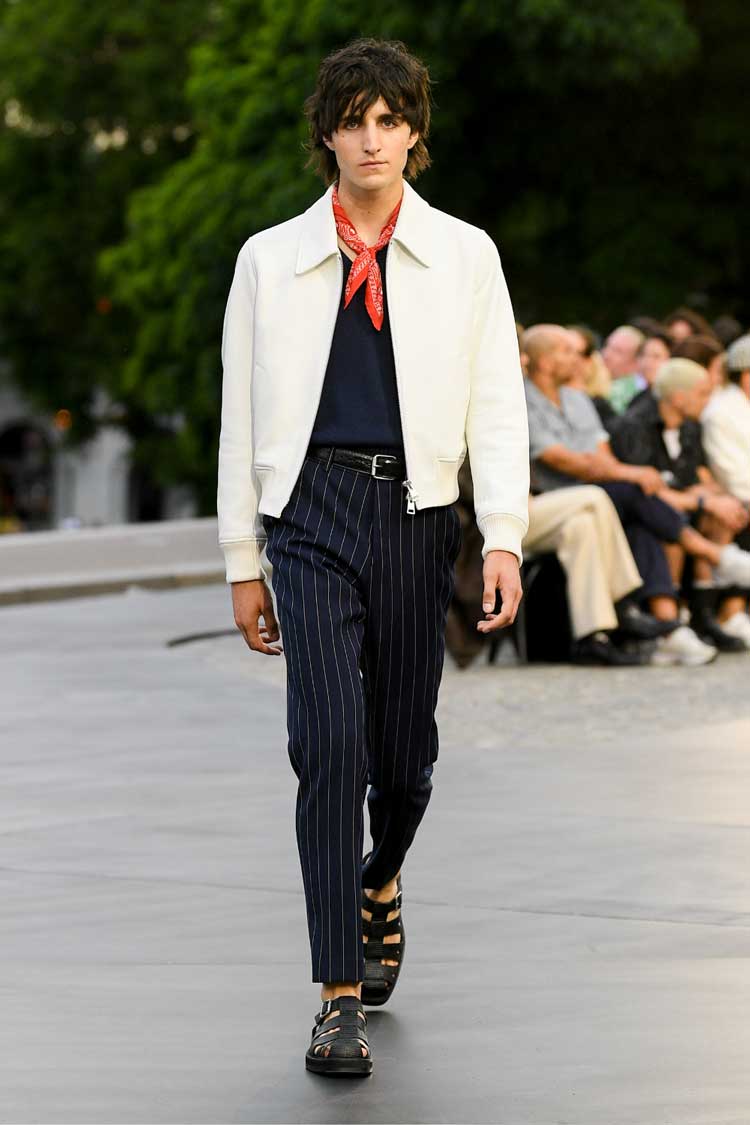
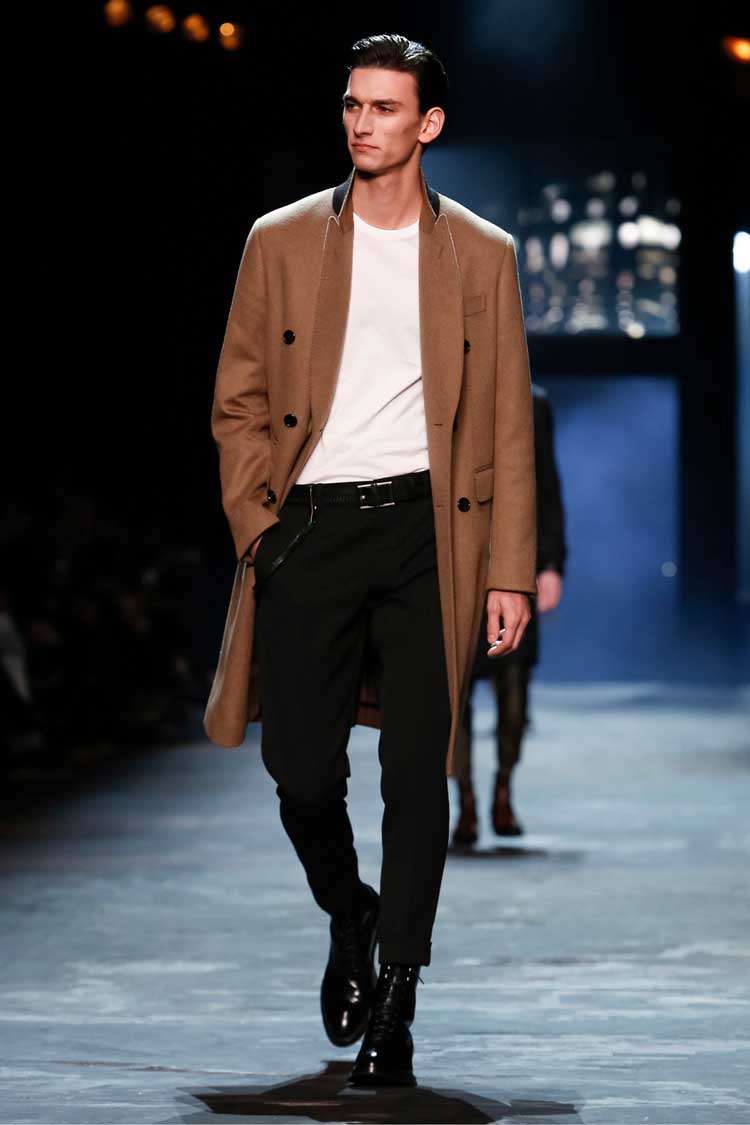
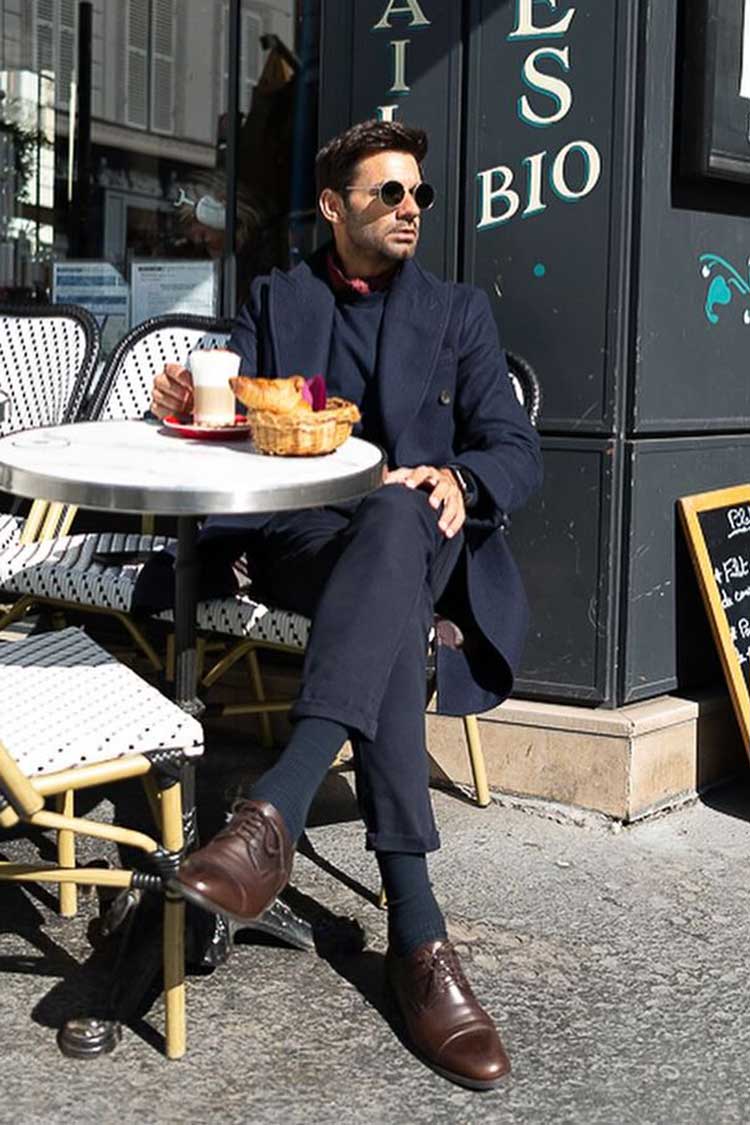
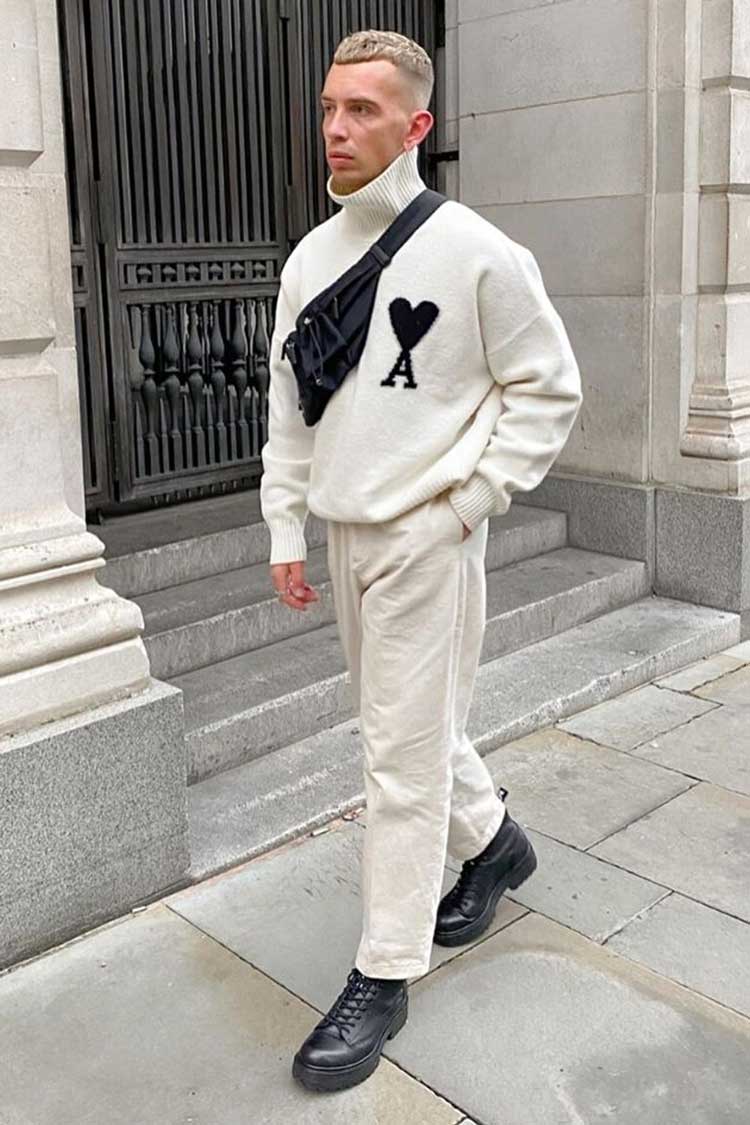
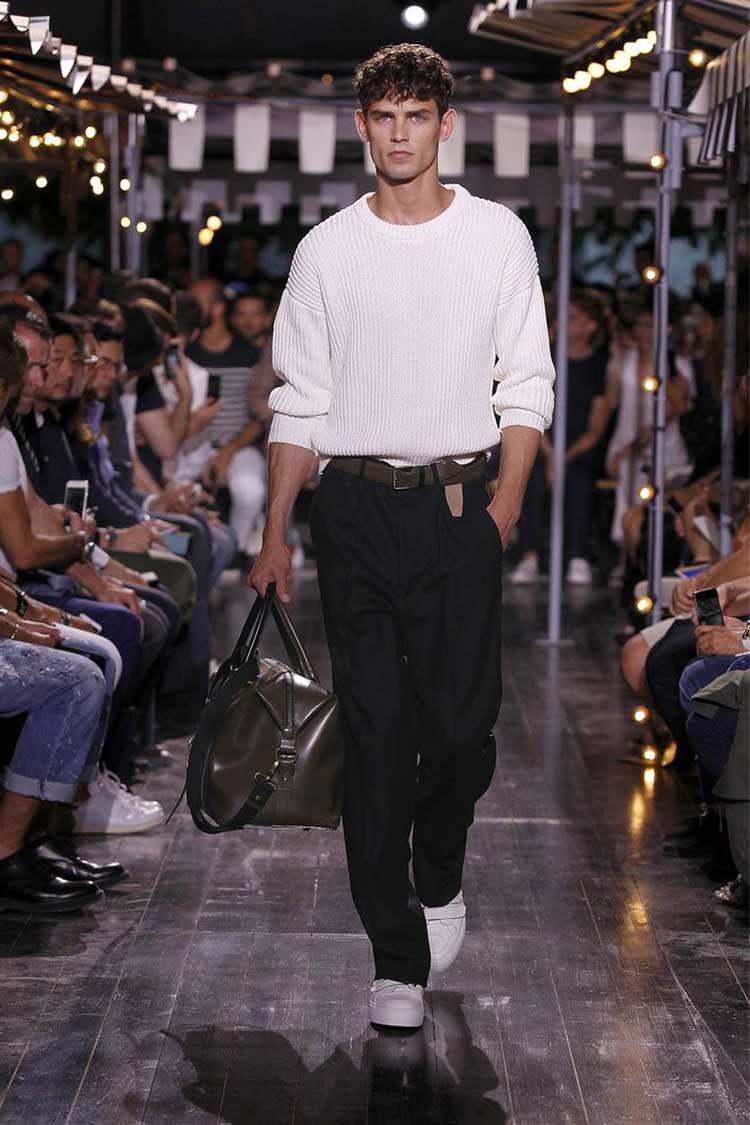
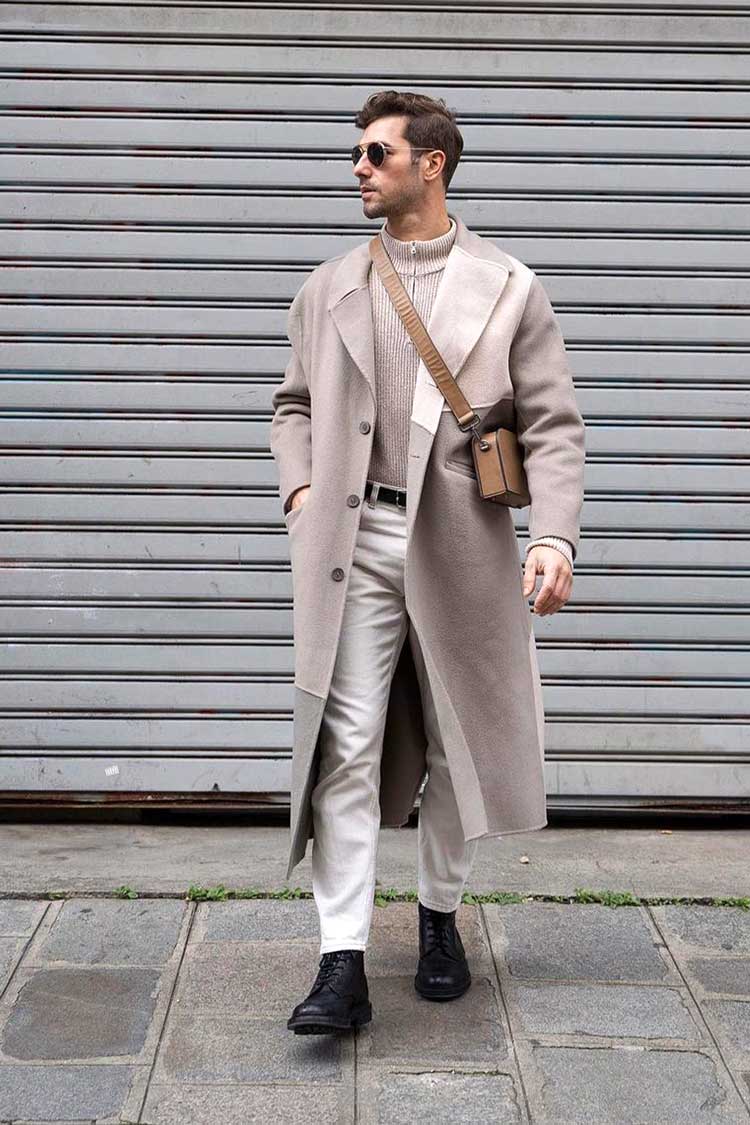
In simple terms, Parisian Chic or French Chic style for men is characterised by impeccably tailored, neutral-toned garments with a few understated accessories.
For the full definition and how the idea took shape, see our Parisian Chic style explainer.
Scroll horizontally to see all columns →
 |
 |
 |
 |
 |
 |
 |
 |
 |
 |
Parisian Chic Origin
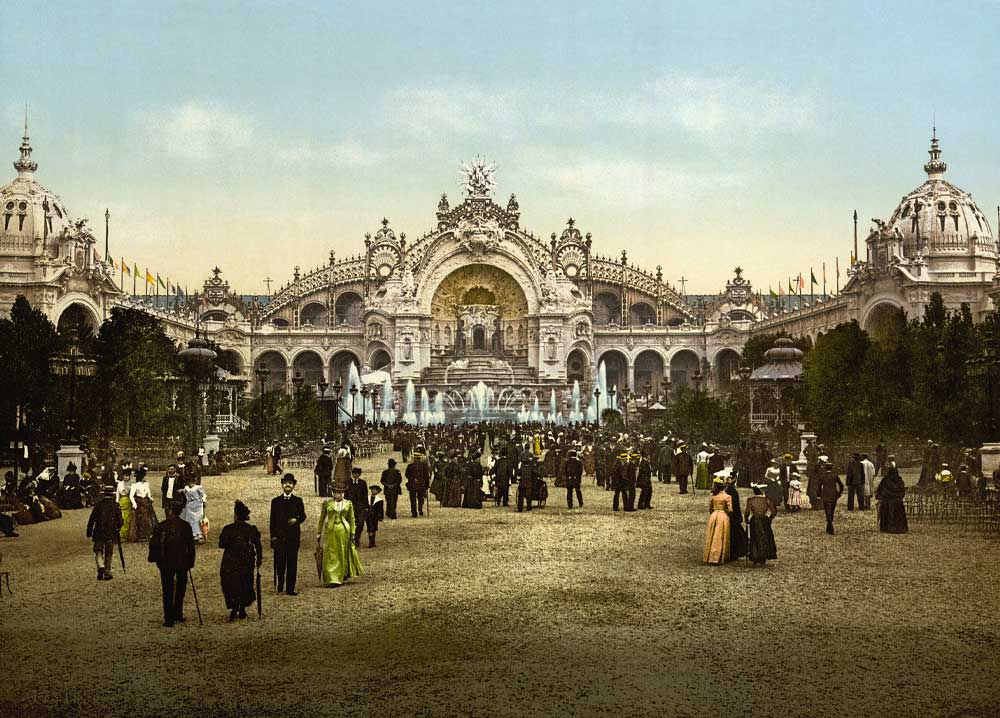
The Parisian Chic style has roots in the Belle Époque era, which lasted from the late 19th to the early 20th centuries when Paris was the leading capital of art, culture, and fashion.
The idea of Parisian chic grew from that reputation rather than from one historical style.
In the 1920s, Coco Chanel revolutionised women’s fashion by introducing more comfortable, practical designs that borrowed details from menswear.
This marked a significant shift towards the minimalist, quality-focused approach that characterises Parisian Chic.
Later, in the 1960s, Yves Saint Laurent further blurred gender lines in fashion, introducing the iconic ‘Le Smoking’ tuxedo suit for women, cementing the idea that true style transcends traditional gender norms.
Nowadays, while the Parisian Chic style maintains its core principles, it has become less rigid shifting towards an elegant approach that allows for subtle subversion of fashion norms.
The essence of Parisian Chic style lies in a rare ability to showcase a crisp fashion style wrapped in an air of nonchalant and relaxed elegance.
Scroll horizontally to see all columns →
| Characteristics | Description |
|---|---|
| Colour Palette | Predominantly neutral: black, navy, white, beige, grey |
| Silhouette | Tailored, slim-fit, emphasising the natural form |
| Fabrics | High-quality natural fibres: silk, wool, cotton, linen |
| Accessories | Understated, luxurious: silk scarves, leather bags, minimal jewellery |
| Attitude | Confident, nonchalant, slightly rebellious |
Parisian Chic Style Essential Garments
The foundation of Parisian Chic style lies in a carefully curated selection of high-quality, versatile garments that form the backbone of a chic Parisian wardrobe.
For a shorter shopping checklist, see our Parisian Chic wardrobe essentials for men.
Scroll horizontally to see all columns →
| Garment | Characteristics | Styling Notes |
|---|---|---|
| Outerwear | ||
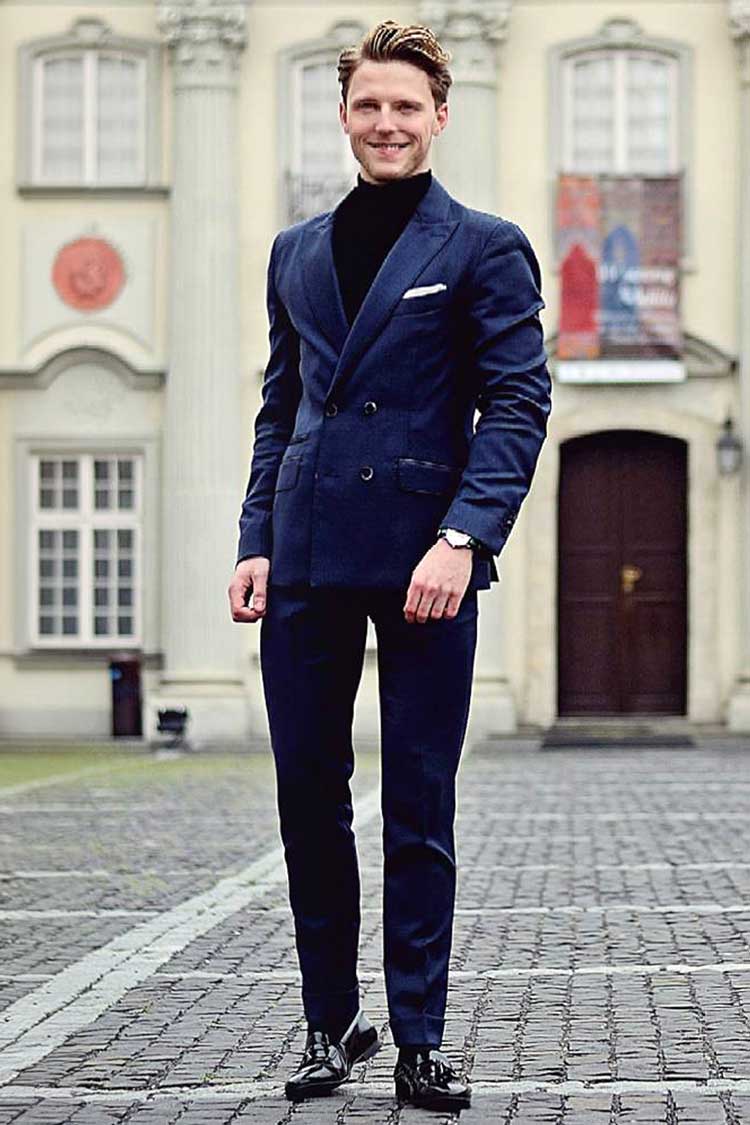
| Navy Blazers | Single-breasted, structured shoulders, slim fit | Pair with chinos or over a Breton stripe shirt |
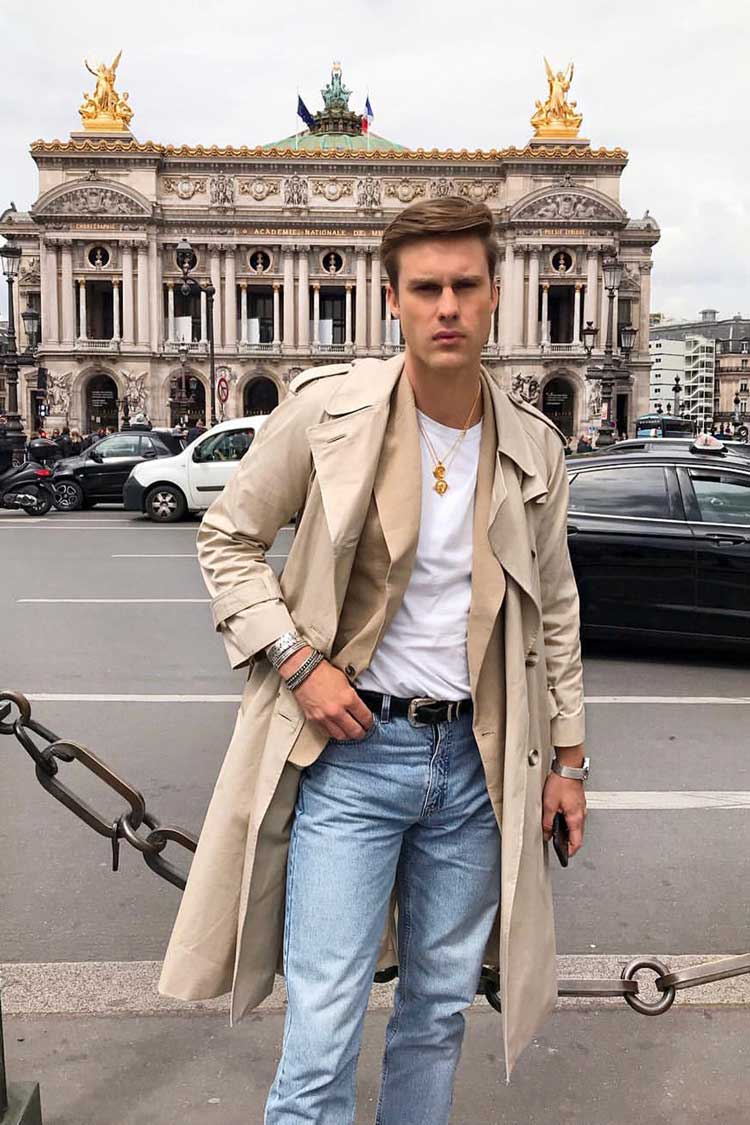
| Trench Coats | Classic beige, double-breasted, belted waist | Layer over any outfit for instant polish |
| Leather Jackets | Black or brown, fitted, minimal detailing | Wear over a T-shirt or layer with a scarf |
| Suits | ||
| Tailored Suits | Navy or charcoal, slim fit, notch lapel | Wear for formal occasions or separate the garments |
| Shirts | ||
| White Dress Shirts | Crisp cotton, slim fit, semi-spread collar | Wear under a blazer or with sleeves rolled up for a casual look |
| Oxford Button-Down Shirts | Light blue or white, button-down collar | Pair with chinos for a casual yet refined look |
| Polo Shirts | Cotton piqué, neutral colours, fitted | Wear with chinos for a smart-casual ensemble |
| Breton Stripe Tops | Navy and white horizontal stripes, crew neck | Layer under a blazer or wear alone with chinos |
| Knitwear | ||
| Cashmere Sweaters | Fine knit, crew or V-neck, neutral colours | Layer over a shirt or wear alone with trousers |
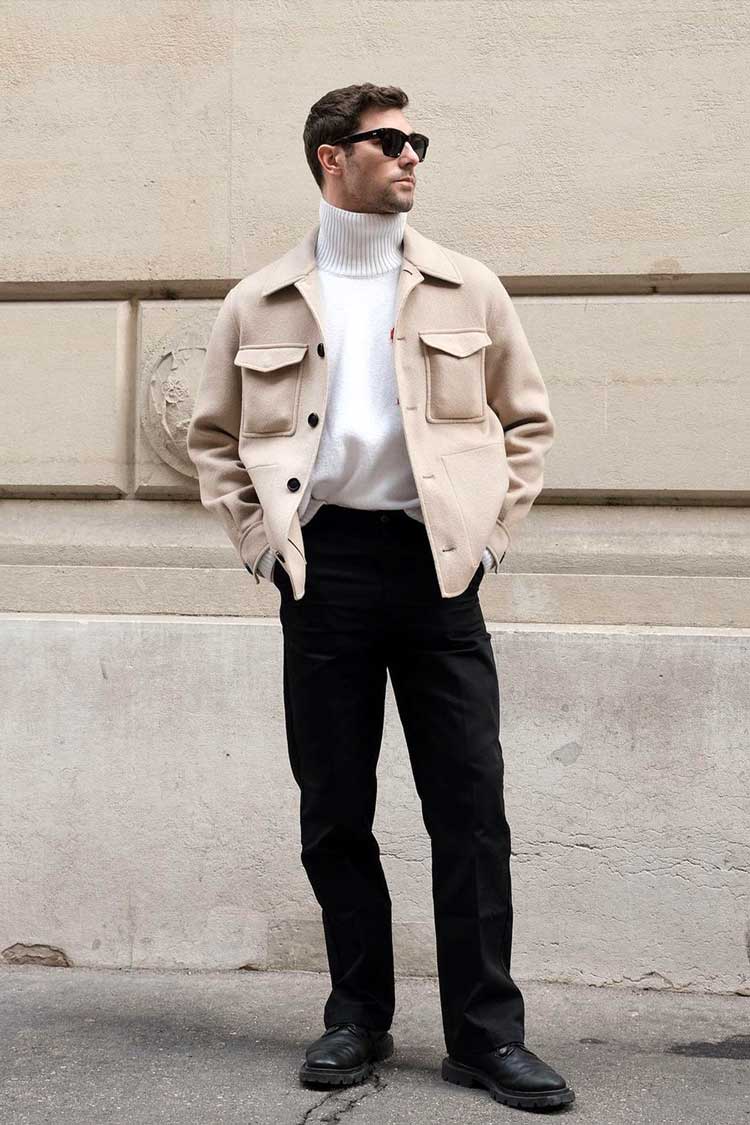
| Black Turtlenecks | Fine-knit, slim fit, lightweight | Layer under a blazer or wear alone with trousers |
| Trousers | ||
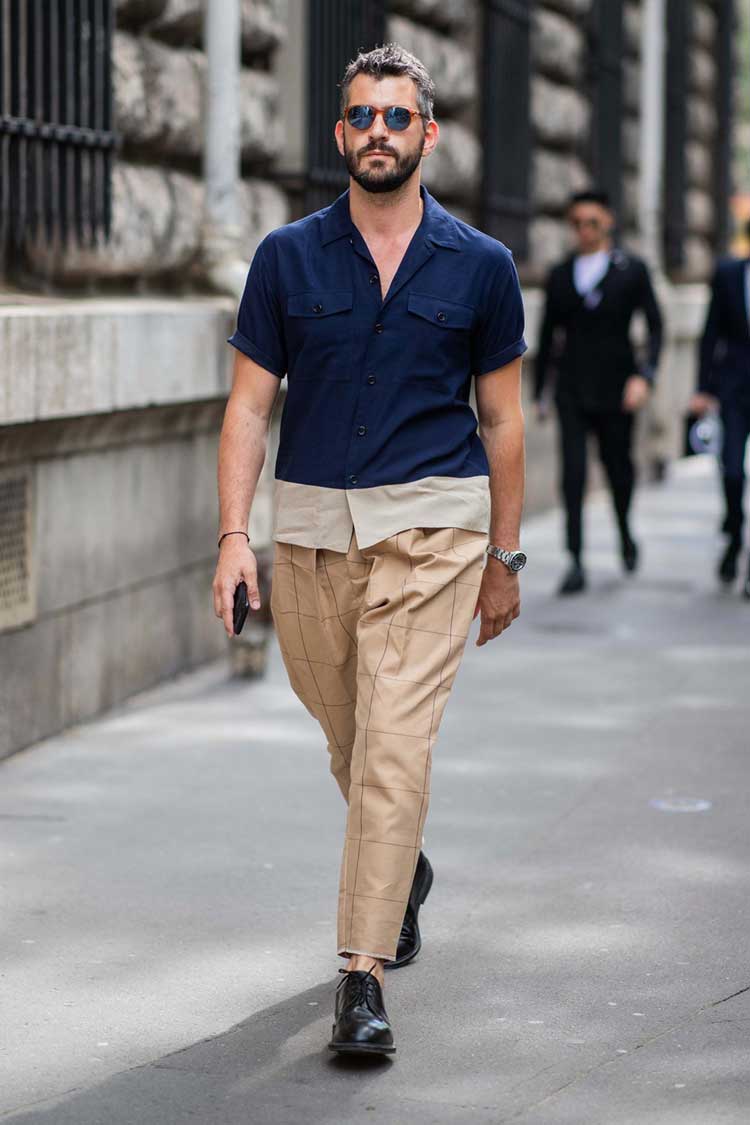
| Slim-Fit Chinos | Neutral colours (beige, navy, olive), ankle-length | Style with loafers for a smart-casual look |
| Dark Wash Slim-Fit Jeans | Indigo or dark blue, slim fit, minimal distressing | Pair with a blazer for a smart-casual look |
| Grey Flannel Trousers | Medium grey, wool blend, straight leg | Pair with a blazer for a classic look |
| Footwear | ||
| White Sneakers | Clean lines, minimal branding, leather upper | Wear with casual outfits or dress down a suit |
| Accessories | ||
| Lightweight Scarves | Silk or fine wool, subtle patterns or solid colours | Drape casually around the neck for added sophistication |
Navy Blazers
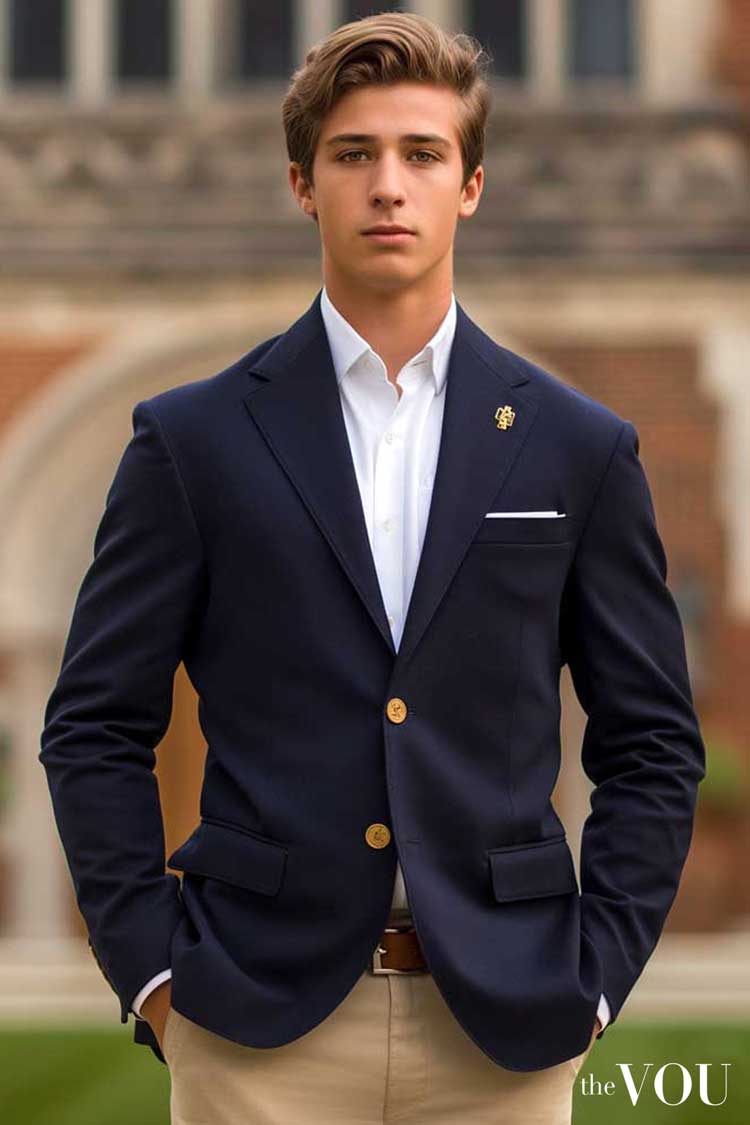
The navy blazer is usually traced to naval and sporting-club jackets of the 19th century.
It became a leisure staple across Europe’s coastal resorts in the 20th century.
The Duke of Windsor, who later lived in Paris, is often credited with making relaxed tailoring, including the blazer, fashionable.
Trench Coats
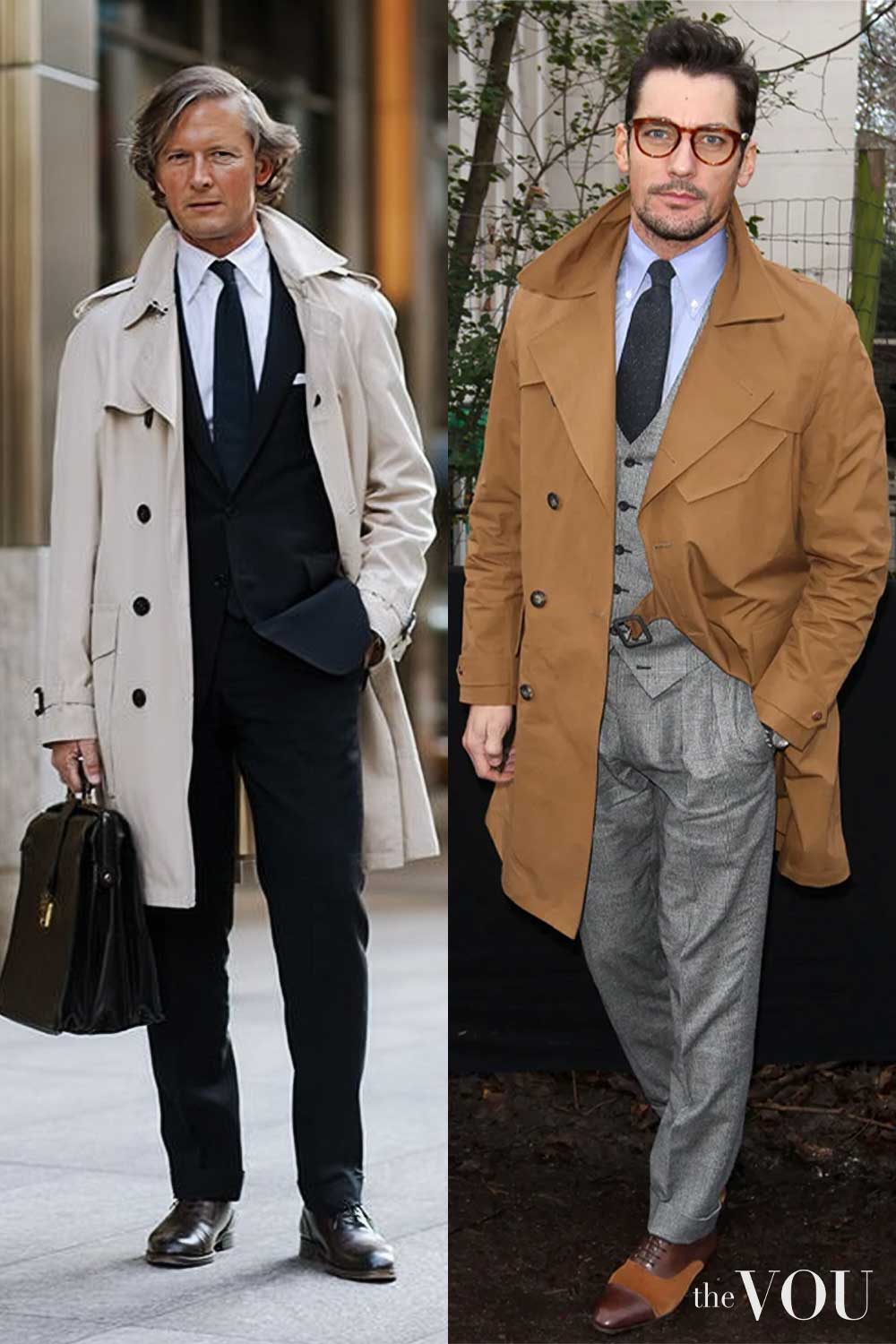
The trench coat takes its name from the trenches of the First World War, where British officers wore it, and it became a civilian classic afterwards in France as elsewhere.
Burberry and Aquascutum, both British makers, are the names most associated with the original coat.
A beige trench remains one of the simplest ways to look put-together in a city.
Leather Jackets
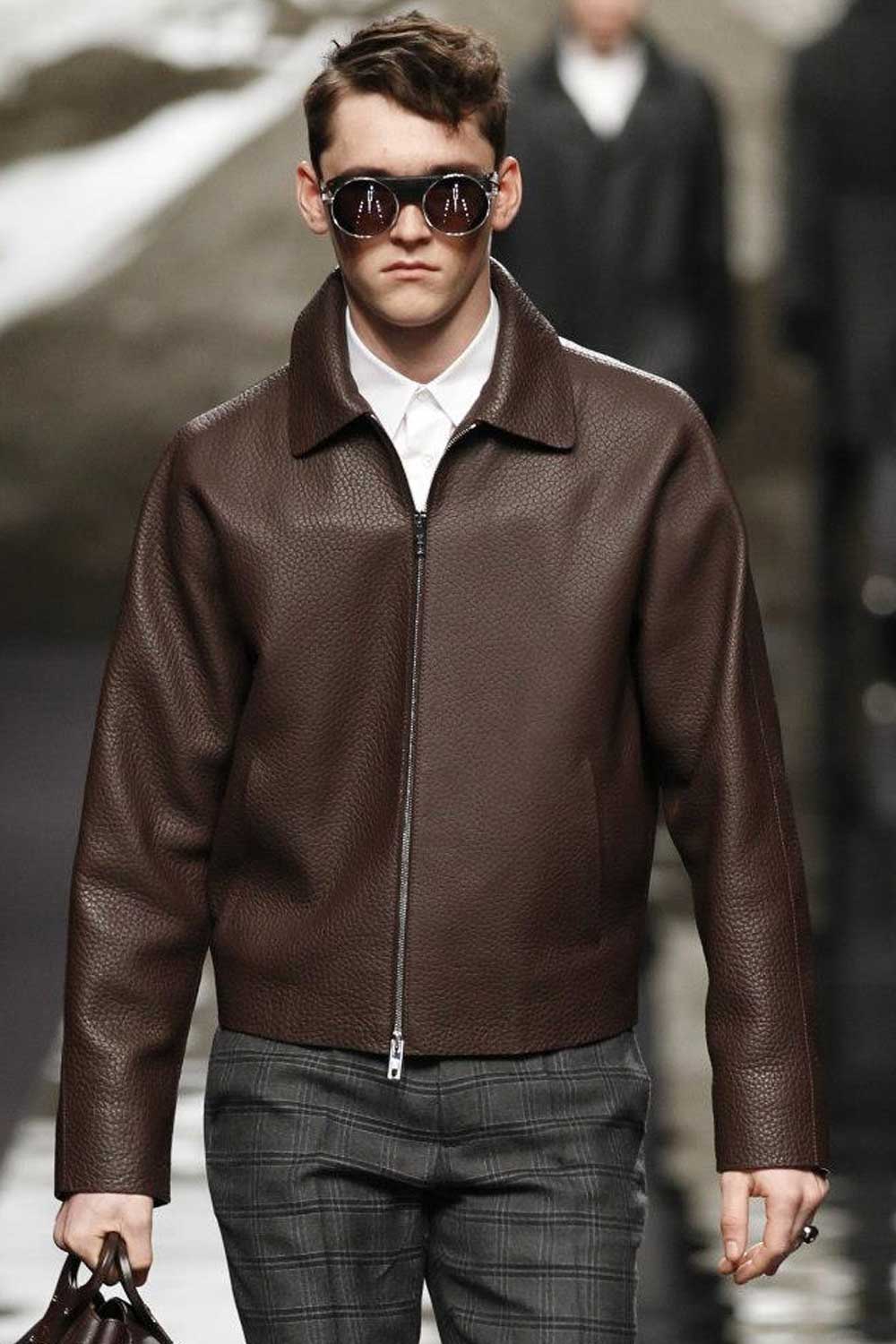
In 1959, French newspapers began calling leather-jacketed youth gangs “les blousons noirs” (the black jackets), after the jackets they wore with jeans and rock and roll.
The black leather jacket has kept that rebellious edge, which is why it works so well over tailored trousers.
Tailored Suits
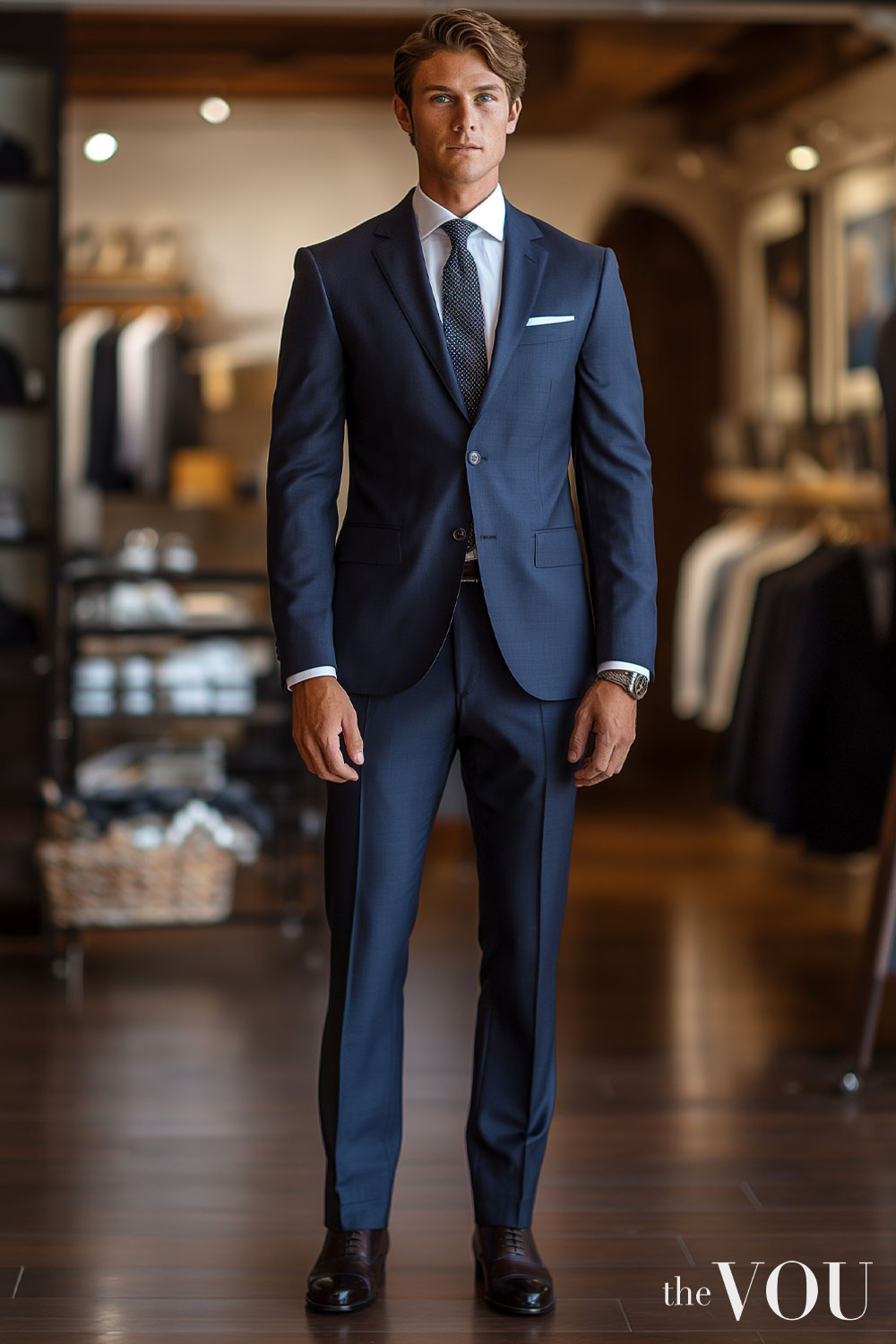
The modern tailored suit owes something to centuries of French court dress, but the lounge suit we wear today developed mainly in 19th-century Britain.
Paris has long been a centre of fine tailoring, and its tailors and couture houses still shape formal menswear.
White Dress Shirts
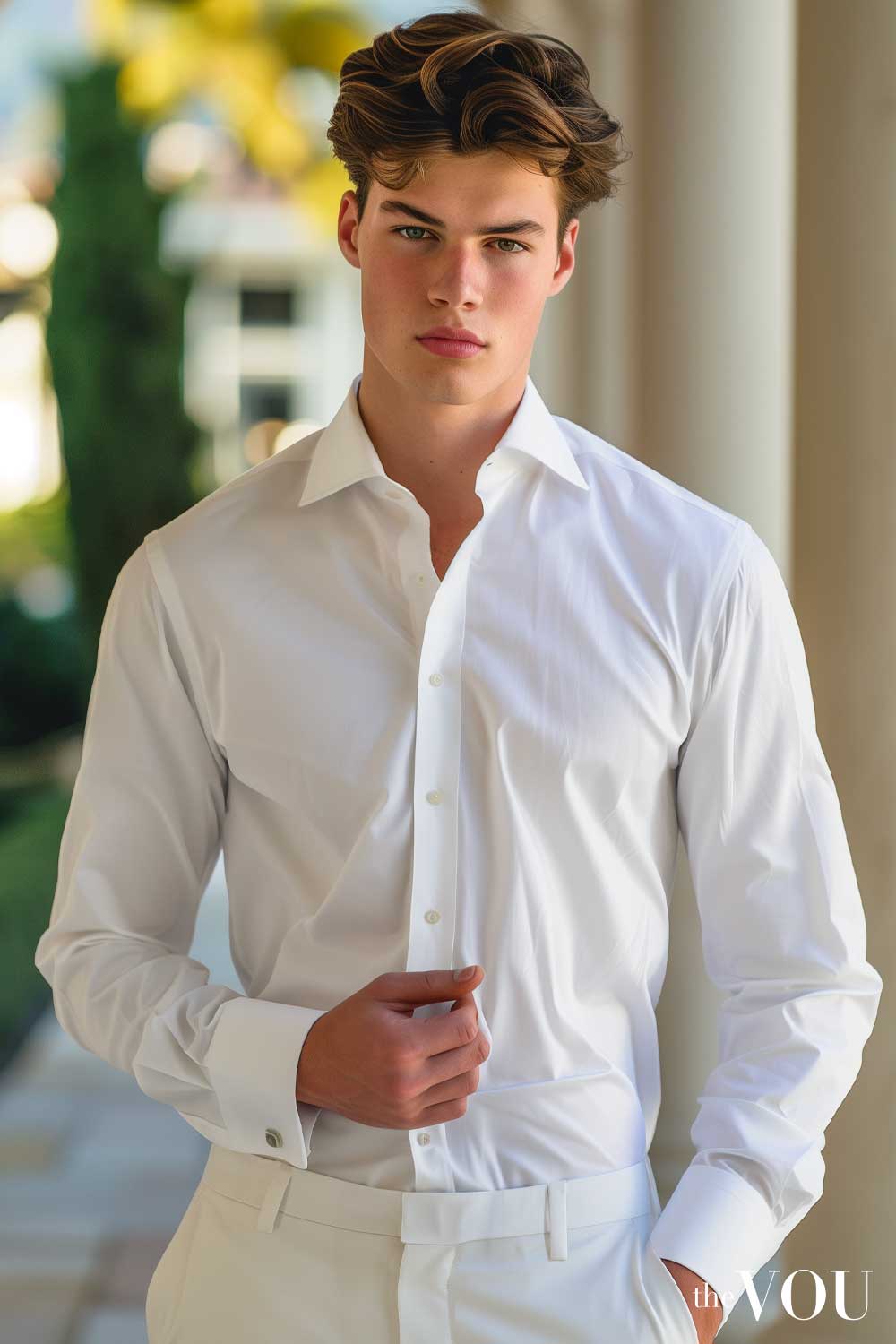
A crisp white shirt is the backbone of the Parisian wardrobe.
Charvet, the Paris shirtmaker founded in 1838, is still one of the best-known names in fine shirts.
Oxford Button-Down Shirts
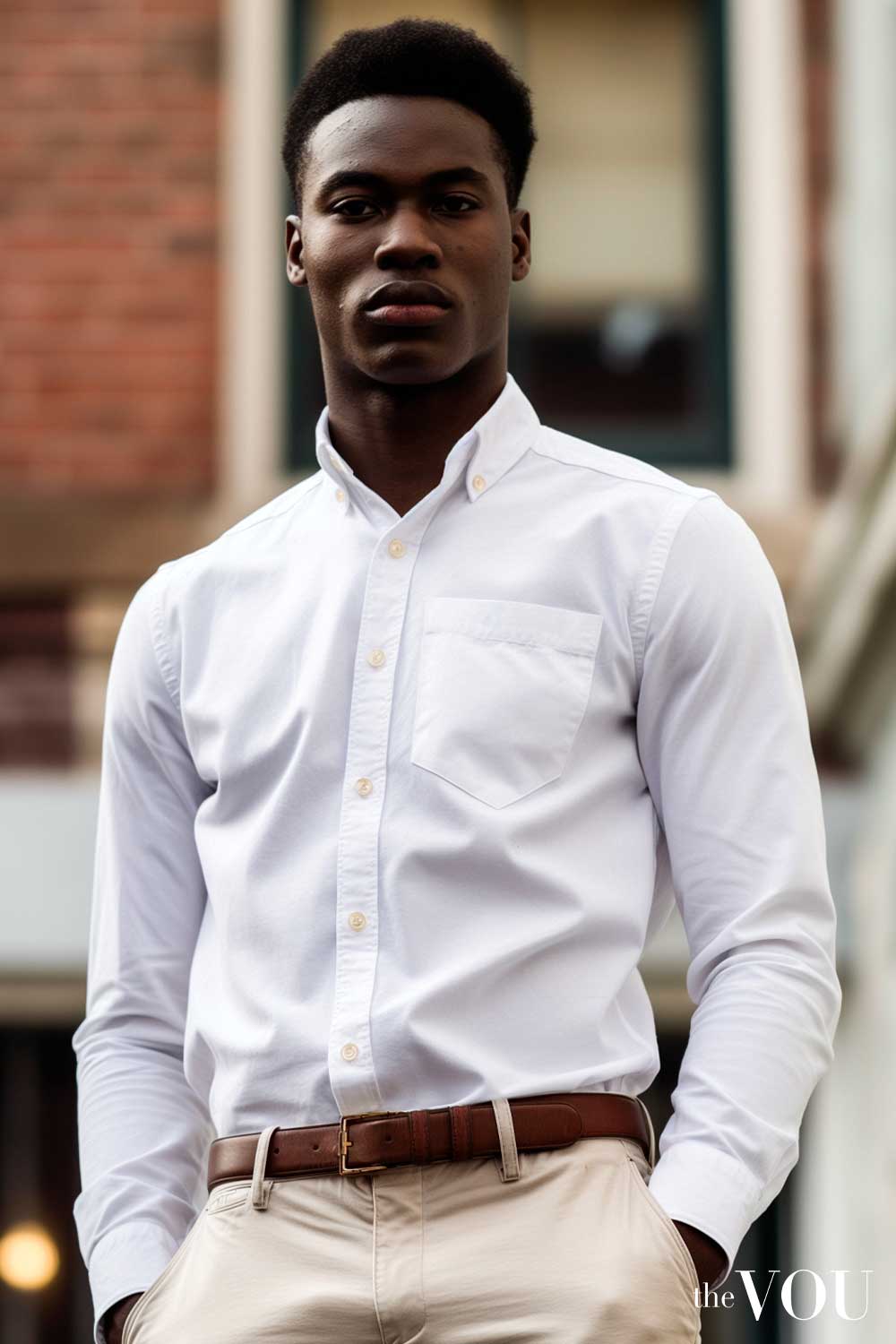
The Oxford shirt, with its button-down collar introduced by Brooks Brothers in 1896, is an American classic that Parisian dressers adopted.
It is a symbol of casual refinement, smart enough for a jacket and relaxed enough for weekends.
Polo Shirts
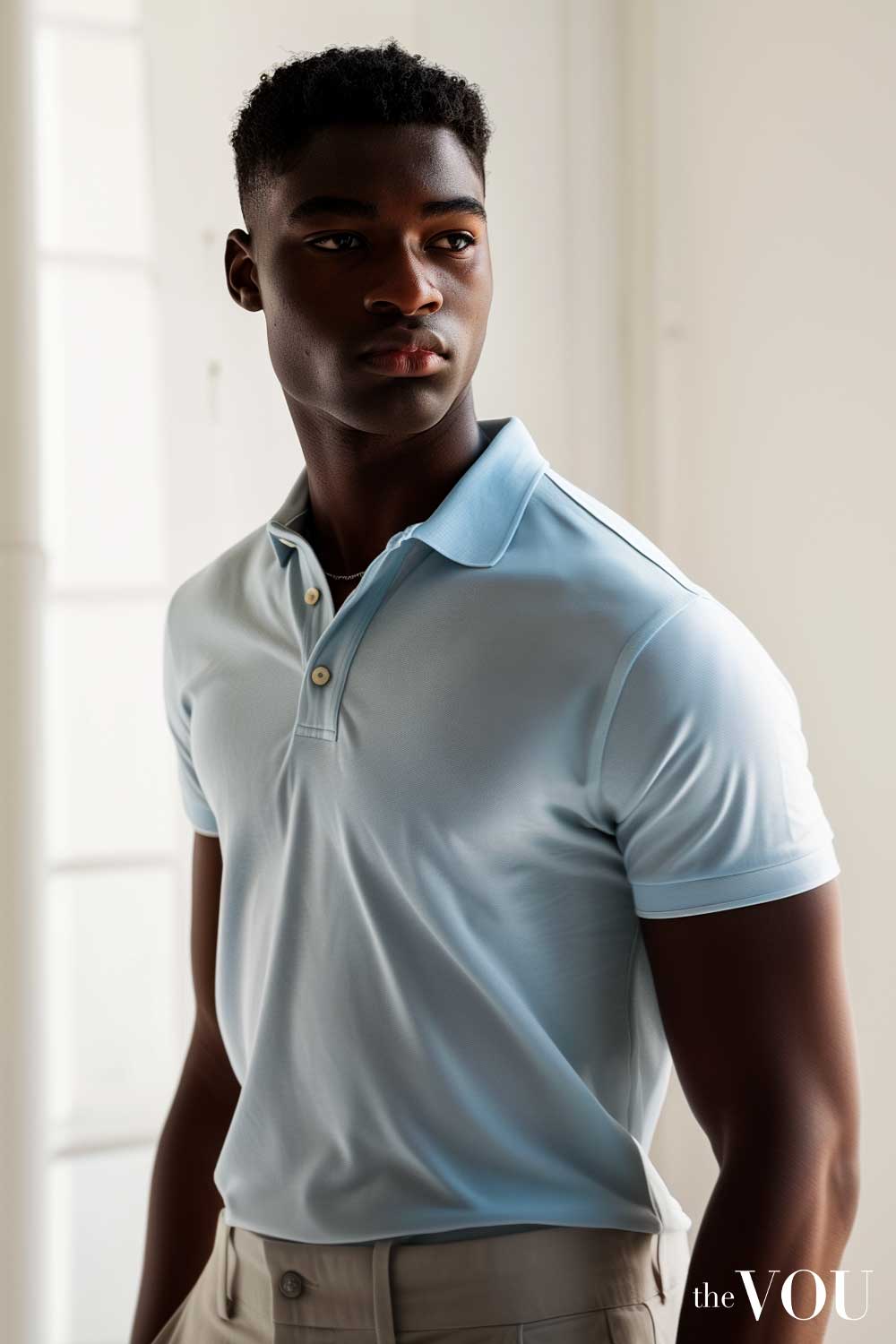
The modern polo shirt owes much to the French tennis champion René Lacoste, whose short-sleeved piqué shirt, sold by his company from 1933, became a classic.
It suits the smart-casual side of Parisian dressing.
Breton Stripe Tops
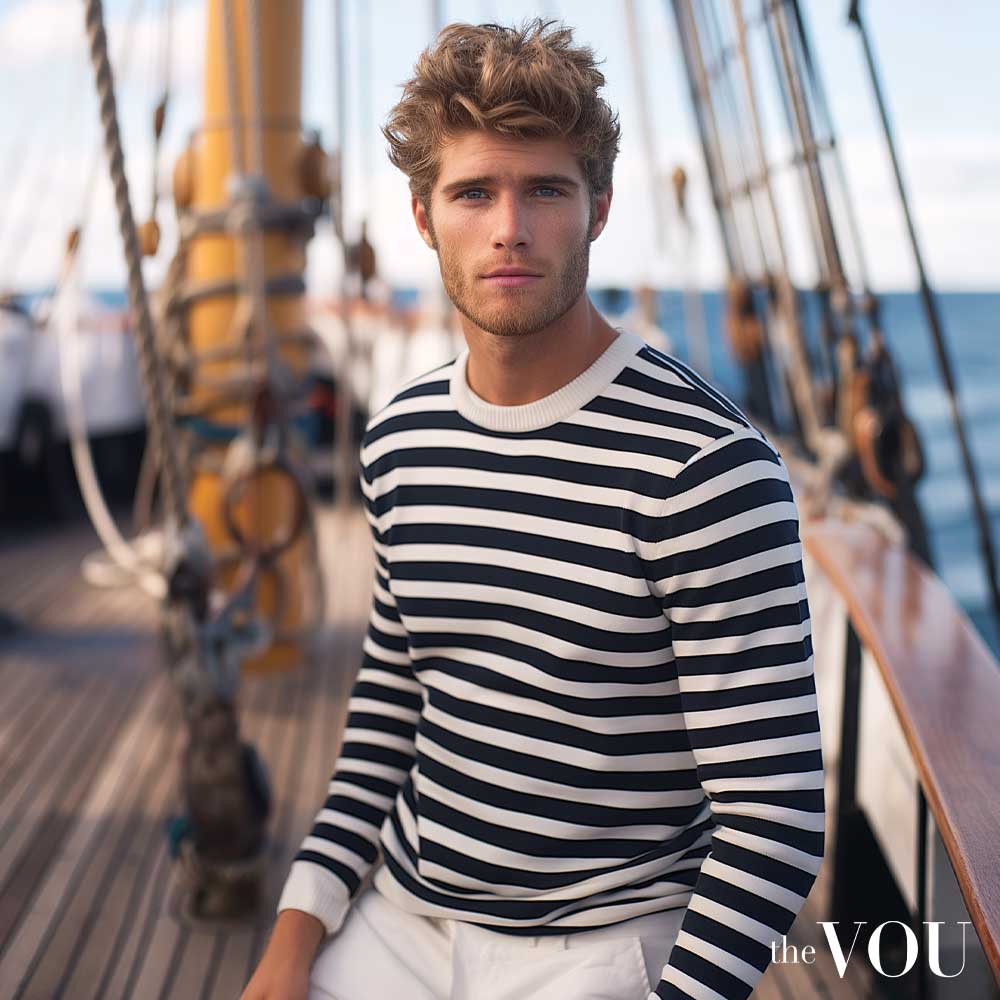
The striped knit became part of the French Navy uniform in 1858, and Coco Chanel adapted it for her 1917 womenswear collection.
It has long been associated with artists such as Pablo Picasso, photographed in one by Robert Doisneau in 1952.
Cashmere Sweaters
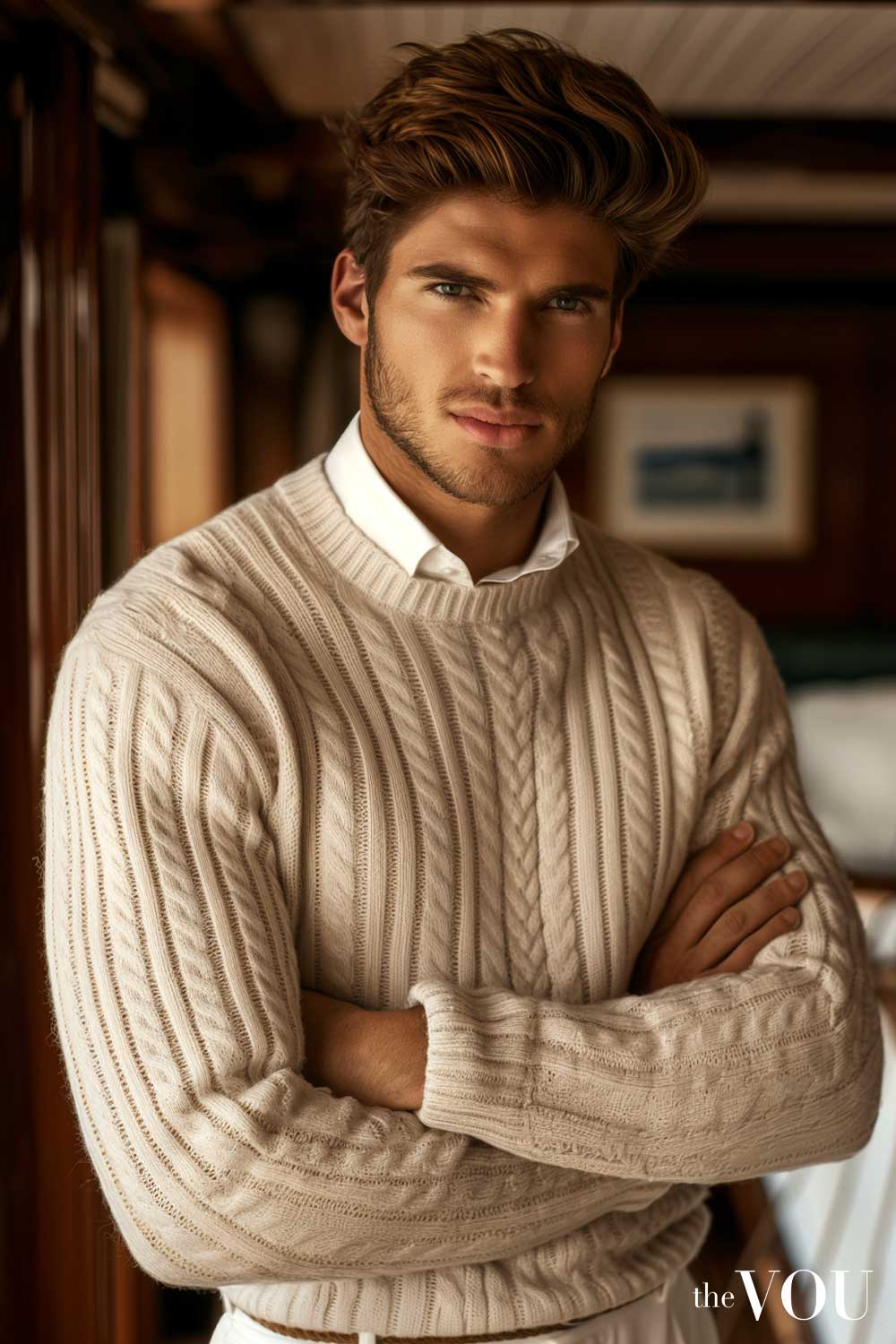
Cashmere has been prized in Europe since Kashmir shawls became fashionable in the late 18th and 19th centuries.
Today, fine cashmere sweaters are a hallmark of understated luxury.
Black Turtlenecks
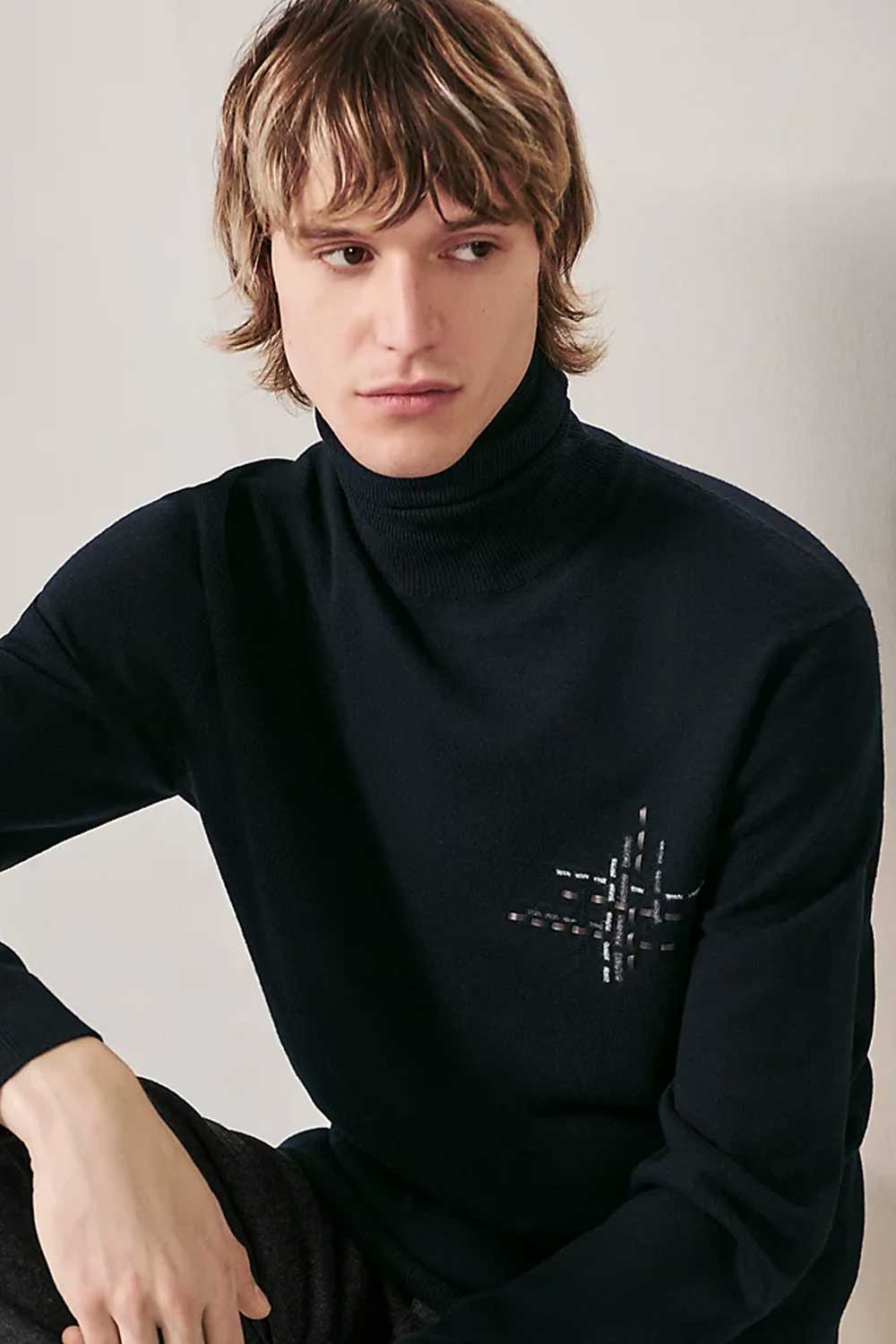
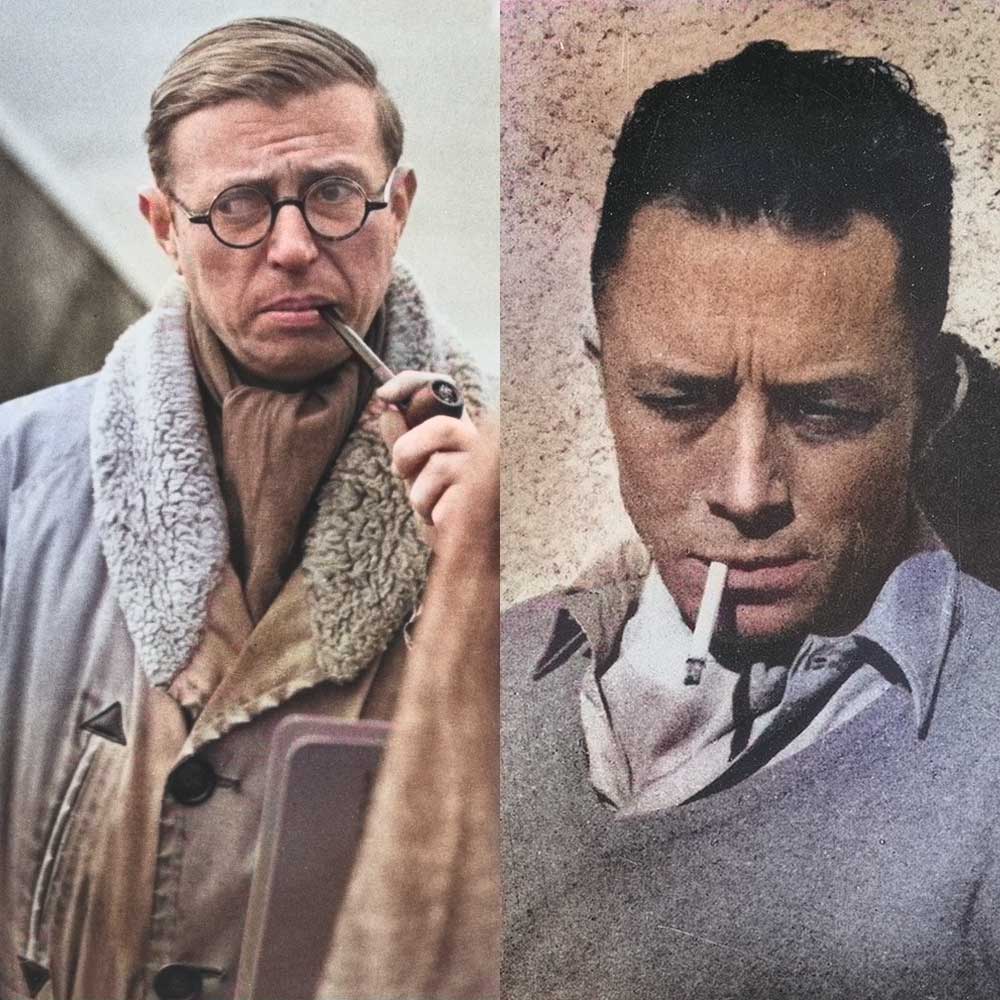
The black turtleneck became associated with Parisian intellectuals and artists in the 1950s and 60s.
Worn under a jacket, it looks quietly cultured for evening events.
Slim-Fit Chinos
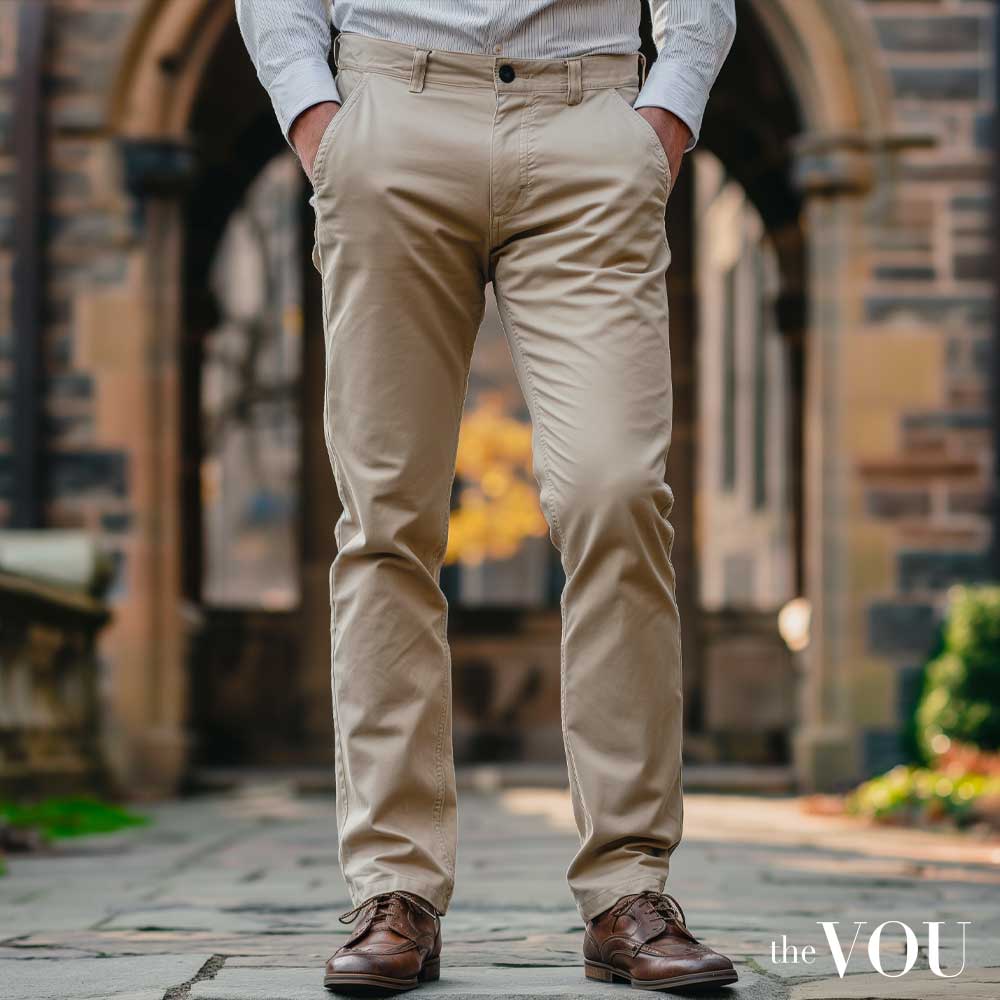
Chinos began as military cotton trousers and spread into civilian wardrobes after the Second World War.
In Paris they serve as a casual alternative to flannel trousers.
Grey Flannel Trousers
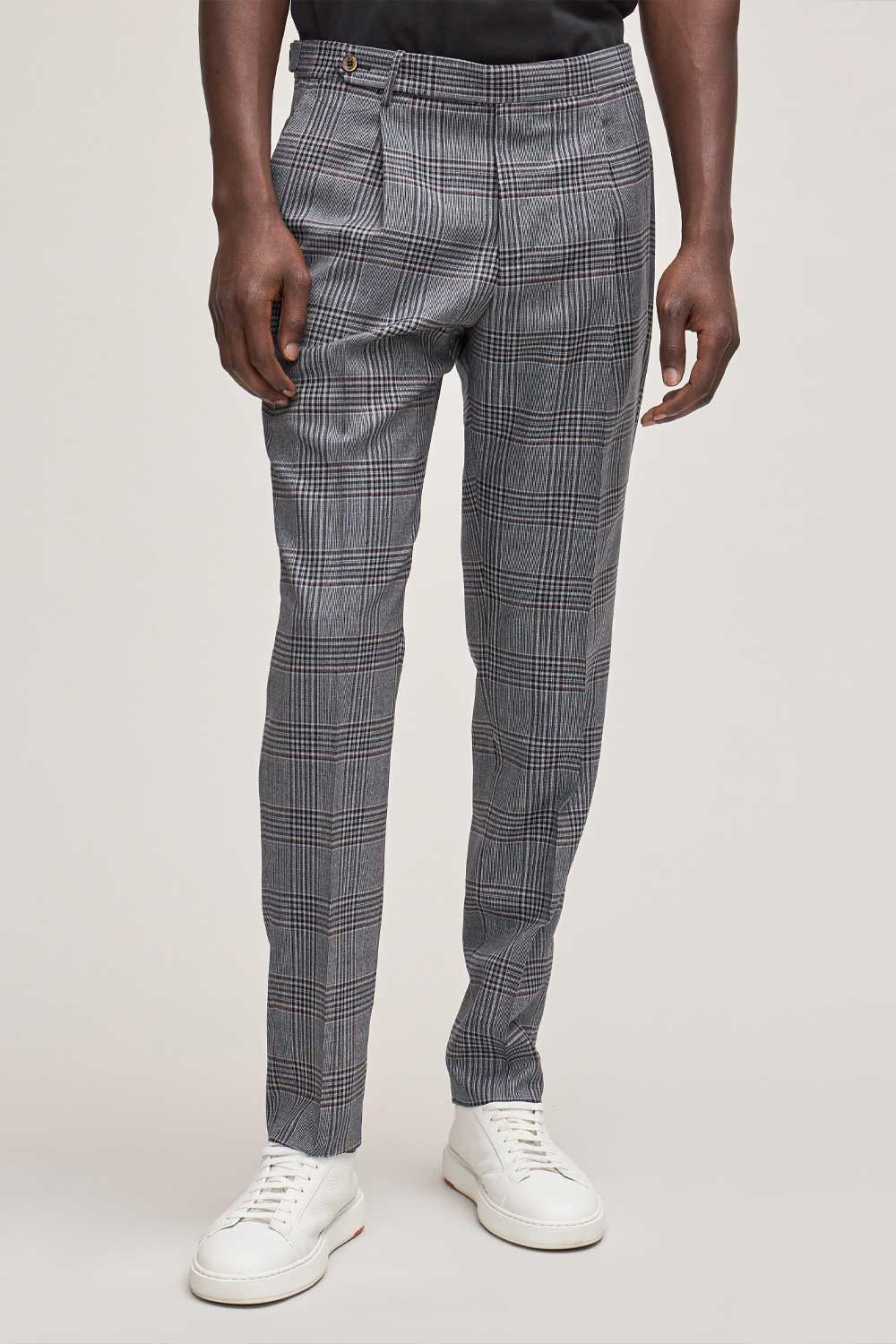
Grey flannel trousers are a classic of European casual tailoring.
The Duke of Windsor is often credited with making them fashionable for daytime wear.
Dark Wash Slim-Fit Jeans
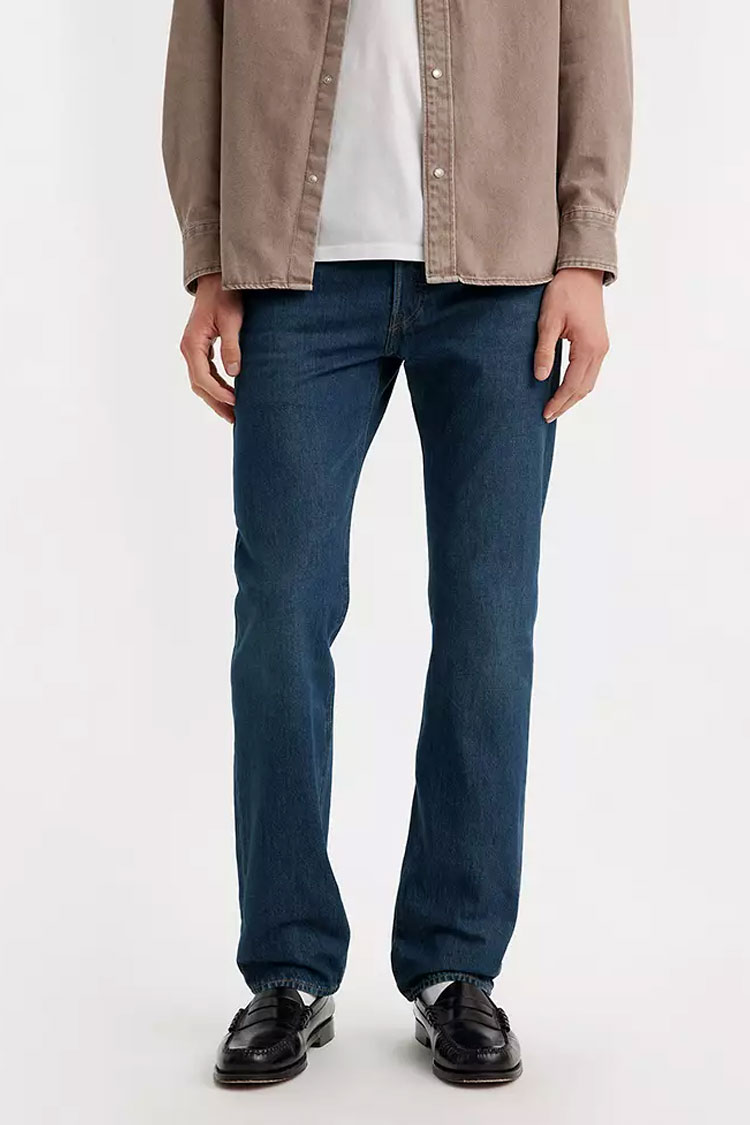
Jeans, though American in origin, became part of Paris style from the 1960s.
Serge Gainsbourg, the Paris-born singer, made jeans worn with a tailored jacket part of his well-known look.
White Sneakers
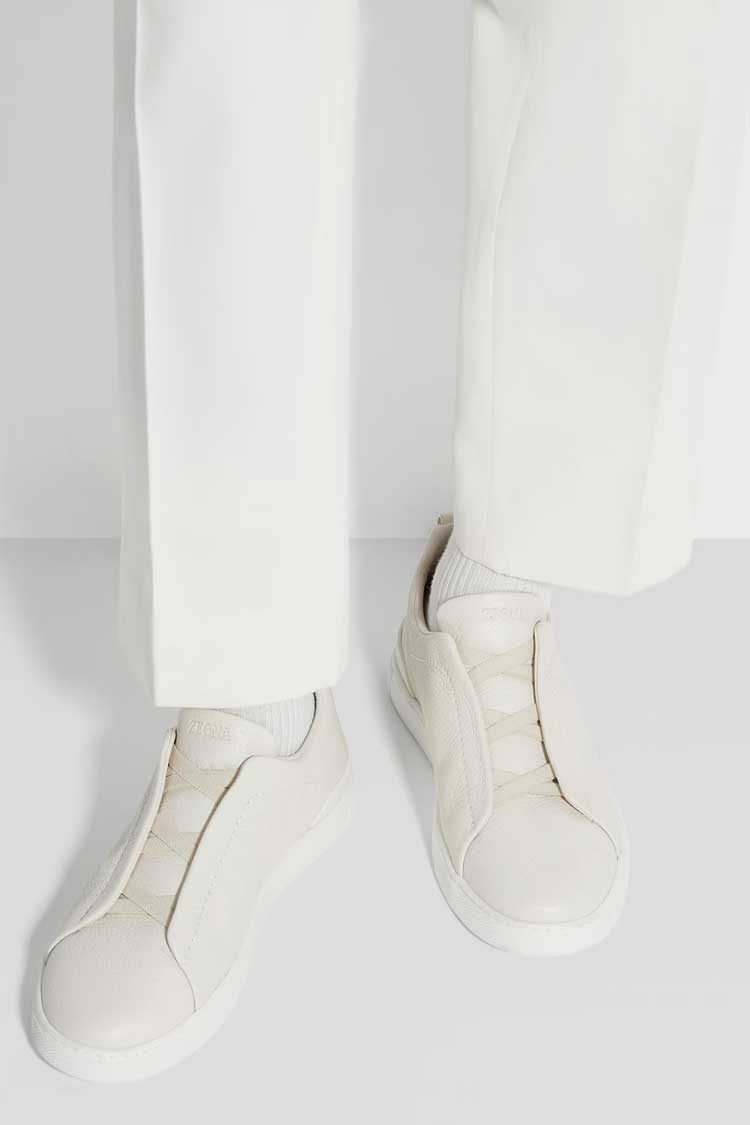
White leather trainers are now a staple of Parisian casual dress.
Their clean, minimal design suits the understated look.
Lightweight Scarves
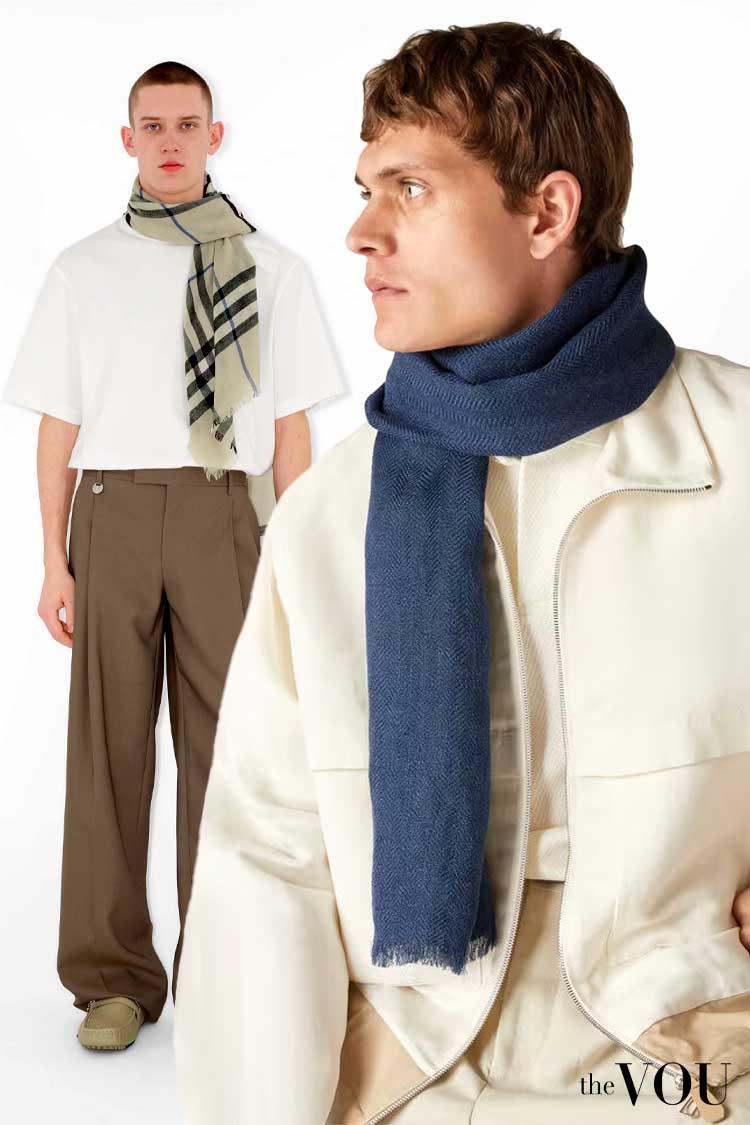
The scarf is one of the most recognisable Parisian accessories.
Hermès began making its silk scarves in 1937, and they remain a classic.
Their designs often feature equestrian motifs, a nod to the house’s origins as a harness maker.
A lightweight wool scarf worn loosely is the everyday version.
A silk scarf can also stand in for a pocket square, adding colour to a tailored jacket.
This creative approach to accessorising became a hallmark of Parisian chic, demonstrating the wearer’s confidence and individual style.
Today, a lightweight scarf casually draped around the neck remains a quintessential accessory of Parisian chic.
It suits the effortless elegance of Parisian dress.
Whether in silk for more formal occasions or fine wool for everyday wear, the scarf continues to be a subtle signifier of taste and sophistication in French society.
Parisian-Chic Style Outfit Ideas by Season
Spring
For more combinations beyond these four, see our Parisian Chic outfit ideas for men.
Here’s an excellent outfit idea perfect for strolling along the Champs-Élysées or enjoying an espresso at a sidewalk café.
Start your spring outfit with a hopsack navy blazer, the cornerstone of Parisian Chic, paired with a white Oxford shirt with the top button undone.
Continue with beige chinos cut slim through the leg and cropped just above the ankle for a quintessentially Parisian silhouette and white leather sneakers.
Accessorise with a lightweight silk scarf in muted paisley shades of blue and grey draped loosely around your neck, allowing the ends to peek out from beneath your blazer.
Complete the look with tortoiseshell sunglasses and a simple leather watch with a brown strap.
Summer
Here’s a stylish ensemble perfect for a day on the French Riviera or an evening at a chic beachside bar in Saint-Tropez.
Start your summer outfit with a classic Breton stripe top, slightly looser in fit, to keep you cool in the summer heat.
Continue with slim-fit dark wash jeans, rolled up once at the ankle, creating a timeless French coastal look.
Layer with a lightweight leather jacket in rich cognac, adding an edge to the nautical-inspired base and providing warmth for cool coastal evenings.
Slip into brown leather loafers without visible socks, a classic summer choice on the coast.
Accessorise with classic aviator sunglasses and a woven leather bracelet for that perfect touch of casual elegance.
Autumn
Here’s a sophisticated outfit ideal for an afternoon at a Left Bank art gallery or an evening at a jazz club in Saint-Germain-des-Prés.
Begin your autumn ensemble with a fine-gauge cashmere sweater in a rich burgundy, the epitome of understated luxury.
Pair this with grey flannel trousers, cut straight and ending with a slight break at polished brown suede Chelsea boots.
Layer with a classic beige trench coat, left open to reveal the rich tones beneath.
Add a silk pocket square in deep forest green, peeking from your trench coat’s breast pocket.
Complete the look with a vintage-inspired leather-strap watch and tortoiseshell reading glasses for an intellectual touch.
Winter
Here’s an elegant winter outfit perfect for attending a concert at the Philharmonie de Paris or dining at a Michelin-starred restaurant.
Start with a charcoal grey suit in a subtle herringbone pattern. The jacket is cut close to the body, and the trousers are tapered but not tight.
Underneath, opt for a black fine-knit merino wool turtleneck, adding warmth without bulk.
Layer with a camel hair overcoat; its clean lines and neutral tone complement the suit beautifully.
Choose black cap-toe Oxford shoes, polished to a high shine, and matching black leather gloves.
Accessorise with a white silk pocket square folded into a crisp peak and a minimalist silver tie clip used to secure your overcoat at the neck when the wind picks up.
Parisian Chic Style Do’s and Don’ts
Scroll horizontally to see all columns →
| Do | Don’t |
|---|---|
| Purchase and wear high-quality classic garments | Buy fast-fashion or trendy clothes |
| Prioritise fit and tailoring | Avoid clothes that look too big or too tight |
| Stick to a natural colour palette | Don’t wear flashy colours or patterns |
| Accessorise subtly | Over-accessorise or wear flashy jewellery |
| Embrace the ‘less is more’ philosophy | Try too hard or appear overly styled |
Do
Wear top-quality, timeless garments
The foundation of Parisian Chic is a wardrobe of well-made, classic garments. Invest in a perfectly tailored navy blazer, a quality trench coat, and well-cut trousers.
These garments will serve you well for years, embodying the French appreciation for longevity and style over fleeting trends.
Prioritise fit and tailoring
Proper fit is crucial in Parisian style. Ensure your clothes are tailored to your body shape.
Trousers should have the right break, jackets should fit perfectly on the shoulders, and shirts should be neither loose nor tight.
A well-fitted garment elevates even the simplest outfit.
Stick to a neutral colour palette
Parisians favour a sophisticated, muted colour palette so build your wardrobe around neutrals like navy, grey, beige, and white.
These colours are easy to mix and match, creating a cohesive and elegant look.
Master the art of subtle accessorising
Accessories should complement, not overwhelm, your outfit.
A carefully chosen watch, a quality leather belt, or a silk pocket square can add personality to your look without appearing ostentatious.
Embrace the ‘less is more’ philosophy
Parisian style is about understated elegance. Aim for simplicity and refinement in your outfits.
A crisp white shirt paired with well-cut trousers can be more impactful than an overly complicated ensemble.
Don’t
Don’t follow fast fashion trends
Resist the urge to buy into every passing trend. Fast fashion garments often lack the quality and timeless appeal that are hallmarks of Parisian style. Instead, focus on building a wardrobe of classic garments that will stand the test of time.
Don’t wear oversized or ill-fitting clothes
Avoid clothes that look too big or too tight; the classic Parisian silhouette is close but comfortable.
Oversized T-shirts, sagging trousers and jackets with shoulders wider than your own break that line.
Don’t opt for loud, flashy colours or patterns
While a pop of colour can be stylish, avoid outfits dominated by bright or neon hues.
Similarly, steer clear of large, bold patterns or logos.
These can appear gauche and go against the subtle sophistication of Parisian style.
Don’t over-accessorise or wear flashy jewellery
Avoid wearing several statement garments or accessories at once or sporting overly flashy jewellery.
A simple, elegant watch or classic cufflinks are often all you need to complete a Parisian-inspired look.
Don’t try too hard or appear overly styled
The essence of Parisian chic is an air of effortlessness. Avoid outfits that look too contrived or ‘put together’.
The goal is to appear stylish without seeming like you’ve spent hours in front of the mirror.
French Chic Style vs Similar Styles
BCBG (Bon Chic, Bon Genre): This French style, associated with the upper-middle class, shares many similarities with Parisian Chic’s emphasis on quality and understated elegance. However, BCBG incorporates preppy details and tends to be more conservative and traditional.
French Riviera Style: While Parisian Chic favours a more muted palette and tailored silhouettes, French Riviera style uses a lighter, sun-bleached palette with the odd bright accent, lighter fabrics and relaxed fits, reflecting the coastal, leisure-oriented roots.
Parisian Bobo (Bourgeois-Bohème): This style combines Parisian Chic basics with a more eclectic, artistic sensibility. While it emphasises quality and understated elegance, the Bobo style incorporates more vintage garments with artistic prints and unconventional pairings.
Preppy Style: Originating from American Ivy League schools, Preppy style shares Parisian Chic’s emphasis on classic garments and quality. However, it tends to be more colourful and pattern-heavy, with a distinctly American aesthetic.
Italian Old Money Style. The Italian aristocratic way of dressing shares Parisian Chic’s focus on well-tailored clothes from high-quality materials but in brighter colours and patterns.
The Italian style also makes great use of sprezzatura or studied nonchalance.
British Sloane Ranger Style: Associated with upper-class young people in London, this style shares some traits with Parisian Chic, such as the emphasis on quality.
However, the Sloane Ranger look is more traditional and less minimalist.
Parisian Chic style continues to inspire men’s fashion worldwide.
Its enduring appeal lies in its perfect balance of sophistication and nonchalance, a combination that seems effortless but is, in fact, carefully cultivated.
However, it’s important to remember that true Parisian Chic is not about slavishly following rules but developing a personal style that reflects these ideals.
It’s about finding the perfect balance between respect for tradition and individual expression.
In today’s fast-paced fashion world, where trends come and go at dizzying speeds, the timeless elegance of Parisian Chic offers a refreshing alternative.
It encourages a more thoughtful, sustainable approach to dressing that values quality over quantity and classic styles over ephemera fast-fashion trends.
Ultimately, Parisian Chic is more than just a way of dressing but a philosophy that extends to one’s entire approach to life.
Style Like A True Gentleman
Many image consultants work in a similar order, and you can follow it yourself.
Professional styling usually starts with your body shape and seasonal colour palette, which help you choose clothes that fit well in colours that work with your skin, eyes and hair.
From there, it is easier to dress for the occasion, location, season and time of day, choosing garments, footwear and accessories, including designs from heritage fashion brands where they suit you.
You can start on your own with our three quizzes, then book a consultation if you would like personal help.
1. Check Your Body Shape
Different garments suit different silhouettes, so knowing your body shape is a practical first step.
Take our body shape quiz for men.
2. Find Your Seasonal Colours
The garments in your outfits come in many colours, and some work better with your natural colouring than others.
To explore your seasonal colour palette, take our seasonal colour quiz for men.
3. Find Your Fashion Style
Next, look at your personal fashion style.
Our fashion style quiz for men suggests a style, outfit ideas and brands to explore.
Personal Help from The VOU
If you would like personal help, you can ask our image consultants and fashion stylists.
Our styling services for men are paid consultations; the shop page lists what each one includes.
Wearing luxury brands is not enough on its own; knowing your body shape, colour palette and personal style comes first.
Contact us to book a consultation.