
Start here
What’s This About
Bohemian style began with the artists of 19th-century Paris and runs through the Aesthetic Movement, the Beats and the hippies, and this guide shows how men can wear its relaxed, crafted, well-worn look today.
It covers the practical side of the look, such as:
where the word bohemian comes from, told accurately
how the look changed from Paris garrets to the Beat Generation
the fabrics, colours and garments of a men’s Bohemian wardrobe
outfit ideas for everyday, evening, festival, work and special occasions
and many more!
You can borrow one Bohemian detail or build a whole wardrobe; both work.
Key Points
01The French word bohémien was long used for Romani people, who reached France in the 15th century and were wrongly thought to have come from Bohemia; from the 1840s it came to mean unconventional artists.
02Men’s Bohemian dress has always mixed worn, practical clothing with artistic touches, from Paris studios to Oscar Wilde’s velvet and the Beats’ workwear.
03A modern Bohemian wardrobe leans on natural fibres, earthy colours, softened leather, embroidery and print used in moderation.
04Avoid costume: name a craft tradition when you borrow it, and let one or two expressive garments sit in an otherwise simple outfit.
Bohemianism is a cultural movement as much as a fashion style, born from rejecting conventional social norms, a philosophical foundation essential for understanding how to style Boho-Chic fashion in contemporary times.
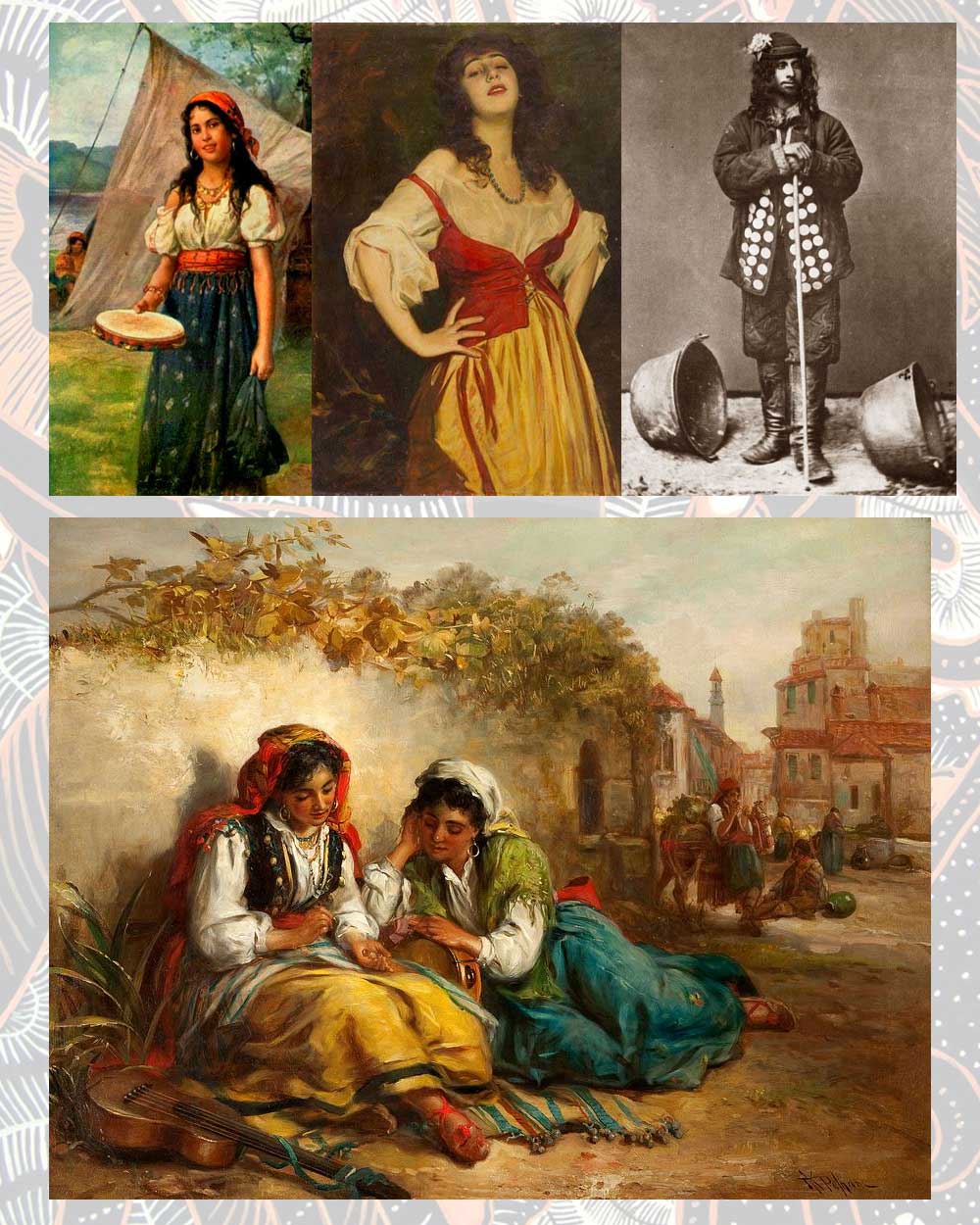
The French word bohémien was long used for Romani people, who reached France in the 15th century and were wrongly believed to have come from Bohemia (the western and central part of today’s Czech Republic).
In the 1840s, the writer Henri Murger’s stories of poor young artists in Paris gave the word its second meaning: someone who lives an unconventional, artistic life.
Bohemian Fashion Through the Ages
Early Bohemian Style (1830s-1900s)
The earliest manifestations of male Bohemian fashion emerged in the artistic quarters of Paris, particularly the Latin Quarter and Montmartre.
Early Bohemians were gathered in urban artistic communities and had a distinctive aesthetic that continued to influence fashion for generations to come.
Living in urban areas in close-knit communities that fostered a vibrant, creative, and non-conformist lifestyle, ‘Bohemians’ rejected worldly pursuits in favour of lives dedicated to art, creativity, and intellectual achievements.
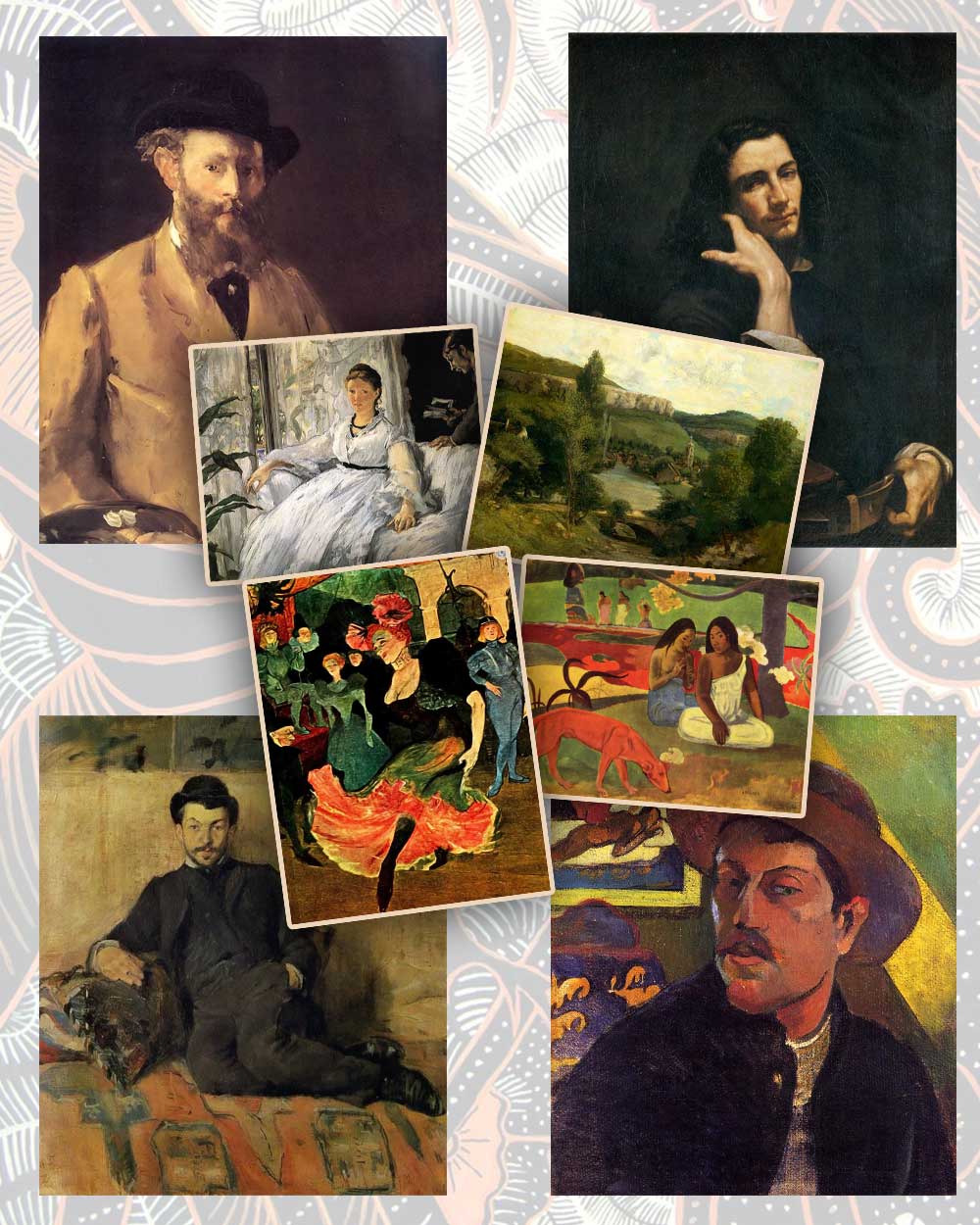
United by their rejection of bourgeois values and defined by a unique aesthetic and look, this community comprised artists and writers who became influential contributors to the cultural and artistic landscape of the time.
Men of this era crafted a deliberate aesthetic that stood in stark contrast to the rigid fashion standards of the time.
Their signature look included hair grown to the collar, which was considered rebellious at the time, and loose garments, some borrowing from Middle Eastern and Asian dress.
These early Bohemian men often wore their clothes until they became weathered and worn, out of poverty as much as principle.
Their wardrobes typically featured threadbare coats and well-worn boots, which later admirers read as a badge of artistic dedication.
The Aesthetic Revolution in Men’s Fashion
From the 1860s to the end of the century, the Aesthetic Movement in Victorian Britain influenced male Bohemian fashion.
This period saw men breaking free from the constrictive Victorian dress codes, embracing instead a more artistic and comfortable approach to clothing.
Leading figures like Oscar Wilde championed this new aesthetic, wearing velvet smoking jackets, loose-fitting shirts crafted from the finest silk, and elaborately tied cravats.
These choices represented not just a fashion statement but a broader rebellion against societal constraints on male dress and behaviour.
Beat Generation Redefining Bohemian Style
The 1950s ushered in a new interpretation of Bohemian fashion through the Beat Generation.
Writers like Jack Kerouac and Allen Ginsberg brought a more rugged note to Bohemian style, wearing plain workwear and, later, clothing that reflected their interest in Asian philosophy.
Their approach merged practical American clothing with philosophical influences from Eastern cultures, creating a unique hybrid that would influence men’s fashion for decades.
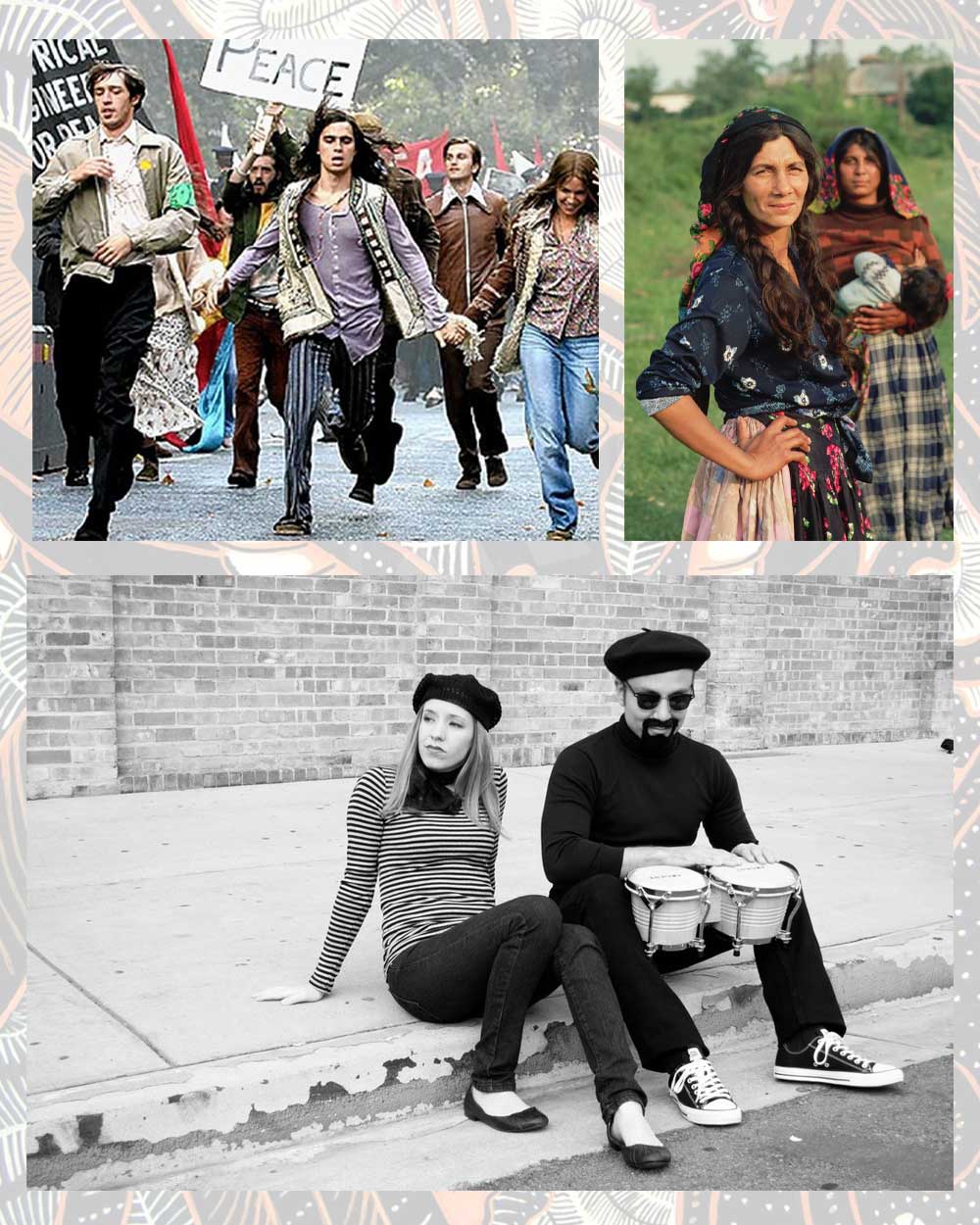
Denim and other workwear became part of the Bohemian wardrobe, partly because it was cheap and hard-wearing and partly because it set the wearer apart from office dress.
Military surplus garments became popular, repurposed and worn with an artistic flair that subverted their original utilitarian purpose.
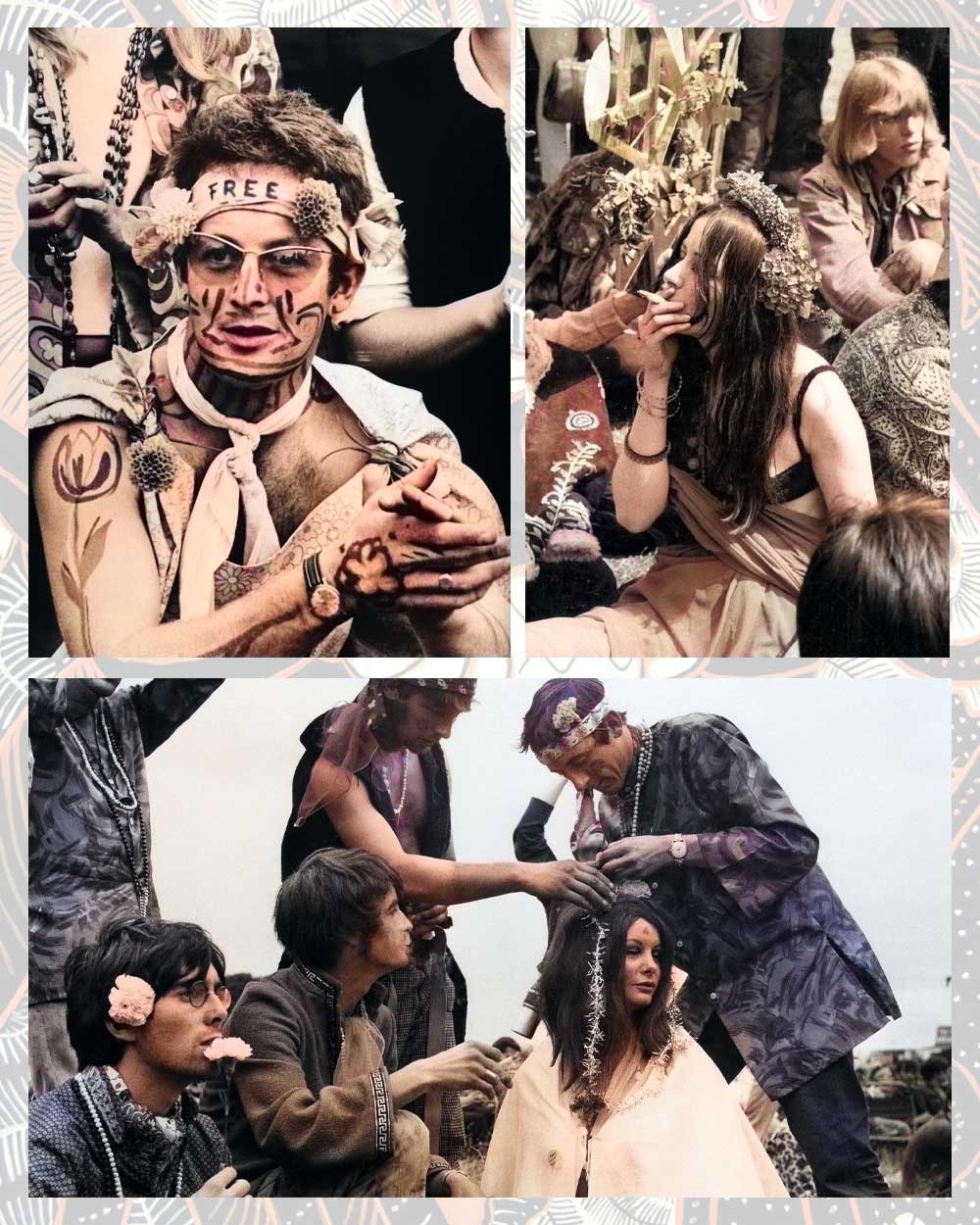
In the United States, the same spirit fed the Beats in the 1950s and the hippies in the 1960s.
Contemporary Boho-Chic Style
Modern Bohemian fashion style, or “Boho-Chic,” is a look blending aesthetics from the subculture’s origins with classic fashion styles and fashion trends.
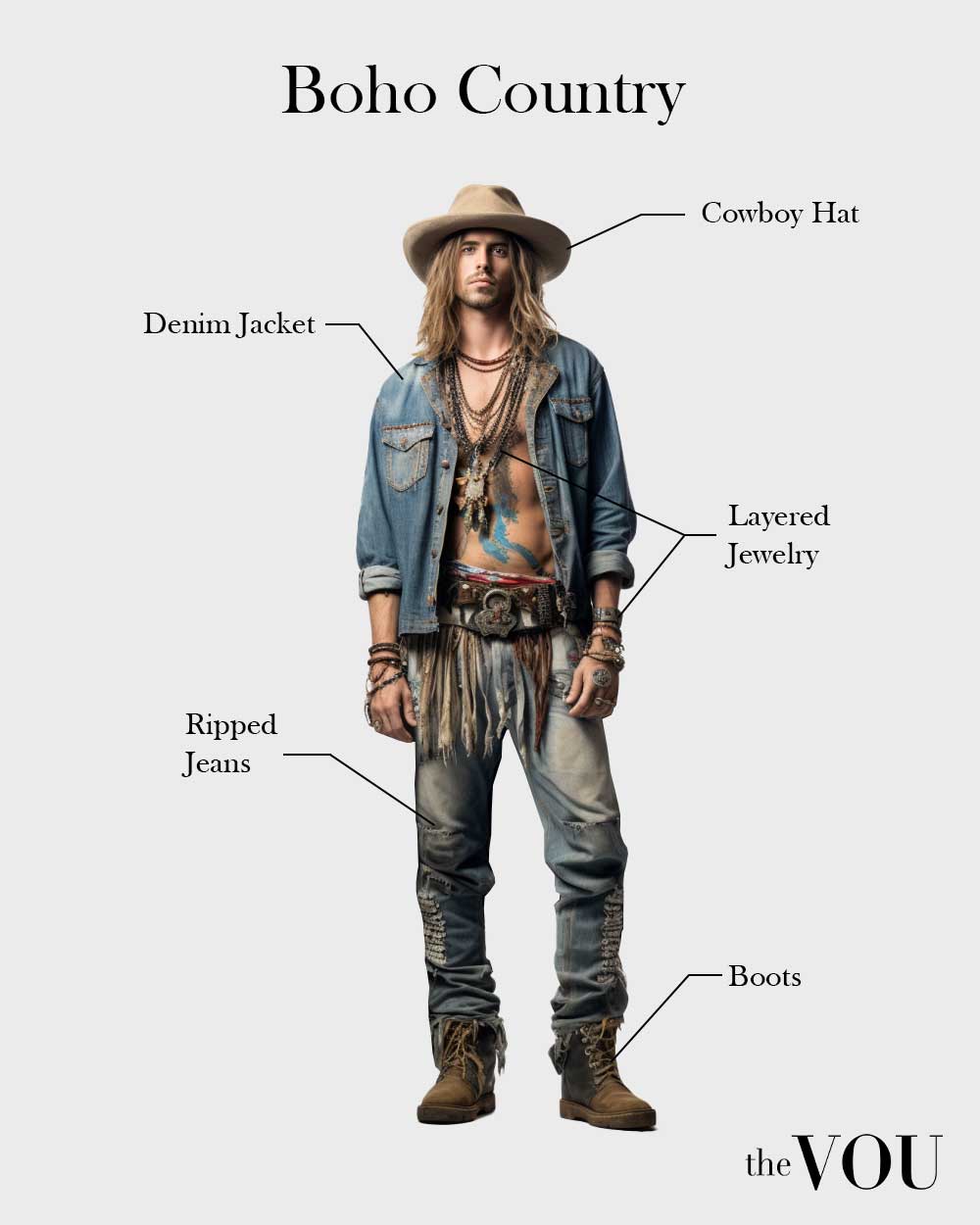
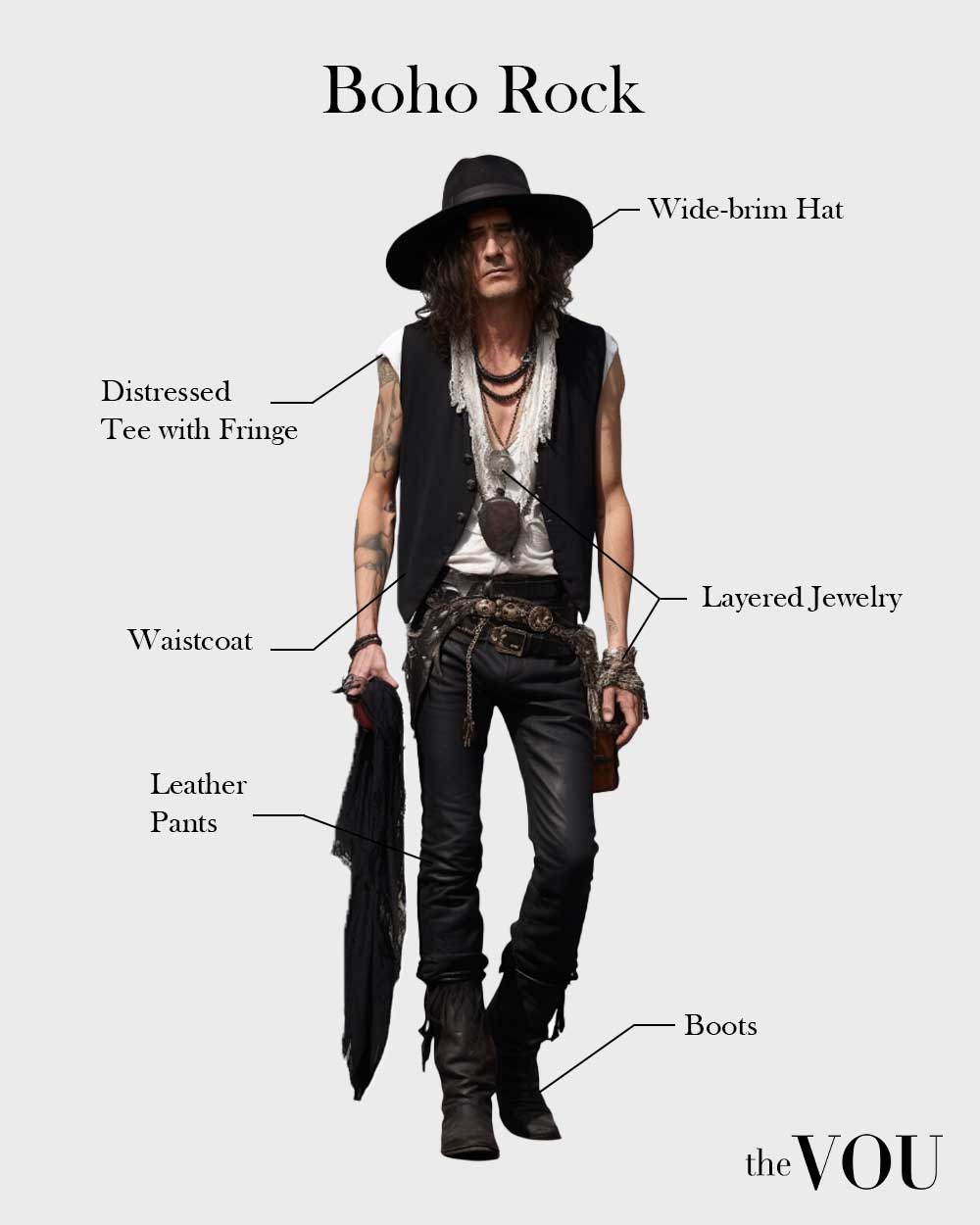
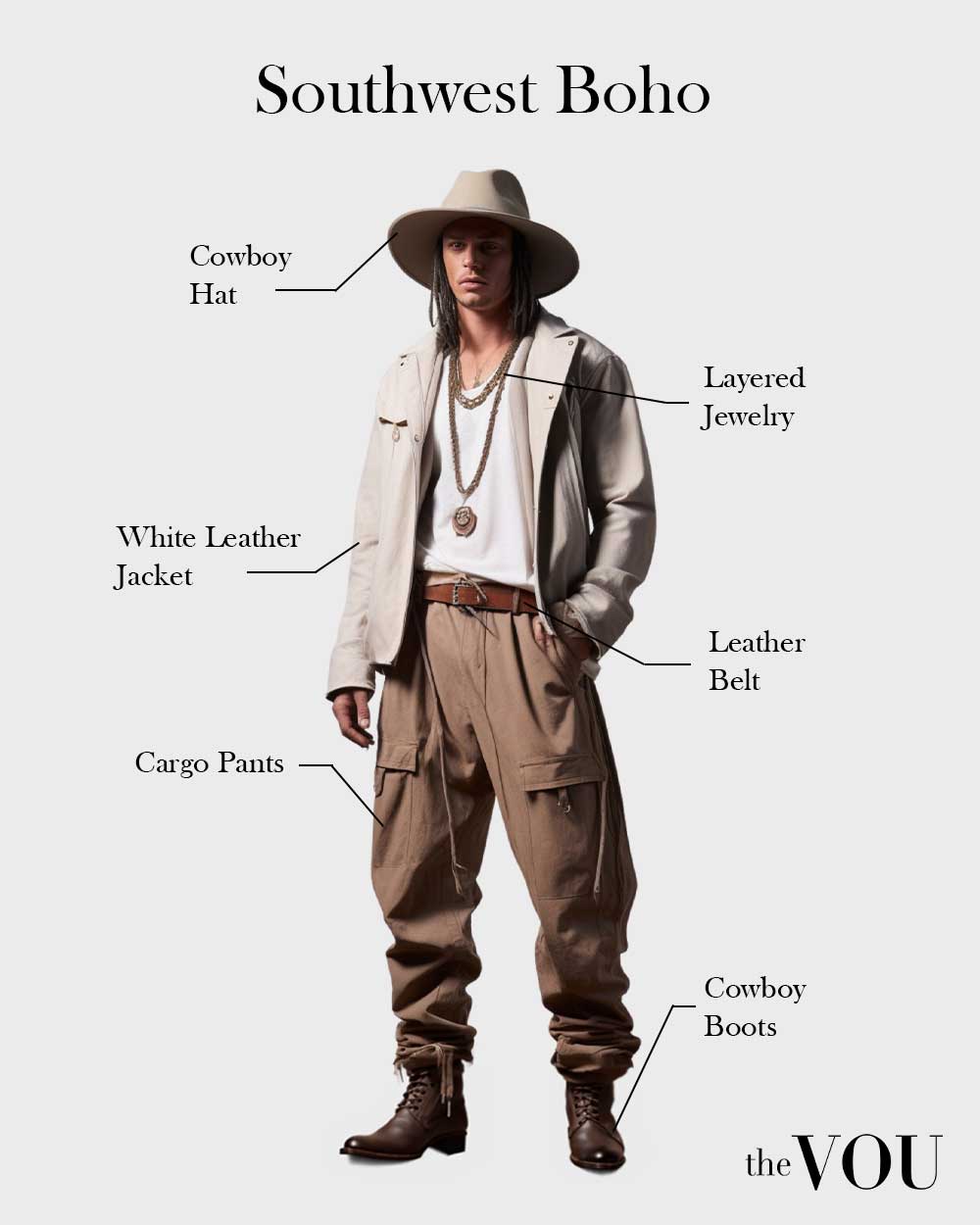
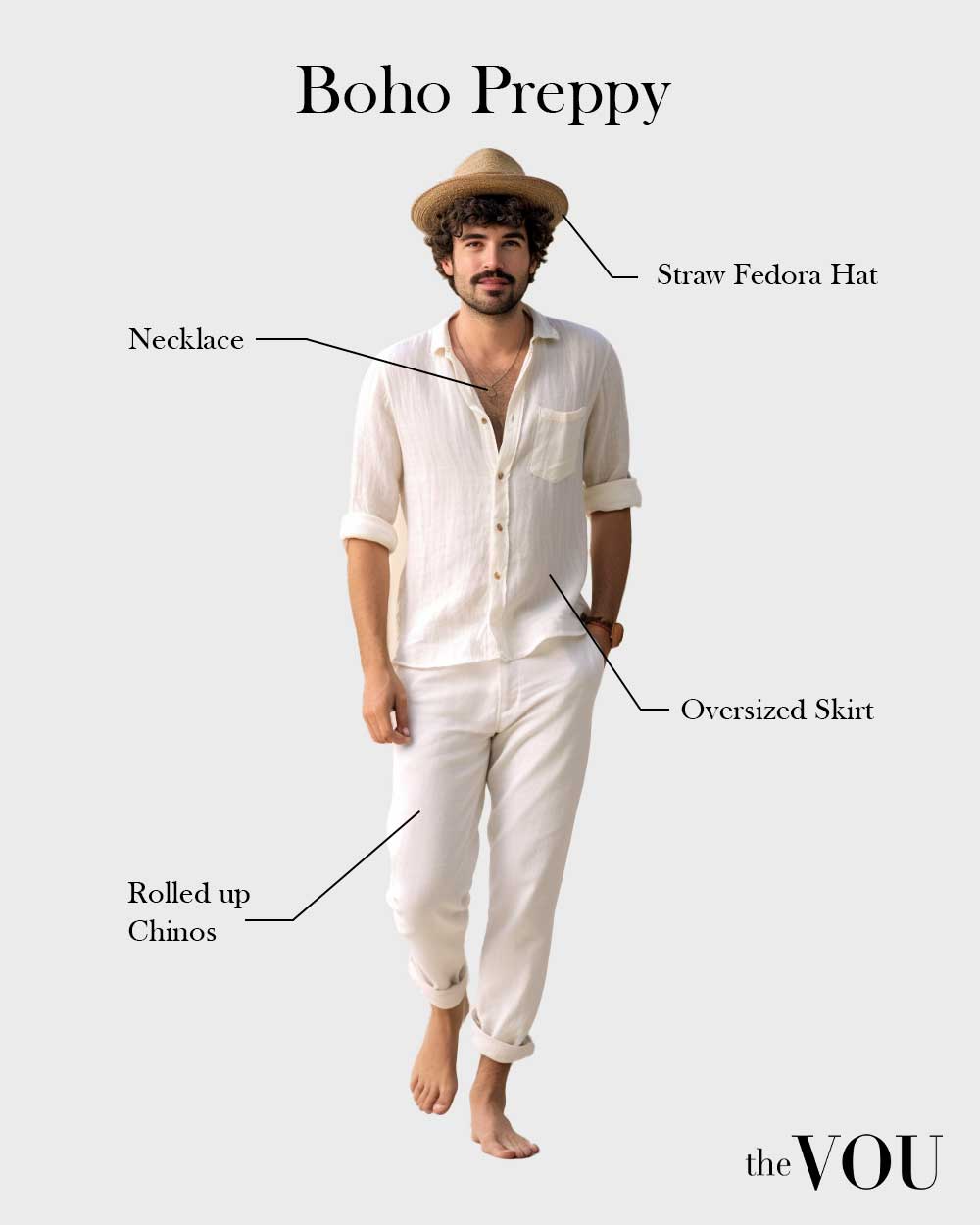
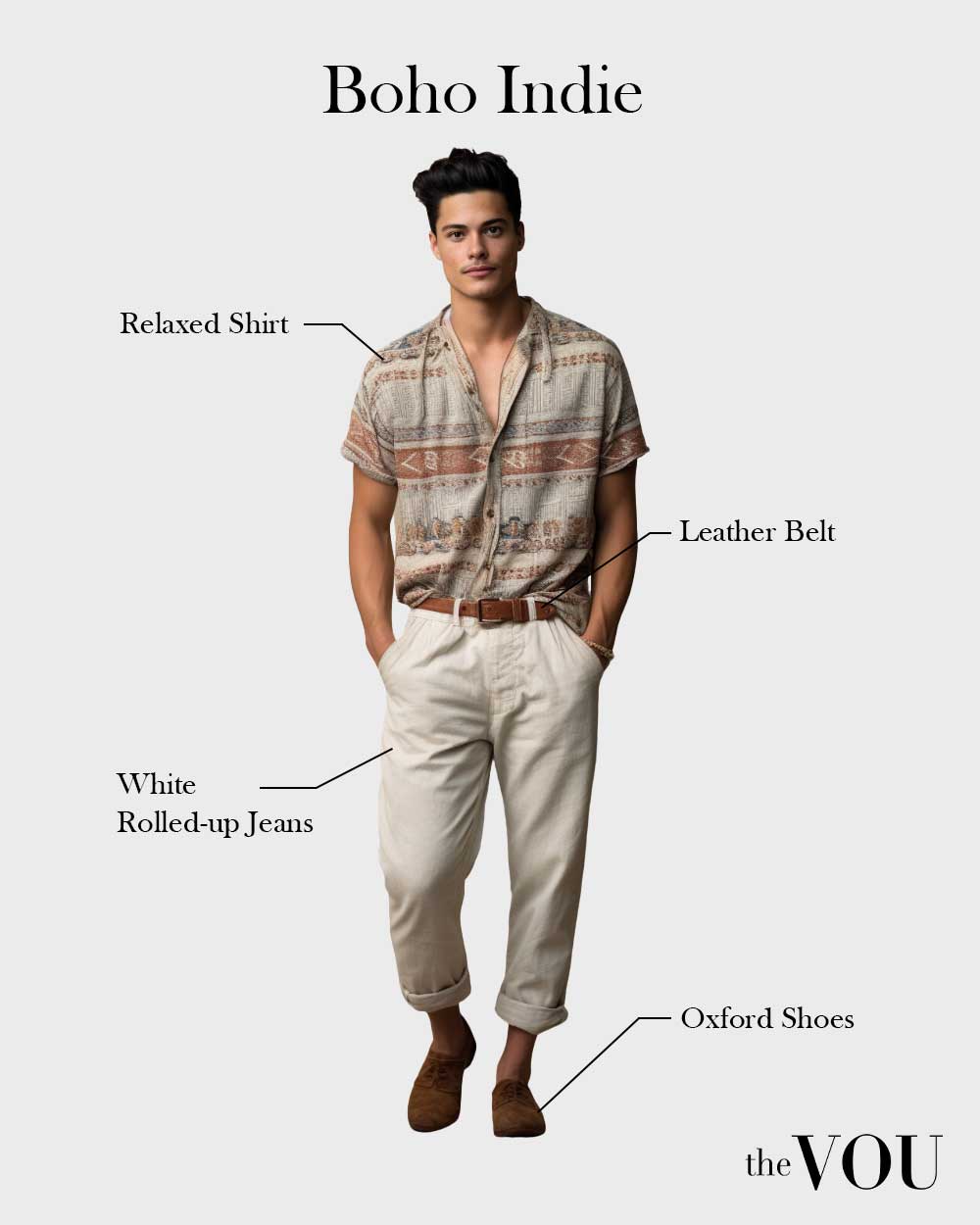
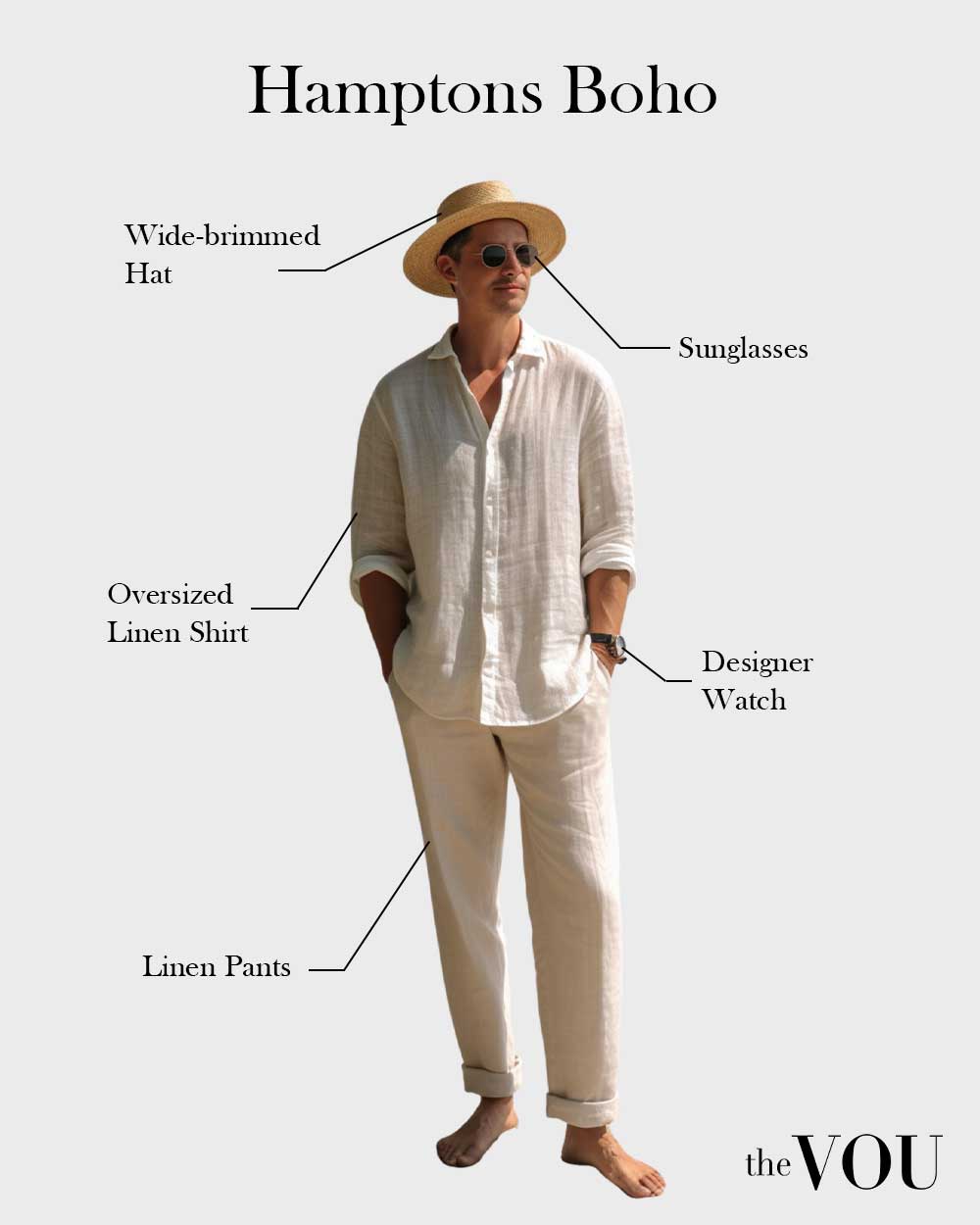
For men, the modern Bohemian look usually takes one of four directions:
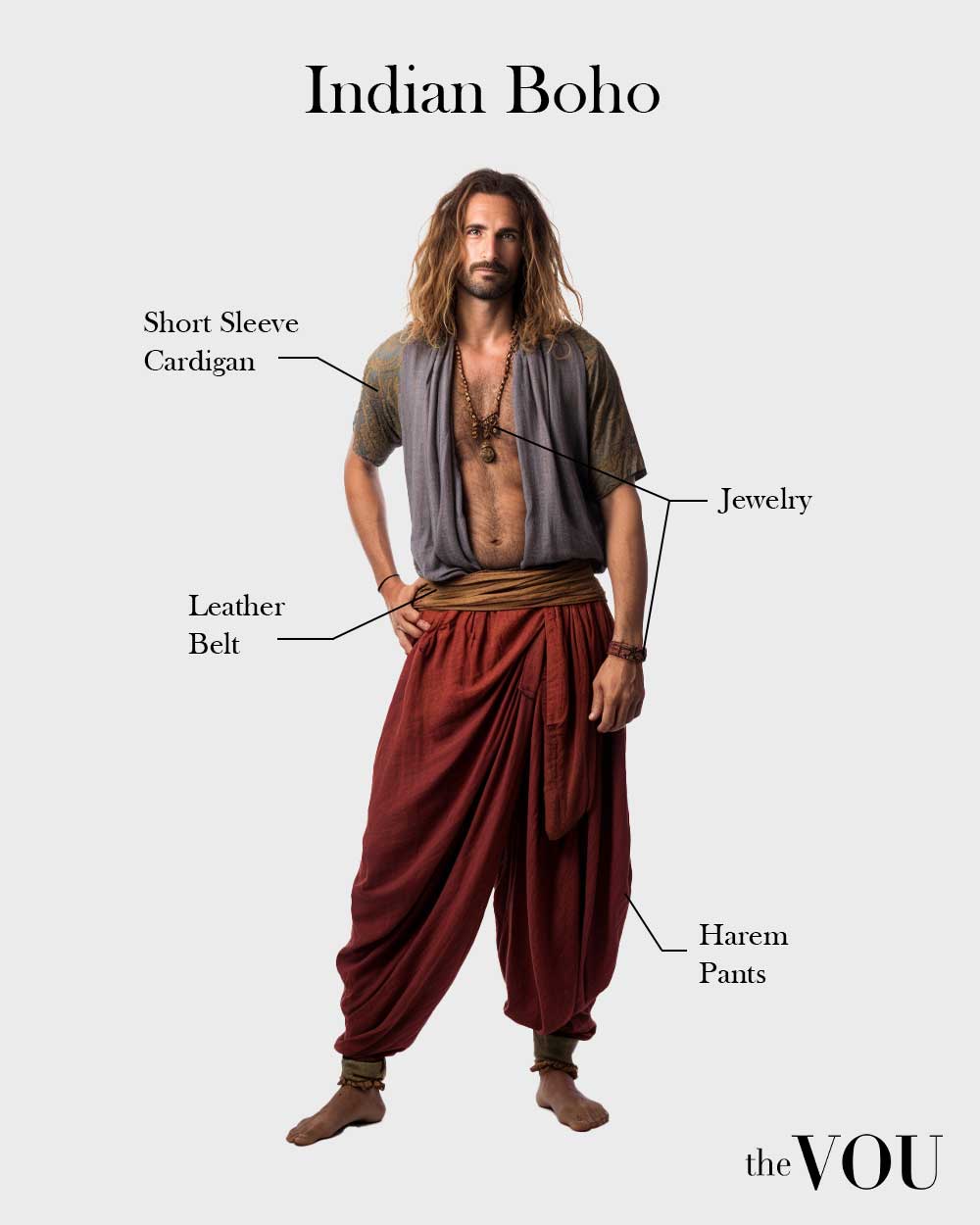
Classic Boho
Loose linen and cotton shirts, soft trousers and well-worn leather in natural, faded colours.
Hippie Boho
Borrowing from the late-1960s and 1970s hippie movement: vintage garments, fringed suede, wide-brimmed hats, brighter prints and wide-legged cotton trousers.
Rugged Boho
Combines worn denim and military surplus with patterned shirts, suede jackets and leather boots.
Luxe Boho
Incorporates details of high fashion with traditional bohemian aesthetics, resulting in an overall polished look that maintains uniqueness and creativity.
Classic Bohemian Style
Today’s classic Bohemian style for men centres on natural fabrics and relaxed silhouettes.
The contemporary man might pair a loose-fitting linen shirt with carefully weathered leather accessories.
The key lies in selecting garments that appear to have a story behind them: clothing that speaks of adventures and places visited.
Natural fibres play a crucial role in this look; for example, linen shirts are left intentionally wrinkled, celebrating the fabric’s natural properties rather than fighting against them.
Leather accessories should be chosen for their ability to develop a rich patina over time, becoming more beautiful with age and use.



Rugged Bohemian Style
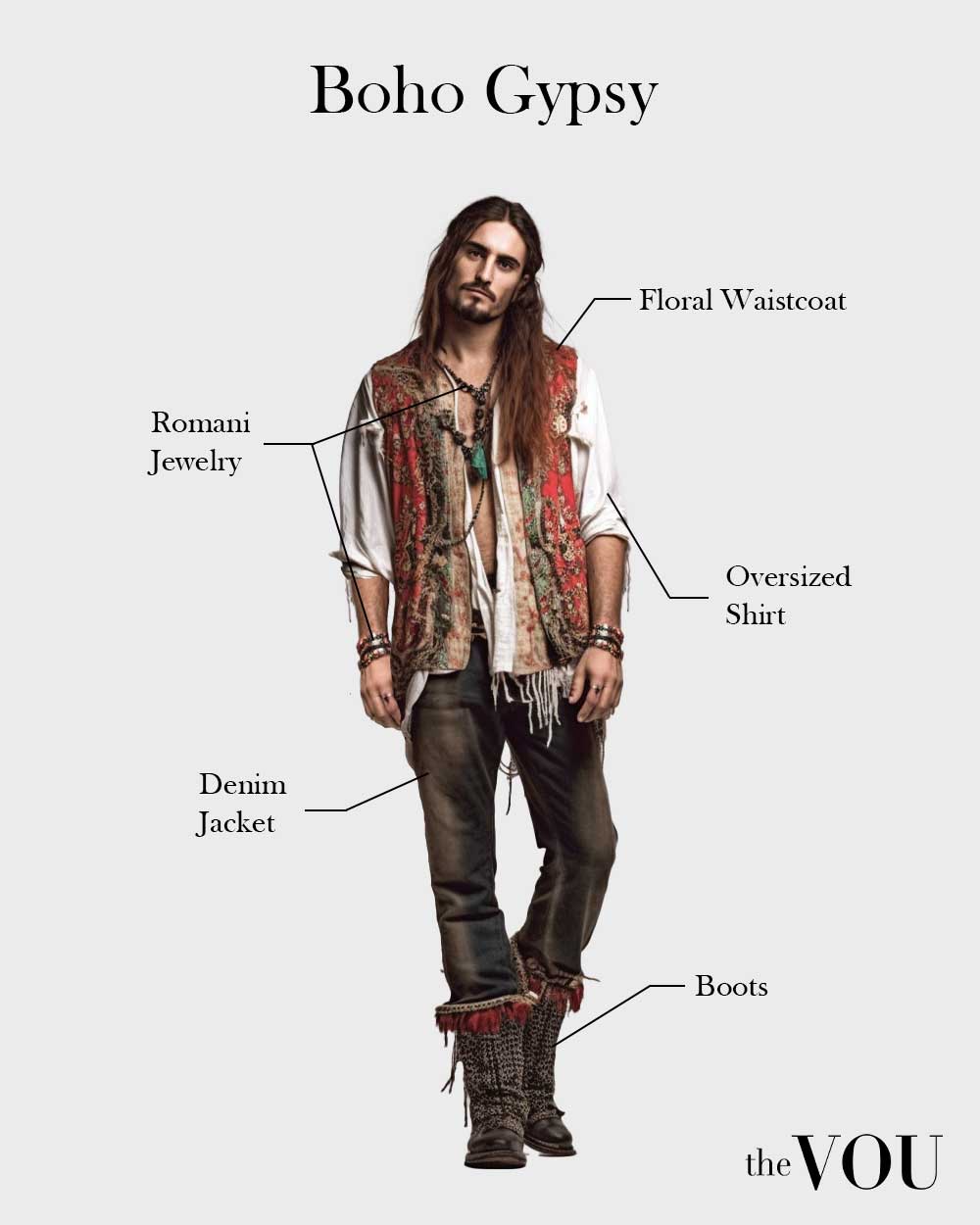
The rugged Bohemian approach combines details of workwear with artistic touches.
This style features well-worn denim jackets adorned with personal touches, such as patches from travels or hand embroidery.
Military-inspired garments serve as the foundation, but their utilitarian nature is softened through artistic styling and unexpected combinations.

Luxe Bohemian Style
For those seeking to merge Bohemian sensibilities with luxury, the contemporary market offers numerous options.
This might include handwoven cashmere scarves, artisanal leather goods crafted by master workers, or bespoke jackets featuring traditional embroidery techniques.
The key to luxe Bohemian style lies in selecting garments that celebrate craftsmanship while maintaining the essential Bohemian spirit of artistic expression.

Modern Bohemian Style Essentials
Key Materials
The foundation of authentic Bohemian style rests heavily on material choice.
Natural fibres usually dominate the wardrobe, especially cotton, raw silk, linen and wool.
Many men find them comfortable, and they show wear in an attractive way, developing character over time.
Key Colours
The colour palette of men’s Bohemian fashion draws inspiration from nature and global artistic traditions.
Earth tones serve as the foundation: rich browns, warm tans, and deep greens provide a sophisticated base.
These are often accented with more vibrant hues inspired by traditional textiles from around the world.
Bohemian Style Essential Wardrobe
The Bohemian wardrobe celebrates craftsmanship, natural materials, and the beauty of age.
Outerwear anchors the aesthetic through distressed Italian full-grain leather jackets in rich cognac and deep burgundy tones.
These garments develop character over years of wear, their supple leather graduating from stiff to butter-soft.
Vintage denim jackets, adorned with patches from travels or hand embroidery, speak of adventures past and future.
Suede jackets in sand and tobacco tones gain richness through natural ageing, while military surplus garments bring rugged authenticity through their faded olive and khaki patinas.
Natural fabrics dominate the foundation garments. Matka silk, Tussar silk, and wild silk shirts catch the light differently, thanks to irregular surfaces creating depth in rich earth tones of rust and terracotta.
Loose linen shirts in natural ecru and stone grey embrace their inherent texture, becoming more distinctive with each wash.
Hand-loomed cotton garments feature subtle variations in their weave, evidence of their artisanal origins.
Vintage-washed cottons carry paisleys and hand block prints, such as those from India’s long block-printing tradition.
Trousers ground these expressive garments through considered simplicity. Raw selvedge denim ages naturally, creating unique wear patterns that document its journey.
Wide-leg wool trousers in herringbone patterns offer sophisticated texture, while linen garments in oatmeal and olive tones bring breezy nonchalance.
Traditional cotton trousers, hand-loomed with subtle stripes, reference global craft traditions.
Footwear requires equal thoughtfulness. French calfskin and Spanish cordovan boots in cognac and chocolate tones are foundational.
Hand-tooled leather sandals display artisanal details, while woven calfskin loafers bring texture to warmer months.
Desert boots in tobacco and sand suedes bridge casual and refined moments, developing rich patinas through regular wear.
Accessories complete these ensembles through careful detail.
Woven leather belts aged to a rich polish, vintage silk scarves telling tales of past decades, and handcrafted jewellery in oxidised silver and brass all contribute to the narrative.
Canvas rucksacks and leather messenger bags wear their scuffs proudly, each mark adding to their character.
Modern Bohemian Style Icons
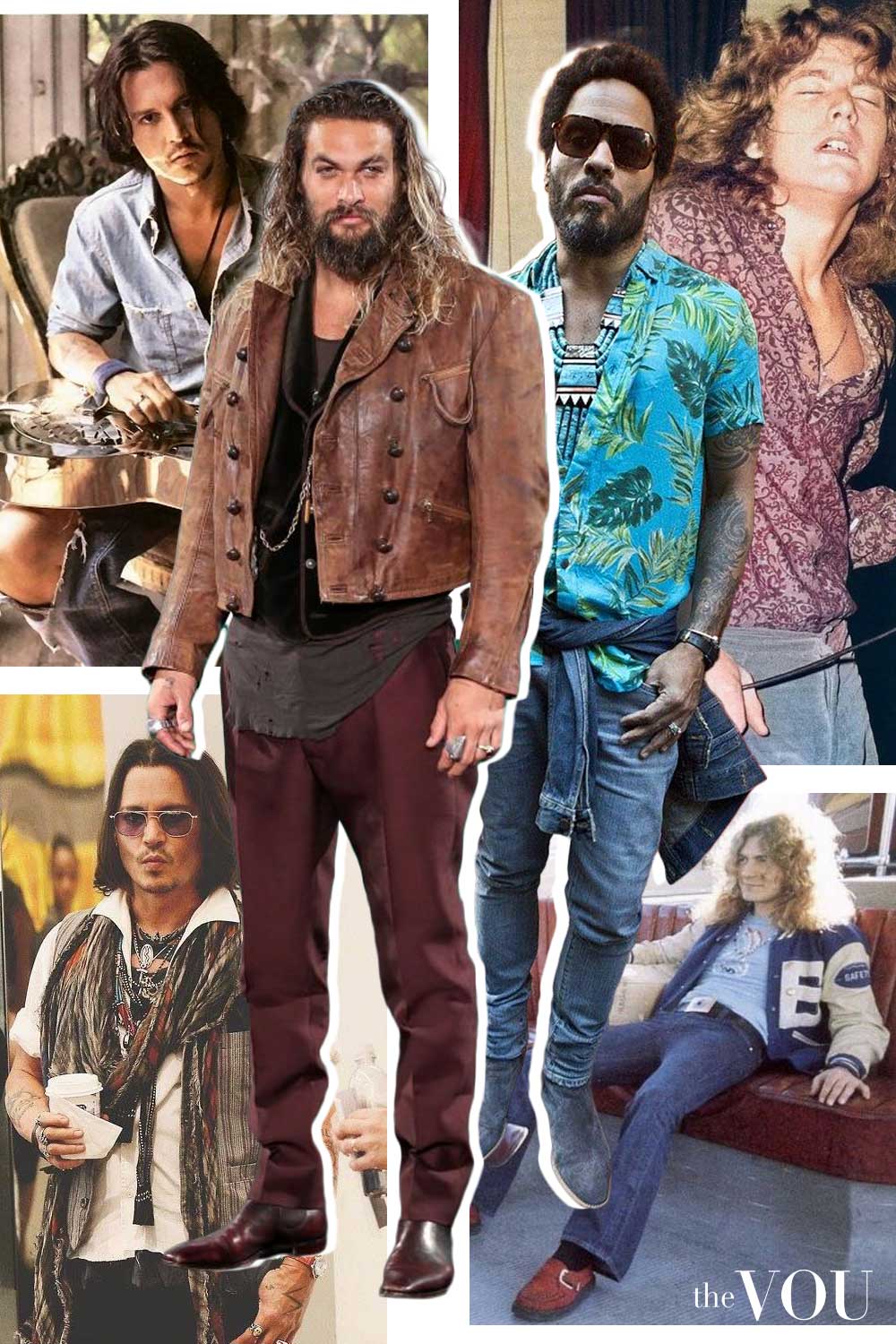
Johnny Depp
Johnny Depp’s interpretation of Bohemian style exemplifies the seamless blend of vintage and artisanal garments.
His choice of weathered leather jackets, artfully draped scarves, and stacked silver rings demonstrates how traditional Bohemian details adapt to contemporary settings.
Robert Plant
Robert Plant’s wardrobe evolution, from 1970s flowing shirts to modern textured garments, illustrates the ageing of Bohemian style with dignity.
In recent years he has often been photographed in waistcoats and vintage-style shirts, a good model for mature Bohemian dressing.
Lenny Kravitz
Lenny Kravitz brings a sharper, rock-and-roll edge to Bohemian style through his sophisticated yet relaxed ensembles.
He is often photographed in leather trousers, vintage shirts and silver jewellery, which shows how Bohemian aesthetics translate to luxury without losing authenticity.
Jason Momoa
Jason Momoa’s relaxed, rugged dressing mixes vintage denim, loose shirts and leather with layered jewellery.
His open shirts, worn denim and stacked rings show how far loose layering can go in casual dress.
Jeff Goldblum
Jeff Goldblum’s later-life showcase of Bohemian fashion proves the style’s ageless appeal.
His mix of sharp tailoring with vintage garments and artistic accessories illustrates the flexibility of Bohemian aesthetics across age groups.
Bohemian Style Connection with Old Money
Bohemian and old-money dressing overlap more than you might expect.
In 19th-century Paris and London, some wealthy patrons and well-born artists moved in bohemian circles while keeping their tailored wardrobes.
This fascinating dynamic continues to influence contemporary fashion, creating a distinctive style subset that marries rebellion with refinement.
The result is a mix you can still use today: craft patterns on traditional formal wear, mixing hand-embroidered waistcoats with perfectly tailored jackets, and pairing family heirloom accessories with artistic flourishes.
Shared Aesthetic Principles
Both styles emphasise heritage garments and quality craftsmanship. Where old money gravitates towards Savile Row tailoring, Bohemians seek out master artisans.
Both value patina and wear, whether on a centuries-old signet ring or a well-loved leather satchel.
This appreciation for aged authenticity creates an intriguing stylistic overlap.
Natural fibres form another common ground. Old money’s preference for Scottish tweeds, Irish linens, and English Merino wool or lambswool parallels the Bohemian affinity for raw silks, hand-loomed cotton, and artisanal weaves.
Both styles favour natural fibres that age gracefully.
Modern Interpretations
Contemporary interpretations of this fusion manifest subtly, such as a country estate weekend look where old money’s traditional tweed jackets are paired with Bohemian silk scarves and vintage boots.
Or, weathered Oxford shirts, an old money staple, worn with hand-tooled leather belts and embroidered waistcoats.
This melding creates a remarkably sophisticated approach to Bohemian style, one that respects traditional tailoring whilst embracing artistic details.
Vintage Barbour jackets pair naturally with hand-loomed scarves, whilst inherited pocket watches complement artisanal leather straps.
Using Boho Fashion for a Touch of Sprezzatura
Sprezzatura‘s studied carelessness makes excellent use of the Bohemian style’s imperfections and vintage look.
Traditional garments gain character through artistic negligence: sleeves pushed rather than rolled, jacket shoulders softened through wear, pocket squares carelessly gathered rather than precisely folded.
Bohemian patterns and aesthetics introduce sprezzatura naturally to classic wardrobes.
When loosely knotted, hand-loomed scarves create unstudied elegance, vintage leather bags add a touch of patina, and artisanal jewellery gives business attire personal character.
Bohemian Style Outfit Ideas by Occasion
Daily Look
Everyday Bohemian dress centres on refined comfort without sacrificing artistic details.
Vintage-wash Oxford shirts pair well with raw denim trousers, and hand-knitted jumpers in Scottish wool add textural interest.
Leather messenger bags, aged to perfection, carry daily essentials with studied nonchalance.
Evening Look
Evening wear embraces darker tones and richer textures.
Vintage velvet jackets in deep burgundy or forest green pair with artisanal silk shirts.
Hand-embroidered waistcoats add personality to otherwise simple ensembles.
Accessories take on greater importance: silver rings catch lamplight, whilst vintage watch fobs add subtle movement.
Cultural Events
Art openings and cultural events invite bolder expression.
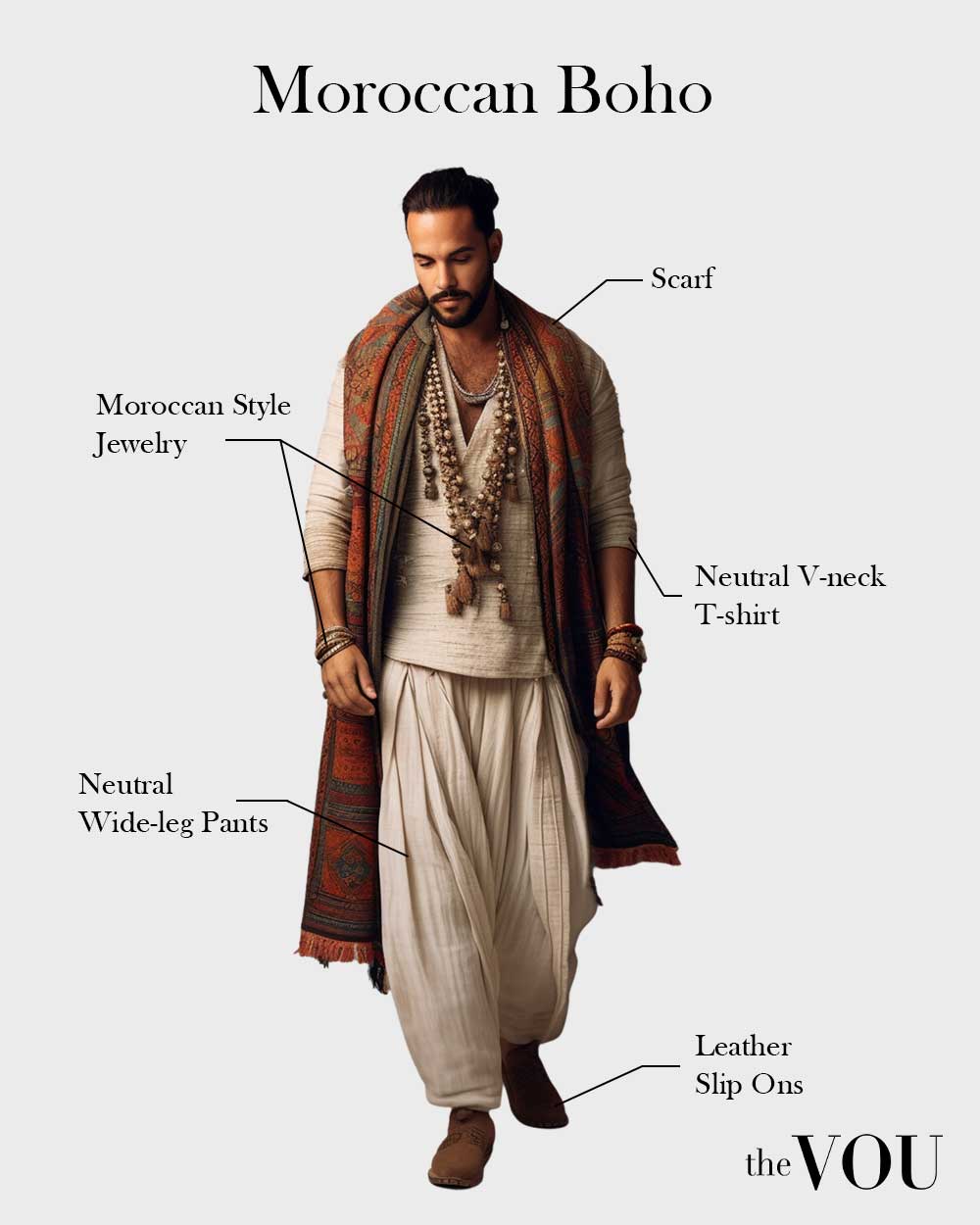
Moroccan-inspired jackets in rich brocades make statements without ostentation.
Vintage silk scarves tied loosely at the neck reference artistic traditions, whilst hand-crafted leather boots ground these more expressive garments.
Festival Look
Festival settings allow for more relaxed interpretations.
Vintage denim jackets adorned with travel patches pair naturally with hand-loomed cotton shirts.
Leather boots, well-worn and comfortable, prove practical whilst maintaining style. Canvas rucksacks carry essentials whilst developing character through use.
Special Occasions
Weddings and formal celebrations require thoughtful balance.
Bespoke suits in natural fibres provide foundations for more expressive details: perhaps a vintage silk waistcoat or an artisanal pocket square.
Traditional cuts interpreted in unexpected fabrics bridge convention and creativity.
Professional Look
Professional settings demand subtle integration of Bohemian details.
Well-cut blazers in traditional cloth paired with vintage silk ties or artisanal leather portfolios.
The key lies in selecting garments that whisper rather than shout their artistic origins: perhaps cufflinks from a Parisian flea market or a perfectly aged leather belt.
Embracing Bohemian Style
Bohemian style transcends mere fashion; it represents artistic freedom within sartorial expression.
When thoughtfully incorporated into classic wardrobes, it transforms conventional dressing into personal storytelling.
Success lies in balanced integration. Begin with high-quality traditional garments, then gradually introduce Bohemian details.
A vintage silk scarf here, an artisanal leather belt there. Let each addition reflect genuine interest rather than costume.
The true appeal of the Bohemian style emerges through authenticity.
Modern interpretations work best when they honour both heritage and individuality.
Whether subtly incorporated through accessories or boldly expressed in statement garments, Bohemian details should enhance rather than overshadow personal style.
Remember: the most compelling combinations often arise from confident experimentation.
Style Like A True Gentleman
Many image consultants work in a similar order, and you can follow it yourself.
Professional styling usually starts with your body shape and seasonal colour palette, which help you choose clothes that fit well in colours that work with your skin, eyes and hair.
From there, it is easier to dress for the occasion, location, season and time of day, choosing garments, footwear and accessories, including designs from heritage fashion brands where they suit you.
You can start on your own with our three quizzes, then book a consultation if you would like personal help.
1. Check Your Body Shape
Different garments suit different silhouettes, so knowing your body shape is a practical first step.
Take our body shape quiz for men.
2. Find Your Seasonal Colours
The garments in your outfits come in many colours, and some work better with your natural colouring than others.
To explore your seasonal colour palette, take our seasonal colour quiz for men.
3. Find Your Fashion Style
Next, look at your personal fashion style.
Our fashion style quiz for men suggests a style, outfit ideas and brands to explore.
Personal Help from The VOU
If you would like personal help, you can ask our image consultants and fashion stylists.
Our styling services for men are paid consultations; the shop page lists what each one includes.
Wearing luxury brands is not enough on its own; knowing your body shape, colour palette and personal style comes first.
Contact us to book a consultation.
Mandy Meyer’s focus at The VOU is men’s body-shape styling, garment fit and outfit proportions. Her coverage addresses the practical questions behind a wardrobe choice: how a jacket sits across the shoulders, how trousers fall and how different cuts change the silhouette a wearer wants to create.
Her subject areas include the triangle, inverted triangle, rectangle, oval, trapezoid, hourglass and diamond labels used in body-shape styling. These provide starting references for comparing visible proportions; they do not capture every body or prescribe one correct way to dress. The focus connects those observations with garment shape, construction, length and the relationship between the upper and lower parts of an outfit.
Mandy’s editorial coverage combines visual comparisons with fit checks for comfort and movement. Readers can consider whether a cut gives them the room they need, where clothing pulls or gathers and which changes might support their preferred look. The aim is to make menswear choices more understandable while keeping personal preferences and the wearer’s own styling goals central.