
Start here
What’s This About
Old money style is as much about restraint in behaviour as in dress, and most of its habits come down to good manners.
The seven habits cover everyday conduct as well as clothes, such as:
wearing well-fitting, logo-free clothes in navy, burgundy, dark green and neutrals
talking about ideas rather than money or possessions
keeping prices and salaries out of social conversation
letting your work speak for itself
writing thank-you notes and putting your phone away in conversation
and many more!
None of the habits depends on wealth.
Key Points
01The clothing habit rests on fit, cloth and coordination rather than brand names or visible logos.
02Old money colours such as navy, burgundy and dark green come in many versions; compare them against your own colouring rather than treating a list as fixed.
03Discretion about money, possessions and social media is a widely cited convention of the style.
04The manners described here, from punctuality to handwritten thanks, are about consideration for other people, not status.
The old money style is as much about restraint in behaviour as in dress: quiet confidence rather than display.
The seven habits below describe the conventions most often associated with that style, from clothes to conversation, money, work, home and manners.
None of them depends on wealth, and most come down to good manners and consideration for other people.
1. Wear Quality Clothes Without Visible Logos

Old money style uses good fabrics, a good fit, and classic styles instead of loud logos or fashion trends.
Have these basics: navy blazers, wool jumpers, well-fitted trousers, and leather shoes that look better as they age.
Typical old money colours are navy, burgundy, dark green and neutral tones such as grey, stone and camel.
Add bright colours only as small details.
Each of those colours comes in many versions, and some will look better next to your face than others; The VOU offers a paid seasonal colour analysis if you want help comparing them.
Scroll horizontally to see all columns →
 |
Don’t know your seasonal colour? |
Choosing shades you have compared against your own colouring can make less expensive clothes look better too.
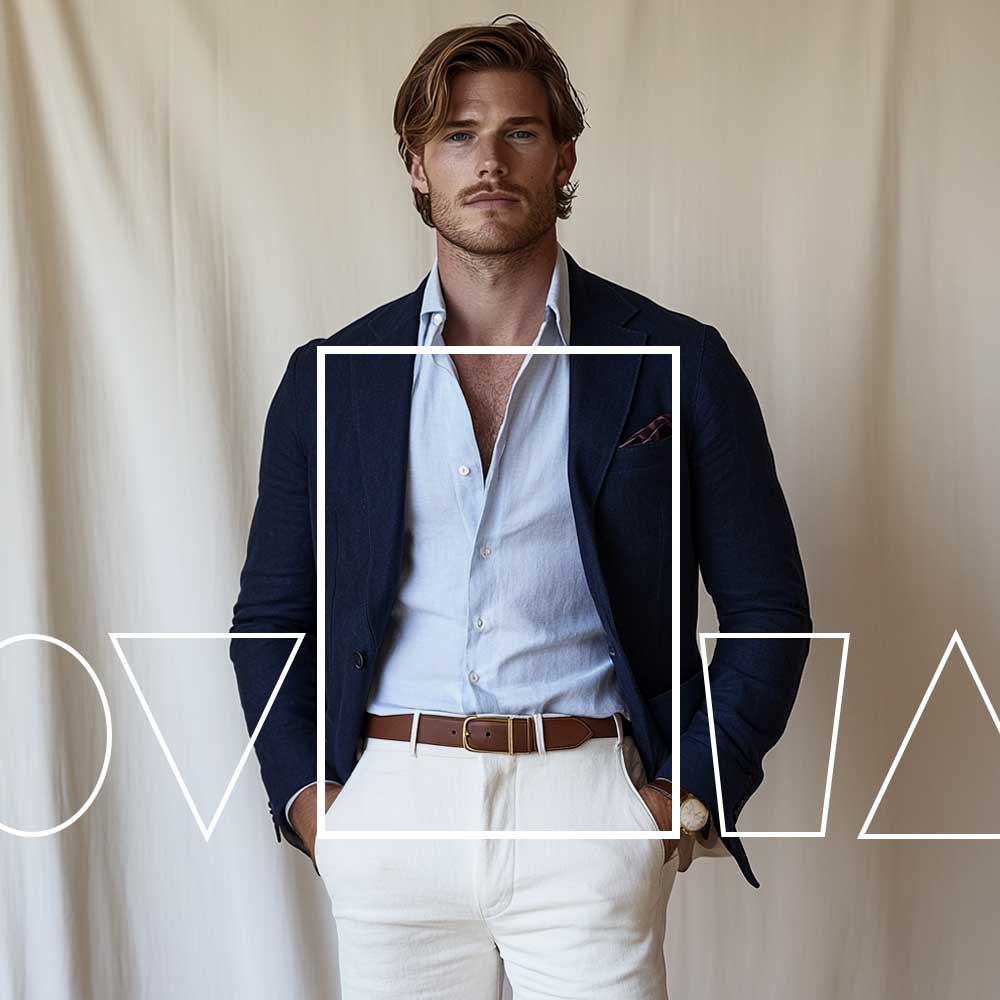
Fit comes first: clothes should be neither too tight nor too loose, and a tailor can adjust most trousers and jackets. The VOU’s paid body shape analysis is one option if you want help choosing silhouettes for your build.
Scroll horizontally to see all columns →
 |
Don’t know your Body Shape? |
Old money style looks good because of fit, material quality, and coordination, not because of brand names or flashy details.
2. Talk About Ideas Instead of Money or Possessions
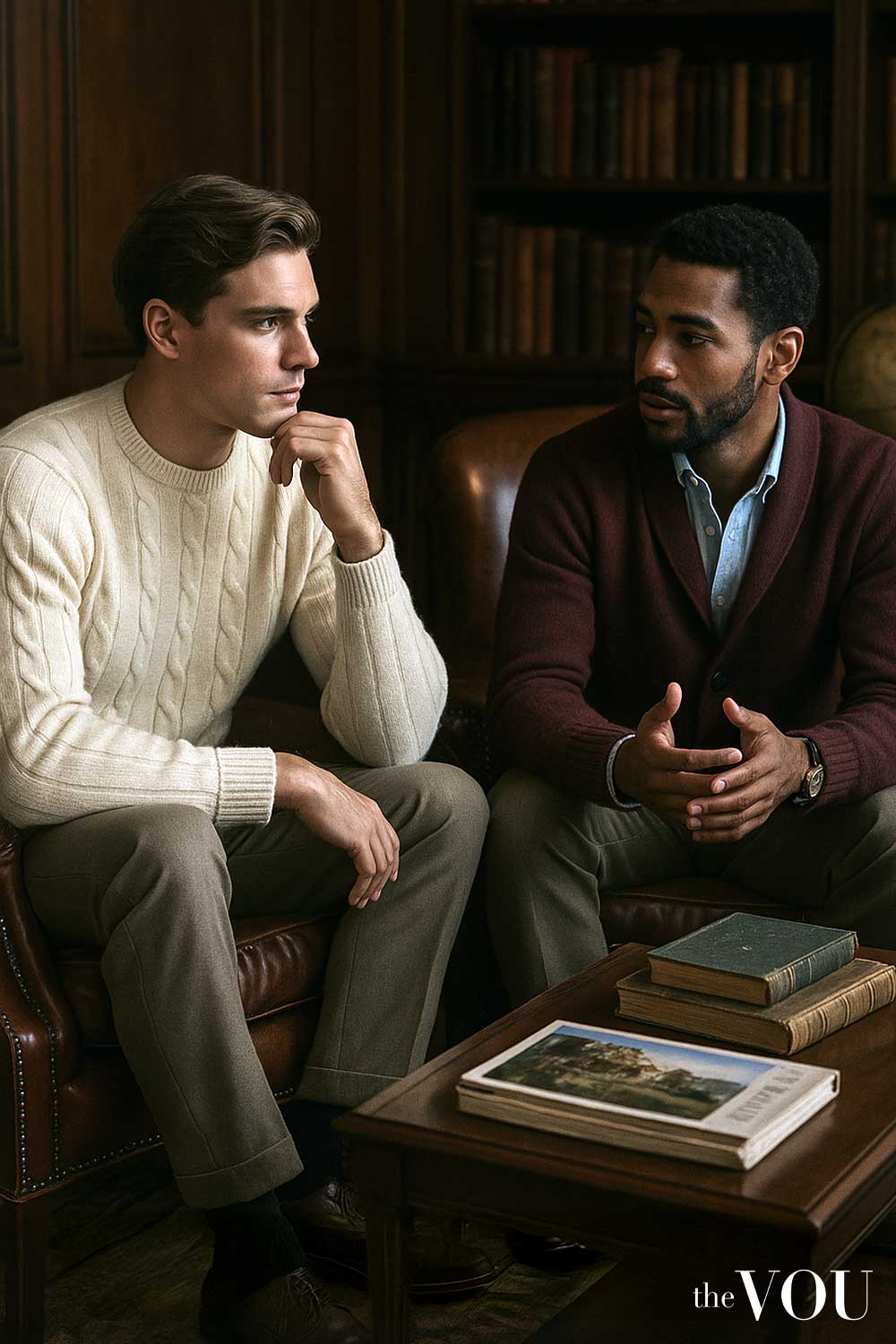
The old money convention is to talk about ideas rather than about what you own or have achieved.
Reading widely, including books on style, and following art, news and travel gives you plenty to talk about without bragging.
Speak clearly and at a medium volume.
Don’t talk too fast or too loud.
Listen carefully, look at people when they speak, show interest, and don’t interrupt.
Use social media less often and be careful about what you share.
People who value discretion tend to share little about their private lives online.
When you meet people, focus on getting to know them rather than on obvious networking.
3. Go to Museums and Classic Sports Events Instead of Trendy Places

Learn about culture because you are interested, not to seem clever.
Regularly visit art galleries, read books, and stay informed about current events to have better conversations.
Choose quality experiences like theatre, museums, and classical music over showing off expensive purchases.
Travel to learn about places and cultures, not just to stay at fancy hotels or take photos for social media.
Play traditional sports such as tennis, golf, sailing or horse riding because you enjoy them, not to show off. If a watch is part of the outfit, our guide on whether Longines is a luxury watch looks at one long-established maker.
Do activities because you like them, not to impress others.
4. Never Discuss Prices, Salaries, or How Much You Spend
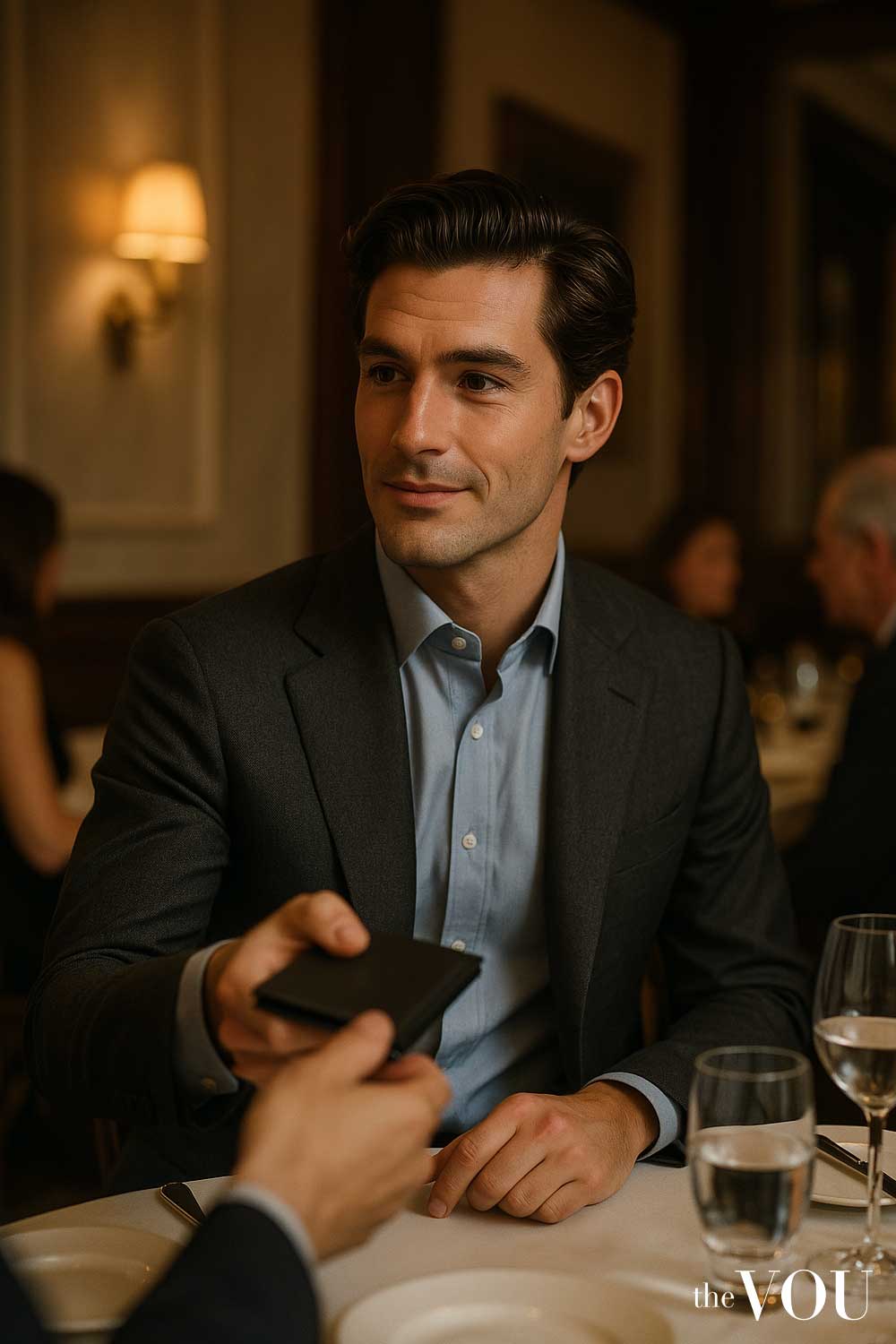
A widely cited old money convention is not talking about money.
In social conversation, keep prices, salaries and investments private.
Buy fewer, better possessions that last longer instead of many cheap ones that need replacing.
Take care of what you already have instead of always buying new.
Spend on education, experiences and health rather than on obvious status symbols.
Avoid mentioning what you paid or comparing the cost of your purchases.
The style values security and privacy over showing off expensive possessions.
5. Let Your Work Speak for Itself Without Self-Promotion

Focus more on how you work than what job you have.
Do your work with honesty, excellence, and long-term thinking instead of looking for quick wins.
Lead by being competent and considerate, not by being loud or pushy.
Let your results show your value without bragging or excessive networking.
Build your reputation through consistent good work instead of marketing yourself.
Keep work and personal life reasonably separate.
6. Have Fewer, Better Possessions in Your Home Instead of Many Cheap Ones

Your home and office say as much about your taste as your clothes do.
Choose good furniture, meaningful objects, and a comfortable, elegant feel instead of obvious wealth displays.
Buy fewer, better furnishings that work well and look good instead of filling space with trendy or mass-produced furniture and ornaments.
When hosting, make guests feel welcome with good food, good conversation, and real hospitality rather than fancy presentations.
Collect books, art, or objects because you like them, not as investments or status symbols.
Homes in this style tend to look as though they developed over time, not as though they were decorated all at once.
7. Write Thank-You Notes and Put Away Your Phone During Conversations

Old money manners go beyond basics to show consideration, restraint, and confidence.
Keep your phone away during conversations, arrive on time and keep your promises.
Write handwritten thank-you notes after visits or gifts, mentioning something specific rather than sending a generic message.
Introduce people properly, remember details about them, and connect people to help them, not yourself.
Avoid gossip, complaints, or negative talk about others.
Stay positive and discreet.
Make others feel welcome and included; consideration for other people is the point of these manners.
Quizzes and Paid Consultations
The habits above need no outside help. For the clothes in habit one, take our quizzes, then book a consultation if you want personal help.
The VOU’s Styling Quizzes
Our Face Shape Quiz is a way to check your face shape and get initial styling suggestions.
Find your seasonal colours with our Seasonal Colour Analysis Quiz, which gives a starting palette to compare garments against.
Check your body shape with our Body Shape Quiz, and explore a personal style with our Fashion Style Quiz.
Paid Consultations with The VOU
The VOU also offers paid consultations.
One of them is the Professional Face Shape Analysis package; the product page lists what it includes.
The Complete Image Transformation Package combines the face shape, seasonal colour, body shape and fashion style analyses.