
Start here
What’s This About
A personal stylist helps you choose, combine and buy clothes that suit your build, work and lifestyle.
This guide explains the role and the process, such as:
how a stylist differs from a personal shopper
the main services stylists offer
extra help with grooming, hair and fragrance
how to choose a stylist
what each stage of the process involves
and many more!
Use it to judge whether a stylist fits your goals and budget.
Key Points
01A personal stylist gives wider style guidance than a store-based personal shopper.
02Colour analysis gives a working palette to compare near your face, not a fixed type.
03Ask for an itemised quote and check which services are included before booking.
04A good process ends with a style plan and outfits you can repeat without help.
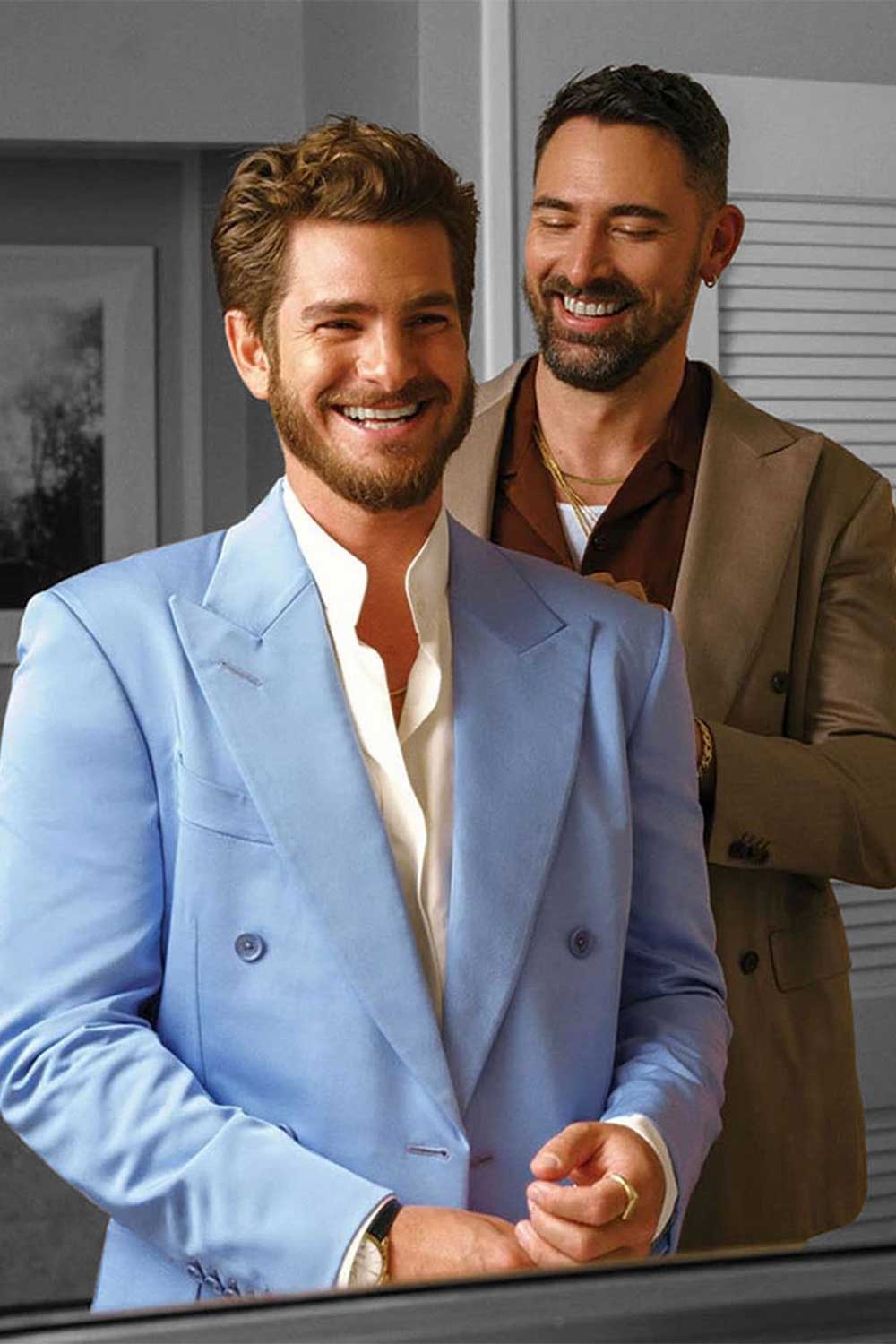
A personal stylist helps men choose, combine and buy clothes that suit their build, work and lifestyle.
Whether you’re climbing the corporate ladder, navigating the dating scene, or simply aiming to feel more confident in your skin, a personal stylist can help.
This guide explains what a personal stylist for men does, which services are common, how to choose one and what the process usually involves.
What is an Expert Stylist?
An expert stylist for men is a fashion professional who specialises in curating and creating stylish looks tailored to individual men.
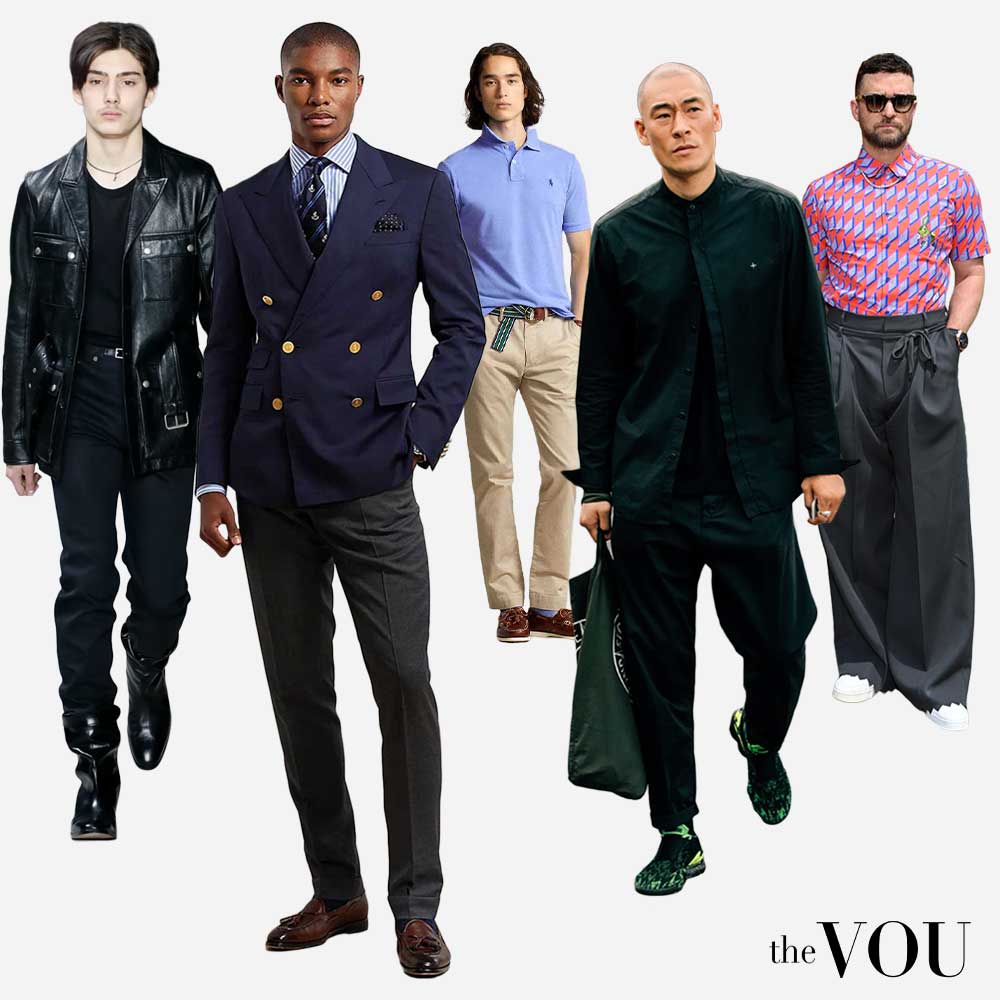
Unlike general fashion stylists or retail salespeople, a men’s stylist focuses on menswear, understanding the nuances of masculine style, current trends, and timeless classics that work for various body types, lifestyles, and personalities.
Personal Stylist vs Personal Shopper
The two roles overlap, but a personal stylist usually covers more than a personal shopper:
Personal Stylist: Provides comprehensive style guidance, including wardrobe analysis, style education, and long-term style strategy, not limited to any specific brand or store.
Personal Shopper: Assists with purchasing clothes and accessories, often working within a specific store or brand.
Expert Personal Stylist Roles
A men’s stylist draws on fashion knowledge, an understanding of the client’s goals and some personal branding.
The role can be split into four functions:
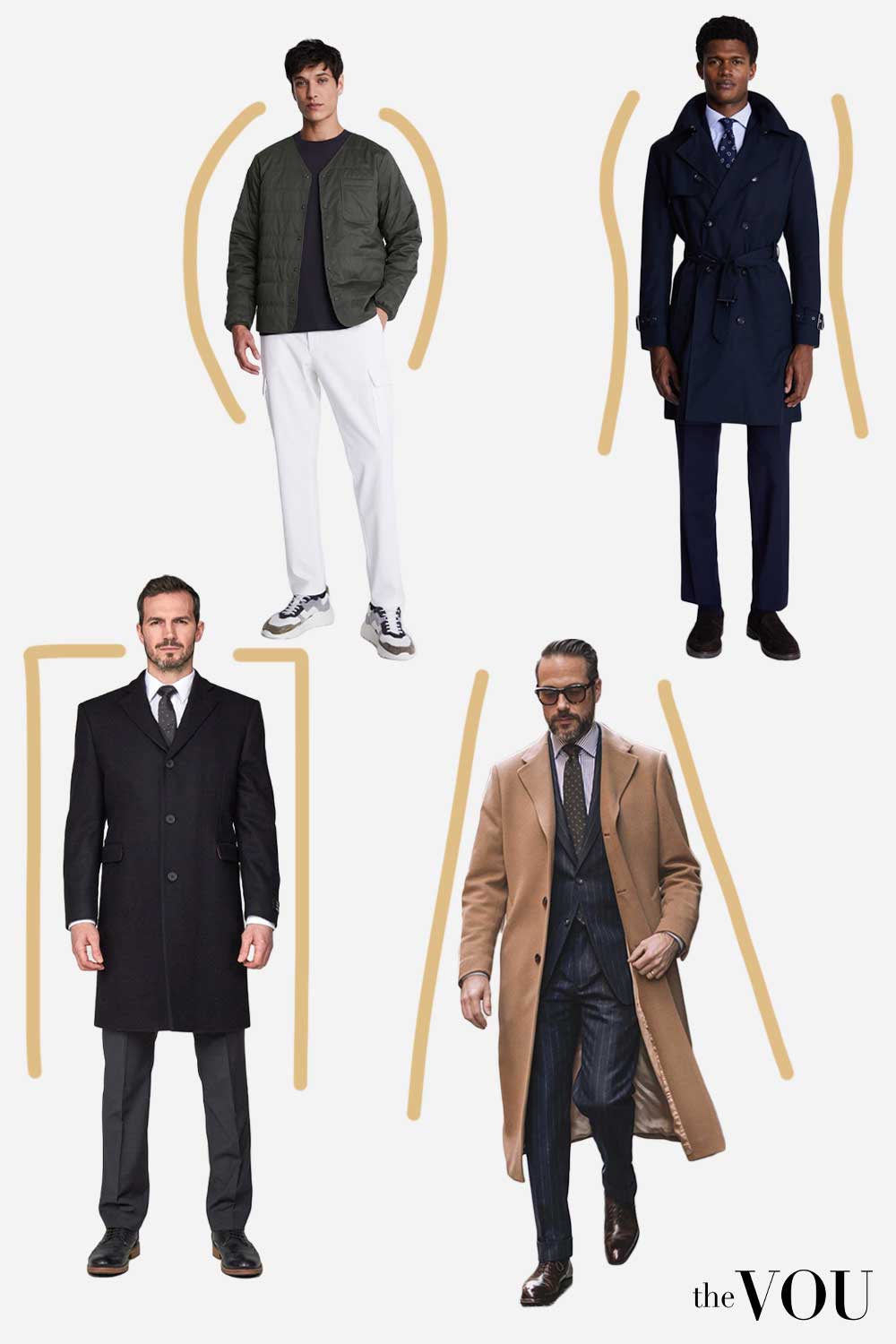
Sartorial Architect
At the most basic level, a stylist plans clothes, drawing on knowledge of menswear history, current trends and garment construction.
This includes expertise in:
Garment Construction and Fabric Science: Understanding how clothing is made, including fabric properties, construction techniques, and how these factors influence fit, durability, and overall aesthetic.
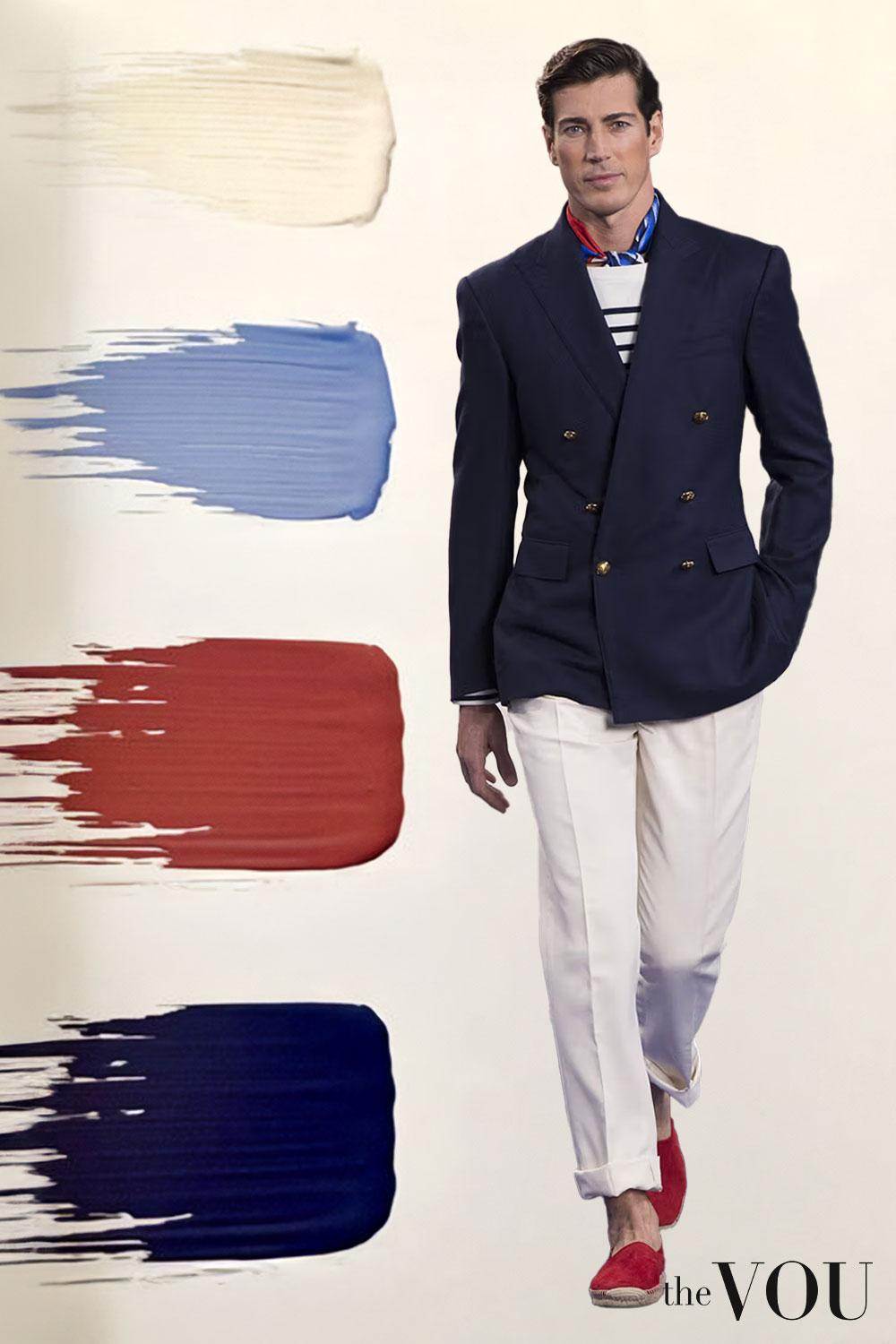
Colour Theory and Application: Using seasonal colour analysis and other colour comparisons to create harmonious classic colour combinations that suit the client’s colouring and style goals.
Proportional Analysis: Applying visual balance and proportion principles to create outfits that work with the client’s build.
Identity Consultant
Beyond garments, many stylists help clients decide what impression they want their clothes to give, which involves:
Lifestyle Questions: Asking about the client’s lifestyle, values and goals so that the clothes feel like his own.
Consistent Image: Keeping the client’s appearance consistent across work, social and online settings.
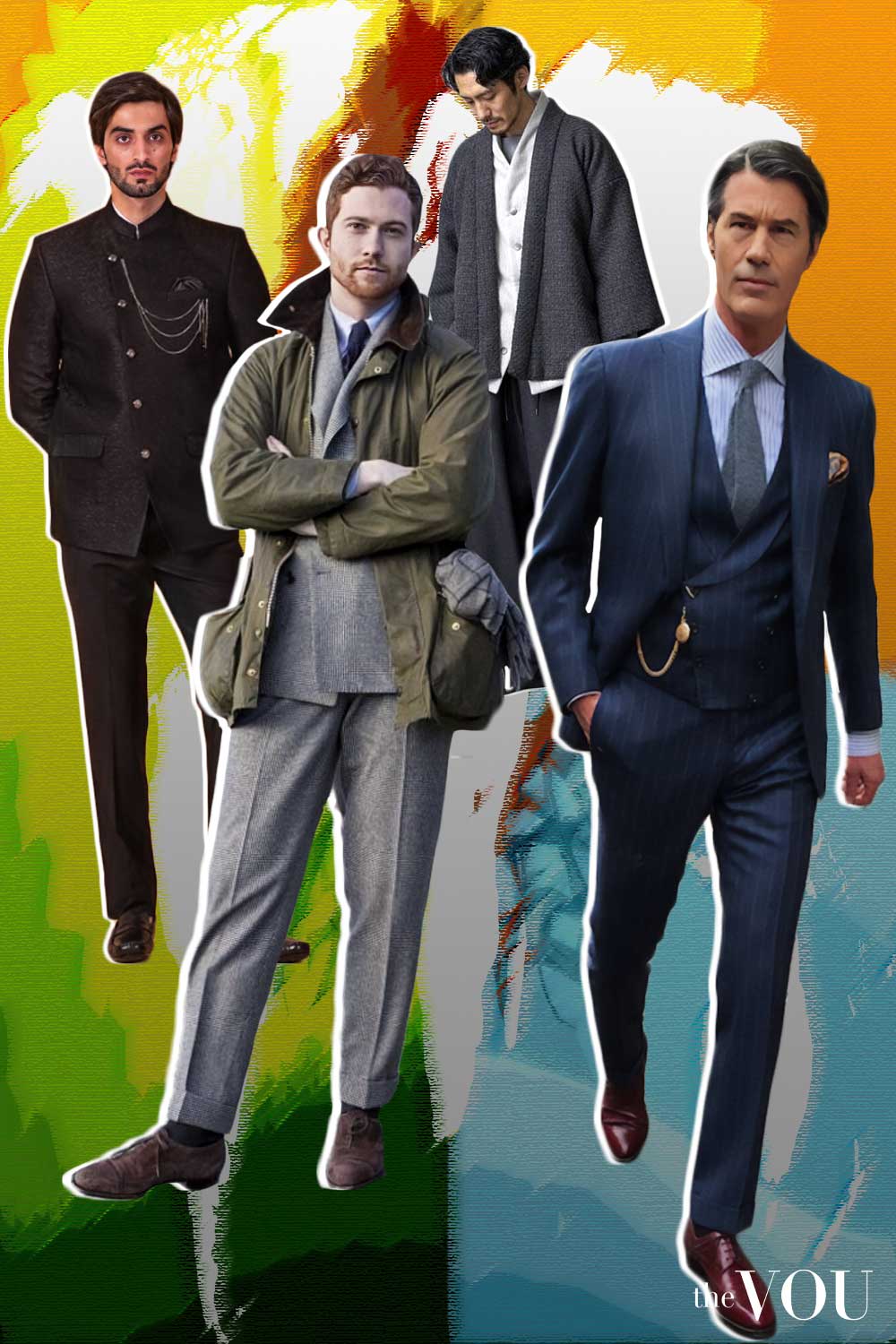
Cultural Awareness: Balancing personal style with local dress codes and cultural expectations.
Strategic Image Curator
If you want help beyond clothes, read our guides on finding the right image consultant and on whether an image consultant is worth the cost.
Although there are clear differences between a stylist and an image consultant, personal stylists can also function as strategic image curators.
Here is what it includes:
Situational Analysis: Assessing the varied contexts in which the client operates and tailoring style recommendations to each setting.
Trend Forecasting and Adaptation: Staying abreast of emerging fashion trends and selectively incorporating trends that align with the client’s long-term image goals.
Digital Presence Optimisation: Considering how the client’s styled appearance will translate across various digital platforms, ensuring consistency between in-person and online personas.
Holistic Wellness Advisor
Some stylists also advise on grooming, posture and practicality:
Grooming and Skincare Consultation: Providing guidance on grooming routines and skincare regimens that complement and enhance the overall styled appearance.
Posture and Body Language Coaching: Offering advice on physical comportment to ensure that the client’s non-verbal communication aligns with their styled image.
Lifestyle Congruence: Ensuring that style recommendations are congruent with the client’s lifestyle, including considerations of comfort, practicality, and personal values.
Some personal stylists go beyond clothing and cover the client’s “total look”, which can include:
1. Fashion Styling
The core service includes wardrobe curation, outfit creation, and shopping assistance for clothing and accessories.
- Assess your current wardrobe
- Identify key garments missing from your wardrobe
- Create versatile outfit combinations
- Guide you in shopping for new garments that complement your existing wardrobe
2. Hair Styling Consultation
Some personal stylists have hair styling training or work with barbers.
- Hairstyles that complement your face shape and personal style
- Hair care routines and products
- Coordination of hairstyles with your overall look and lifestyle
For example, a stylist might recommend a classic side-part for a corporate executive but suggest a textured crop for a creative professional.
3. Grooming and Skincare Guidance
Some personal stylists provide guidance on:
- Skincare routines tailored to your skin type and concerns
- Proper grooming techniques for facial hair, including beard shaping and maintenance
- Selection of grooming products that align with your personal style and needs
They might, for instance, recommend a minimalist skincare routine for a busy entrepreneur or a more comprehensive regimen for a man concerned about ageing skin.
4. Nail Care Advice
Clean, trimmed nails help a polished appearance, and some stylists advise on:
- Proper nail hygiene and maintenance
- Appropriate nail lengths for different professions and styles
- Use of professional manicure services when needed
5. Makeup for Men (When Applicable)
Some stylists, especially those who prepare clients for cameras, offer advice on:
- Subtle makeup techniques for enhancing features or covering blemishes
- Selection of appropriate makeup products for men
- Application techniques for a natural, polished look
This might include recommending a tinted moisturiser for an evening out skin tone or a clear brow gel for a groomed look.
6. Fragrance Selection
A personal stylist may also guide clients in choosing signature scents that complement their overall style and personality. They consider factors like:
- How the scent develops on your skin
- The occasions you’ll be wearing the fragrance
- How the scent aligns with your personal brand
Why Seek Help from Personal Stylists
Understanding why men seek personal stylists can help you determine if their services align with your needs:
Career Advancement: Colleagues and clients notice appearance. A polished look can support credibility, although it does not replace performance.
Life Transitions: Major life changes, such as divorce, career shifts, or entering the dating scene, often prompt men to seek styling help.
Confidence Building: Clothes that fit and suit you can make you feel more confident.
Time Savings: Busy professionals often find that personal stylists save time and reduce the stress of shopping and outfit planning.
Style Education: Many men want to learn to make better style choices independently and consider working with a stylist an educational investment.
Body Changes: Weight loss, gain, or other physical changes might necessitate a wardrobe overhaul and style reassessment.
Brand Building: Entrepreneurs and public figures often work with stylists to create a cohesive personal brand that aligns with their professional image.
Expert Stylists Main Services
Expert stylists offer services tailored to meet different needs and budgets, and in this section, we’ll explore these services in detail.
Style Consultation
This initial service involves a comprehensive discussion about the client’s style goals, lifestyle, and preferences.
The stylist assesses the client’s current wardrobe and style, identifies areas for improvement, and creates a personalised style plan that includes:
- Body shape analysis to determine the most flattering cuts and styles
- Colour analysis to suggest a working colour palette
- Lifestyle assessment to ensure style recommendations align with daily needs
- Discussion of style icons and preferences to understand the client’s aesthetic goals
Wardrobe Audit
In the wardrobe audit service, the stylist reviews the client’s wardrobe, identifying garments to keep, alter, or discard.
- Assessing the condition and fit of each garment
- Identifying gaps in the wardrobe
- Creating a list of essential garments needed to complete the wardrobe
- Demonstrating new ways to combine existing garments
- Advising on alterations to improve fit or update older garments
Personal Shopping
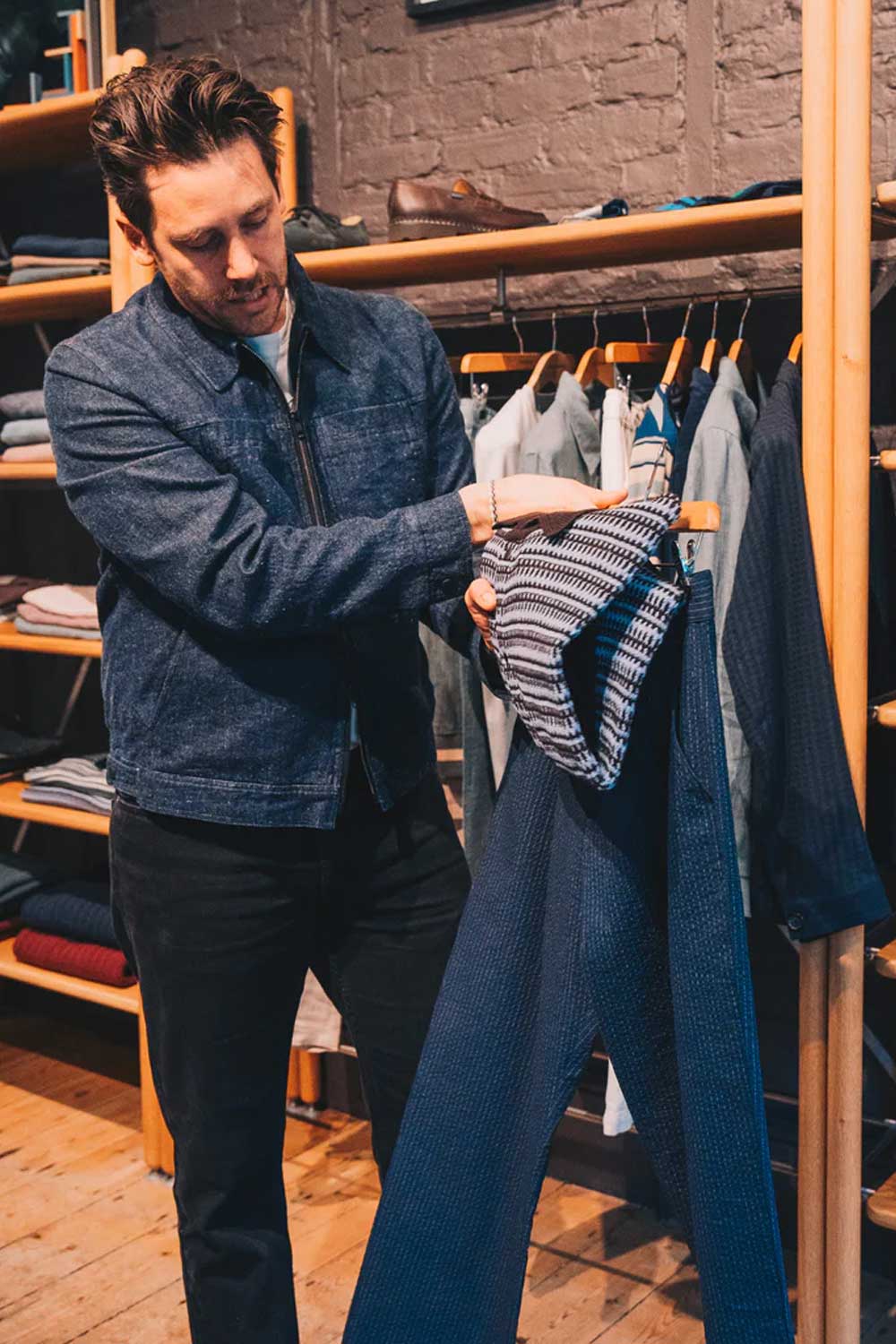
Stylists accompany clients on shopping trips or shop on their behalf, selecting garments that align with the established style plan.
- Pre-selection of garments to streamline the shopping process
- Guidance on fit, quality and versatility of each garment
- Introduction to new brands or styles the client might not have considered
- Advice on investment buys versus trend buys
- Assistance with alterations for a good fit
Outfit Creation
The stylist creates outfits suitable for different occasions using garments from the client’s wardrobe (both existing and newly purchased).
- Photographing outfits for easy reference
- Creating a digital lookbook or style guide
- Lessons on mixing and matching to maximise wardrobe versatility
- Advice on accessorising to elevate each look
Virtual Styling
Many stylists now offer virtual services, remotely providing style advice, wardrobe recommendations, and shopping suggestions through video calls and digital platforms.
- Virtual wardrobe audits using photos or video
- Digital mood boards and style guides
- Online shopping sessions with screen sharing
- Video tutorials on styling techniques
Seasonal Wardrobe Updates
This ongoing service involves updating the client’s wardrobe each season, incorporating new trends, and ensuring it remains current and functional.
- Review of upcoming fashion trends
- Suggestions for incorporating seasonal garments into the existing wardrobe
- Advice on storing off-season clothing
- Updates to the client’s style guide to reflect seasonal changes
How to Choose the Right Stylist for You
Selecting the right personal stylist is crucial for achieving your style goals, and here are some factors to consider:
Expertise and Specialisation
Look for a stylist who specialises in men’s fashion and has experience working with clients similar to your age, profession, and style goals. Some stylists may have particular expertise in areas like:
- Business and professional wear
- Casual and streetwear styles
- Formal and black-tie attire
- Styling for specific body types
Portfolio and Style
Review the stylist’s portfolio or Instagram feed to understand their aesthetic. Ensure their style aligns with your goals and preferences.
Look for versatility in their work, demonstrating an ability to adapt to different client needs.
Consultation Process
Many stylists offer an initial consultation, sometimes free, to discuss your needs and their services; use the consultation to assess:
- How well the stylist listens to your concerns and goals
- Their ability to explain their process clearly
- Whether you feel comfortable and confident in their presence
Services Offered
Ensure the stylist offers the specific services you need.
Some may focus solely on wardrobe styling, while others offer a more comprehensive service, including grooming and personal shopping.
Budget Compatibility
Discuss fees upfront and ensure they align with your budget.
Ask for an itemised quote, and look for a stylist who can work within your budget, for example by reusing garments you already own.
Continued Support
Inquire about follow-up services and ongoing support.
A valuable stylist-client relationship often extends beyond the initial consultation and shopping trips.
By carefully considering these factors, you can find an expert stylist who suits your goals, budget and taste.
The Process of Working with a Personal Stylist
Working with a personal stylist usually follows a series of steps.
The steps below are typical, although each stylist runs the process differently:
Initial Consultation
The process begins with a detailed discussion about your style goals, lifestyle, budget, and any specific concerns or preferences you may have.
An initial consultation usually goes into detail about your needs.
Your stylist will ask probing questions about your daily routine, work environment, social activities, and personal aspirations.
They’ll also inquire about any style icons you admire or looks you’ve always wanted to try but perhaps lacked the confidence to pursue.
This consultation sets the foundation for your entire styling experience, allowing the stylist to understand what you wear, why you wear it, and how you want to be perceived.
Recap:
- Detailed questionnaires to gauge style preferences, lifestyle needs, and aspirational goals
- Optional style-personality questionnaires to explore preferences
- Visual exercises, such as mood boarding, to capture abstract style concepts
Style and Body Type Analysis
Following the initial discussion, your stylist will assess your body type and current style.
The assessment uses measurements and observation to decide which cuts and styles are likely to suit you.
They’ll consider factors such as your shoulder width, chest-to-waist ratio, leg length, and overall proportions.
Many stylists also compare colours near your skin, hair and eyes to suggest a working colour palette; a seasonal name organises that palette rather than diagnosing a type.
The aim is clothes that work with your build and colouring, which can make you more confident in them.
Recap:
- Precise body measurements to determine optimal garment proportions
- Facial structure analysis to inform recommendations on hairstyles, beard grooming, and eyewear
- Colour comparisons near the face to suggest a personal palette
Wardrobe Audit
The wardrobe audit is a central step. Your stylist will review your existing wardrobe in detail.
A wardrobe audit is not about discarding everything you own; the aim is understanding your current style, identifying garments that work well, and recognising areas for improvement.
The stylist will examine each garment, considering its fit, condition, and relevance to your lifestyle and style goals.
They’ll identify key garments to keep, garments that need alterations, and gaps in your wardrobe that need to be filled.
The audit gives a clear picture of what you have and what you need, laying the groundwork for a more cohesive and versatile wardrobe.
Recap:
- Cataloguing and categorising existing garments
- Identifying key garments, redundancies, and gaps in the wardrobe
- Deciding which current garments are useful and which you actually like wearing
Style Plan Creation
Your stylist will create a personalised style plan based on the insights from the consultation, analysis, and wardrobe audit.
The style plan is your roadmap, detailing recommended garments, colour palettes, and outfit ideas tailored to you.
The plan will include suggestions for key wardrobe investments, guidance on combining garments for maximum versatility, and advice on adapting your style for different occasions.
The plan aims at a personal style that lasts beyond a single season’s trends.
Recap:
- A personalised colour palette and texture guide
- Recommended silhouettes and garment styles
- Accessorising strategies
- Grooming and skincare recommendations
- Occasion-specific outfit formulas
Shopping and Wardrobe Building
With your style plan in hand, you start buying the garments it lists. This phase involves strategic shopping trips or the stylist’s independent shopping on your behalf.
Your stylist will focus on selecting garments that fill the gaps in your wardrobe, complement your existing garments, and align with your newly defined style.
They’ll consider factors like quality, versatility, and budget to ensure each purchase is worthwhile.
During this phase, you’ll learn valuable skills for assessing fit, quality, and value, which helps you make better shopping decisions later.
Recap:
- Sourcing and acquiring new garments and accessories
- Altering existing garments to better align with the new style direction
- Organising the wardrobe for optimal functionality and visual appeal
Outfit Creation and Styling Sessions
Once you have acquired new garments, your stylist will help you create a variety of outfits.
These styling sessions are both practical and educational. You’ll learn how to combine garments in unexpected ways, maximising your wardrobe’s versatility.
The stylist will demonstrate how to dress for different occasions, from casual weekends to formal events, so that you know what to wear for each situation.
They’ll also teach you styling tricks, such as using accessories to elevate a look or transition an outfit from day to night.
Recap:
- Principles of outfit composition
- Garment care and maintenance
- Adapting style to various contexts
- Ongoing trend interpretation and incorporation
Follow-up and Refinement
The relationship with your stylist doesn’t end after the initial process. Follow-up sessions are essential to ensure your new style works well in your daily life.
These sessions allow for any necessary adjustments and provide an opportunity to address any challenges you’ve encountered.
Your stylist will review how you’ve been implementing your new style, offer additional advice, and potentially suggest seasonal updates or refinements to your wardrobe.
Ongoing support lets your style evolve with you, adapting to changes in your life, career, or personal preferences.
Throughout this process, your stylist is a guide, educator, and confidence-booster.
Recap:
- Regular review sessions to assess the effectiveness of the style plan
- Adjustments based on changing life circumstances or style goals
- Adding new trends or garments where they suit the plan
Conclusion
A personal stylist’s core work is practical: assessing your build and colouring, auditing your wardrobe, shopping and building outfits, with grooming and personal branding advice from some stylists.
Whether you need a stylist depends on your goals, time and budget; if you mainly want help with clothes, a stylist is often enough, while an image consultant also covers communication and behaviour.
Style Like a True Gentleman
Before you go, here is a simple way to put this guide into practice, and when to ask an image consultant for help.
Professional styling starts with knowing your body shape and seasonal colour palette, which help you choose clothes that fit well, in colours that suit your skin, eyes and hair.
Our guides also cover styling by occasion, location, season and time of day, garments, footwear, accessories and heritage fashion brands.
Take our three quizzes to find your body shape, seasonal colour palette and fashion style, then book a consultation if you want personal help:
1. Find Your Body Shape
Different garments flatter different silhouettes, so knowing your body shape is the first step in dressing like a confident man.
To find out your unique body shape, take our body shape quiz for men.
Once you know your unique body shape, take the second quiz to discover your unique colour palette.
2. Find Your Seasonal Colours
The garments in your outfits come in many colours, so it helps to check which colours suit your natural colouring.
For that, you have to find out your seasonal colour palette, and you can do it by taking our seasonal colour quiz for men.
3. Find Your Fashion Style
By now, you should already know your body shape and unique colour palette; the next step is to discover your personal fashion style.
To find it, take our fashion style quiz for men; it includes a suggested style, outfit ideas, relevant fashion brands, and much more.
Personal Help from The VOU
For personal help, you can book a consultation with our image consultants and fashion stylists.
Our styling services for men are paid consultations; the shop page lists what each one includes.
Wearing luxury brands is not enough on its own (see our guide to logo-heavy luxury brands and how to wear them); knowing your body shape, colour palette and personal style first makes styling by occasion, location, season and time of day easier.
Contact us to book a consultation once you have taken the three quizzes.
Mandy Meyer’s focus at The VOU is men’s body-shape styling, garment fit and outfit proportions. Her coverage addresses the practical questions behind a wardrobe choice: how a jacket sits across the shoulders, how trousers fall and how different cuts change the silhouette a wearer wants to create.
Her subject areas include the triangle, inverted triangle, rectangle, oval, trapezoid, hourglass and diamond labels used in body-shape styling. These provide starting references for comparing visible proportions; they do not capture every body or prescribe one correct way to dress. The focus connects those observations with garment shape, construction, length and the relationship between the upper and lower parts of an outfit.
Mandy’s editorial coverage combines visual comparisons with fit checks for comfort and movement. Readers can consider whether a cut gives them the room they need, where clothing pulls or gathers and which changes might support their preferred look. The aim is to make menswear choices more understandable while keeping personal preferences and the wearer’s own styling goals central.