
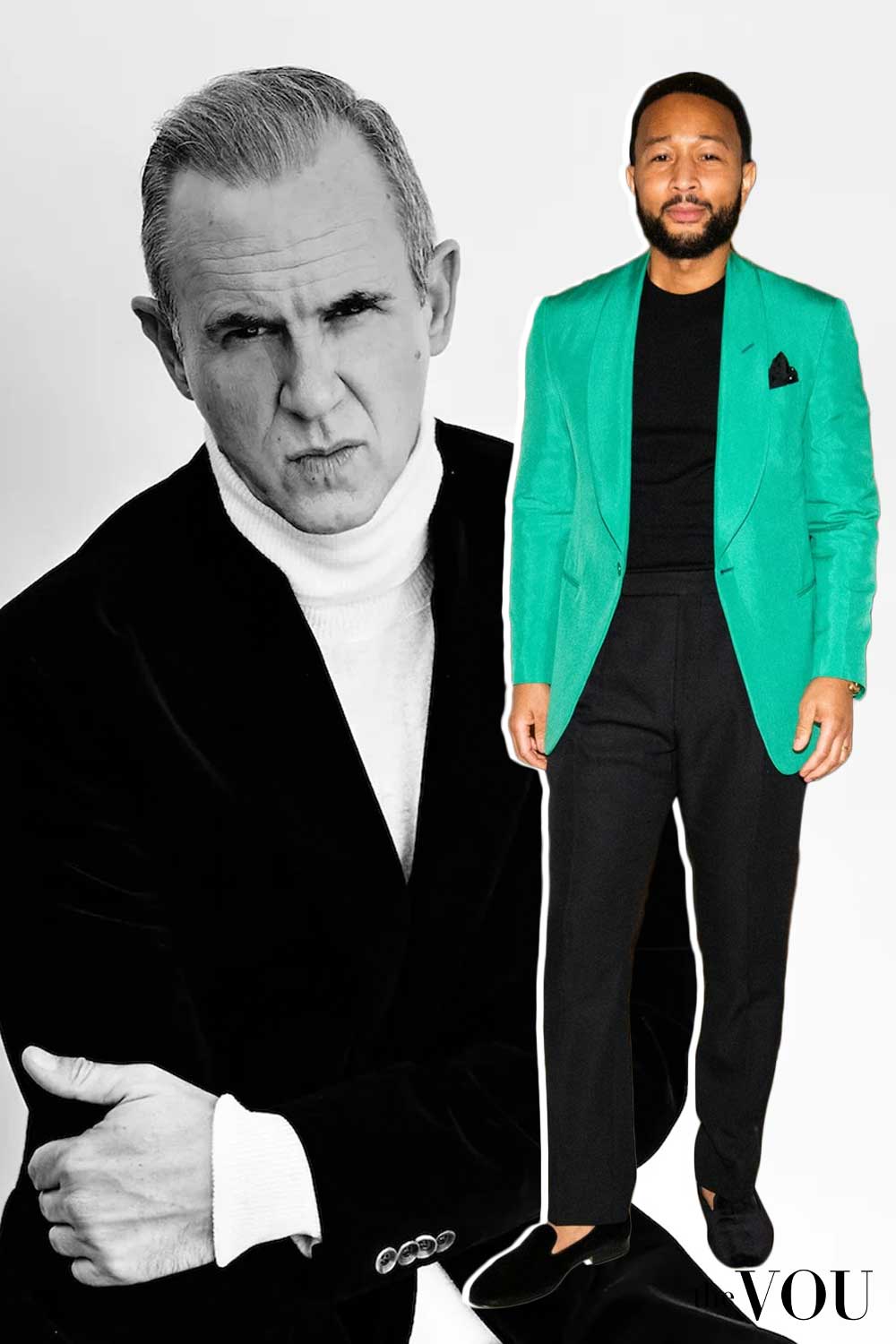
Start here
What’s This About
Choose a personal stylist by checking their skills, evidence of past work and exactly what the fee includes.
Before you book, compare stylists on practical points such as:
experience dressing men with a build like yours
how they handle colour advice, if you want it
knowledge of fashion styles and dress codes
a portfolio, testimonials and clear communication
a written, itemised quote for the services you need
and many more!
Take your time and meet more than one stylist before committing.
Key Points
01Anyone can call themselves a stylist, so ask about training, experience and any professional membership, and check that membership yourself.
02A seasonal palette is a guide for new shirts, knitwear and accessories, not a reason to replace clothes you already wear well.
03Portfolios and testimonials are chosen by the stylist, so ask for specific examples relevant to your goals.
04Prices vary widely, so ask for an itemised quote showing hours included and whether clothing is charged separately.
A personal stylist can help you refresh your wardrobe, dress for work and social occasions, and shop with less wasted time, provided the stylist’s skills match what you need.
Anyone can call themselves a stylist, so finding an experienced personal stylist for men takes some checking before you pay for a session.
If you are still deciding between an image consultant and a personal stylist, the qualifications section below links to our comparison of the two roles.
So, how do you find the right personal stylist for your needs, whether you want to refresh your wardrobe, refine your style, or get advice on what suits you best?
This guide covers what to check before you hire: knowledge of body shape, colour, fashion styles and dress codes, training, portfolio, communication and services, with questions to ask at each stage.
Expertise in Men’s Body Shapes
Understanding the client’s unique body shape is a common starting point in personal styling.
Not all clothes suit every body type, and the right personal stylist will know how to select garments that enhance your best features while balancing proportions.
Before hiring a stylist, ask about their experience dressing men with a build like yours; if you are unsure of your build, our body shape quiz for men gives you a starting point to discuss.
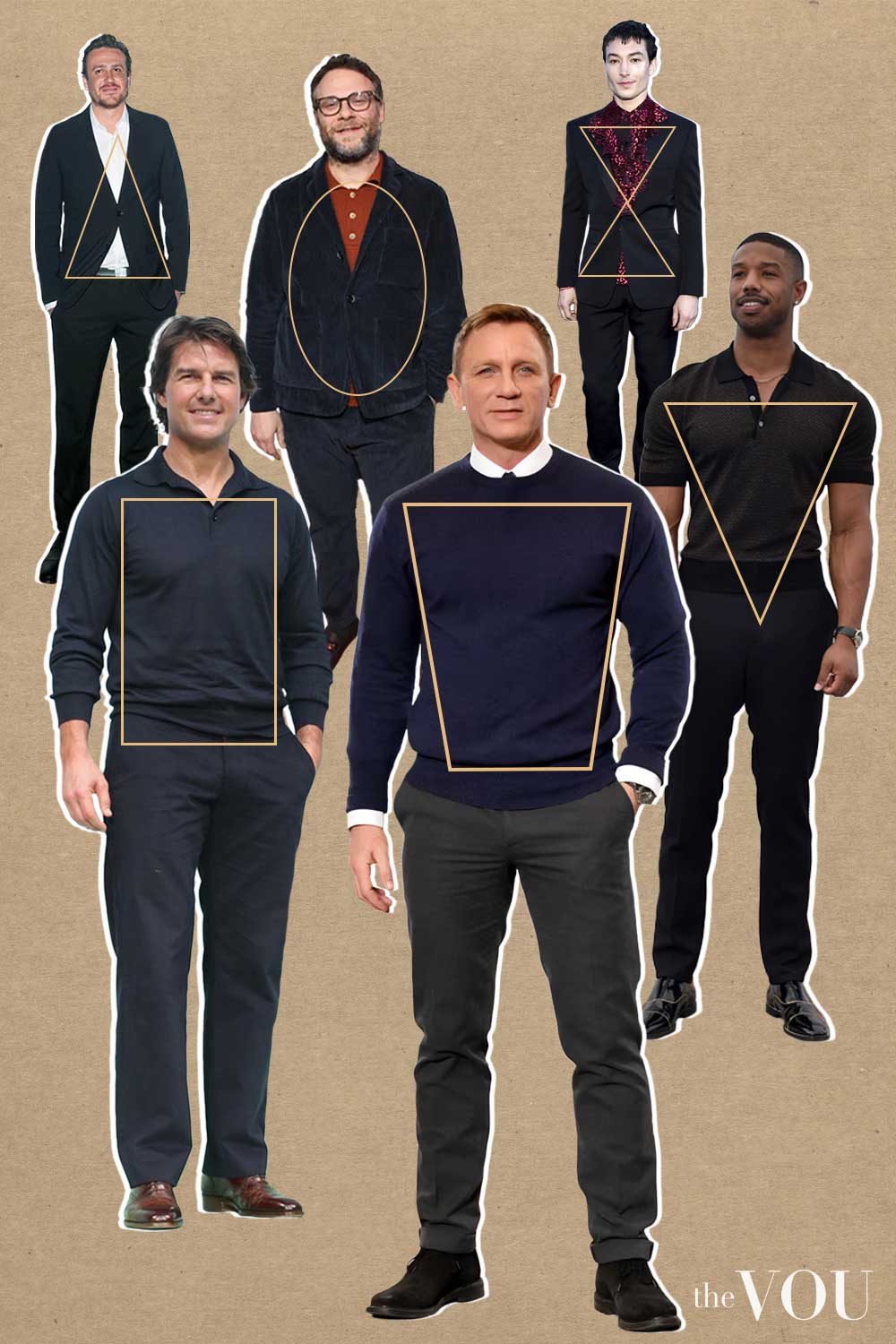
A good stylist will assess your proportions and explain why each recommendation suits your build; whether that assessment is free or charged varies by stylist, so ask before booking.
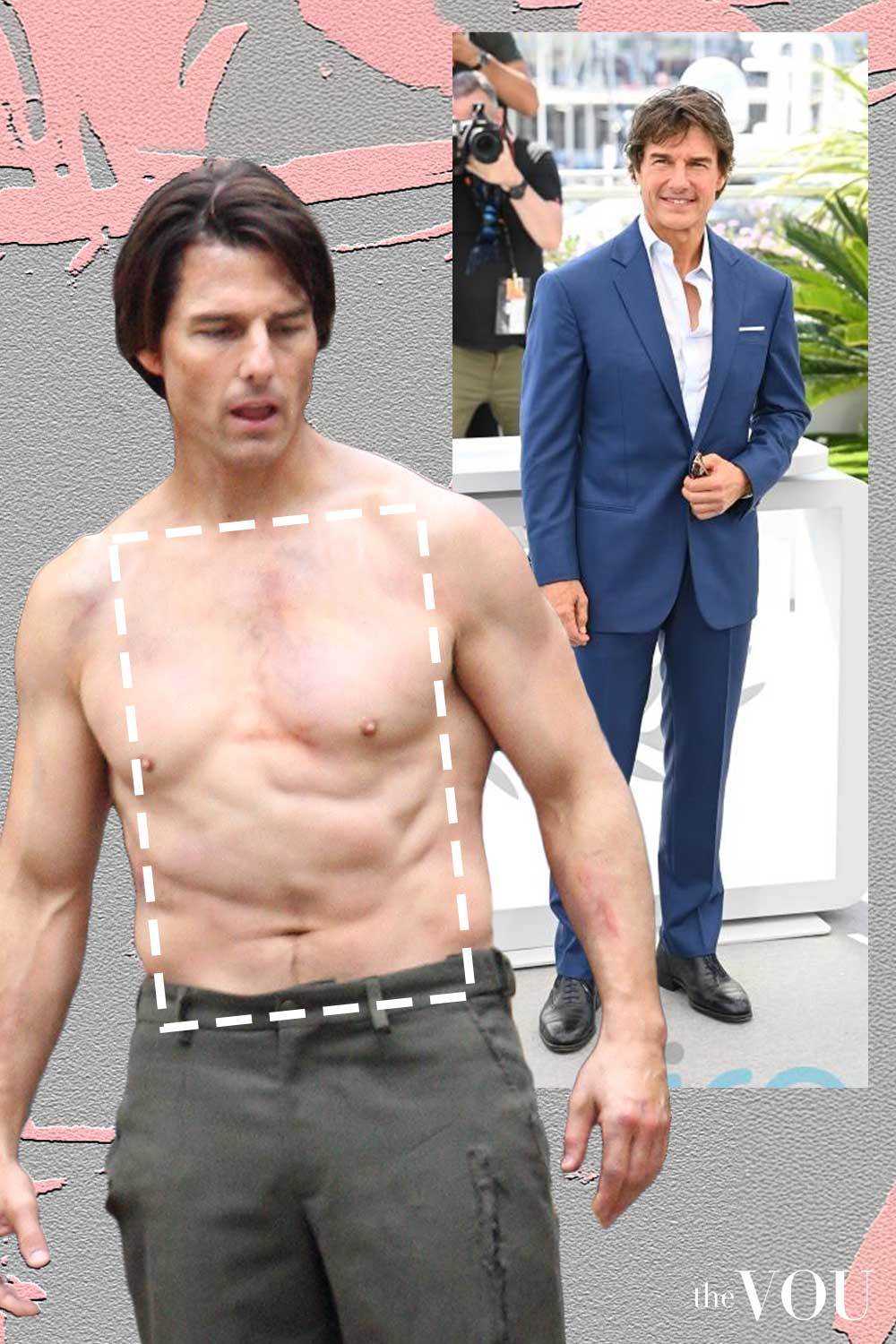
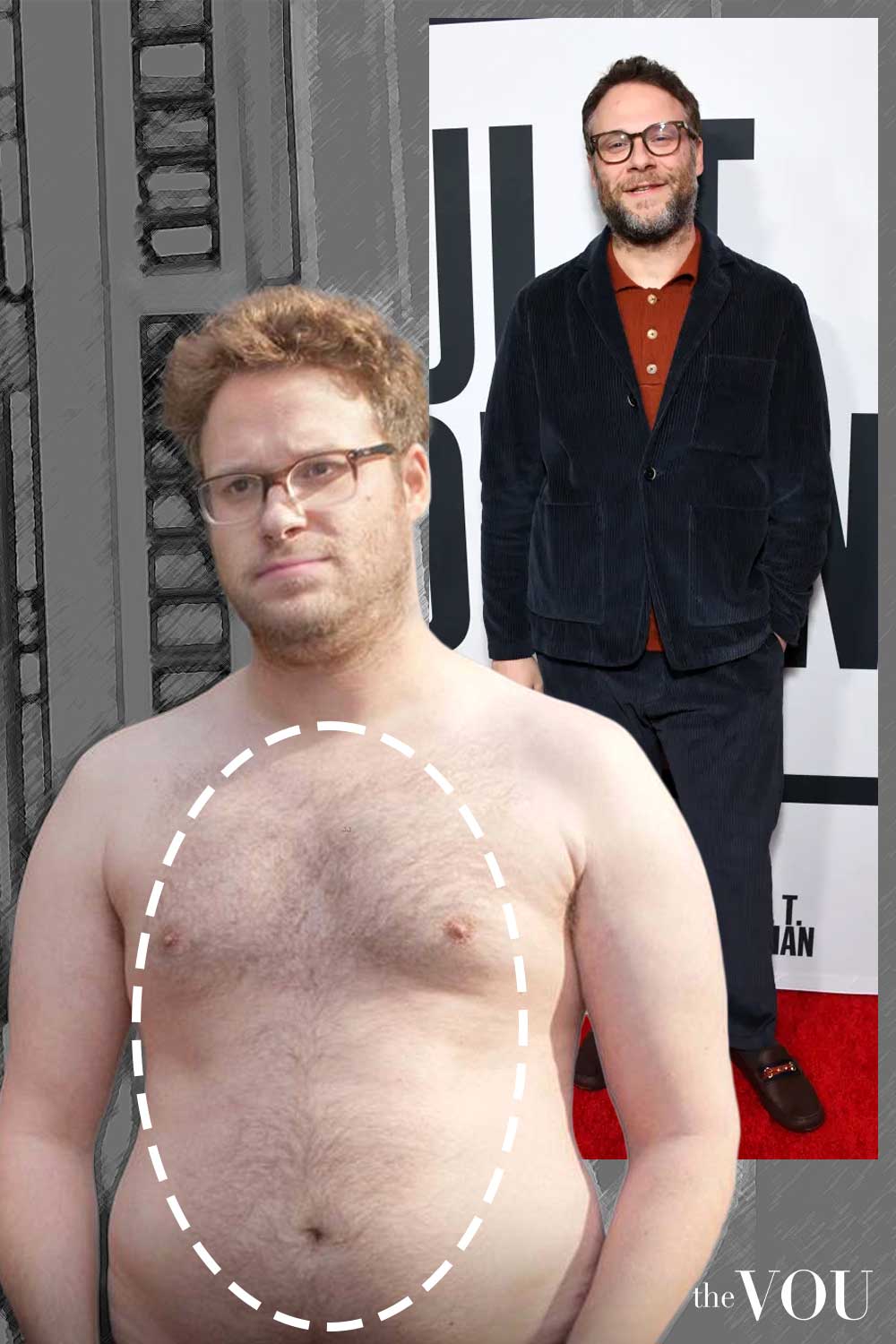
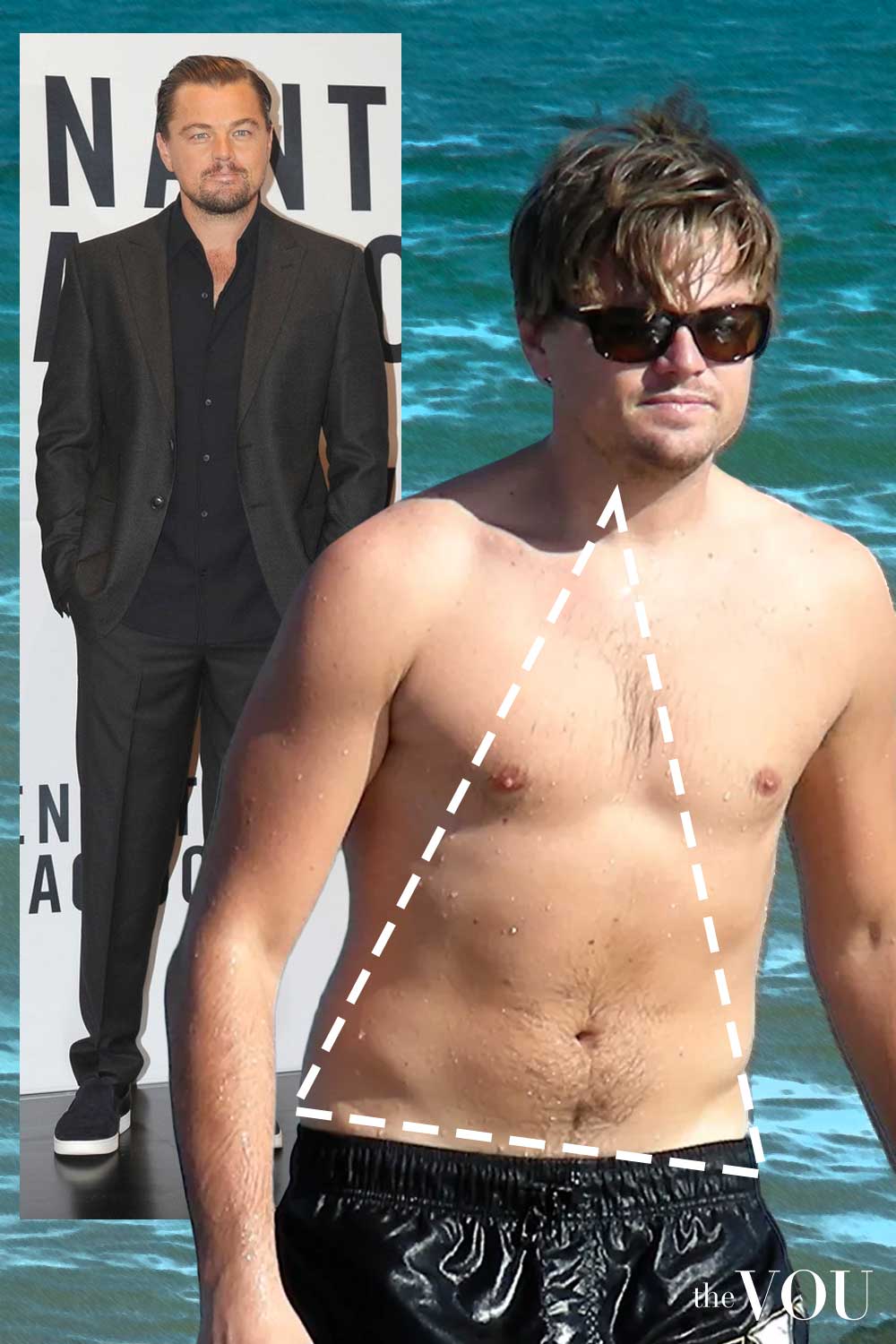
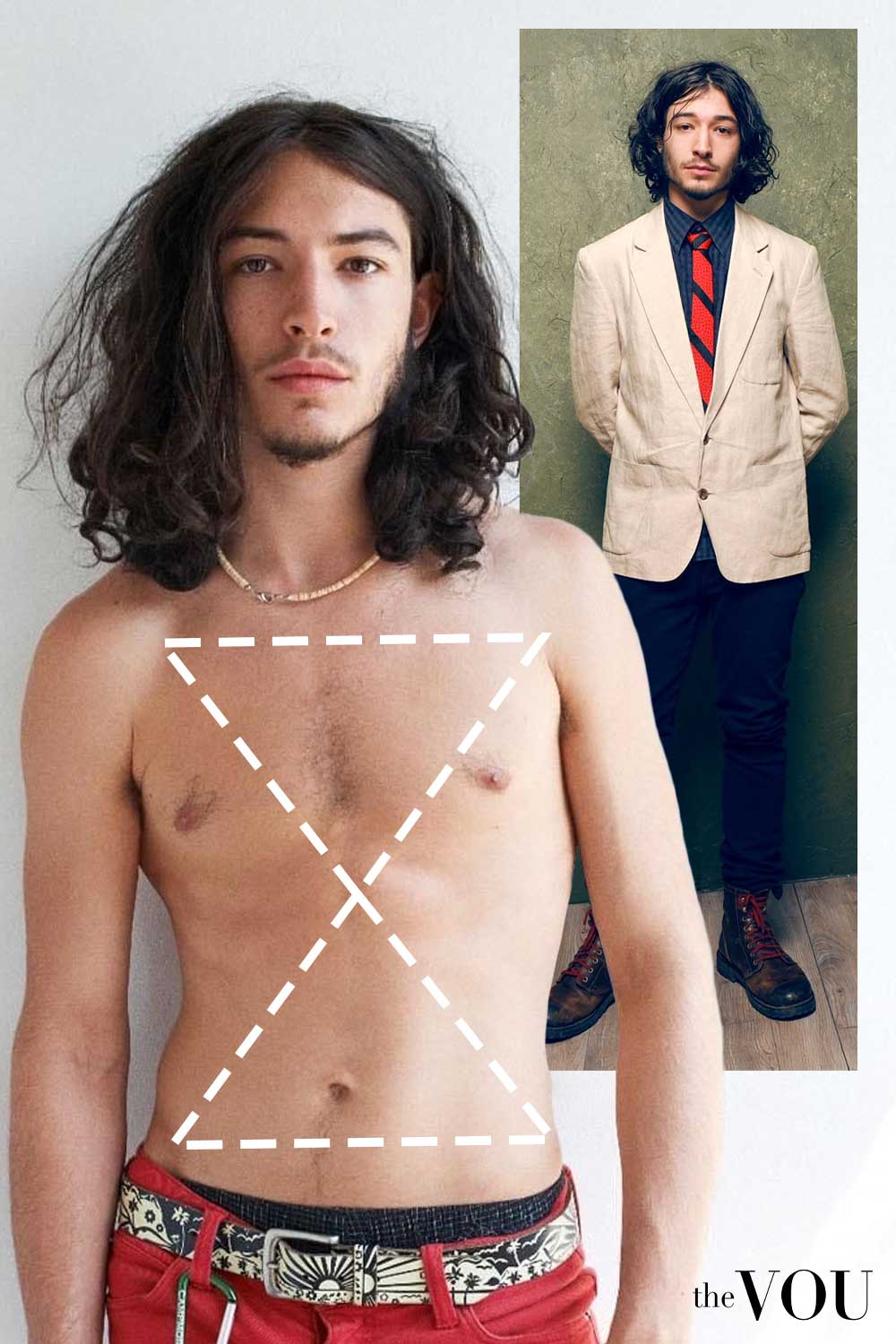
The six male body shapes used on The VOU are trapezoid, inverted triangle, rectangle, oval, triangle, and hourglass.
Here’s a breakdown of how the right stylist should approach each body shape:
1. Trapezoid: This body shape has broad shoulders and a narrower waist and hips.
Many cuts work on this build, so a personal stylist will mainly focus on fit, choosing well-fitted shirts, jackets and trousers that keep the existing balance.
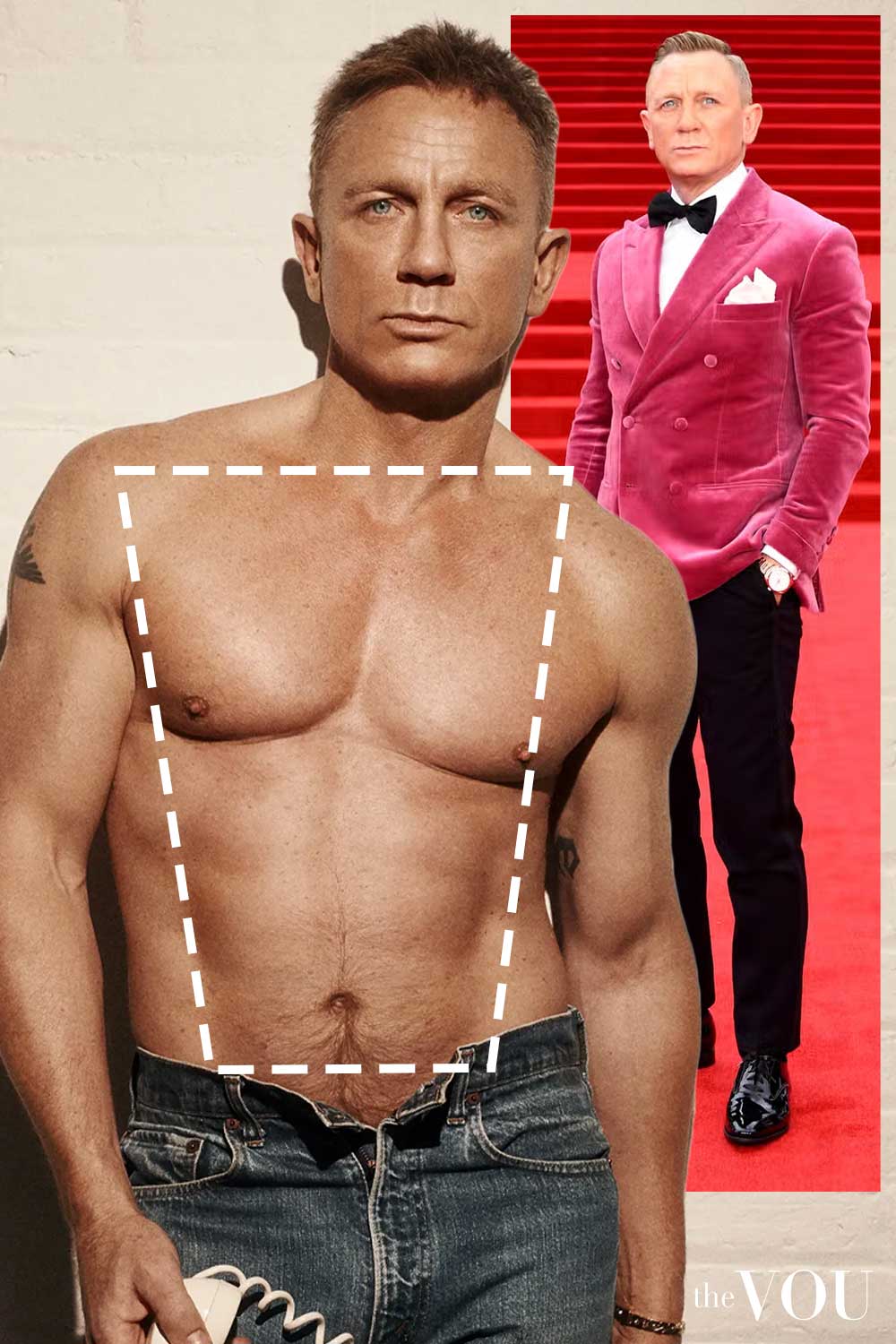
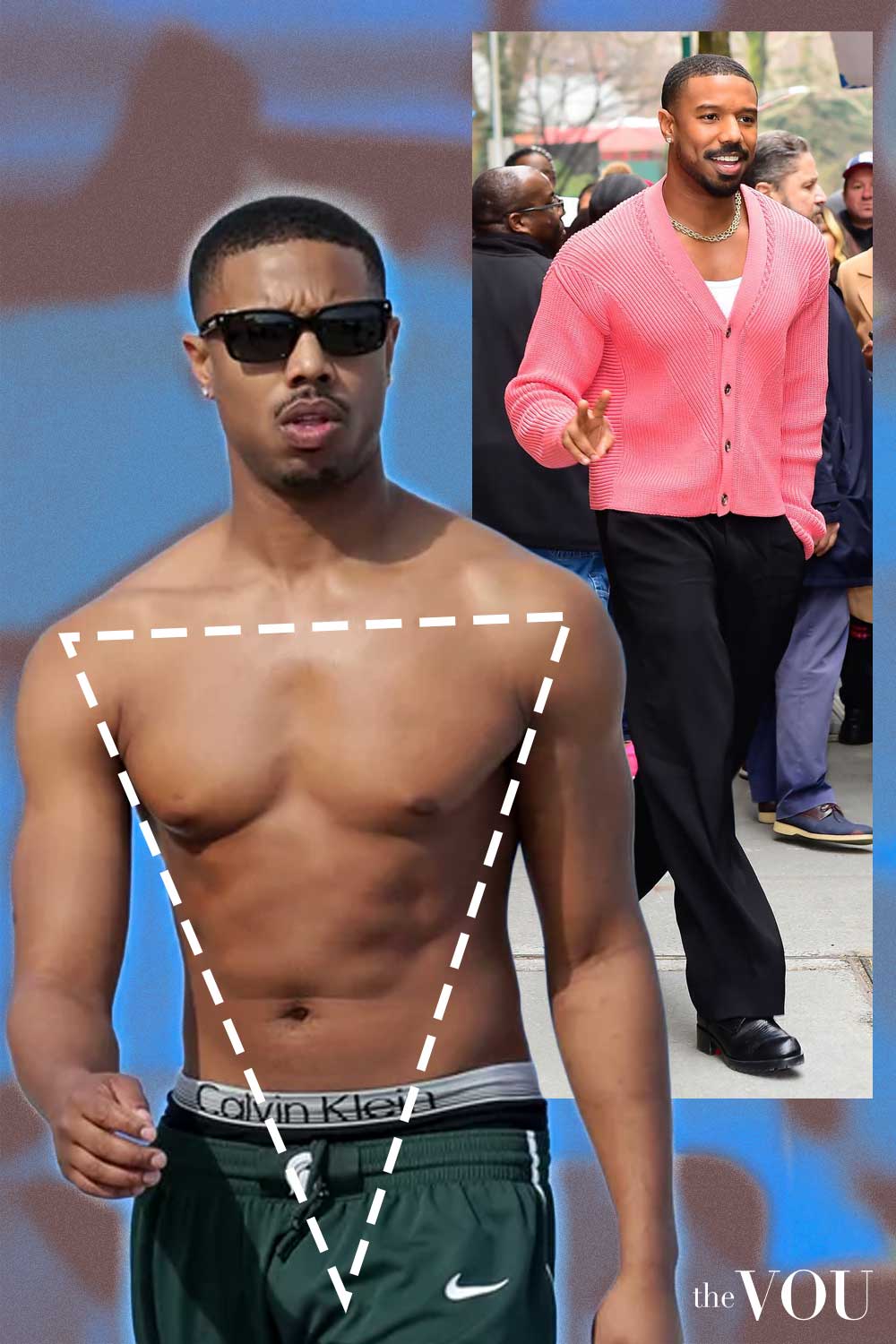
2. Inverted Triangle: Men with broad shoulders and a narrow waist fall into this category.
A personal stylist will often focus on fitted clothing that highlights the chest and shoulders without making the upper body look disproportionately large.
Tailored shirts and structured jackets work well to maintain balance.
3. Rectangle: Men with shoulders, waist, and hips all roughly the same width have a rectangular shape.
A skilled stylist will use structured clothing or layering to create more definition in the upper body and add visual interest around the shoulders and chest.
4. Oval: This body shape is characterised by a fuller midsection and narrower shoulders.
A personal stylist will focus on creating a slimming effect by using vertical lines and darker colours while adding definition to the shoulders with well-structured jackets or blazers.
5. Triangle: Men with wider hips and a narrower chest fall into the triangle category.
A good personal stylist will create balance by emphasising the upper body, using structured jackets and fitted tops that add visual width at the shoulders and chest.
6. Hourglass: Although traditionally associated with women, some men exhibit an hourglass shape characterised by a defined waist and balanced shoulders and hips.
Your personal stylist should work to accentuate the waist while ensuring the upper and lower body proportions are harmonised.
Expertise in Seasonal Colours for Men
Fit and style usually come first, but the colours you wear near your face also change how an outfit looks on you.
Seasonal colour analysis is one styling framework for comparing groups of colours beside your skin, hair and eyes, and for choosing shirts, knitwear and accessories in the colours you prefer on you.
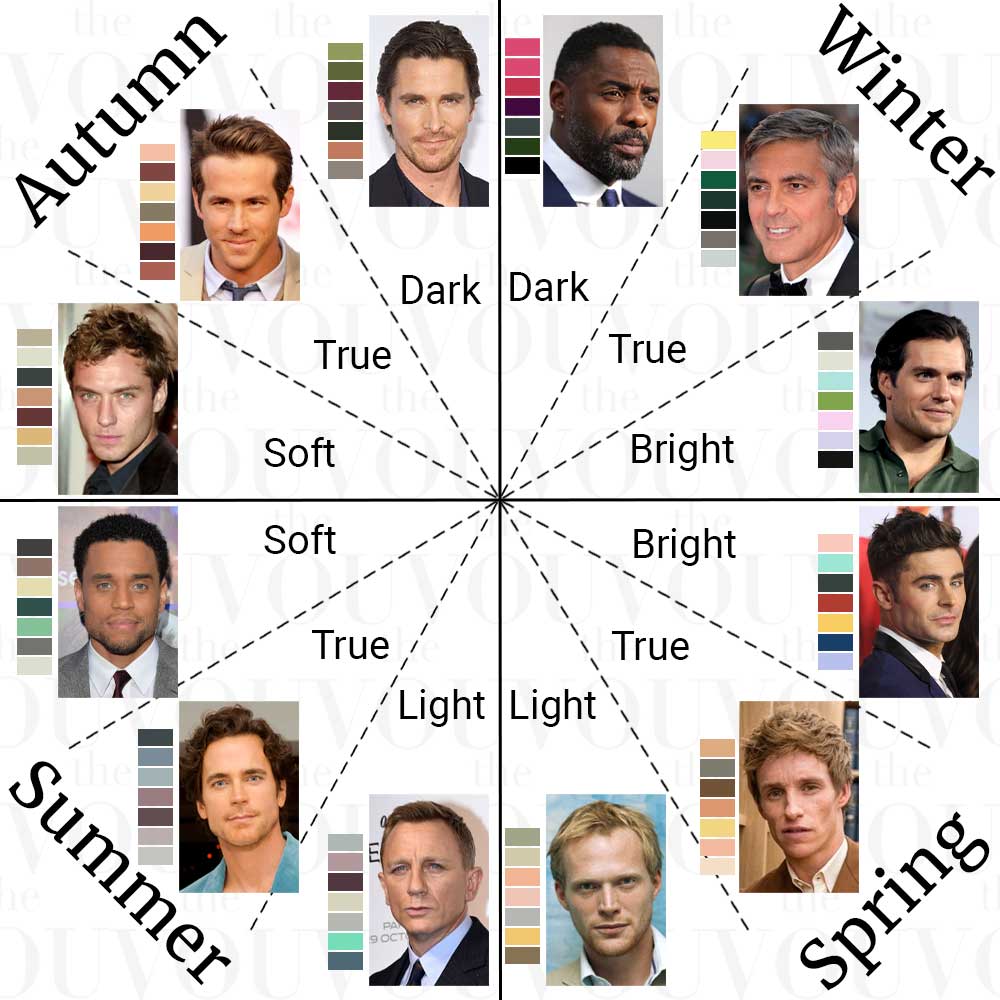
Some personal stylists use seasonal colour analysis and some do not, so ask whether colour advice is included and how the stylist carries out the comparison.
Seasonal colour analysis groups colours into four families, spring, summer, autumn and winter, which many systems divide further into twelve subseasons.
Each family describes a palette direction, not a type of man; your hair, skin and eyes can suggest which family to compare first, but no single feature settles the result.
Here is a short summary of each family:
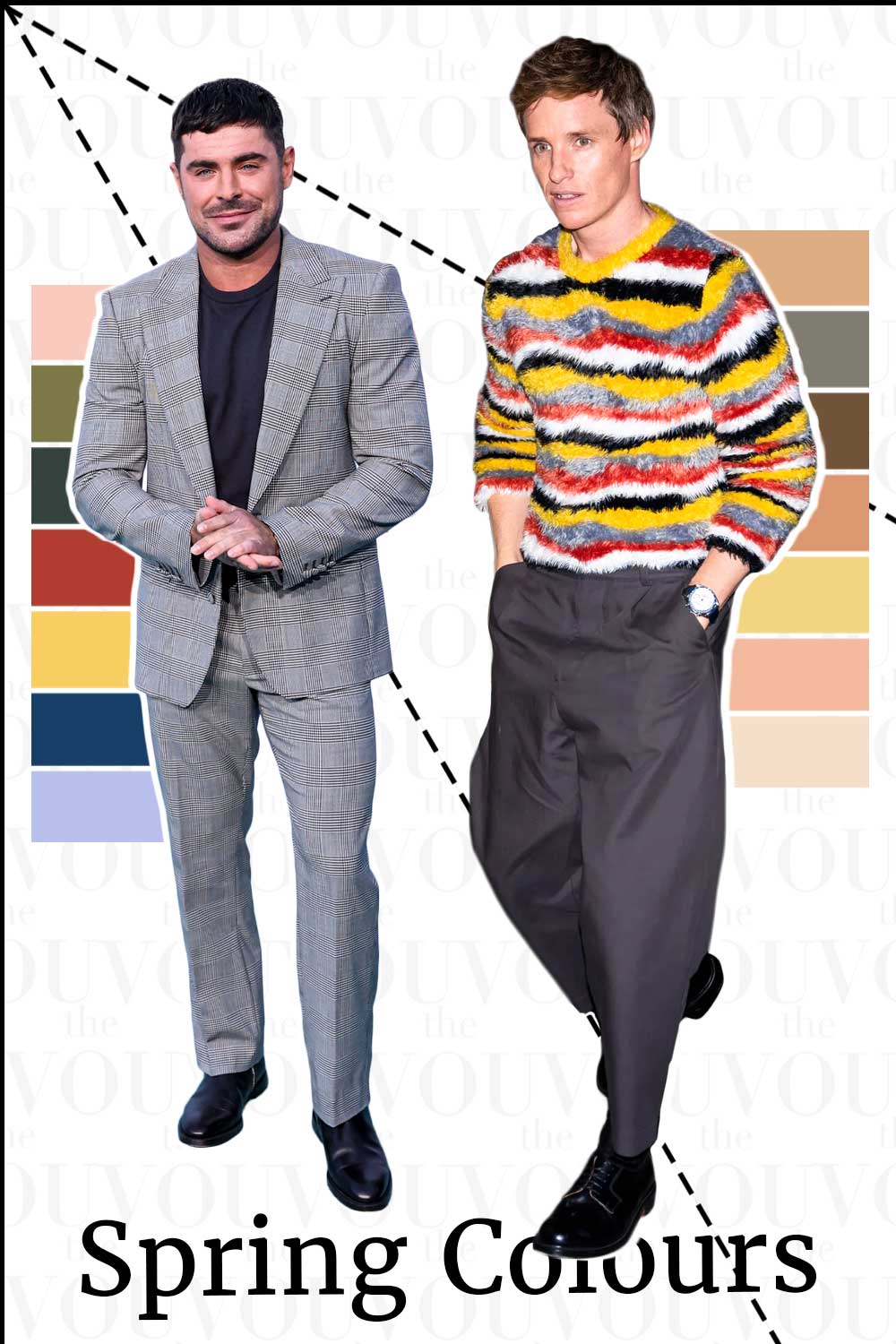
Spring: A warm-leaning palette of clearer colours, such as coral, peach and light warm green.
Men with golden or light red hair often try spring colours first, and deeper red or auburn hair is often compared with autumn too, although hair colour alone does not decide the season.
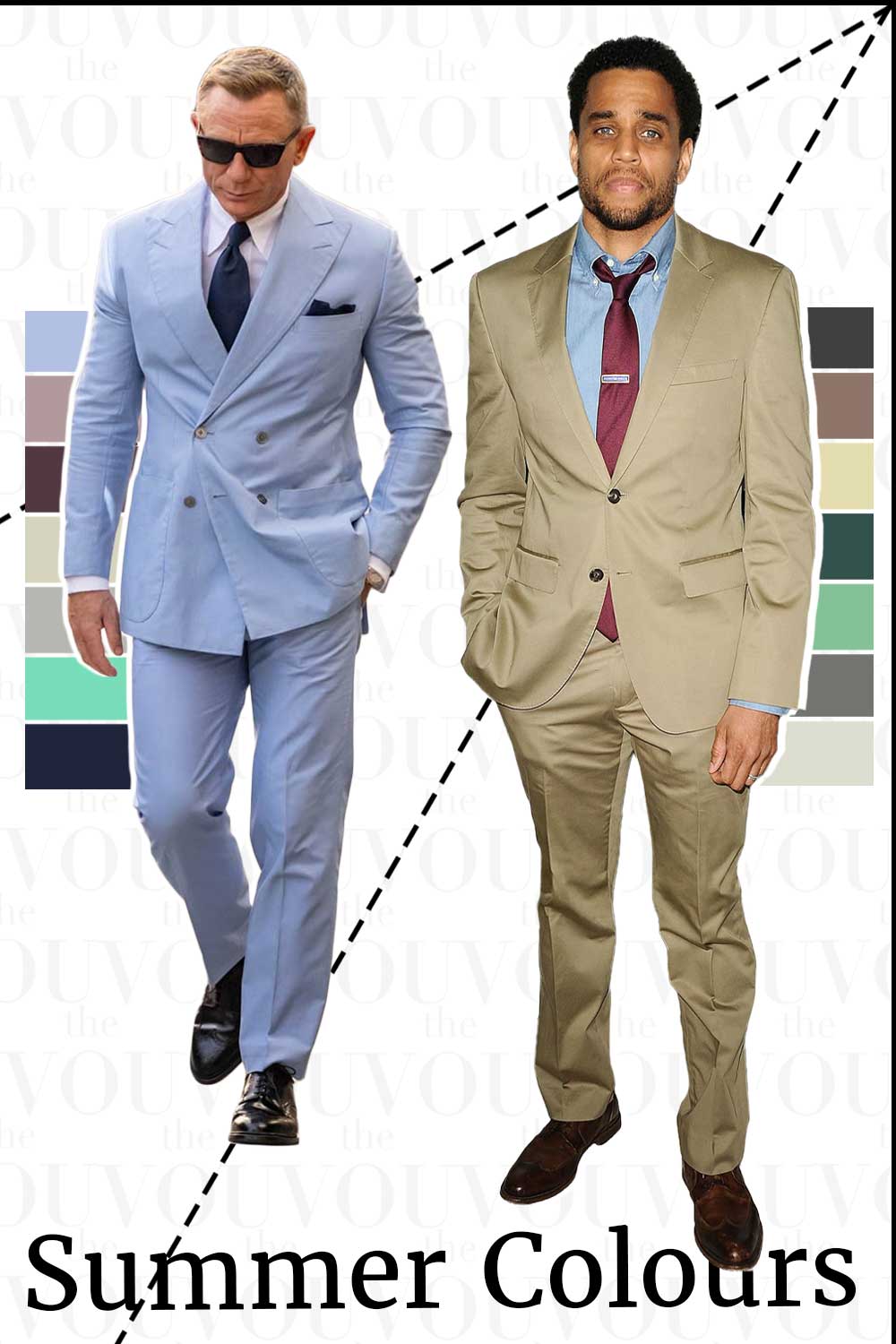
Summer: A cool-leaning palette of softer colours, such as powder blue, soft grey-blue and lavender.
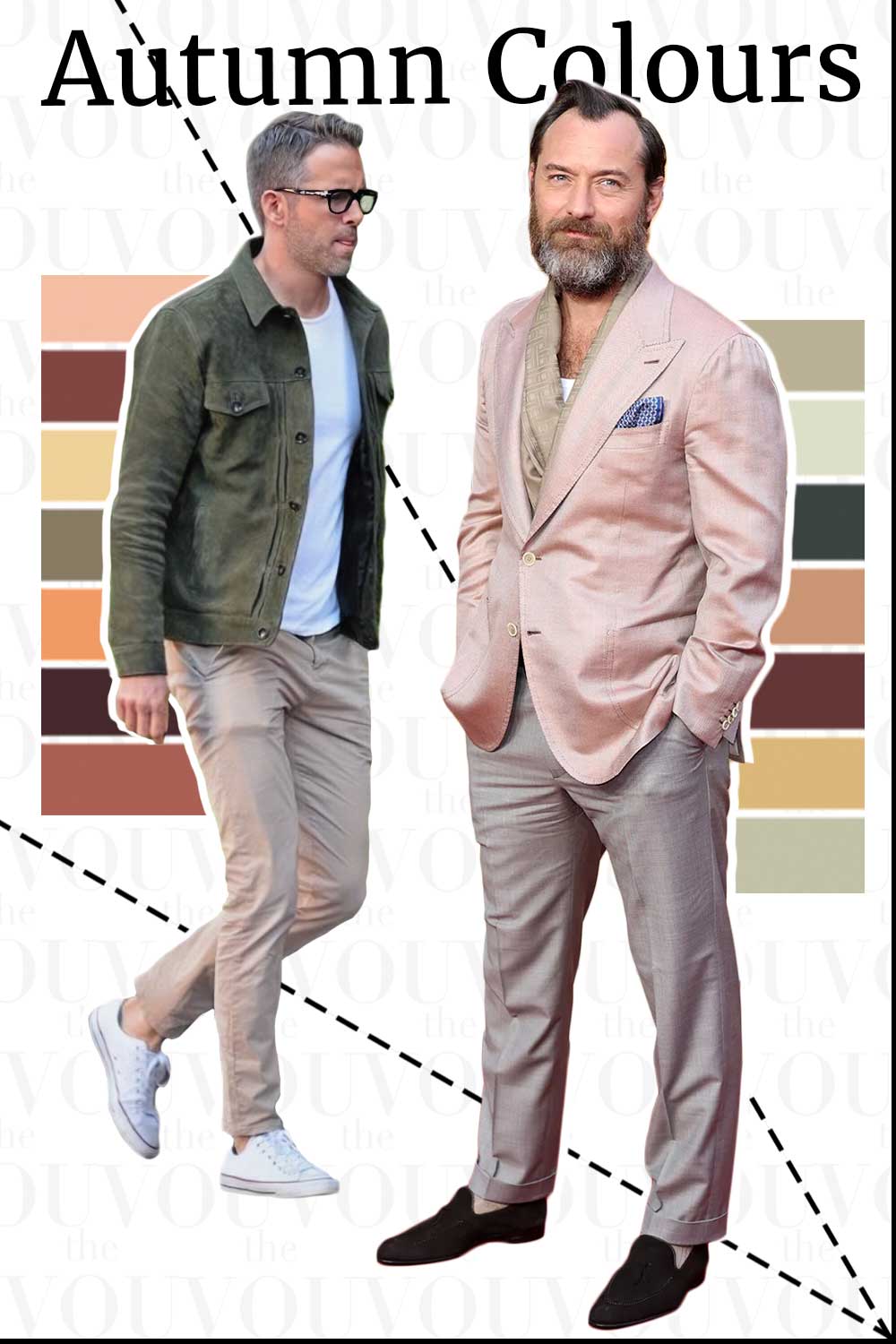
Autumn: A warm-leaning palette of softer, earthier colours, such as olive, mustard, rust and deep brown.
Winter: A cool-leaning palette of clearer colours, such as navy, black and deep cool red.
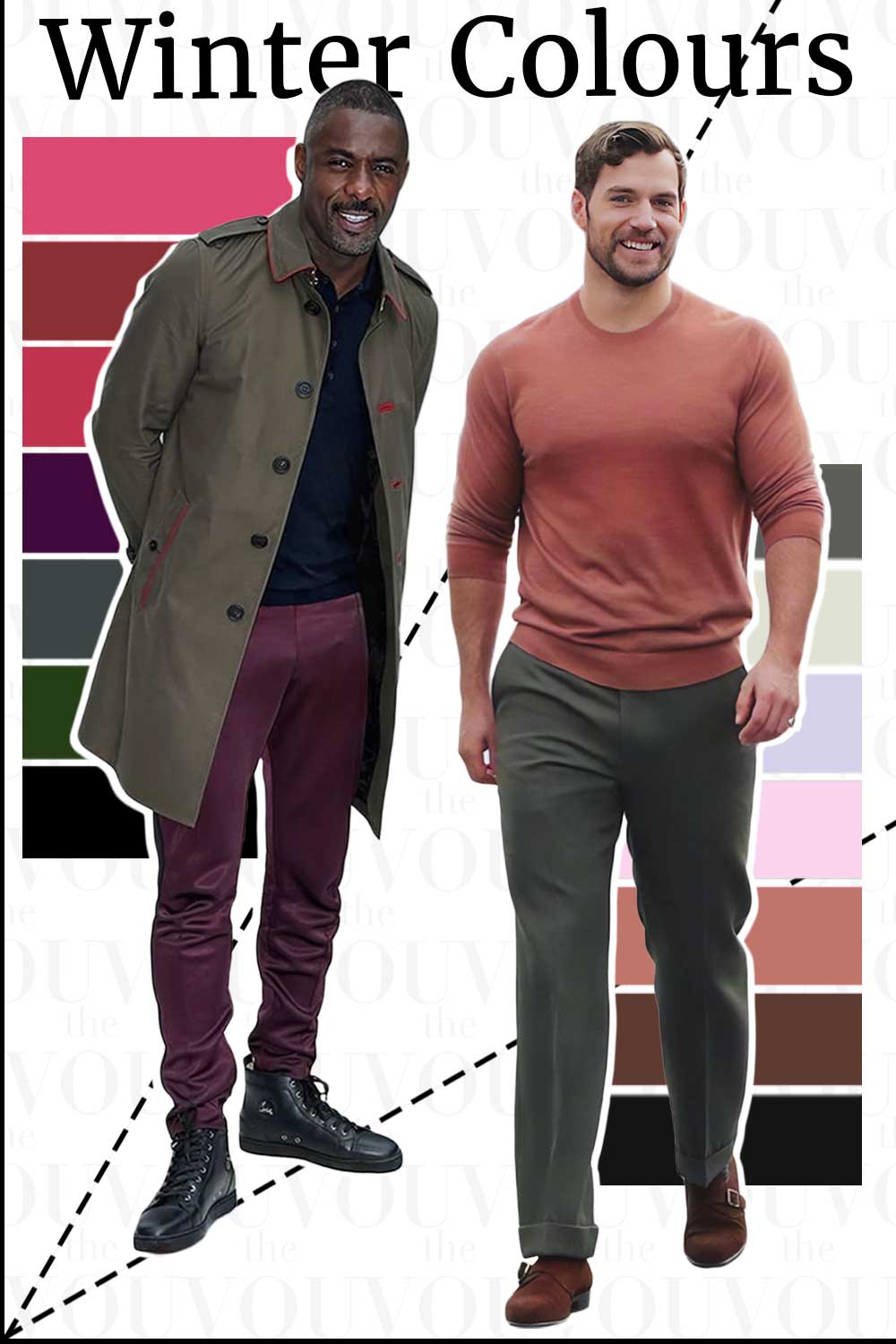
If colour advice matters to you, ask a prospective stylist how they compare colours, for example with fabric drapes or your own shirts in steady daylight, and how they would use the results in your existing wardrobe.
A good stylist will treat the palette as a guide for new shirts, knitwear and accessories, not as a reason to throw out the navy suit, white shirts or brown leather shoes you already wear well.
Expertise in Existing Fashion Styles
A truly versatile and knowledgeable personal stylist should be well-versed in a wide range of established fashion styles.
This expertise allows them to help you find a fashion style that suits your personality and lifestyle, or help you experiment with new aesthetics.
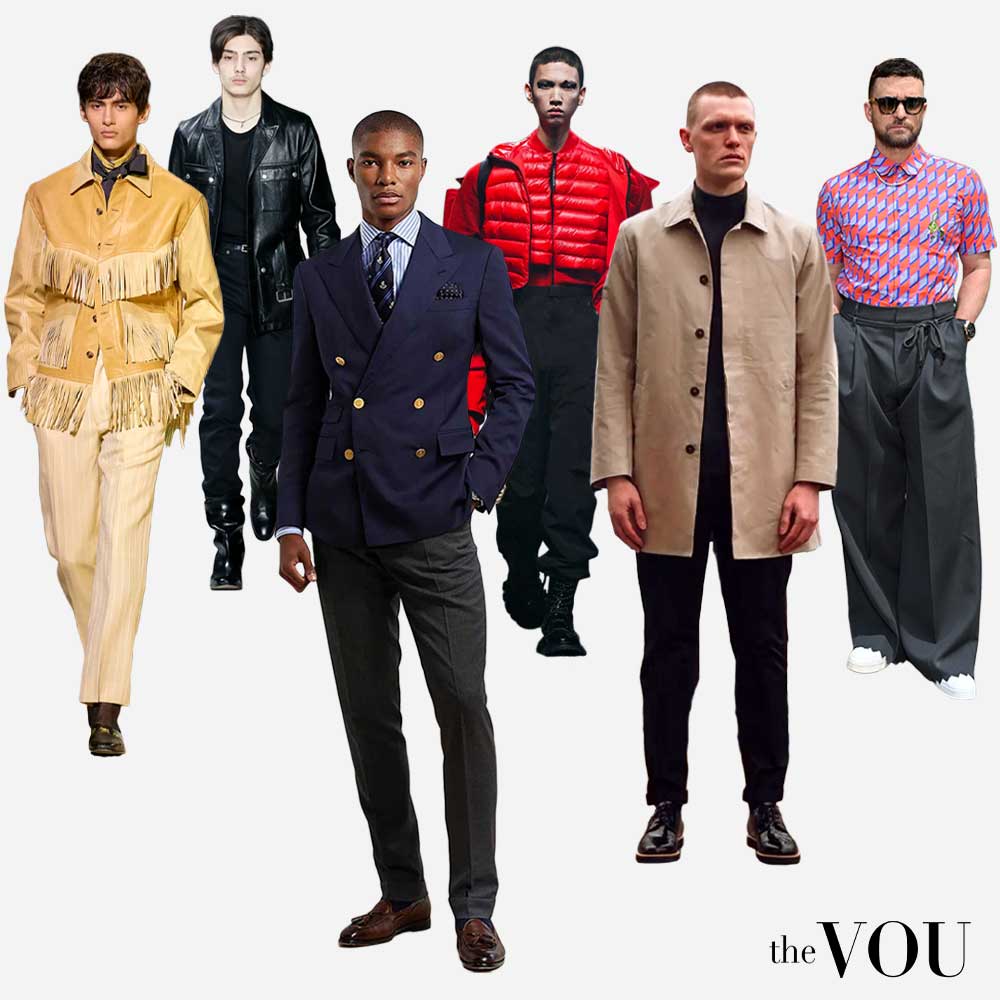
When selecting a stylist, check that they know a range of fashion styles, such as:
- Classic Old Money: A timeless, refined style associated with traditional wealth, featuring tailored suits, quality knitwear, and understated luxury garments.
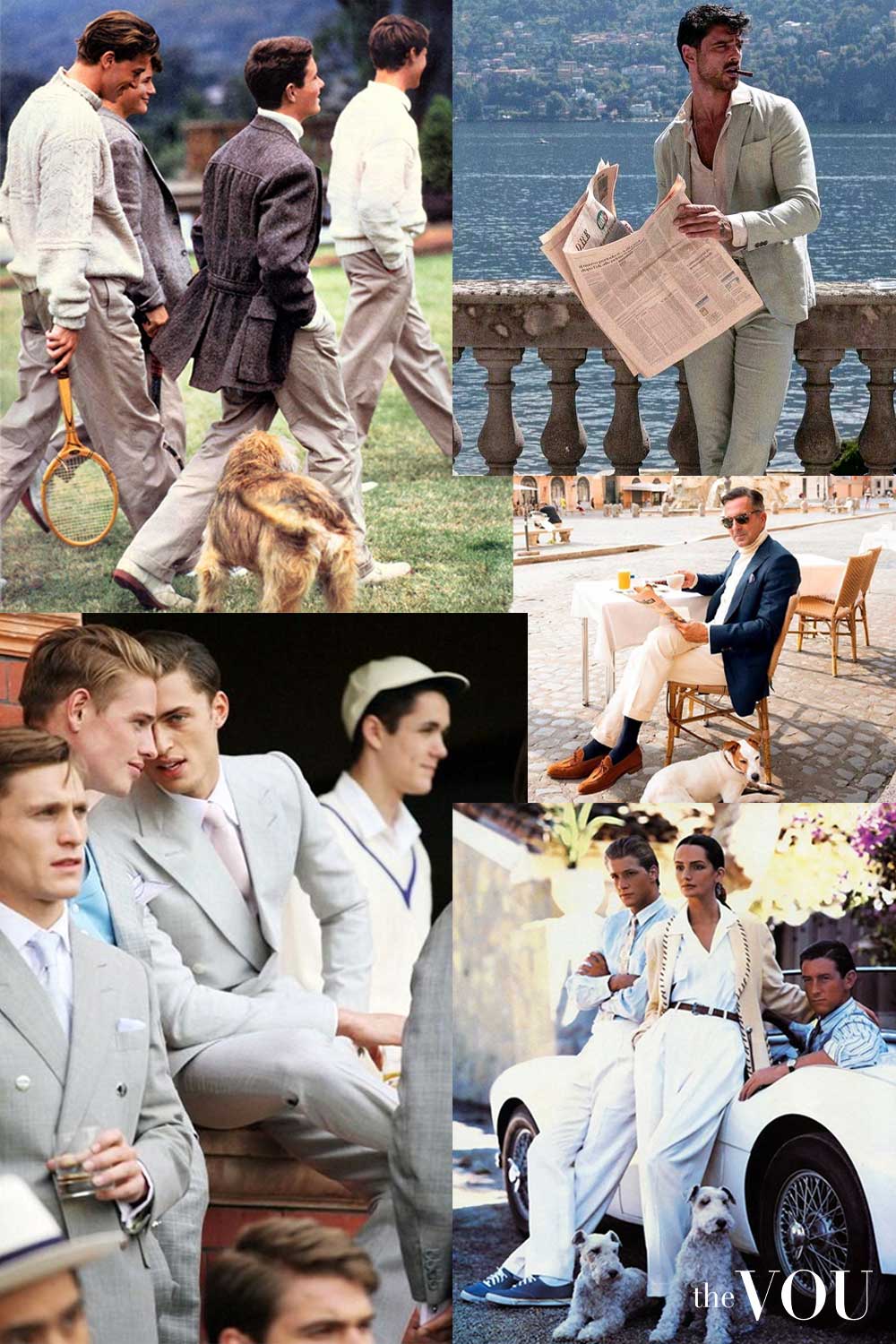
- Preppy: A clean-cut, classic American style characterised by Oxford shirts, blazers, chinos, and loafers.
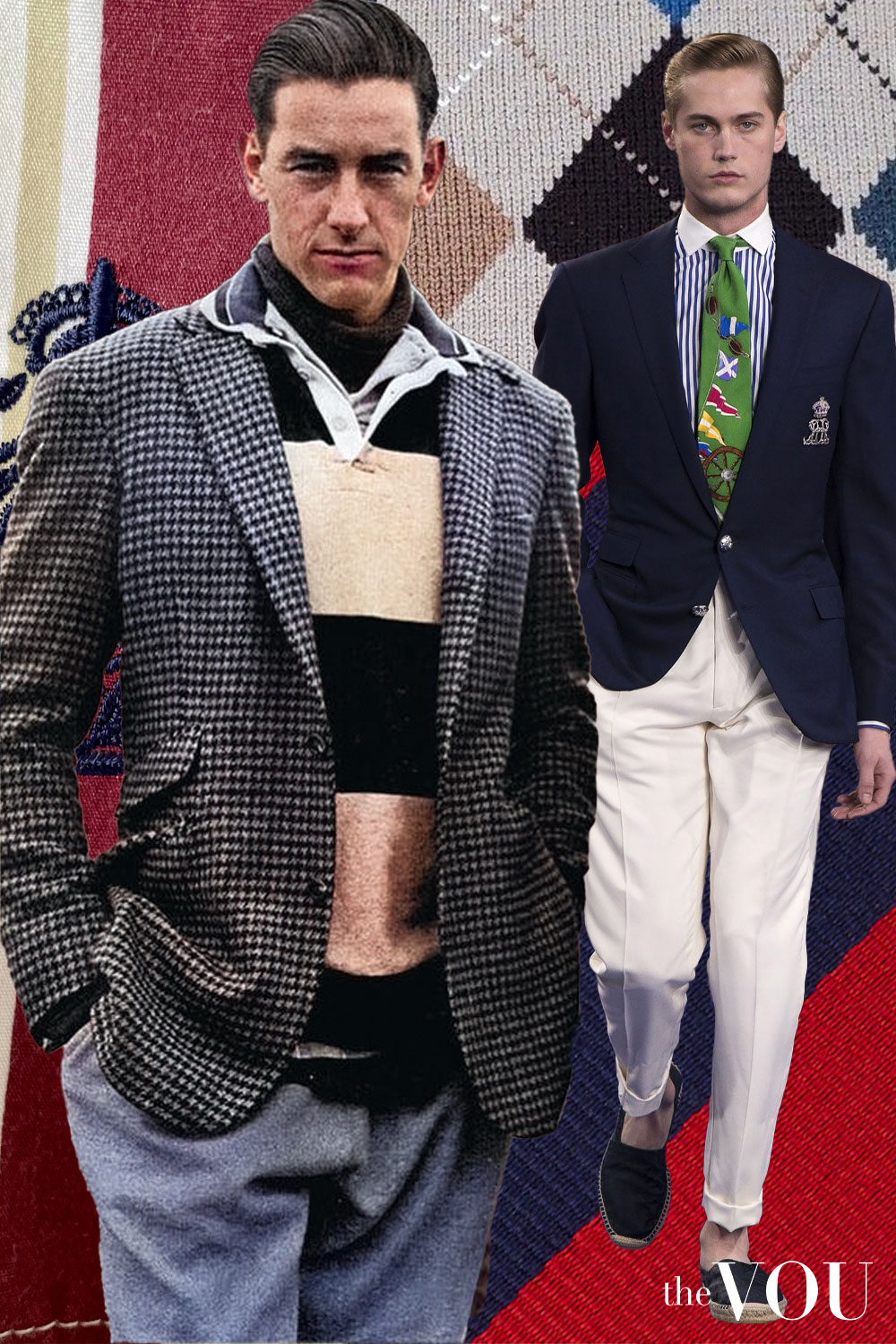
- Sloane Ranger: A distinctly British upper-class style, featuring tweed jackets, Wellington boots, and countryside-inspired attire.
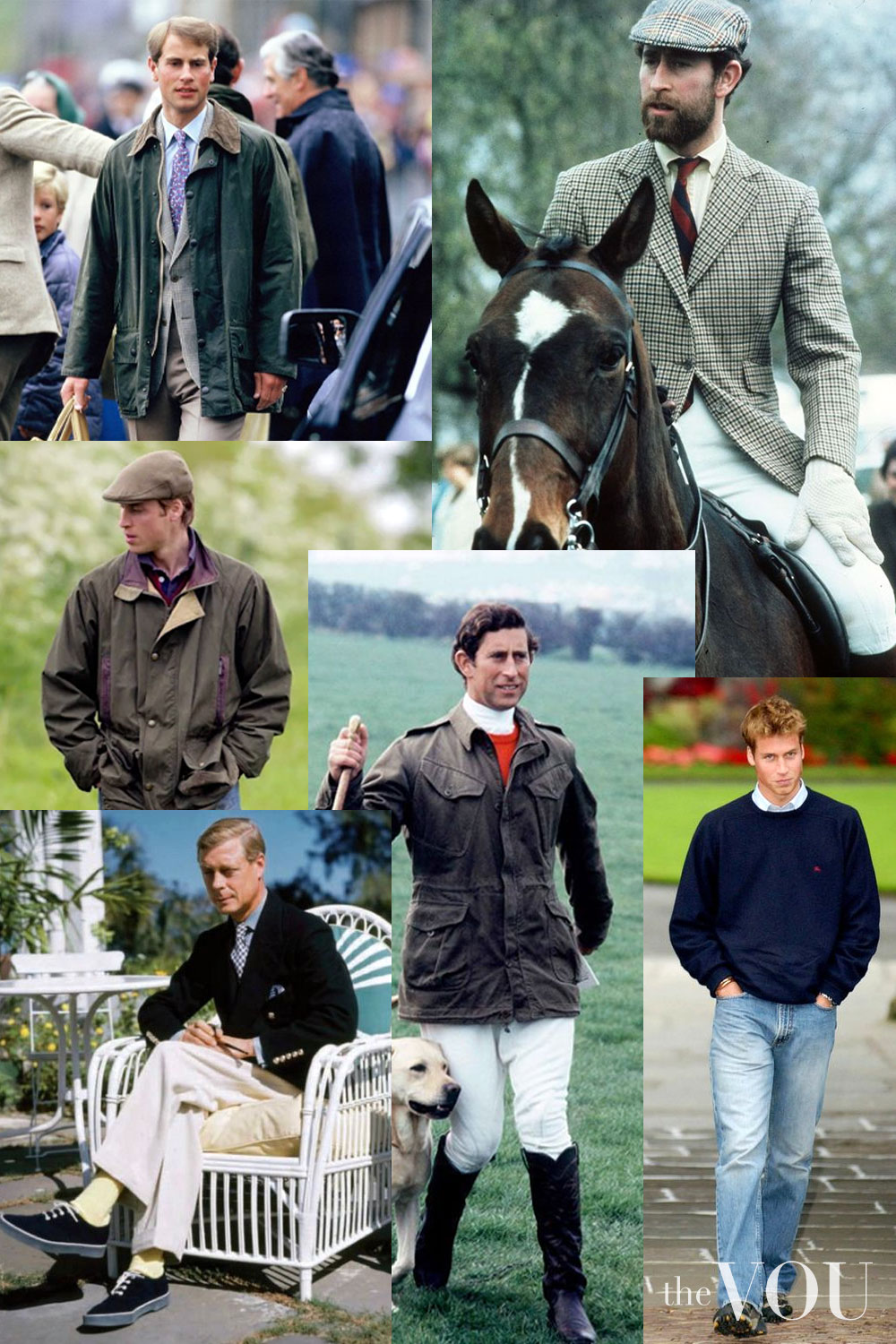
- Dandy: A refined, elegant style that pays particular attention to classic tailoring and bold accessories.
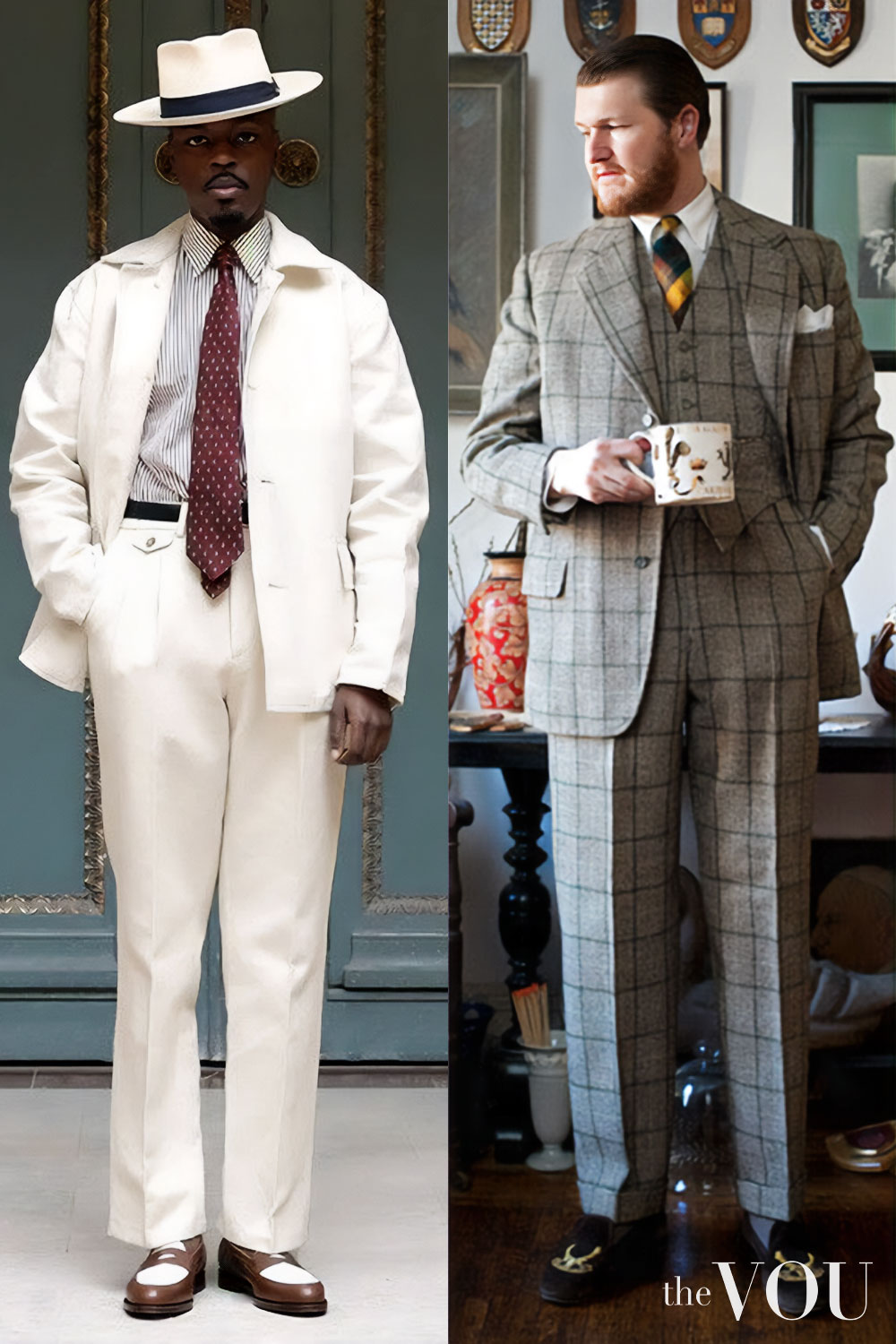
- Bohemian/Boho Chic: A free-spirited style mixing vintage and modern garments, often including flowing fabrics and eclectic accessories.
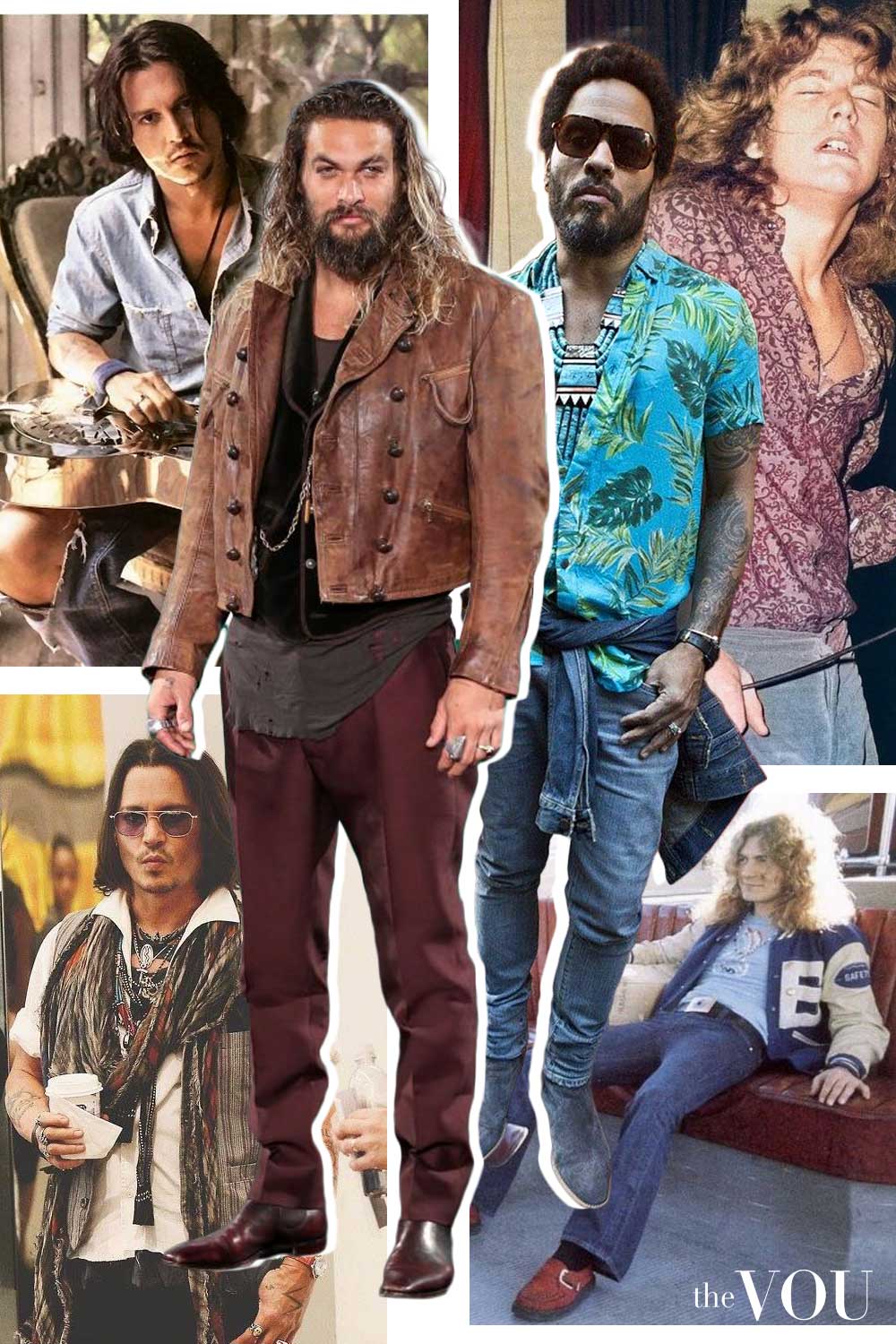
- Hipster: A style that embraces indie culture and often includes vintage clothing, thick-rimmed glasses, and handmade or craft accessories.
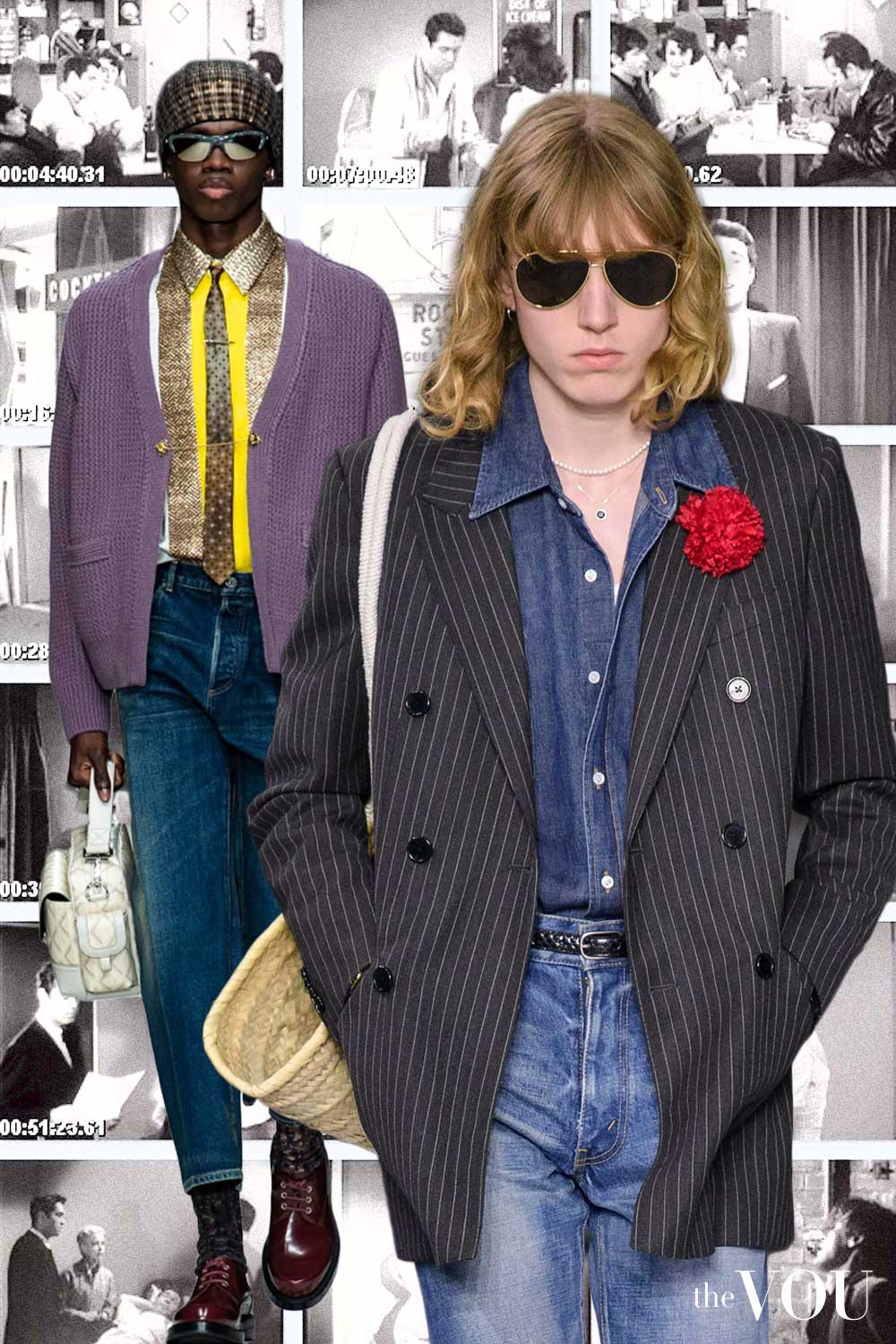
- Vintage: A style that incorporates clothing and accessories from past decades, often mixed with modern garments.
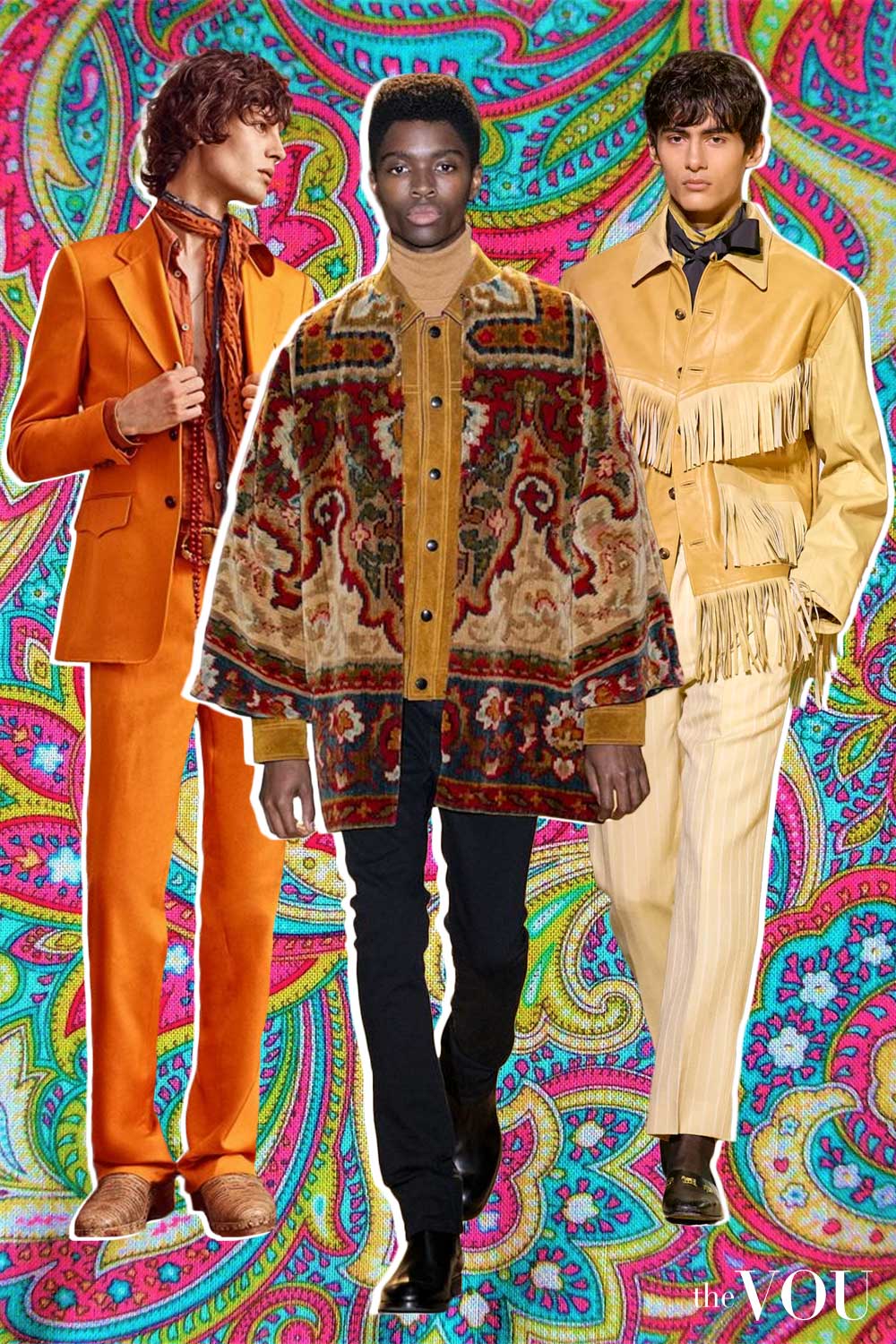
- Retro: A modern interpretation of styles from past decades, particularly the 50s, 60s, and 70s.
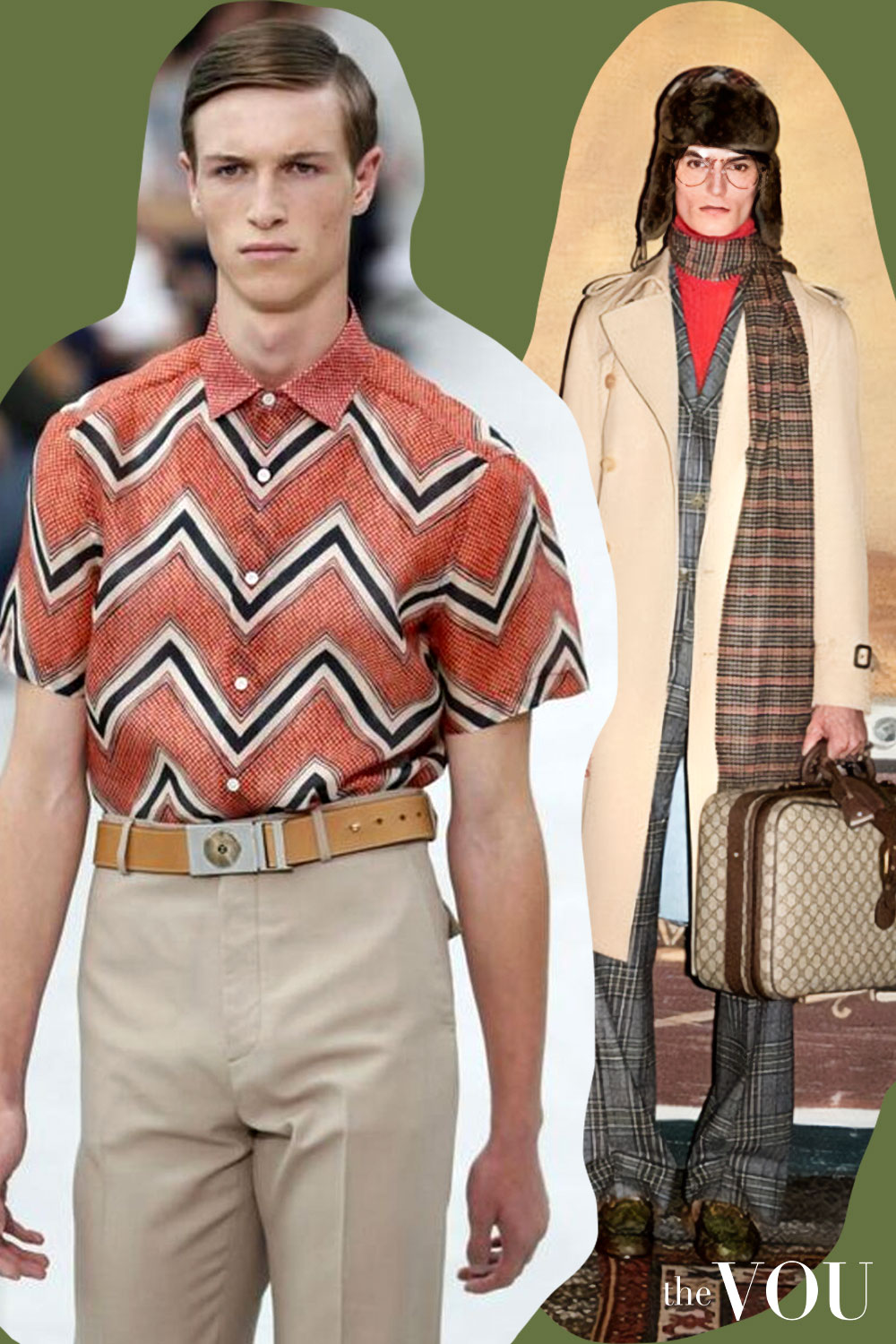
- Grunge: A style inspired by 90s rock culture, featuring oversized flannel shirts, ripped jeans, and combat boots.
- Punk: An edgy, rebellious style incorporating leather jackets, band t-shirts, ripped jeans, and statement accessories.
- Rock: Similar to punk but often more polished, featuring leather jackets, skinny jeans, and boots.
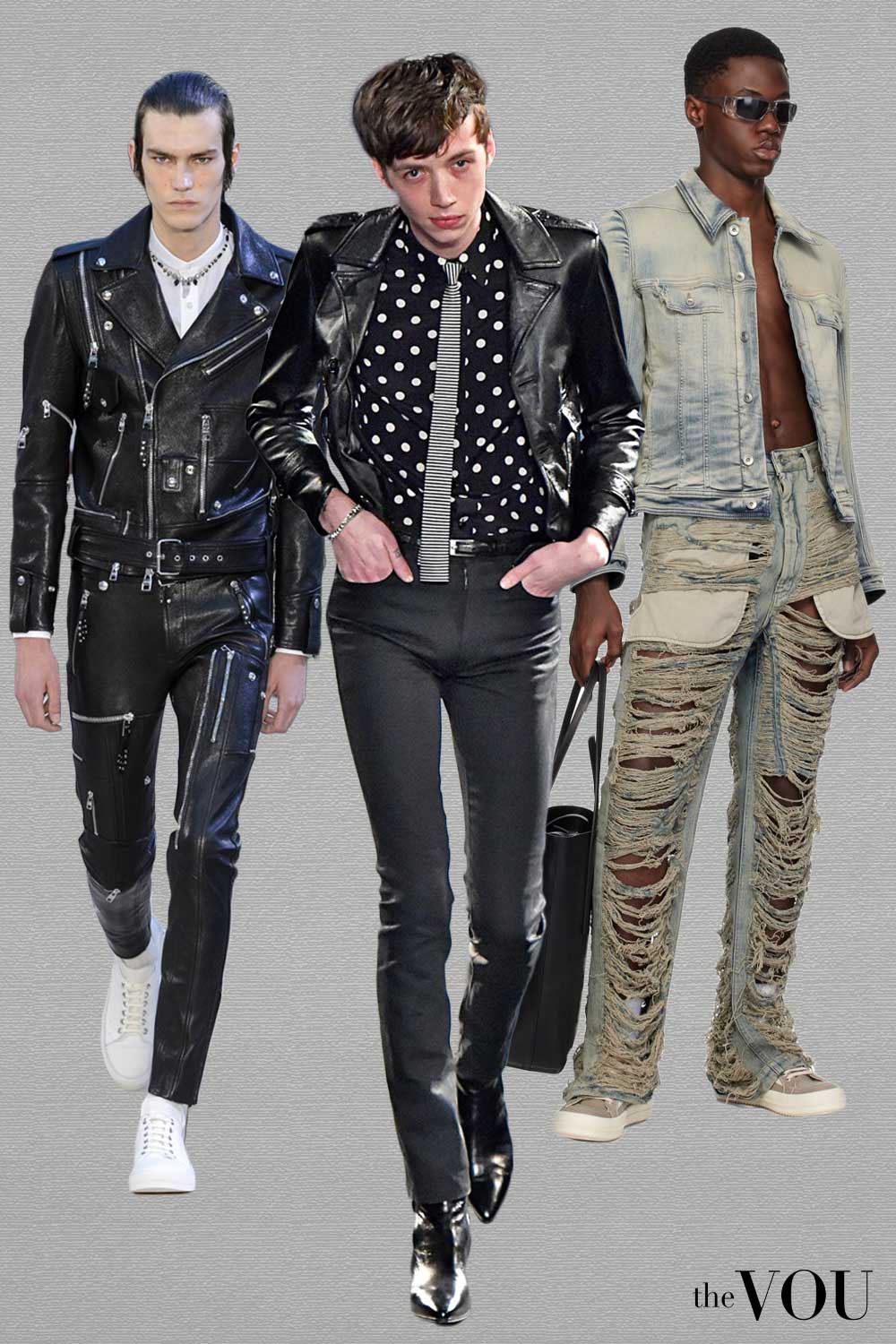
- Goth: A dark, dramatic style often featuring black clothing, heavy boots, and gothic-inspired accessories.
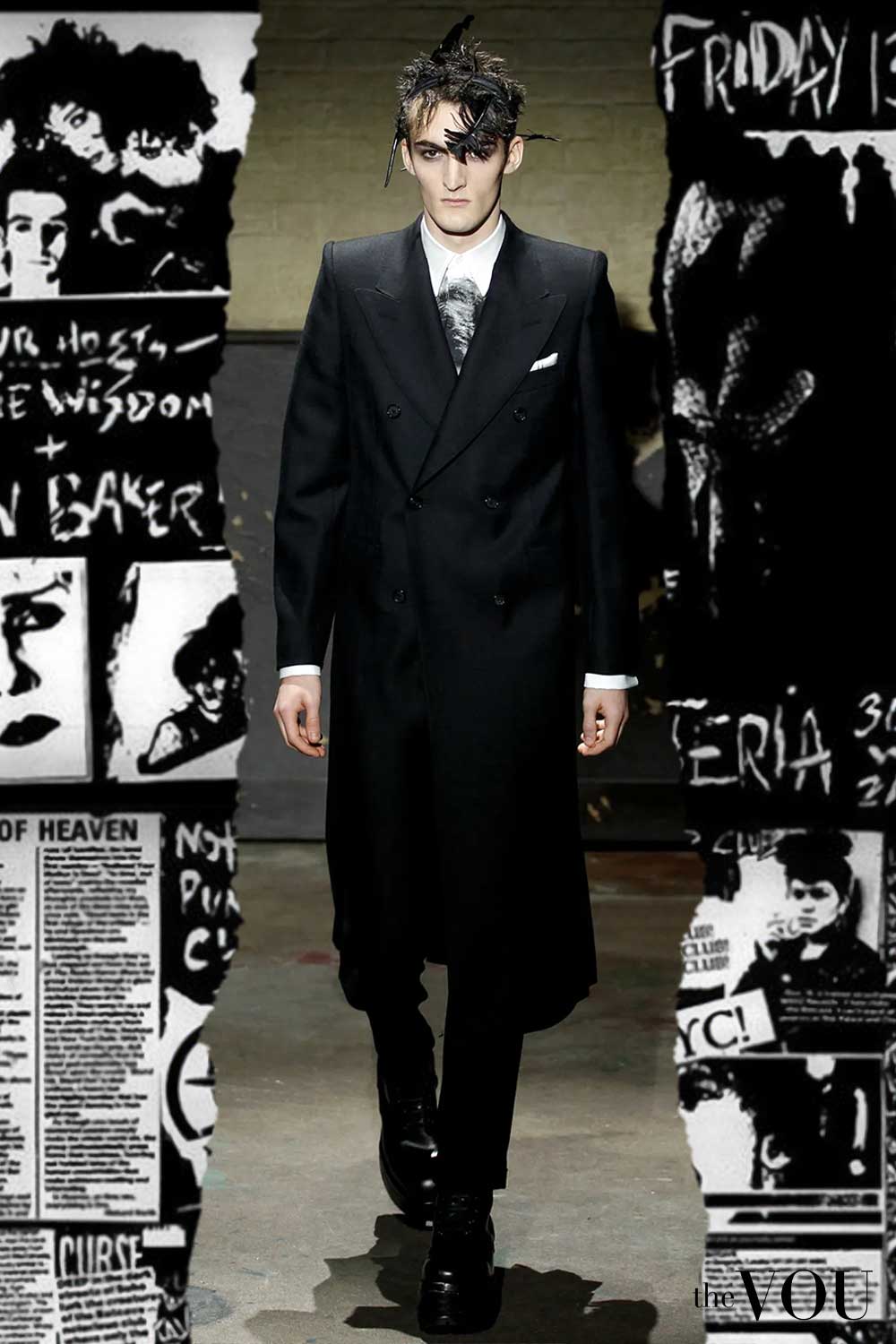
- Minimalist: A sleek, pared-down aesthetic focusing on simple silhouettes and a neutral colour palette.
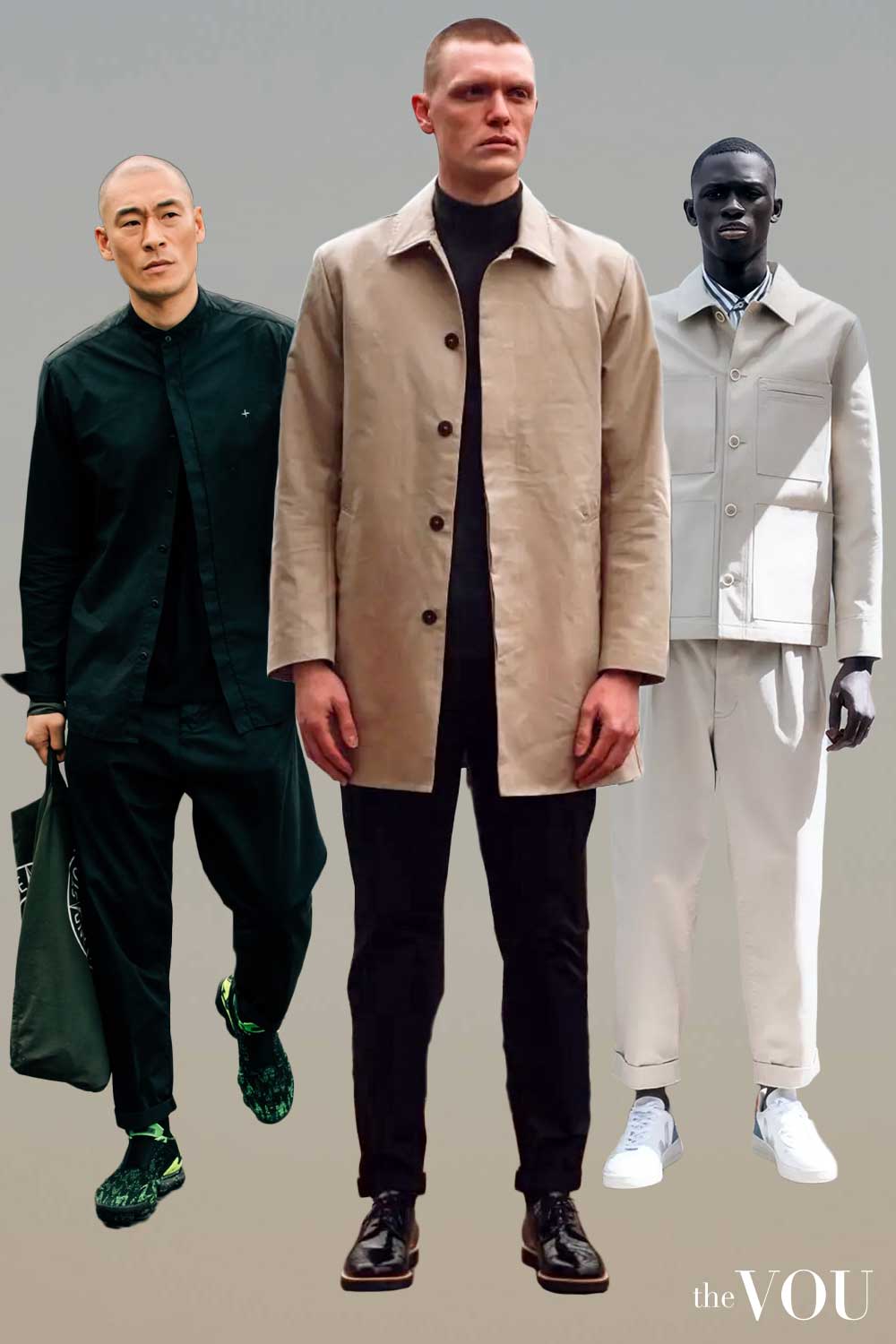
- Maximalist: A bold, eclectic style that embraces patterns, colours, and statement garments.
- Streetwear: A casual, urban-inspired style that often includes trainers, hoodies, and graphic tees.
- Workwear: A style inspired by traditional labour wear, featuring durable fabrics, practical designs, and a rugged aesthetic.
- Hip Hop: A style influenced by urban culture, often featuring oversized clothing, bold jewellery, and designer trainers.
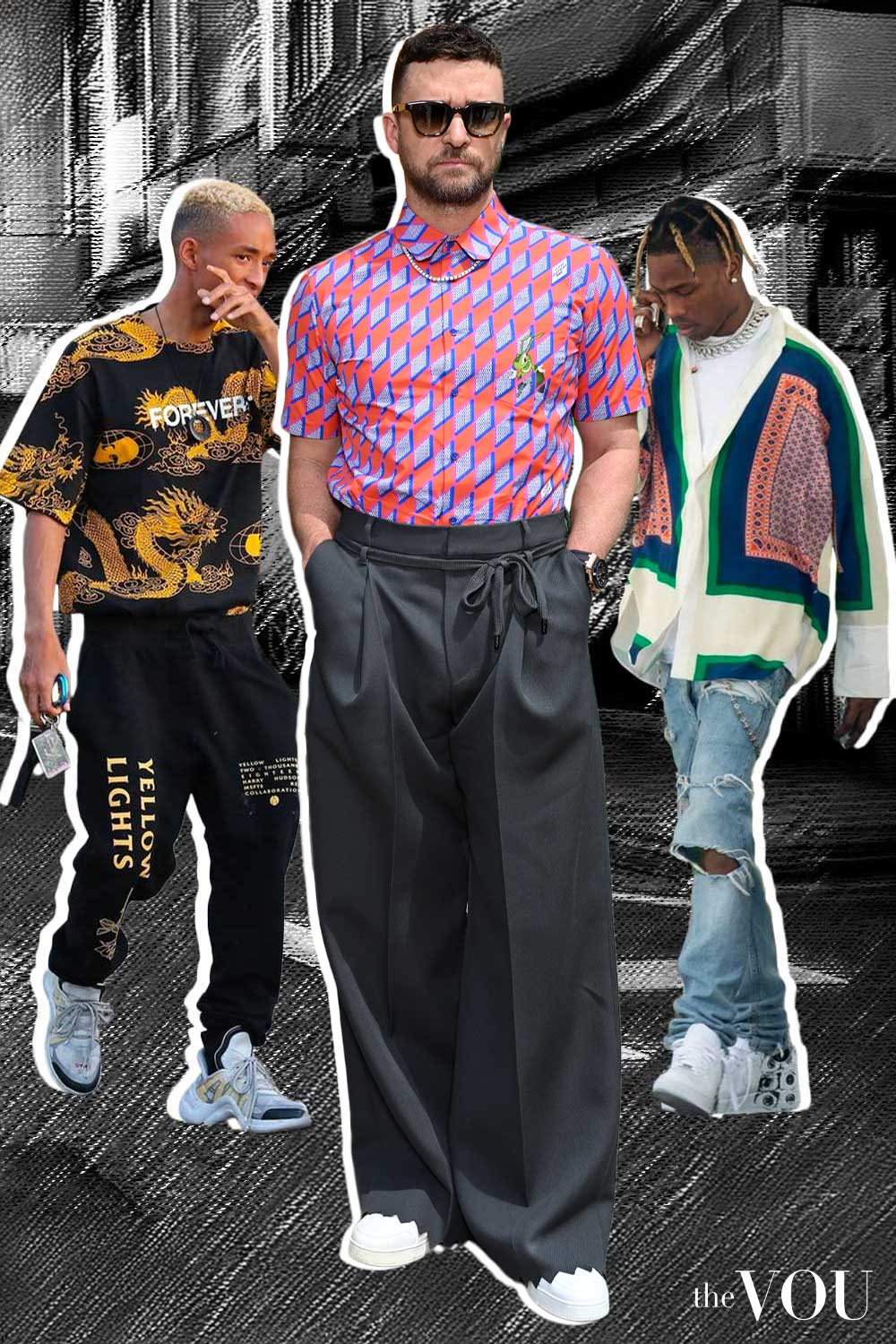
- Skater: A casual style inspired by skateboarding culture, including loose-fitting clothes, graphic tees, and skate shoes.
- Surfer: A laid-back style inspired by beach culture, featuring board shorts, flip-flops, and casual tees.
- Normcore: A style that embraces ‘averageness’, featuring unremarkable casual clothes.
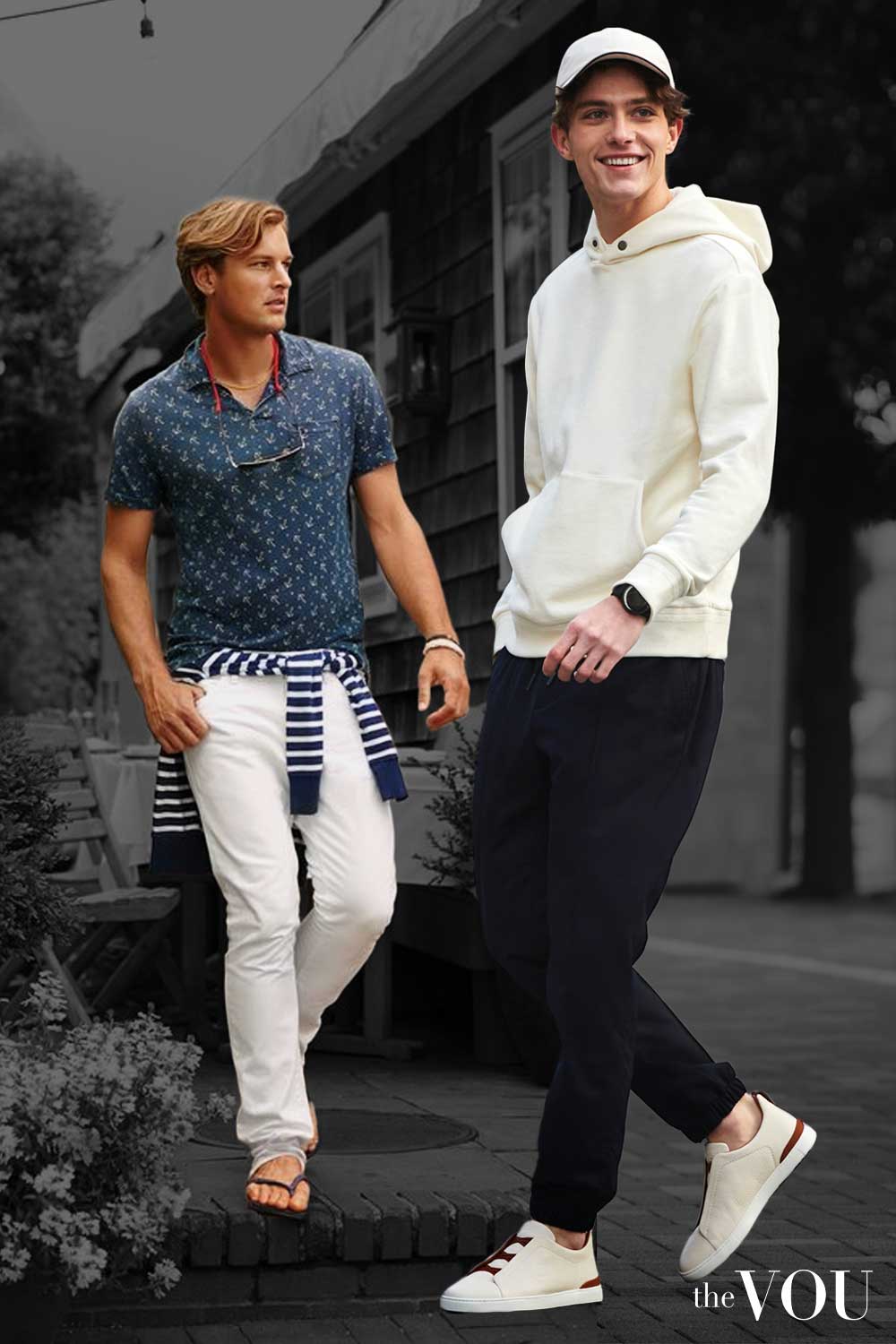
- Athleisure: A trendy style blending athletic wear with casual clothing, emphasising comfort and functionality.
- Techwear: A futuristic style that combines urban aesthetics with functional, often waterproof fabrics and innovative designs.
- Avant-garde: An experimental, cutting-edge style that pushes the boundaries of conventional fashion.
A skilled personal stylist should be able to explain these styles, where they came from, and which garments from each could work in your wardrobe.
The stylist should also know how to combine garments from different styles into outfits that suit you.
Moreover, your stylist should be able to guide you on how to adapt these styles to suit different occasions, from casual outings to formal events.
A stylist should also understand the different dress codes and their formality levels, such as Morning Dress, White Tie, Black tie, Lounge Suit, Business Formal, Business Casual, Smart Casual, and Casual.
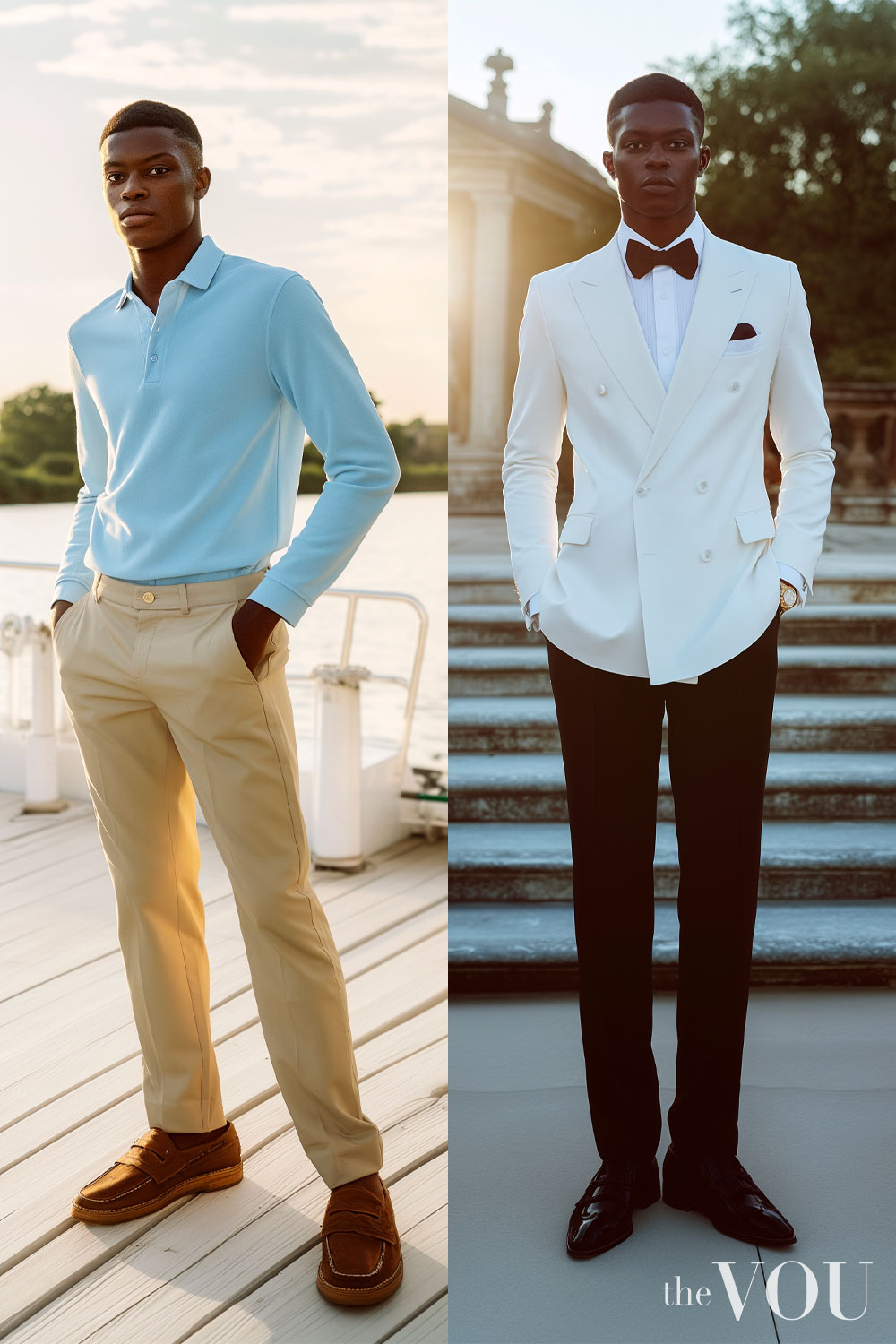
A good stylist can also help your style change over time, perhaps borrowing from different fashion aesthetics as your tastes and lifestyle change.
When interviewing potential stylists, ask them about their experience with these different styles.
A competent stylist should be able to show outfits they have put together in these styles, including outfits that mix more than one aesthetic.
Remember, the goal isn’t necessarily to adhere strictly to one style, but to understand what defines each style and which of its garments suit you.
A good personal stylist will help you choose among these styles and build a wardrobe that is versatile and true to your taste.
Understanding Current Fashion Trends
A good personal stylist should keep up with current fashion trends while also understanding which trends are fleeting and which have staying power.
The stylist should be able to add trend-led garments to your wardrobe in a way that still fits your personal style and lifestyle.
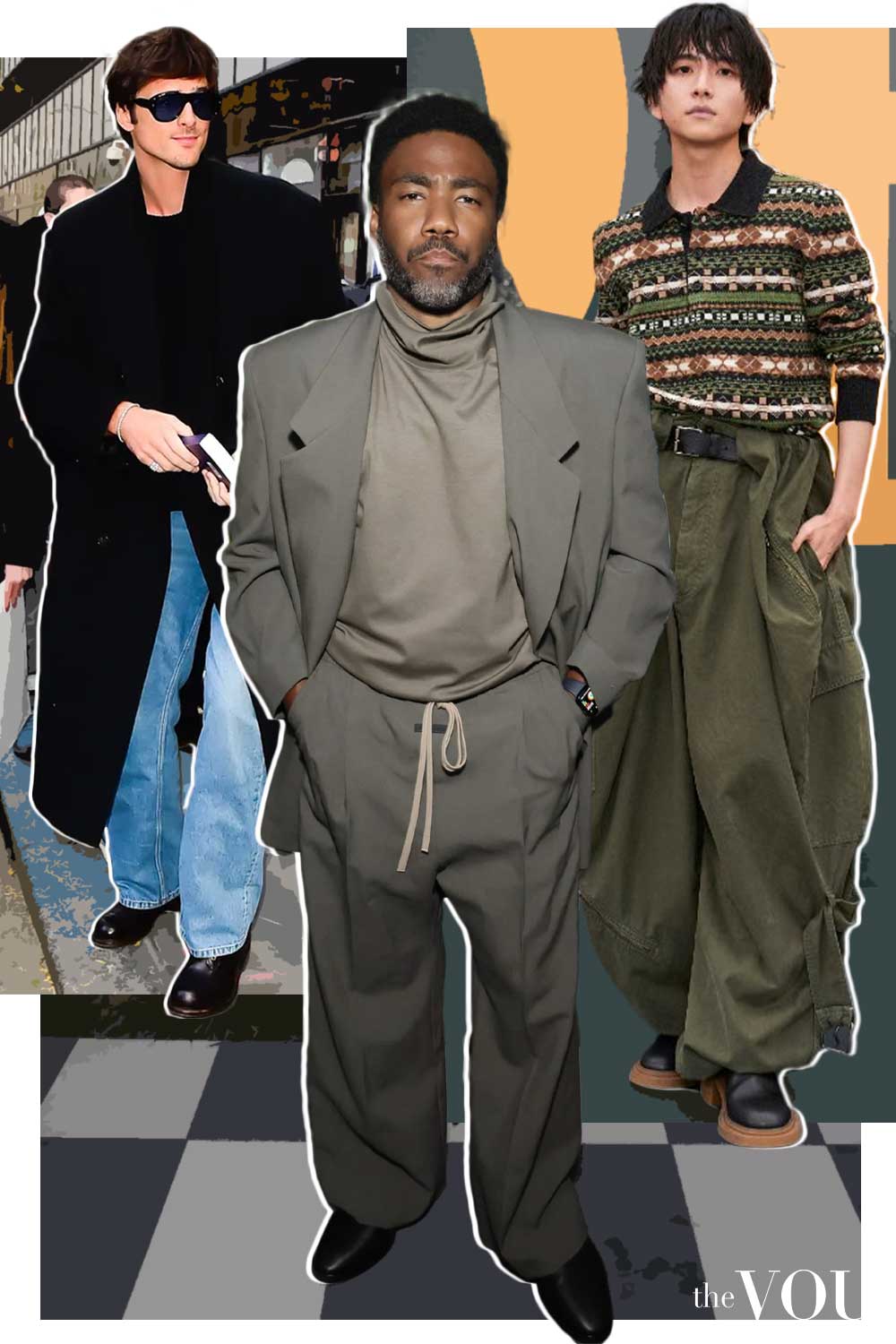
Ask how the stylist keeps up with menswear, for example through fashion publications, shows or retail work; a large social media following on its own says little about styling skill.
The stylist should also be able to judge which trends will work for you specifically rather than pushing you to adopt every new fad.
Versatility in Styling
A versatile personal stylist can work with a variety of styles and aesthetics.
Whether you’re looking for a professional wardrobe overhaul, a casual weekend look, or outfits for special occasions, check that your stylist covers each of those needs.
Ask potential stylists about their experience with different styles, from classic and conservative to edgy and avant-garde.
A versatile stylist can adapt their recommendations to suit your personal taste, lifestyle, and the image you want to project; if a wider image change is your main goal, our guide to choosing an image consultant may suit you better.
Professional Qualifications and Experience
While there’s no single standardised qualification for personal stylists, look for professionals who have formal training in fashion design, styling, or image consulting.
Personal stylists and image consultants can look similar, but they often have different training and areas of expertise, and understanding these differences can help you choose the right professional for your needs.
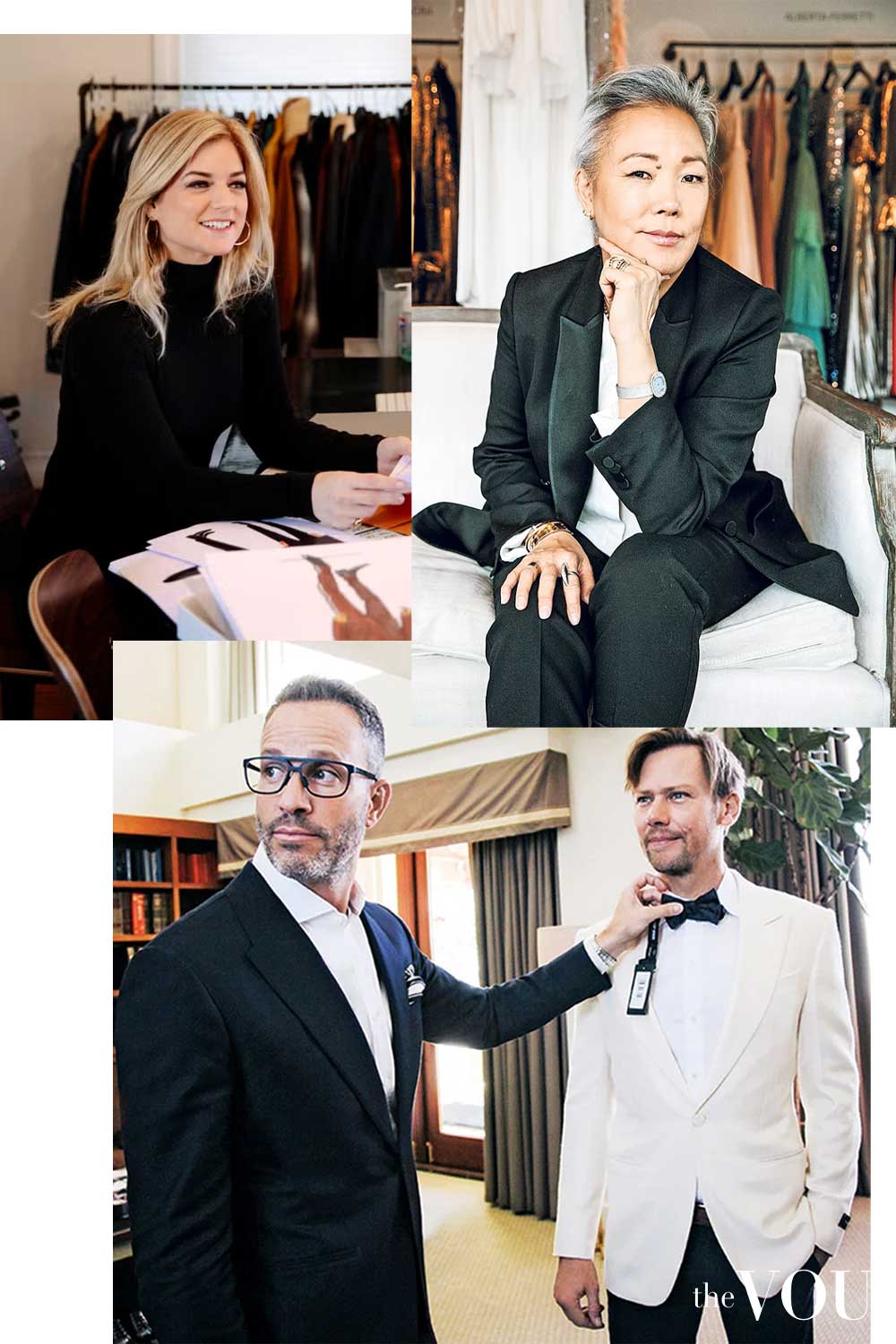
A certificate from a recognised fashion college or membership of a professional styling or image body suggests commitment to the work; ask what the training covered, and check any membership with the organisation itself.
Additionally, consider their years of experience and the diversity of their client base.
A stylist who has worked with various body types, professions, and personal styles will likely be better equipped to meet your specific needs.
Portfolio and Client Testimonials
Any reputable personal stylist should have a portfolio of their work and be willing to share client testimonials.
A portfolio shows the range of looks a stylist creates, and testimonials show how past clients describe the service, although the stylist chooses which testimonials to share.
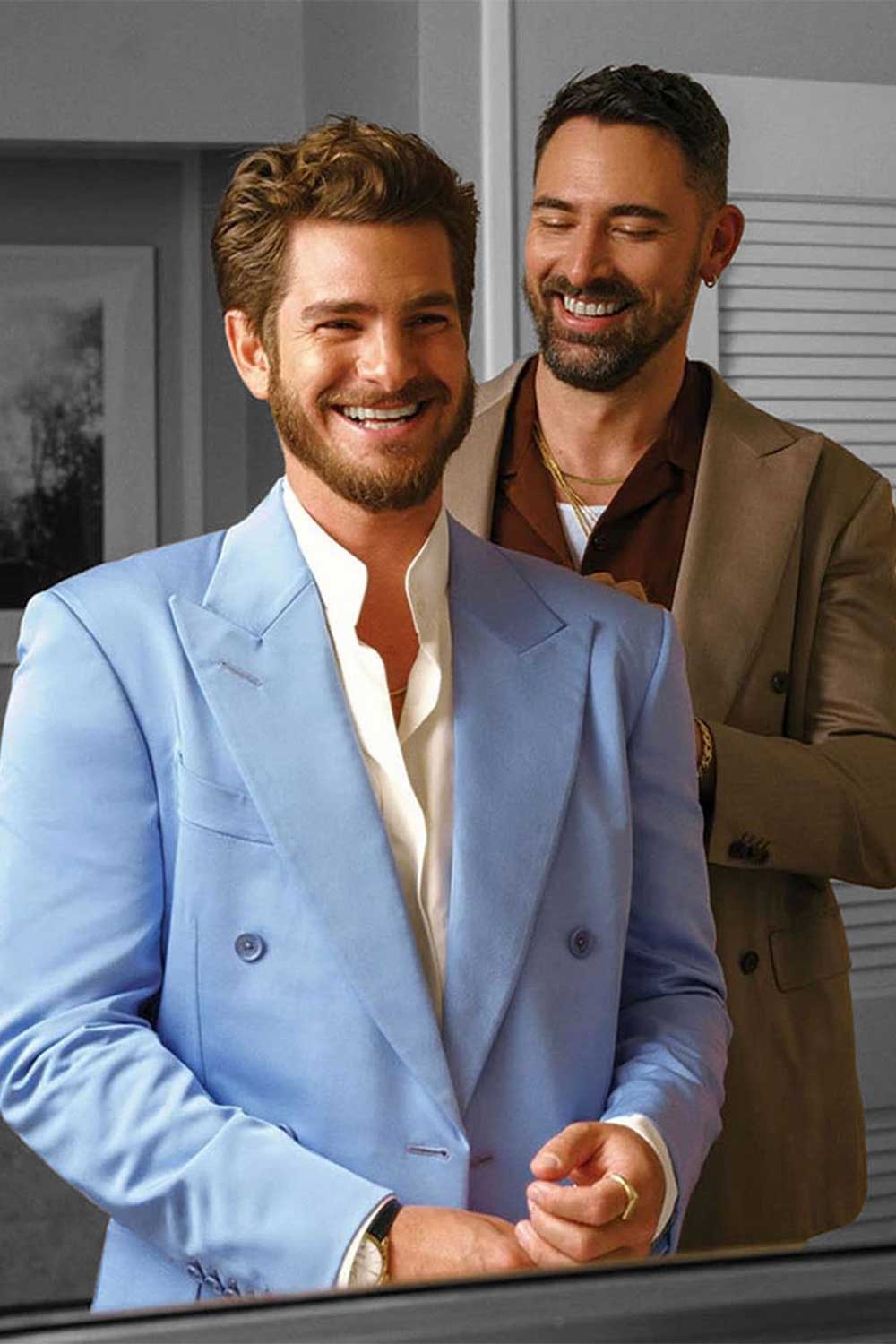
Don’t hesitate to ask for before-and-after photos or specific examples of how they’ve helped clients achieve their style goals.
Real examples give you a clearer idea of what to expect from the service.
Communication Skills and Personality Fit
The relationship between you and your personal stylist should be collaborative and comfortable.
A good stylist will listen to your preferences, concerns, and goals, and communicate their ideas clearly and respectfully.
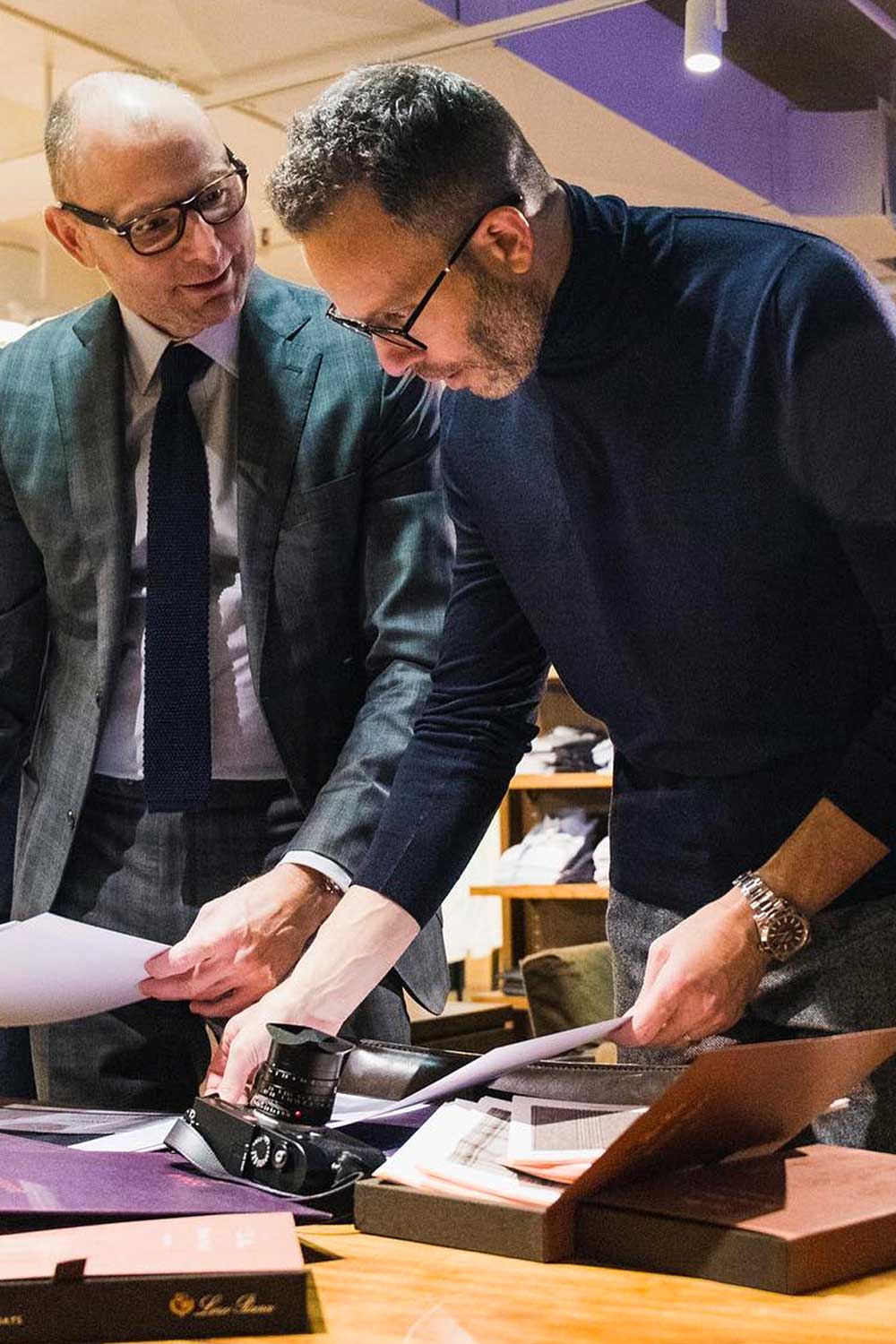
During your initial consultation, pay attention to how well the stylist listens to you and how effectively they explain their suggestions.
You should feel comfortable expressing your opinions and asking questions.
Services Offered and Pricing Structure
Personal stylists offer a range of services, from one-time consultations to ongoing styling support.
Many clients wonder if stylists provide the clothes as part of their service; understanding what is included in styling packages can help you budget appropriately.
Some common services include:
- Wardrobe audit and organisation
- Personal shopping sessions
- Outfit planning and styling
- Style education and workshops
- Special event styling
Check that the stylist offers the specific services you need, and ask for a written, itemised quote showing the fee, the hours included and whether clothing is charged separately, as prices vary widely between stylists.
Be wary of stylists pushing expensive services or products you don’t need or want.
Conclusion
Choosing the right personal stylist makes refining your image simpler.
If you are still weighing up whether an image consultant is worth it, our separate guide sets out the reasons men hire one.
Factors such as expertise in body shapes and seasonal colours, knowledge of historical styles and the latest trends, qualifications, portfolio, communication skills, and services offered are the main points to check when choosing a stylist.
Remember, the right personal stylist is one who understands fashion and takes the time to get to know you as an individual.
That stylist should be able to turn your personality, lifestyle and goals into a wardrobe you are comfortable wearing.
Take your time in the selection process, ask plenty of questions, and don’t be afraid to try out a few stylists before committing to a long-term relationship.
With the right personal stylist, you can develop a consistent style that works for both your personal and professional life.
Style Like a True Gentleman
Before you go, here is a simple way to put this guide into practice, and when to ask an image consultant for help.
Professional styling starts with knowing your body shape and seasonal colour palette, which help you choose clothes that fit well, in colours that suit your skin, eyes and hair.
Our guides also cover styling by occasion, location, season and time of day, garments, footwear, accessories and heritage fashion brands.
Take our three quizzes to find your body shape, seasonal colour palette and fashion style, then book a consultation if you want personal help:
1. Find Your Body Shape
Different garments flatter different silhouettes, so knowing your body shape is the first step in dressing like a confident man.
To find out your unique body shape, take our body shape quiz for men.
Once you know your unique body shape, take the second quiz to discover your unique colour palette.
2. Find Your Seasonal Colours
The garments in your outfits come in many colours, so it helps to check which colours suit your natural colouring.
For that, you have to find out your seasonal colour palette, and you can do it by taking our seasonal colour quiz for men.
3. Find Your Fashion Style
By now, you should already know your body shape and unique colour palette; the next step is to discover your personal fashion style.
To find it, take our fashion style quiz for men; it includes a suggested style, outfit ideas, relevant fashion brands, and much more.
Personal Help from The VOU
For personal help, you can book a consultation with our image consultants and fashion stylists.
Our styling services for men are paid consultations; the shop page lists what each one includes.
Wearing luxury brands is not enough on its own (see our guide to logo-heavy luxury brands and how to wear them); knowing your body shape, colour palette and personal style first makes styling by occasion, location, season and time of day easier.
Contact us to book a consultation once you have taken the three quizzes.