Start here
What’s This About
What to wear to a business meeting depends first on the dress instructions for that meeting, then on your own employer’s code, the venue and what else the day involves.
This guide covers the practical decisions, such as:
reading an invitation or asking the organiser when the dress code is unclear
the difference between a confirmed business-casual meeting and a suit-and-tie request
trousers, jackets, shirts, ties, shoes and bags for each type of meeting
outfit examples for a coffee meeting and a formal presentation
internal, video and hybrid meetings, weather and long days
and many more!
Use the meeting’s own instructions as the deciding rule, and treat every outfit below as a starting point rather than a uniform.
Key Points
01The host’s instructions for a specific meeting can differ from your everyday office code, so check both.
02A casual venue does not make a meeting casual, and a boardroom does not automatically require a suit; the invitation and the organiser are better guides than the address.
03Jeans, trainers and short sleeves are conditional choices that need permission from the actual setting.
04You do not need luxury labels to dress well for a meeting; fit, condition and suitability matter more than price.
A business meeting can be anything from a coffee with a prospective client to a board presentation, and the clothes that suit one can look out of place at the other.
Matching your clothes to the formality of the occasion shows the people you are meeting that you have taken their setting seriously.
The suit worn to meetings today descends from the lounge suit, which began in the mid-19th century as informal country and seaside wear and was gradually accepted in town as the frock coat declined in the early 20th century.
Over the following decades the business suit settled into the plain, matching jacket and trousers most offices recognise, and many workplaces have since relaxed further into business casual.
The common thread is an understated look, sometimes described as understated luxury, in which nothing distracts from the conversation.
Find Out What the Meeting Requires
Start with the invitation and your employer’s dress policy.
If the wording is vague, ask the organiser a direct question, for example whether a suit is expected or whether a shirt and tailored trousers would be appropriate.
For a visit to a client’s premises, ask whether the client has visitor rules that differ from your own office’s.
Check what else happens that day, because a presentation followed by a site tour may require different shoes or protective equipment.
Ordinary dress shoes and boots do not become safety footwear because they look sturdy, so ask the host what the site requires and what is provided.
Careers guidance such as Indeed’s comparison of business casual and business professional recommends checking the employee handbook and asking for clarification when a code is unclear.
Colleagues’ clothes can help explain a vague instruction, but they do not overrule a written requirement.
Business Meeting Clothes, Garment by Garment
Scroll horizontally to see all columns →
| Garment | Confirmed business-casual meeting | Suit-and-tie request |
|---|---|---|
| Trousers | Chinos or wool flannel trousers; dark, plain jeans only where permitted | Trousers matching the suit jacket, usually worsted wool |
| Jacket | Unstructured cotton or linen blazer, or a hopsack or tweed sports coat; optional unless requested | Matching suit jacket, single- or double-breasted |
| Shirt | Oxford button-down or another collared cotton or linen shirt | Long-sleeved white or light-blue shirt with a collar that takes a tie |
| Tie | Usually optional; a knit or printed silk tie if you want one | Plain, striped or textured silk tie in a quiet colour |
| Shoes | Leather loafers or Derbies; other styles where permitted | Plain Oxfords or understated Derbies in polished leather |
| Bag and extras | A practical bag or folio for what you need to carry | A tidy work bag; pocket square optional |
The two columns cover the two requests you are most likely to receive: business casual and a conservative suit-and-tie standard, often labelled business formal or business professional.
Whichever applies, the aim is clothes that are clean, fit you comfortably and suit the setting.
Trousers
Business casual: chinos or wool flannel trousers in navy, grey or stone are the most dependable choice.
Dark jeans without fading, rips or raw hems are an option only where the host or your employer has confirmed denim is acceptable.
Suit and tie: wear the trousers that match your suit jacket, most often in a smooth worsted wool, which holds a crease and drapes cleanly.
Jacket
Business casual: an unstructured cotton or linen blazer, such as an understated hopsack in stone or sage, gives a jacket’s shape without a suit’s formality.
A jacket is usually optional in a business-casual meeting unless the host asks for one, so bring it if you like the extra layer.
Suit and tie: a single-breasted suit jacket in navy or charcoal is the conventional starting point.
A double-breasted jacket in a subtle pinstripe or Prince of Wales check also meets a suit request when it comes with matching trousers and you wear it comfortably.
Shirt
Business casual: Oxford button-down shirts or soft cotton or linen collared shirts sit well with chinos and blazers.
Suit and tie: a long-sleeved white or light-blue cotton shirt with a collar that holds a tie neatly is the usual choice.
Double cuffs need cufflinks and are optional; ordinary button cuffs are equally correct with a business suit.
Tie
Business casual: a tie is usually optional, and a knit tie or a printed silk foulard suits a relaxed meeting if you want to wear one.
Suit and tie: a plain silk tie, a repp-striped tie or a textured grenadine tie in a muted colour such as navy, burgundy or forest green works with most suits.
Repp is a ribbed silk usually woven in stripes, while grenadine is an open, textured weave, so the two give different looks even in the same colour.
Shoes
Business casual: leather loafers or Derby shoes give a refined but relaxed finish.
Suit and tie: dress shoes such as plain Oxfords, or understated Derbies where the code allows, in polished leather.
Oxfords have closed lacing and Derbies open lacing, and Oxfords are conventionally treated as the more formal of the two; broguing is a decorative punching that can appear on either.
Good construction such as a Goodyear welt can make a shoe resoleable, but the meeting itself does not require hand-made or bench-made shoes.
Bags and Accessories
Business casual: a leather or canvas folio, or a simple bag that protects your laptop and papers, is enough.
A wool scarf adds warmth on the journey in colder months.
Suit and tie: a tidy briefcase or work bag, and an optional silk or linen pocket square in a quiet pattern.
Choose a bag that leaves your hands free and holds what you actually need, rather than buying a briefcase for one meeting.
Casual Business Outfit Idea
This hypothetical example is for a relaxed coffee-shop meeting whose host has confirmed business casual.
Wear a light-blue Oxford button-down shirt, navy or stone chinos and dark-brown leather loafers or Derbies.
Add a linen blazer in a hopsack weave, or a Donegal tweed sports coat in cooler weather, if you want a jacket.
Leave out T-shirts, shorts and running shoes unless the host has told you the meeting is casual in that sense.
If jeans have been specifically permitted, plain dark denim with a clean, straight cut can replace the chinos.
Carry a simple folio for notes, and in winter add a wool scarf in a colour that sits comfortably with the shoes.
Dressing for a Formal Presentation or Board Meeting
This hypothetical example is for a meeting that asks for a conservative suit and tie.
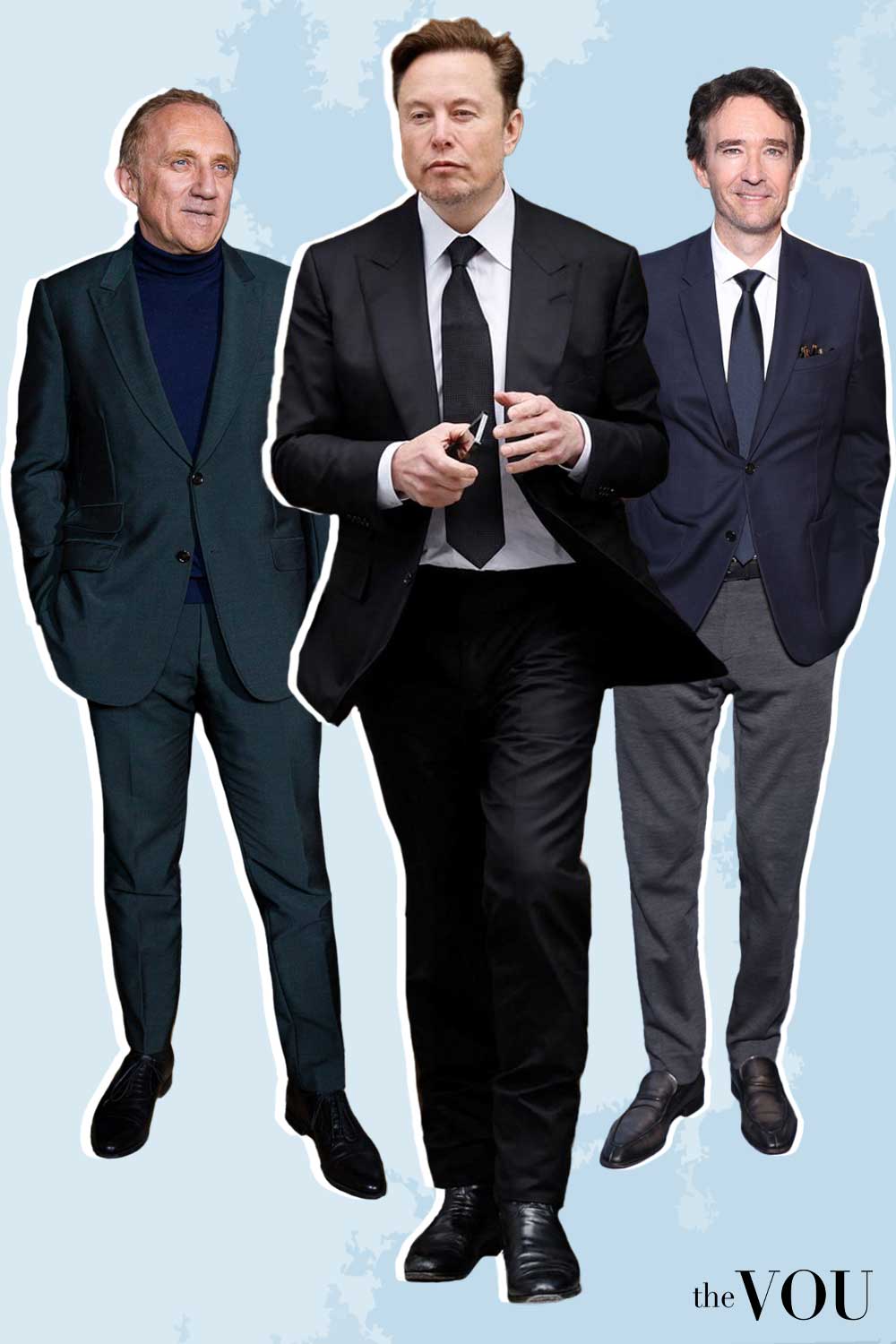
Wear a navy or charcoal single-breasted suit, a white or light-blue shirt and a plain silk, repp-striped or textured grenadine tie in a muted tone.
Finish with plain Oxford shoes in polished leather, a tidy work bag and, if you like, a white linen pocket square.
Open-collar shirts and casual loafers fall short of a suit-and-tie request, so keep those for business-casual meetings.
Try the complete outfit before the day: sit, stand, reach forward and walk in the shoes.
If the collar pinches with the tie fastened or the jacket strains when buttoned, ask a tailor what can be adjusted, or wear a different shirt or suit you already know is comfortable.
Internal, Video and Hybrid Meetings
An internal desk meeting usually follows your normal office code, while an external presentation on the same day may come with its own instructions.
Plan for the most demanding confirmed requirement of the day, or bring a change if the two codes are very different.
For a video meeting, follow the same dress instructions and check yourself on the actual camera beforehand.
Recruiter guidance from Robert Half notes that clean lines and solid colours tend to look better on camera than busy patterns, so swap a fine stripe that flickers on screen for a plain shirt.
Keep the whole outfit ready if you may need to stand up or move between rooms during the call.
Business Attire by Season
Weather and travel affect what is comfortable, and with a few seasonal adjustments you can stay comfortable and appropriately dressed all year.
Warm months: lightweight linen, cotton and open-weave wool garments are generally cooler than heavy cloth, though the lining, fit and weave of the finished garment matter as much as the fibre name.
An unlined summer suit or a lightweight jacket you can take off where the code allows will help on a hot journey.
A short-sleeved shirt does not replace a long-sleeved one under a suit jacket, so for a suit-and-tie meeting choose a lighter long-sleeved shirt instead.
Colder months: wear your suit or separates with an overcoat or topcoat that fits over the jacket without restricting your arms, and add a scarf and gloves for the journey.
The UK Health and Safety Executive’s guidance on thermal comfort treats clothing as one factor alongside air temperature, humidity, air movement and how hard you are working, and recommends letting people add or remove layers.
In wet weather, check the grip on your soles and the maker’s water-resistance information before relying on polished leather shoes for a long walk.
Whatever the season, make sure your clothes are clean, pressed and comfortable to sit in for the length of the meeting.
Business Attire Dos and Don’ts
Follow the meeting’s dress code, and within that code feel free to show a little personal sprezzatura through your choice of tie, pocket square or knitwear.
Scroll horizontally to see all columns →
| Do | Don’t |
|---|---|
| Wear clean, pressed clothes that fit you comfortably | Wear flip-flops, shorts or gym shoes unless the host has said the meeting is casual in that sense |
| Choose versatile garments you can combine in different ways | Wear faded, distressed or ripped denim to a business meeting |
| Ask the organiser when the dress code is unclear | Assume a coffee-shop venue means casual or a boardroom means a suit |
| Carry a practical folio or work bag for your papers | Let jewellery, logos or loud patterns compete with the conversation |
Questions About Business Meeting Attire
Q. Do I always need a suit for a client meeting?
No, because the client’s instructions and your employer’s requirements decide the dress code, not the word “client”.
When those instructions are unclear, ask the organiser rather than guessing.
Q. Can I wear loafers or trainers to a business meeting?
Leather loafers suit many business-casual meetings, while trainers need clear permission from the host or your employer.
For a site with safety rules, ask what protective footwear is required.
Q. Do I need a colour analysis before choosing a meeting outfit?
No; choose permitted colours you like and can wear comfortably.
A colour or styling analysis is optional and does not replace the meeting’s own instructions.
Styling Beyond Business Attire
Knowing what a meeting requires is the first step, and some readers also like to go further with personal styling.
If you want to explore which cuts and colours you prefer, The VOU offers optional tools you can use at your own pace.
1. Find Your Body Shape
Our body shape quiz for men describes the proportions you see in the mirror, which can help when you compare jacket and trouser cuts.
2. Find Your Seasonal Colours
Our seasonal colour quiz for men is one way to compare shirt and tie colours, if you find a colour system useful.
3. Personal Styling
Our styling services for men are paid consultations; the shop page lists what each one includes.
You can also read about The VOU’s image consultants and stylists.
None of these steps is required to dress appropriately for a meeting; the meeting’s dress code and a comfortable, well-kept outfit are what matter on the day.