
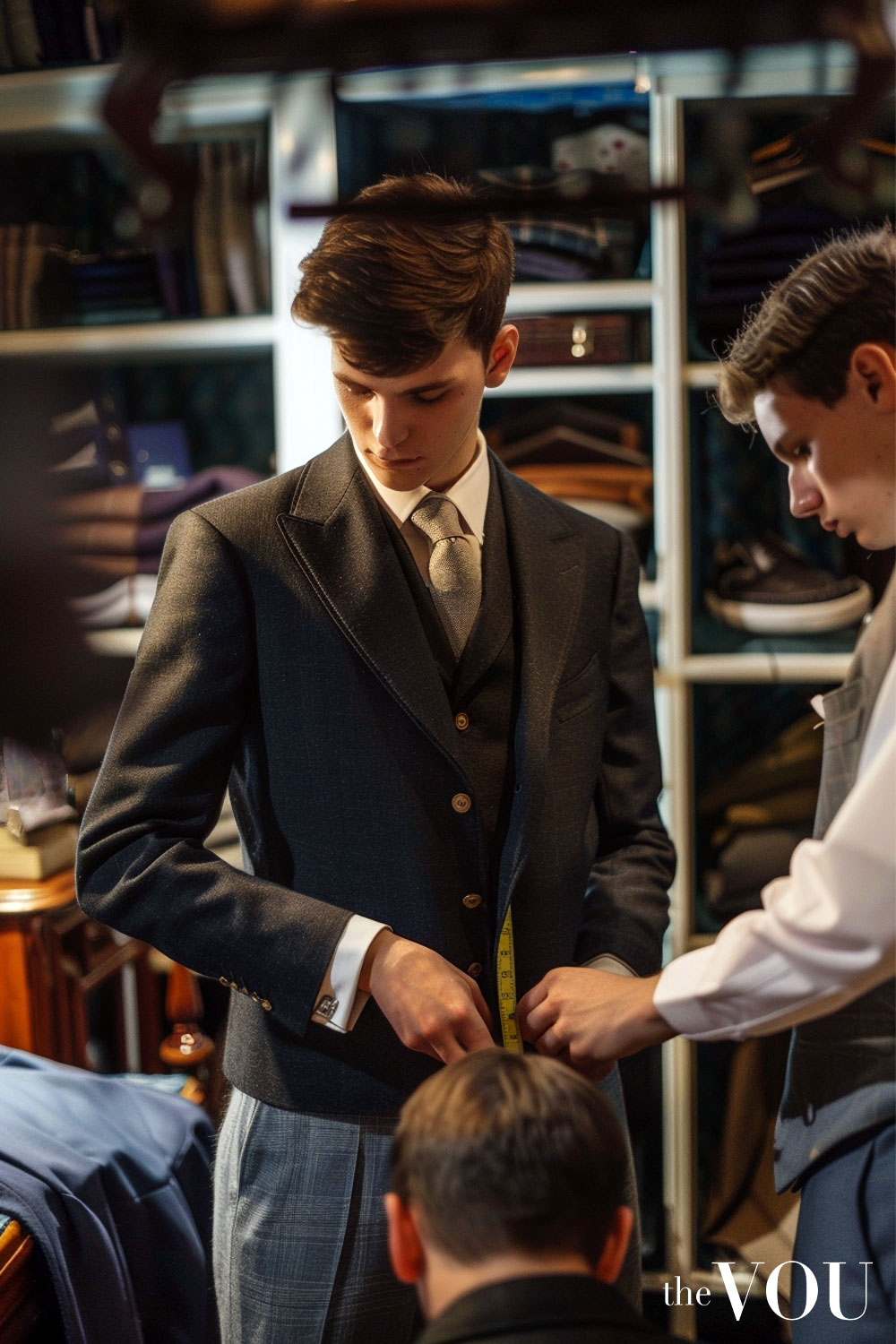
Originating from the Latin “taliare”, meaning to cut, tailoring is the craft of cropping, resizing, and finishing menswear.
Similar to dressmaking, which focuses on womenswear, tailoring has emerged and evolved across various ancient civilisations concurrently with textile manufacturing.
Evidence of specialised garment-making dates back to Mesopotamia and ancient Egypt, where tailors and dressmakers held considerable social standing.
What is Fashion Tailoring?
While tailoring can be used in fashion to create entirely new garments, the term describes alterations and adjustments to pre-existing garments.
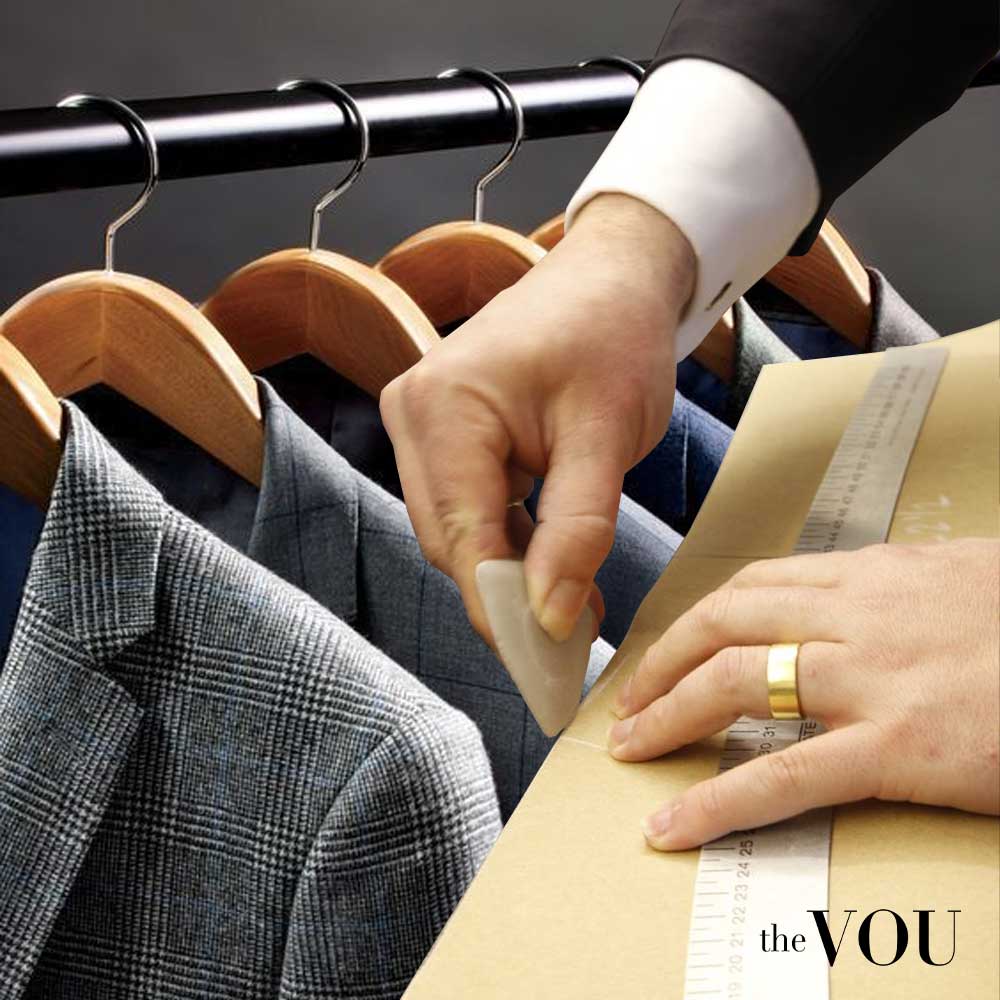
The tailoring process ensures that garments fit better on the body and provide further comfort and ease of movement.
Examples of Garments That Need Tailoring
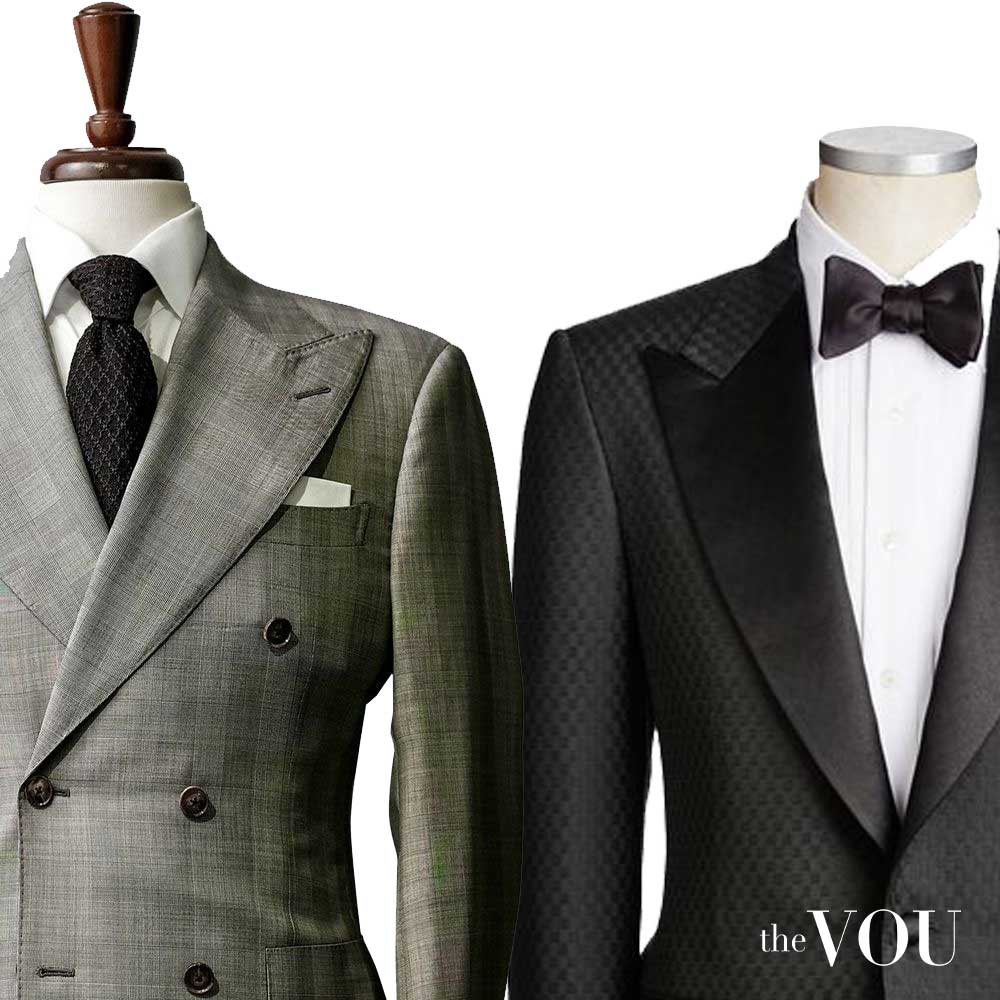
Classic Men’s Suit. Ready-to-wear suits are tailored (size and silhouette adjusted) to provide a perfect fit.
Tuxedo. A specialised form of men’s formal and eveningwear that requires precise alterations (tailoring).
How is Tailoring Performed?
Tailoring relies on various techniques such as drafting, draping, and pattern-making, allowing for the garment’s adjustment in size and silhouette.
Tailoring vs Bespoke? (Customisation vs. Craftsmanship)
While both tailoring and bespoke involve the customisation of garments, the methodology, scope, and degree of personalisation differ.
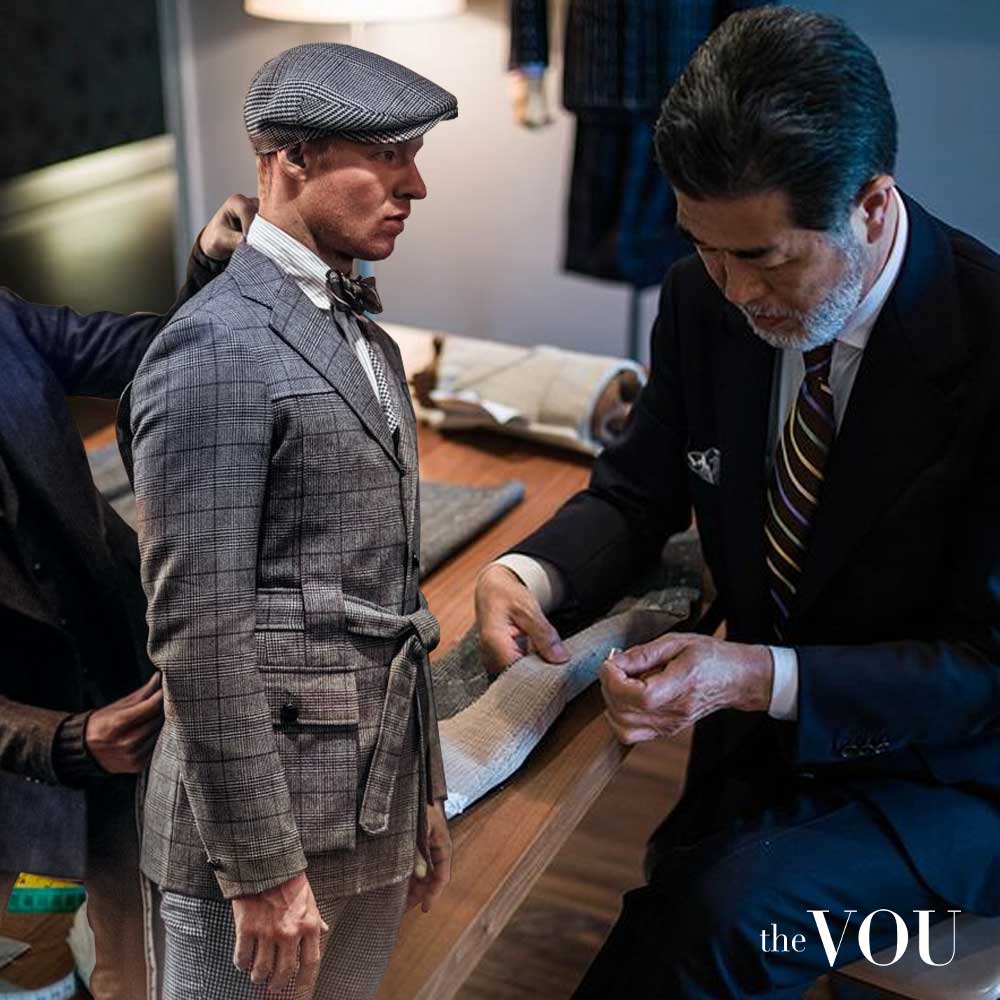
Tailoring offers an accessible way for fit adjustments and minor customisations, while bespoke represents the pinnacle of customisation, quality, and individual expression.
in bespoke creations, every aspect, including fabric selection, stitching, lining, and design details, is chosen by the individual, resulting in a one-of-a-kind piece.
Below are five main differences between tailoring and bespoke.
1. Creation Vs. Adjustment
Tailoring describes creating or altering pre-existing garments to fit an individual.
On the other hand, Bespoke is an elevated subset of tailoring, which consists of creating garments from scratch, guided by the customer’s preferences and body measurements.
2. Level of Customisation
In tailoring, adjustments are made to pre-existing patterns, whereas in bespoke, the entire garment is created from a new design tailored for the individual.
3. Time Investment
Tailoring is quick, from a few days to a couple of weeks. On the other hand, bespoke is time-consuming, requiring multiple fittings and several weeks to months of craftsmanship.
4. Cost
Tailoring is less expensive than bespoke due to standardised sizes and quicker turnaround.
Bespoke is more expensive than tailoring due to the high level of customisation, skilled labour, and quality of materials.
5. Craftsmanship
Tailoring is skilled but not artisanal. Bespoke is artisanal and haute-couture level with meticulous attention to detail.
What is Modern Tailoring?
Nowadays, tailoring includes dressmaking and is an all-encapsulating term for clothing alterations catering to all genders.
The shift is technologically driven as tailoring is no longer hand-done by men or women but by machines, according to 3D body scans.
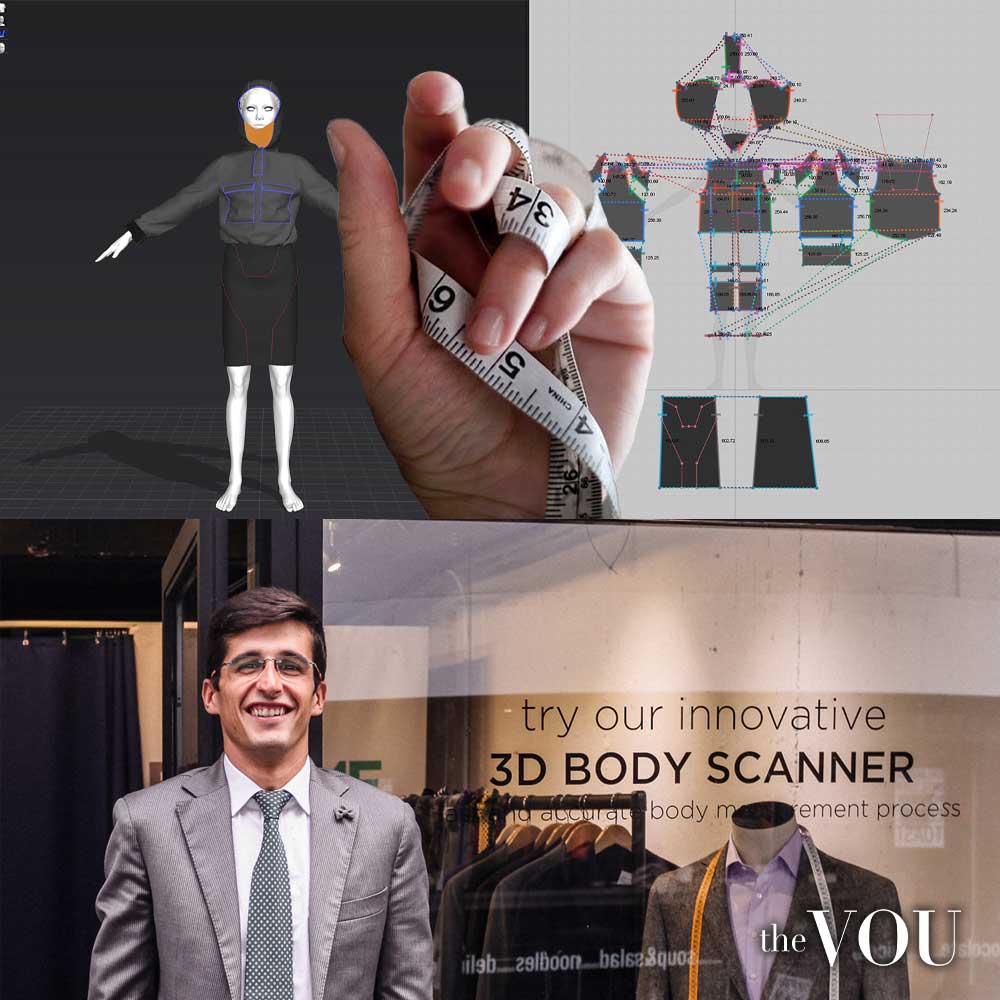
The proliferation of ready-to-wear fashion has shifted focus away from tailoring, creating a counter-trend of consumers seeking customised fit and personalised service.
Key Takeaway
Tailoring, as a craft and as a term, carries historical weight and technical depth.
In contemporary society, tailoring remains relevant as a beacon of quality, personalisation, and sartorial excellence.
Take the First Step With The VOU’s Styling Quizzes
Start with our quizzes. First, take our Face Shape Quiz to see which face shape yours is closest to and get first styling suggestions.
Then, see which colours the seasonal colour approach suggests for you with our Seasonal Colour Analysis Quiz.
See which cuts are usually recommended for your build with our Body Shape Quiz, and explore the styles that suit your taste with our Fashion Style Quiz.
Transform Your Image with The VOU’s Professional Guidance
If you want help with planning tailored clothes, The VOU’s stylists offer paid styling services, from single analyses to a complete package.
Our Professional Face Shape Analysis package provides you with a stylist’s assessment of your face shape from the photos and measurements you send, personalised hairstyle recommendations, customised facial hair styling guide, expert eyewear selection guidance, and detailed grooming recommendations tailored to your unique features.
For the most comprehensive transformation, consider our Complete Image Transformation Package.
The Complete Image Transformation Package includes our Fashion Style, Seasonal Colour, Body Shape and Face Shape analyses, a brand-specific shopping guide and two weeks of support.
The package brings the analyses together into one plan for your clothes, colours and grooming.
Lawrence Anderson’s focus at The VOU is old-money style, British heritage menswear and the wider strategy behind a man’s wardrobe. His coverage addresses readers who want a composed, consistent style but need practical guidance on where to begin, what to keep and which pieces deserve a place in their wardrobe.
His subject areas connect classic tailoring, knitwear, footwear and accessories with the proportions and formality of a complete outfit. British countryside clothing, preppy dressing and Ivy-inspired references provide context for understanding different versions of the look. The emphasis is on recognising the relevant details and adapting them to the wearer’s life, rather than treating an aesthetic as a requirement to buy particular labels.
Lawrence’s editorial coverage brings wardrobe planning back to the reader’s needs: everyday clothing, professional presentation, occasion dressing and a workable budget. It considers existing pieces, outfit coordination and repeat use, giving men a basis for building personal style over time. A coherent wardrobe should reflect the person wearing it and the situations they actually need to dress for.
Raf Adams’s focus at The VOU is luxury menswear, brand analysis and quiet-luxury styling. His coverage addresses men who want to understand the difference between a recognisable label, a documented garment feature and a buying choice that makes sense for their wardrobe.
His subject areas include materials, construction details, brand positioning and the understated clothing references associated with quiet luxury. This focus examines what can be established from product information and what remains a matter of appearance or preference. Price and reputation provide context, but neither replaces attention to fit, intended use and the details of the item being considered.
Raf’s editorial coverage connects those comparisons with complete outfits and repeat wear. Readers exploring premium clothing can consider how a purchase works with existing pieces, which features matter to them and whether a less conspicuous look suits their needs. The aim is to make luxury menswear easier to assess without turning a brand name into a promise of quality or personal style.