

Start here
What’s This About
Zegna suits cost what they do because the company weaves its own fine wool cloth, makes its tailoring itself and charges a luxury-brand premium for its name, shops and service.
This guide explains what the price of a Zegna suit pays for, such as:
What a Zegna suit cost on the brand’s own site in October 2026
The Zegna wool mill and its Australian farm
Trofeo and 15milmil15 suiting cloth
Why the old Z Zegna and Couture labels no longer appear
How Zegna compares with Brioni, Kiton, Canali and Corneliani
and many more!
Price explains the cost of making and selling a suit, not how well it will fit you.
Key Points
01Zegna began as a wool mill in Trivero in 1910 and still weaves its own suiting cloth.
02A black Trofeo wool suit was listed at 17,800 Qatari riyals, about $4,900, on Zegna’s Middle East site on 7 October 2026.
03Since 2021 the main line, Couture and Z Zegna have been sold under one ZEGNA brand.
04Price does not equal quality, so compare cloth, construction and fit with other makers.
Zegna is an Italian menswear house that began as a wool mill, and its suits are priced among the dearer ready-to-wear tailoring brands.
This guide explains what the price of a Zegna suit pays for, what it does not tell you, and how Zegna compares with similar houses.
If you are deciding whether to buy one, our companion guide on whether a Zegna suit is worth it covers fit, choice of cloth and ways to pay less.
Zegna in Brief
Ermenegildo Zegna founded the company in 1910, aged 18, as a wool mill in Trivero, in the Biella area of northern Italy.
The group listed its shares in New York on 20 December 2021, and at the same time it brought its main line, its Couture line and its younger Z Zegna line together under one brand, ZEGNA.
The group also owns most of Thom Browne, after buying an 85% stake in August 2018, and since 2023 it has run Tom Ford’s fashion business.
What a Zegna Suit Costs
On 7 October 2026, Zegna’s own Middle East website listed a black Trofeo wool suit at 17,800 Qatari riyals, about $4,900 at the riyal’s fixed exchange rate.
This is a converted Middle East price, not a US price; US prices may differ, so check Zegna’s US website or a US retailer before you compare.
Prices differ by country, cloth and model, and made-to-measure suits cost more, so check the price in your own market before you compare.
The same listing describes the jacket as deconstructed, with sleeves and trouser hems left unfinished so the boutique can alter them to your measurements.
Why Zegna Suits Cost So Much
Like other luxury houses, Zegna does not publish a cost breakdown for a suit, so any exact split into cloth, labour and profit would be a guess.
What can be said with confidence is which costs it carries that cheaper suit brands do not.
1. Its own wool cloth
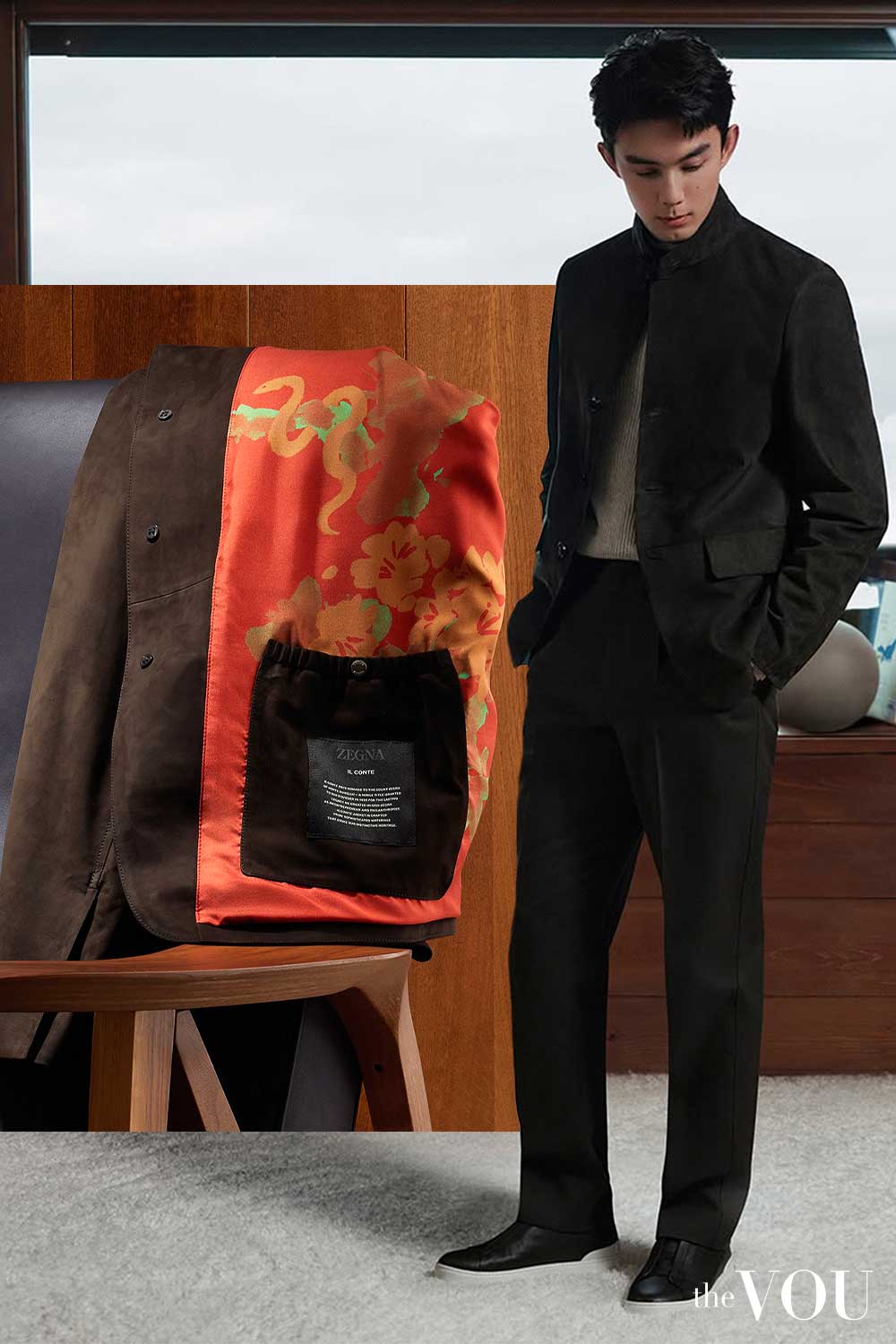
Zegna still weaves the cloth for much of its tailoring at its own mill, which is unusual for a clothing brand.
In 2014 the group bought a majority stake in the Achill wool farm in New South Wales, Australia, giving it its own source of merino wool.
Its Vellus Aureum Trophy, founded in 2002, rewards Australian growers of the finest merino fleeces each year, and the 2023 to 2024 winner measured 9.4 microns, according to the competition results Zegna published.
Zegna’s foundation dates its 15milmil15 cloth, woven from 15-micron merino wool, to 1992, and its current suits are offered in cloths including Trofeo, Trofeo 15milmil15 and Oasi Cashmere.
Finer wool feels smoother and drapes softly, but it is also more delicate than a sturdier everyday cloth, so the dearest cloth is not always the most practical.
2. Making the suit
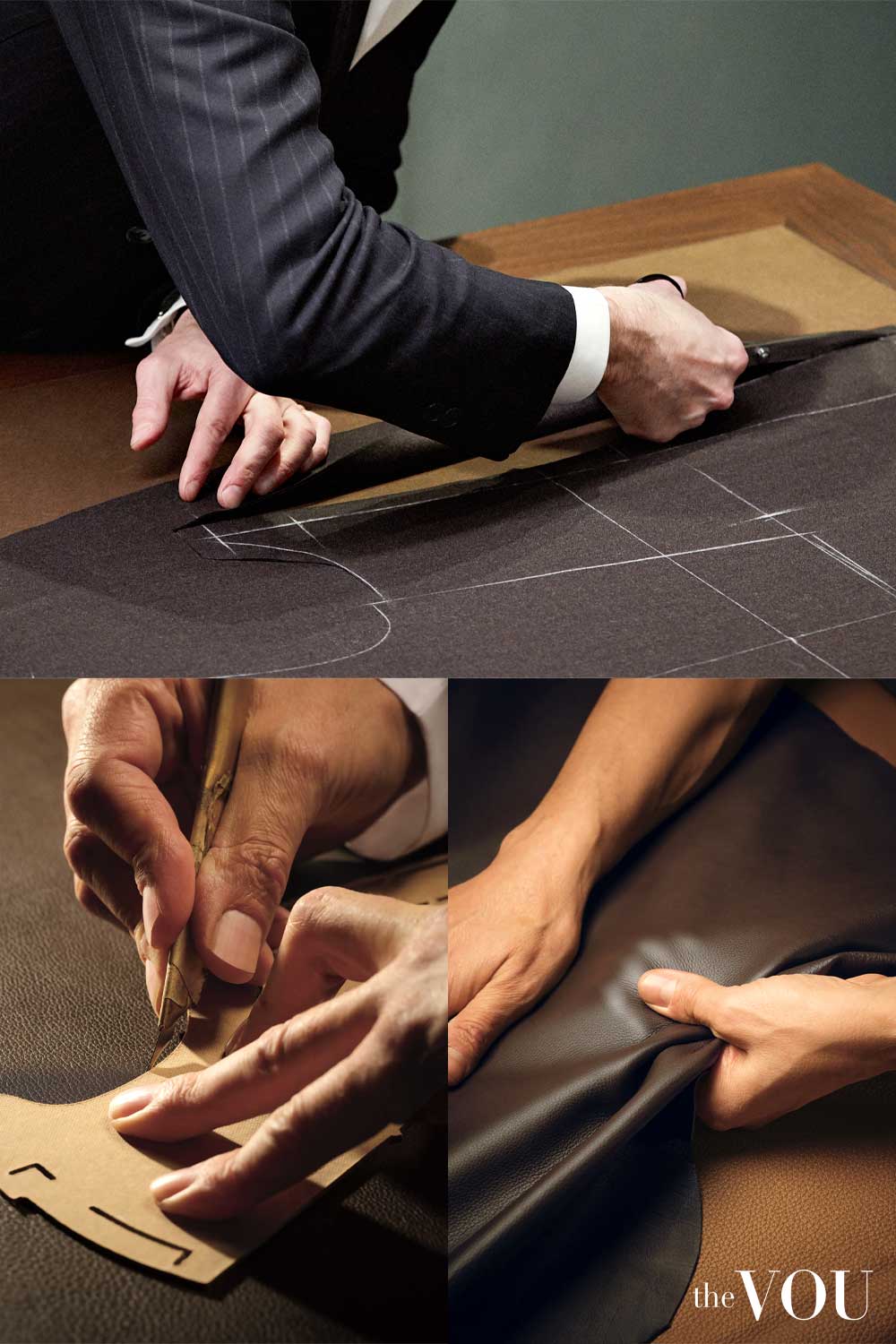
Zegna makes its own tailoring, and it has offered a made-to-measure service, Su Misura, since 1972.
Not every Zegna suit is made in the same country: a Canadian retailer, Harry Rosen, describes one Trofeo 600 wool and silk Zegna suit as crafted in Switzerland, so read the label rather than assuming.
Construction varies by model too, from structured suits to the deconstructed jackets now common in the range, so ask how the chest of the jacket is built before you pay.
3. The brand, shops and service
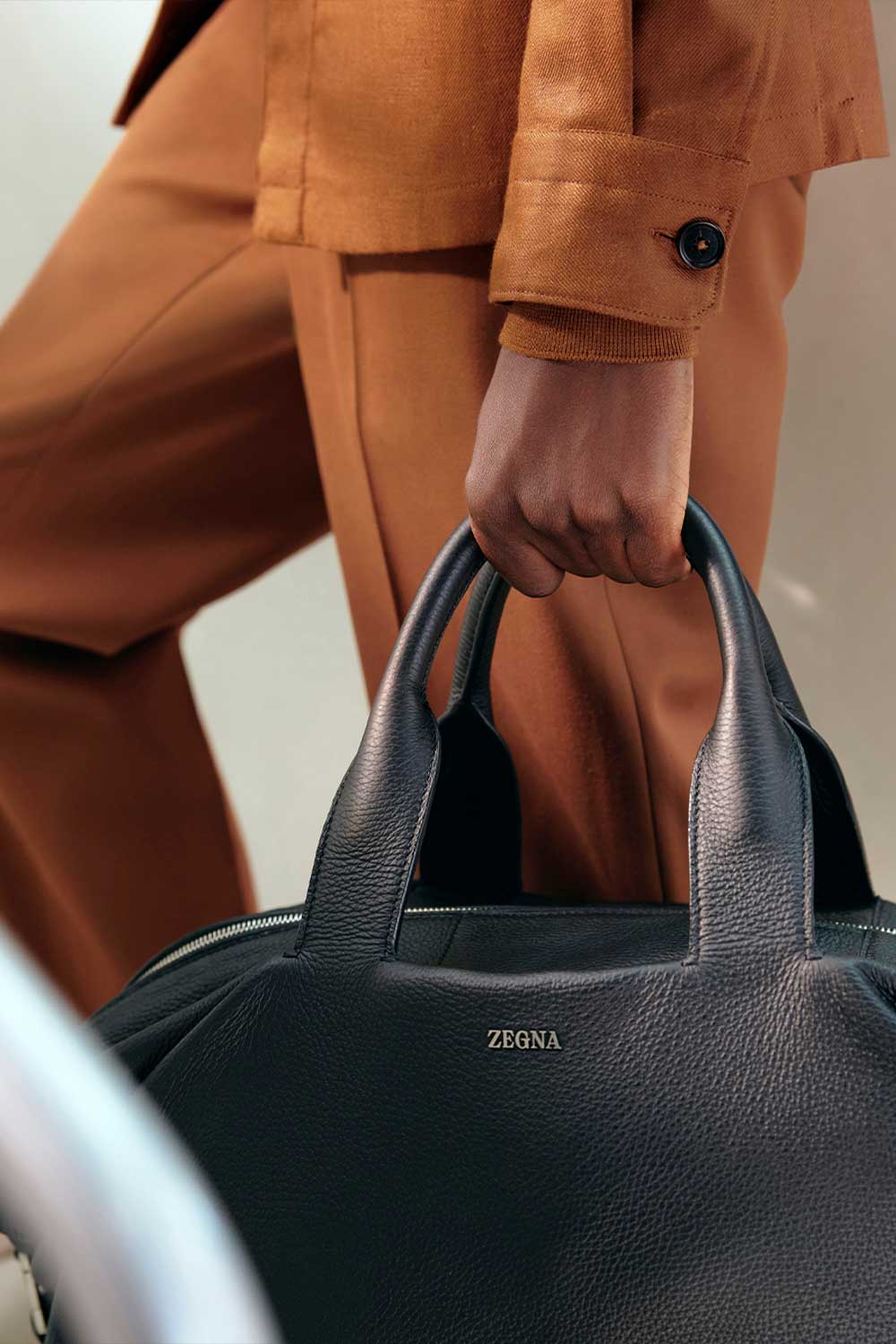
Some of every luxury price pays for the name, shops on expensive streets, trained staff, alterations and advertising rather than the cloth and the making.
Zegna’s look is quiet, with few logos, which places it close to quiet luxury dressing, but, as with louder houses such as Gucci, part of the price pays for the name.
The range now goes well beyond suits, into leather jackets, knitwear, trainers and bags, and the shirts alone are priced from several hundred dollars, as our guide to why Zegna shirts are so expensive explains.
What the Price Does Not Tell You
A higher price does not tell you whether the suit will fit you, and an ill-fitting suit looks worse than a well-fitted cheaper one.
It does not tell you how hard-wearing the cloth is, because very fine wool creases and wears faster than a sturdier cloth under daily use.
It does not tell you how the jacket is built either, so check the chest, the shoulders and the finishing on the exact suit you are considering.
Suits sold second-hand may still carry the older Z Zegna or Ermenegildo Zegna Couture labels, which were separate lines at different prices before 2021, so compare like with like.
Zegna Compared With Similar Houses
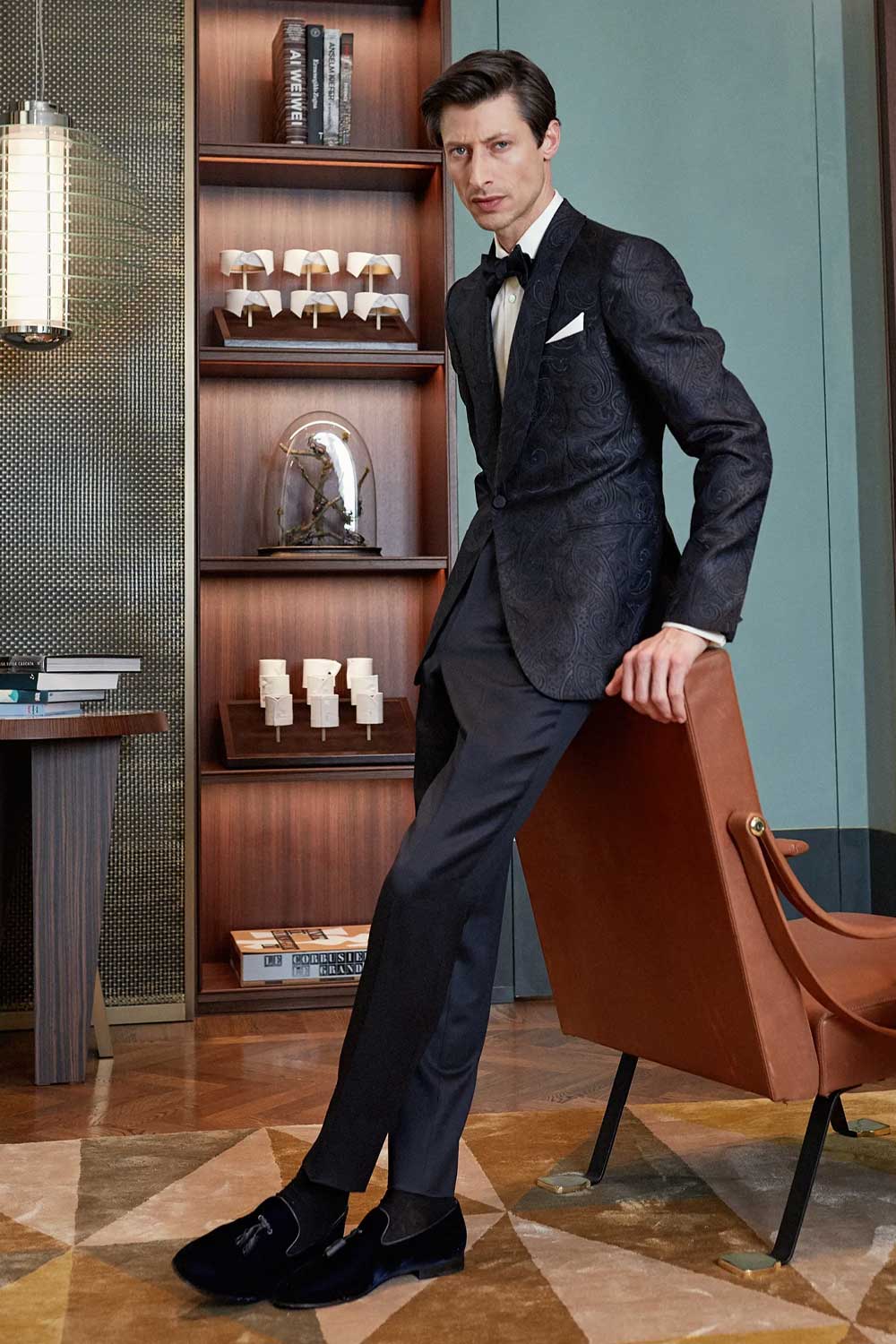
Zegna sits among Italian tailoring houses with different house styles, and the right choice depends on the shape and finish you prefer.
Brioni, from Rome, is known for structured, formal tailoring.
Kiton, from Naples, is known for soft-shouldered jackets with a lot of hand finishing, and is usually priced above Zegna.
Canali and Corneliani also make classic Italian suits, usually at lower prices than Zegna.
British Savile Row tailoring is a different route again, with bespoke suits cut for one customer.
Try suits from two or three of these houses in the same week, in a similar cloth, and compare the fit before the label.
Is a Zegna Suit Worth the Price?
It depends on what you value, so judge it on these criteria rather than on the price alone.
Cloth: Zegna’s own fine wool is its clearest strength, and you will feel it most in a plain navy or grey suit.
Fit: the unfinished sleeves and hems and the Su Misura service make a good fit easier to reach, which matters more than the name.
Use: a suit worn every working week earns its price far faster than one kept for occasional events.
Value: similar cloth and making cost less from other Italian houses, so the extra money mainly buys the name, the shops and the service.
On balance, a Zegna suit can make sense if you wear suits often and prefer its cloth and cut, while men who wear a suit a few times a year will usually get better value elsewhere.
How to Wear Zegna’s Range
Zegna’s clothes are often grouped with Italian old money style and modern old money style, contemporary labels for understated classic dressing.
Our complete guide to old money style for men explains the look, which says nothing about anyone’s background or wealth.
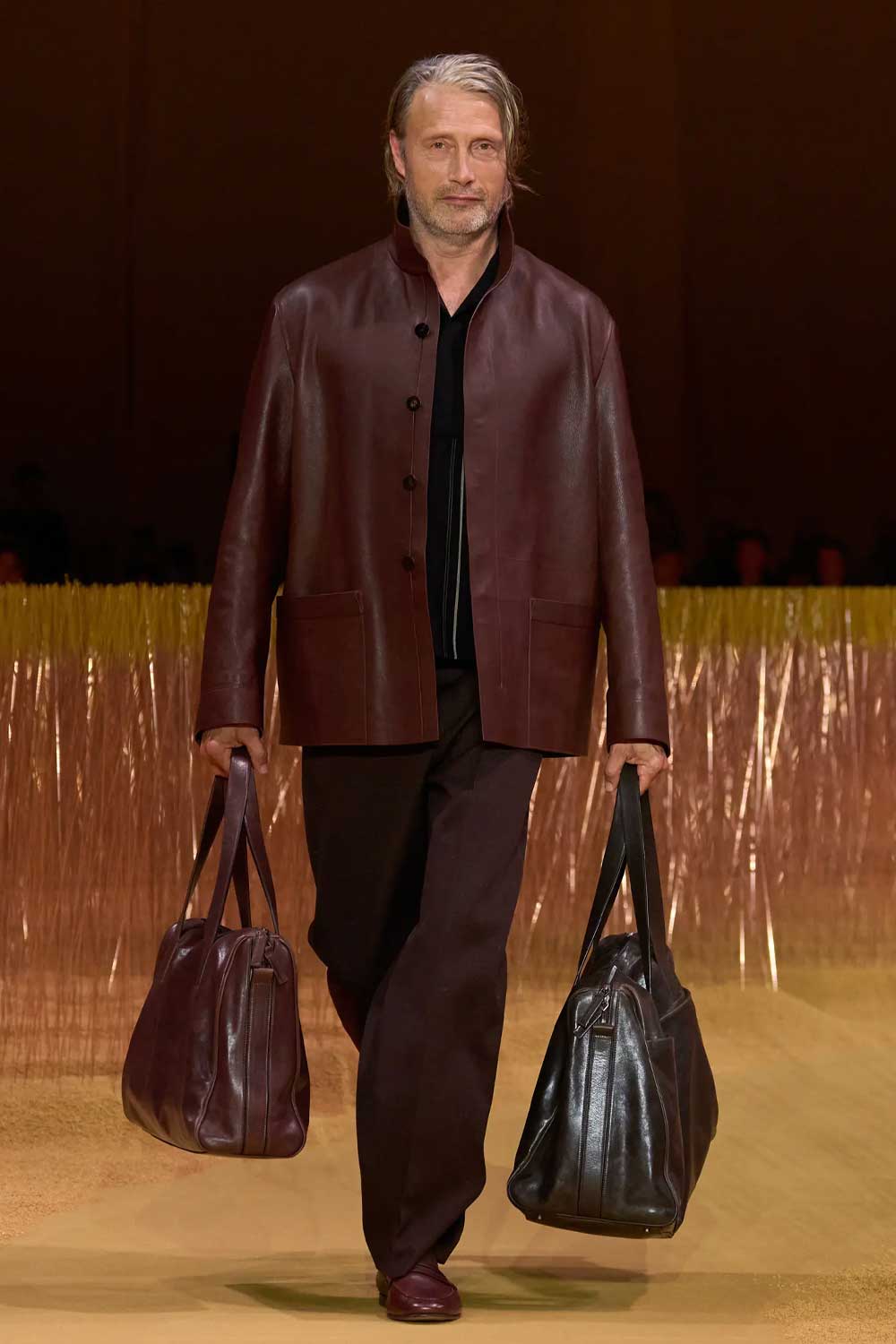
Wear: a burgundy or brown leather jacket, a black shirt buttoned to the top, dark wide trousers and brown leather shoes.
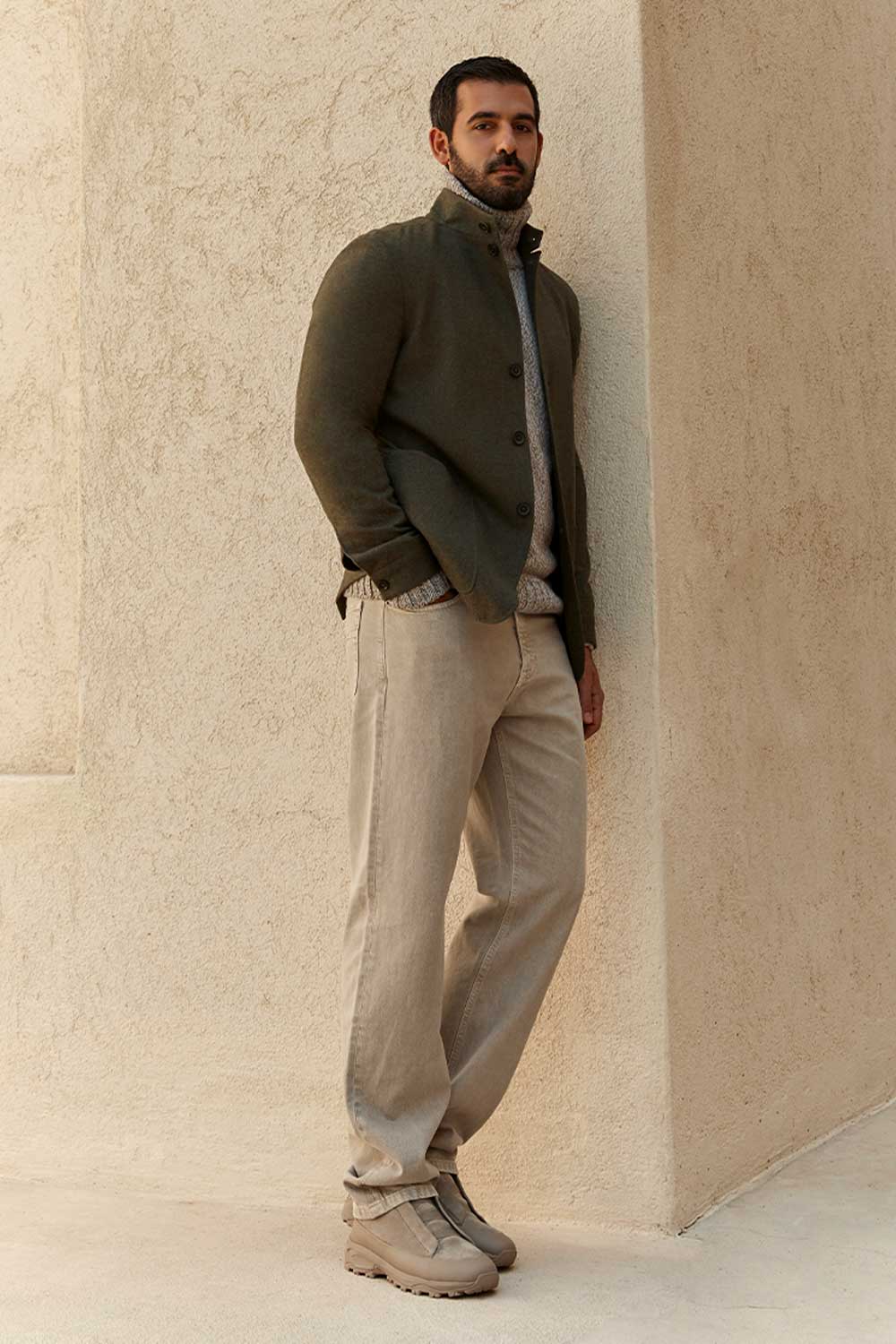
Wear: an olive overshirt jacket, a grey roll-neck, stone wool or cotton trousers and beige suede boots.
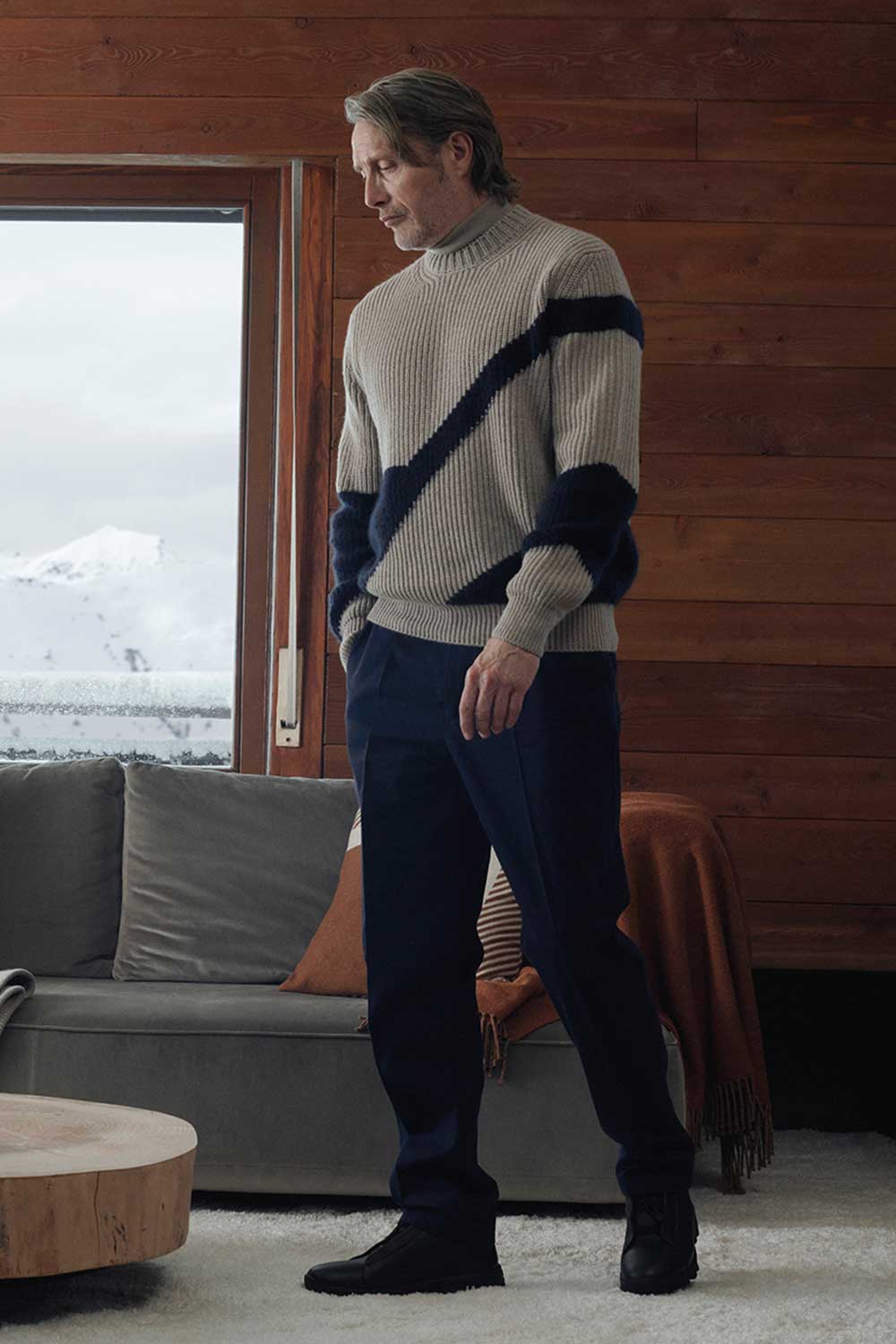
Wear: a patterned wool crew-neck jumper, navy flannel trousers and dark brown suede shoes, with a navy car coat outdoors.
Wear: a navy or charcoal suit, a white shirt, a dark tie and black Oxford shoes for business.
Frequently Asked Questions
Q. Why are Zegna suits so expensive?
The price covers cloth woven in Zegna’s own mill, the making of the suit, and the name, shops and service of a luxury house.
Q. How much is a Zegna suit?
On 7 October 2026 Zegna’s Middle East site listed a black Trofeo wool suit at 17,800 Qatari riyals, about $4,900 at the fixed exchange rate; US prices may differ, and prices vary by country, cloth and model.
Q. Is Z Zegna still made?
No, the Z Zegna and Couture lines were brought together with the main line under the single ZEGNA brand in 2021.
Styling Beyond Zegna
Knowing what a brand offers is a useful start, but your own wardrobe works best when it suits your build, your colouring and the occasions you dress for.
Our guide to styling by occasion, location, season and time of day explains how to adapt outfits to each setting.
Further reading: dressing for your body shape, seasonal colour palettes, garments, accessories, our list of high-priced heritage brands and the old money style guide.
Take our three quizzes, then book a consultation if you would like personal help.
1. Check Your Body Shape
Start with our body shape quiz for men.
2. Find Your Seasonal Colours
Then take our seasonal colour quiz for men.
3. Find Your Fashion Style
Then take our fashion style quiz for men, and read more about personal fashion style.
Personal Help From The VOU
Our styling services for men are paid consultations; the shop page lists what each one includes.
You can read about The VOU and our image consultants and fashion stylists before you book.
To ask a question first, contact us.
Mandy Meyer’s focus at The VOU is men’s body-shape styling, garment fit and outfit proportions. Her coverage addresses the practical questions behind a wardrobe choice: how a jacket sits across the shoulders, how trousers fall and how different cuts change the silhouette a wearer wants to create.
Her subject areas include the triangle, inverted triangle, rectangle, oval, trapezoid, hourglass and diamond labels used in body-shape styling. These provide starting references for comparing visible proportions; they do not capture every body or prescribe one correct way to dress. The focus connects those observations with garment shape, construction, length and the relationship between the upper and lower parts of an outfit.
Mandy’s editorial coverage combines visual comparisons with fit checks for comfort and movement. Readers can consider whether a cut gives them the room they need, where clothing pulls or gathers and which changes might support their preferred look. The aim is to make menswear choices more understandable while keeping personal preferences and the wearer’s own styling goals central.