
Start here
What’s This About
Formal attire on an invitation usually means a dinner jacket or a dark suit and tie, and the exact level depends on wording such as white tie, black tie, black tie optional or semi-formal.
This guide explains the formal dress codes and what to wear for each, such as:
how white tie, black tie, black tie optional and semi-formal differ
suits and dinner jackets, shirts, trousers and shoes
how business formal and business casual fit into the ladder
seasonal fabric choices for formal events
outfits for formal weddings, galas and business events
and many more!
When an invitation simply says “formal”, ask the host whether they expect dinner jackets.
Key Points
01White tie is the most formal evening code, followed by black tie; morning dress is the formal daytime equivalent.
02“Formal” on its own is used loosely: many hosts mean black tie optional, while others simply mean a dark suit and tie.
03Dark suits in navy, charcoal or black with a white shirt and polished black shoes suit most formal invitations that do not ask for a dinner jacket.
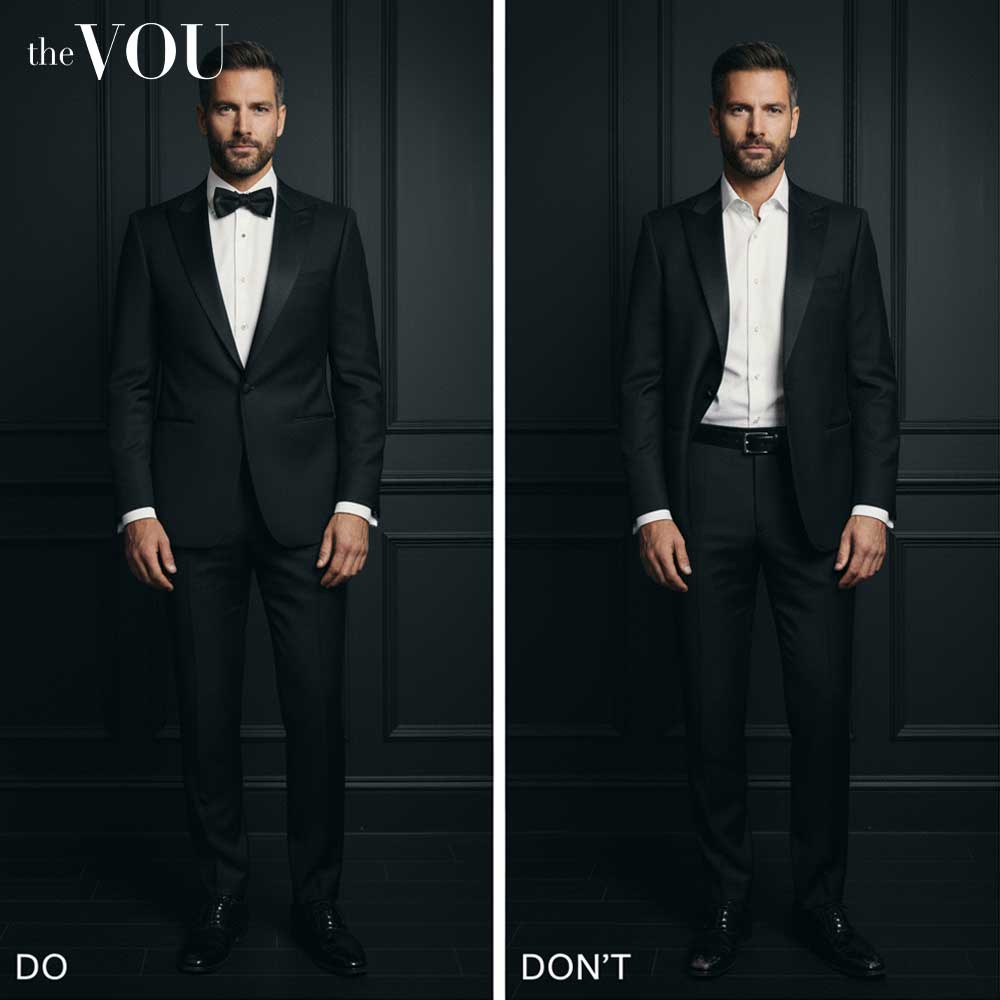
04Belts are not worn with dinner suits, and casual garments such as jeans, polo shirts and trainers do not belong at formal events.
Formal events include weddings, galas, opera nights, state and civic dinners and many corporate occasions, and the invitation’s wording tells you how formal to be.

This guide explains the main formal dress codes, then shows how to put together each outfit; for more on the history and style of tailored formal clothes, see our formal wear guide.
What Formal Attire Means

Today’s formal dress codes developed from 19th-century evening and day dress, when the evening tailcoat and the daytime morning coat were the standard formal garments for men.
Morning dress, a tailed morning coat with striped or matching trousers, is still the formal daytime equivalent at some weddings and race meetings; see our morning suit guide.
The dinner jacket appeared in the late 19th century as a less formal evening alternative to the tailcoat and is now the most common formal evening outfit.
When an invitation names a specific code, such as black tie or white tie, follow that code; when it just says “formal”, expect at least a dark suit and tie, and ask the host whether a dinner jacket is expected.
Suits and Dinner Jackets

A dinner jacket (tuxedo) is required when the invitation says black tie and preferred when it says black tie optional or “black tie preferred”.
Dinner jackets have silk-faced lapels in satin or grosgrain, and the matching trousers have a silk stripe down the outer seam, which together set evening wear apart from daytime business suits.
A well-fitting dark suit is the right choice when the code allows it: navy, charcoal and black are the safest colours, and fit and condition matter more than price.
Lighter colours suit semi-formal and daytime events better than formal evening ones.
Dress Shirts and Trousers
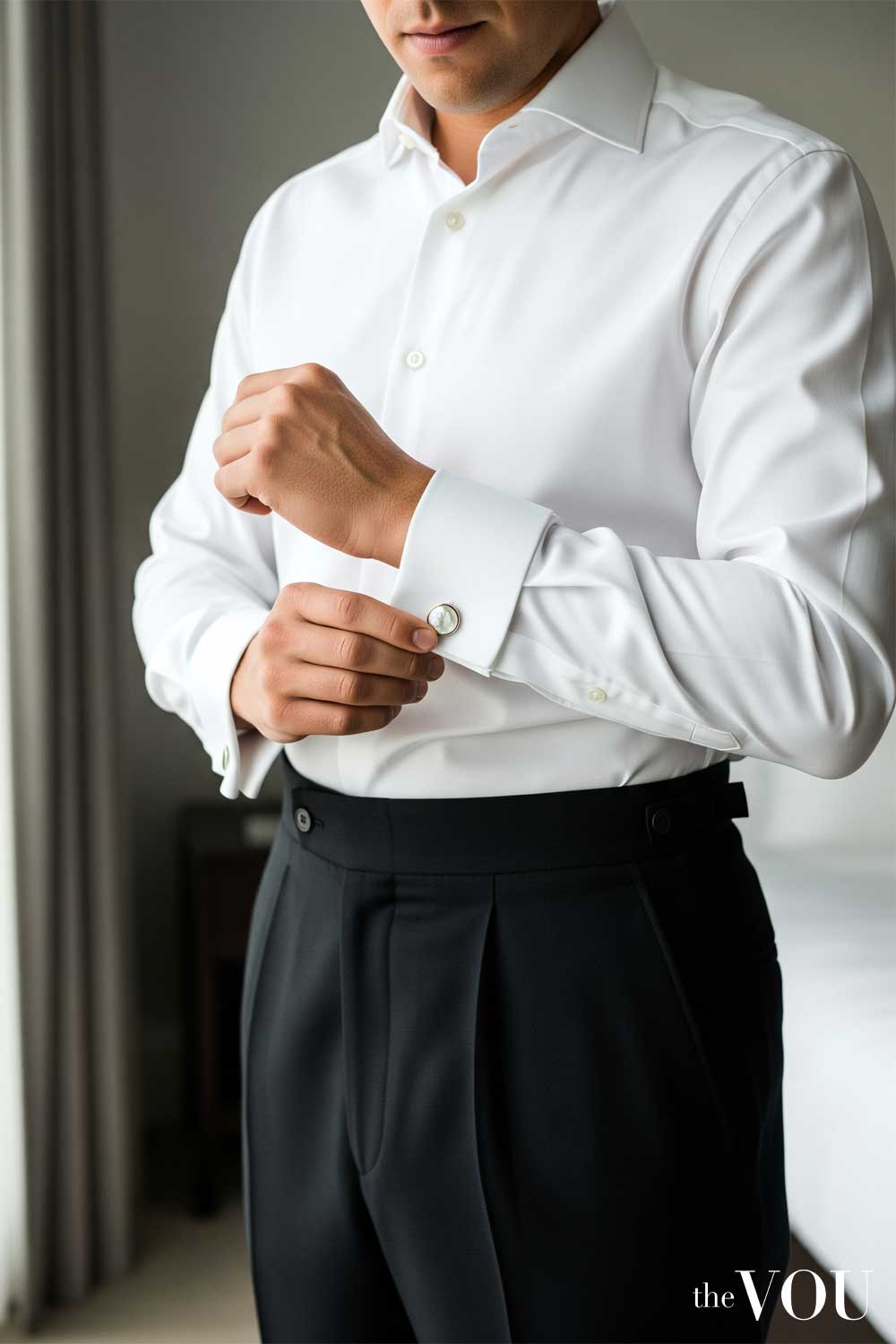
Trousers should match the jacket in colour and cloth and sit at or near the natural waist so the shirt stays tucked; see our guide to tailored wool trousers.
With a suit, a white dress shirt with a point or spread collar is the classic formal choice; a button-down collar is more casual and is best left for less formal occasions.
With a dinner jacket, wear a dress shirt with a pleated or marcella (piqué) front, a turndown collar and double cuffs; the wing collar is traditionally reserved for white tie.
Light blue or pale pink shirts suit semi-formal and daytime events better than the most formal evening codes.
The shirt collar should fit comfortably when buttoned, and the cuffs should show slightly below the jacket sleeves.
Footwear and Accessories
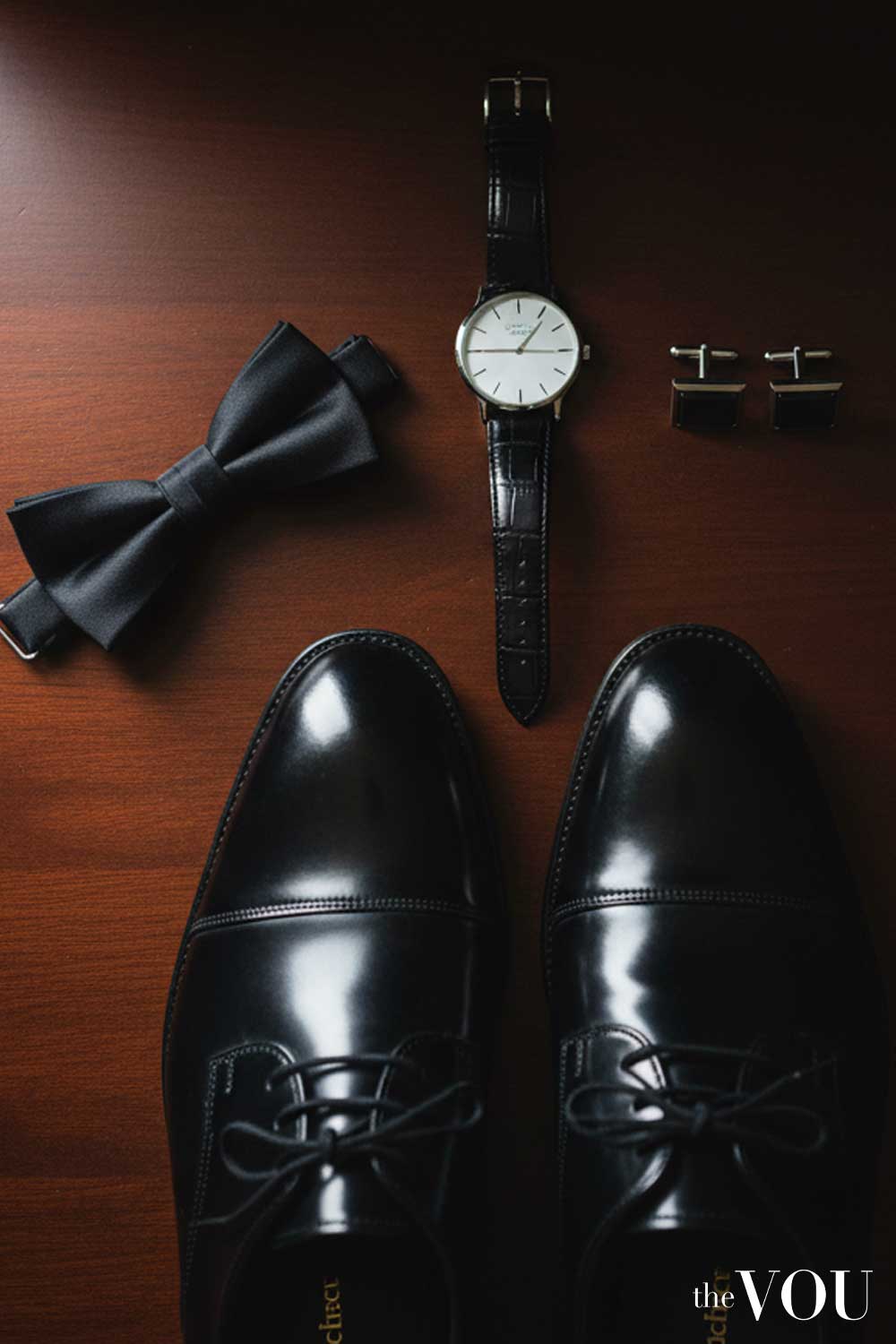
Polished black leather Oxfords are the safest formal shoe; with a dinner jacket, black patent Oxfords or highly polished plain calf Oxfords are traditional, while brogues and brown shoes are better kept for daytime suits.
See our dress shoes styling guide for the main styles, and if you expect a long evening of standing or dancing, make sure your shoes are comfortable as well as smart.
With a dinner jacket, wear a black bow tie, shirt studs and cufflinks, and a black cummerbund or a low-cut waistcoat; dinner-suit trousers are worn with braces, not a belt.
With a suit, a belt matching the shoes, cufflinks if your shirt has double cuffs and a simple pocket square are enough.
Formal Attire by Season

Spring and Summer
Tropical-weight wool and wool and mohair blends keep suits and dinner jackets cooler, and well-made cotton or linen shirts help at outdoor events.
Lighter colours can suit daytime formal events in warm weather, while evening events usually keep to darker colours; in hot climates, a white or ivory dinner jacket is an accepted black tie alternative.
Autumn and Winter
Heavier wool, flannel or cashmere blends suit cold-weather events, with a dark overcoat long enough to cover your jacket.
Types of Formal Dress Codes

The table below sets out the common codes from most to least formal; always let the invitation and the host have the final word.
Scroll horizontally to see all columns →
| Dress code | What it usually means for men | Typical occasions |
|---|---|---|
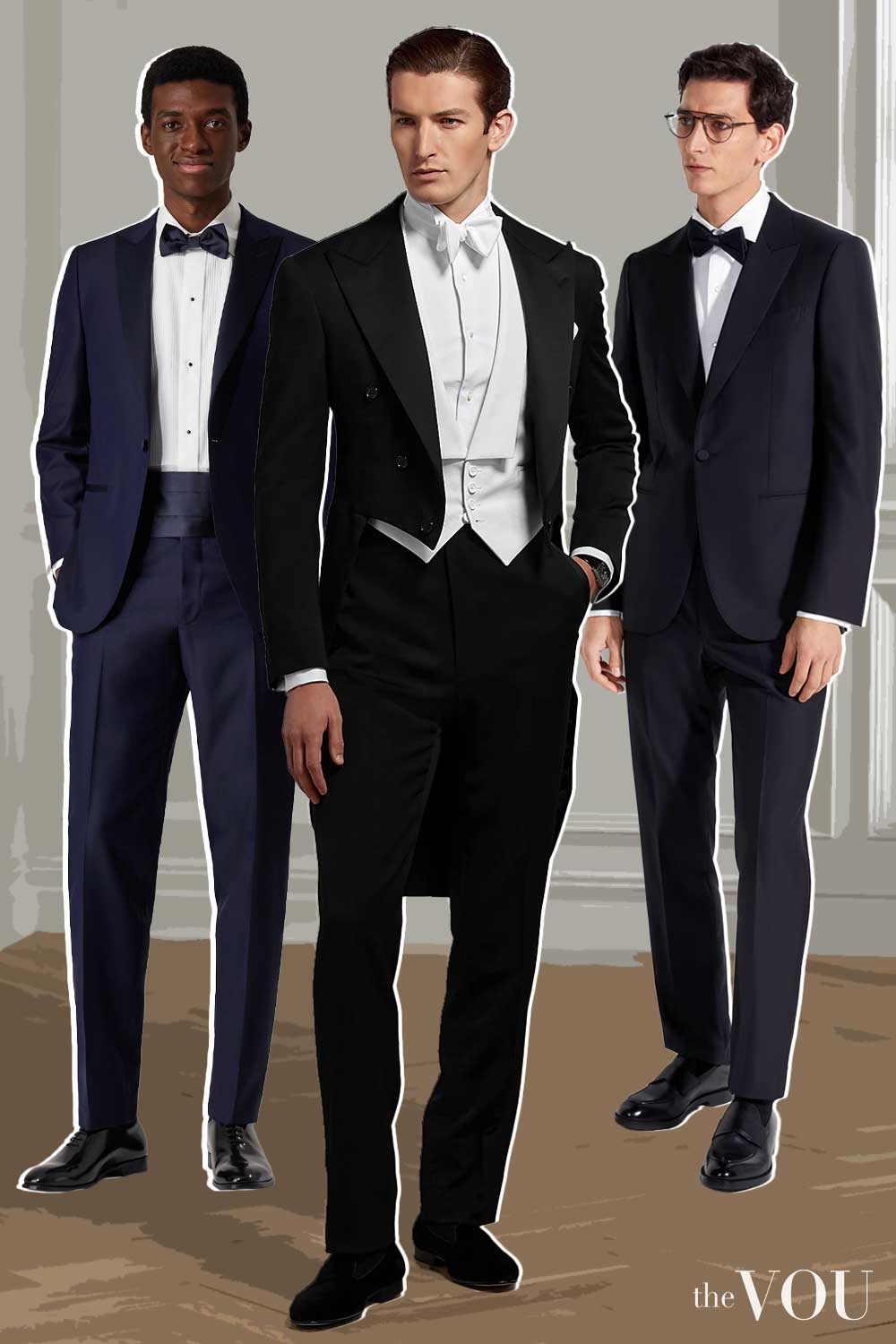
| White tie | Black evening tailcoat, white piqué wing-collar shirt, white waistcoat, white bow tie, trousers with braid, black patent shoes | State banquets, some royal and diplomatic receptions, traditional balls |
| Black tie | Black or midnight blue dinner jacket, white dress shirt, black bow tie, cummerbund or waistcoat, black patent or polished shoes | Formal evening weddings, galas, awards ceremonies |
| Black tie optional | Dinner jacket preferred; dark suit, white shirt and conservative tie accepted | Formal weddings, fundraising dinners, corporate galas |
| Semi-formal | Dark suit, dress shirt and tie | Evening receptions, weddings, business dinners |
| Business formal | Conservative dark suit, dress shirt, tie, polished shoes | Board meetings, conferences, formal company events |
| Business casual | Tailored trousers or chinos, collared shirt, leather shoes; jacket optional | Offices and relaxed client meetings |
These definitions follow Emily Post’s attire guide and Debrett’s; British and American conventions differ in some details.
White Tie
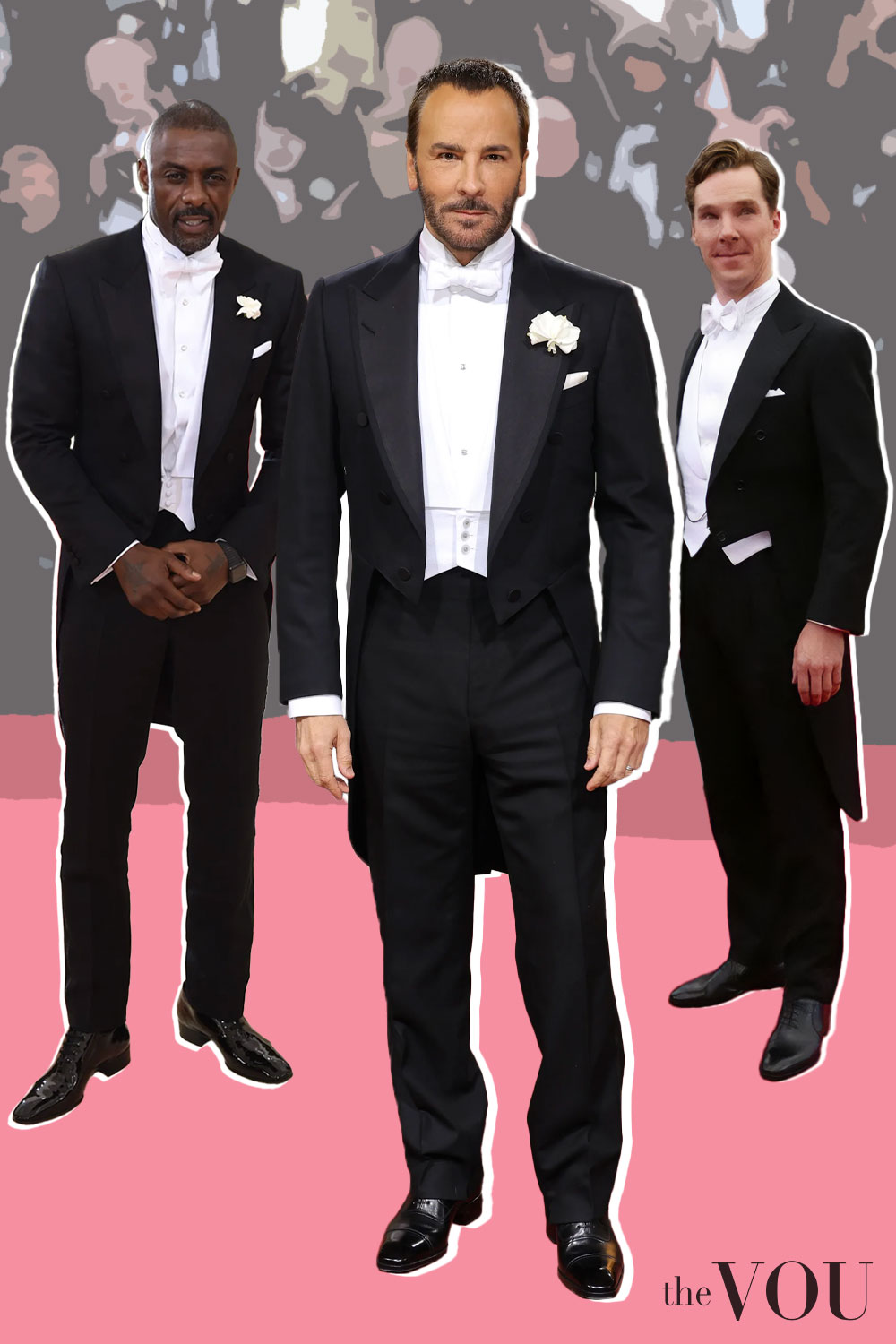
White tie is the most formal evening dress code and is now rare, worn mainly at state banquets, some royal and diplomatic receptions and very traditional balls.
It means a black evening tailcoat with peak lapels worn open, a white piqué shirt with a wing collar, a white piqué waistcoat that does not show below the coat, a white bow tie, trousers with braid down the outer seams and black patent shoes; gloves are needed only at a few events.
Our white tie guide explains each garment in detail.
Black Tie
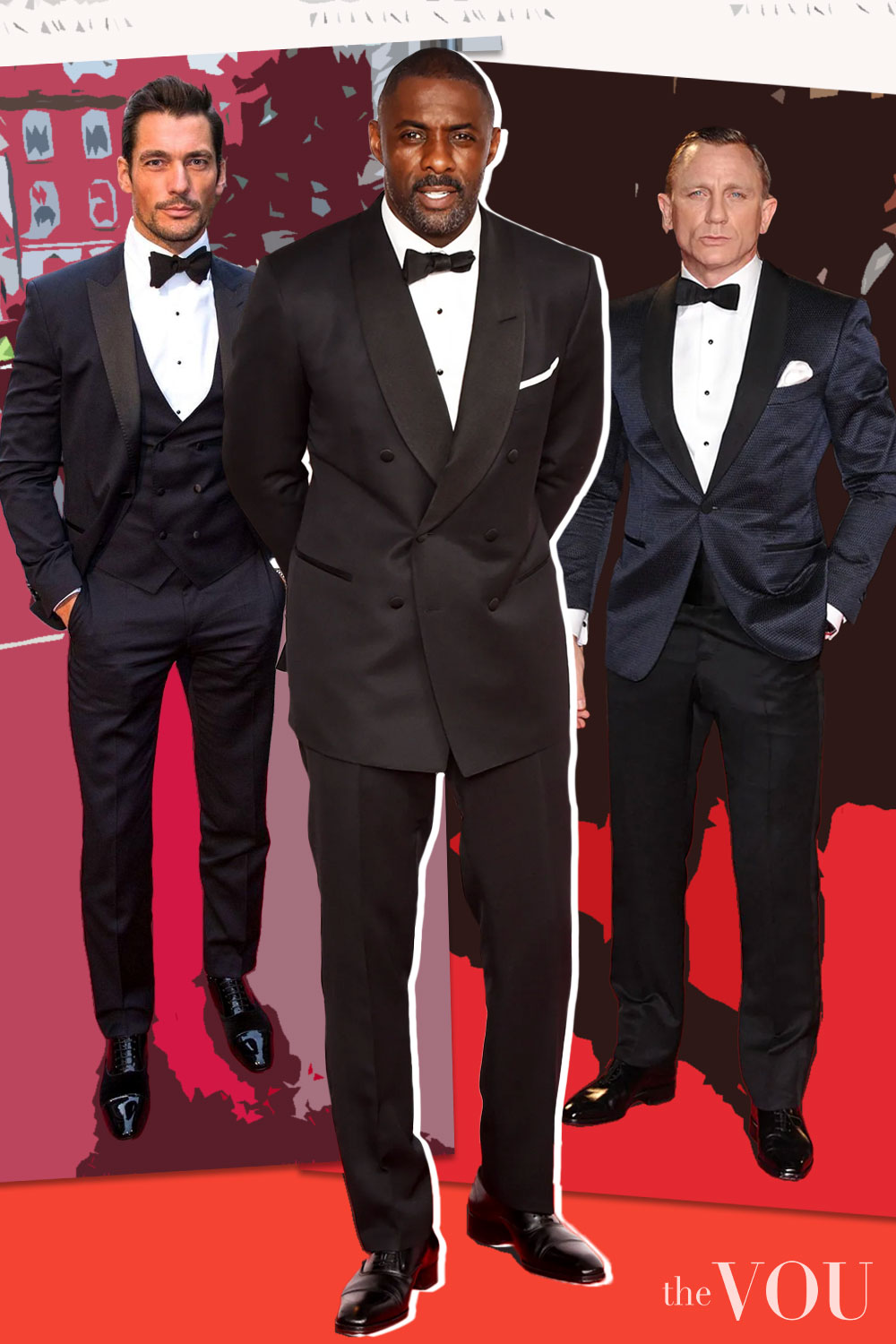
Black tie is one level below white tie and is the most common formal evening dress code.
It centres on a black or midnight blue dinner jacket with a white dress shirt with a turndown collar, a black bow tie, a black cummerbund or low-cut waistcoat, black socks and black patent or highly polished shoes, with studs and cufflinks in mother-of-pearl, onyx or plain metal.
See our black tie dress code guide for more detail.
Black Tie Optional
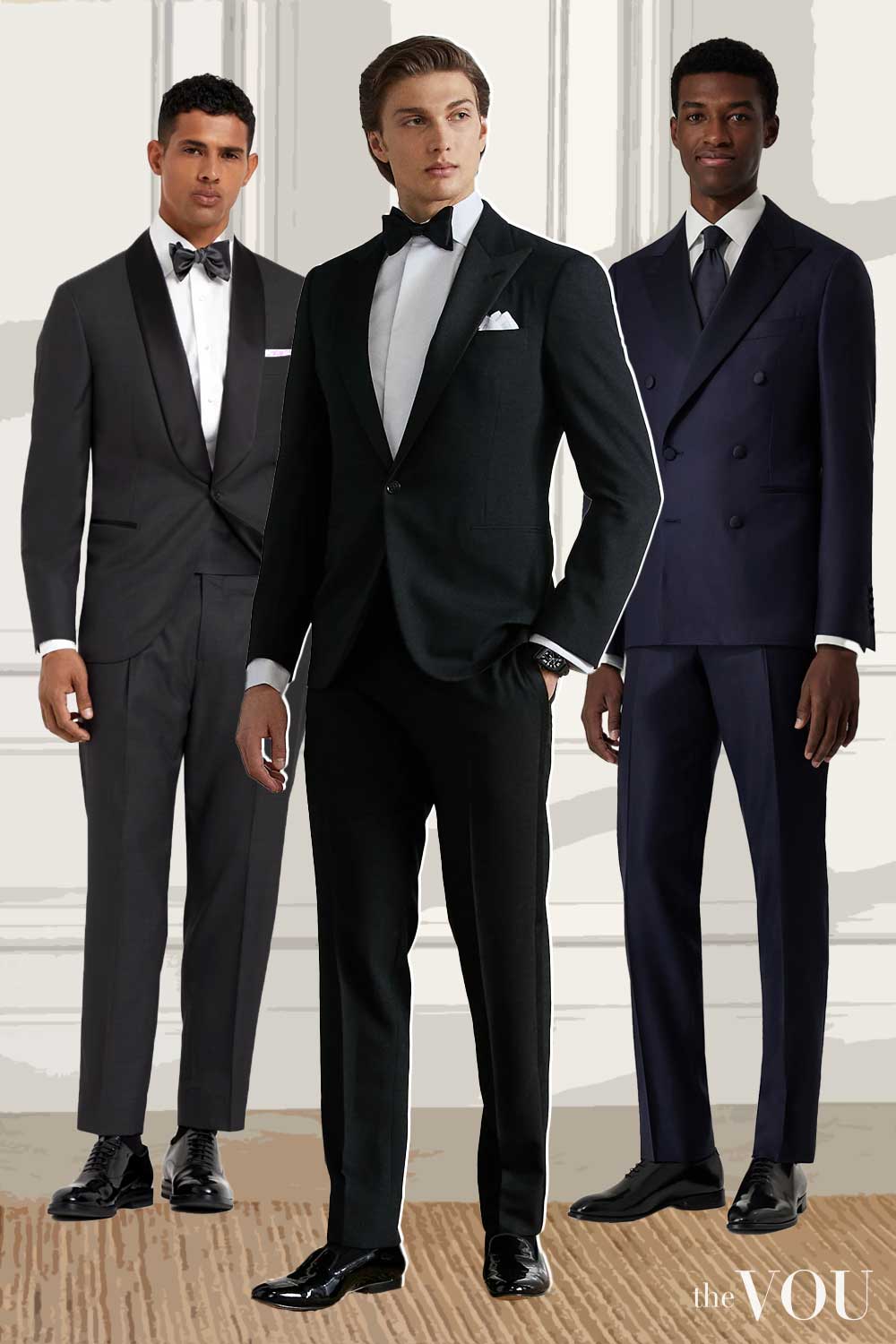
Black tie optional invites a dinner jacket but also accepts a dark suit with a white shirt and conservative tie, and many invitations that just say “formal” mean the same.
If you wear a suit, choose navy, charcoal or black, a white shirt, a dark silk tie and black Oxfords; our black tie optional guide covers both options.
Semi-Formal
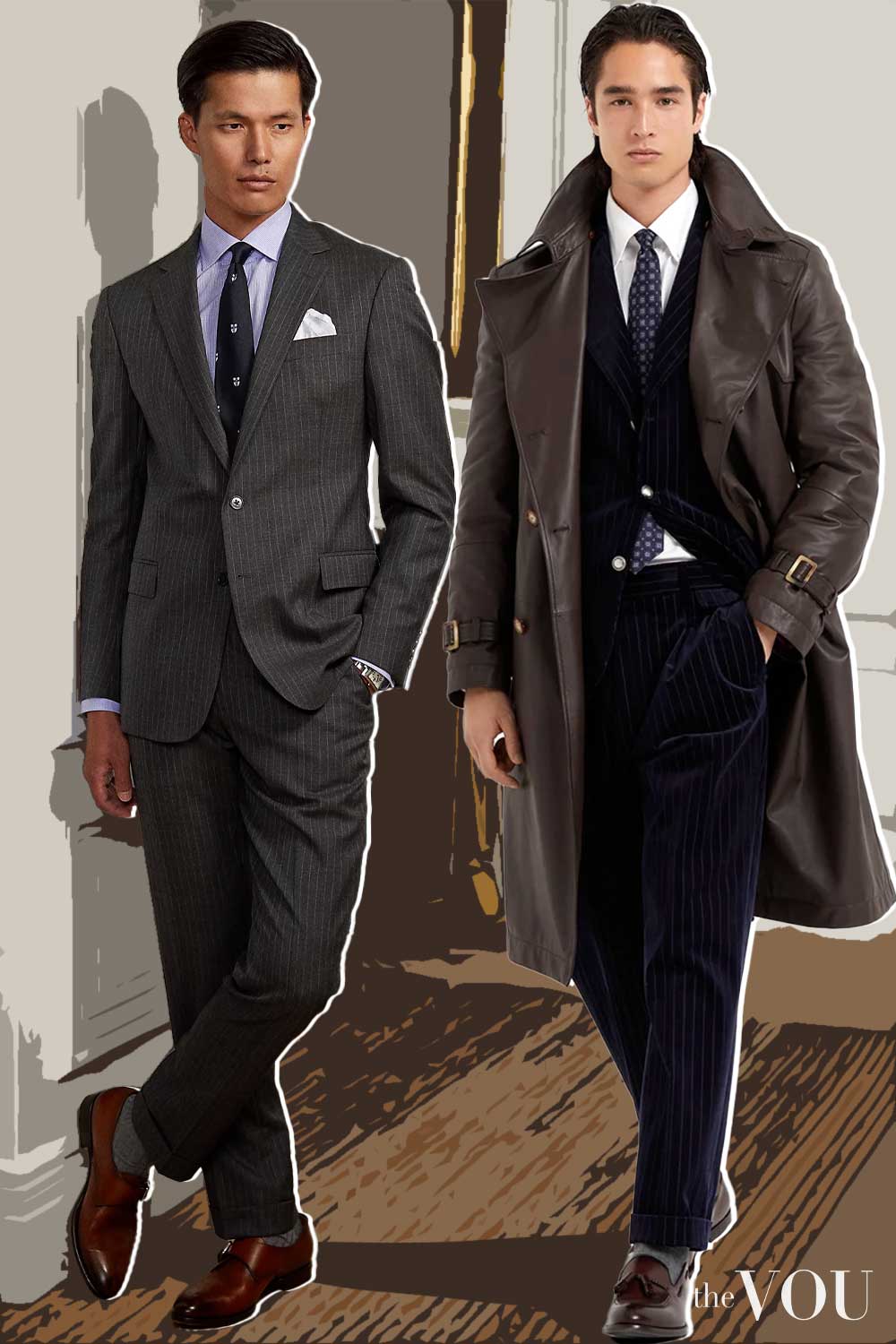
Semi-formal usually means a dark suit with a dress shirt and tie, as our semi-formal guide explains, although in traditional etiquette an evening semi-formal event meant black tie.
Navy, charcoal and dark grey suits with a white or light blue shirt, a silk tie and polished shoes suit most semi-formal invitations.
Business Formal
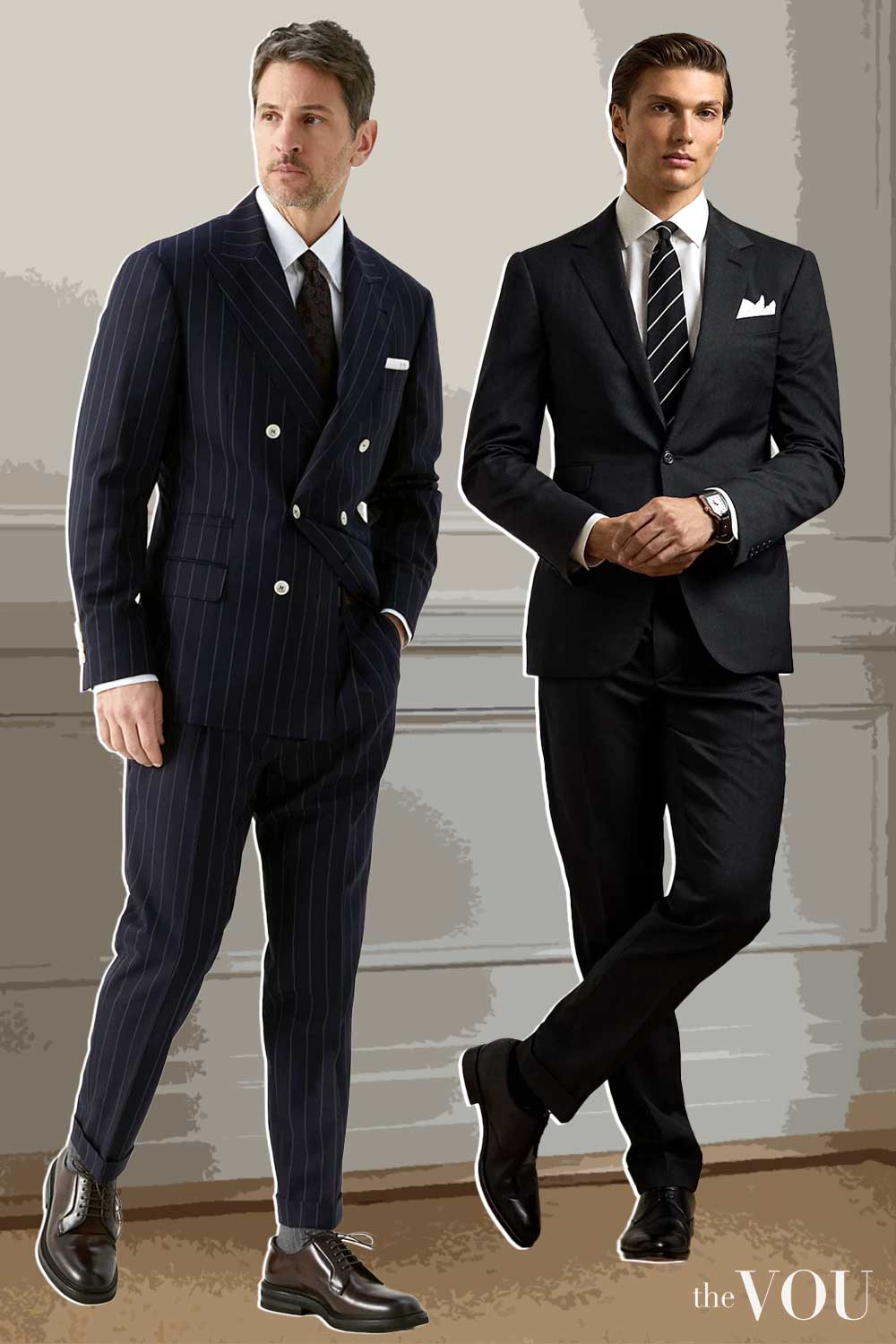
Business formal is the most formal everyday workplace code: a conservative navy, charcoal or dark grey suit, a white or light blue shirt, a silk tie and polished black or dark brown leather shoes.
Business Casual

Business casual is the relaxed end of workplace dress: tailored trousers or chinos, a collared shirt or smart knitwear and leather shoes, with a jacket for meetings.
It is not formal attire, so it is listed here only to show where the formal codes stop.
Formal Outfit Ideas
Formal Wedding
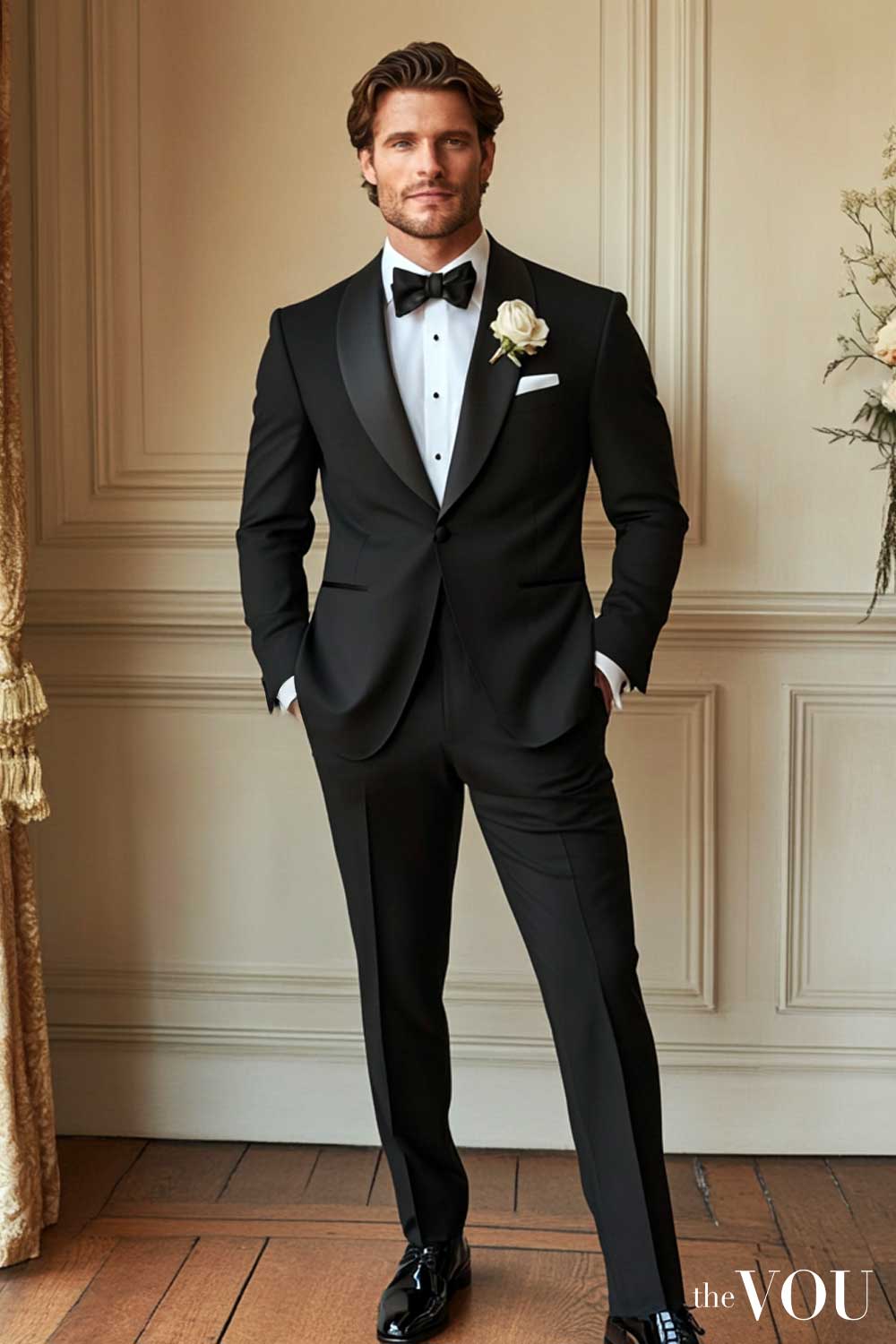
If a wedding invitation says “black tie optional” or “formal”, you have two good options.
Scroll horizontally to see all columns →
| Option | What to wear | When it suits best |
|---|---|---|
| Dinner jacket | Black or midnight blue dinner jacket, white dress shirt, black bow tie, black patent or polished shoes | Evening weddings; always correct when the code mentions black tie |
| Dark suit | Navy or charcoal suit, white shirt, silk tie, polished black shoes | When the code allows suits, or for daytime and less formal evening weddings |
Whichever you choose, make sure it fits well, and keep accessories such as cufflinks and a white pocket square simple out of respect for the couple’s day.
Black Tie Gala
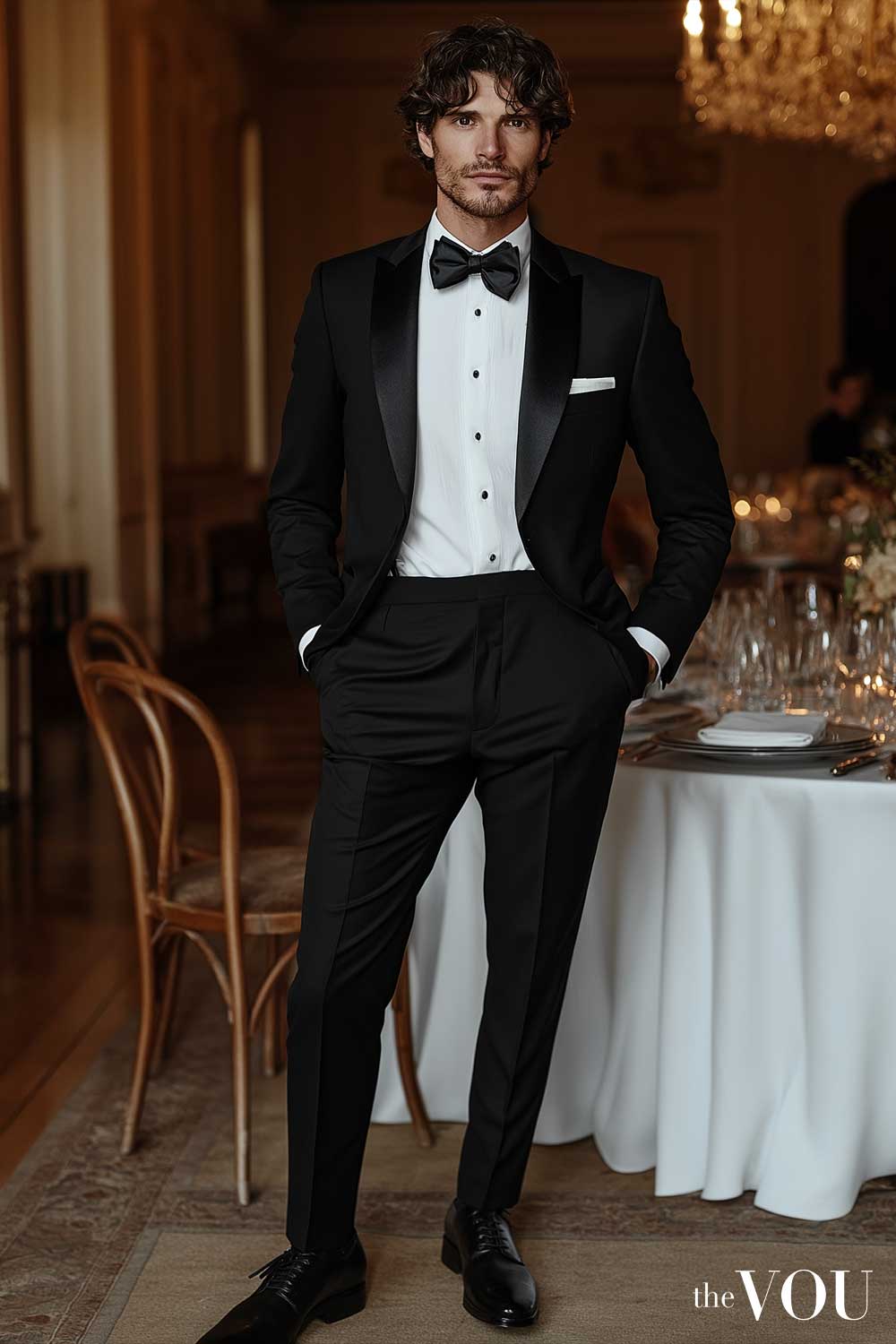
For a black tie gala, wear a dinner jacket: black or midnight blue with satin or grosgrain facings, a white marcella or pleated shirt, a black bow tie, studs and cufflinks, a cummerbund or low-cut waistcoat and black patent or highly polished shoes.
Business Formal Event
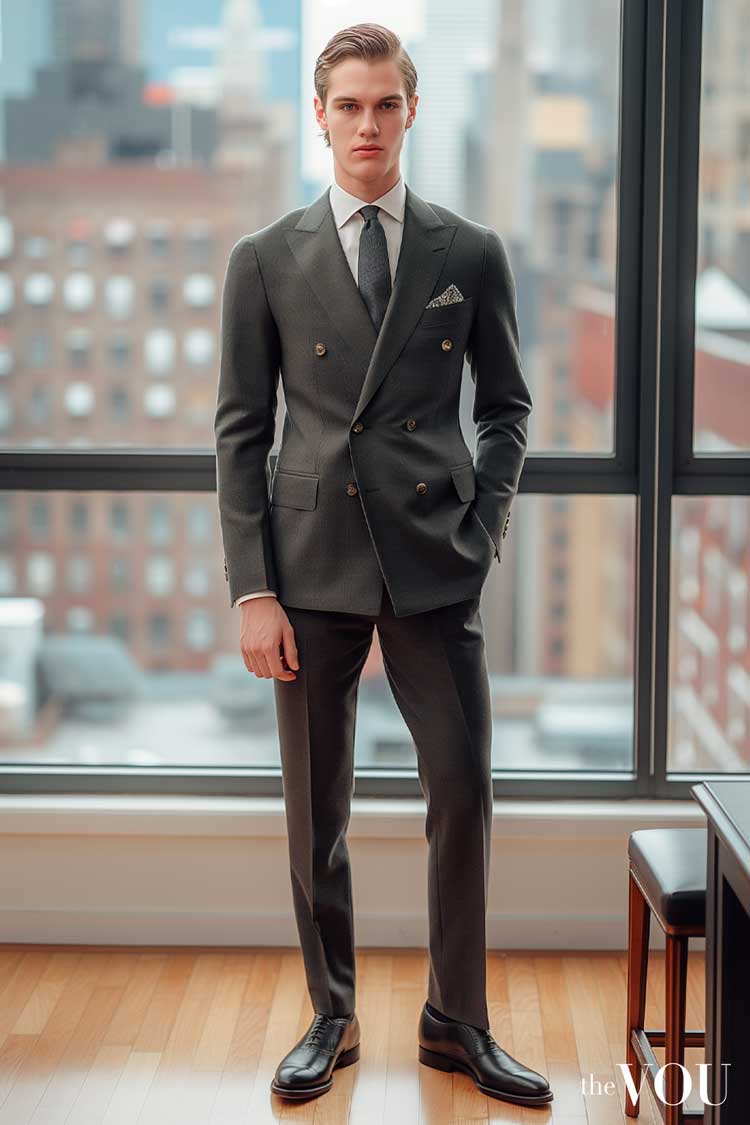
For conferences, corporate dinners and important presentations, wear a navy, charcoal or dark grey suit with a white or light blue shirt, a silk tie in a solid colour, repp stripe or small pattern, polished black or dark brown shoes, a belt that matches them and a simple watch.
Formal Attire Dos and Don’ts
Scroll horizontally to see all columns →
| Do | Don’t |
|---|---|
| Read the invitation and ask the host if the code is unclear | Guess, or assume a business suit is fine when the invitation says black tie |
| Wear clothes that fit well, altered if needed | Wear baggy, tight or creased clothes |
| Choose classic colours: black, navy, midnight blue, charcoal and white | Wear loud patterns or bright colours to formal evening events |
| Keep accessories simple | Pile on large or flashy accessories |
| Wear braces, not a belt, with dinner-suit trousers | Wear jeans, chinos, polo shirts, T-shirts or trainers |
When in doubt, it is usually better to be a little more formal than underdressed.
Formal Wear Makers
Many tailors and retailers make formal wear at different prices; the makers below are well-known examples, not endorsements, and any of them should be judged on fit and cloth rather than name.
Gieves & Hawkes

A Savile Row tailoring house that traces its history to the late 18th century and makes suits, dinner suits and morning dress.
Turnbull & Asser
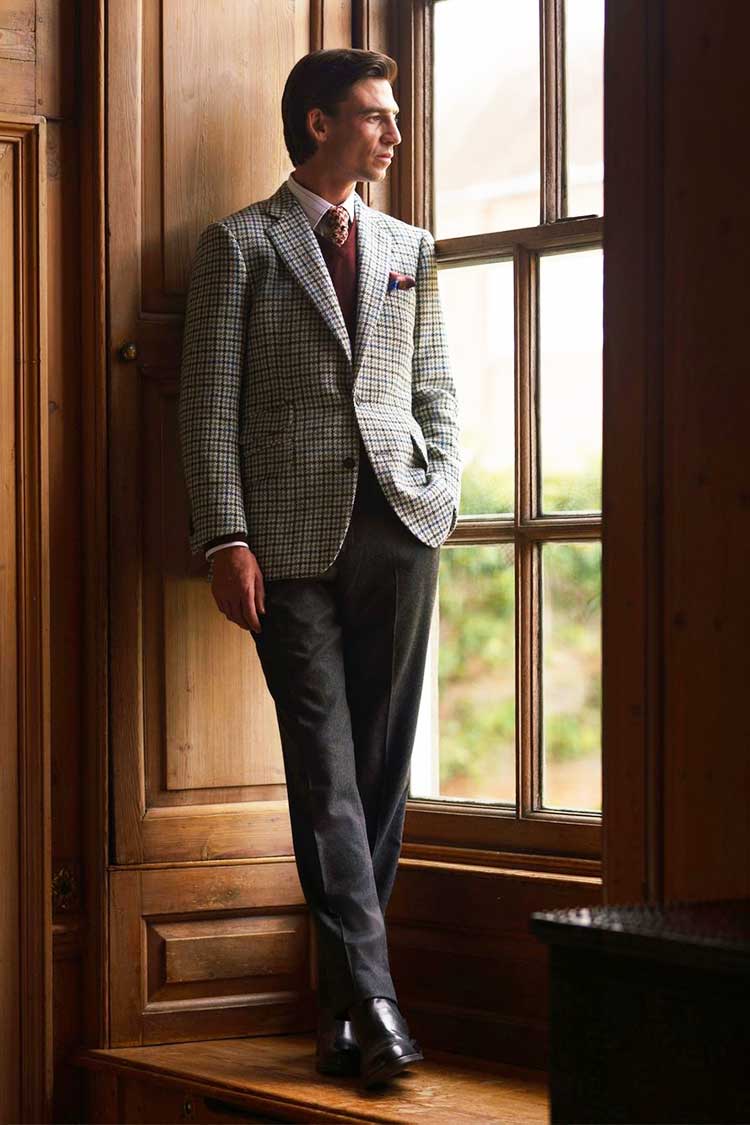
A London shirtmaker known for dress shirts, bow ties and other formal accessories.
Thom Sweeney
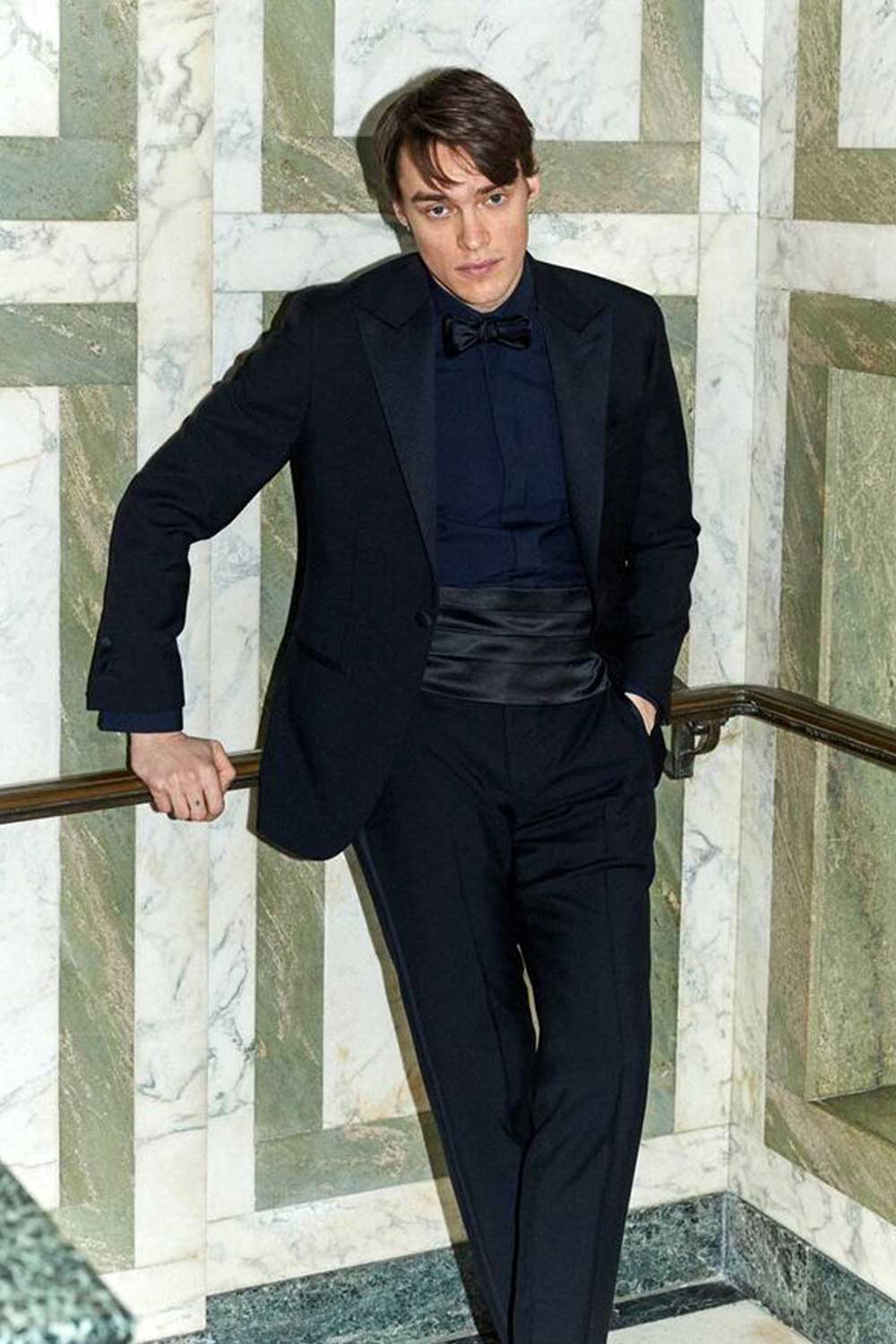
A London tailor offering suits and dinner suits with a more contemporary cut.
Charles Tyrwhitt
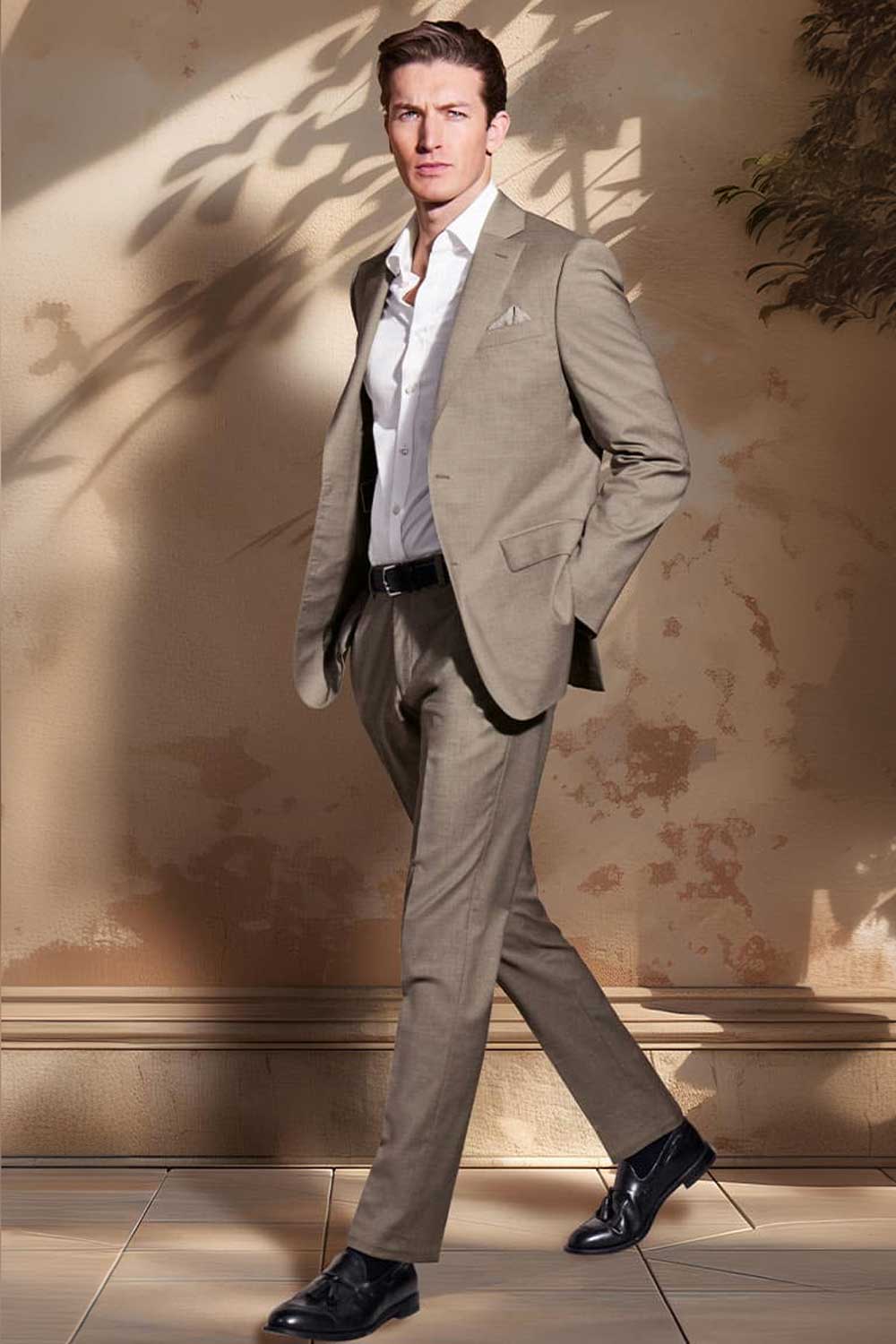
A British shirt and suit retailer at more accessible prices, including evening wear.
Hackett London
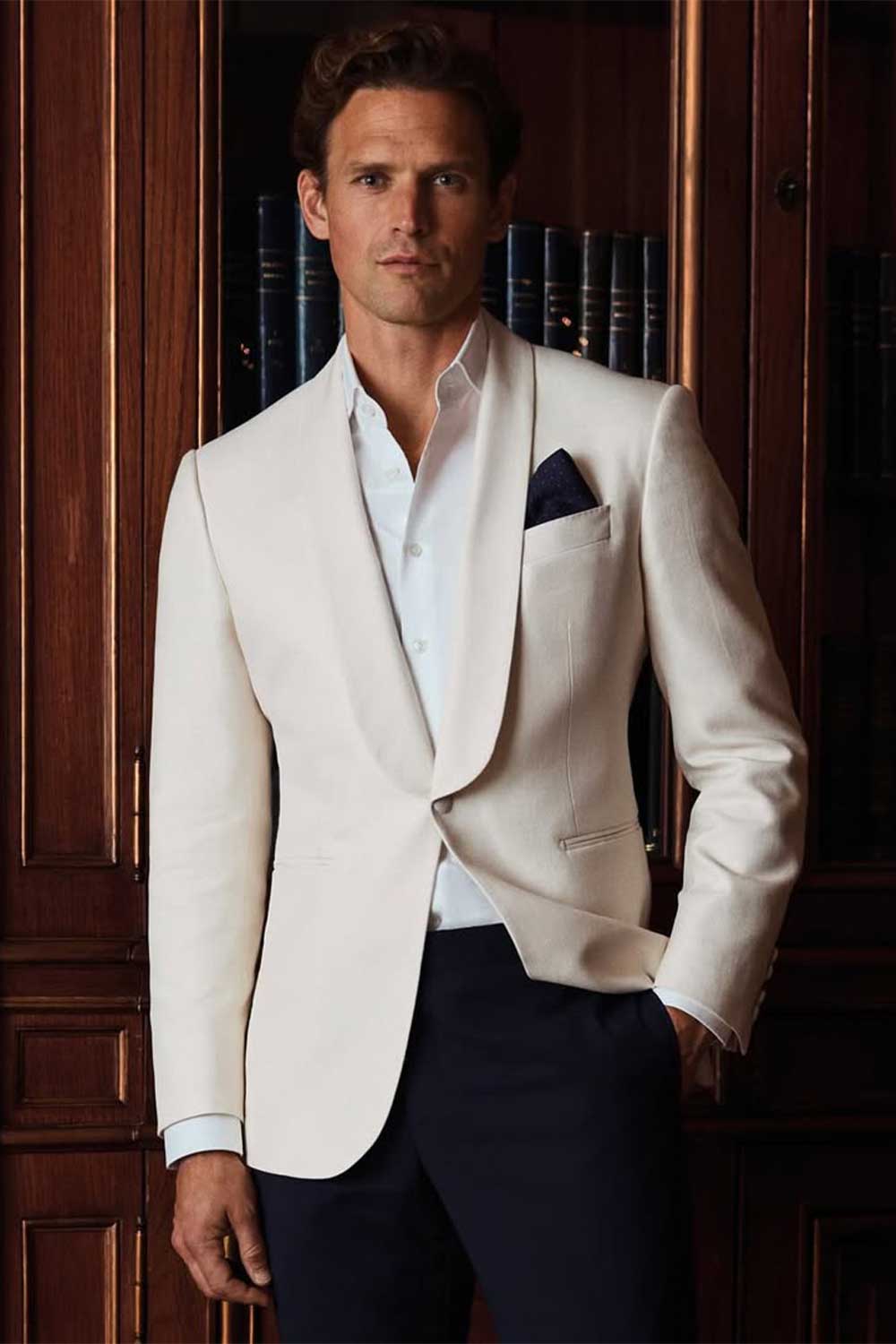
A British menswear brand whose range includes suits and dinner suits.
Brooks Brothers
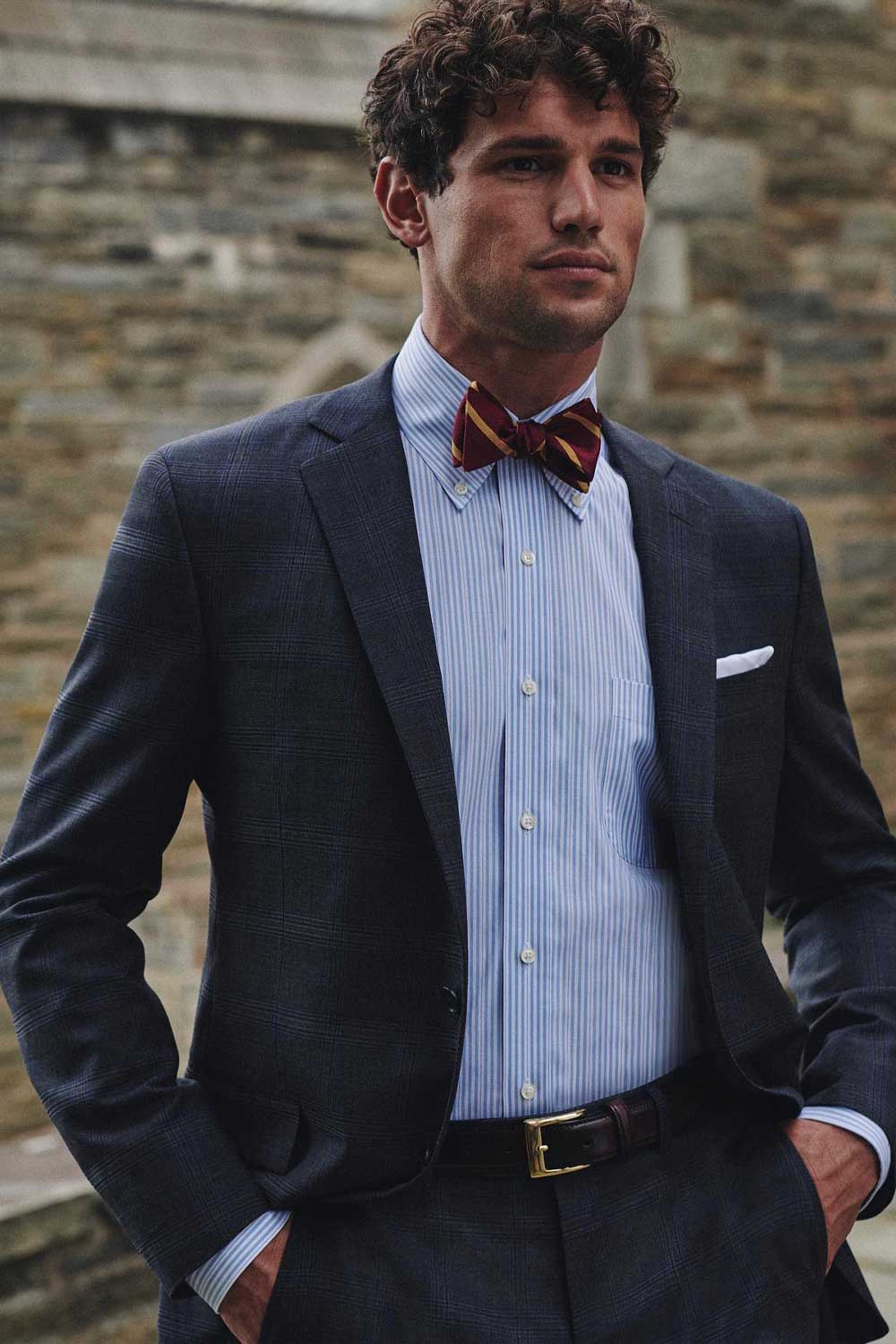
An American menswear company founded in 1818, known for suits, dress shirts and evening wear.
Suitsupply
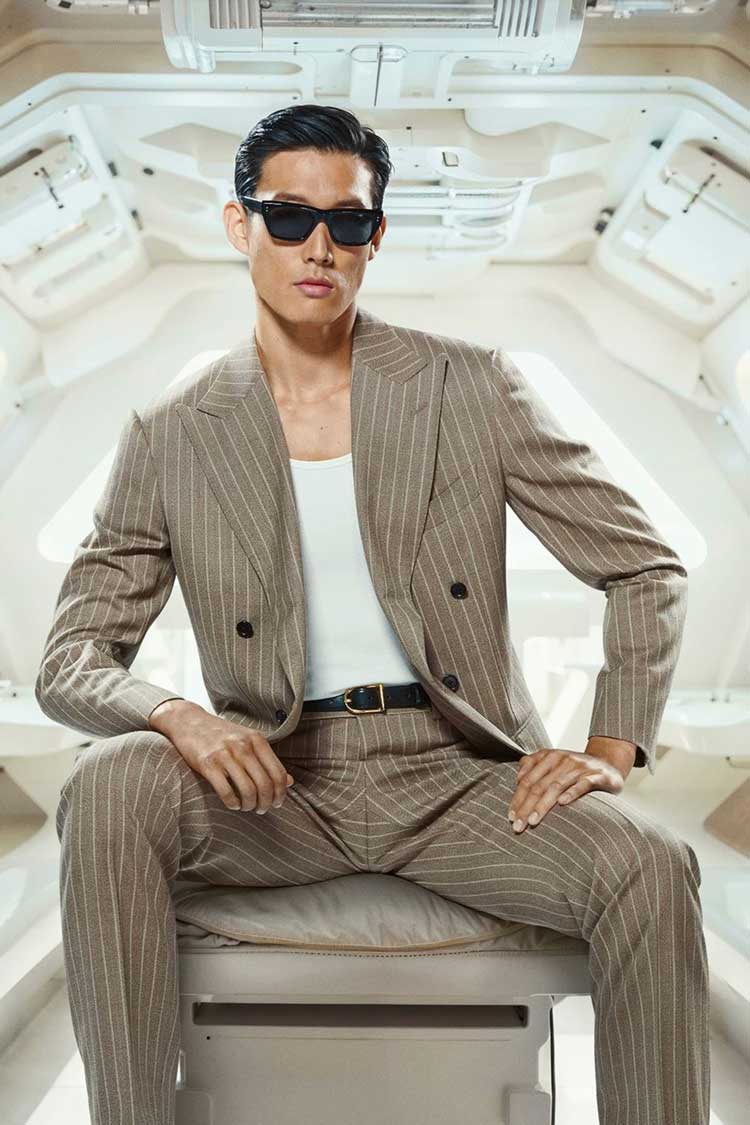
A Dutch company, founded in Amsterdam, selling suits and dinner suits through its own shops and online.
Conclusion
Formal dress codes look complicated, but they follow a clear ladder from white tie down to business formal.
Read the invitation, choose the matching outfit, make sure it fits, and ask the host whenever the wording leaves you unsure.
Mandy Meyer’s focus at The VOU is men’s body-shape styling, garment fit and outfit proportions. Her coverage addresses the practical questions behind a wardrobe choice: how a jacket sits across the shoulders, how trousers fall and how different cuts change the silhouette a wearer wants to create.
Her subject areas include the triangle, inverted triangle, rectangle, oval, trapezoid, hourglass and diamond labels used in body-shape styling. These provide starting references for comparing visible proportions; they do not capture every body or prescribe one correct way to dress. The focus connects those observations with garment shape, construction, length and the relationship between the upper and lower parts of an outfit.
Mandy’s editorial coverage combines visual comparisons with fit checks for comfort and movement. Readers can consider whether a cut gives them the room they need, where clothing pulls or gathers and which changes might support their preferred look. The aim is to make menswear choices more understandable while keeping personal preferences and the wearer’s own styling goals central.