
Start here
What’s This About
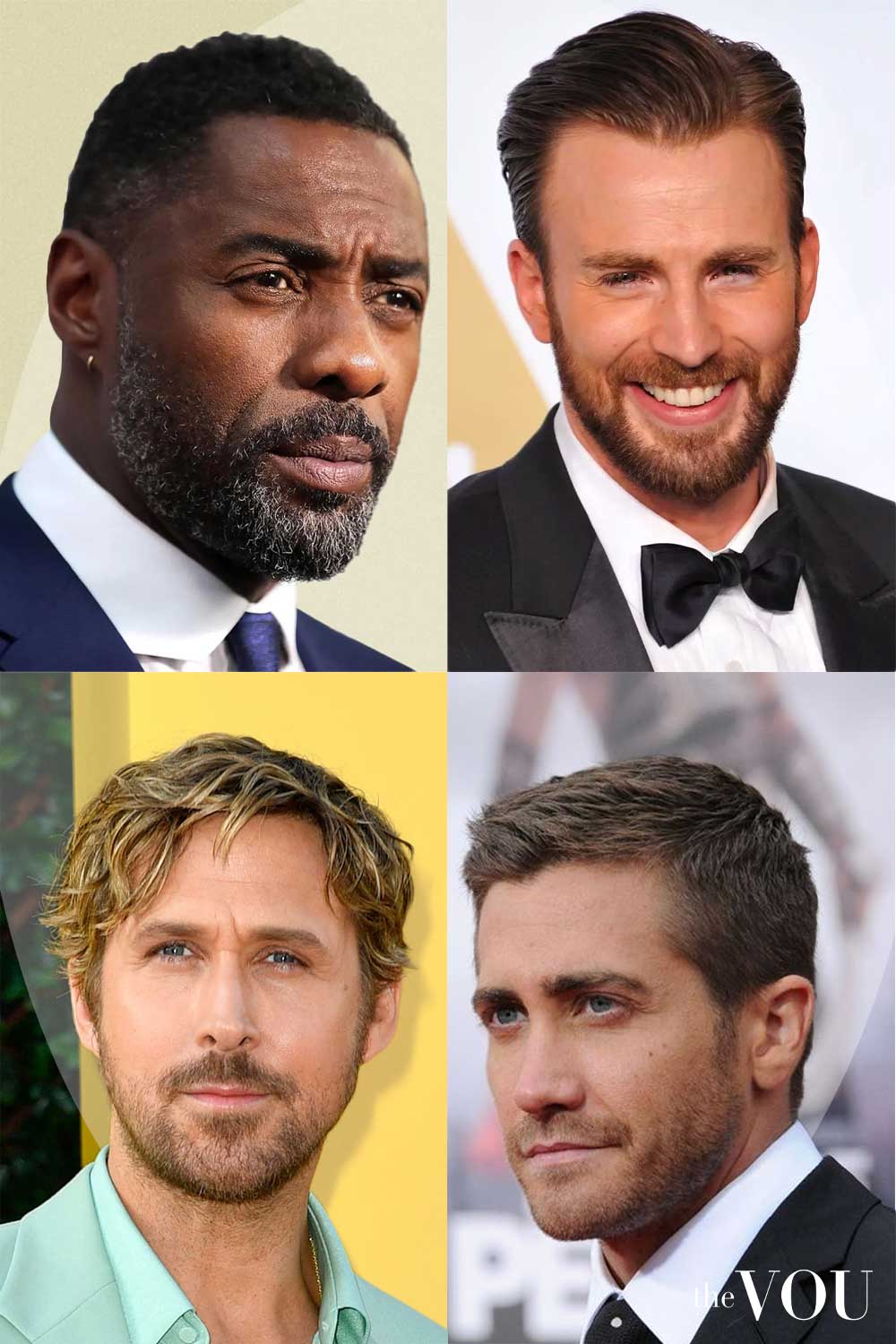
An oval outline needs no correcting, so choose from these ten cuts by your hair’s texture, your hairline and how much daily styling you want.
This guide covers the choices that decide the result, such as:
Lower-profile crops versus height-adding quiffs and pompadours
How much hairline a slicked-back style or a fringe shows
What wavy, straight, fine or dense hair needs for each look
Daily styling time versus barber visits for a taper fade
and many more!
We also cover how to brief your barber and how to check the cut once it is dry.
Key Points
01No haircut is needed to correct an oval outline; every option here is a preference.
02Crops keep the top low and the fringe forward, while quiffs and pompadours add height and make the face look slightly longer.
03A receding or uneven hairline is a reason to decide how much you want on show, not a ban.
04Styling the top each morning and keeping a fade sharp at the barber are separate commitments.
An oval face shape, longer than it is wide with no strongly dominant forehead or jaw, tends to work with a wide range of cuts and styles rather than needing one to correct it.
Whether you prefer a classic look or something modern, the right haircut for you is the one that suits your hair, your routine and your personal style.
The haircut recommendations below do not depend on a confirmed label. An oval outline shares borders with oblong and heart descriptions, and mixed observations are common; if you are unsure, our guide to reading your own face shape explains what to compare, and you can choose from this list by hair type and preference either way.
The face shape analysis quiz is an optional starting point rather than a measurement. Below are 10 hairstyles that work on an oval outline, complete with styling tips to match different hair types and preferences.
Match This List to Your Actual Hair
An oval outline gives you room to choose on preference rather than needing a specific fix, but these points still decide which of the cuts below will work with your actual hair.
Texture and density: messy waves and textured crops need enough natural texture or a texturising product to hold their shape; very fine, low-density hair may need mousse or a light powder at the root first, while dense, coarse hair often needs some weight removed for the same styles to sit properly.
Curl pattern and growth direction: naturally wavy or curly hair forms the messy-waves look on its own, while straight hair needs heat styling with a curling wand to imitate it, and those waves drop out sooner. Curly and coily hair also shrinks as it dries, so judge fringe length once it is dry. Note any cowlicks near your hairline or crown, since they affect how a side part or slicked-back style sits.
Hairline: each cut shows a different amount of hairline. The slicked-back style and comb-over show the whole front hairline and temples; the French crop, textured crop and messy waves cover some of it with a fringe or forward texture. A receding or uneven hairline is not a reason to avoid either group: decide whether you want it on show or partly covered, and tell your barber where your hair actually grows so a fringe or parting is placed to suit it.
Upkeep: the quiff and textured pompadour need daily restyling with a blow dryer; the side part and French crop hold their shape with less daily effort between barber visits. The taper fade needs frequent barber visits to keep its graduation crisp, which is separate from how long you spend styling the top.
Two routes: you can choose a lower-profile cut such as the French crop or textured crop, which brings the fringe forward and keeps the top low, or a height-adding cut such as the quiff or pompadour, which lifts the top. Both are options on an oval outline, not a correction for one.
Brief your barber: describe how your hair behaves once it is dry, mention any cowlicks and whether your hairline is receding, and say whether you want a lower-profile or height-adding finish. A reference photo helps, but ask your barber how it needs adapting to your own texture and density.
Check it dry: once your hair is dry and styled the way you would wear it, look straight into a mirror in even light. For the crops, check where the fringe line falls on your forehead and whether it sits evenly across any cowlick. For the quiff or pompadour, turn side-on and check how high and how far forward the front sits, then look again a few hours later to see whether your hair holds the height. Ask your barber to adjust fringe length or top weight at the next visit rather than switching to a new named cut.
1. Messy Waves
Messy waves create a relaxed and effortless style that is easy to wear for casual occasions.
Why it works
The natural texture adds volume and movement, softening the overall look.
Tips: Use a curl-enhancing cream if you have wavy hair. For straight hair, create loose waves with a curling wand for a similar effect.
2. Textured Crop
The textured crop is a contemporary style that adds volume and definition, and it works well on an oval outline.
This hairstyle keeps the shape neat while maintaining a relaxed and casual vibe.
Why it works
The layers add depth, and the short fringe covers some of the forehead. This is a shorter, lower-profile alternative to the height-adding options below, such as the quiff or pompadour; which effect you want is a matter of preference, not correction.
Tips: If you have thick hair, use a matte clay to control volume and enhance texture. For thinner hair, a light styling mousse can create the appearance of fullness.
3. Side Part
The side part is a timeless classic that suits an oval outline.
This hairstyle works equally well for formal occasions and casual outings.
Why it works
The neat division creates a structured, tidy appearance.
Tips: For a polished finish, use a pomade or wax with medium hold. If you prefer a softer look, go for a matte styling product. Pair this style with light stubble for a more modern appeal.
4. Slicked-Back Style
The slicked-back hairstyle exudes sophistication and shows the whole outline of the face.
This versatile look can be adapted for both professional and social settings.
Why it works
By pulling the hair back, this style shows more of the forehead and cheekbones, creating a polished appearance.
Tips: Use a high-shine pomade for a sleek effect. If you have thinner hair, apply a volumising mousse before styling. A receding hairline will be more visible in this style, which is a trade-off rather than a reason to rule it out; some men prefer the exposed hairline, others prefer to keep more length at the front.
5. Ivy League
The Ivy League haircut combines a classic, short style with enough length on top for versatile styling. Its clean lines and elegant look make it a great choice for oval faces.
Why it works
The slightly longer top gives you room to comb it to one side or lift it a little, while the tapered sides create a neat silhouette.
Tips: Style with a lightweight wax for a refined look. If you have thick facial hair, keep it well-groomed to maintain a clean overall appearance.
6. French Crop
The French crop features short hair with a defined fringe, offering a trendy look that needs little daily styling.
It’s particularly suited for men seeking a clean and contemporary style.
Why it works
The short fringe frames the forehead and keeps the top low, so it shows slightly less forehead rather than adding height.
Tips: For fine hair, use a volumising spray to add texture. Thick hair benefits from regular trims to maintain the shape and avoid looking too heavy.
7. Quiff
The quiff is a bold and dynamic hairstyle that adds volume and personality to your look.
Why it works
The added height at the front makes the face look a little longer. On an oval outline that is a style choice rather than a correction: pick it if you like the lift, or choose the crops above if you prefer a lower profile.
Tips: Use a round brush and blow dryer to create volume, then set with a strong-hold pomade. Skip this style if you want minimal daily styling, as it needs a blow-dry and product most mornings.
8. Taper Fade
The taper fade is a sleek and clean haircut that provides a modern twist to classic styles.
This haircut graduates from very short hair near the ears and neck to longer hair on top.
Why it works
Keeping the sides short moves attention to the top, and the gradual transition looks clean; it needs regular barber visits to keep the graduation crisp.
Tips: For a sharp finish, use a styling gel on the top section. Thick, straight hair shows the graduation most evenly, while curly hair gives a softer transition.
9. Comb Over
The comb-over is a structured and professional style that works well for oval faces. It is highly versatile and can be styled casually or formally.
Why it works
By neatly parting the hair, the comb-over adds definition and frames the face elegantly.
Tips: If your hair is naturally wavy, use a straightening cream to achieve a smoother finish. This look pairs well with a clean-shaven face.
10. Textured Pompadour
The textured pompadour offers a stylish blend of volume and modern texture, making it a bold choice for men with oval faces.
Why it works
The height of the pompadour lifts the front and makes the face look a little longer, adding a touch of drama; like the quiff, it is a preference rather than a fix.
Tips: Use a strong-hold mousse to maintain volume. Thin hair may require additional texturising spray for added lift.
Conclusion
Oval face shapes provide a fantastic canvas for a variety of hairstyles.
Whether you prefer timeless classics like the side part or modern cuts like the quiff, the key is to choose a style that complements your features and suits your lifestyle.
If you want a second view of your outline, this quiz offers an optional suggestion; then experiment with these 10 options, starting from your hair’s texture, your hairline and how much daily styling you want.
Style Like A True Gentleman
Before you go, here is a simple order to follow, whether you work alone or with an image consultant.
Professional styling usually starts with knowing your body shape and seasonal colour palette, which help you choose well-fitting clothes in colours that suit your skin, eyes and hair.
Then you can plan outfits for each occasion, location, season and time of day, with garments, footwear, and accessories from heritage fashion brands that fit the way you want to look.
Take our three quizzes below, then book a paid consultation if you would like personal help:
1. Find Your Body Shape
Different garments flatter different silhouettes, so knowing your body shape is a useful first step.
To check your body shape, take our body shape quiz for men.
Next, take the second quiz to check your colour palette.
2. Find Your Seasonal Colours
Remember, the garments that compose your outfits come in various colours, and it helps to choose shades that suit your natural colouring.
To do that, find your seasonal colour palette by taking our seasonal colour quiz for men.
3. Find Your Fashion Style
Once you know your body shape and colour palette, the next step is to find your personal fashion style.
You can start with our fashion style quiz for men; it gives style suggestions, outfit ideas, relevant fashion brands, and much more.
Professional Image Consultancy with The VOU
If you would like personal help, you can book a paid consultation with our expert image consultants and fashion stylists.
Our styling services for men are paid consultations; the shop page lists what each one includes.
Remember, wearing luxury brands isn’t enough (see logo-heavy luxury brands and how to wear them); it also helps to know your body shape, colour palette, and ideal personal style, and then to dress by occasion, location, season, and time of day.
Contact us if you would like to book a paid consultation.