
Start here
What’s This About:
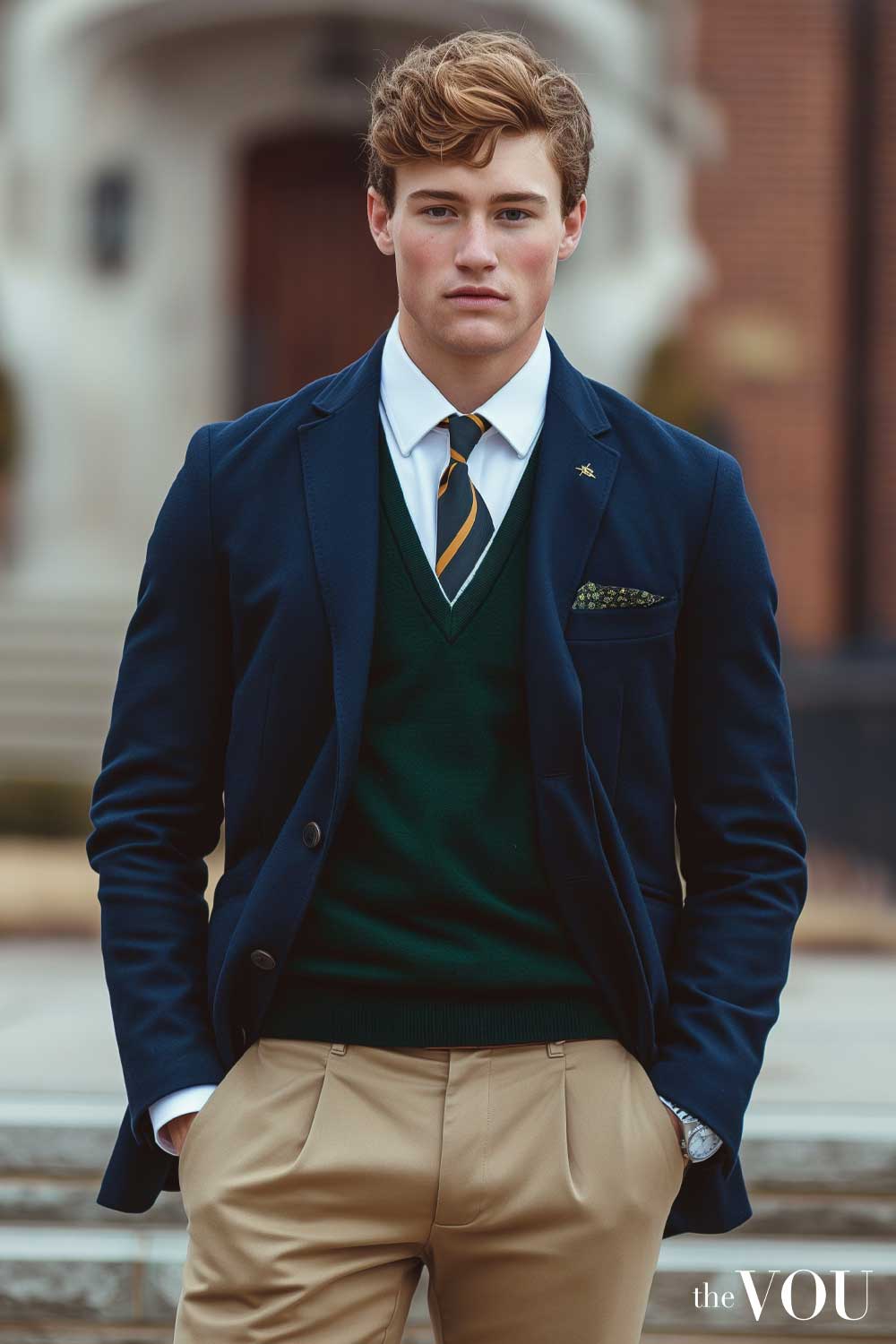
Preppy style for men is a smart-casual wardrobe built on navy blazers, Oxford button-down shirts, chinos, knitwear, tweed and loafers or boat shoes.
This guide covers the garments, shoes and accessories that make the look, such as:
– Where preppy dressing came from, on American school and university campuses
– The navy blazer, chinos and Oxford button-down shirt
– Knitwear, tweed jackets, rugby shirts and waxed cotton jackets
– Penny loafers, Oxfords, suede bucks and boat shoes
– Belts, caps, bracelets, watches, repp ties and leather bags
– How to start a preppy wardrobe with a few garments
and many more!
The labels named are examples of makers associated with the style, not a required shopping list.
Key Points:
01An Oxford button-down, chinos and a navy blazer or knit already make a complete preppy outfit.
02Check fit at the shoulders first when buying a blazer or tweed jacket, because shoulders are the hardest area to alter.
03Footwear sets the formality, from boat shoes and bucks for casual days to loafers and Oxfords for dressier ones.
04You do not need a particular background or school to wear preppy clothes.
Preppy style for men is a smart-casual way of dressing built on the American campus wardrobe: navy blazers, Oxford button-down shirts, chinos, knitwear, tweed, rugby shirts and leather loafers or boat shoes.
Preppy is often described as a lifestyle as much as a fashion style, but you do not need a particular background or school to wear the clothes.
This guide covers the essential garments, footwear and accessories, with labels to look at for each; for the history, see our guides to the preppy style’s origin and the evolution of preppy fashion, and our guide to the Old Money look explains how the two styles overlap.
Where preppy comes from
Preppy grew out of the clothing worn at American preparatory schools and universities such as Harvard, Yale and Princeton in the first half of the twentieth century; that campus tradition is known as Ivy League fashion (our guide to Ivy style for work and weekends shows how to wear it today), and preppy also covers its later and more colourful reinterpretations.
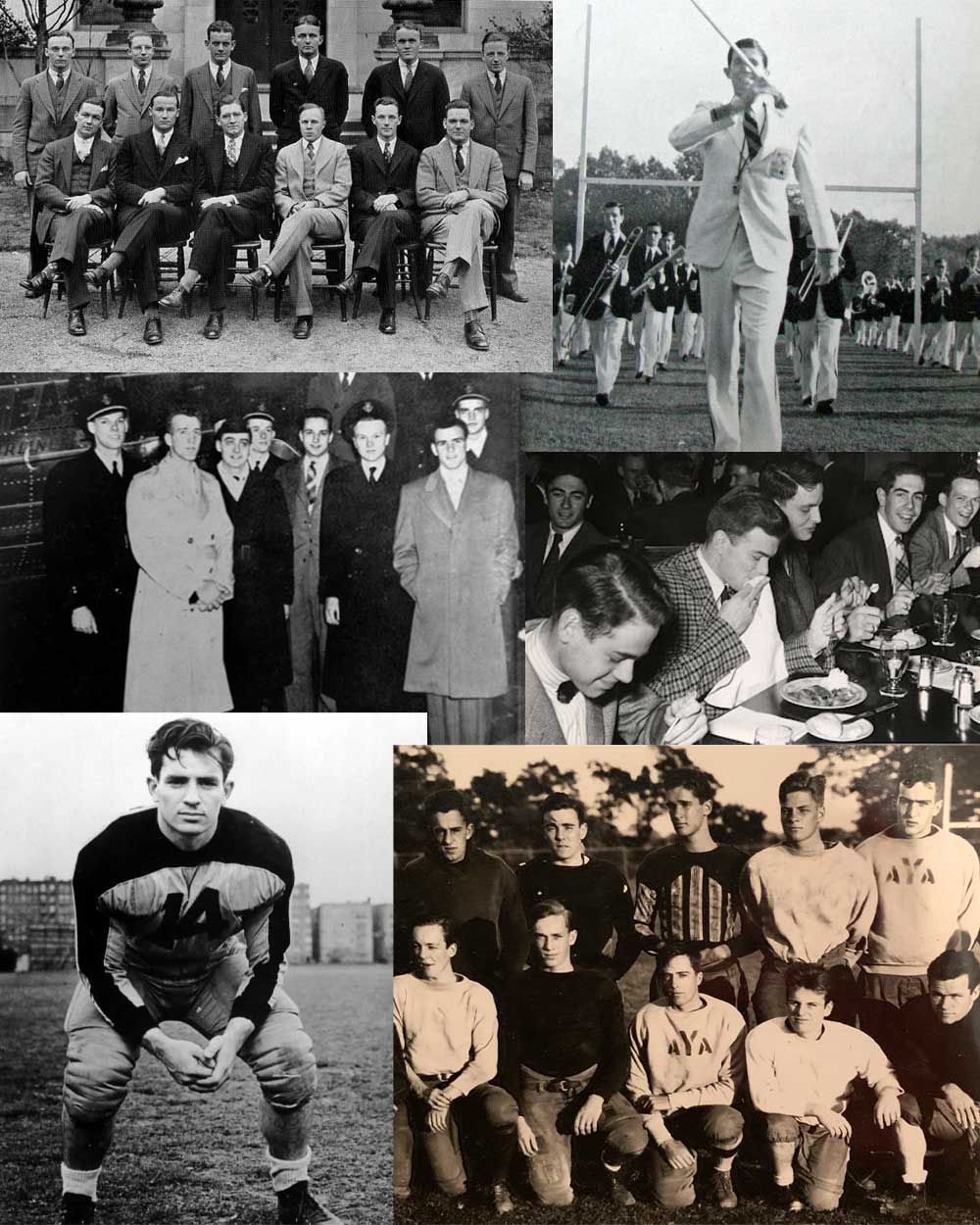
Clothiers such as J. Press, which opened in New Haven, and the New York firm Brooks Brothers helped spread the look, and the Museum at FIT’s Ivy Style exhibition traces how it developed from early twentieth-century campus clothing into a widely copied way of dressing.
Its classic silhouettes and practical fabrics spread well beyond those campuses, from the East Coast yacht-club look to versions worn around the world.

Preppy wardrobe essentials
A small capsule wardrobe of preppy garments combines in many ways, and several are also core to the Old Money aesthetic.
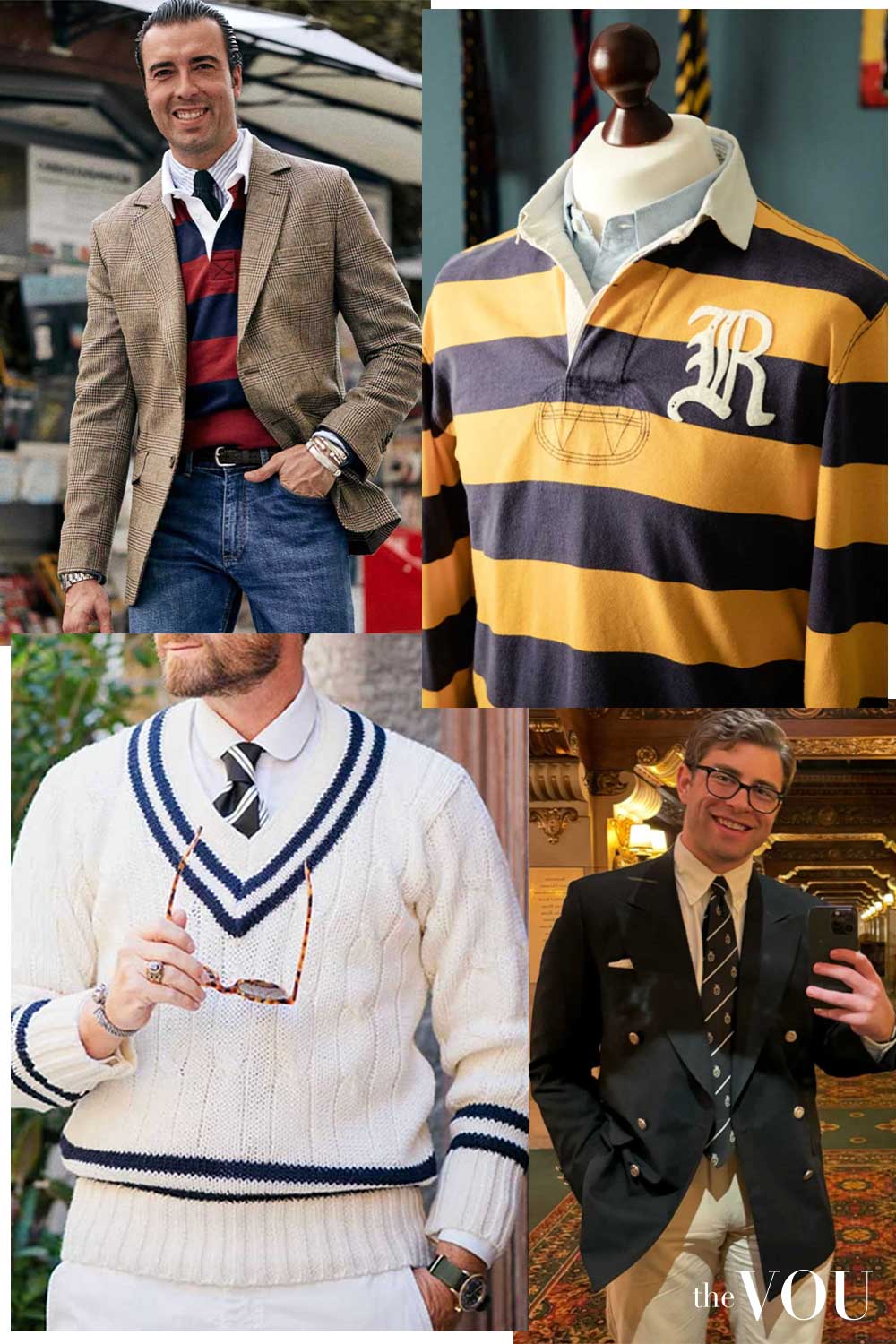
The labels named under each garment are examples of makers associated with the style, not a required shopping list.
Navy blazer
A navy blazer is the most versatile preppy jacket and a core garment in any Old Money wardrobe.
A single-breasted, two-button blazer in a midweight wool such as hopsack or serge is a common choice, and metal buttons and patch pockets are traditional details.
Check the fit at the shoulders first, because that is the hardest area to alter.
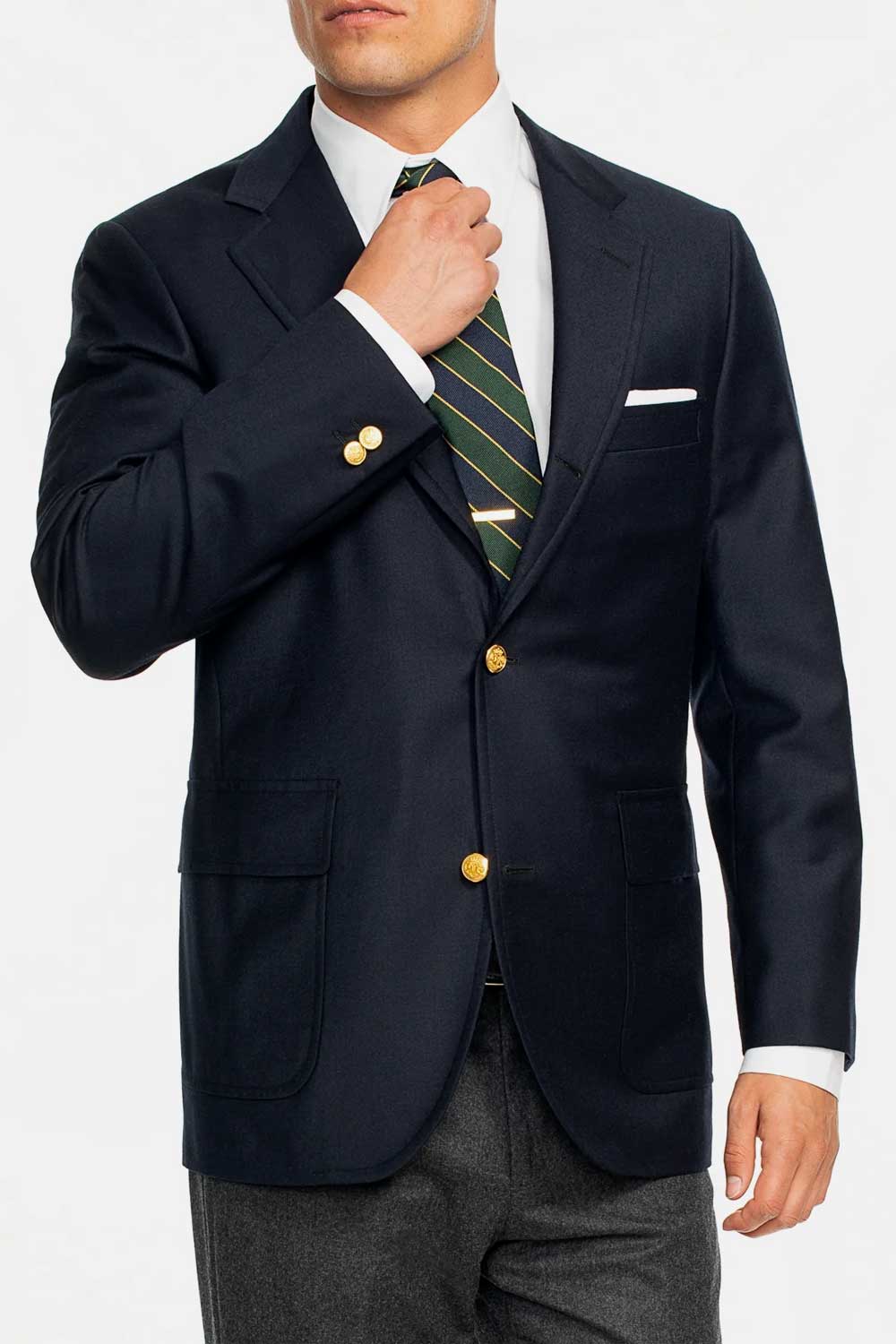
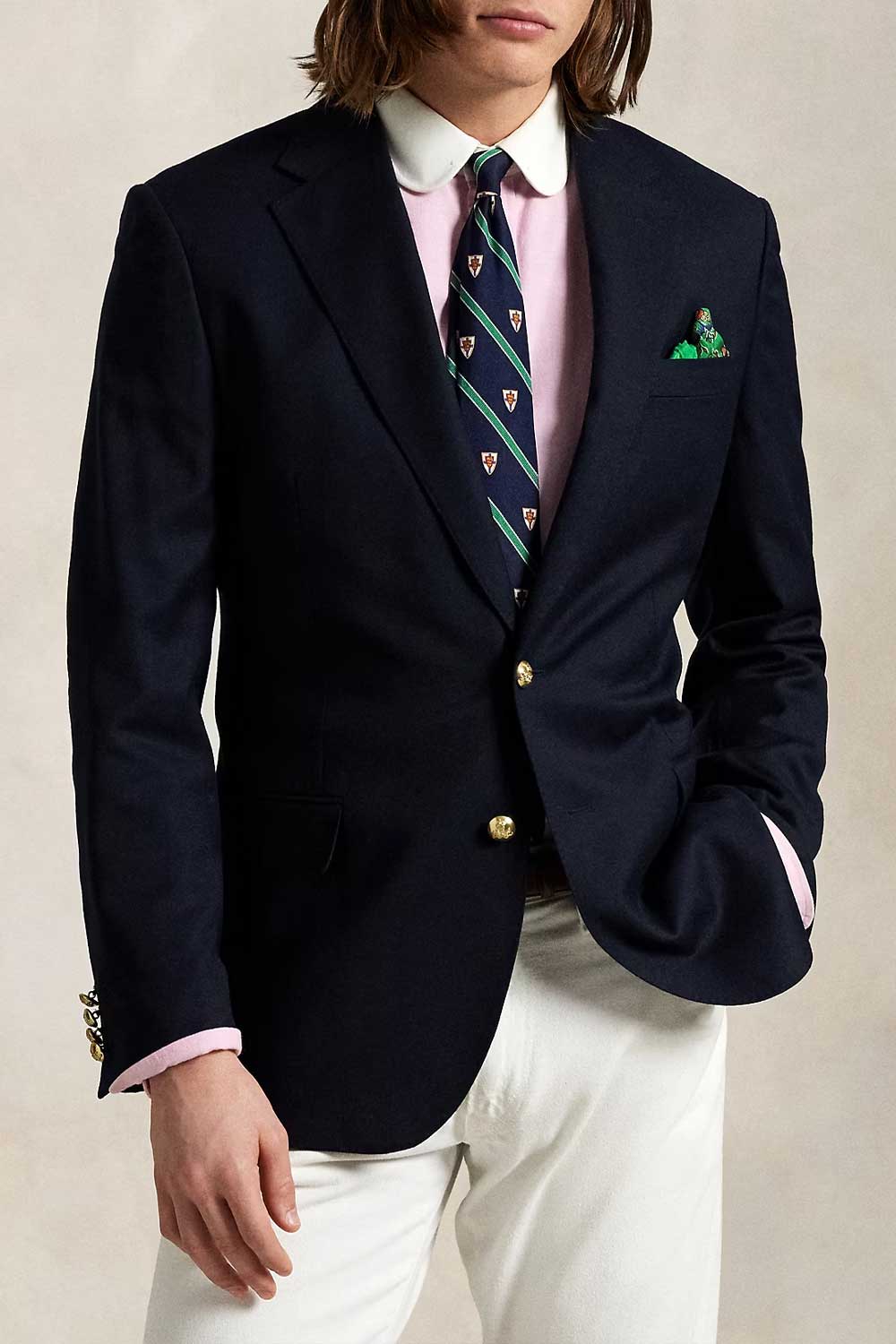
Labels to look at: J. Press, Ralph Lauren and Brooks Brothers.
Here is how to style the blazer for an Old Money look, and our Old Money style icons article looks at how well-known men have worn it.
Chinos
Chinos in khaki, stone and navy are the everyday preppy trouser.
A straight or slightly tapered leg is the usual shape, and you can choose a length that just touches the shoe or sits slightly above it.

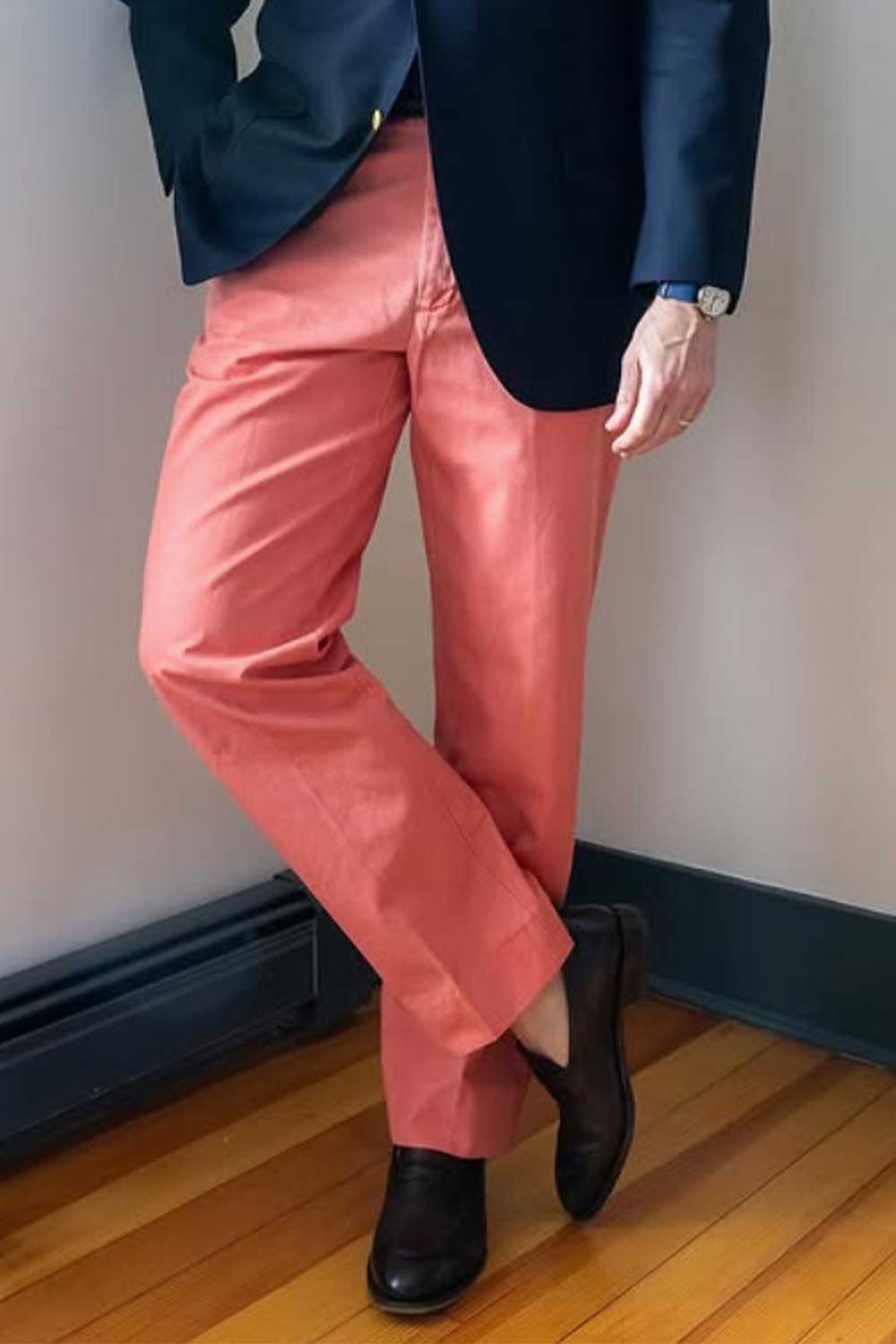
Labels to look at: Bills Khakis, Brooks Brothers and Murray’s Toggery Shop, the Nantucket store known for its faded red Nantucket Reds.
Oxford cloth button-down shirt
The Oxford cloth button-down, or OCBD, has a collar whose points button to the shirt and a soft, textured cotton cloth.
Brooks Brothers is generally credited with introducing the button-down collar to American shirts around 1900, adapted from the collars of English polo players.
White and light blue are the most useful colours, with pink and university stripes as easy additions.
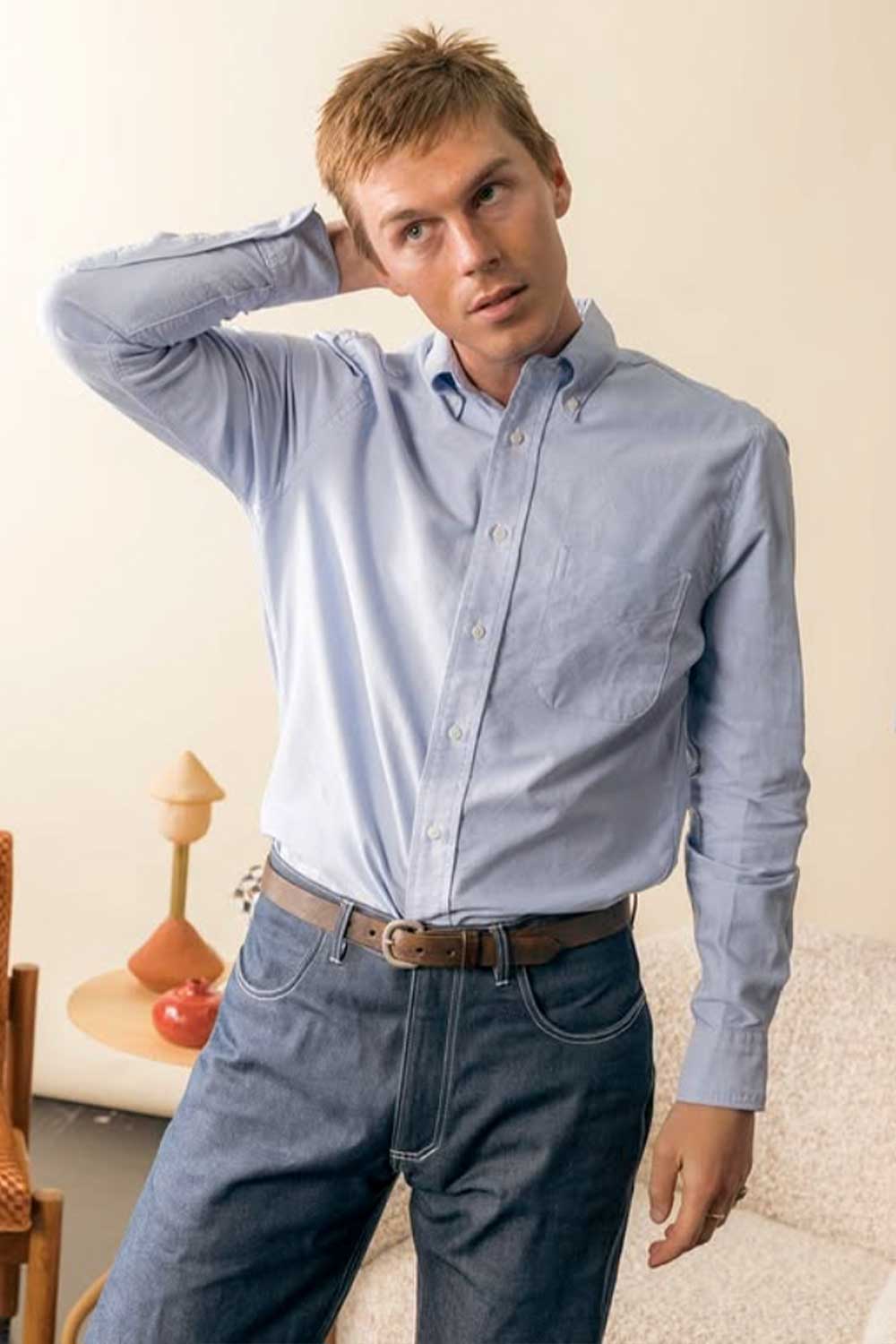

Labels to look at: Gitman Vintage, Mercer & Sons, Michael Spencer and Hamilton; for a wider look at the style, see our article on Gianni Agnelli’s style, who wore button-downs in his own way.
Knitwear
Crew-neck cable knits, V-necks and cardigans layer over an OCBD in cooler months.
Forest green, burgundy, navy and oatmeal are classic colours, and a medium weight layers under a blazer without bulk.
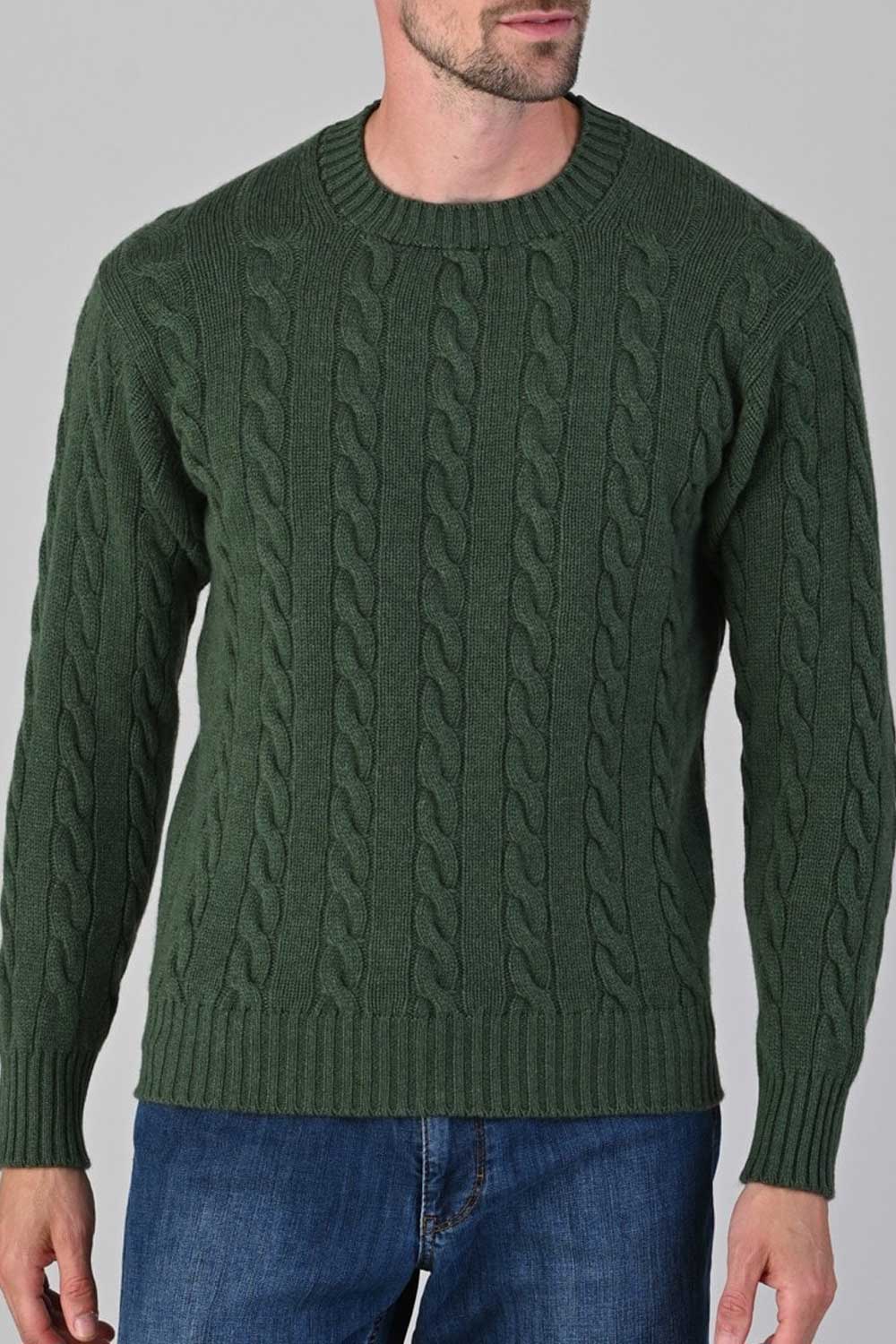
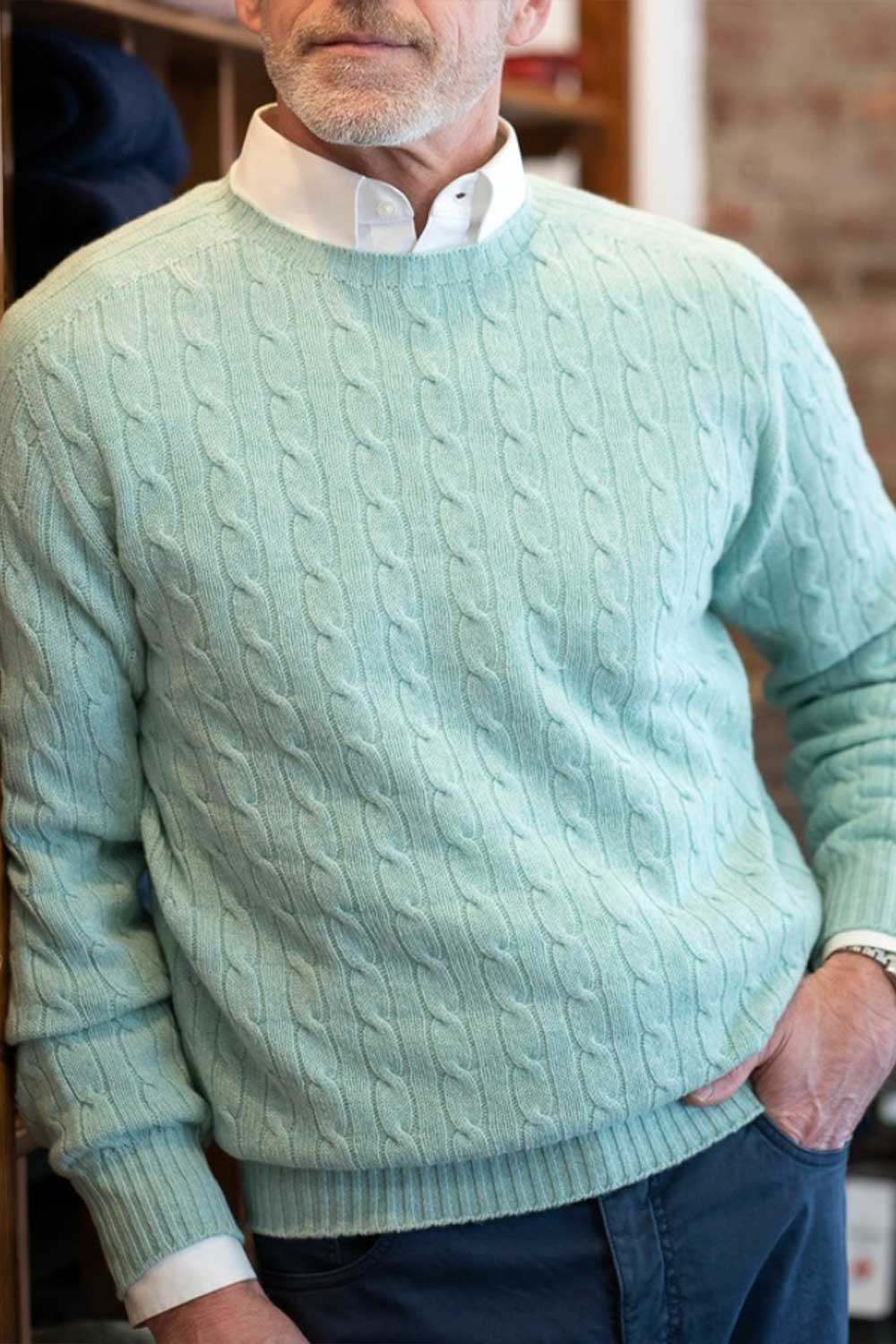
Labels to look at: William Lockie and The Andover Shop.
Tweed sports jacket
A tweed jacket in herringbone or a check in brown, green or grey is the cool-weather alternative to the blazer.
Wear it with chinos or corduroy trousers for a relaxed, professorial look.
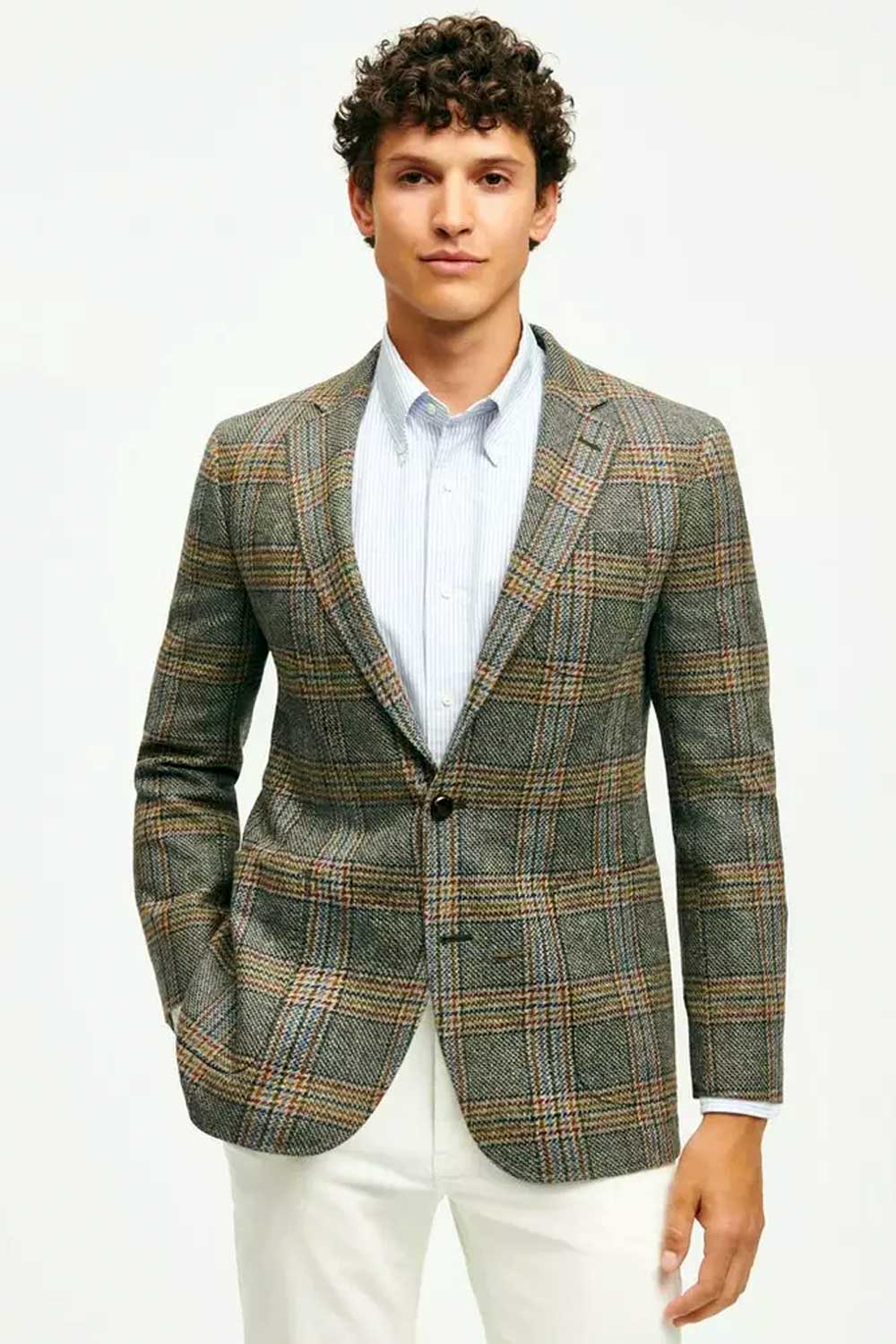
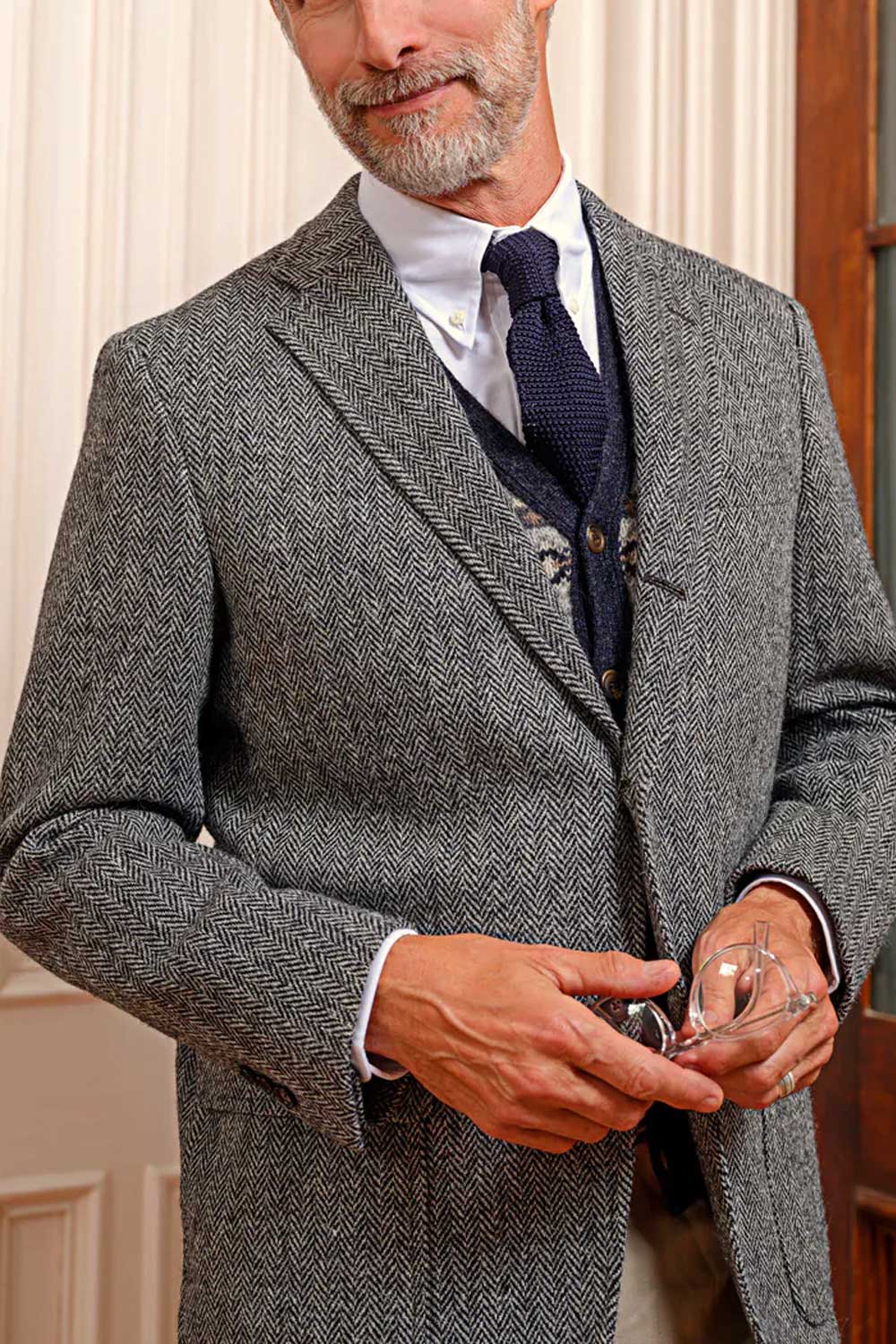
Labels to look at: Brooks Brothers, J. Press and O’Connell’s.
Rugby shirt
The rugby shirt, with its bold hoops, sturdy cotton and white collar, brings a sporty note.
Wear it on its own with jeans or chinos, or under a tweed jacket.
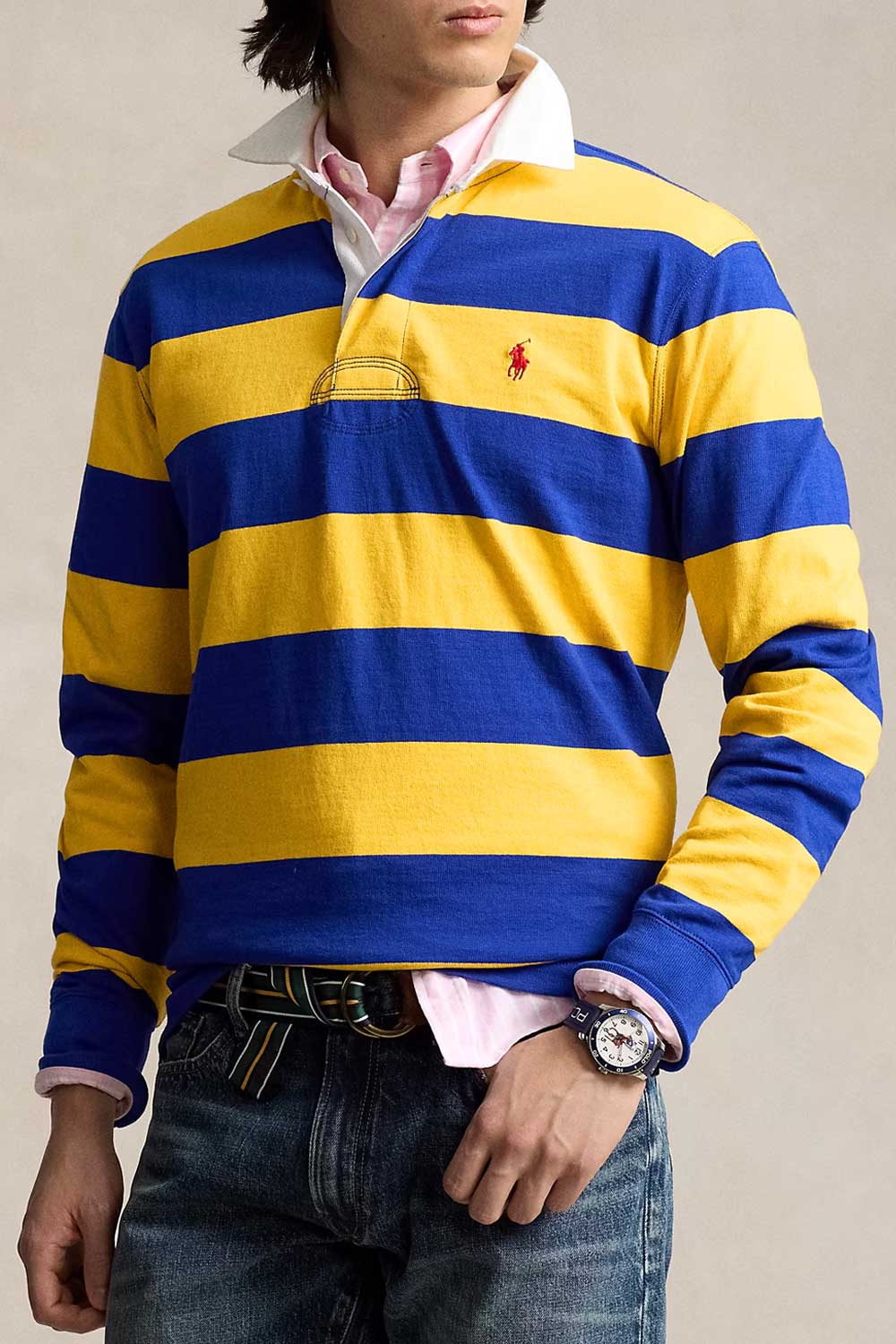
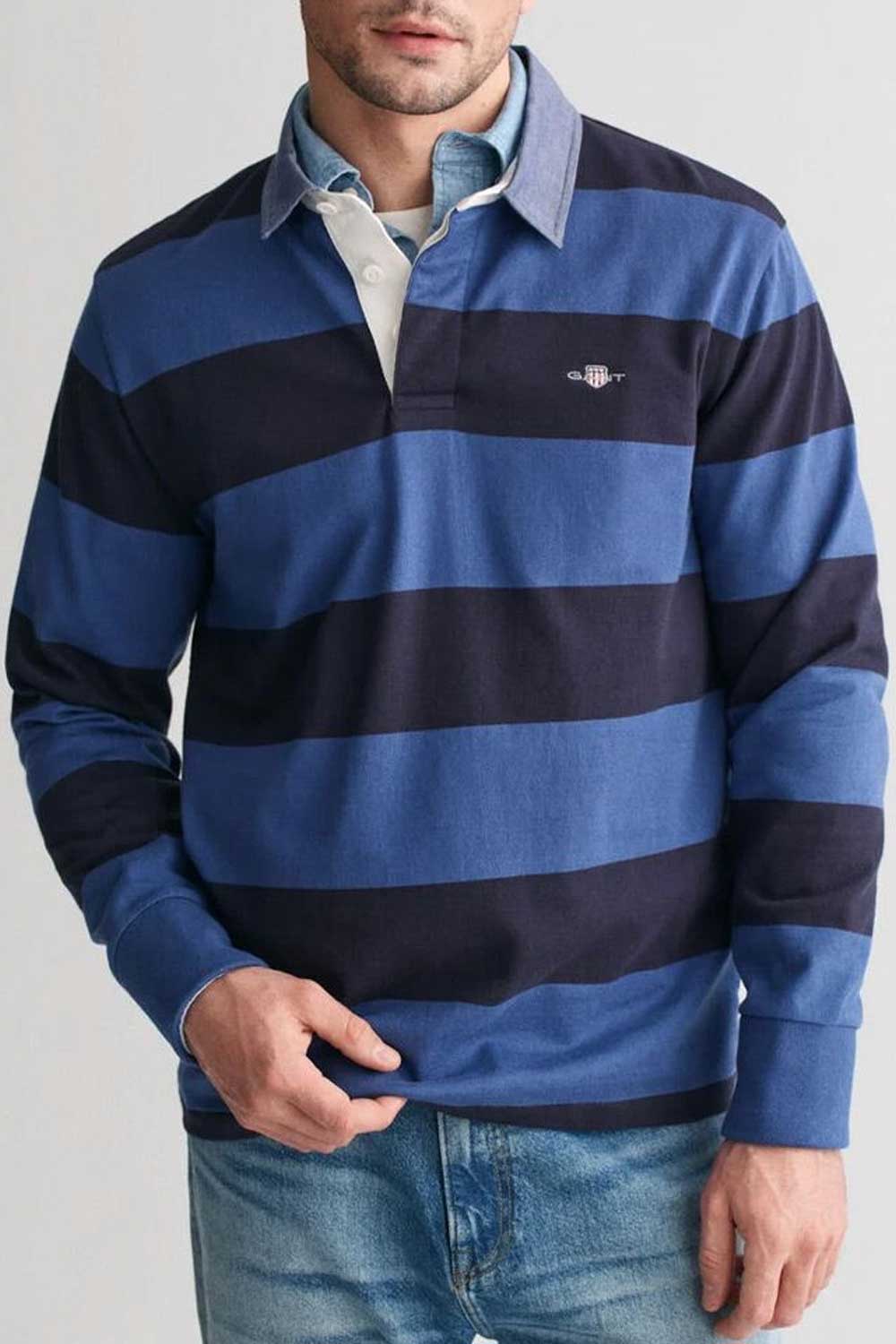
Labels to look at: Columbia Knit, Ralph Lauren, Barbarian and Gant.
Waxed cotton jacket
A waxed cotton jacket, such as the Barbour Bedale or Beaufort, is the practical outer layer of the preppy wardrobe.
Wear it over a knit or a tweed jacket, and re-wax it according to the maker’s instructions to keep it shower-resistant.

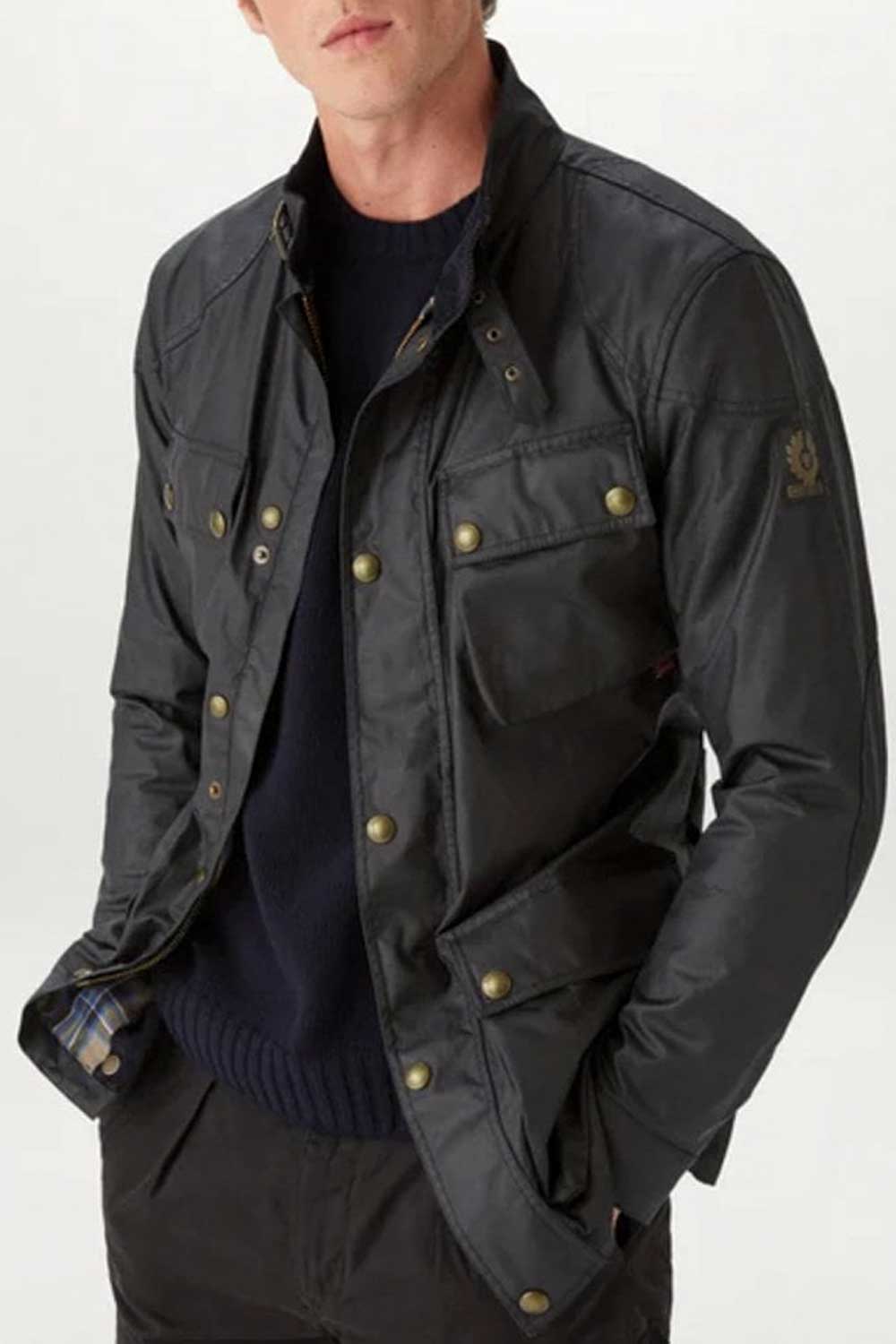
Labels to look at: Barbour and Belstaff.
Preppy footwear
Footwear sets the level of formality, so a pair of loafers and a pair of boat shoes or bucks cover most preppy outfits; see our dress shoes guide for more options.
Penny loafers
Leather penny loafers in brown or burgundy work with chinos, grey trousers and even a blazer and tie.
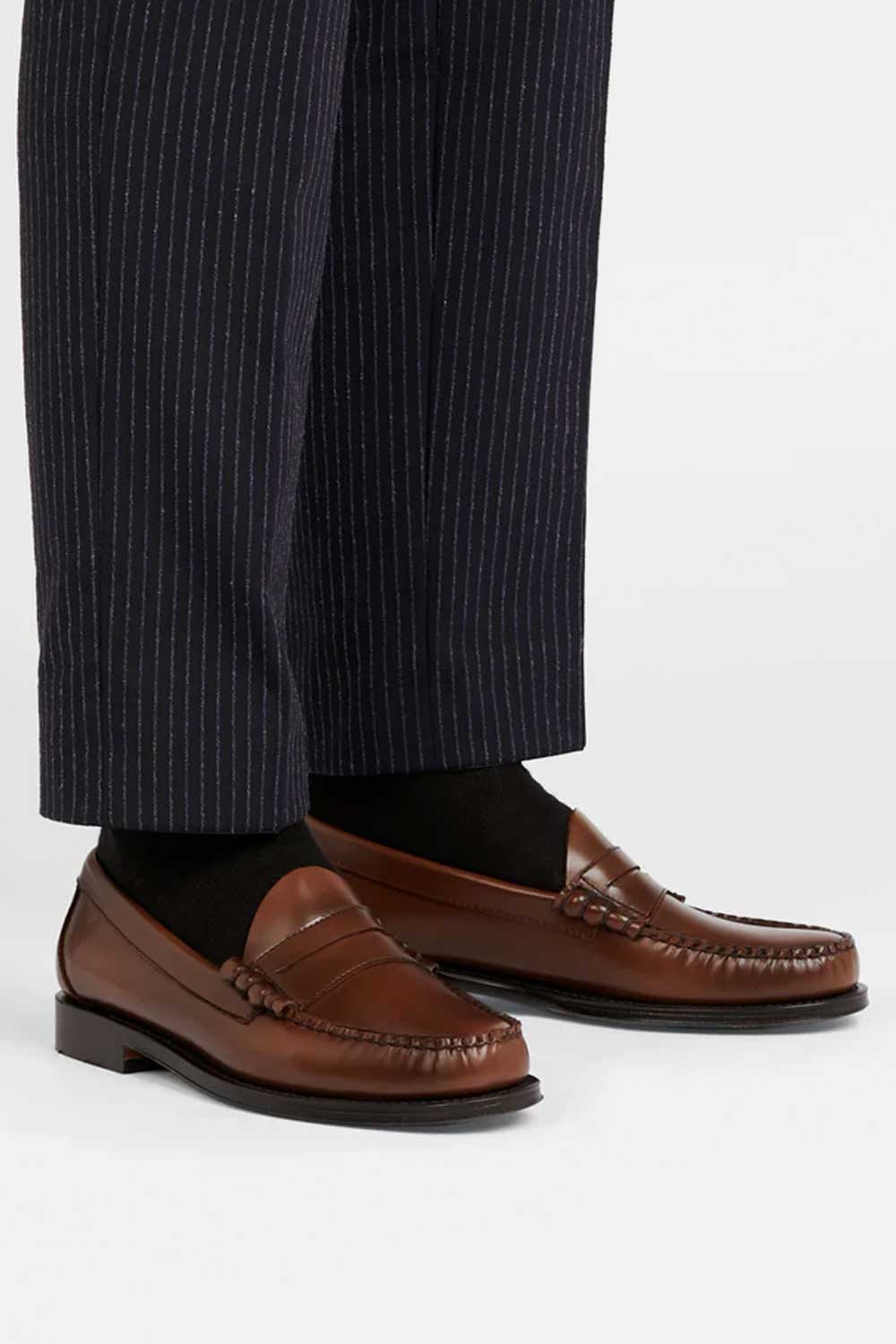
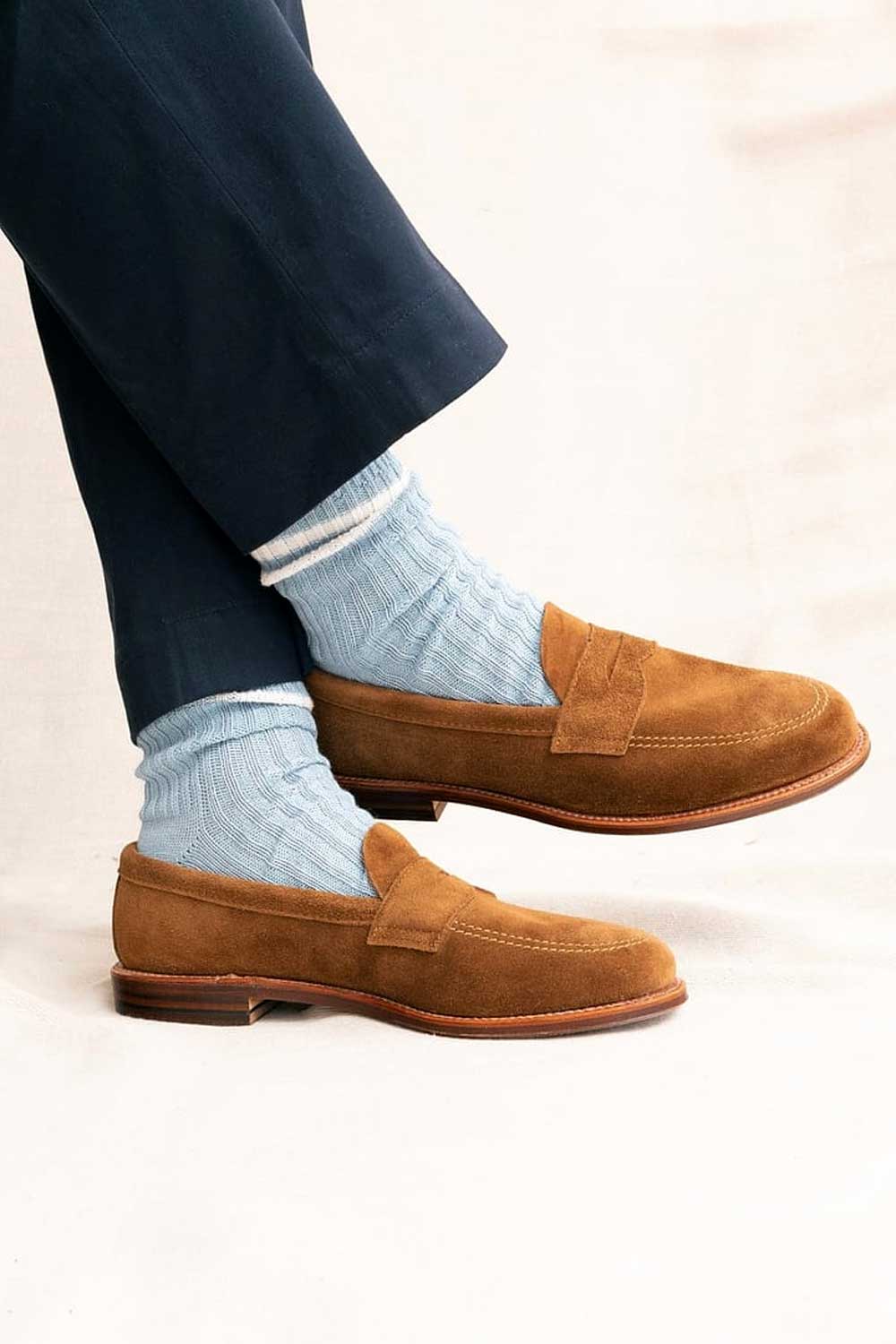
Labels to look at: G.H. Bass Weejuns and Alden.
Oxford shoes
Black or brown Oxfords, with closed lacing, cover dressier occasions such as a suit or a jacket and tie.
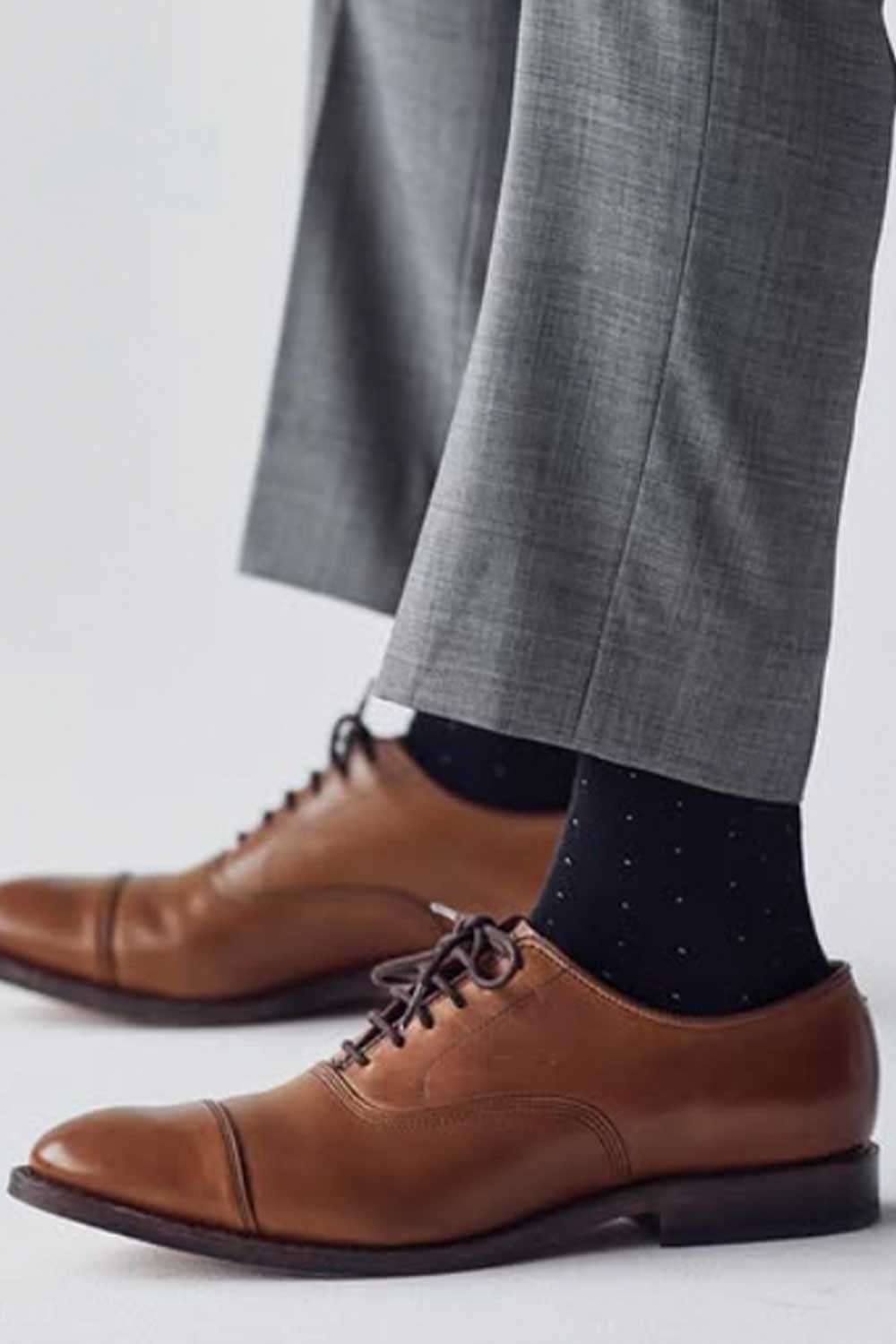
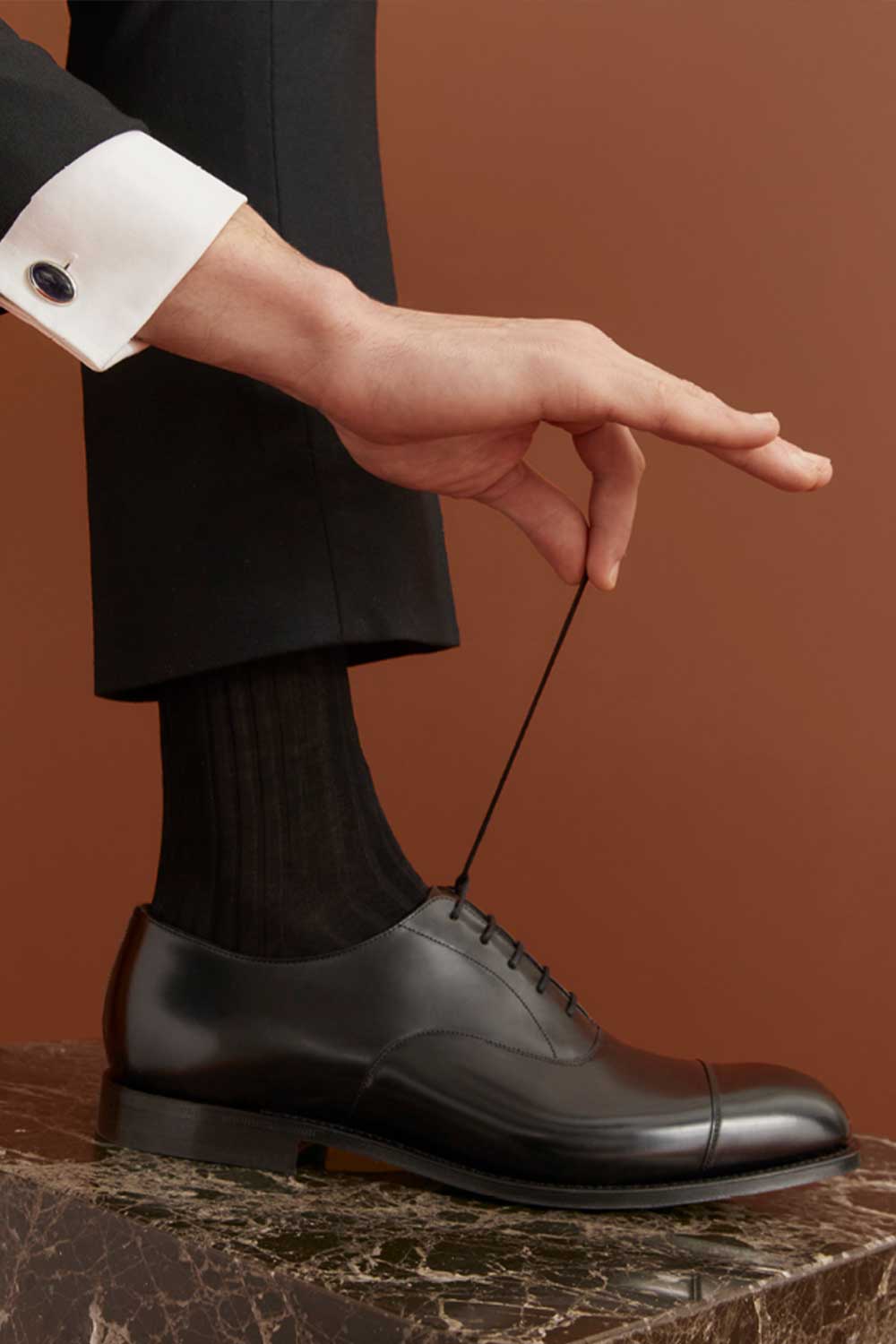
Labels to look at: Allen Edmonds and Church’s.
Suede bucks
Suede bucks in off-white (white bucks) or tan (dirty bucks) are a casual staple with chinos, jeans or shorts.
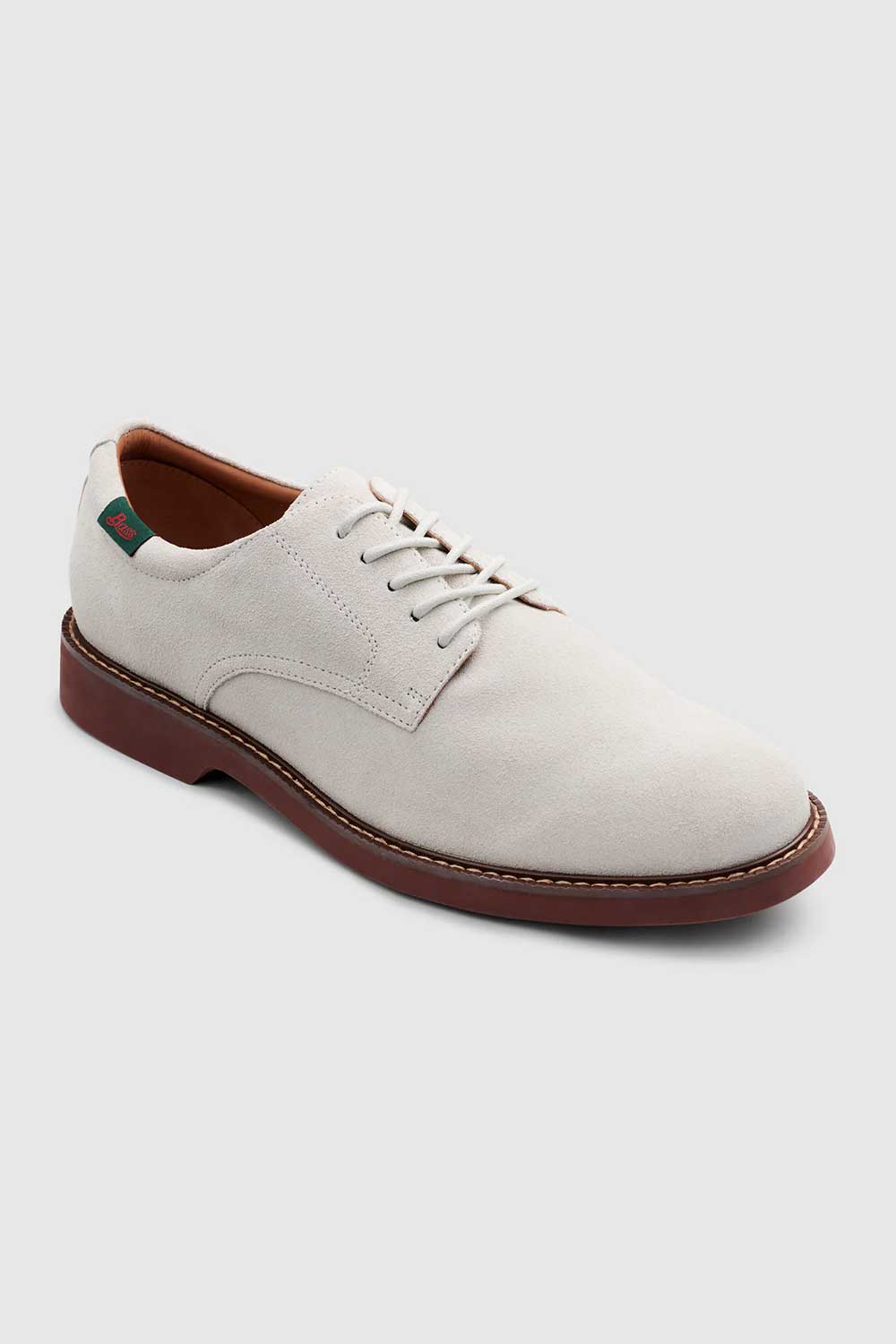

Labels to look at: G.H. Bass and J.Crew.
Boat shoes
Leather boat shoes suit chinos and shorts in warm weather, and their siped soles were designed for grip on wet decks.
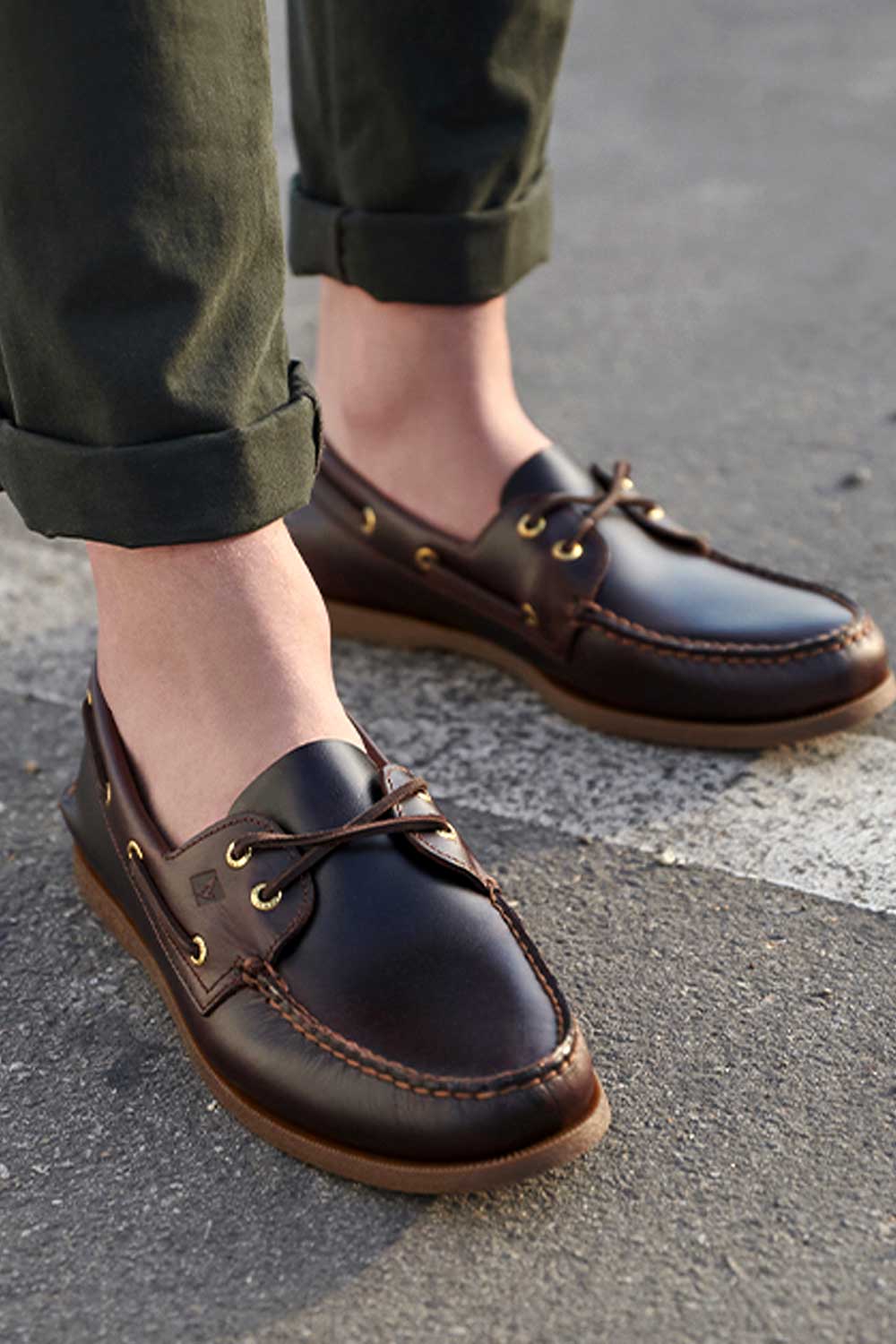
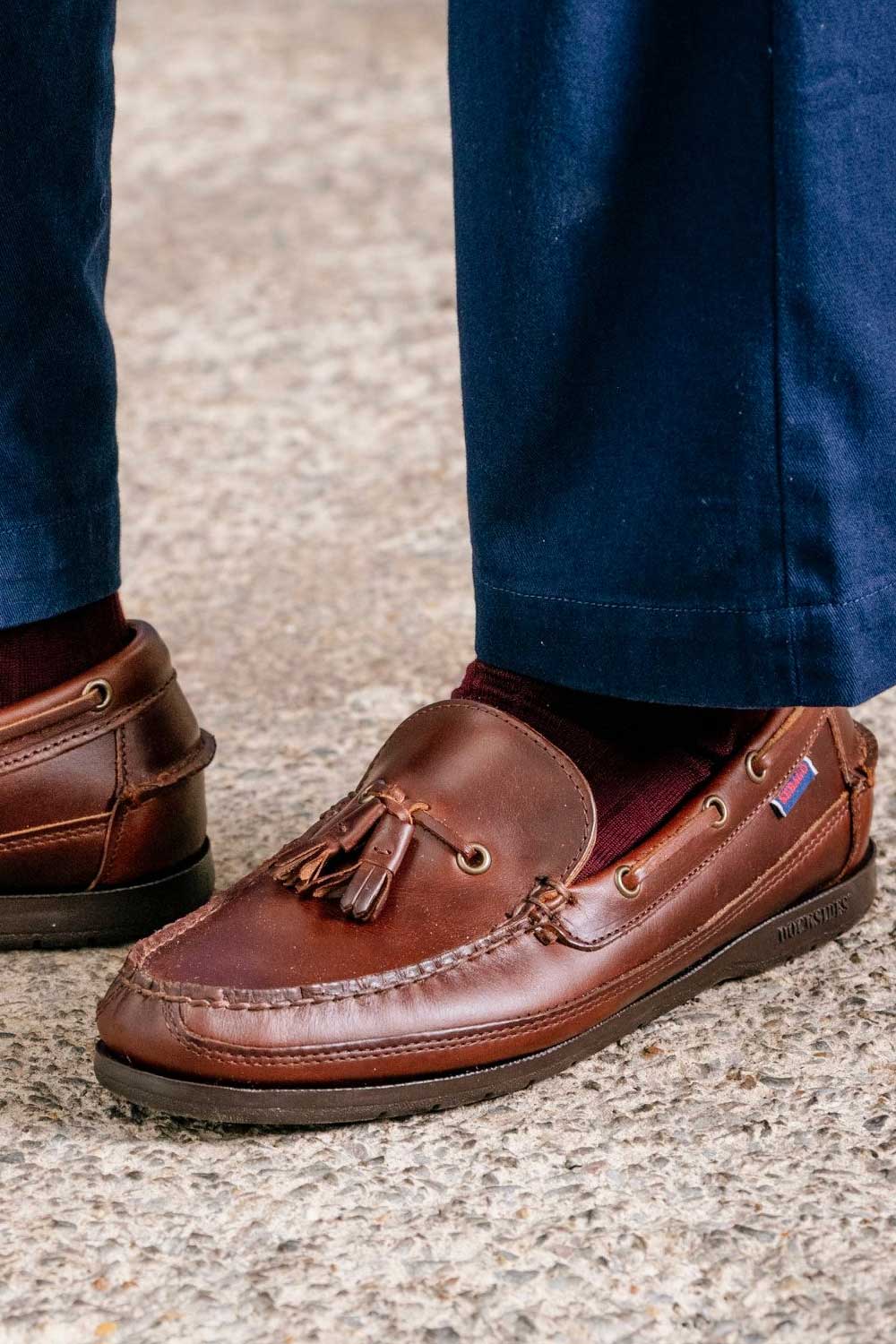
Labels to look at: Sperry and Sebago.
Preppy accessories
Accessories add colour and personality, and in preppy dressing a few chosen accessories go further than many.
D-ring and needlepoint belts
Canvas, ribbon or needlepoint belts with D-ring or leather fastenings add pattern to chinos and shorts.


Labels to look at: Smathers & Branson and Kiel James Patrick.
Baseball caps
A plain or small-logo cap in navy, red or green suits casual outfits.
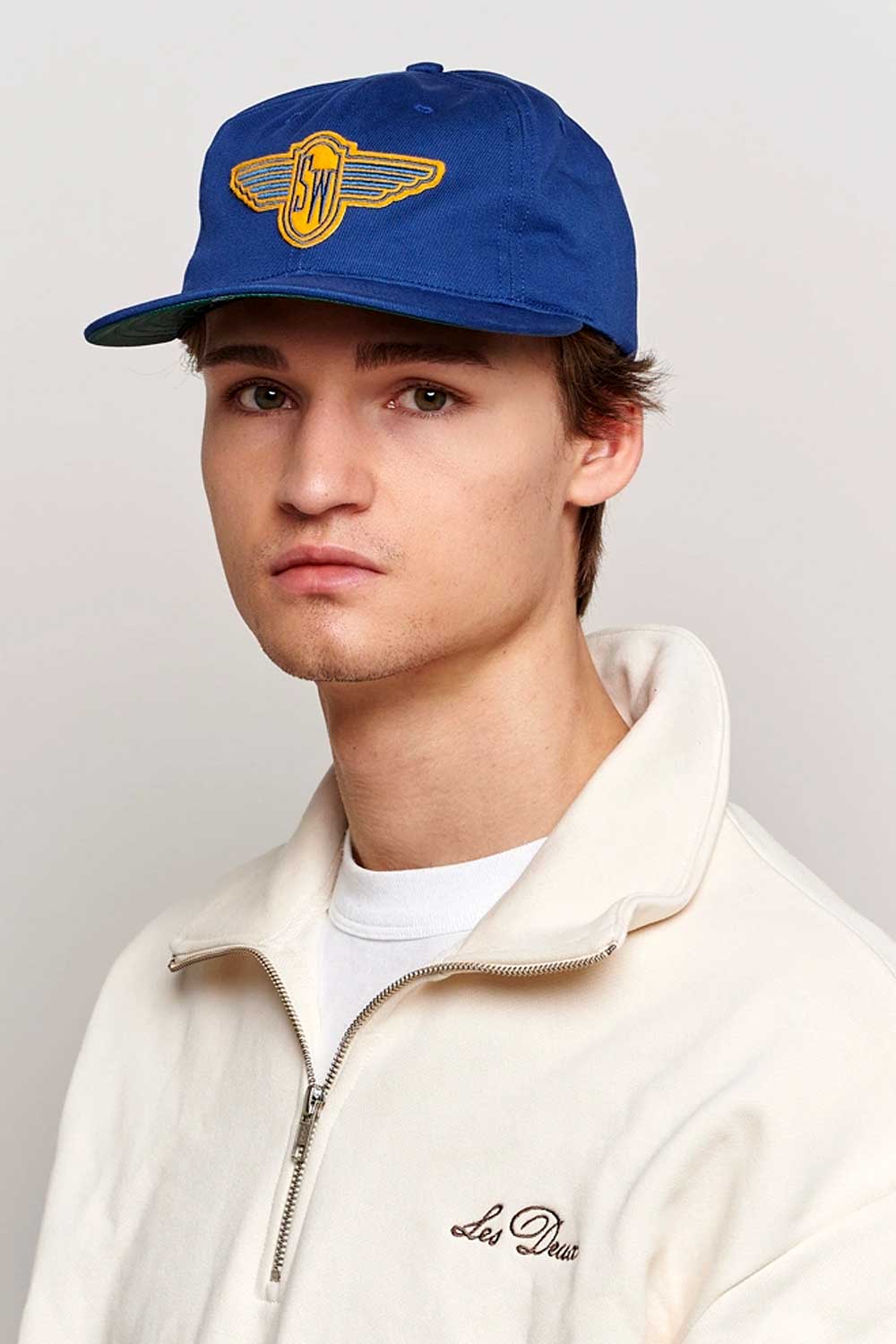
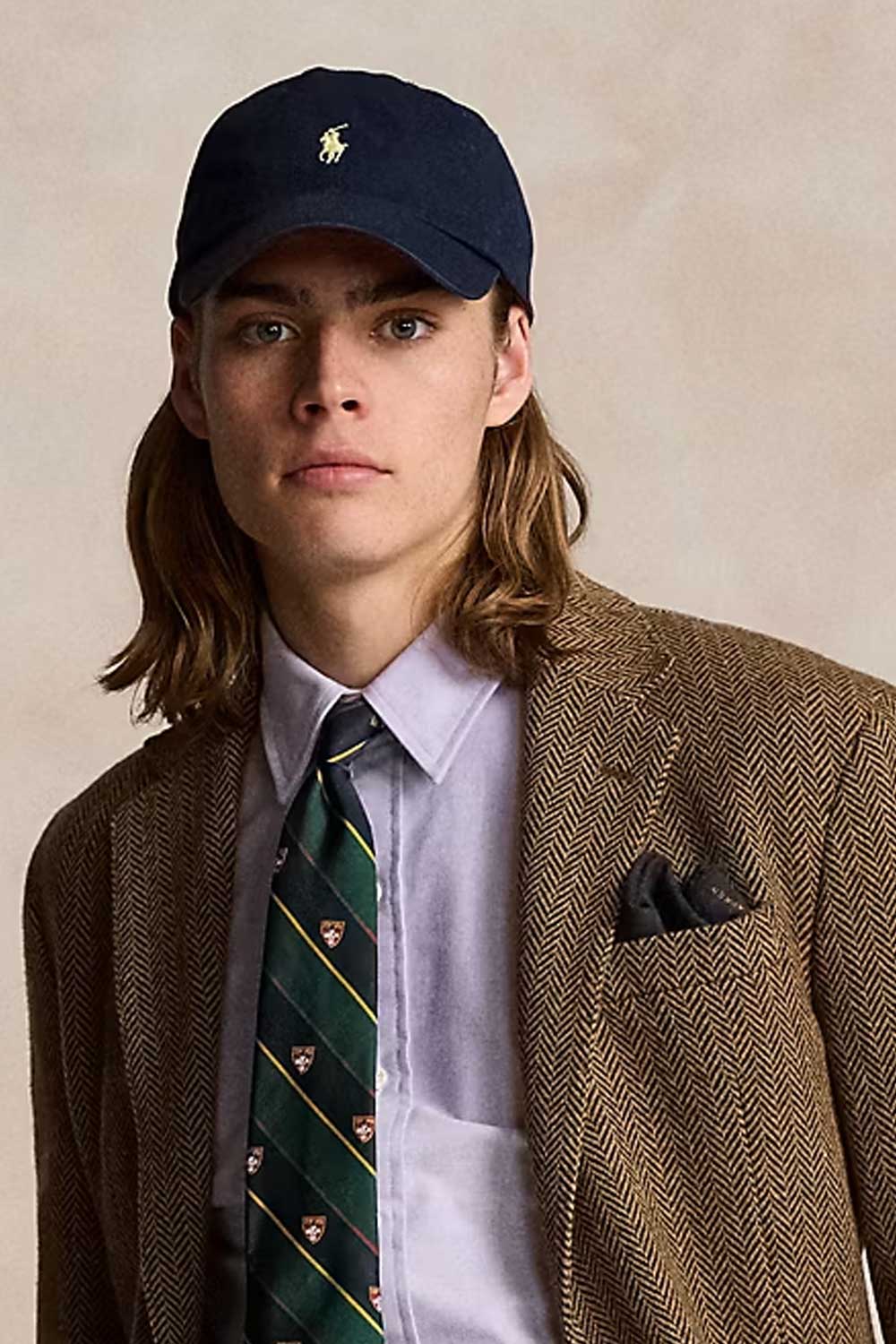
Labels to look at: Ebbets Field Flannels and Polo Ralph Lauren.
Rope and leather bracelets
Rope or braided leather bracelets give a nautical note in summer, worn alone or next to a watch.


Labels to look at: Kiel James Patrick, Miansai and Ralph Lauren.
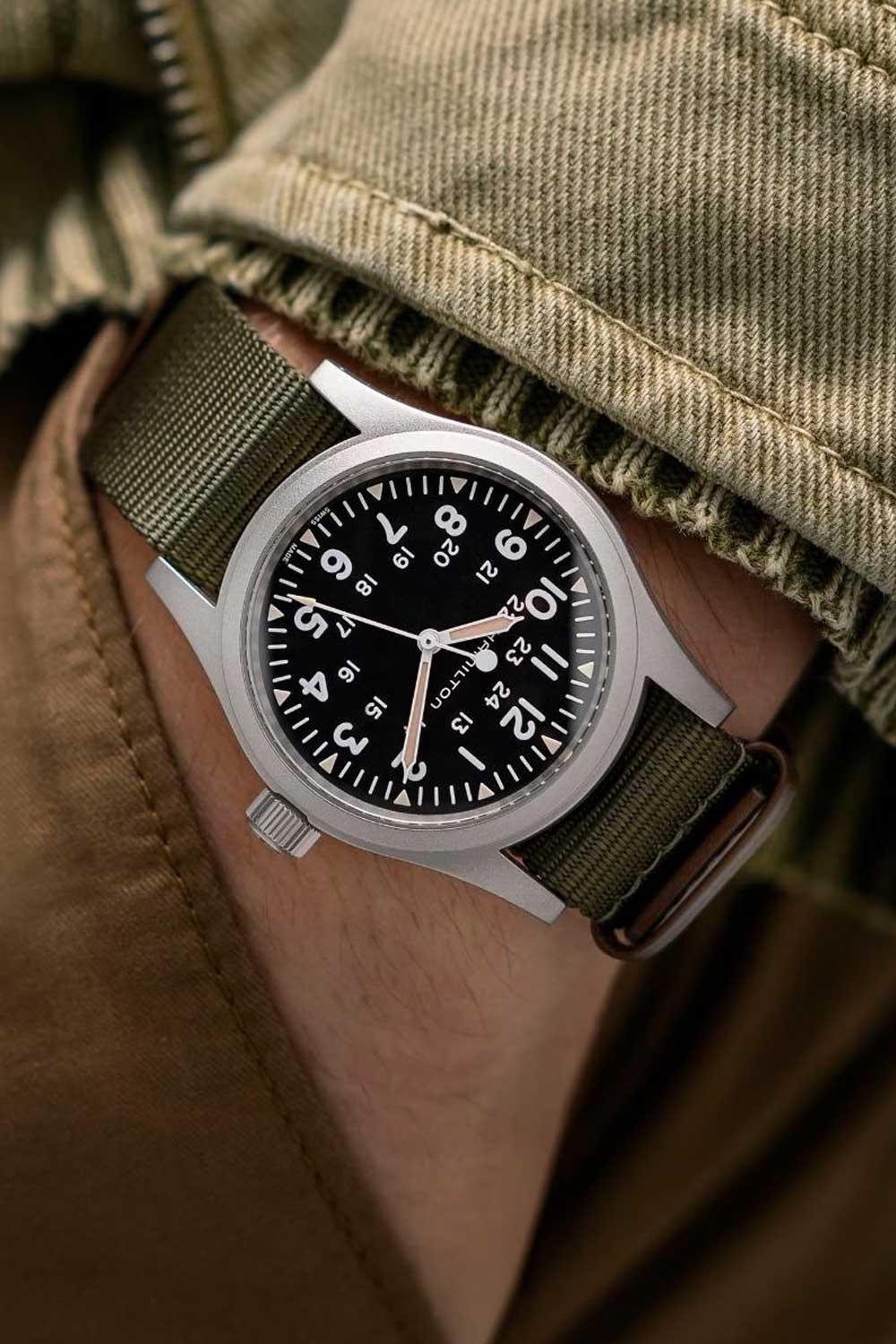
Watches
A simple watch on a leather or fabric NATO strap suits preppy outfits, from Timex and mid-priced makers such as Hamilton to high-end brands such as Rolex, Omega or Cartier.

Repp ties
Striped repp ties, along with dots and paisley, are the classic preppy neckwear.
Choose a width that sits in proportion with your jacket lapels.
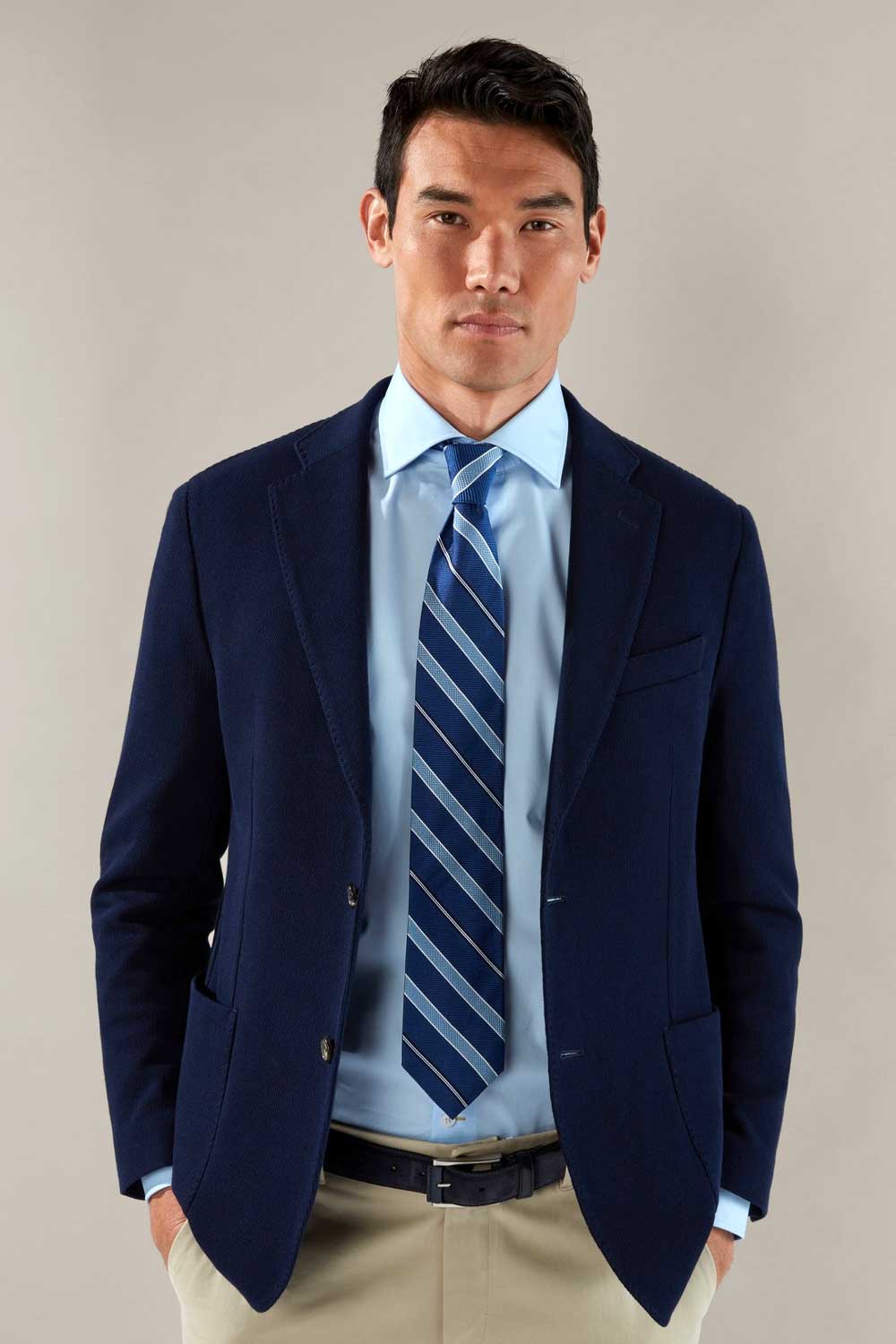
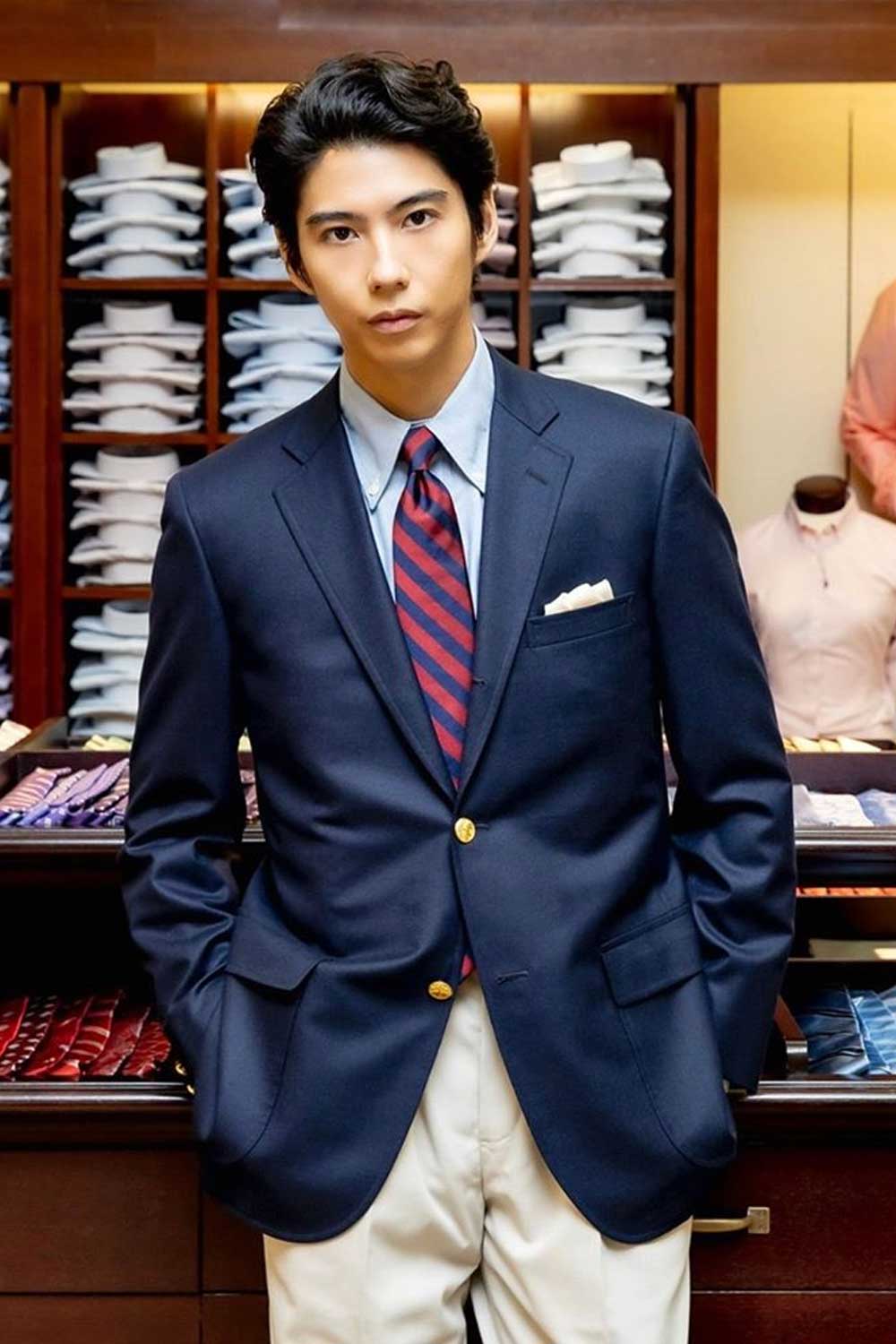
Labels to look at: Robert Talbott and Brooks Brothers.
Leather goods
A leather holdall, messenger bag or briefcase in chestnut or burgundy finishes the look; plain designs without large logos fit the preppy approach.

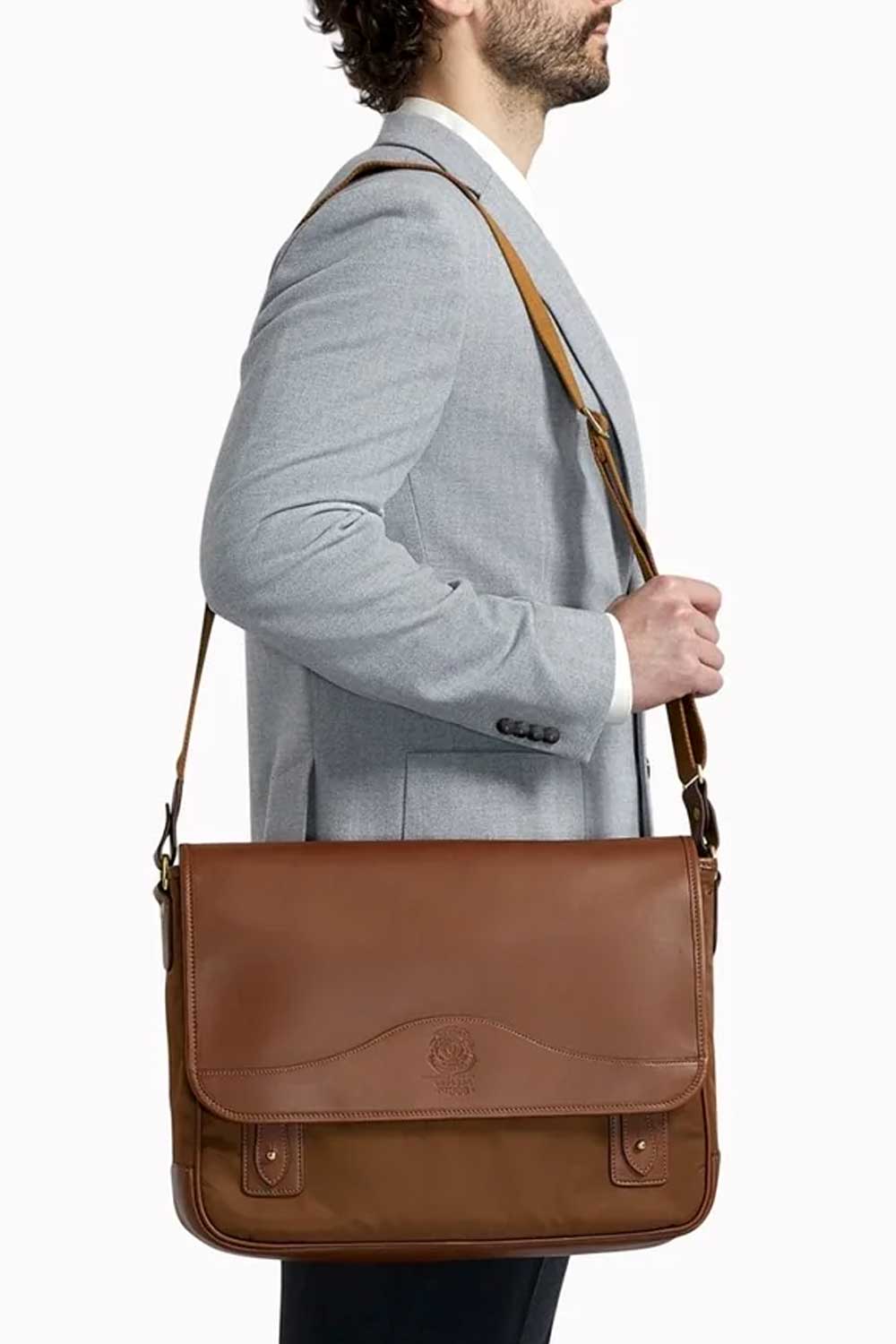
Labels to look at: Mark Cross, Swaine Adeney Brigg and Ghurka.
How to start a preppy wardrobe
Begin with an Oxford button-down, chinos and a navy blazer or knit, which together already make a complete preppy outfit.
Add loafers or boat shoes next, then one garment with more character, such as a rugby shirt, tweed jacket or patterned belt.
Buy for the occasions you actually dress for, and check fit at the shoulders, waist and trouser length before price or label.
Optional tools from The VOU
Some readers like to use extra tools when choosing clothes, although none of them is needed to wear the garments above.
You can read about choosing an image consultant and what an image consultant does, and our guides to dressing for your body shape and seasonal colour analysis explain two optional frameworks for thinking about proportion and colour.
For more on dressing for the setting, see styling by occasion, location, season and time of day, and for the vocabulary behind this guide, our explainers on clothing, garments, fashion accessories, silhouettes and outfits.
We also cover heritage luxury brands and how logo-heavy luxury designs come across, and our personal style guide helps you decide what you enjoy wearing.
You can start with three of The VOU’s free quizzes: check your body shape, find your seasonal colours and take the fashion style quiz.
Then, if you would like personal help, you can book a consultation: a paid fashion style analysis, one of our image consultants and stylists or our styling services for men, and you can contact us with questions.
Mandy Meyer’s focus at The VOU is men’s body-shape styling, garment fit and outfit proportions. Her coverage addresses the practical questions behind a wardrobe choice: how a jacket sits across the shoulders, how trousers fall and how different cuts change the silhouette a wearer wants to create.
Her subject areas include the triangle, inverted triangle, rectangle, oval, trapezoid, hourglass and diamond labels used in body-shape styling. These provide starting references for comparing visible proportions; they do not capture every body or prescribe one correct way to dress. The focus connects those observations with garment shape, construction, length and the relationship between the upper and lower parts of an outfit.
Mandy’s editorial coverage combines visual comparisons with fit checks for comfort and movement. Readers can consider whether a cut gives them the room they need, where clothing pulls or gathers and which changes might support their preferred look. The aim is to make menswear choices more understandable while keeping personal preferences and the wearer’s own styling goals central.