
Start here
What’s This About
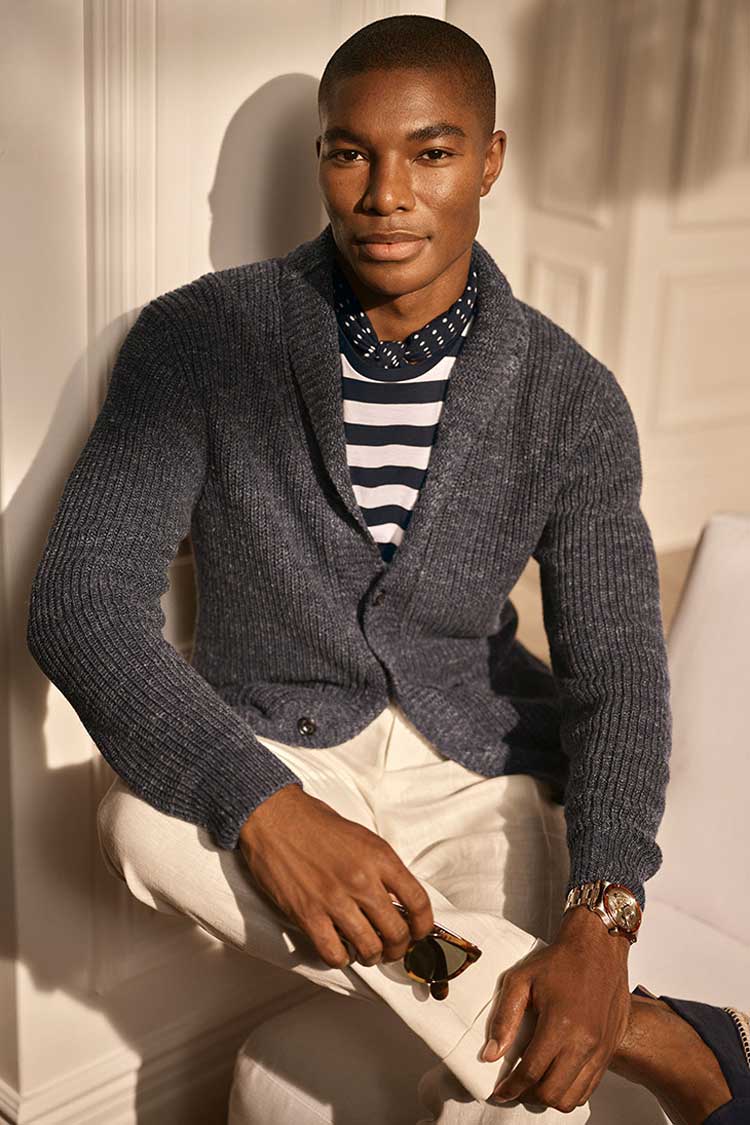
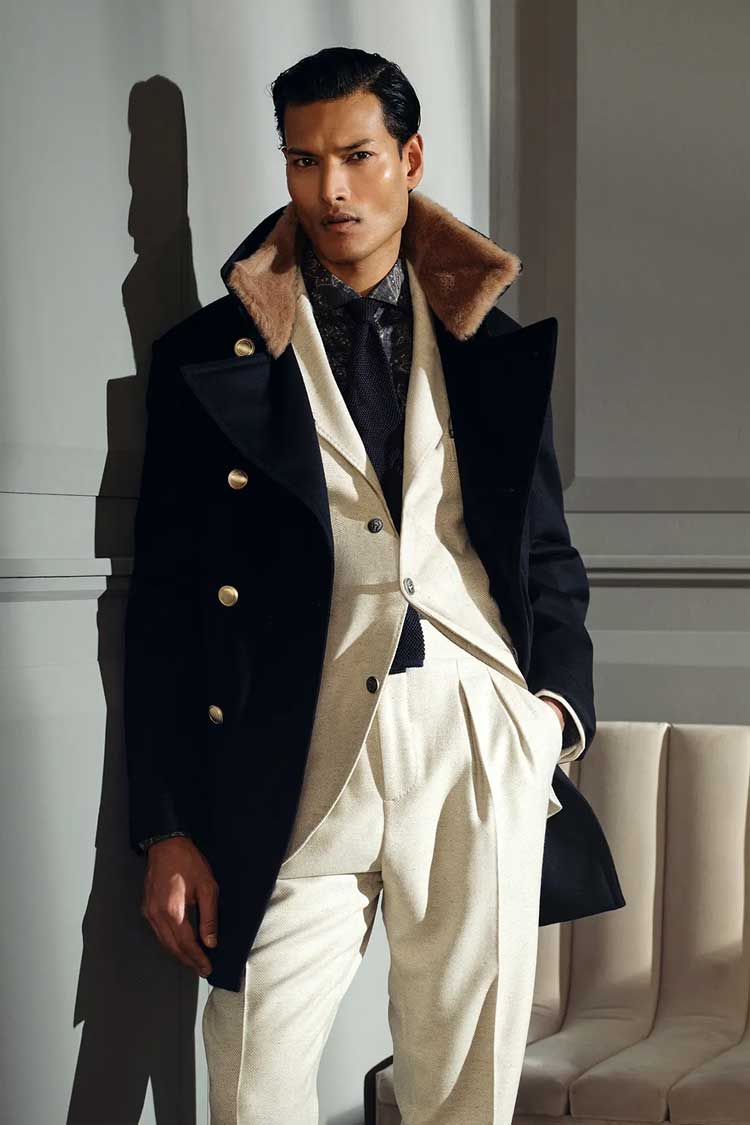
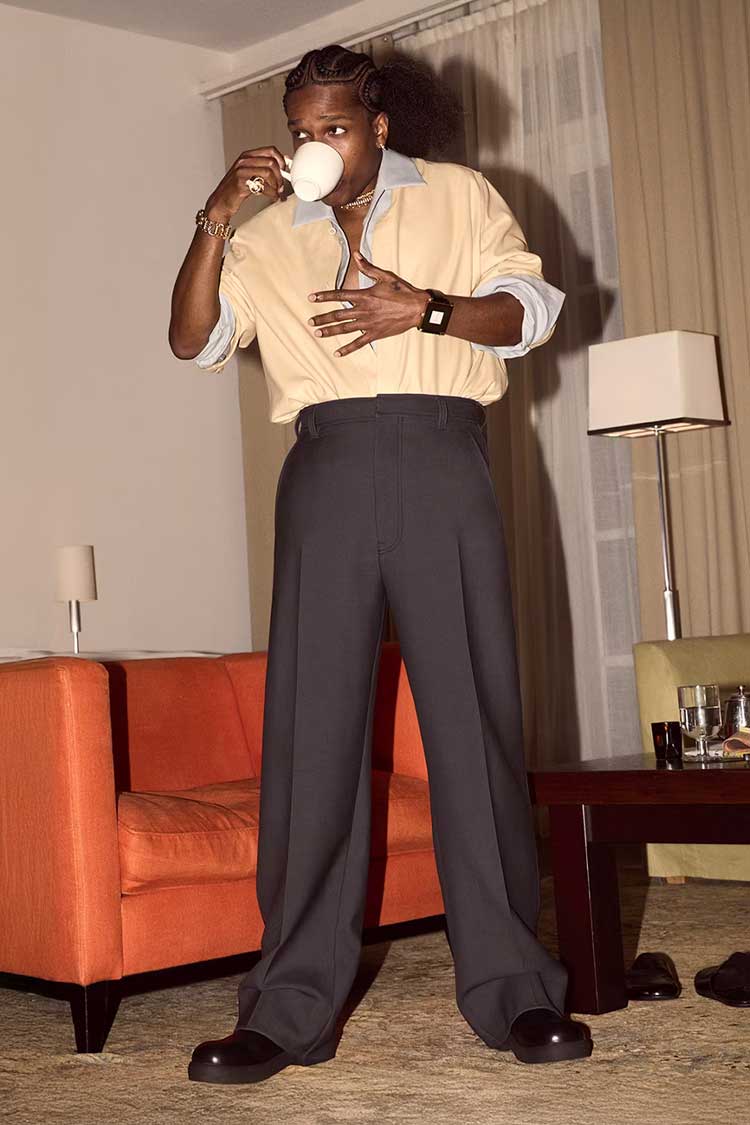
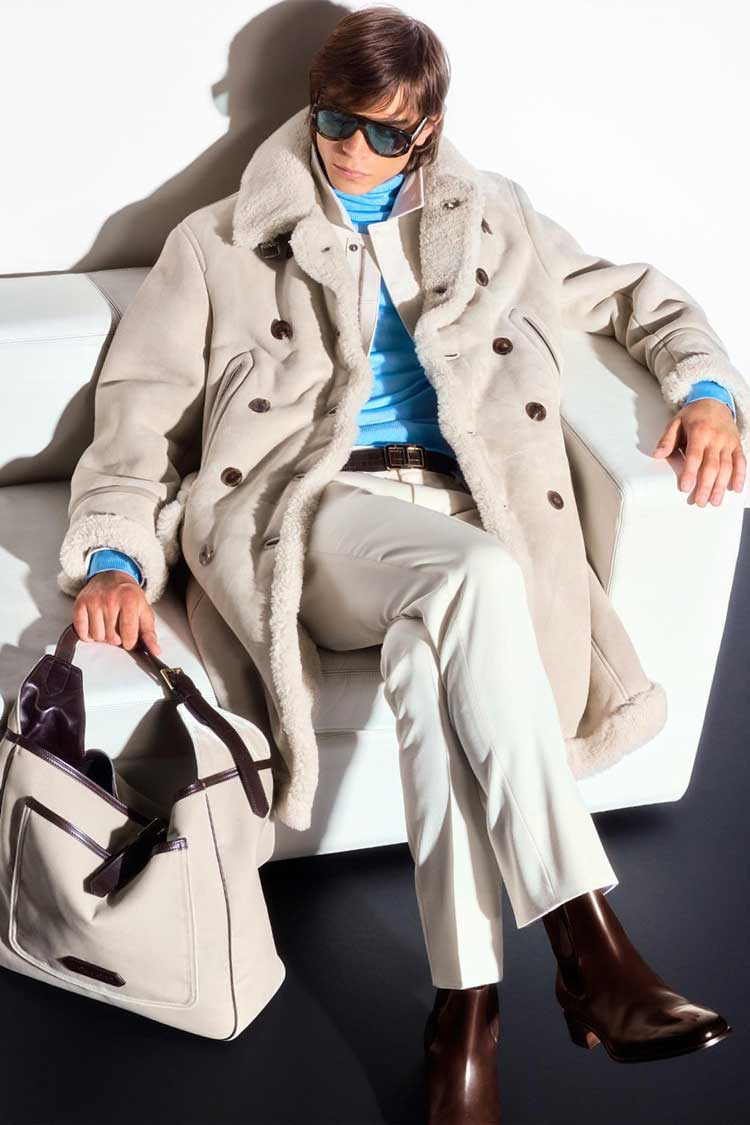
Modern Old Money style is a relaxed, contemporary take on classic, lightly branded menswear: soft tailoring, good knitwear, plain shirts, jeans and leather shoes.
This guide shows how to build and wear the look, such as:
Where the look comes from, from Ivy League clothes to sailing
Deconstructed blazers, broken suits and relaxed shirts
Jeans, knitwear and weatherproof outerwear
Leather trainers, monk straps and simple watches
Complete casual, business casual and formal outfits
and many more!
Labels are examples at many prices, and the clothes say nothing about the wearer’s wealth or status.
Key Points
01The modern version keeps classic garments but mixes them more freely with jeans, trainers and technical outerwear.
02Fit, cloth and simple design matter more than the label or the price.
03Unstructured blazers, plain T-shirts, good knitwear and leather trainers are the easiest places to start.
04Black tie, white tie and morning dress still follow their traditional dress codes, with small modern updates.
The Old Money style is a widely discussed look in menswear, and despite the name, the modern version is not a copy of your grandfather’s wardrobe.
It is a contemporary label for classic, lightly branded clothes: soft tailoring, good knitwear, plain shirts and leather shoes, worn in a more relaxed way than the traditional version.
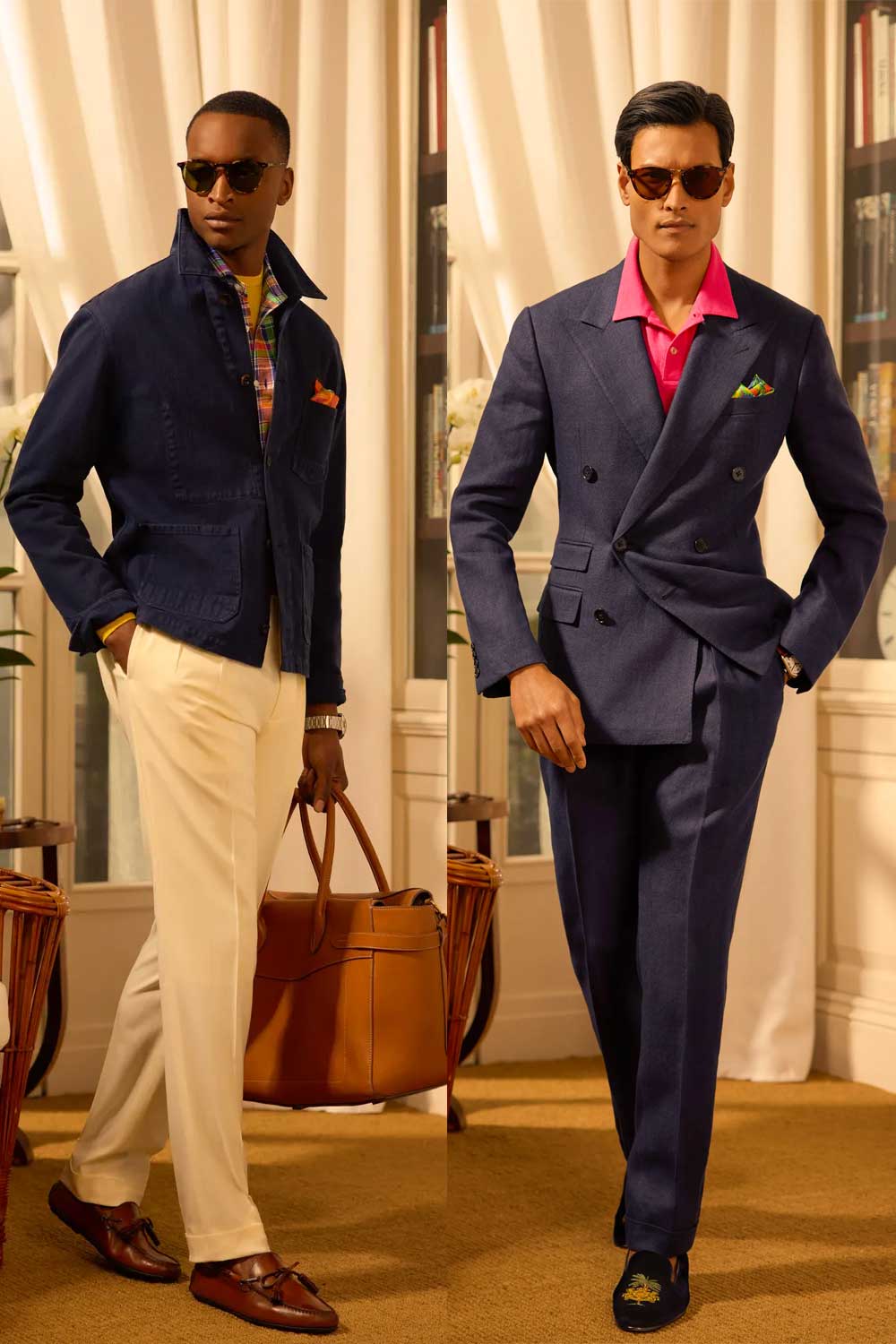
The clothes can look polished, but they cannot show anyone’s wealth, status or success, and you do not need any particular background to wear them.
The modern approach keeps the classic clothes but relaxes the dress codes, mixing tailoring with knitwear, jeans, trainers and technical outerwear.
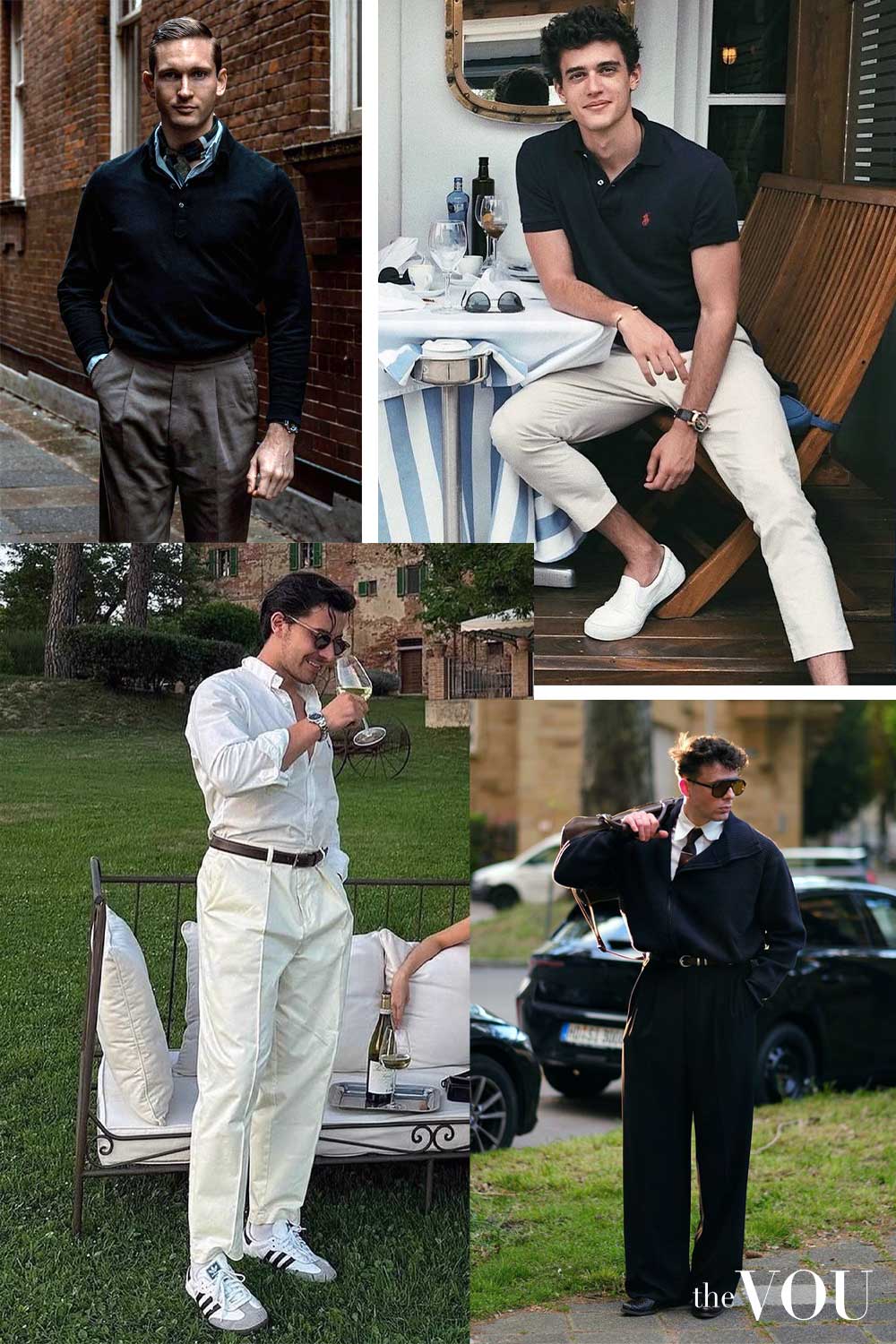
It still values well-made clothes over large logos and personal taste over fast-moving trends, and it adapts the older look to the way people dress now.
The same principles work in an office, at a weekend lunch or on holiday.
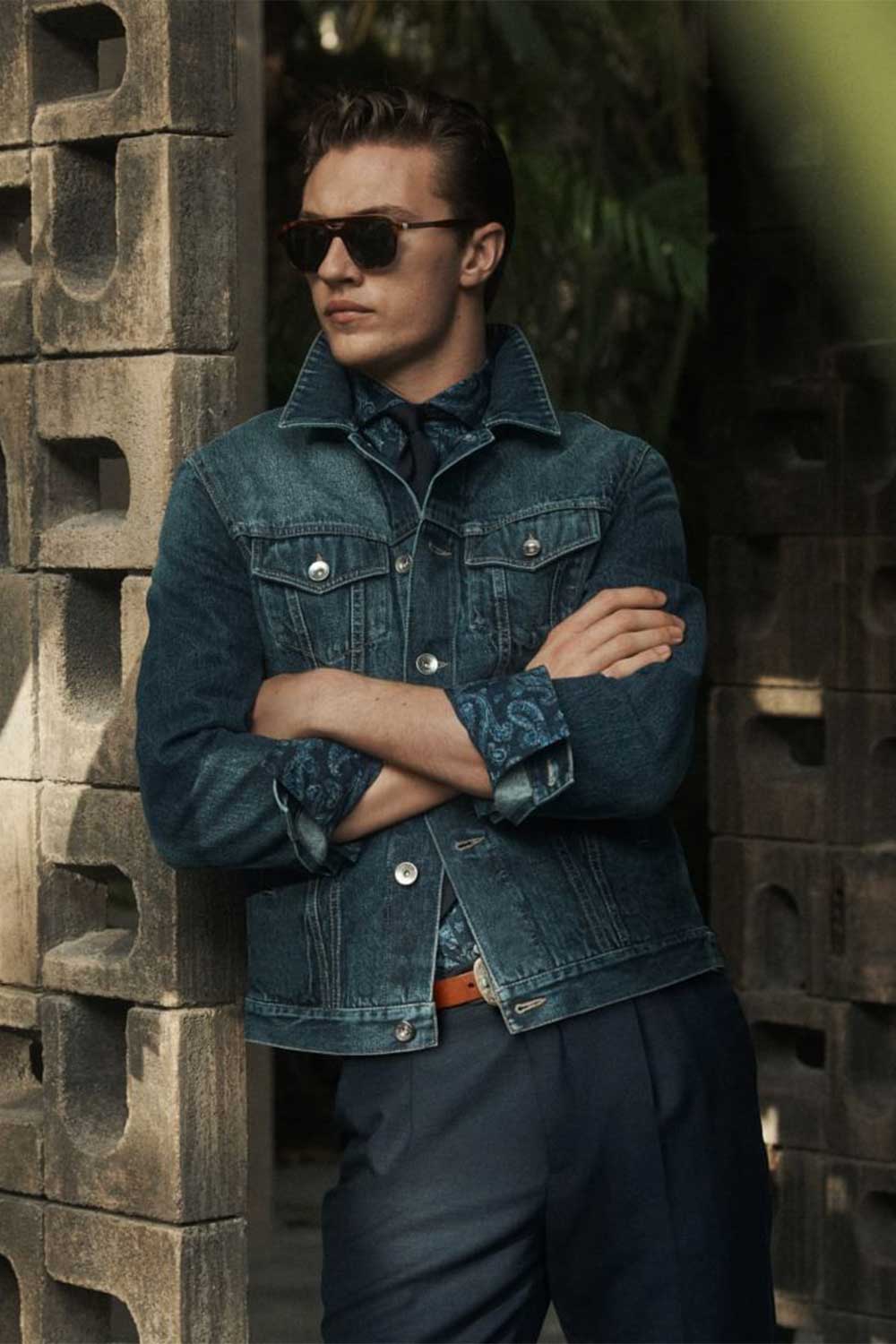
This guide covers the wardrobe essentials, example labels, footwear, accessories and complete outfits for casual, business and formal occasions.
The labels named are examples to compare, many of them expensive; similar garments at lower prices, new or second-hand, work as well if they fit.
What is modern Old Money style?
Scroll horizontally to see all columns →
 |
 |
 |
 |
 |
 |
 |
 |
 |
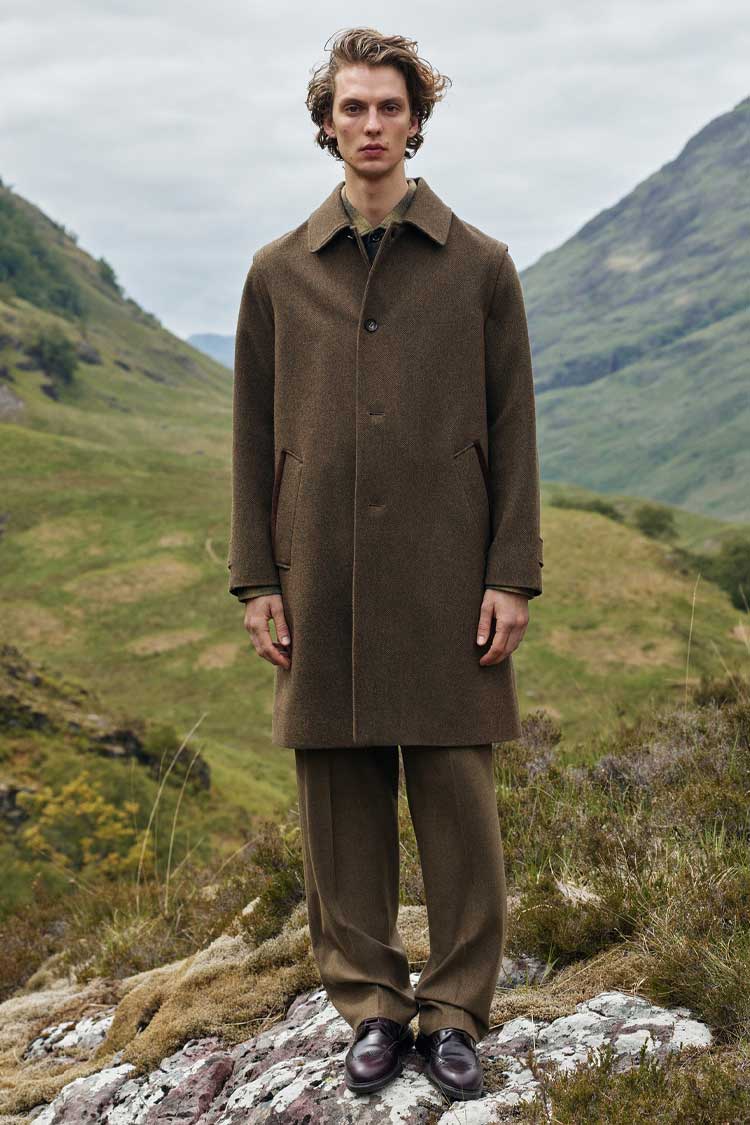
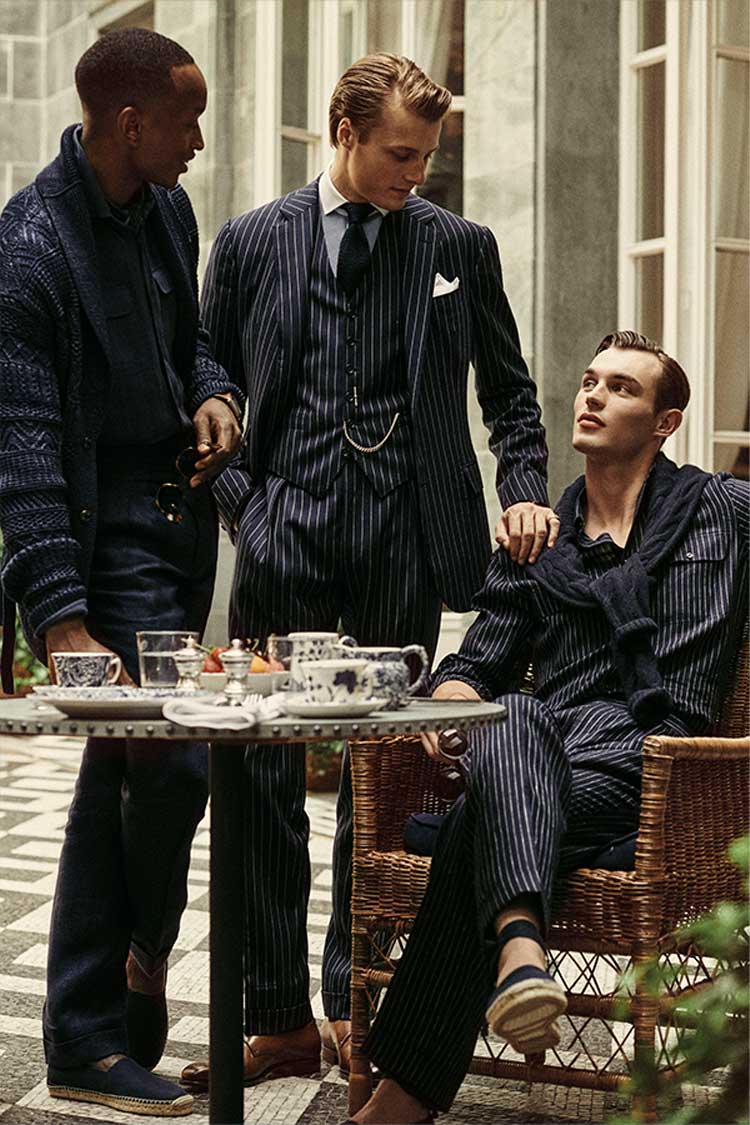
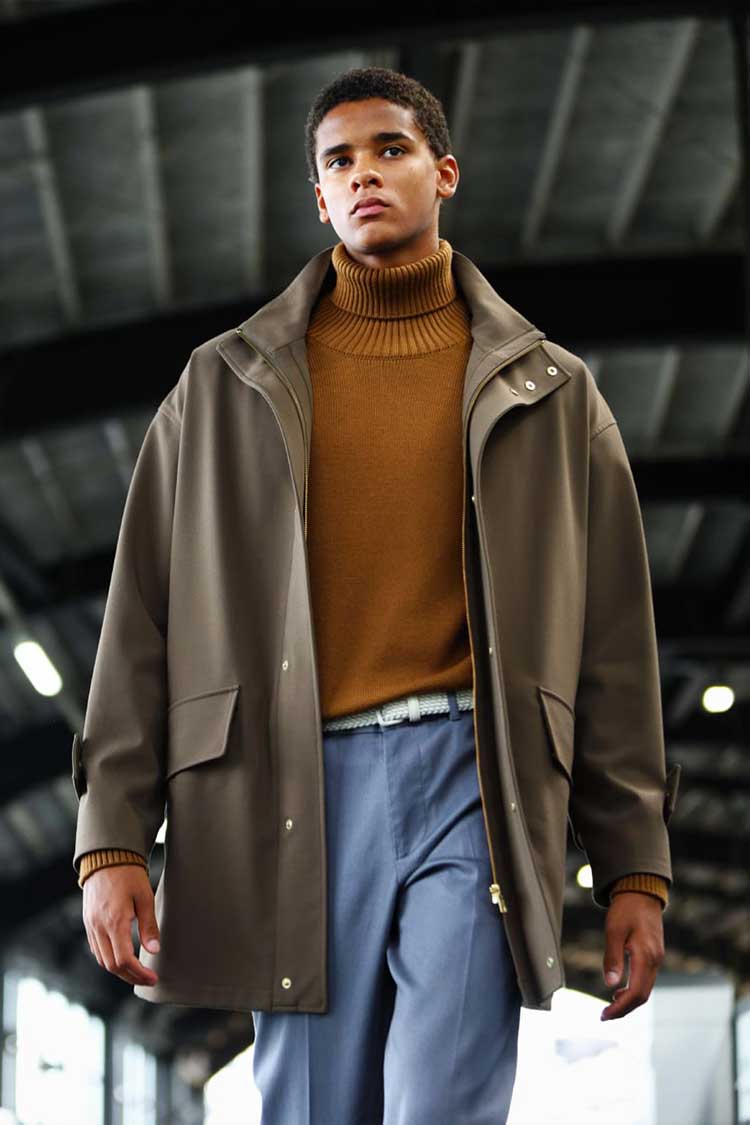
Modern Old Money style is a quiet, classic look with little visible branding.
It usually relies on natural fibres such as cotton, wool, linen and cashmere, although fibre alone does not guarantee quality.
The colour palette leans towards navy, hunter green, burgundy, beige and brown.
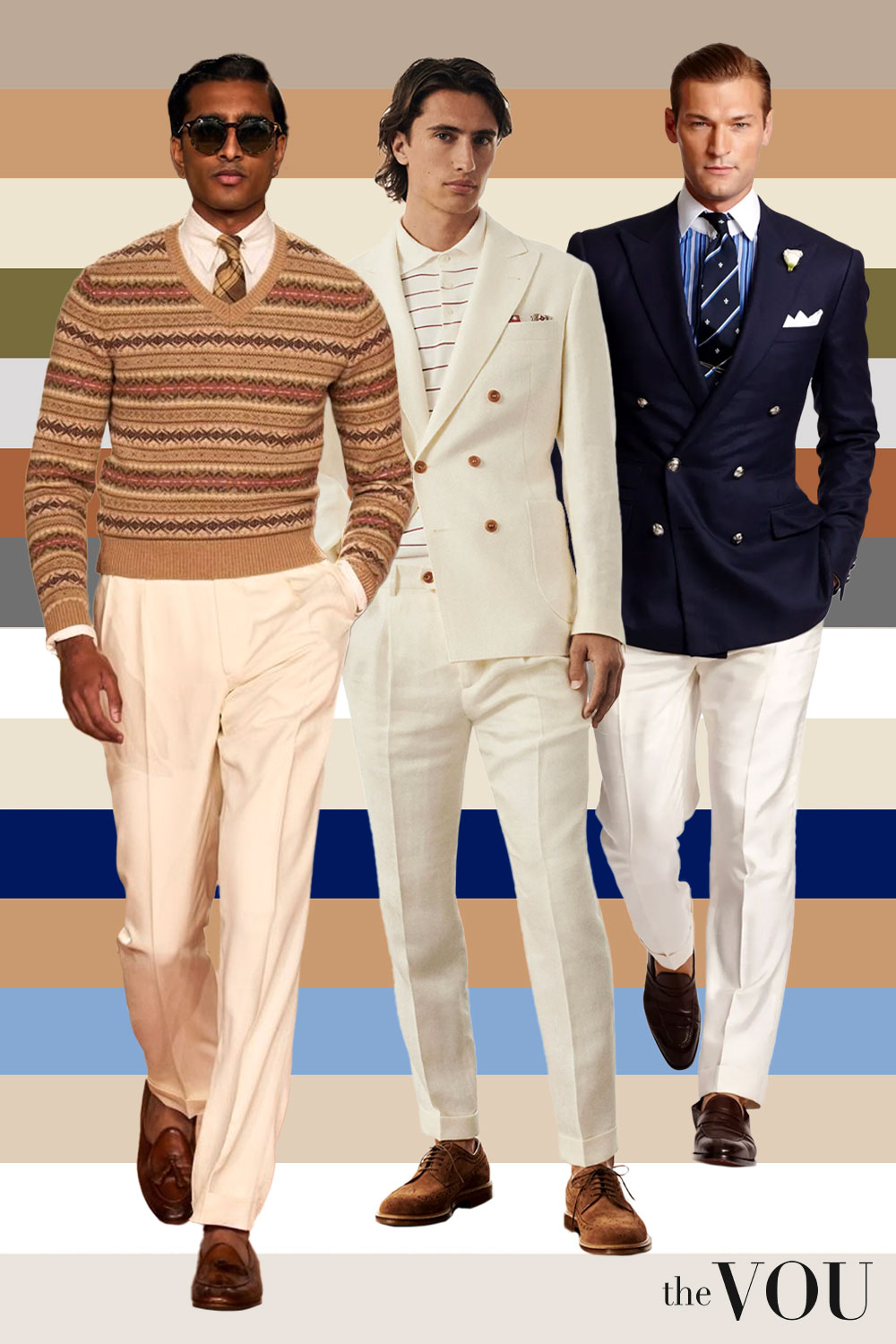
Brighter colours are welcome too, especially in accessories and summer clothes.
Where the look comes from
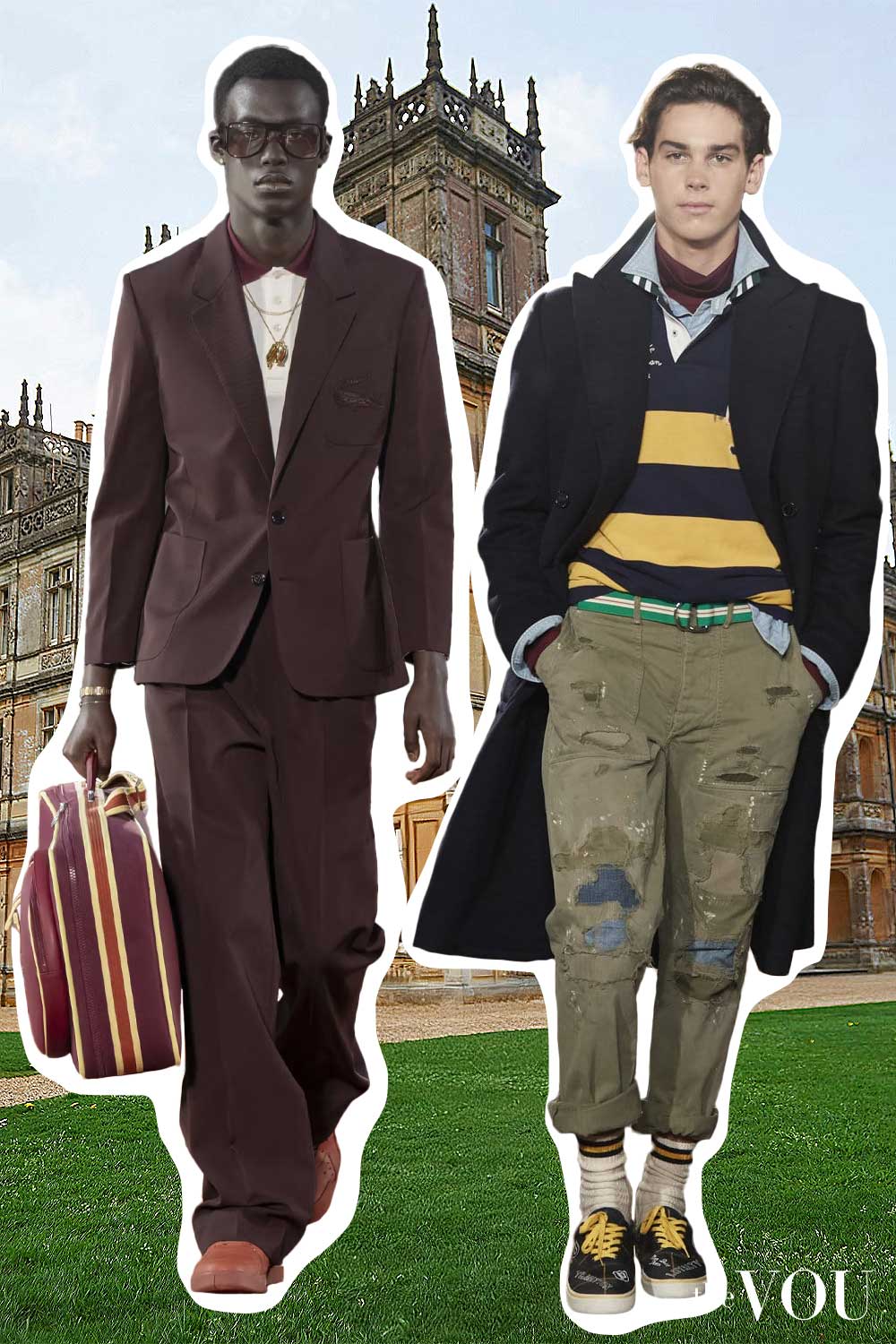
Much of the look comes from the Ivy League look of the early twentieth century, the campus clothing of Harvard, Yale and Princeton students.
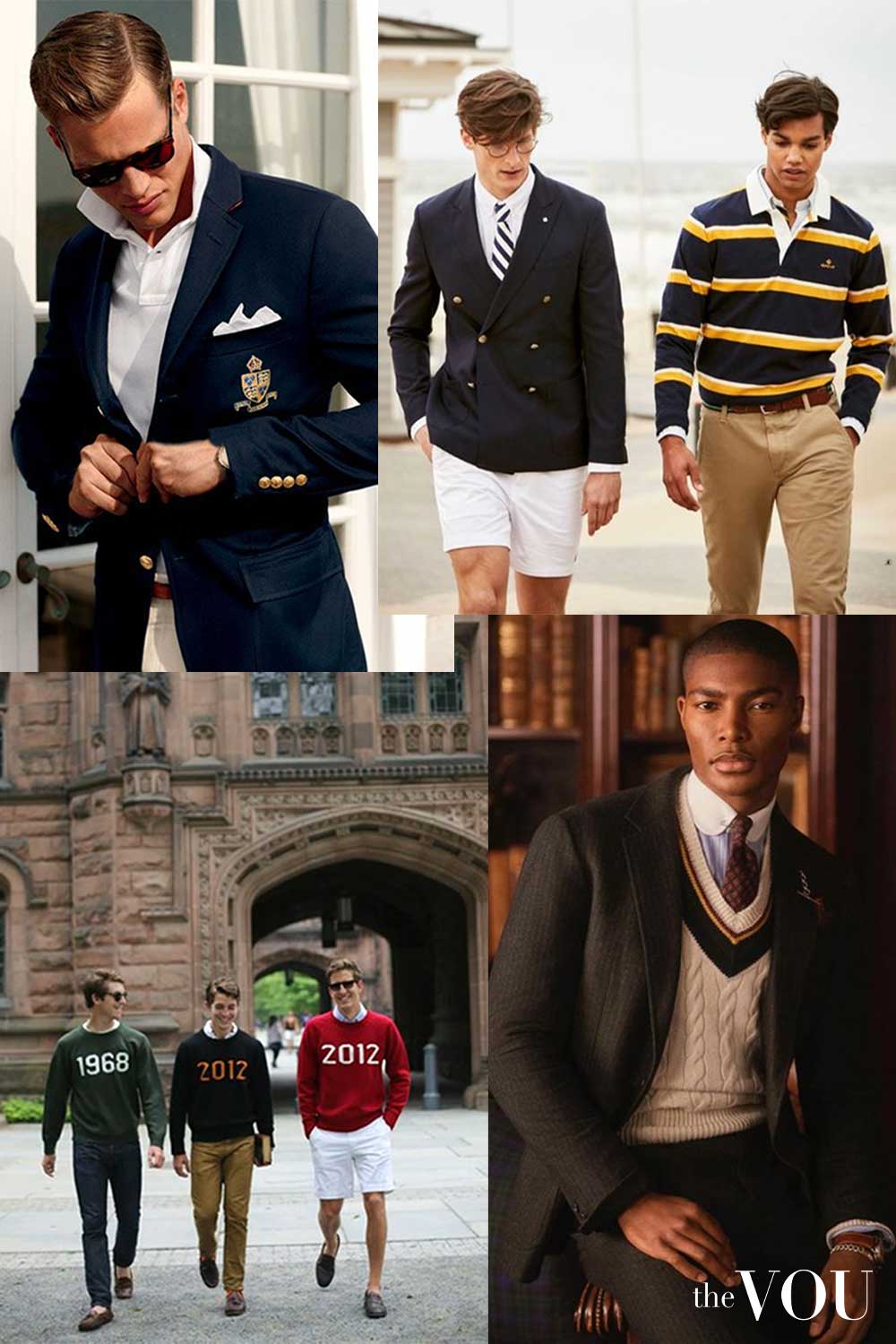
Typical Ivy garments include Oxford shirts, khaki chinos, navy blazers, madras checks, embroidered belts and boat shoes.
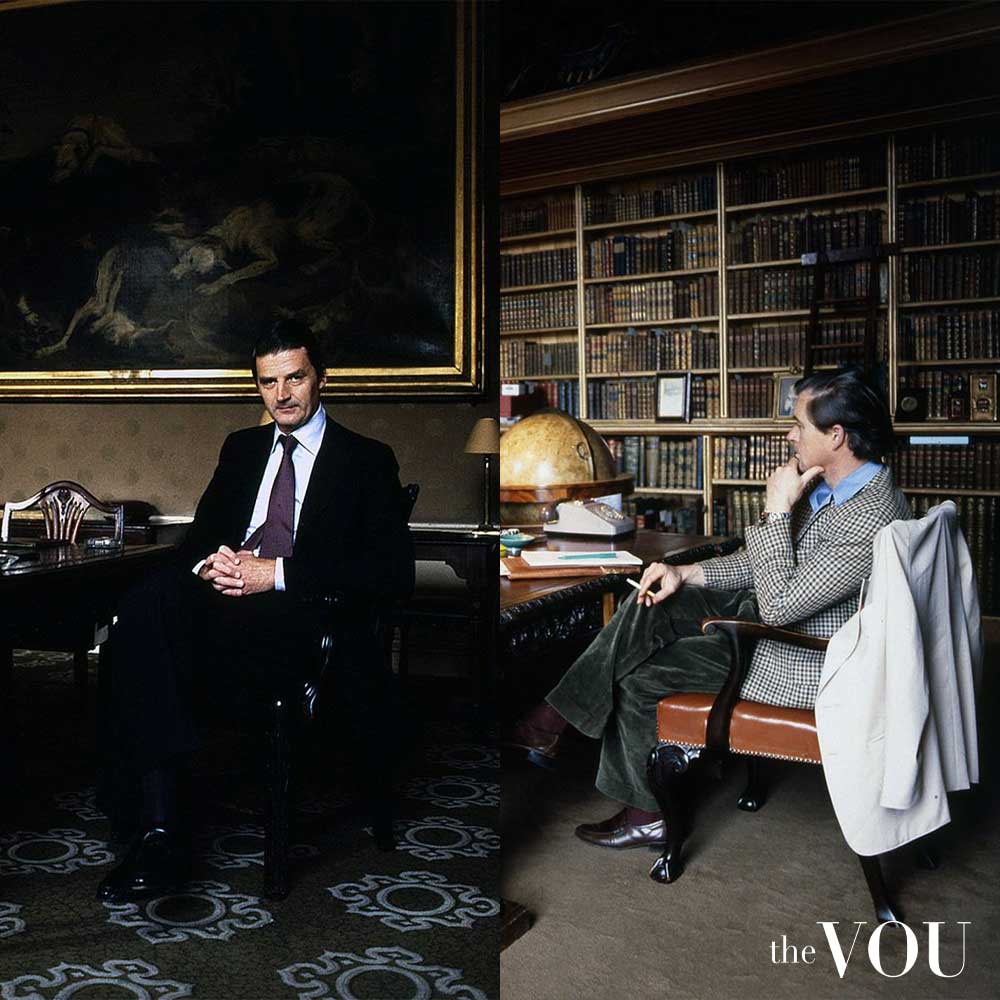
British country and aristocratic dress, with tweed jackets, tailored suits and outdoor clothing, is another source of the Old Money style.
Nautical clothes from sailing added brass-buttoned blazers, striped tops and deck shoes.
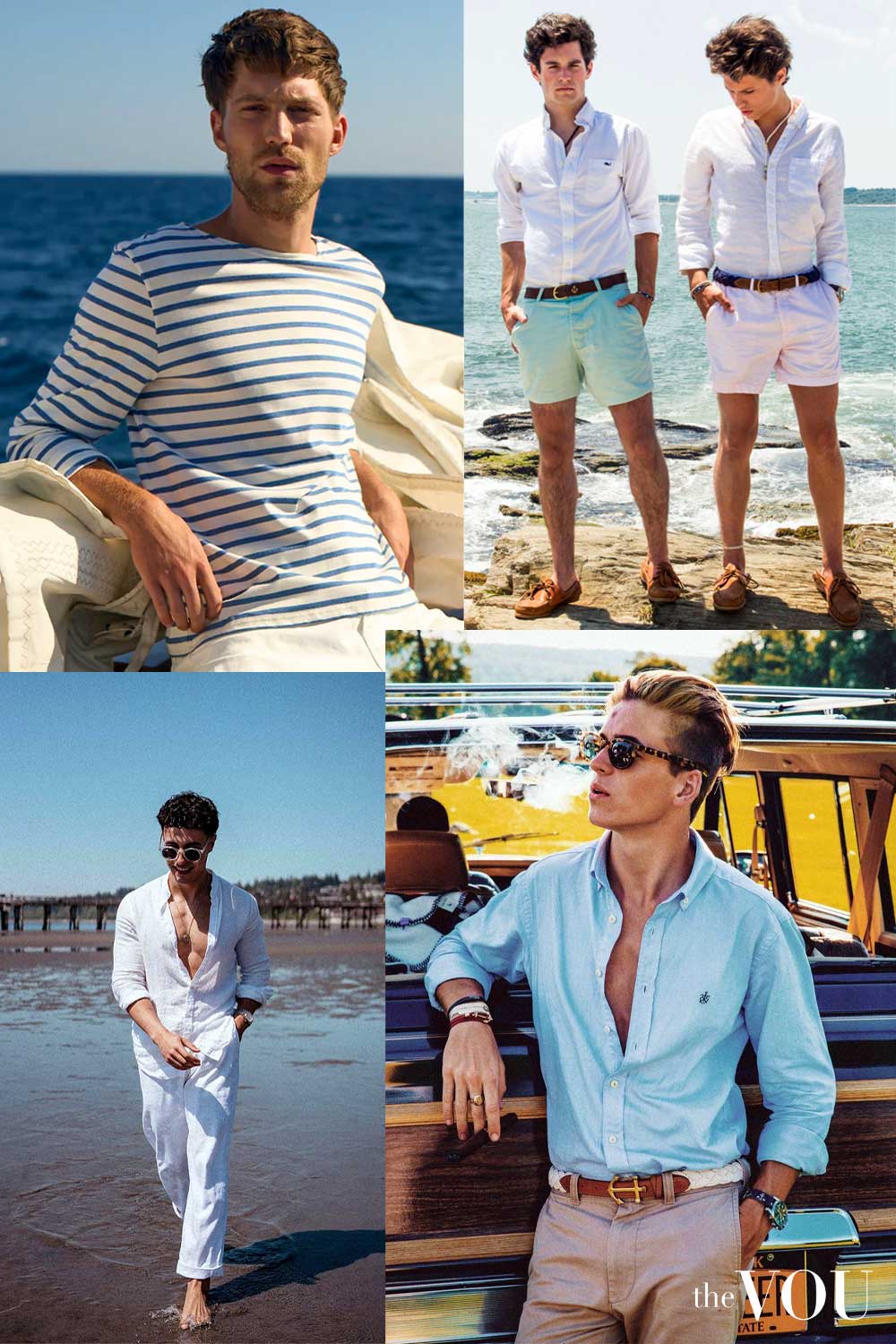
The modern version keeps these influences and adds newer garments, materials and colours.
Modern Old Money wardrobe essentials
Deconstructed blazers
Modern tailoring keeps traditional shapes but uses softer construction, so jackets are more comfortable for everyday wear.
A deconstructed, or unstructured, blazer has little or no shoulder padding and a light or partial lining, so it looks smart but feels closer to a cardigan.
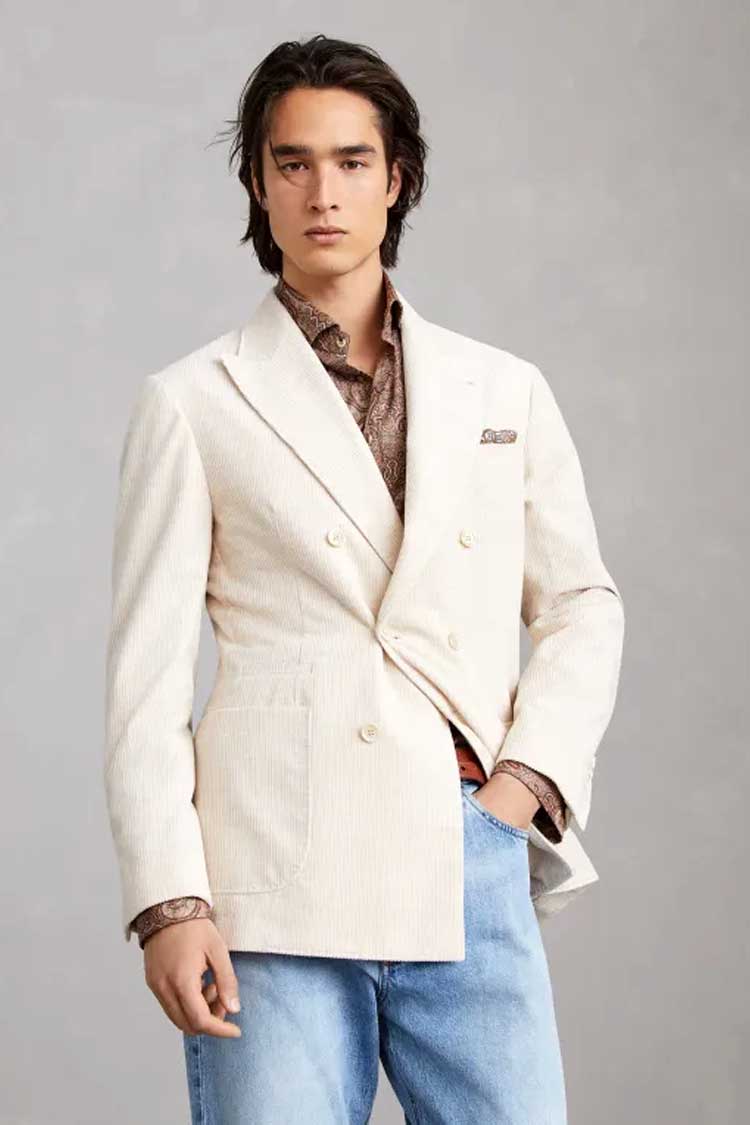
Brunello Cucinelli, often called the “king of cashmere” in the press, is known for unstructured blazers such as a soft-shouldered double-breasted cashmere design.
Boglioli’s washed wool “K Jacket” is another example of soft Italian tailoring.
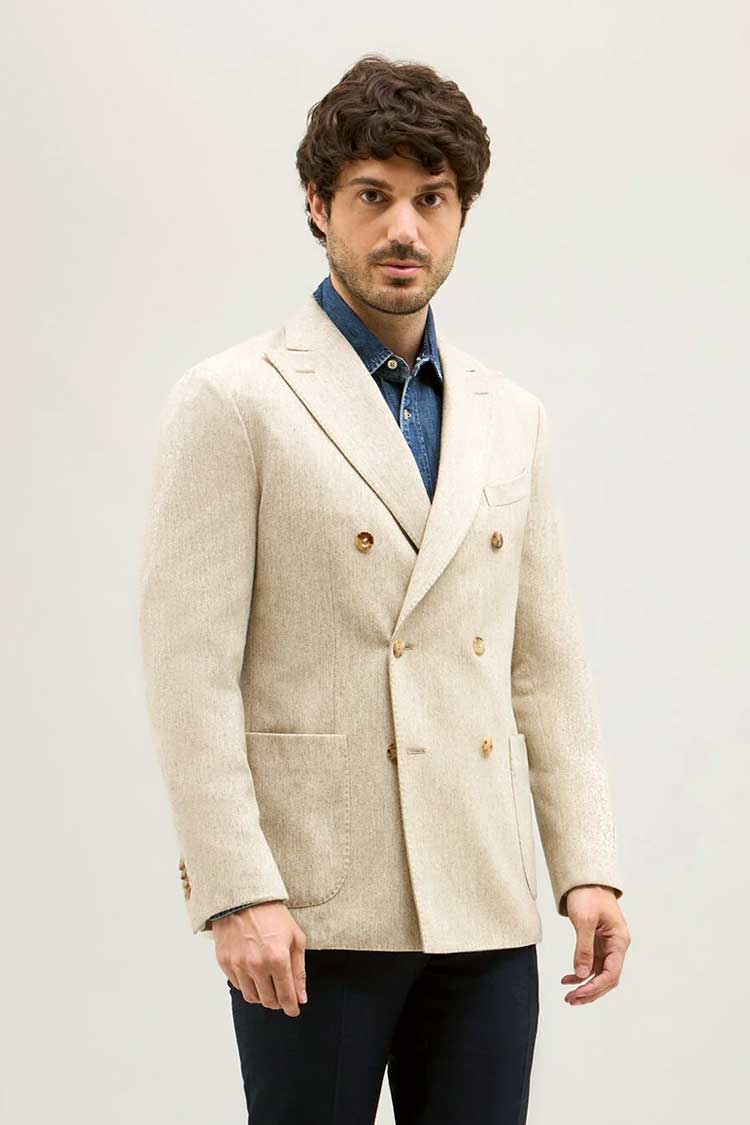
A natural shoulder and light construction make this kind of jacket useful for the office and for smart-casual occasions.
Lower-priced soft blazers are widely available from high-street and mid-priced brands, so check the shoulder fit and cloth rather than the label.
Chinos and tailored trousers
A deconstructed blazer pairs well with chinos or cotton trousers, for example from Incotex, which belongs to the Slowear group.
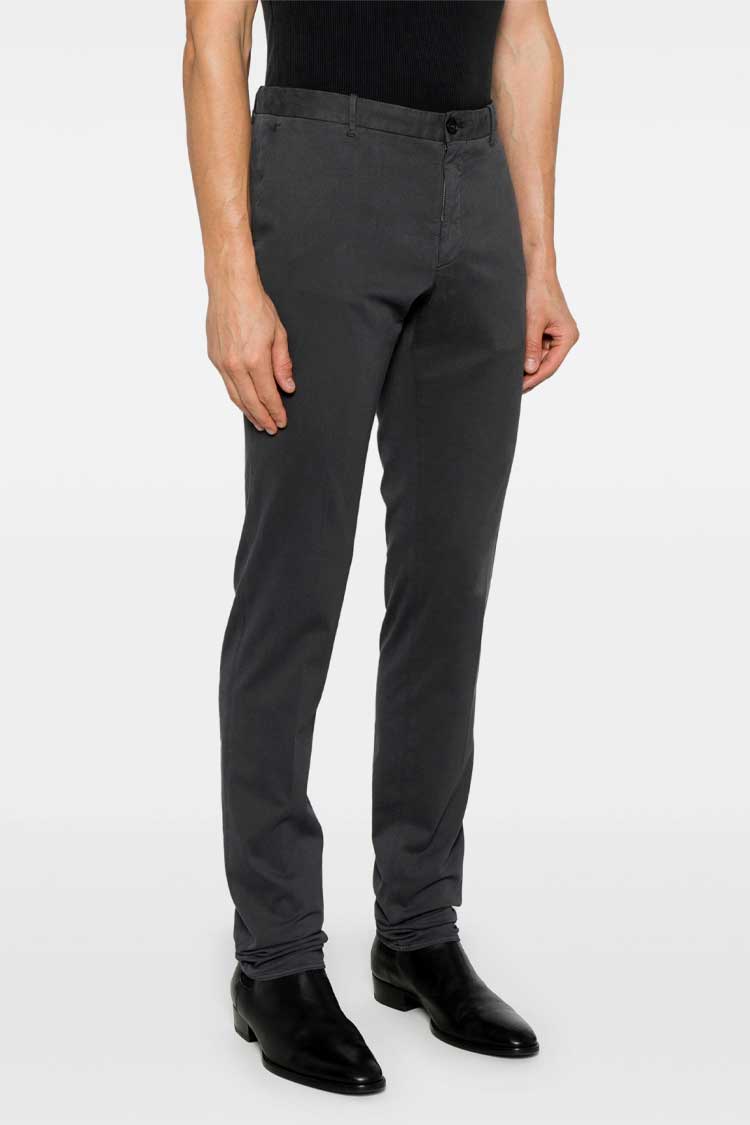
Choose the leg shape you prefer, from slim to relaxed, and have the hem adjusted so the trousers sit cleanly on your shoes.
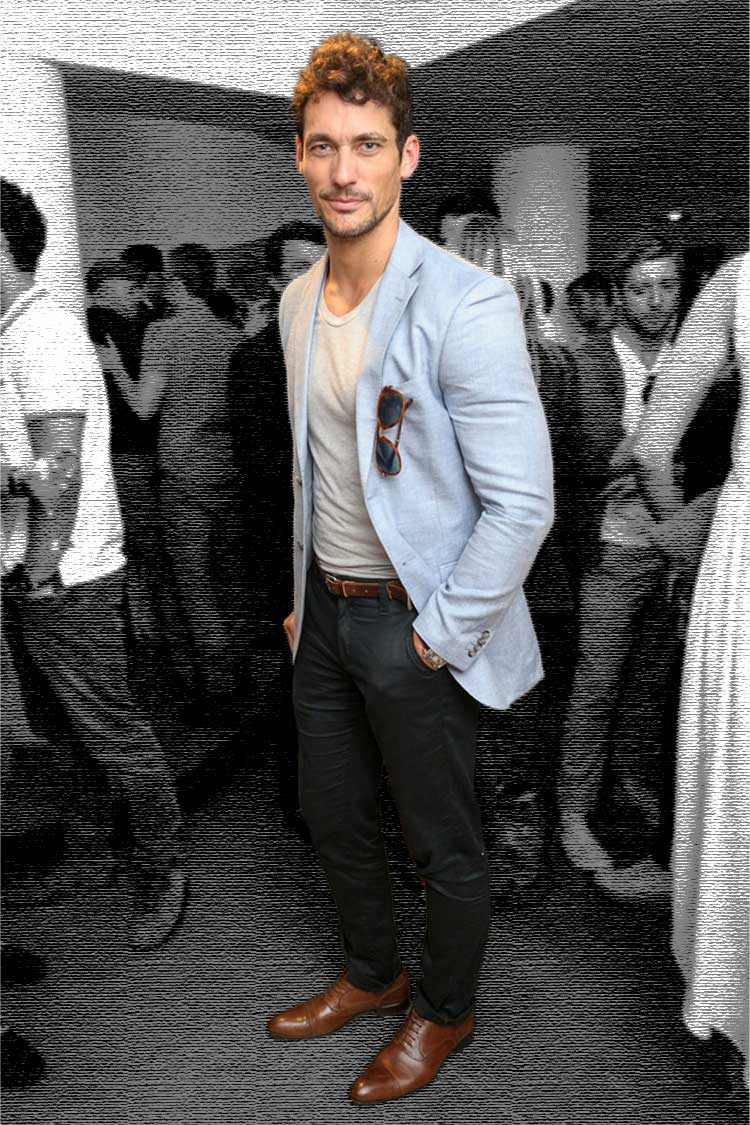
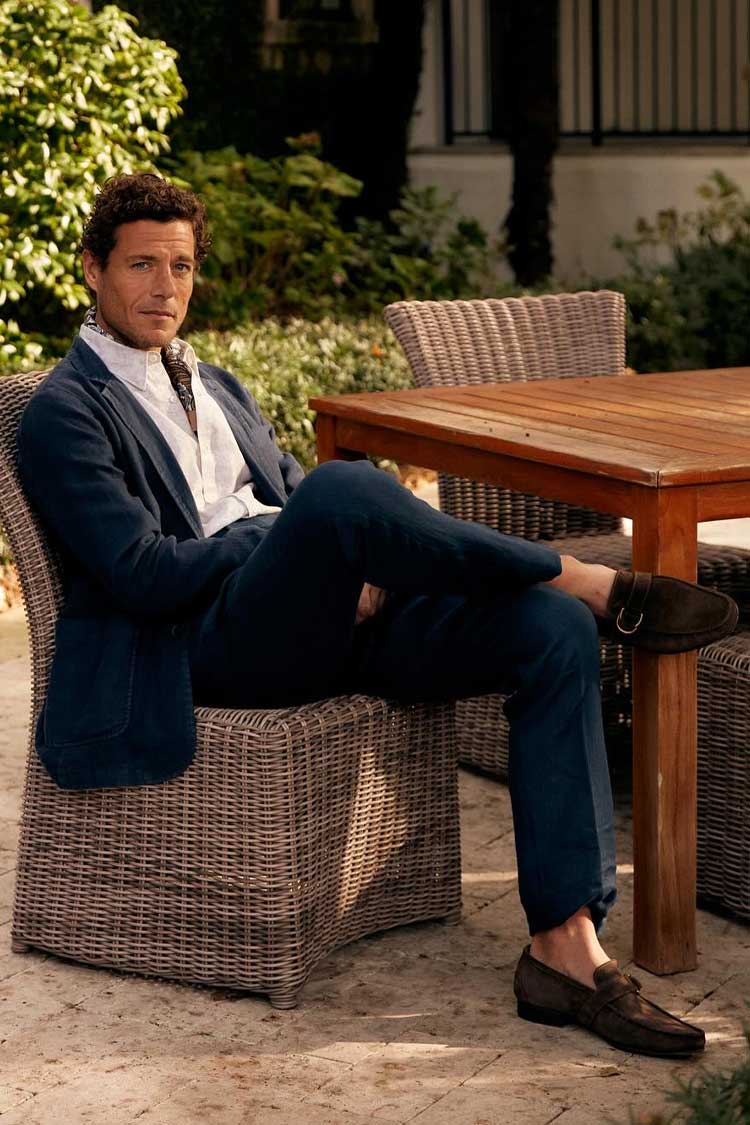
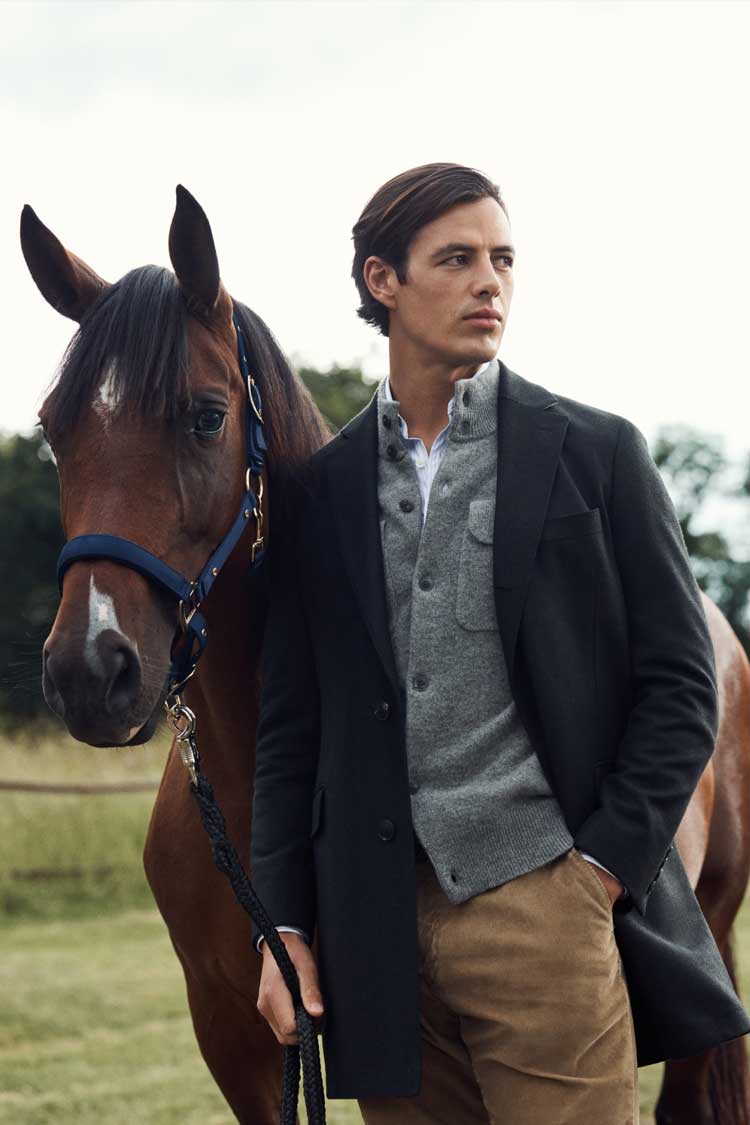
A light blazer with dark trousers, an open-collar shirt or T-shirt and brown shoes is an easy smart-casual outfit, as the photograph above shows.
Broken suits
Modern Old Money style often mixes separates, sometimes called broken suits or spezzato, instead of always wearing a matching suit.
This allows more personal expression while keeping the outfit neat.
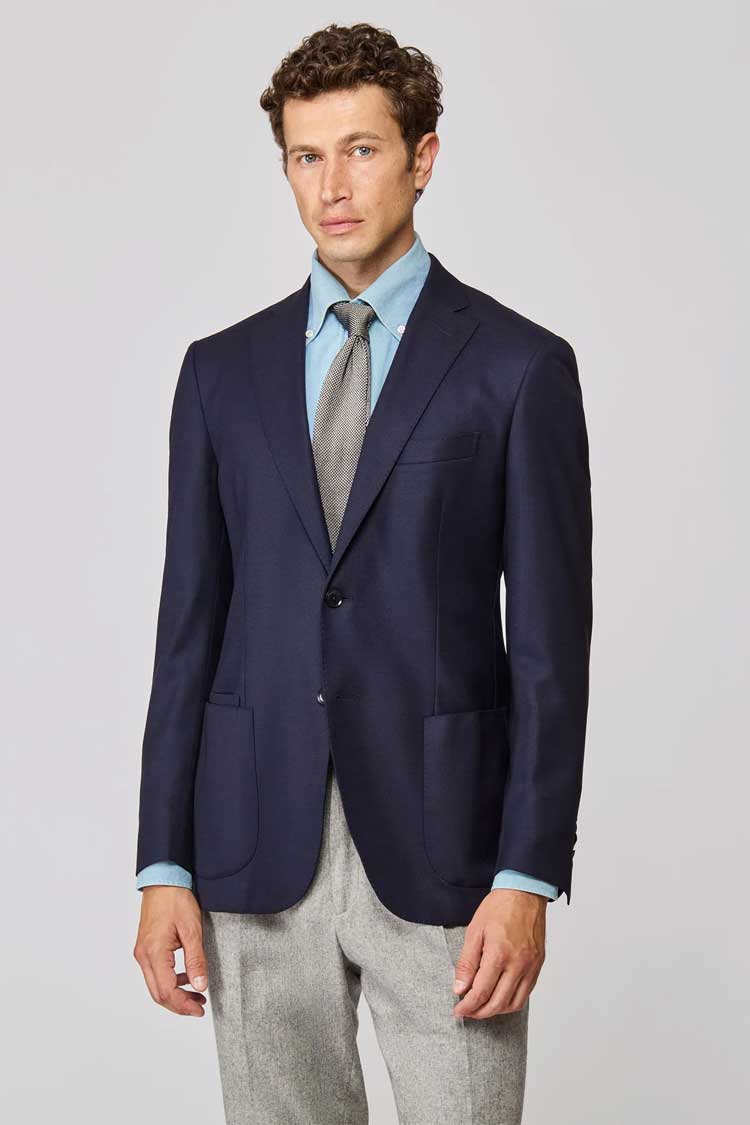
For example, pair a soft navy blazer, such as Luciano Barbera’s Amalfi, with pleated wool trousers in a contrasting grey or brown.
For a bolder mix, Thom Sweeney’s oat cashmere single-breasted jacket or brown double-breasted jacket can be worn with charcoal single-pleat trousers.
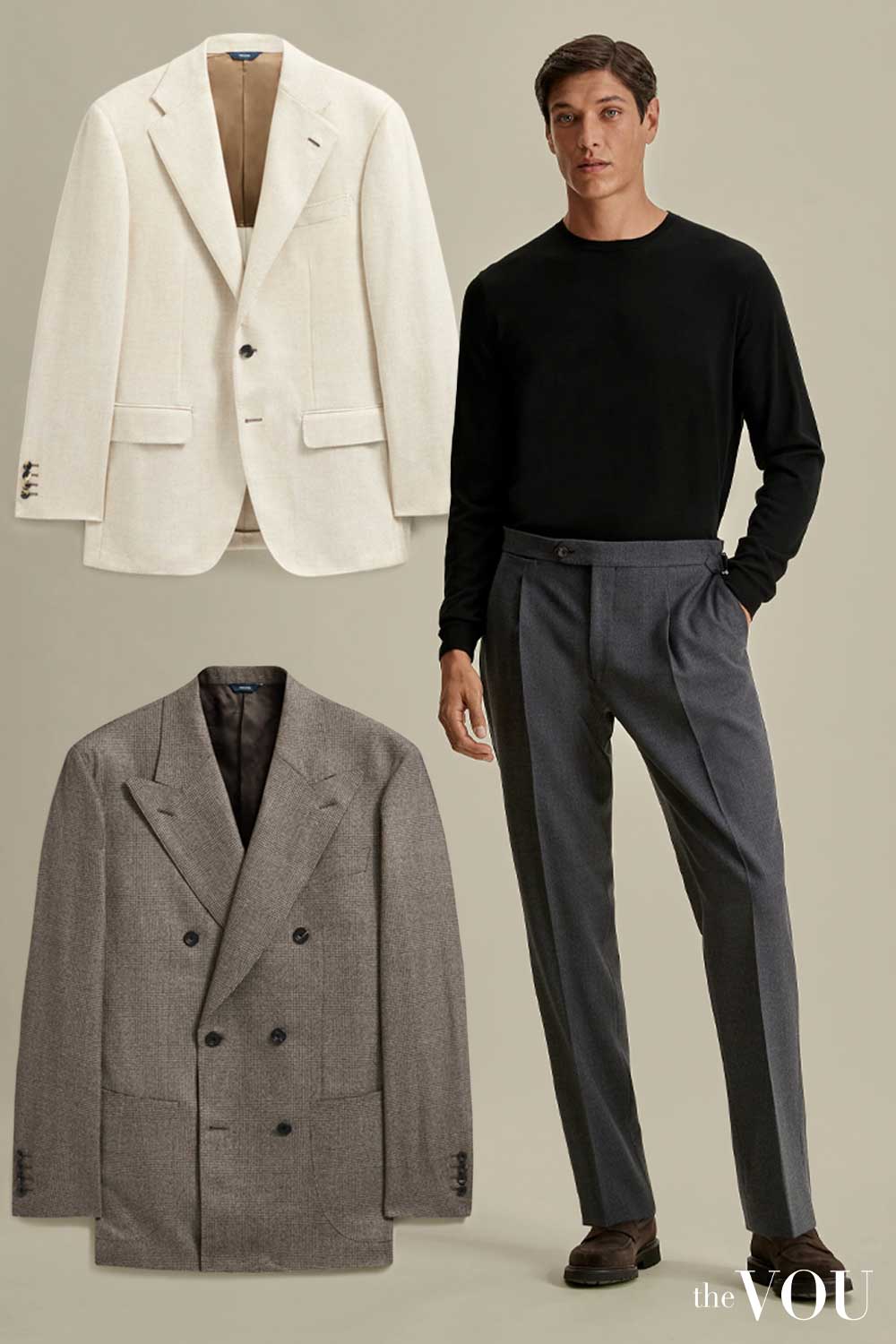
Contrasting textures and colours, such as soft cashmere against smooth worsted, make the combination look deliberate.
Plain T-shirts
A plain T-shirt in good cotton works under a blazer or on its own.
Sunspel’s Riviera crew-neck is one example of a plain white T-shirt in fine cotton.
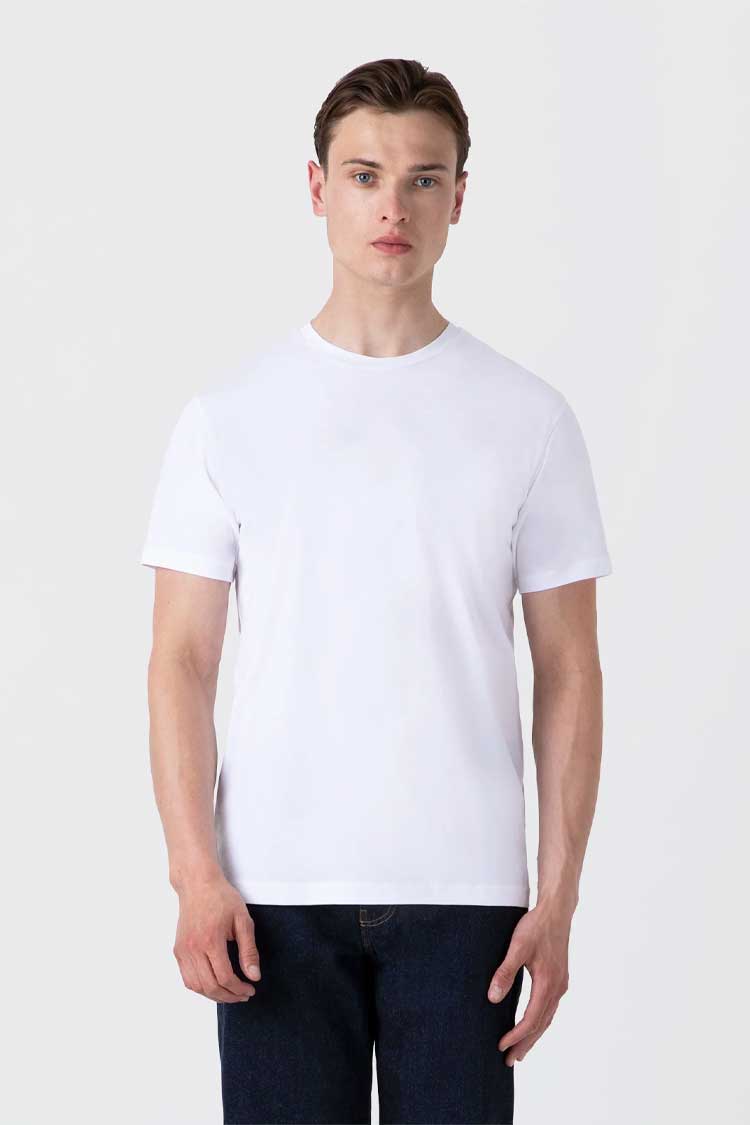
Clean lines make this kind of T-shirt easy to wear with jeans or tailored trousers.
Zegna and James Perse also make plain cotton T-shirts, and many lower-priced brands make good versions; look at the weight, the neckline and how the fabric hangs.
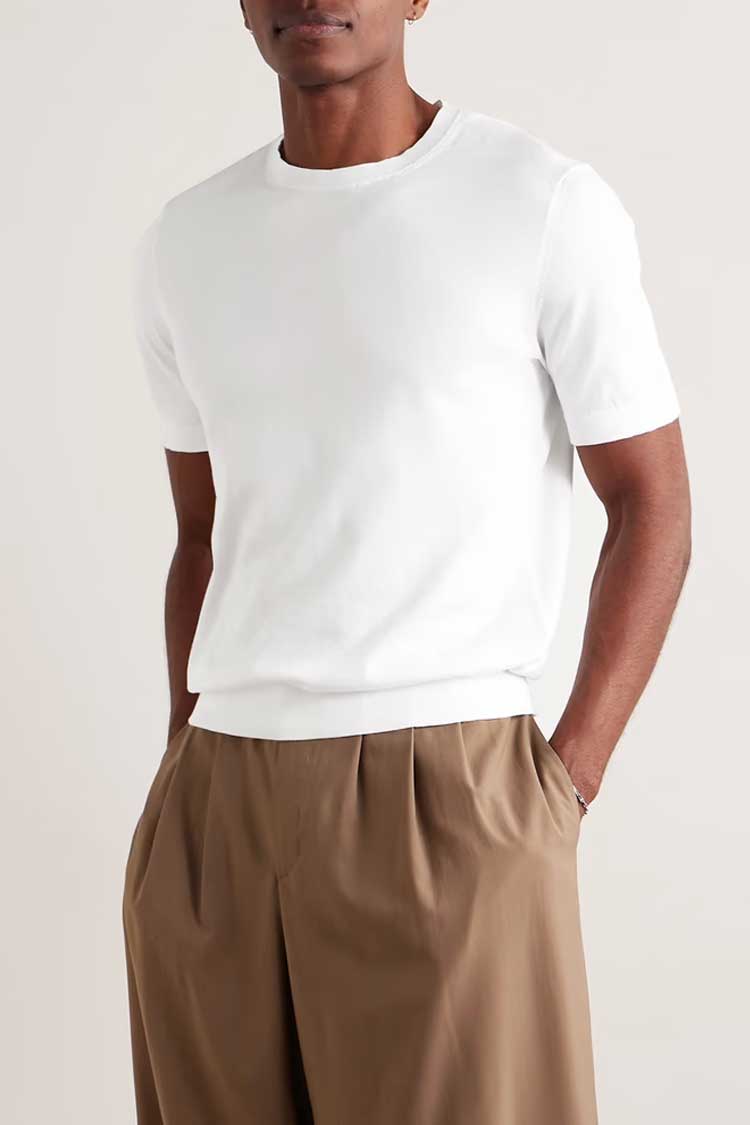
Wear a good T-shirt with well-cut chinos and plain white leather trainers, and add a cashmere or wool cardigan on cooler days.
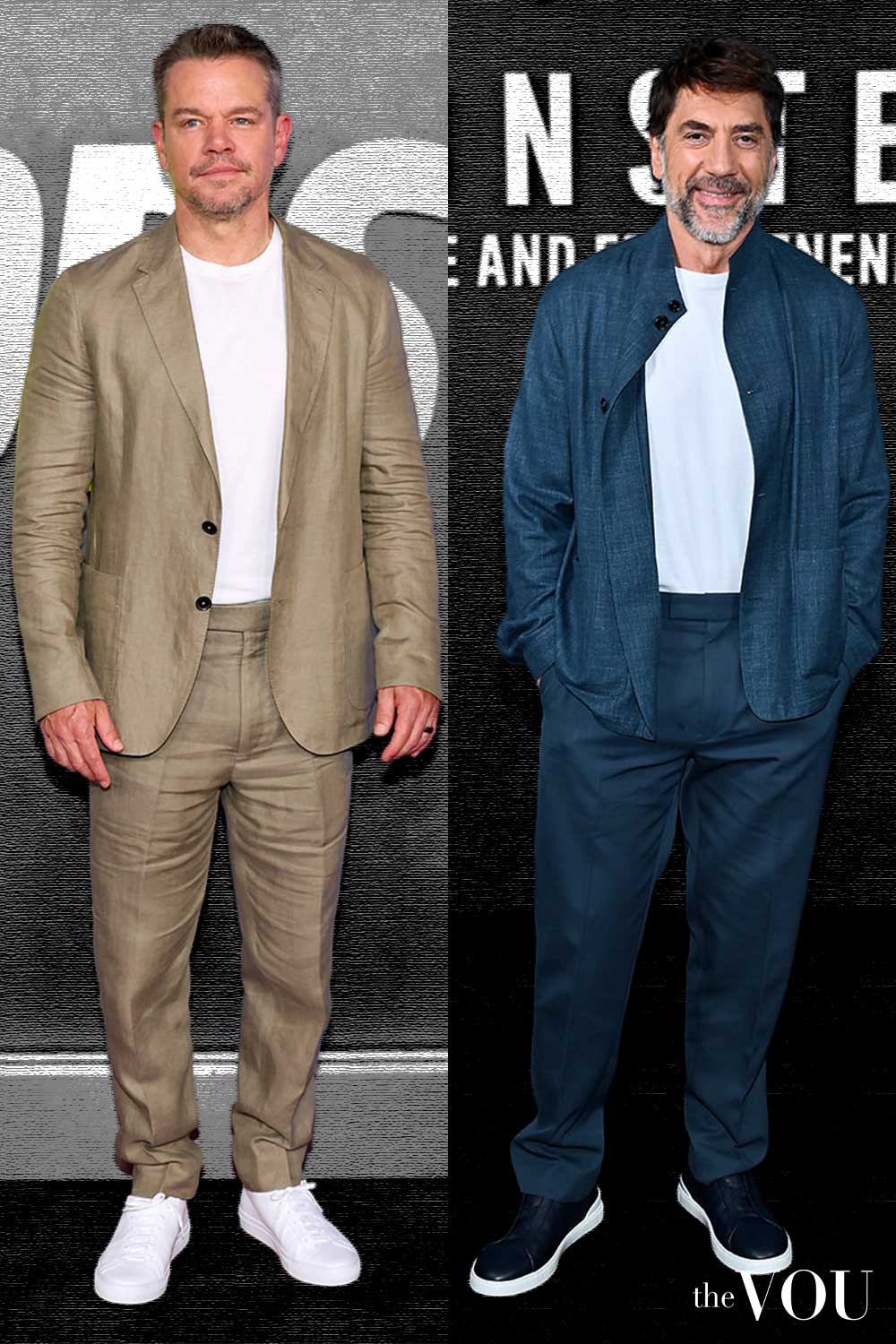
A plain T-shirt under a linen or cotton suit, as in the photograph above, is a relaxed alternative to a shirt and tie.
Relaxed cotton shirts
The modern look includes softer, more relaxed shirts, often worn with good jeans.
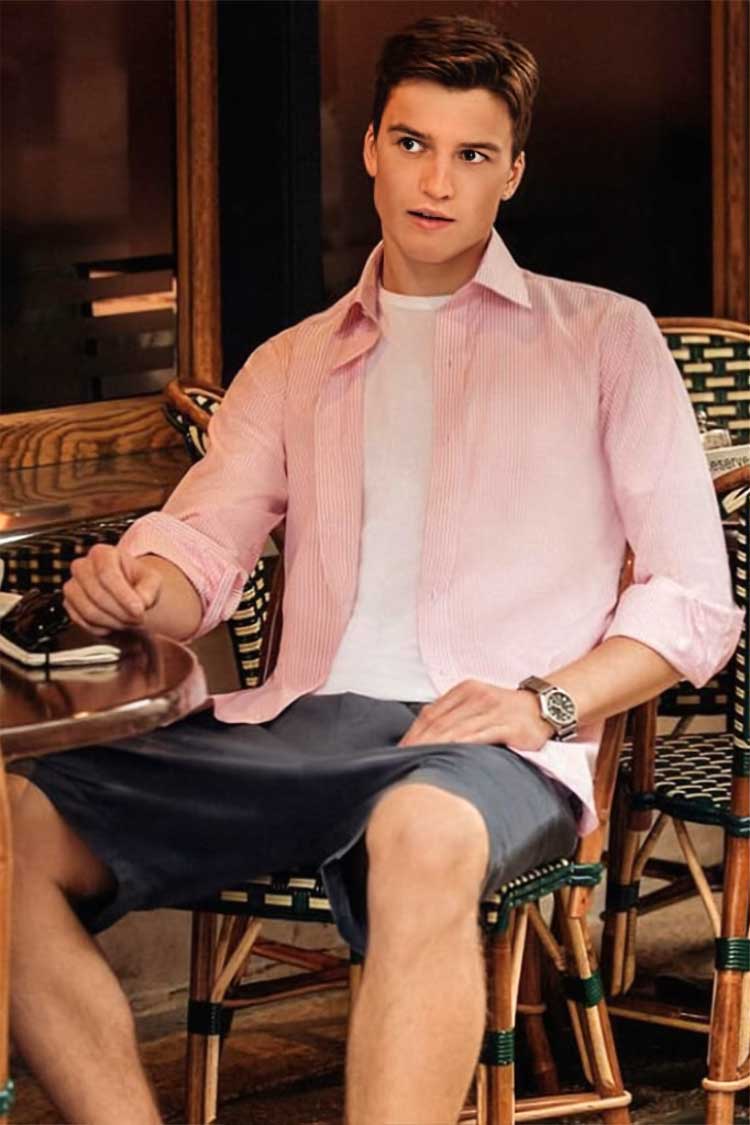
A pink Bengal stripe poplin shirt, for example from Emma Willis, goes well with light jeans and a camel blazer.
Eton’s casual line includes knitted shirts in fine cotton yarn, such as a light blue checked style.
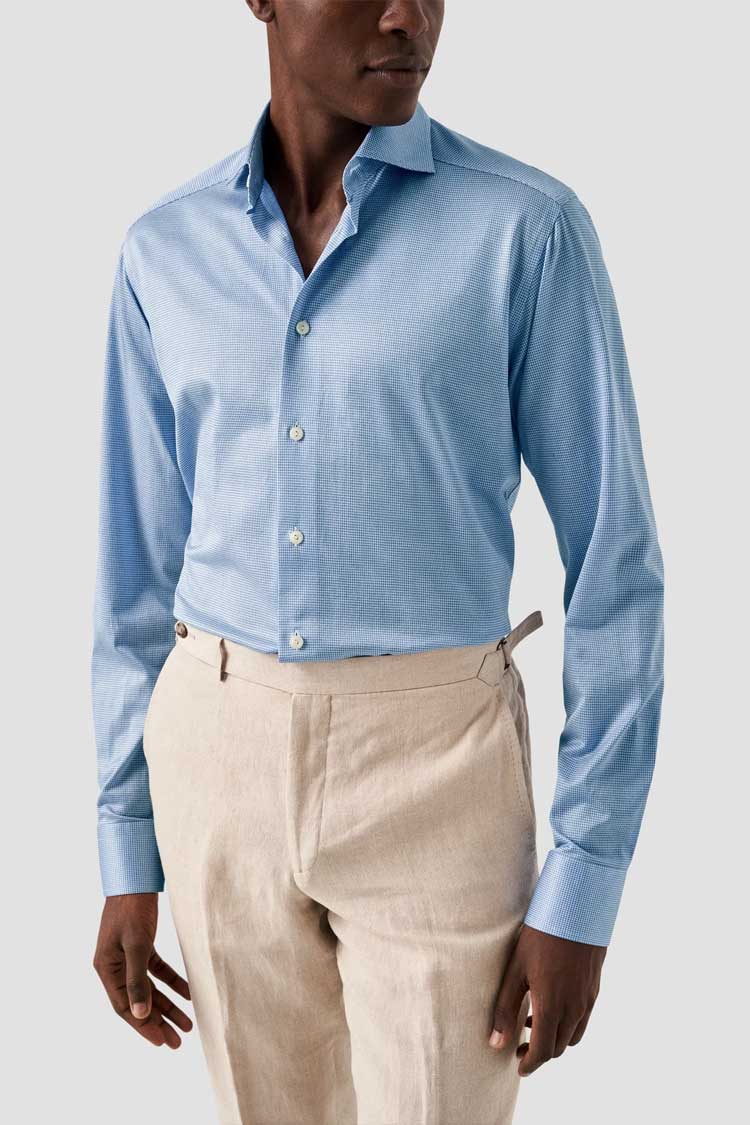
A textured shirt like this works with dark jeans and loafers for a smart-casual outfit.
Polo shirts
Sunspel’s Riviera polo, in a breathable cotton mesh, was worn by Daniel Craig as James Bond in Casino Royale (2006), with costumes by Lindy Hemming, and was based on an earlier Sunspel design, according to BAMF Style.
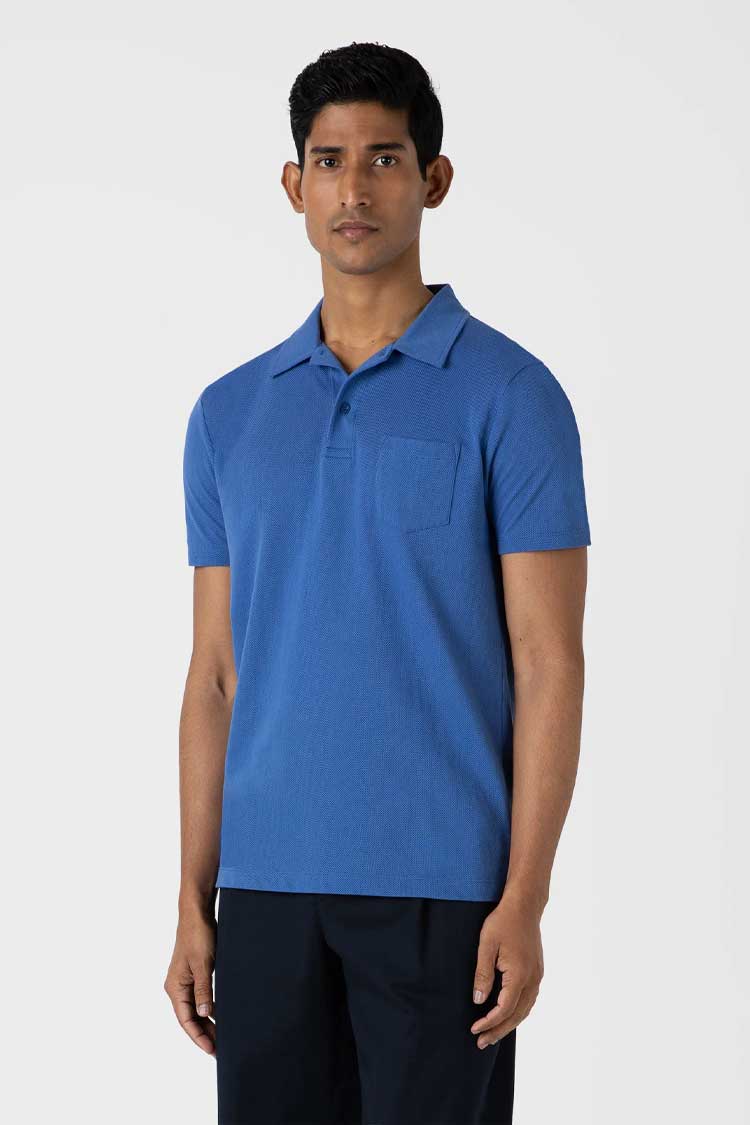
A mid-blue polo with dark jeans and white trainers makes an easy weekend outfit.
Ralph Lauren Purple Label’s pale pink piqué polo is a more formal-looking option for warm days.
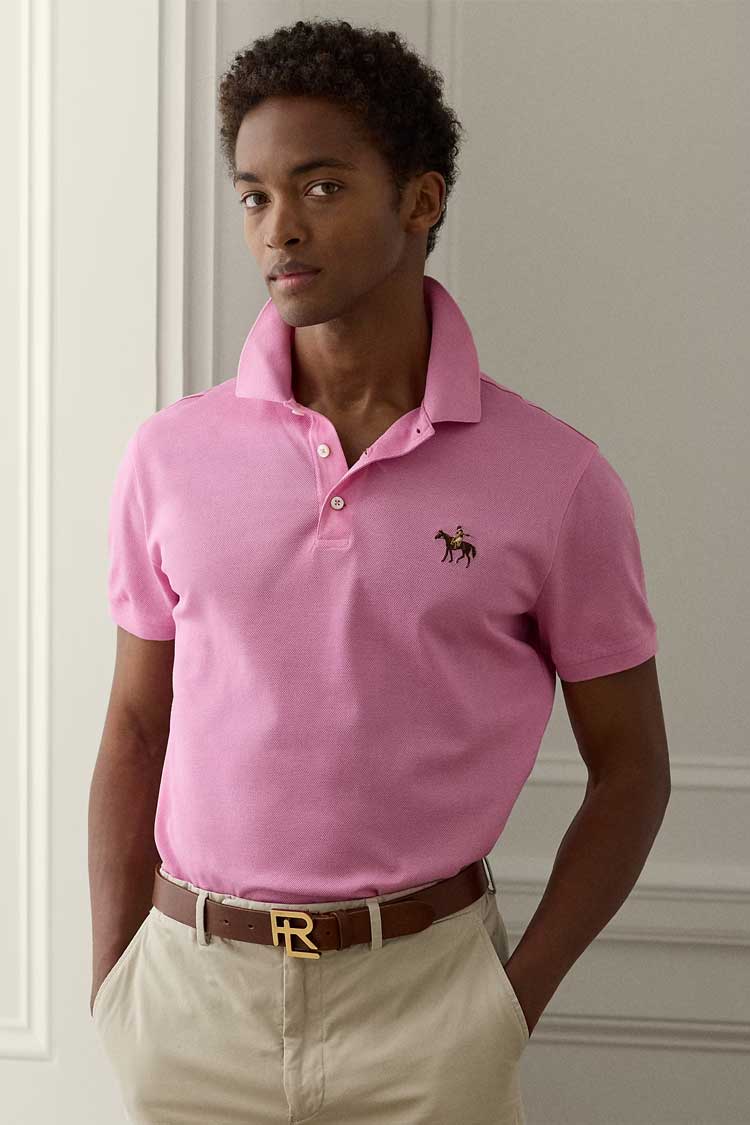
Shirts and polos like these move easily between casual and smarter settings.
Slim and straight jeans
Jeans are now common in the modern Old Money wardrobe; our casual outfit ideas for an oval body shape include more ways to wear them.
Look for a clean wash, a good fit and little branding, such as Zegna’s slim Roccia jeans.
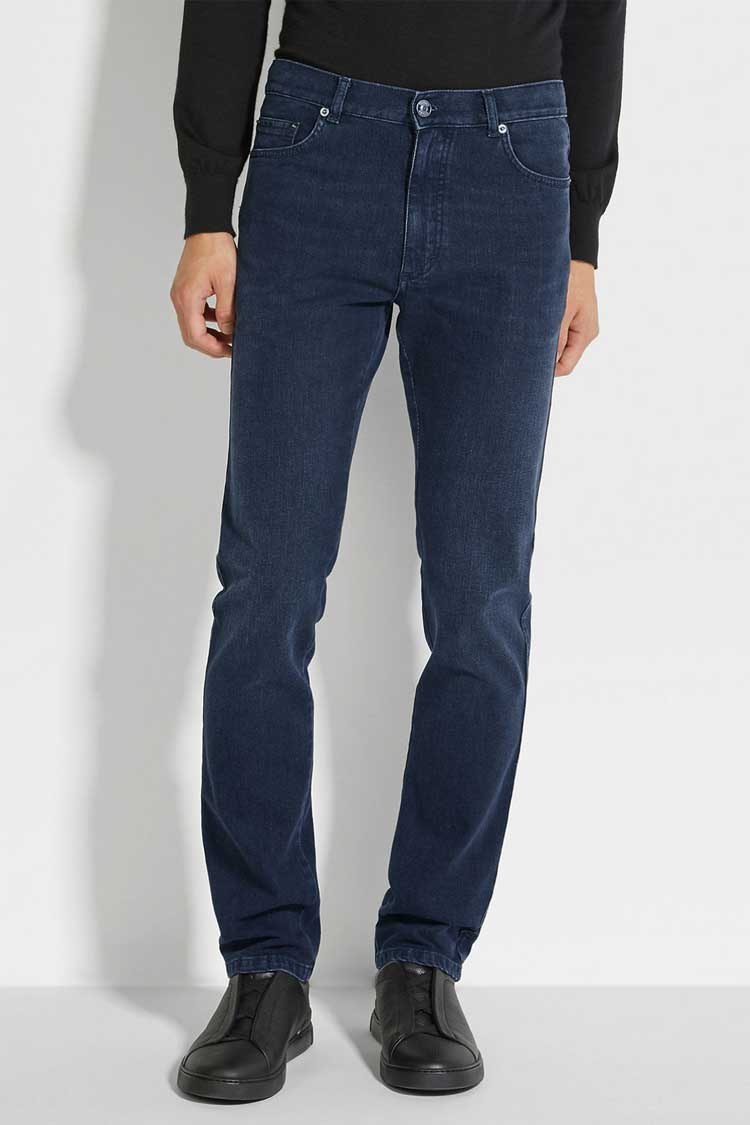
A little stretch adds comfort, and a dark wash dresses up easily with a cashmere jumper or an unstructured blazer.
Brunello Cucinelli’s leisure-fit jeans are slightly relaxed through the seat and narrower through the leg.
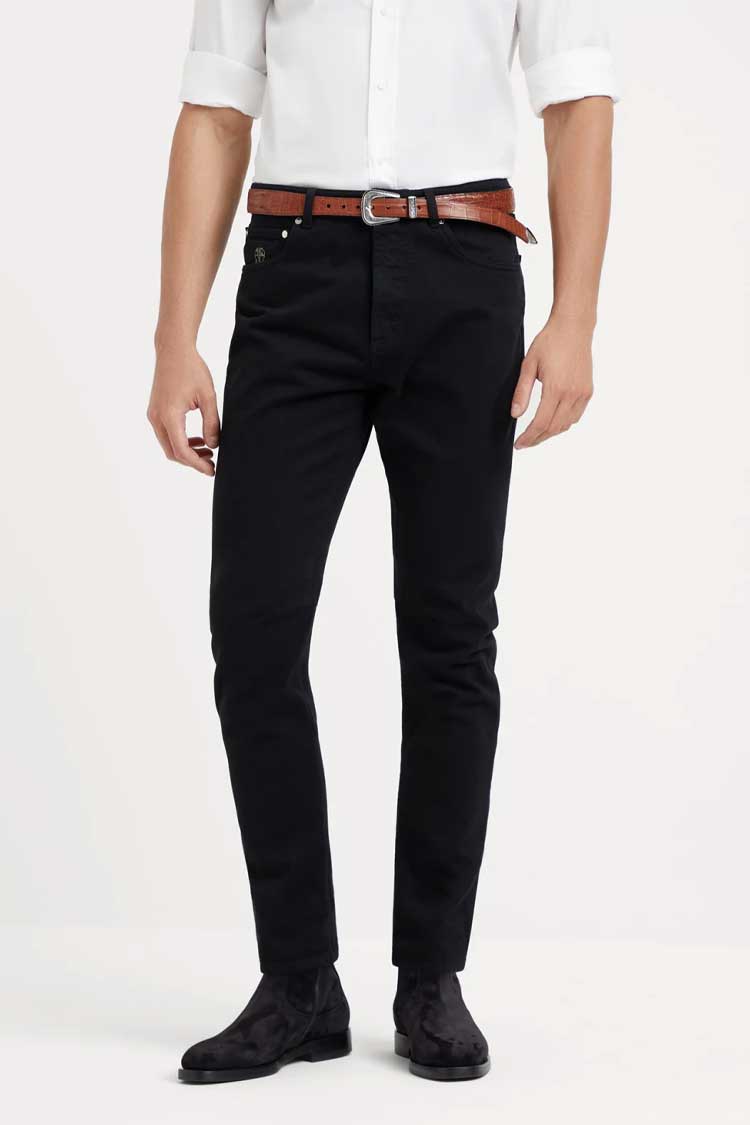
Wear dark jeans with a cashmere or wool jumper and plain leather trainers for a quiet weekend outfit.
Wider-leg jeans
Wider jeans, such as The Row’s Bryan style, offer a more relaxed shape.
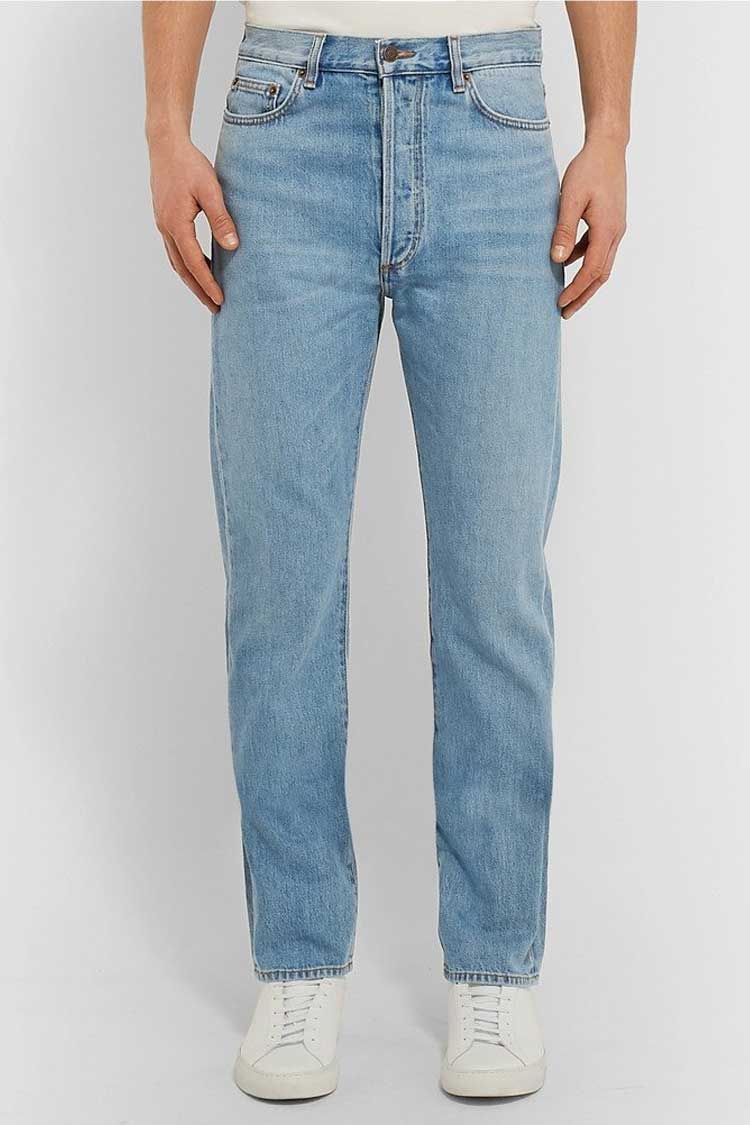
They work with trainers and loafers; heavier denim tends to hang more smoothly.
Crew-neck jumpers
Texture adds interest to simple outfits.
Ralph Lauren Purple Label’s green cashmere crew-neck is one example.
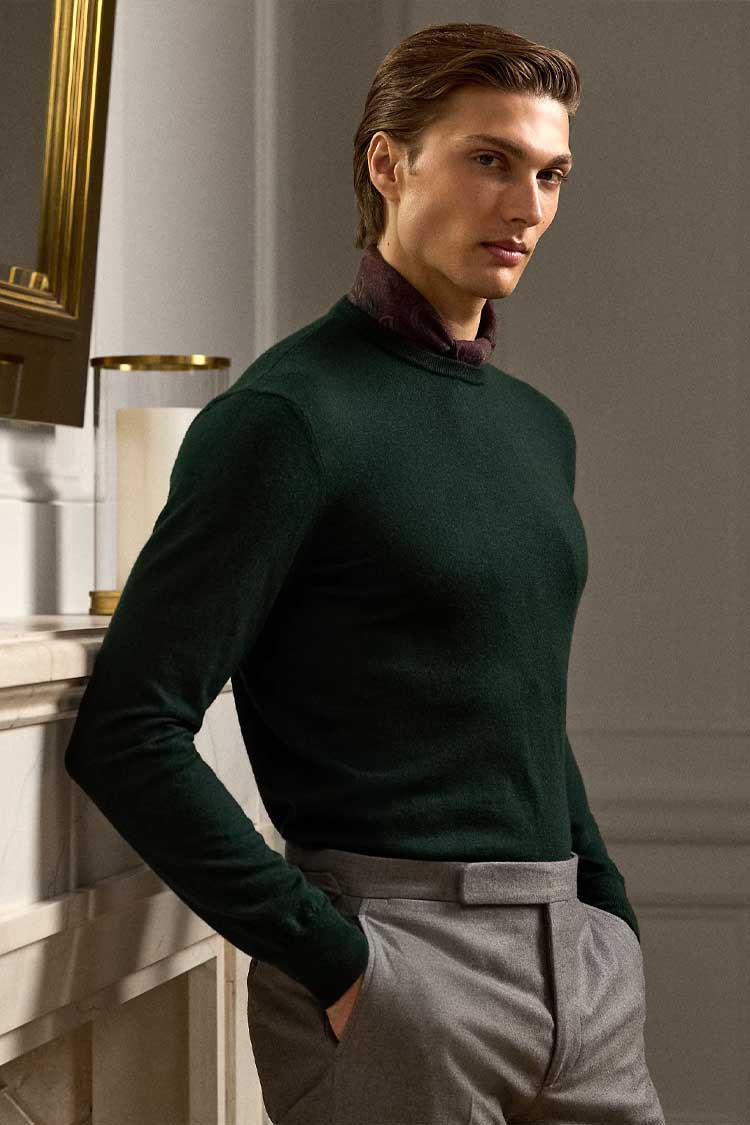
Layer a crew-neck over a fine cotton shirt, such as a Sea Island cotton shirt, so the collar shows at the neck.
Cable-knit jumpers
For cooler weather, a cable-knit jumper, for example in cashmere from Johnstons of Elgin, adds texture and warmth.
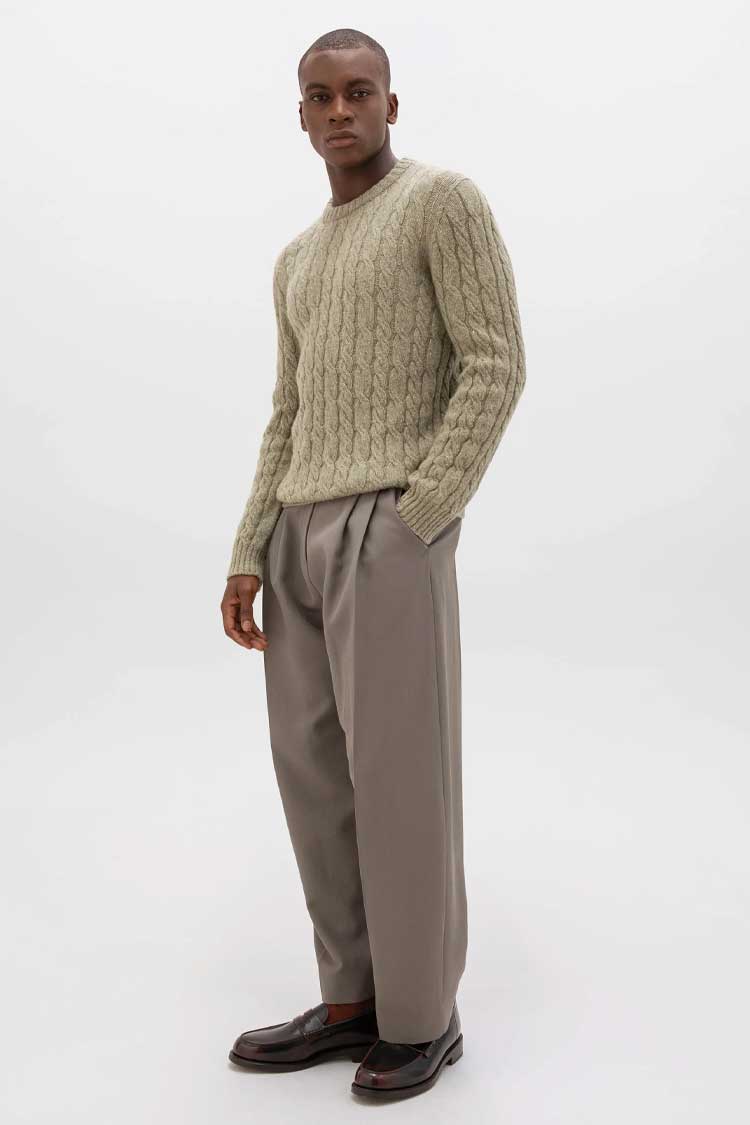
Pair knitwear with grey flannel trousers, for example from Corneliani, so the brushed flannel contrasts with the smoother knit and shirt.
Down jackets
The modern look includes technical outerwear alongside traditional coats.
Herno, an Italian outerwear maker, offers down jackets in plain colours and weatherproof fabrics, such as its navy Laminar style.
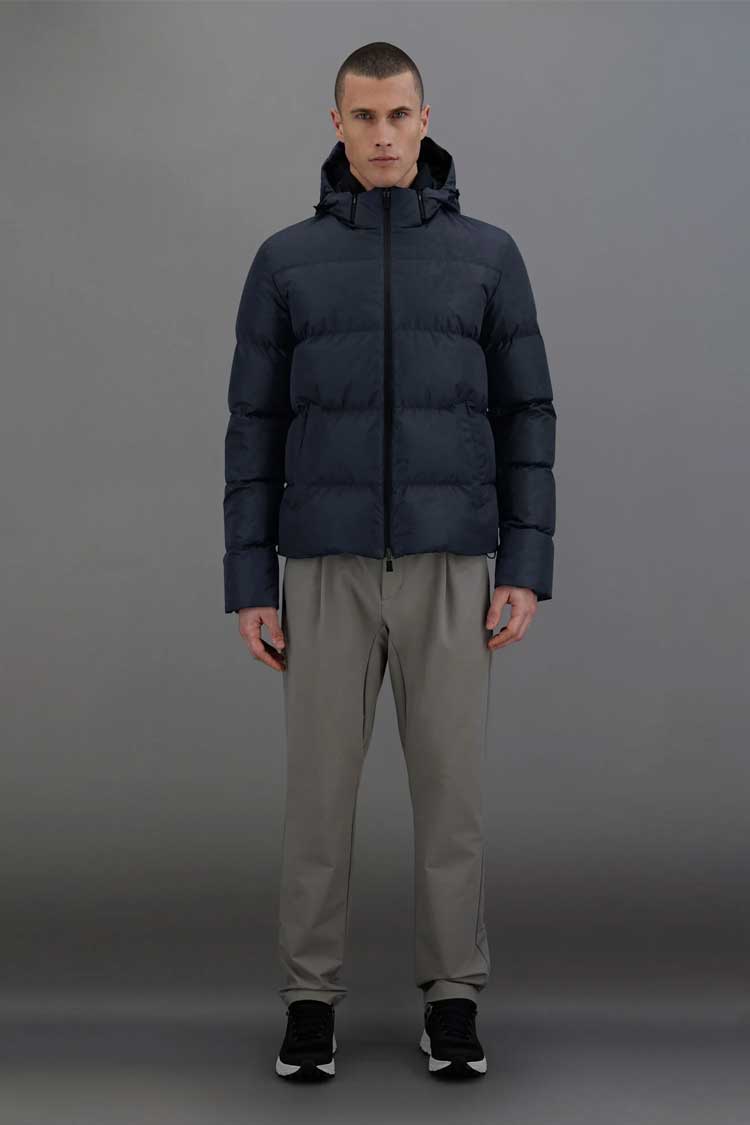
A plain down jacket in navy or black works over knitwear and with flannel trousers or jeans.
Waxed cotton and weatherproof jackets
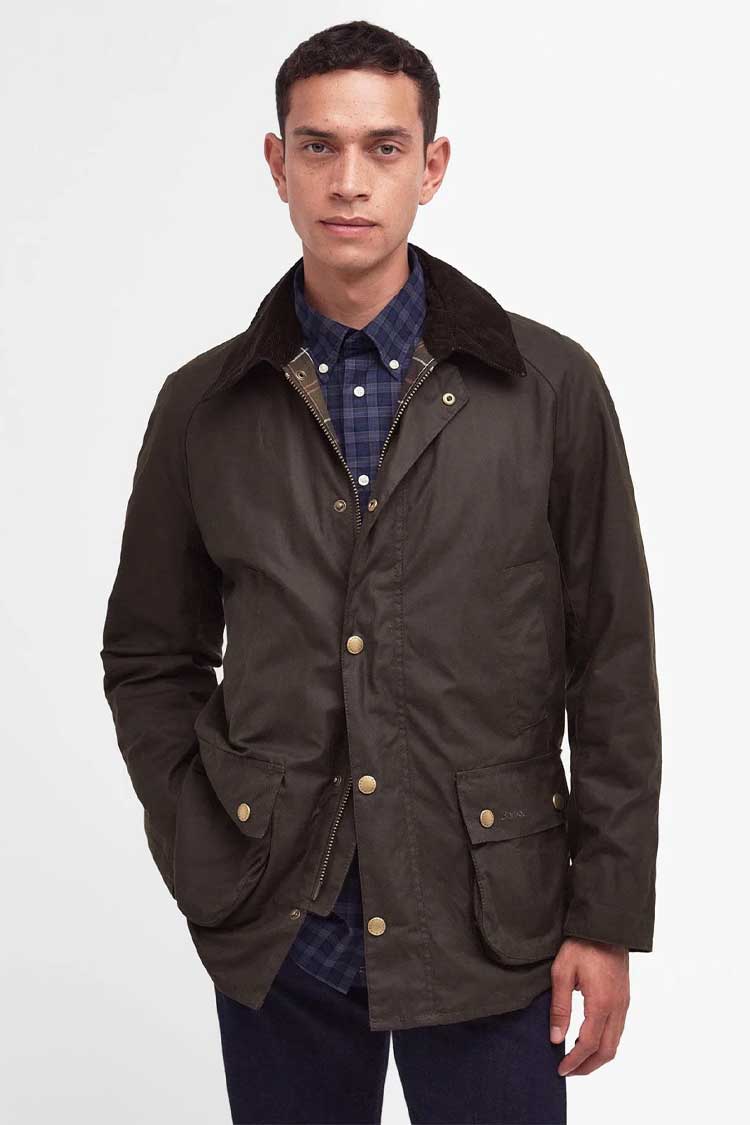
For milder, wet weather, Barbour’s Ashby is a slimmer version of its classic waxed cotton jacket, with a corduroy collar and tartan lining.
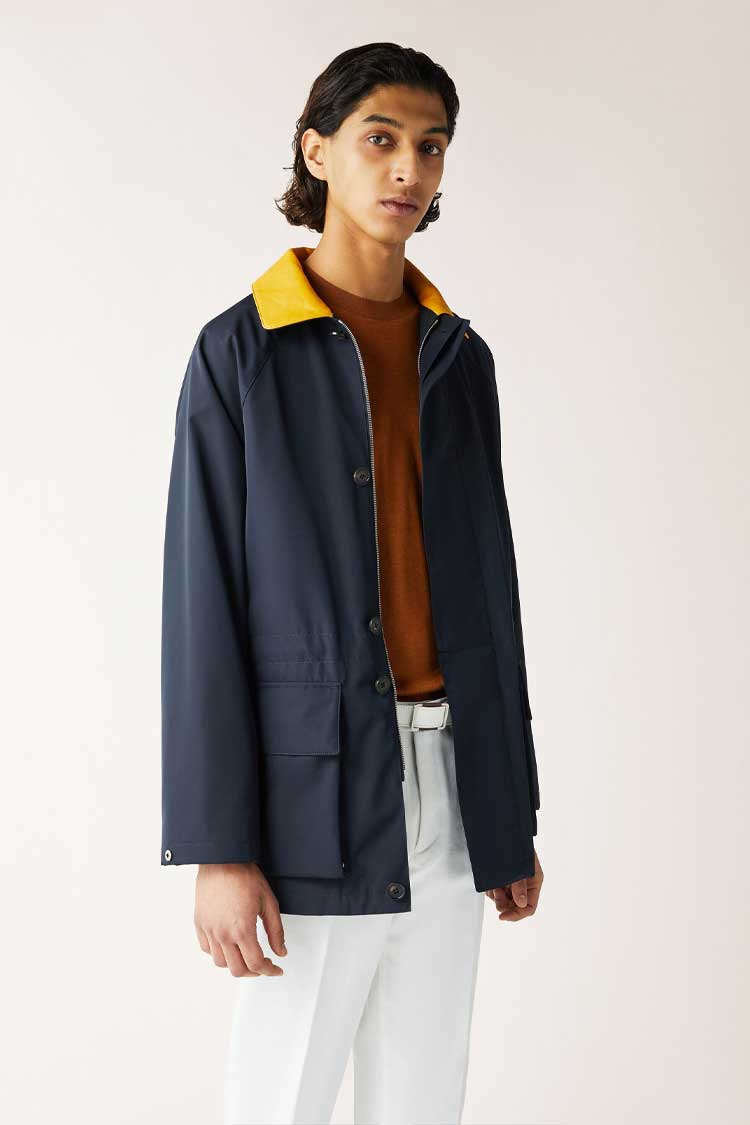
Loro Piana’s Horsey jacket is made in the brand’s Storm System fabric, which Loro Piana describes as combining a water-repellent finish with a waterproof, wind-resistant and breathable membrane.
Knee-length raincoats
Private White V.C.’s Ventile Mac is another option for changeable weather, made in Manchester from Ventile cotton.
Ventile was developed at the Shirley Institute in Manchester in the 1930s and was used during the Second World War for RAF pilots’ immersion suits, as Heddels explains.
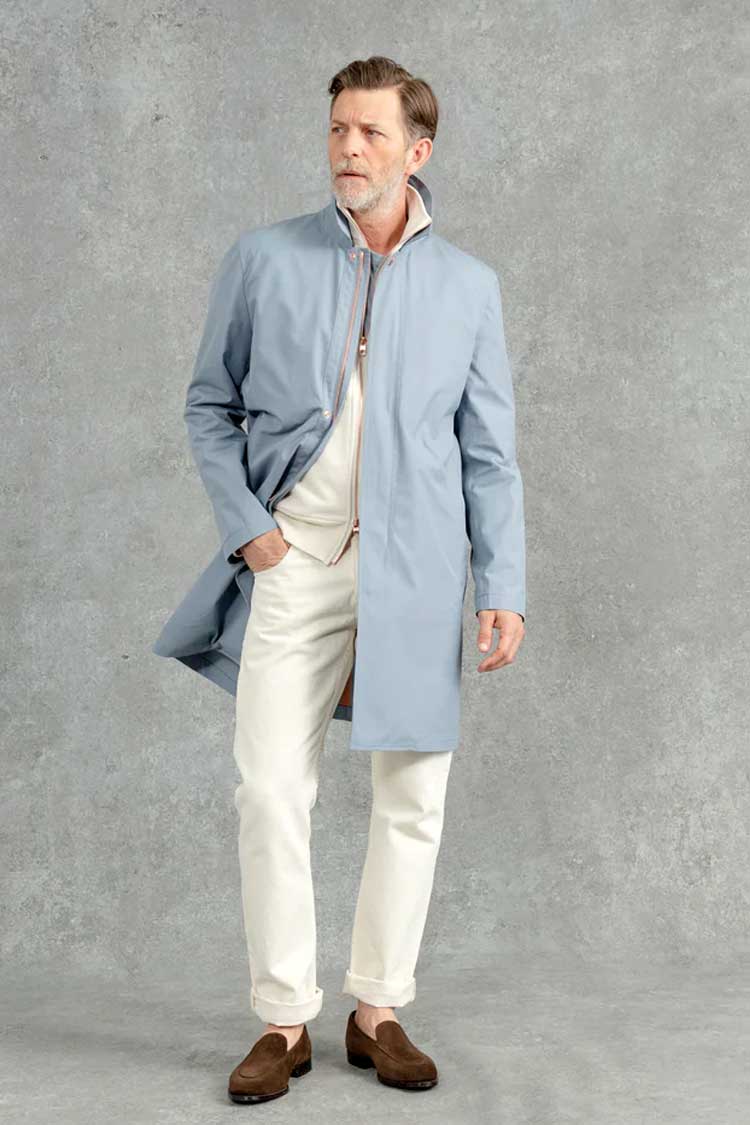
Wear a raincoat over a merino jumper, for example from John Smedley, with dark selvedge jeans, for example from The Workers Club or Blackhorse Lane Ateliers.
Casual sports coats
A soft sports coat in a performance or knitted cloth, such as Zegna’s navy Oasi cashmere jacket, sits between a blazer and a cardigan.
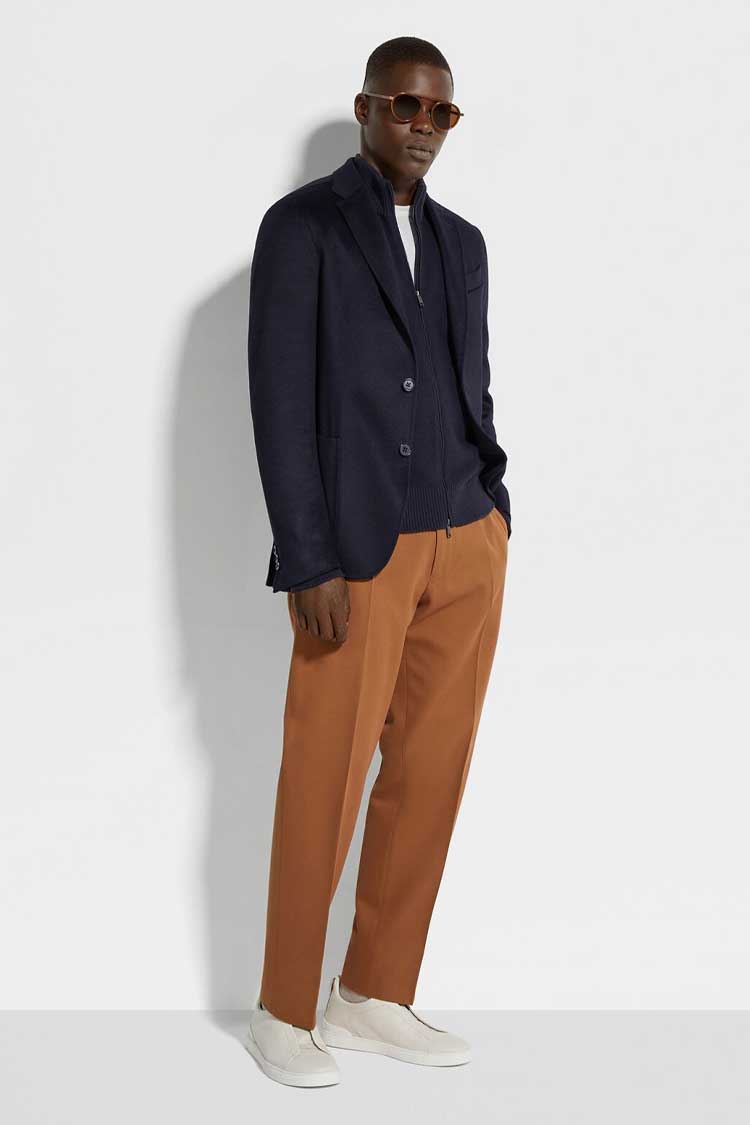
It looks tailored but feels relaxed, which makes it useful for travel and casual office days.
Wool or cashmere joggers
The modern look also includes smarter loungewear, such as joggers in wool or cashmere.
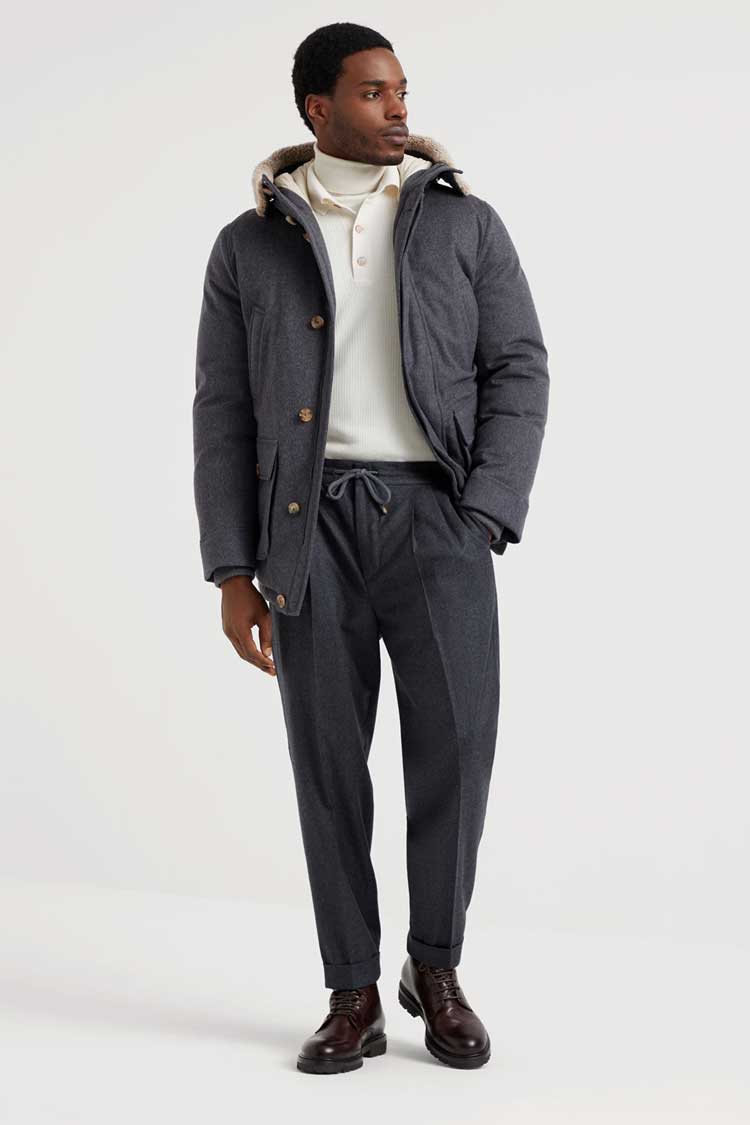
Brunello Cucinelli’s virgin wool joggers are one example; wear them with a plain white T-shirt and a knitted hoodie or cardigan for travel or a relaxed weekend.
Leather trainers
Shoes make a large difference to how an outfit reads.
Common Projects’ Original Achilles Low is a well-known plain leather trainer, with small gold-stamped numbers on the heel instead of a logo.
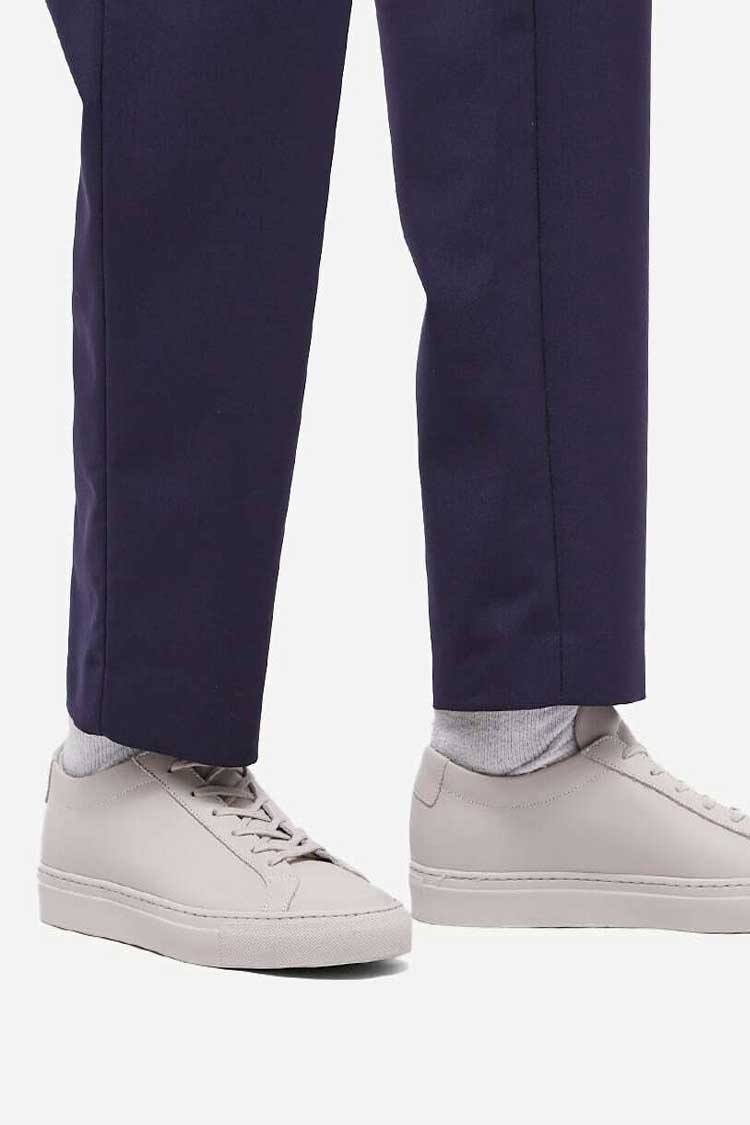
Plain leather trainers like these suit the Old Money aesthetic because they carry little branding.
Berluti’s Playtime trainer uses the brand’s hand-coloured leather for a more distinctive finish.
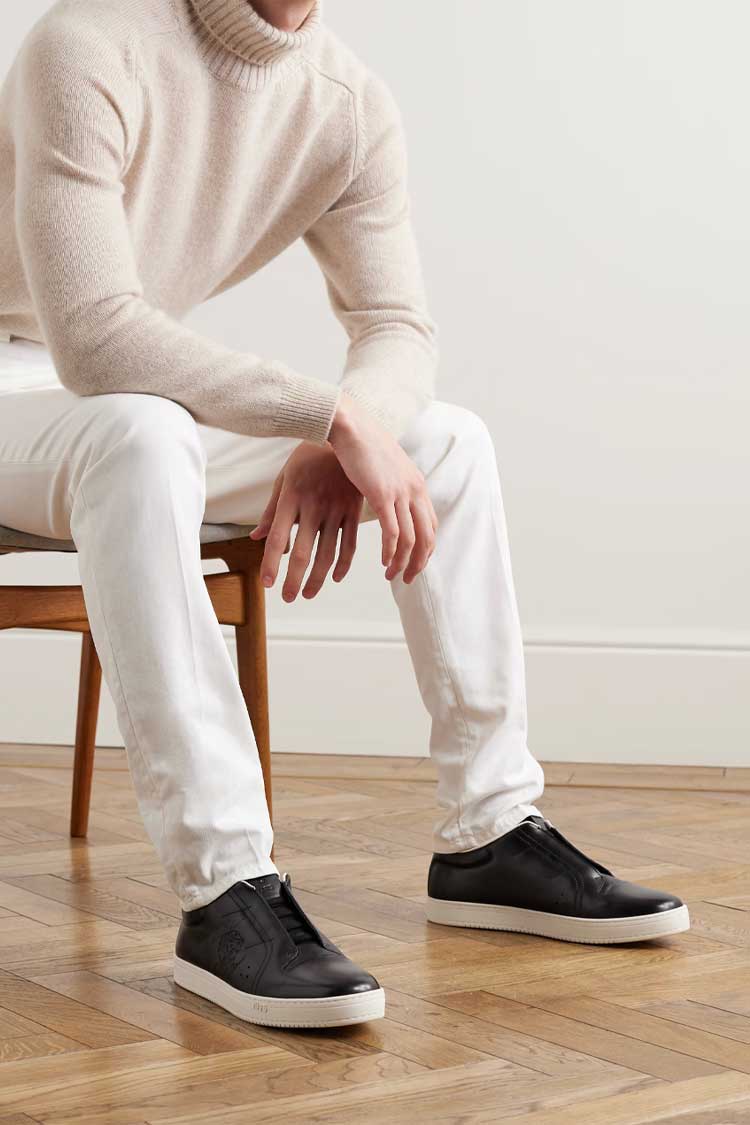
Wear leather trainers with turned-up chinos and a cashmere jumper at weekends, or with tailored trousers and an unstructured blazer for business casual.
Knitted trainers
For a relaxed, sporty outfit, knitted trainers such as Loro Piana’s 360 Flexy Walk are light and flexible.
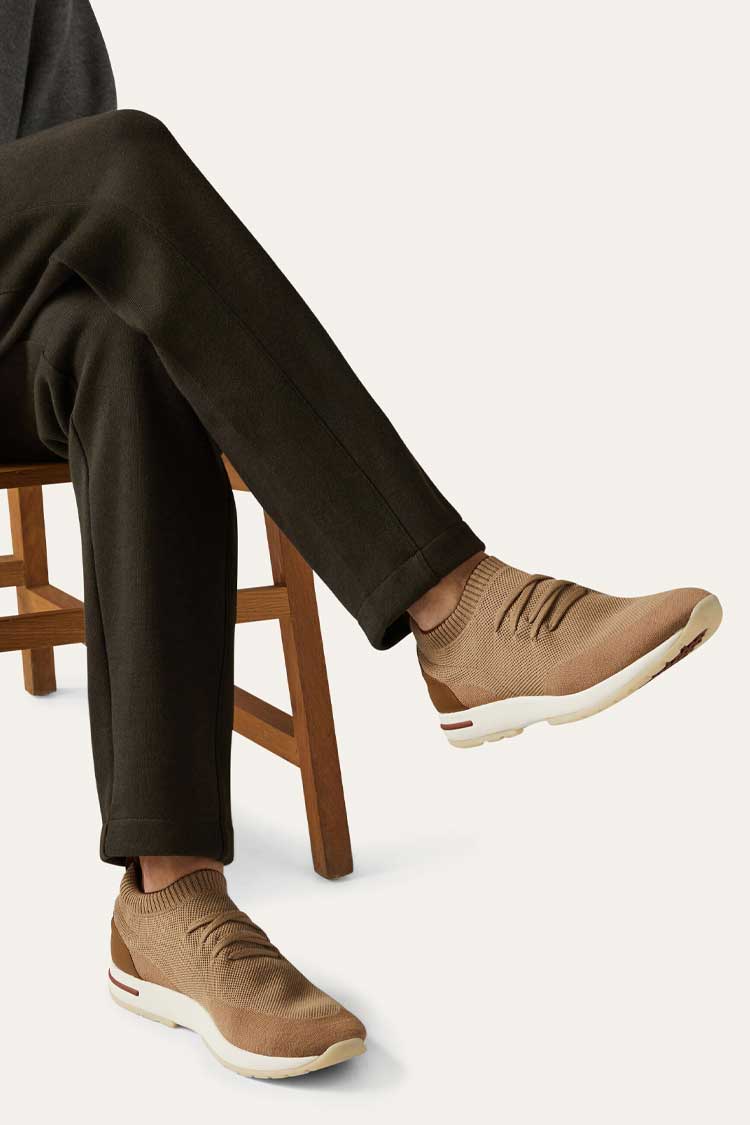
They fit the low-branding approach of quiet luxury.
Monk-strap shoes
For smarter occasions, double monk-strap shoes are an alternative to Oxfords or brogues.
They are slightly less formal than a plain Oxford but smart enough for suits and tailored separates.
John Lobb‘s William II, in dark brown, is a well-known double monk; our article asks whether John Lobb shoes are worth the price.
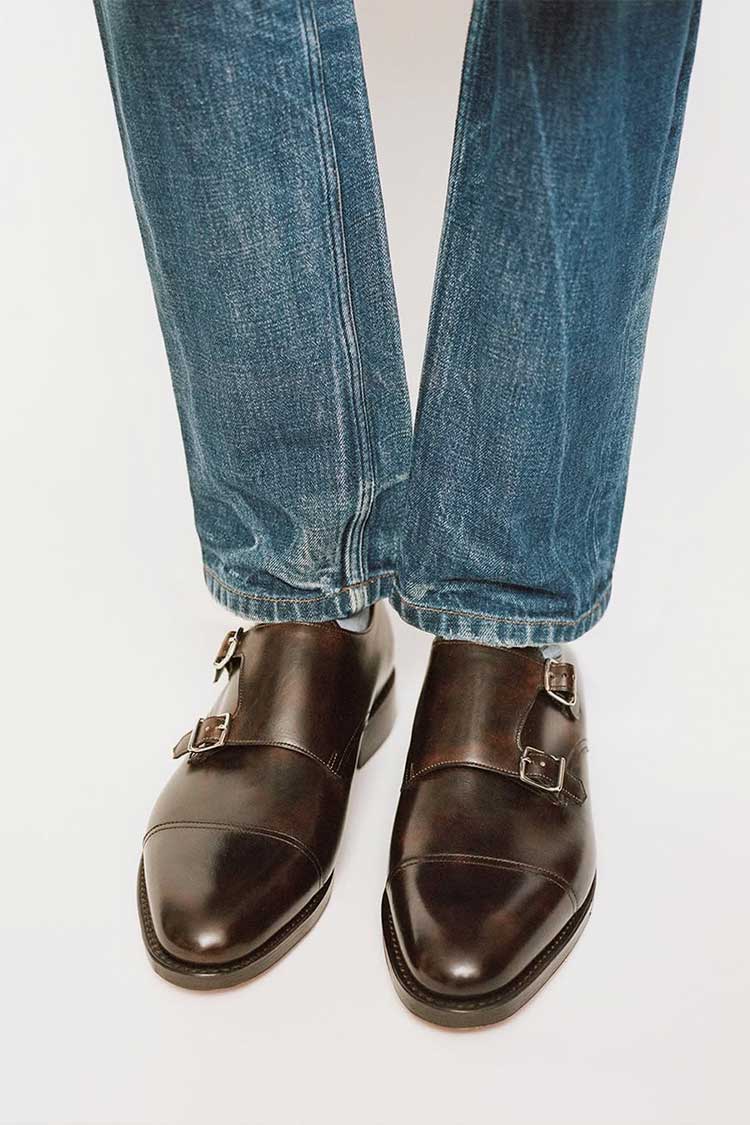
Crockett & Jones’s Lowndes, in dark brown antique calf, has a slightly longer toe and a slimmer shape.
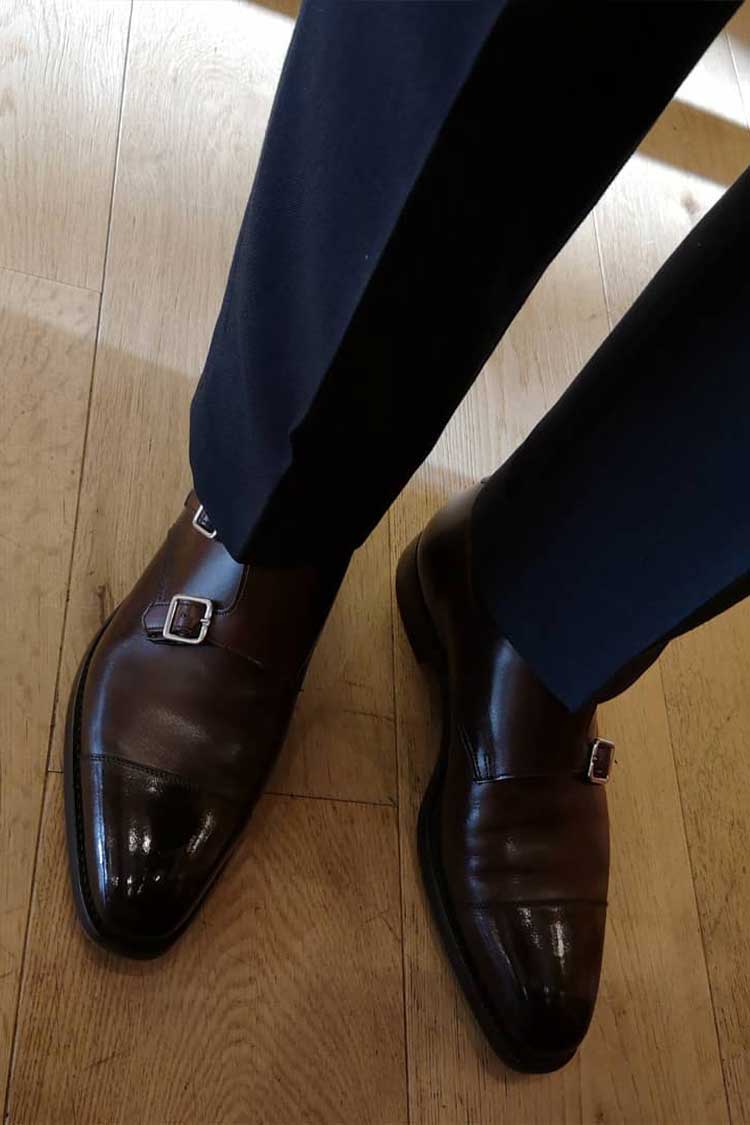
Trousers with turn-ups, for example from Thom Sweeney, sit neatly over monk straps and show the buckles.
Watches
A simple watch suits the look, whether new, second-hand or inherited, and at any price.
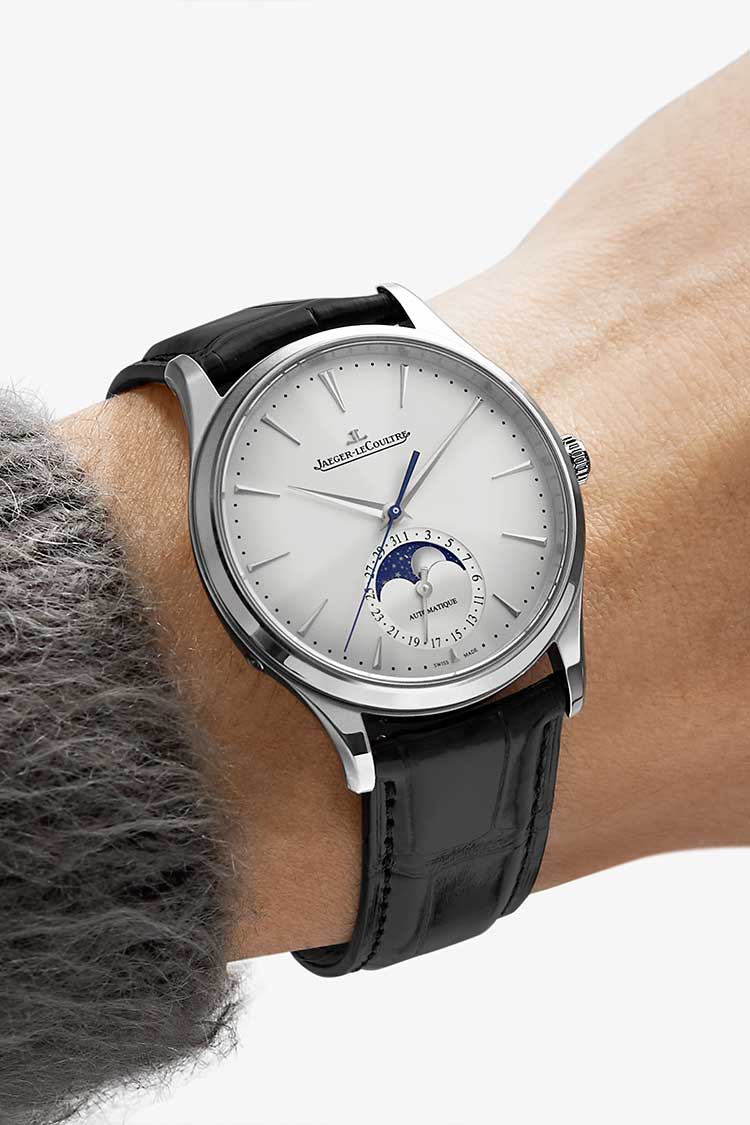
Thin dress watches slip under a shirt cuff, and plain dials stay readable and versatile.
At the top of the market, examples include A. Lange & Söhne’s Saxonia Thin, Vacheron Constantin’s Overseas and Jaeger-LeCoultre’s Master Ultra Thin Moon.
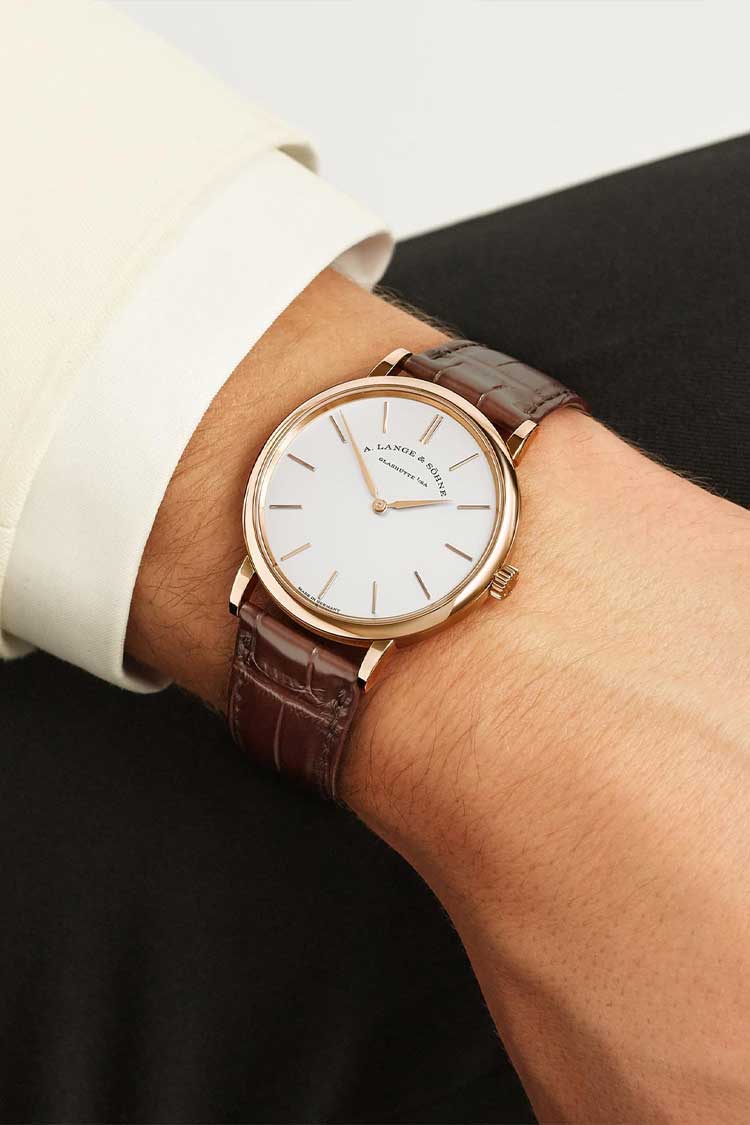
Plenty of less expensive watches share the same plain design, slim case and leather strap.
Leather goods
Leather bags and small leather goods can last for many years with care.
Frank Clegg Leatherworks makes leather bags by hand in Massachusetts, such as a chestnut travel duffle.
Valextra’s Iside briefcase is known for clean lines and the brand’s lacquered edge, called costa.
For small leather goods, a cross-grain leather card case, for example from Smythson, is practical and plain.
Other accessories
Choose accessories you will use every day: plain headphones, a slim card holder, durable luggage and glasses that suit your face.
Examples sometimes linked with the look include Bang & Olufsen headphones, Goyard’s Saint Sulpice card holder, Rimowa’s aluminium suitcases and Tom Ford optical frames, though Goyard’s chevron pattern and Tom Ford’s T logo are recognisable branding.
How to dress in modern Old Money style
Putting together a modern Old Money outfit is about adapting the principles to your own style and routine rather than following strict rules.
Here are outfits for several occasions.
Casual
Start with a navy and white Breton top for a nautical feel.
Pair it with tailored shorts in a faded red, a nod to Nantucket Reds, long associated with East Coast summers.
Choose brown leather boat shoes.
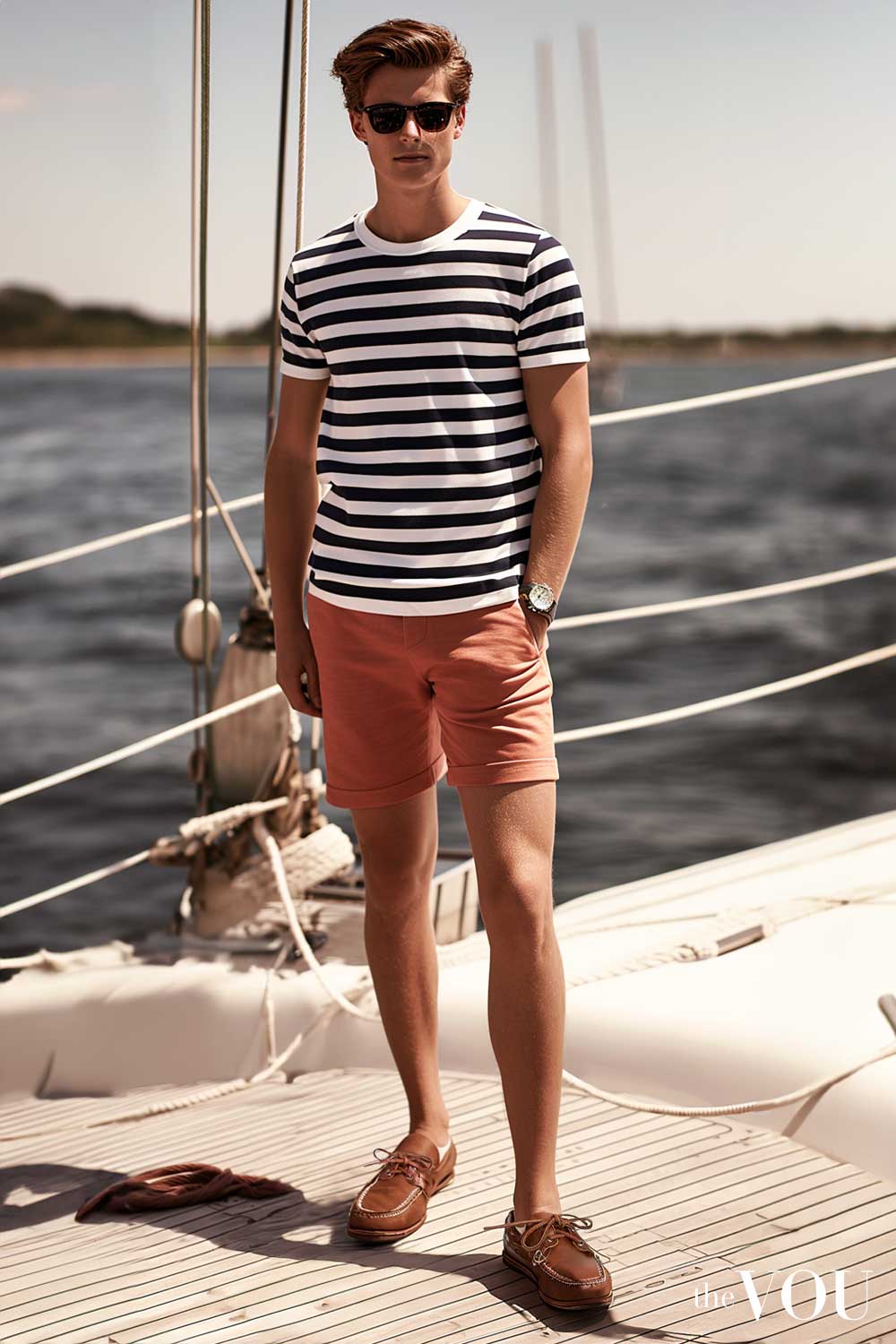
Boat shoes look good slightly worn in, so there is no need to keep them pristine.
Add a navy canvas belt with a D-ring buckle and, as the evening cools, a cream cable-knit jumper over your shoulders.
Tortoiseshell sunglasses and a watch on a striped nylon strap finish the outfit.
Wear: a navy and white Breton top, faded red shorts, brown leather boat shoes, a navy canvas belt and a cream cable-knit jumper.
Business casual
Start with a white Oxford button-down shirt in a comfortable weight that tucks in neatly.
Pair it with charcoal wool trousers with a slight break over the shoes.
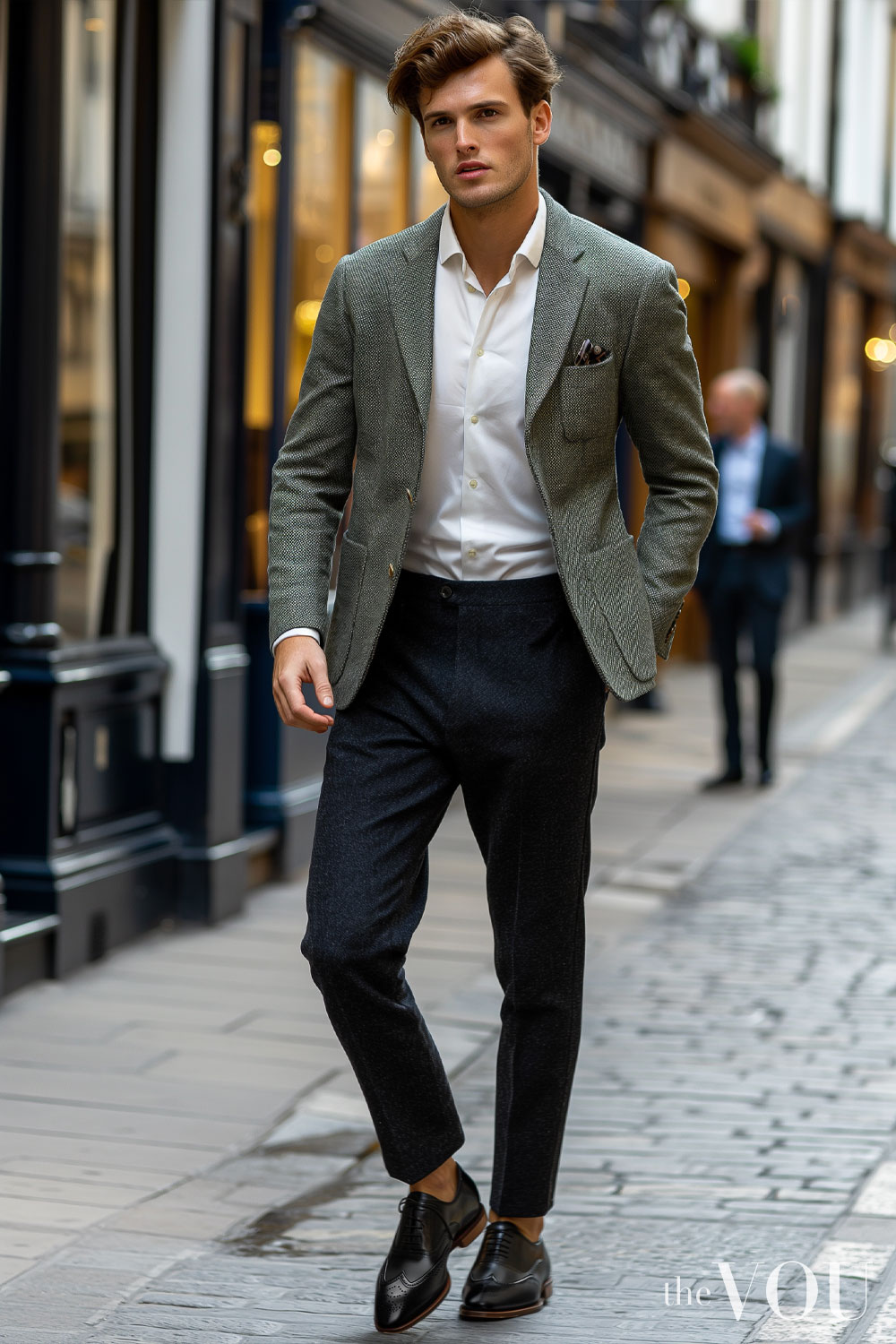
Add a single-breasted navy blazer with a natural shoulder and light padding; metal or horn buttons both work.
The jacket should sit close to your shoulders without pulling at the button.
Choose burgundy penny loafers and a belt in a similar shade.
Add a silk pocket square in blue and burgundy, a dress watch on a brown leather strap and, if you wear them, tortoiseshell glasses.
Wear: a navy blazer, a white Oxford button-down, charcoal wool trousers, burgundy penny loafers and a burgundy belt.
Formal
For an important business meeting or a formal daytime event, a double-breasted suit in navy or charcoal worsted wool is a strong choice.
Fine cloths such as Super 120s or 150s feel smooth; the number describes how fine the fibre is, not how long the cloth will last.
The suit should fit cleanly at the shoulders and waist, with trousers that fall to a slight break.
Choose lapels in proportion to the jacket, and wear a white shirt with a moderate spread collar and double cuffs.
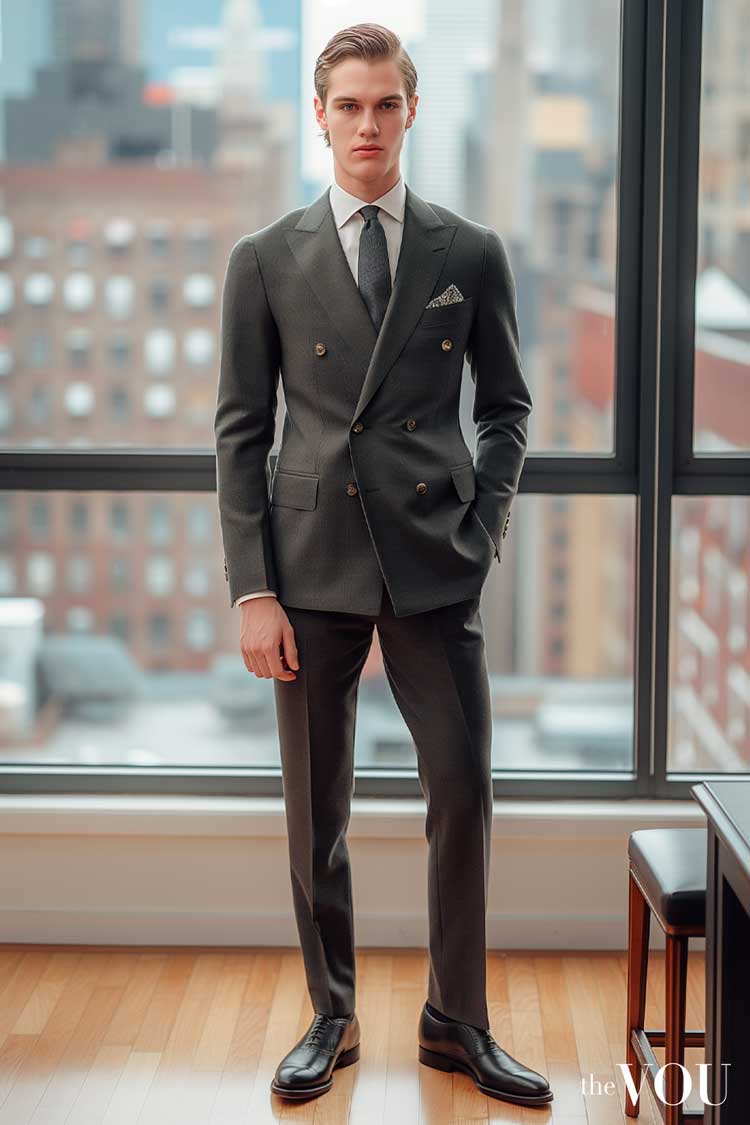
About a quarter to half an inch (roughly half a centimetre to a centimetre) of shirt cuff should show below the jacket sleeve.
A burgundy and navy repp-striped silk tie in a four-in-hand knot suits the outfit.
Choose polished black cap-toe Oxfords.
Add a white linen pocket square in a straight fold, simple gold or silver cufflinks and a thin dress watch on a black leather strap.
Wear: a navy double-breasted worsted suit, a white double-cuff shirt, a burgundy and navy repp tie, black cap-toe Oxfords and a white pocket square.
Modern black tie
The dinner suit has changed a little in recent years, with slimmer cuts and slightly shorter jackets.
Tom Ford’s O’Connor dinner suit, with grosgrain peak lapels and a single button, is one example of a slimmer modern shape.
Thom Browne’s barathea dinner suit has a shorter jacket and tapered trousers for a more fashion-led look.
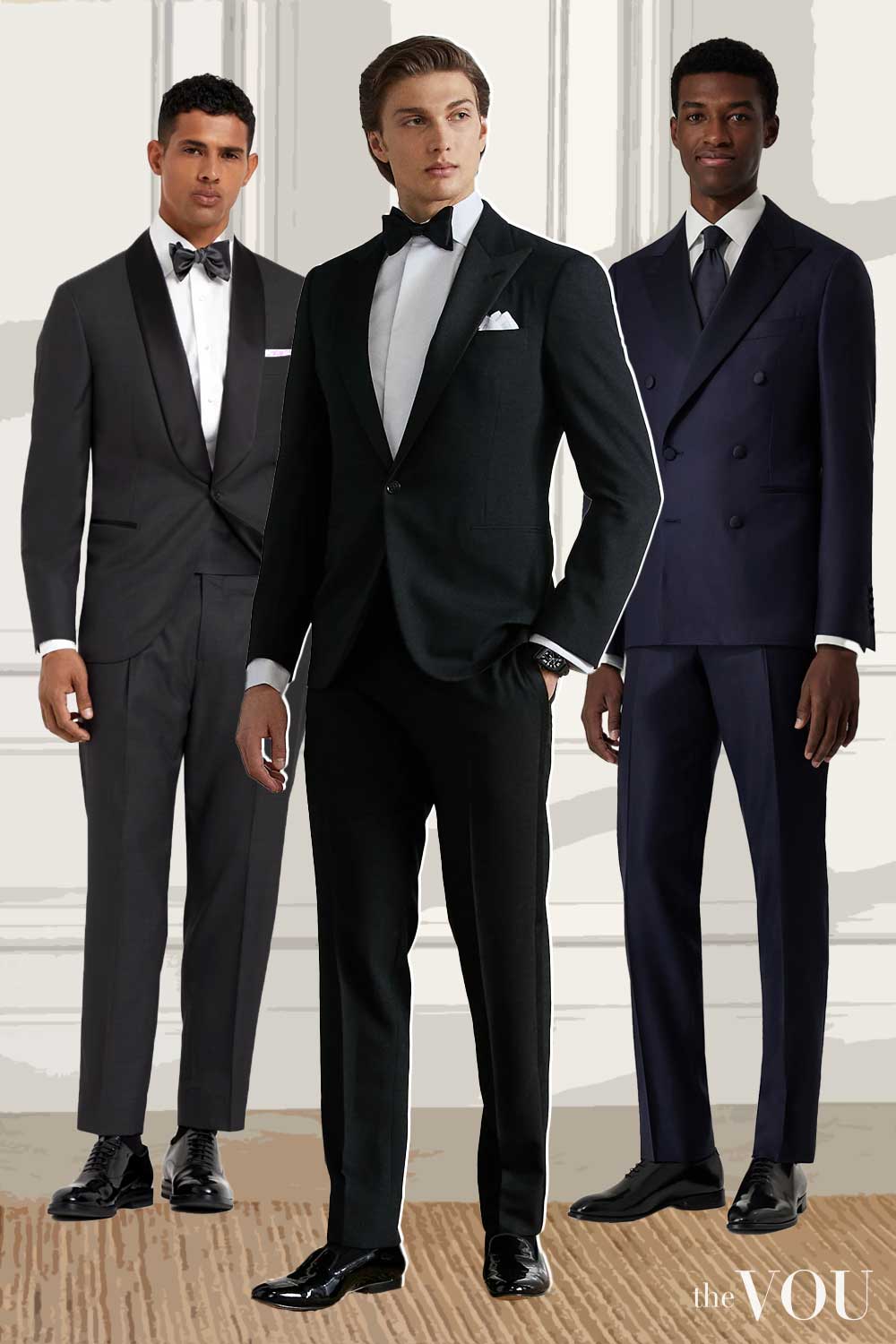
Pair either with a white marcella bib-front dress shirt, for example from Turnbull & Asser.
Patent leather Oxfords, for example from John Lobb, suit a modern dinner suit.
A self-tied black silk bow tie is traditional, and a pre-tied version, for example in black grosgrain from Ralph Lauren Purple Label, is an easier alternative.
Cufflinks with a little colour, such as rose gold with black stones, add a personal touch.
Wear: a black or midnight blue dinner suit with peak lapels, a white bib-front shirt, a black silk bow tie and black patent Oxfords.
Coloured and patterned dinner jackets
Modern black tie allows more personal expression through colour and texture.
A burgundy velvet dinner jacket, such as Tom Ford’s Atticus, is a rich alternative to black.
A midnight blue jacket in wool and silk, for example from Brunello Cucinelli, looks almost black in low light and blue in brighter light.
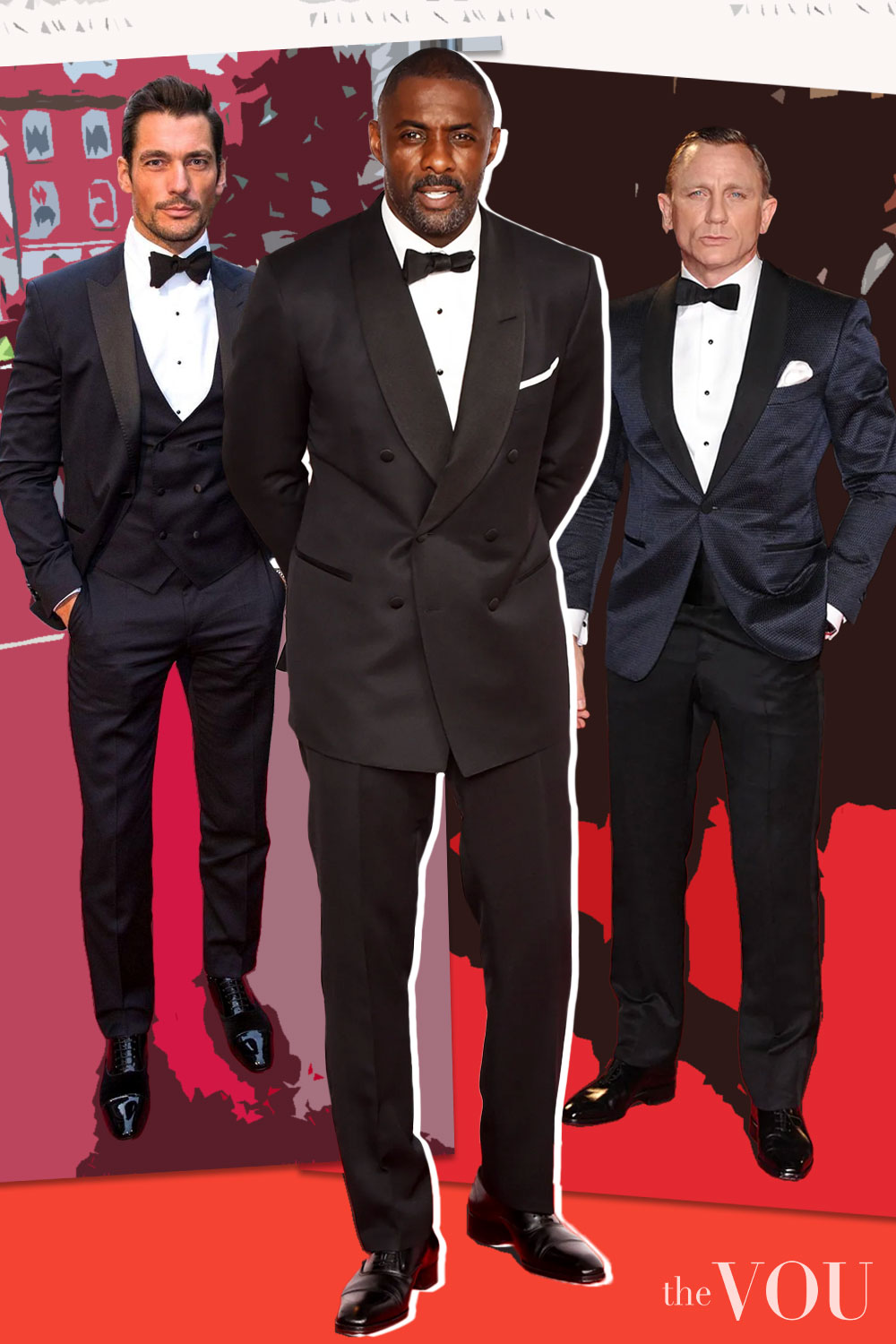
A cream double-breasted dinner jacket with a shawl collar, for example from Kingsman, suits summer events and warm climates.
Pair these jackets with black dinner trousers, a white shirt and patent shoes to keep within the black tie dress code.
White tie
White tie is the most formal evening dress code and is now rare, mostly worn at state banquets and some formal balls.
The black tailcoat is the centre of the outfit, and a bespoke tailor such as Huntsman can cut one to your measurements.
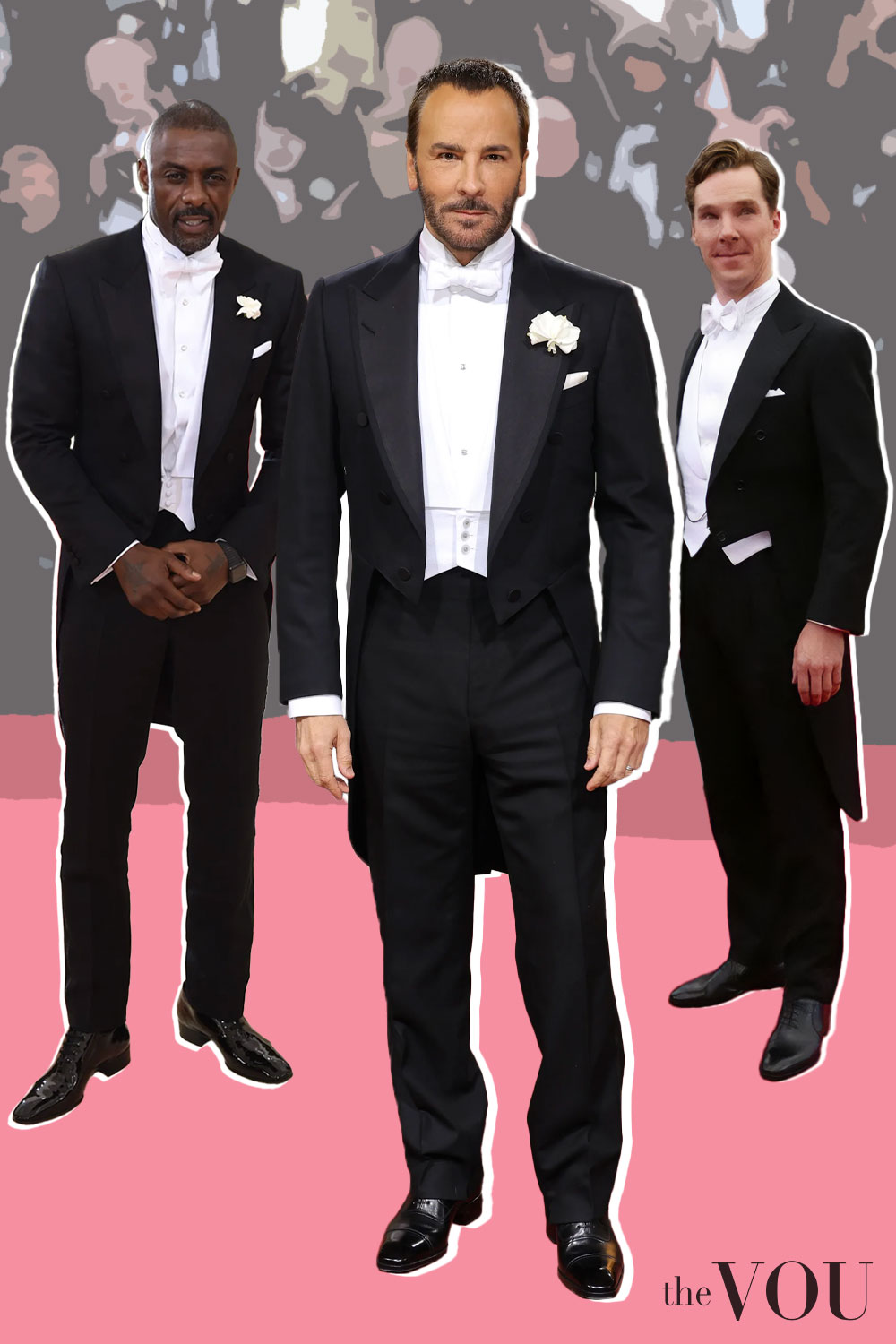
Beneath it, wear a stiff-fronted marcella dress shirt with a wing collar, for example from Budd Shirtmakers.
A white marcella waistcoat that does not show below the front of the coat, and black trousers with a higher rise, for example from Favourbrook, complete the tailoring.
Patent leather pumps with silk bows are the traditional shoes.
Wear: a black tailcoat, a white marcella waistcoat, a stiff-fronted wing-collar shirt, a white piqué bow tie, black braided trousers and patent pumps.
Morning dress
Morning dress is worn at some formal daytime events, such as traditional weddings and certain race meetings.
The morning coat, usually black or grey, is the defining garment, and many people hire one rather than buy.
Pair it with grey striped trousers, for example from New & Lingwood, and a waistcoat in buff, grey or another quiet colour, for example from Favourbrook.
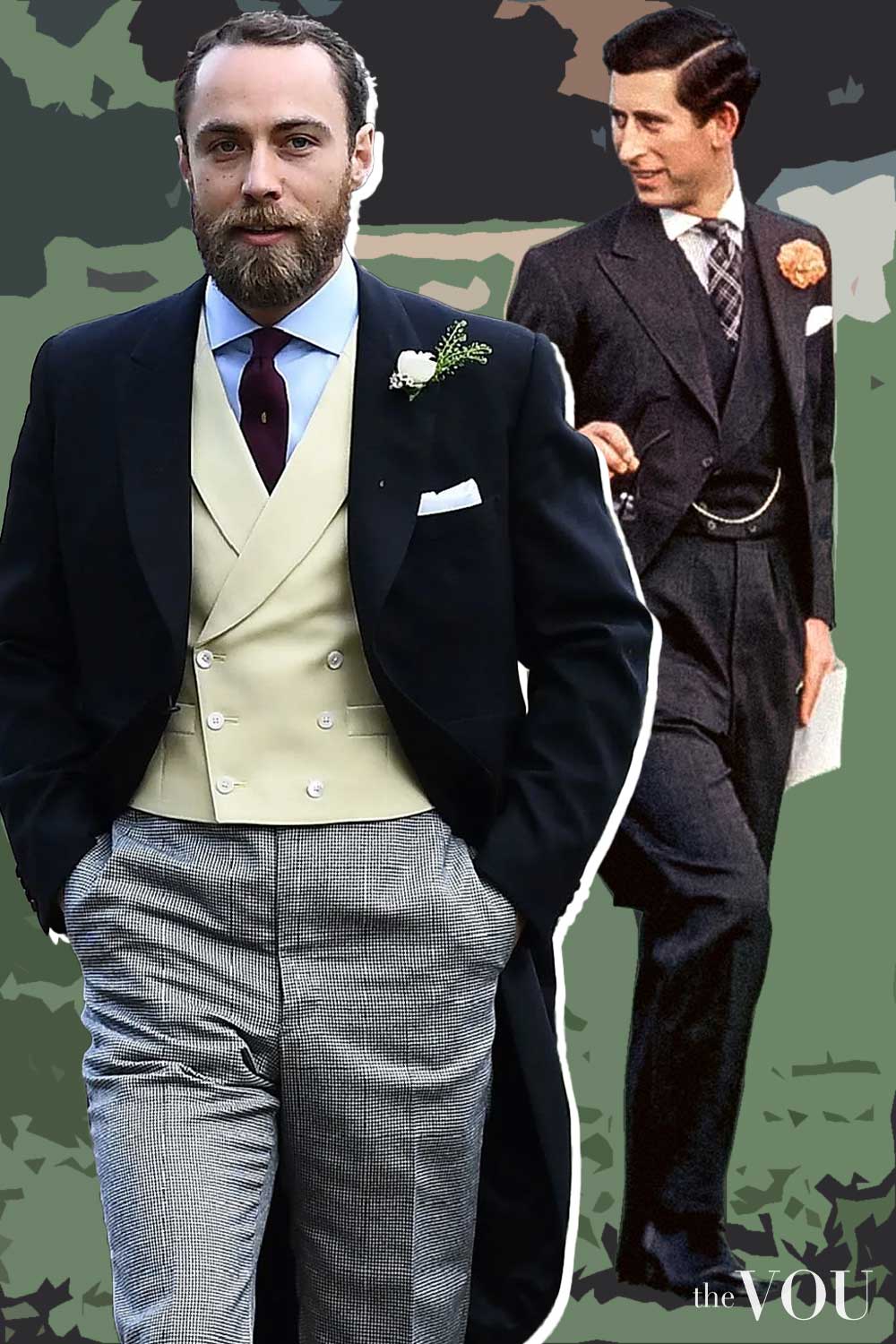
A white or pale double-cuff shirt, for example from Turnbull & Asser, and a silk tie in a small pattern complete the outfit.
Black Oxfords, for example Church’s Dubai, are the usual shoes, and a grey top hat is worn only where the event calls for one.
Wear: a black morning coat, grey striped trousers, a buff waistcoat, a white double-cuff shirt, a silk tie and black Oxfords.
Modern fabrics in formal wear
Newer cloths make formal wear more comfortable.
Zegna’s Trofeo wool, for example, is used in tailoring for its stretch and crease recovery.
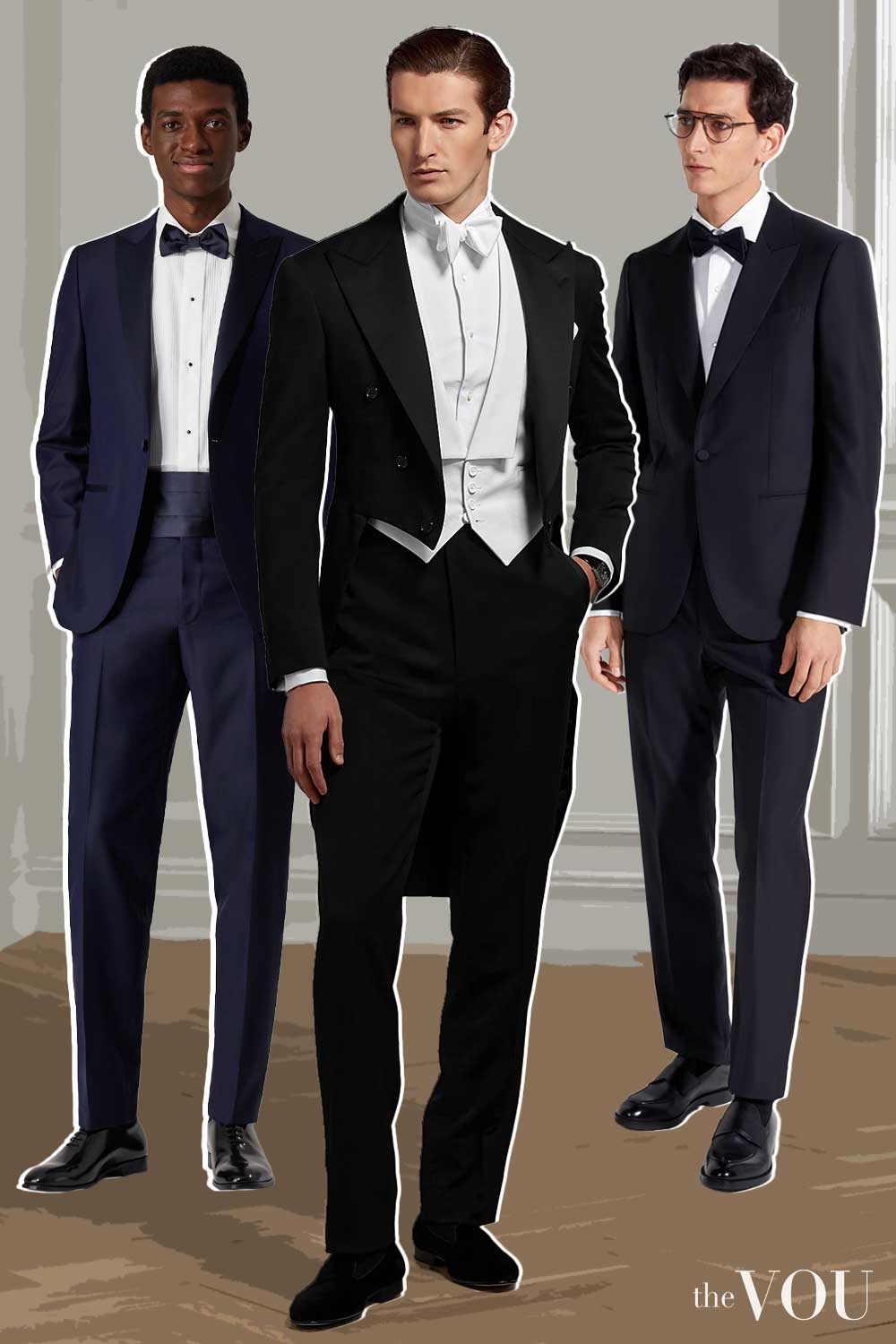
For warm climates, silk and wool blends are light and breathable.
Small personal touches, such as engraved cufflinks or silk braces, add character without breaking the dress code.
Modern Old Money style do’s and don’ts
People adopting the look often meet the same challenges.
Do
Shop thrift and vintage shops.
Not everyone inherits a wardrobe or can afford expensive brands, and second-hand shops often stock classic tailoring and knitwear.
Look for good cloth, solid construction and classic shapes, and buy by measurements.
Adapt the look to your climate.
The traditional version has roots in New England and Britain and can be impractical elsewhere, so in hot, humid places choose lighter cloths and looser cuts, such as linen suits and breathable cotton.
Have ready-made clothes altered.
A modestly priced suit altered to fit usually looks better than an expensive one that does not fit.
Don’t
Don’t sacrifice comfort.
Avoid shoes that pinch, trousers that are too tight and jackets that restrict movement.
Don’t overdo the preppy look.
Wearing a cricket jumper, boat shoes and a polo shirt all at once can look like a costume, so choose one or two.
Don’t copy proportions from photographs.
Fashion images often show one body type, so choose the silhouette you like, whether closer or fuller, and have it fitted to you; a good tailor can help.
Don’t feel pressured to buy expensive brands.
Focus on cloth, fit and style rather than the label.
Don’t lose your personal style.
Following every convention too closely can look generic, so add a little sprezzatura: a favourite colour, an unusual accessory or a modern twist on a classic garment.
Conclusion
Modern Old Money style is a way of dressing, not a lifestyle or a statement about money.
It means choosing well-made clothes, respecting the dress code of the occasion and keeping branding quiet.
Build your wardrobe slowly, focus on fit and cloth, and look after what you buy.
Small details, such as a hand-finished buttonhole, soft leather or well-cut trousers, make clothes pleasant to wear, but you do not need them to look good.
Styling help from The VOU
None of these tools is needed to wear the outfits above, but some readers like extra help when choosing clothes.
You can read about choosing an image consultant and what an image consultant does.
Our guides to dressing for your body shape and seasonal colour analysis explain two optional frameworks for thinking about proportion and colour in clothing.
For dressing to the setting, see styling by occasion, location, season and time of day, and our explainers on garments, fashion accessories and heritage luxury brands.
If you would like to explore, take our three quizzes.
1. Check your body shape
Our guide to menswear silhouettes explains the shapes clothes can make, and you can check your body shape with our body shape quiz for men.
2. Find your seasonal colours
If you want an initial prompt for comparing the colours in your outfits, read about the seasonal colour palette or take our seasonal colour quiz for men, and keep any result provisional.
3. Take the fashion style quiz
Our fashion style guide explains personal and historic styles, and our fashion style quiz for men suggests styles, outfit ideas and brands that match what you like wearing.
Book a consultation for personal help
If you would like personal help after the three quizzes, The VOU’s image consultants and fashion stylists offer paid consultations through our styling services for men.
Our article on how logo-heavy luxury designs come across and our personal style guide are useful background, and you can contact us with questions.