
Start here
What’s This About
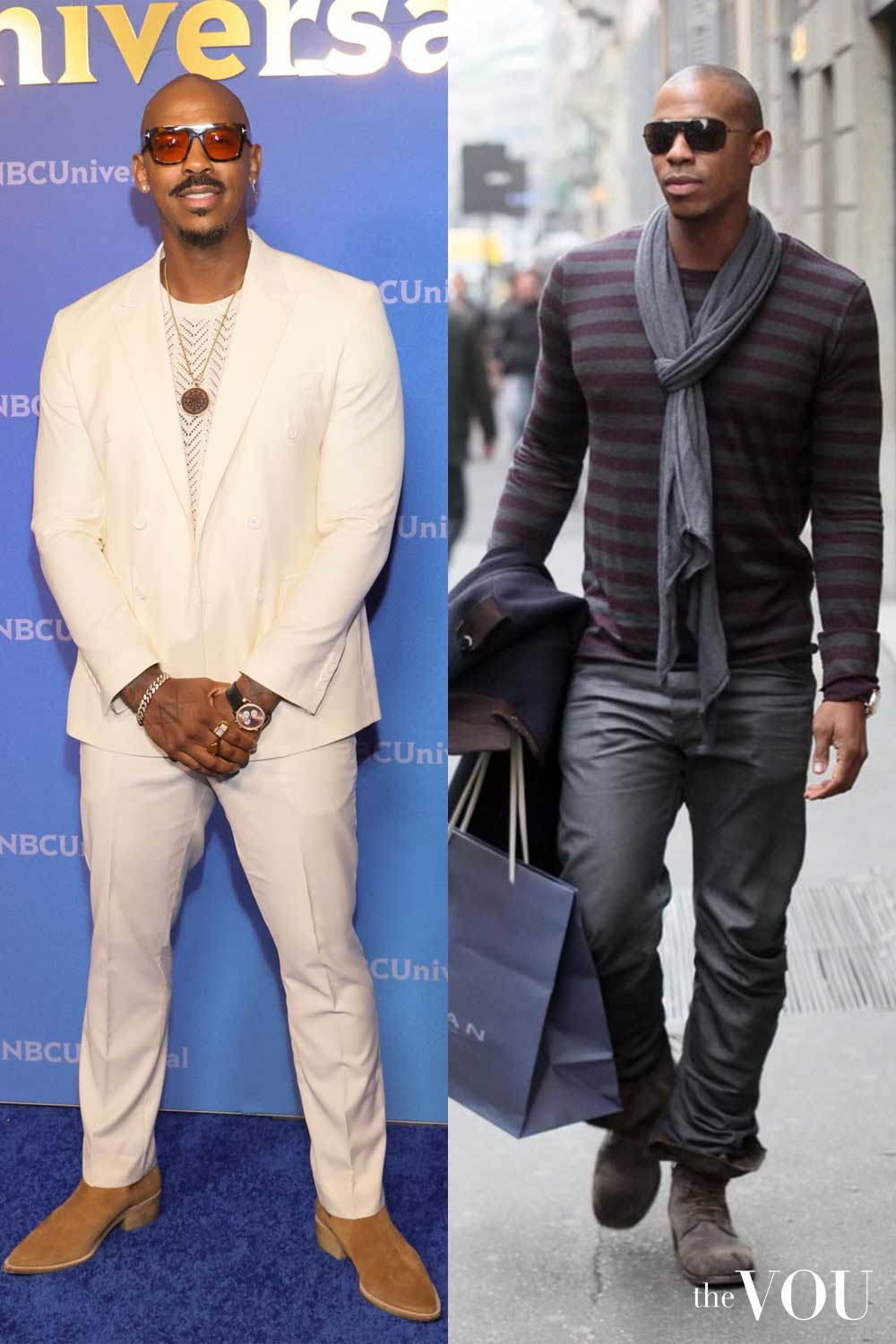
A trapezoid outline with True/Warm Spring colouring works with many classic cuts and light structure, worn in the clear, warm colours of the True Spring palette.
This guide puts the two together with practical choices, such as:
how the trapezoid description compares with the other six body shapes
fit checks for shirts, knitwear, jackets and trousers
True Spring colours for suits, shirts, shoes and accessories
outfit ideas for business, weekends, seasons and evenings
and many more!
Every suggestion is an option to compare in a mirror, not a rule.
Key Points
01Trapezoid describes shoulders that look a little wider than the hips, with a gentle taper between them; it is not an ideal body or a measure of fitness.
02Fit comes first: shirts and jackets should fasten without pulling and let you move, and trousers should sit where you want them standing and seated.
03Light shoulder padding and gentle waist shaping follow the outline; how much structure you add is a style choice.
04The colour suggestions use the clear, warm shades of the True Spring palette, with golden undertones.
The trapezoid body shape paired with True/Warm Spring colouring gives you a wide range of options for sophisticated dressing.
The outline works with many classic cuts, whatever your personal style, and True Spring guides describe its palette as warm and clear.
A trapezoid outline takes structured tailoring and softer, casual garments equally well, whilst the True Spring palette, usually described as warm and clear, gives you plenty of colour to choose from.
If you are unsure of your body shape or your exact seasonal colour palette, you can take our quizzes:
This guide starts with fit, then shows how to combine your outline with your warm, rich colour palette for work, weekends and evenings.
Understanding the Trapezoid Body Shape for Men
The trapezoid silhouette for men describes shoulders that look a little wider than the hips, with a gentle taper between them.
It describes how the outline reads from the front; it is not an ideal body, it says nothing about fitness or muscle, and it does not depend on any particular measurement.
Because the taper is gentle, many ready-to-wear jackets and shirts fit this outline with only light alteration, which gives you a wide choice of cuts.
The trapezoid sits close to the inverted triangle, which has a more noticeable difference between shoulders and hips; if you are between the two, both guides may help.
The trapezoid is one of seven body shape descriptions The VOU uses, alongside triangle, inverted triangle, rectangle, hourglass, oval and diamond.
Triangle, Inverted Triangle, Rectangle, Trapezoid and Hourglass follow familiar styling usage; Oval and Diamond are described in The VOU’s own words.
True/Warm Spring Seasonal Palette
True/Warm Spring guides describe these colours as clear and warm, with golden undertones.
Treat a seasonal label as a styling convention rather than a measurement, and compare the colours near your face in daylight.
Scroll horizontally to see all columns →
| Colour Category | Signature Hues | Refined Application |
|---|---|---|
| Primary Colours | Golden yellow Warm coral Fresh apple green Clear caramel |
Guides suggest wearing these colours near the face and shoulders, where they are most noticeable. |
| Sophisticated Neutrals | Warm ivory Rich cognac Warm taupe Golden brown |
These form the foundation of your wardrobe: suits, trousers, outerwear and shoes in the warm direction of the palette. |
| Accent Hues | Spring green Warm turquoise Clear peach Bright terracotta |
These colours add highlights, such as ties, pocket squares and knitwear, that stay within your warm palette. |
Essential Wardrobe Architecture
Your outline and warm colouring both shape a good wardrobe: start with garments that fit, then choose them in your palette’s warm colours.
Base Layers
Your base layers require careful consideration as they set the tone for every ensemble.
Consider superfine cotton undershirts in warm ivory, with a cut that follows your frame without pulling.
These undershirts provide a smooth foundation, so outer garments drape cleanly, whilst keeping to the warmth of your palette.
For transitional seasons, we recommend delicate merino base layers in clear peach tones.
These should sit close to the body without compression, their natural elasticity allowing unrestricted movement.
If you wear an open collar, a gentle V-neck stays hidden beneath your dress shirts.
Shirts
Your shirts are an easy place to show your palette’s warmth.
For formal occasions, select twill shirts in warm ivory or clear peach, their construction featuring subtle waist suppression that follows your natural tapering.
Choose collar points in proportion to your face and your jacket lapels; slightly longer points can balance broader shoulders if you like that look.
Business-casual settings allow for greater expression through colour.
Consider Oxford cloth shirts in golden yellow or warm coral.
A moderate taper from chest to waist follows your outline while staying comfortable.
The shoulder seam should sit at the edge of your shoulder, and the shirt should button across the chest without pulling.
Knitwear
Knitwear is a comfortable way to wear the warmth of your colouring.
Fine cashmere sweaters in fresh apple green or clear caramel provide luxury whilst maintaining clean lines.
The fit should skim your torso without clinging, creating a subtle definition that complements your natural shape.
For casual occasions, consider cotton-cashmere blends in warm turquoise or bright terracotta.
Ribbing at the cuffs and hem gives gentle definition without restriction.
The neckline, whether crew or V-neck, should frame your face, in a colour from your warm palette.
Outerwear
Start with fit: a jacket should fasten without pulling, sit cleanly at the shoulder and let you move your arms.
A single-breasted blazer in rich cognac is a versatile choice.
Its construction can follow your natural lines without exaggeration; light shoulder padding is usually enough for this outline, and more structure is a style choice.
Light waist suppression that echoes your existing taper keeps the lines fluid.
For casual sophistication, consider a suede blouson in a warm taupe.
A ribbed waistband that sits at or near your natural waist keeps the blouson neat, and the shoulders should leave room for natural movement.
For autumn and winter, a tailored coat in golden brown wool protects without sacrificing style.
The sleeve head should be set with minimal gathering, creating clean lines that flow naturally from shoulder to cuff.
A length just above the knee is a versatile choice; longer coats add more coverage, so compare both with your height in a mirror.
Trousers
Trousers keep the outfit balanced against your slightly wider shoulders.
Formal trousers in warm taupe wool with a moderate rise are a versatile choice.
Rise labels vary between makers, so check where the waistband actually sits when you stand and when you sit; at or near the natural waist is common, but where it sits is a preference rather than a rule.
We suggest a gentle taper from thigh to ankle, with enough room to balance your shoulders; a straight leg is equally valid.
Summer brings opportunities for lighter options.
Cotton gabardine trousers in warm ivory offer sophistication with comfort.
These should maintain similar proportions to your wool trousers, with perhaps a slightly fuller cut through the thigh for ease of movement.
A small break or none keeps the lines clean; compare the trousers with the shoes you will wear them with.
Ideal Outfits for You
Your combination of trapezoid frame and True/Warm Spring colouring offers exceptional possibilities for creating sophisticated ensembles.
The aim is to combine clean, well-fitting cuts with the warmth of your palette.
Professional Attire
For formal business occasions, begin with a tailored suit in rich cognac worsted wool.
The jacket should feature natural shoulders and subtle waist suppression that follows your outline.
Beneath, a warm ivory twill shirt provides a sophisticated foundation, its collar proportioned to create harmony with your jacket lapels.
Introduce depth through a silk tie in fresh apple green or warm coral, its width in proportion to your lapels.
A neat four-in-hand knot sits well within most collars.
Dark brown Oxford shoes, burnished to a rich patina, refine the ensemble.
Business Casual Outfit
When formality permits greater flexibility, consider pairing warm taupe tropical wool trousers with a golden yellow oxford cloth shirt.
The shirt should rest naturally beneath an unstructured jacket in clear caramel.
This combination shows off your warm colouring while keeping a professional look.
Suede loafers in rich cognac provide a sophisticated foundation, whilst a textured pocket square in bright terracotta adds studied interest.
A rose gold watch with a warm ivory dial suits this outfit without dominating it.
Weekend Outfits
For casual occasions, embrace the depth of your palette through a fine merino jumper in warm turquoise.
Layer this over a warm ivory t-shirt that follows your frame without clinging.
Well-tailored denim in a warm rinse provides sophisticated foundation, its depth complementing the warmer colours in the outfit.
Suede chukka boots in golden brown offer refined casualness whilst maintaining your palette’s warmth.
A woven leather belt in rich cognac and a rose gold chronograph complete the ensemble with understated sophistication.
Casual Attire
Weekend dressing benefits from the same attention to fit as formal wear.
Consider selvedge denim in a warm rinse, cut generously through the thigh before tapering elegantly to the ankle.
A rise similar to your formal trousers keeps your proportions consistent across your wardrobe.
For warmer months, tailored shorts in clear peach deserve consideration.
A length a little above the knee is a common choice, though shorter and longer lengths are a matter of preference; their fit follows the same principles as your full-length trousers.
Choose a leg opening with enough room for comfort that still keeps clean lines.
Extra Styling Considerations
Styling By Season
Each season gives you new ways to wear your colouring.
Autumn dressing allows for sophisticated layering without compromising your warm palette.
Consider a fine cashmere gilet in clear caramel beneath your blazer, providing warmth whilst maintaining your silhouette’s clean lines.
Winter calls for heavier cloth.
A single-breasted overcoat in golden brown, tailored to your proportions, is a useful choice.
A natural shoulder and a gentle line through the waist suit this outline without looking constrained.
Summer calls for lighter cloth.
Unstructured jackets in lightweight tropical wool, coloured in warm ivory, allow your frame to breathe whilst maintaining elegance.
The cloth should possess enough substance to hold its shape gracefully throughout the day.
Styling in the Evening
Formal occasions are a chance to bring your warm colouring into evening wear.
Black remains the traditional dinner jacket colour and is always correct for black tie.
Midnight blue is the other traditional choice; consider a dinner suit in rich midnight blue, its mohair blend providing a subtle sheen.
Peak lapels are a classic choice for evening wear; choose a lapel width in proportion to your chest and shoulders rather than to a fixed figure.
Your dress shirt warrants careful selection.
A white marcella bib front is the black-tie convention; warm ivory is a softer option where the dress code allows.
The marcella texture adds interest without disturbing clean lines.
Rose gold dress set accessories provide refined warmth.
Practical Considerations
Pattern is an option to compare.
Many men prefer patterns that add interest without dominating, and a bolder pattern in palette colours is also worth trying in a mirror.
A subtle glen check in warm taupe adds interest in one of your palette neutrals.
For casual settings, balancing comfort and elegance comes down to good fabric and good fit.
A well-cut polo shirt in fresh apple green proves more effective than one with unnecessary embellishment.
Conclusion
A trapezoid outline and True/Warm Spring colouring give you plenty of options.
Start with fit, then decide how much structure you want; light padding and gentle waist shaping follow the outline without exaggerating it.
Remember that the trapezoid body shape guide covers the outline in more depth, for formal and casual clothes alike.
Use your warm, clear colours where you want attention, and let neutrals such as warm ivory, taupe and cognac carry the rest of the outfit.
Built this way, your garments are easier to combine, so most of your wardrobe works together.
Style Like a True Gentleman
Before we say goodbye, fit does most of the work, whether or not you ever work with image consultants.
Professional styling starts with getting the fit right and choosing clothes that suit the occasion; knowing your body shape and seasonal colour palette can make the choosing quicker.
Our guides also cover styling by occasion, location, season and time of day, garments, footwear, accessories and heritage fashion brands.
Take our three quizzes, then book a consultation if you would like personal help:
1. Find Your Body Shape
Different garments suit different silhouettes.
To compare your outline with the seven body shape descriptions, take our body shape quiz for men.
2. Find Your Seasonal Colours
The garments in your outfits come in many colours.
To see which seasonal colour palette may suit you, take our seasonal colour quiz for men.
3. Find Your Fashion Style
To explore your personal fashion style, take our fashion style quiz for men; it suggests styles, outfit ideas and brands to explore.
Book a Consultation with The VOU
For personal help, you can book paid consultations with our image consultants and fashion stylists.
Our styling services for men page lists the paid consultations.
Wearing luxury brands is not enough on its own; how your clothes fit and suit the occasion matters more, and our personal style guide covers the rest.
For more on labels, see our guide to logo-heavy luxury brands and how to wear them.
Contact us if you would like to book a consultation.
More from The VOU: about The VOU and its team.