
Quick Answer
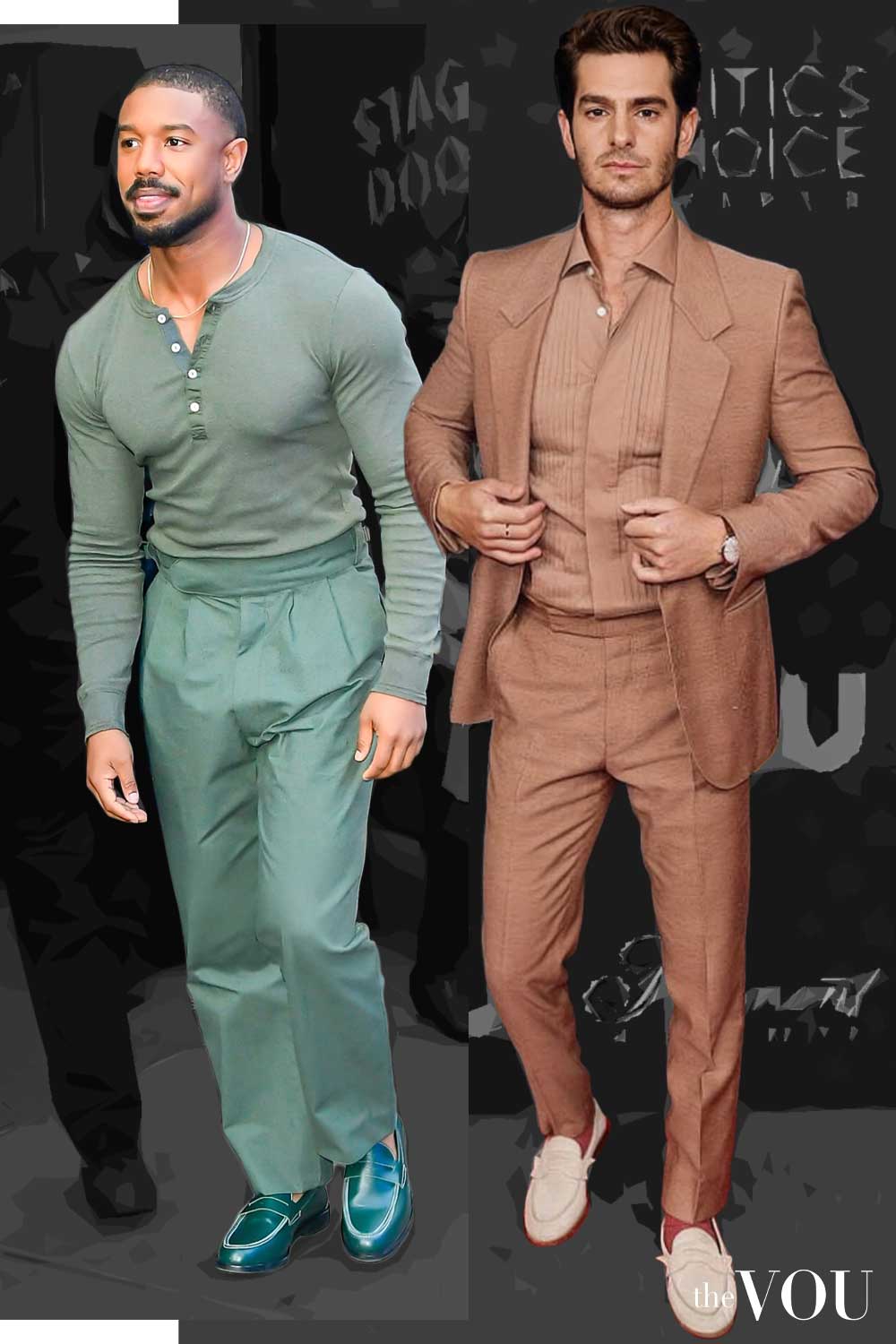
Monochrome dress codes involve wearing different shades and textures of a single colour throughout entire outfits. Create sophisticated monochrome ensembles by combining at least three varying intensities within one colour family – pair cashmere jumpers with wool trousers and suede shoes in different brown tones, or match navy leather belts with steel blue ties and powder blue pocket squares. Use textural contrasts like matte wool trousers with lustrous silk shirts and polished leather shoes in black. Avoid matching exact shades or introducing multiple colours, even in small doses. For formal occasions, layer midnight blue suits with powder blue shirts and steel blue ties, whilst for weekend looks, combine stone chinos with ivory cable-knits and light grey suede loafers.
Key Points to Remember
- Different body types require specific monochrome approaches – shorter men benefit from consistent shade progression, whilst taller men should break up outfits with subtle variations
- Seasons influence shade selection – summer suits lighter variations like stone and cream, winter welcomes deeper tones like burgundy and forest green
- White accessories provide visual relief without disrupting the monochrome aesthetic
- Patterns within the same colour family enhance rather than detract from monochrome styling
Want to learn more? Continue reading the full article below ↓
The monochrome dress code has become increasingly popular among style-conscious men seeking a sophisticated and cohesive wardrobe approach.
Understanding monochrome dressing unlocks a world of refined style possibilities, from creating elongating silhouettes to mastering the art of tonal dressing.
Let’s explore the precise definition, rules, and execution of monochromatic dressing to elevate your style game.
Monochrome Fashion Explained
Monochromatic dressing involves wearing different shades and tones of a single colour throughout an entire outfit.
A monochromatic outfit incorporates varying intensities of one colour, from pale to deep variations within the same colour family.
The word ‘monochrome’ derives from the Greek words ‘mono’ (meaning one) and ‘chroma’ (meaning colour), establishing the foundation of single-colour dressing.
Monochrome vs Single-Colour Dressing Differences
While it might sound similar, single-colour dressing is not the same as monochrome.
Monochrome dressing requires the interplay of different intensities within one colour spectrum, such as a pale grey suit with a charcoal roll neck and slate grey shoes.
On the other hand, single-colour dressing uses the exact same shade repeated throughout an outfit, lacking the depth and sophistication of proper monochrome styling.
However, monochrome dressing encompasses sophisticated implementations of a single shade through textural contrast.
An all-black ensemble can achieve monochrome status through a thoughtful combination of textures and finishes – pairing matte wool trousers with a lustrous silk shirt and polished leather shoes.
The sophistication of monochrome lies in creating depth through either tonal variation, textural contrast, or both – exemplified by Yohji Yamamoto’s masterful manipulation of black-on-black designs.
The Role of White and Neutrals in Monochrome
White exists in multiple shades – pure white, ivory, cream, and bone all work together in white monochrome ensembles.
Breaking a monochrome outfit with white accessories can provide visual relief without disrupting the overall aesthetic.
Grey serves as an excellent base for monochrome experimentation, offering perhaps the widest range of readily available shades in menswear.
How to Create a Proper Monochrome Outfit
Start with a base colour and identify at least three shades within the chosen colour family.
Incorporate texture variations to add visual interest – a cashmere jumper paired with wool trousers and suede shoes in varying shades of brown creates depth while maintaining the monochrome theme.
Use accessories thoughtfully – a navy leather belt, steel blue tie, and powder blue pocket square can unite different blue tones in a sophisticated manner.
Monochrome for Different Body Shapes
If you are Tall, break up monochrome outfits with subtle shade variations to avoid an overwhelming column of colour.
On the other hand, shorter men benefit from consistent shade progression to create an unbroken vertical line, adding perceived height.
If you have an athletic build (inverted triangle or trapezoid), you should use lighter shades on the lower body and slightly darker tones on the broader upper body to create better proportions.
However, if you have a pear/triangle body type, opt for darker shades in the lower body while keeping lighter tones up top, helping to minimise the visual width of hips and thighs while drawing attention upward.
Oval/apple body shapes should employ darker shades through the midsection with slightly lighter tones above and below, creating a slimming effect while maintaining the sophistication of monochrome dressing.
Monochrome Across Different Settings
Evening events demand sophisticated monochrome combinations – a black tuxedo jacket with charcoal trousers and an obsidian bow tie creates a refined gradient perfect for black-tie occasions.
Festive celebrations embrace a rich monochrome-deep emerald velvet blazer with forest green trousers and sage silk pocket square, creating a luxurious holiday ensemble.
Business meetings benefit from navy monochrome layering – a midnight blue suit paired with a powder blue shirt and steel blue tie projects authority while maintaining visual interest.
Conservative office environments benefit from subtle shade variations in classic colours like navy, grey, and brown.
Creative industries allow for bolder monochrome experiments with unexpected colours – burgundy corduroy trousers with a wine roll neck and maroon blazer demonstrate artistic flair while maintaining sophistication.
Smart-casual settings welcome earthy monochrome palettes – tobacco chinos with a cognac leather jacket and cream knit to create an elevated yet relaxed aesthetic.
Weekend brunches suit softer monochrome approaches – stone chinos, ivory cable-knit, and light grey suede loafers offer understated elegance.
Beach settings welcome breezy monochrome-sand linen trousers paired with cream cotton shirts and bone canvas espadrilles to create an effortlessly elegant coastal look.
Travel arrangements suit versatile monochrome – varying shades of navy in wrinkle-resistant fabrics ensure sophistication from airport lounge to business dinner.
Adapting Monochrome Across Seasons
Summer monochrome uses lighter variations like stone, cream, and pale blue to create temperature-appropriate ensembles.
Winter welcomes deeper monochrome combinations such as burgundy, forest green, and rich brown tones.
Spring and autumn benefit from medium-intensity shades like sage green, tobacco brown, and steel blue.
Common Mistakes in Monochrome Dressing
Matching exact shades creates a flat, unsophisticated appearance and misses the point of monochromatic dressing.
Neglecting texture in monochrome outfits results in a two-dimensional look that lacks visual interest.
Even in small doses, introducing multiple colours breaks the monochrome effect and should be avoided for true monochromatic styling.
Frequently Asked Questions About Monochrome
Can patterns be incorporated into monochrome outfits?
Yes, patterns working within the same colour family enhance rather than detract from monochrome styling – consider a grey pinstripe suit with a grey herringbone shirt.
Does monochrome work for formal occasions?
Monochrome dressing excels in formal settings, particularly using darker colours like navy or charcoal with subtle variations in shade.
Are metallic accessories allowed in monochrome outfits?
Metallic elements should be minimised in monochrome looks, as metallic elements introduce new colours that can disrupt the single-colour harmony.
Final Thoughts on Mastering Monochrome
Monochrome dressing requires careful consideration of shade gradients, textures, and proportions to achieve a sophisticated result.
Success in monochrome styling comes from understanding the subtle differences between shades and how to combine varying intensities effectively.
Mastering monochrome opens up endless possibilities for creating refined, cohesive outfits that stand out through understated elegance rather than bold colour contrasts.
Style Like A True Gentleman
Before we say goodbye, here’s one of the best-kept secrets in men’s styling circles, a secret that only a few expert image consultants know or are willing to share.
First and foremost, professional styling requires knowing your unique body shape and seasonal colour palette – paramount factors in choosing perfectly fitting clothes in colours that complement your skin, eyes, and hair.
Only then can a stylist engage in styling by occasion, location, season, and time of day, with garments, footwear, and accessories from stylistically relevant heritage fashion brands to depict high confidence and success.
Best part? You can find your body shape, seasonal colour palette, and ideal fashion style in less than 5 minutes by yourself, for free, thanks to our four simple steps:
1. Find Your Body Shape
Different garments flatter different silhouettes, so knowing your body shape is the first step in dressing like a confident man.
To find out your unique body shape, take our free body shape quiz for men.
Once you know your unique body shape, take the second free quiz to discover your unique colour palette.
2. Find Your Unique Colour Palette
Remember, the garments that compose your outfits come in various colours, and you must ensure that each hue complements your natural colour.
To do that, you have to find out your seasonal colour palette, and you can do it by taking our free seasonal colour quiz for men.
3. Find Your Ideal Fashion Style
By now, you should already know your body shape and unique colour palette; the next step is to discover your ideal personal fashion style.
The fastest and simplest way is to take our free fashion style quiz for men; it includes your ideal style, outfit ideas, relevant fashion brands, and much more.
4. Professional Image Consultancy with The VOU
And if you want to style like a professional, by occasion, location, season, and time of the day, you can always ask our expert image consultants and fashion stylists for help.
Our styling services for men are the most comprehensive and detailed on the market, backed up by leading stylists who will guide you step by step in creating looks that communicate affluence, elegance, and endless accomplishments.
Remember, wearing luxury brands isn’t enough; to look stylish, confident, and successful, you must first know your body shape, colour palette, and ideal personal style, and only then style by occasion, location, season, and time of day.
Contact us today to save headaches, time, and money – it’s time to dress like a confident, successful gentleman of exquisite fashion taste – the first styling assessment is on us!
Raf Adams’s focus at The VOU is luxury menswear, brand analysis and quiet-luxury styling. His coverage addresses men who want to understand the difference between a recognisable label, a documented garment feature and a buying choice that makes sense for their wardrobe.
His subject areas include materials, construction details, brand positioning and the understated clothing references associated with quiet luxury. This focus examines what can be established from product information and what remains a matter of appearance or preference. Price and reputation provide context, but neither replaces attention to fit, intended use and the details of the item being considered.
Raf’s editorial coverage connects those comparisons with complete outfits and repeat wear. Readers exploring premium clothing can consider how a purchase works with existing pieces, which features matter to them and whether a less conspicuous look suits their needs. The aim is to make luxury menswear easier to assess without turning a brand name into a promise of quality or personal style.
Lawrence Anderson’s focus at The VOU is old-money style, British heritage menswear and the wider strategy behind a man’s wardrobe. His coverage addresses readers who want a composed, consistent style but need practical guidance on where to begin, what to keep and which pieces deserve a place in their wardrobe.
His subject areas connect classic tailoring, knitwear, footwear and accessories with the proportions and formality of a complete outfit. British countryside clothing, preppy dressing and Ivy-inspired references provide context for understanding different versions of the look. The emphasis is on recognising the relevant details and adapting them to the wearer’s life, rather than treating an aesthetic as a requirement to buy particular labels.
Lawrence’s editorial coverage brings wardrobe planning back to the reader’s needs: everyday clothing, professional presentation, occasion dressing and a workable budget. It considers existing pieces, outfit coordination and repeat use, giving men a basis for building personal style over time. A coherent wardrobe should reflect the person wearing it and the situations they actually need to dress for.
Mandy Meyer’s focus at The VOU is men’s body-shape styling, garment fit and outfit proportions. Her coverage addresses the practical questions behind a wardrobe choice: how a jacket sits across the shoulders, how trousers fall and how different cuts change the silhouette a wearer wants to create.
Her subject areas include the triangle, inverted triangle, rectangle, oval, trapezoid, hourglass and diamond labels used in body-shape styling. These provide starting references for comparing visible proportions; they do not capture every body or prescribe one correct way to dress. The focus connects those observations with garment shape, construction, length and the relationship between the upper and lower parts of an outfit.
Mandy’s editorial coverage combines visual comparisons with fit checks for comfort and movement. Readers can consider whether a cut gives them the room they need, where clothing pulls or gathers and which changes might support their preferred look. The aim is to make menswear choices more understandable while keeping personal preferences and the wearer’s own styling goals central.
Aidan Russell’s focus at The VOU is men’s face-shape styling, facial proportions and the way accessories frame the face. His coverage addresses a common starting question: how do you choose glasses, hats or necklines when standard face-shape advice does not quite describe your features?
His subject areas include comparing visible face length and width, recognising mixed features and understanding how frame size, brim shape and neckline placement change an overall look. Rather than making a shape label the final decision, this coverage connects proportions with the effect a reader wants, whether that means adding definition, softening an outline or drawing attention to particular features.
Aidan’s editorial focus also links facial styling with the rest of a man’s wardrobe. The aim is to make comparisons easier when trying on accessories or planning an outfit, while allowing for comfort, fit and personal preference. Readers looking for a starting point in face-shape styling can use this coverage to identify options worth trying, without being confined to one prescribed look.