
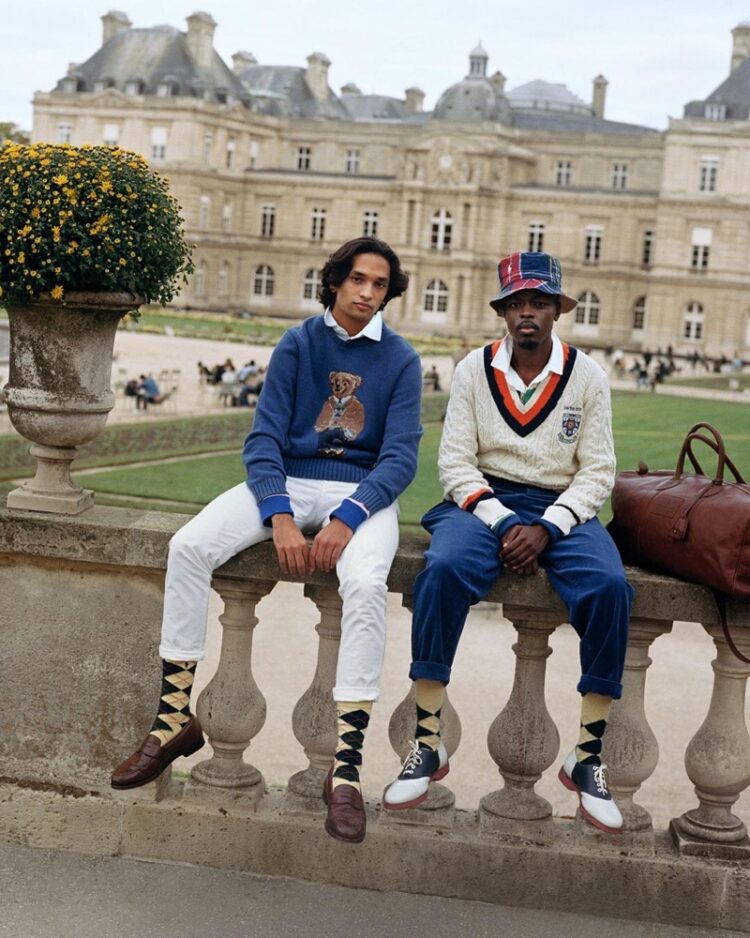
Start here
What’s This About
Preppy style takes its name from American college-preparatory schools, and its clothes grew out of early twentieth-century campus dressing at north-eastern universities.
This guide traces where the look and its image came from, such as:
What the word preppy means and where it comes from
How English school dress and campus outfitters shaped the clothes
Why northern and southern preppy are climate adaptations rather than separate origins
The schools and colleges most often linked with the look
How sport gave the wardrobe its rugby shirts, tennis sweaters and boat shoes
The books and films that fixed the preppy image
and many more!
The clothes belong to anyone who likes them, whatever school they went to.
Key Points
01Preppy is short for preparatory, after the private schools that prepared students for selective universities.
02Only four of the eight Ivy League universities are in New England; the league is a north-eastern group formally established in 1954.
03Much of the preppy stereotype comes from satire such as The Official Preppy Handbook (1980), not from any set of rules.
04A garment says nothing about the wearer’s politics, background or income.
Preppy style takes its name from American college-preparatory schools, the private secondary schools that traditionally sent students on to Ivy League and other selective universities.
The clothes grew out of campus dressing in the early twentieth century, and the word “preppy” became a widely used label for the look and its stereotype in the 1970s and 1980s.
This guide explains where preppy came from, which schools and colleges are linked with it, how its culture was described, and which books and films shaped the image.
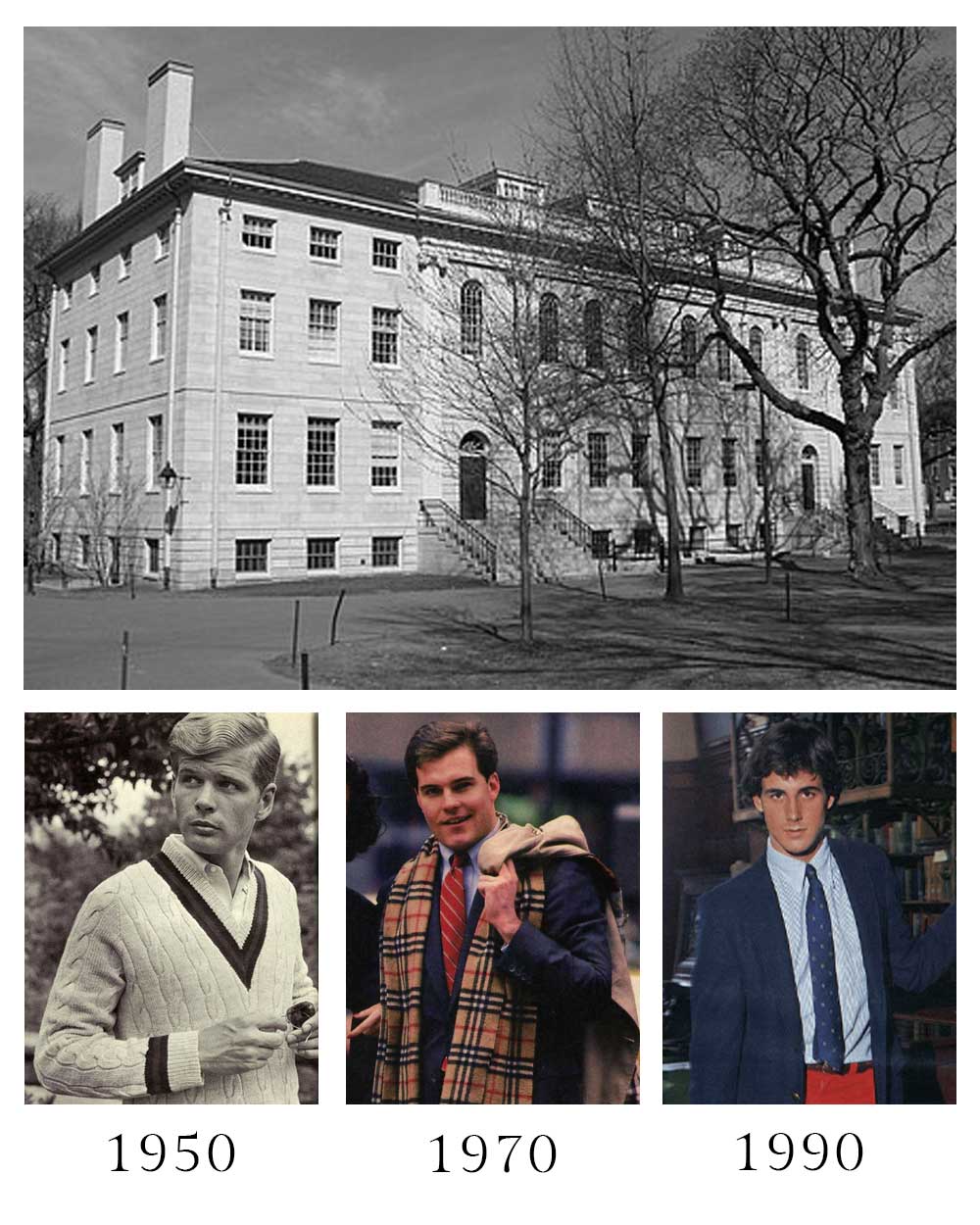
Where preppy style comes from
The word “preppy” is a shortening of “preparatory”, and it first described students and alumni of college-preparatory schools in the north-eastern United States.
Several of these schools drew on English boarding-school models, with organised team sports, chapel, school colours and, at some schools, jackets and ties as the dress code.
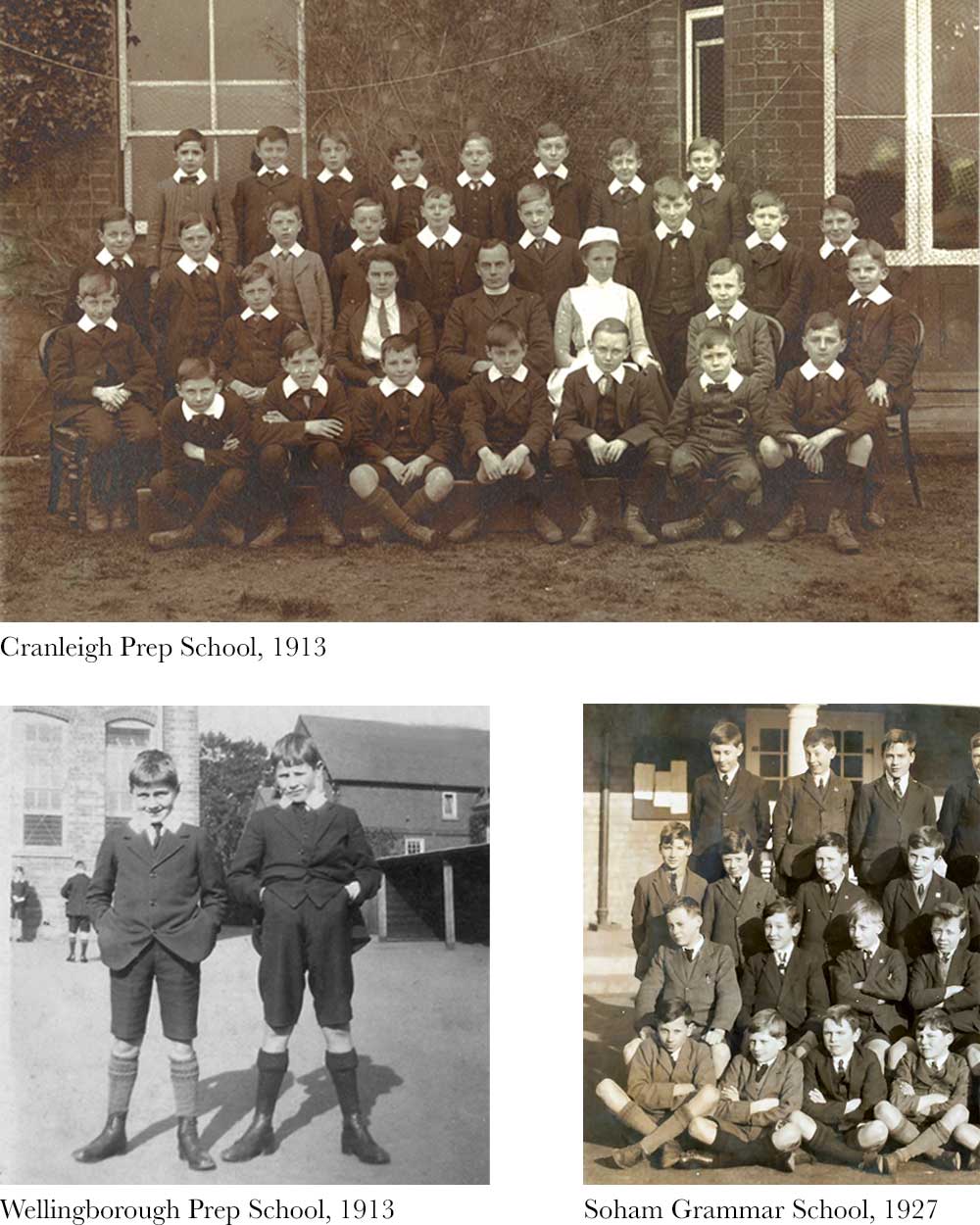
Photographs of English preparatory and grammar schools from the 1910s and 1920s show the wide collars, jackets, shorts and knee socks of that school dress.
The adult version of the look formed on university campuses: The Museum at FIT’s Ivy Style exhibition records that, before the Second World War, firms such as Brooks Brothers and J. Press adapted English garments such as tweed jackets and polo coats for American students.
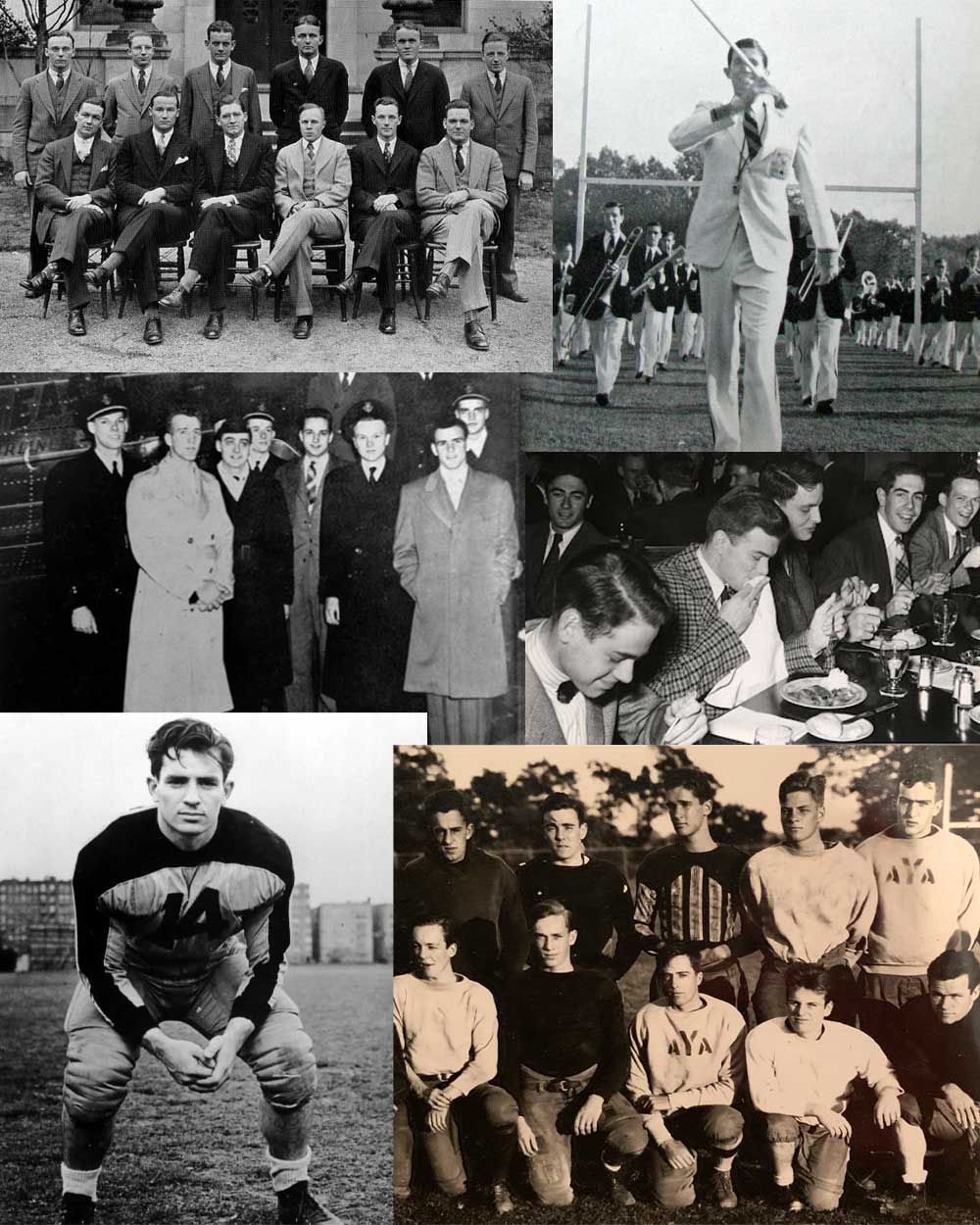
After the war, according to the same exhibition, the style absorbed the clothing of a broader generation of students, many of them former servicemen, and spread well beyond the campus.
Regions linked with preppy style
Preppy style is often divided into regional versions, but these are later descriptions of how the same wardrobe adapts to different climates rather than separately documented origins.
The North-East and the Ivy League
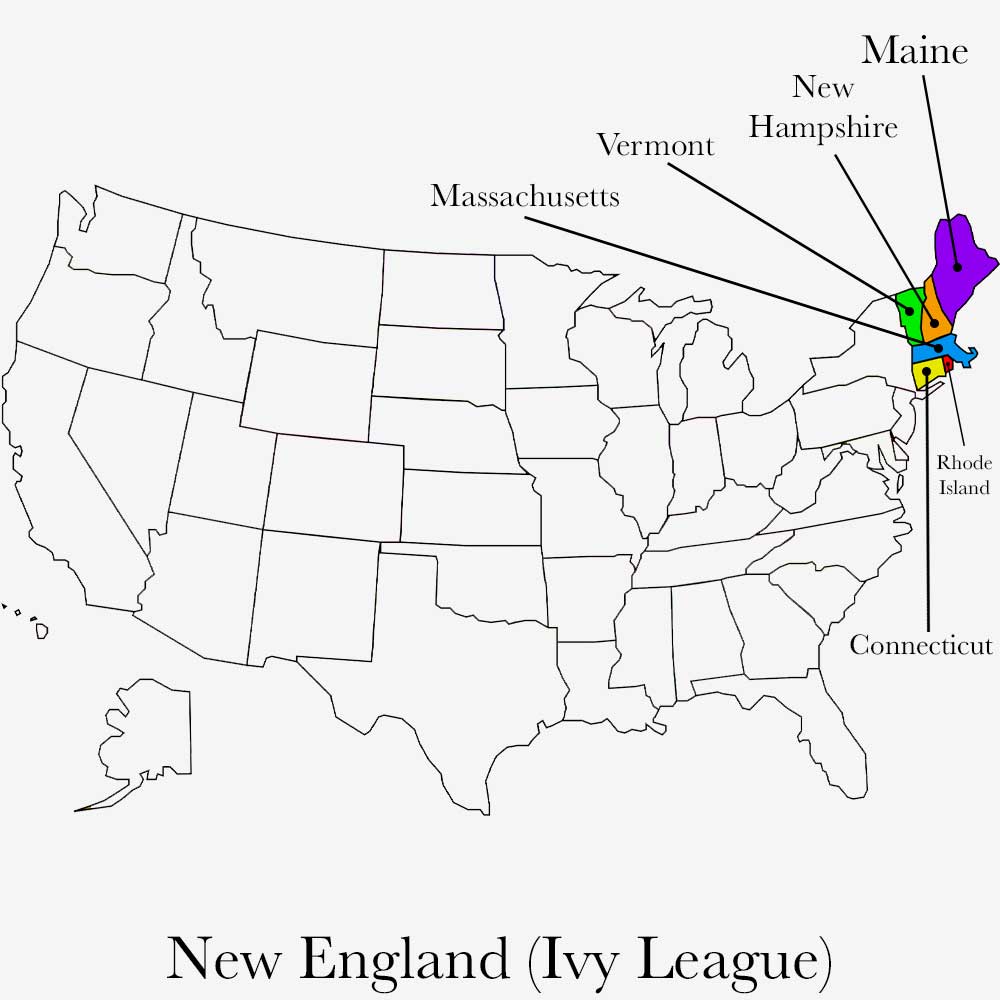
New England comprises Maine, Vermont, New Hampshire, Massachusetts, Connecticut and Rhode Island, and four of the eight Ivy League universities are there: Brown, Dartmouth, Harvard and Yale.
The other four, Columbia, Cornell, Pennsylvania and Princeton, are in New York, Pennsylvania and New Jersey, so the Ivy League is a north-eastern group rather than a strictly New England one.
The first known use of “ivy” for this group of colleges is in sportswriter Stanley Woodward’s football column in the New York Herald Tribune of 14 October 1933:
“A proportion of our eastern ivy colleges are meeting little fellows another Saturday before plunging into the strife and the turmoil.”
Ivy-planting ceremonies, sometimes called Ivy Day, had been held at several colleges since the nineteenth century.
The exact phrase “Ivy League” appeared in an Associated Press column in 1935, and the eight universities formally established the Ivy League athletic conference in 1954.
The Upper Midwest
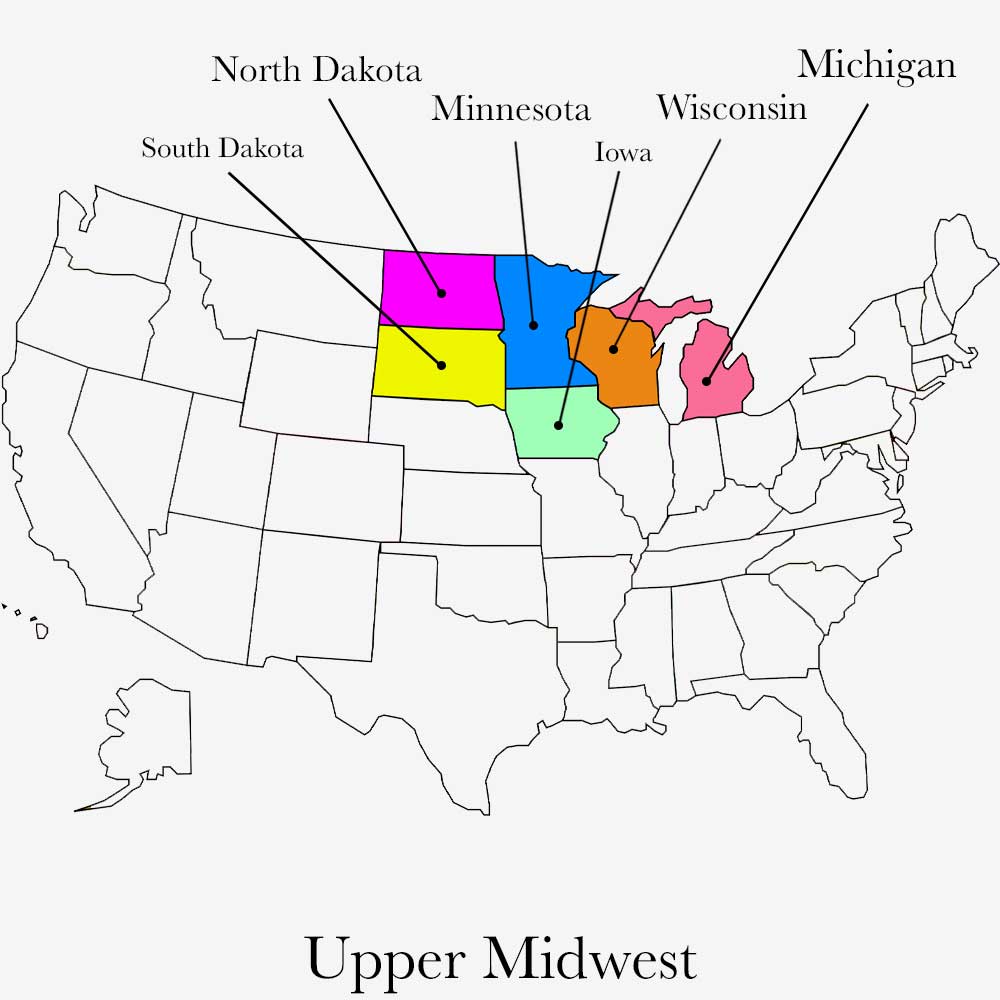
The Upper Midwest usually means Iowa, Michigan, Minnesota, North Dakota, South Dakota and Wisconsin.
Long, cold winters there suit the heavier side of the preppy wardrobe: flannel shirts, thick knitwear, heavy chinos or corduroys, and boots.
The American South
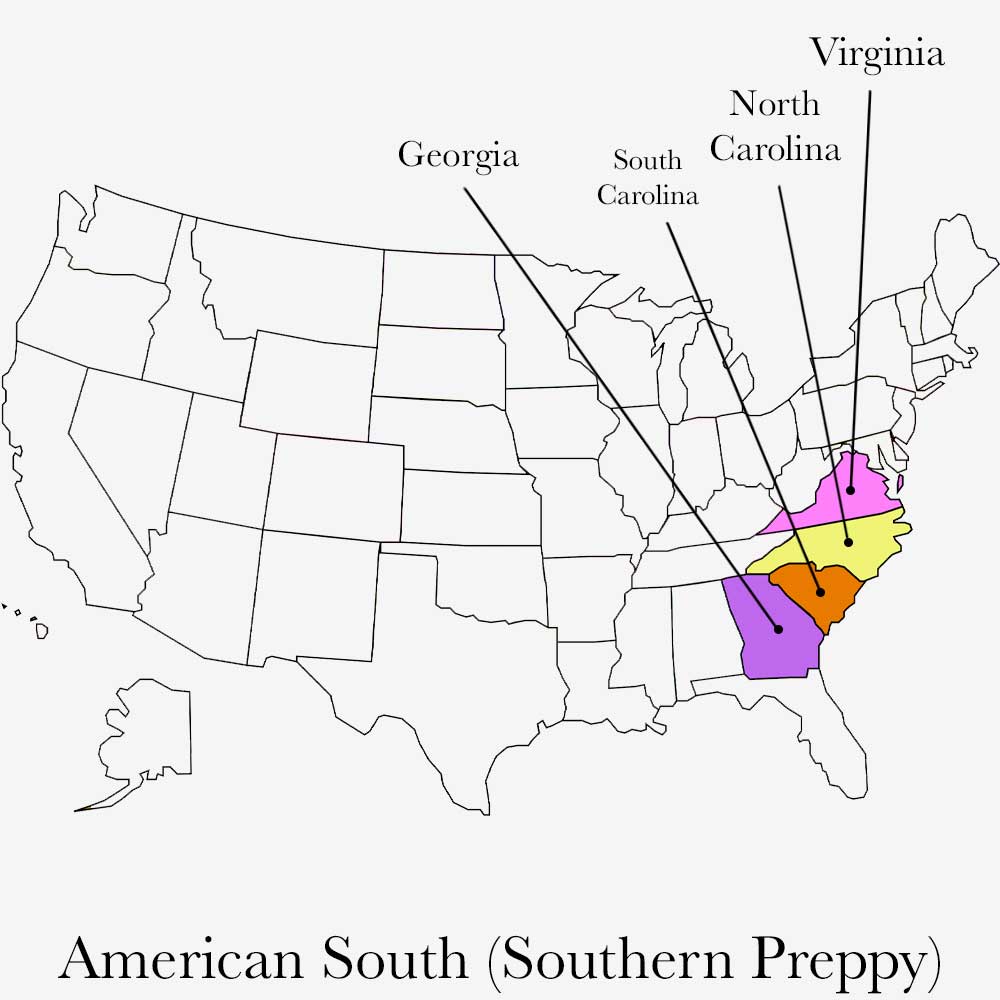
In discussions of preppy style, the South usually means the South-East, especially Virginia, North Carolina, South Carolina and Georgia.
Its warm, humid summers suit the lighter side of the wardrobe: seersucker and linen, madras shirts, pastel polo shirts, shorts and loafers worn without socks.
Schools and colleges linked with preppy style
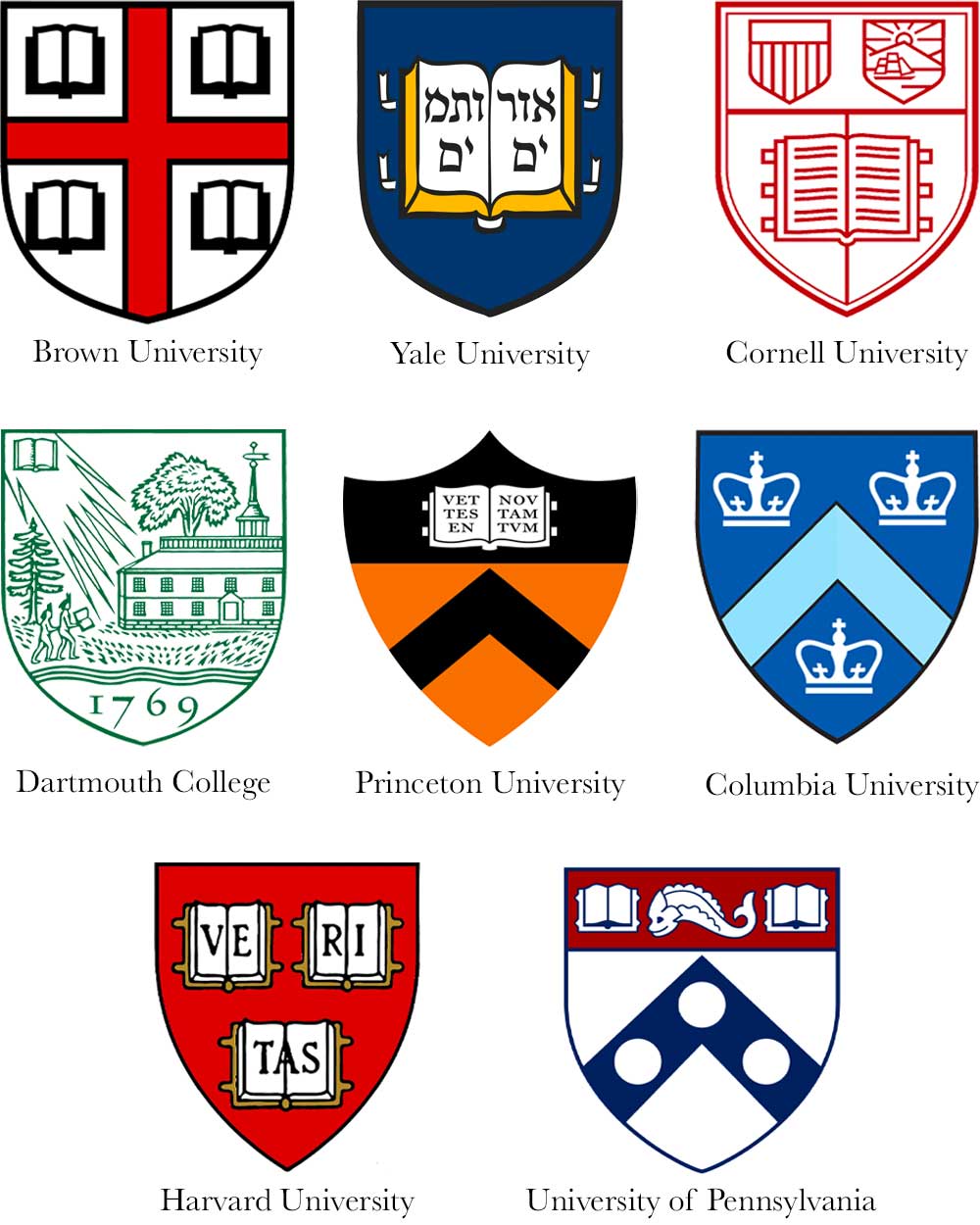
The eight Ivy League institutions are Brown University, Columbia University, Cornell University, Dartmouth College, Harvard University, the University of Pennsylvania, Princeton University and Yale University.
Long-established boarding and day schools often named in connection with preppy culture include:
The Lawrenceville School (Lawrenceville, New Jersey)
St. Paul’s School (Concord, New Hampshire)
Groton School (Groton, Massachusetts)
Phillips Academy Andover (Andover, Massachusetts)
Phillips Exeter Academy (Exeter, New Hampshire)
Choate Rosemary Hall (Wallingford, Connecticut)
Hotchkiss School (Lakeville, Connecticut)
Deerfield Academy (Deerfield, Massachusetts)
All of these schools still operate, and attending one is not a requirement for wearing preppy clothes.
The preppy stereotype and where its clothes come from
Much of what people now call preppy culture comes from satire, novels and films rather than from any fixed set of rules, and the clothing is open to anyone.
The activities linked with the stereotype matter here mainly because they gave the wardrobe many of its garments.
Study
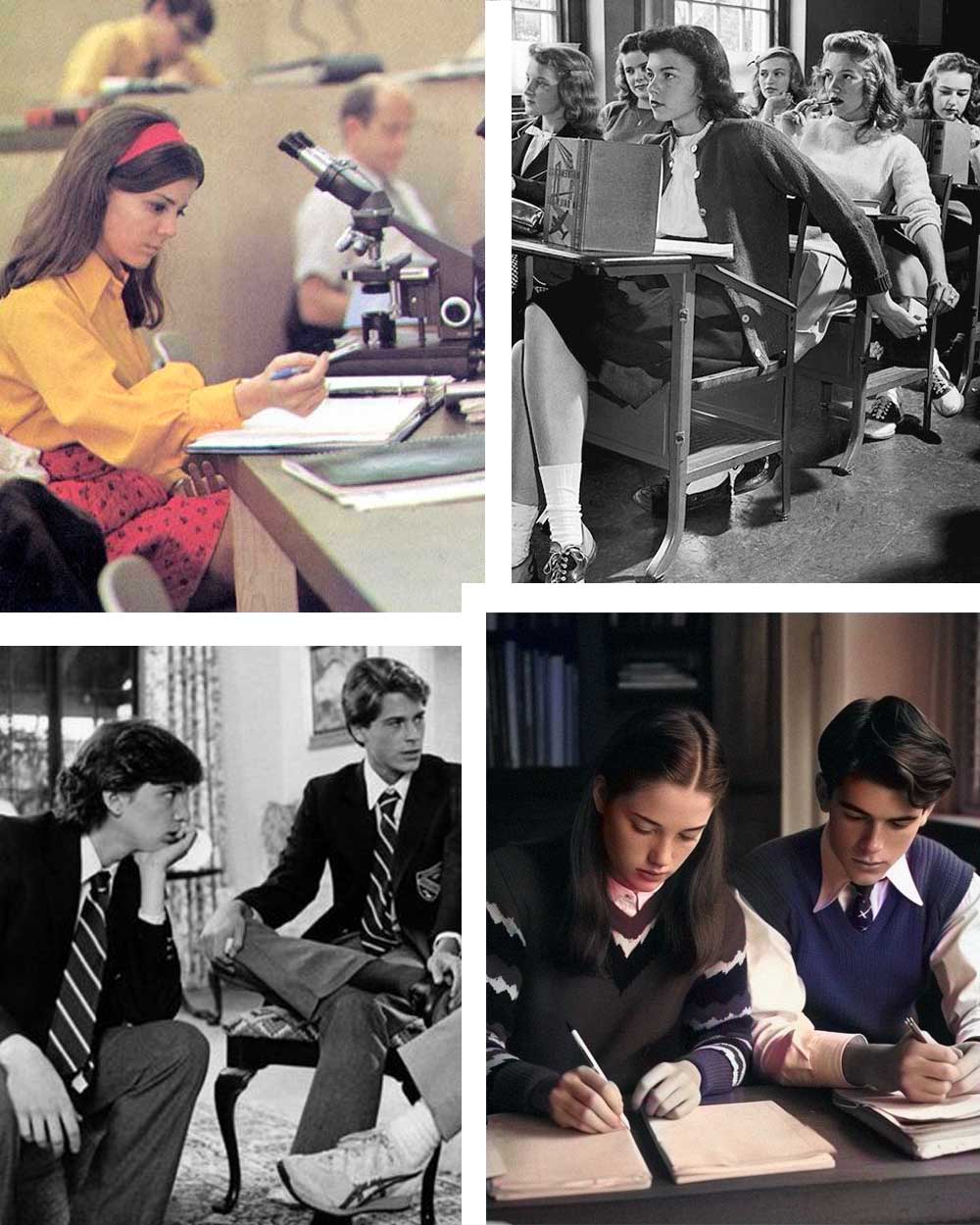
Classrooms and libraries gave preppy style its everyday school clothes: Oxford shirts, sweaters, blazers and ties.
Sport
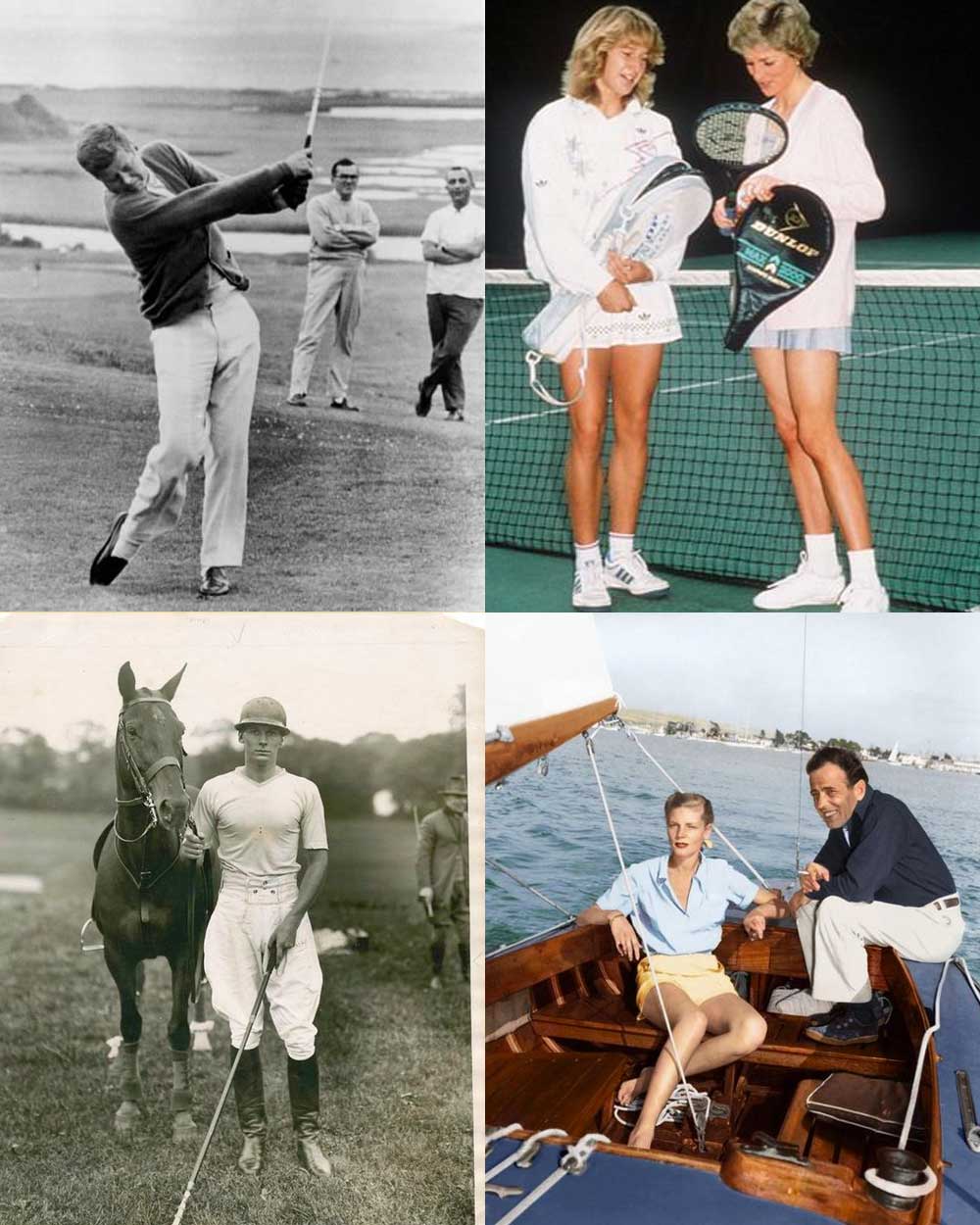
Golf, tennis, polo, rowing, rugby and sailing each left garments in the wardrobe: the cricket or tennis sweater, the polo shirt, the striped rowing blazer, the rugby shirt and the boat shoe.
Riding added tweed jackets, breeches-inspired trousers and boots, which our guide to equestrian-inspired outfits covers.
You do not need to play any of these sports to wear the clothes they inspired.
Manners and etiquette
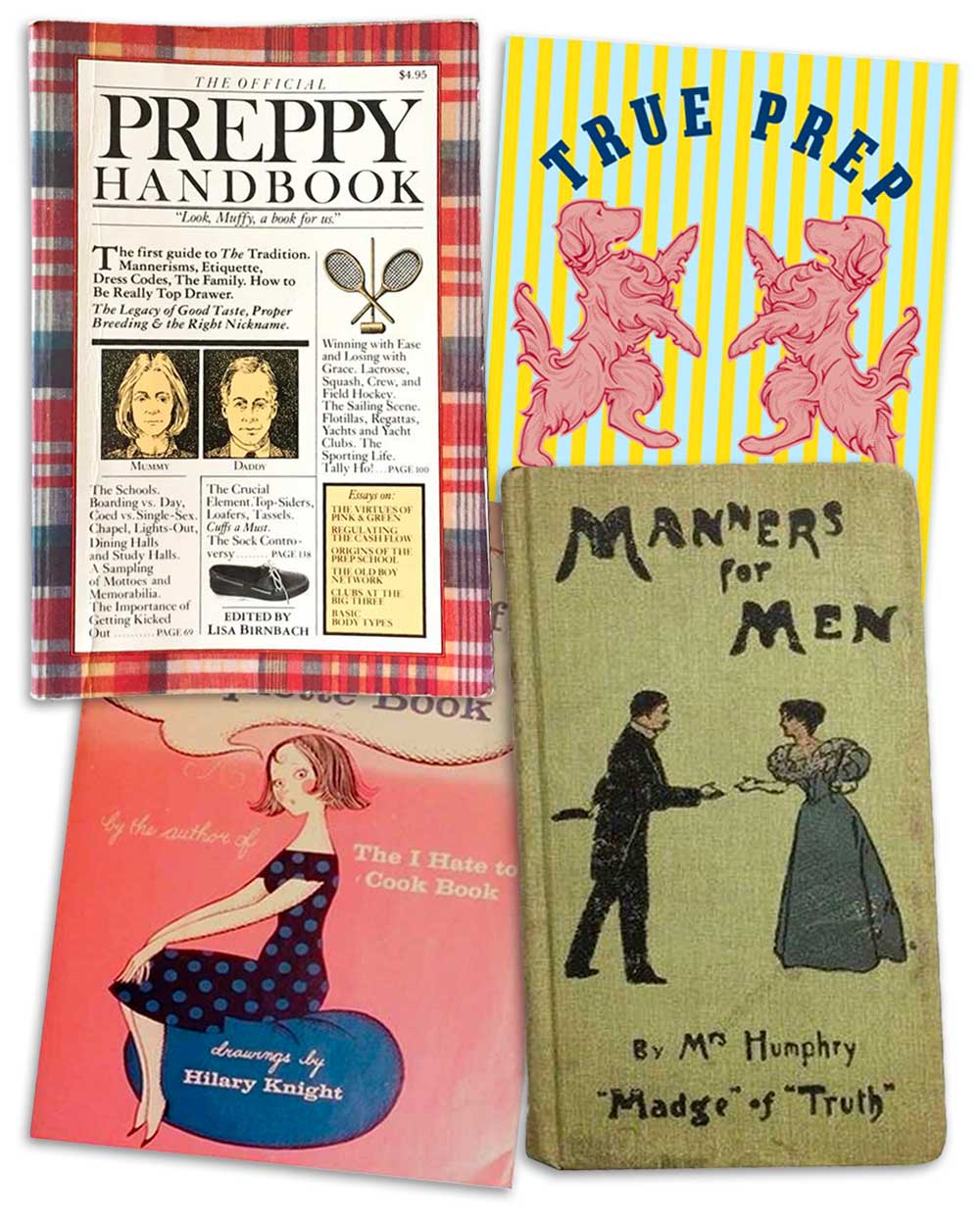
Etiquette guides such as Mrs Humphry’s Manners for Men sit beside The Official Preppy Handbook and True Prep in this collage, and the preppy stereotype has long included an emphasis on manners.
Good manners belong to people of every background, and dressing in a preppy way does not depend on them.
Family and tradition
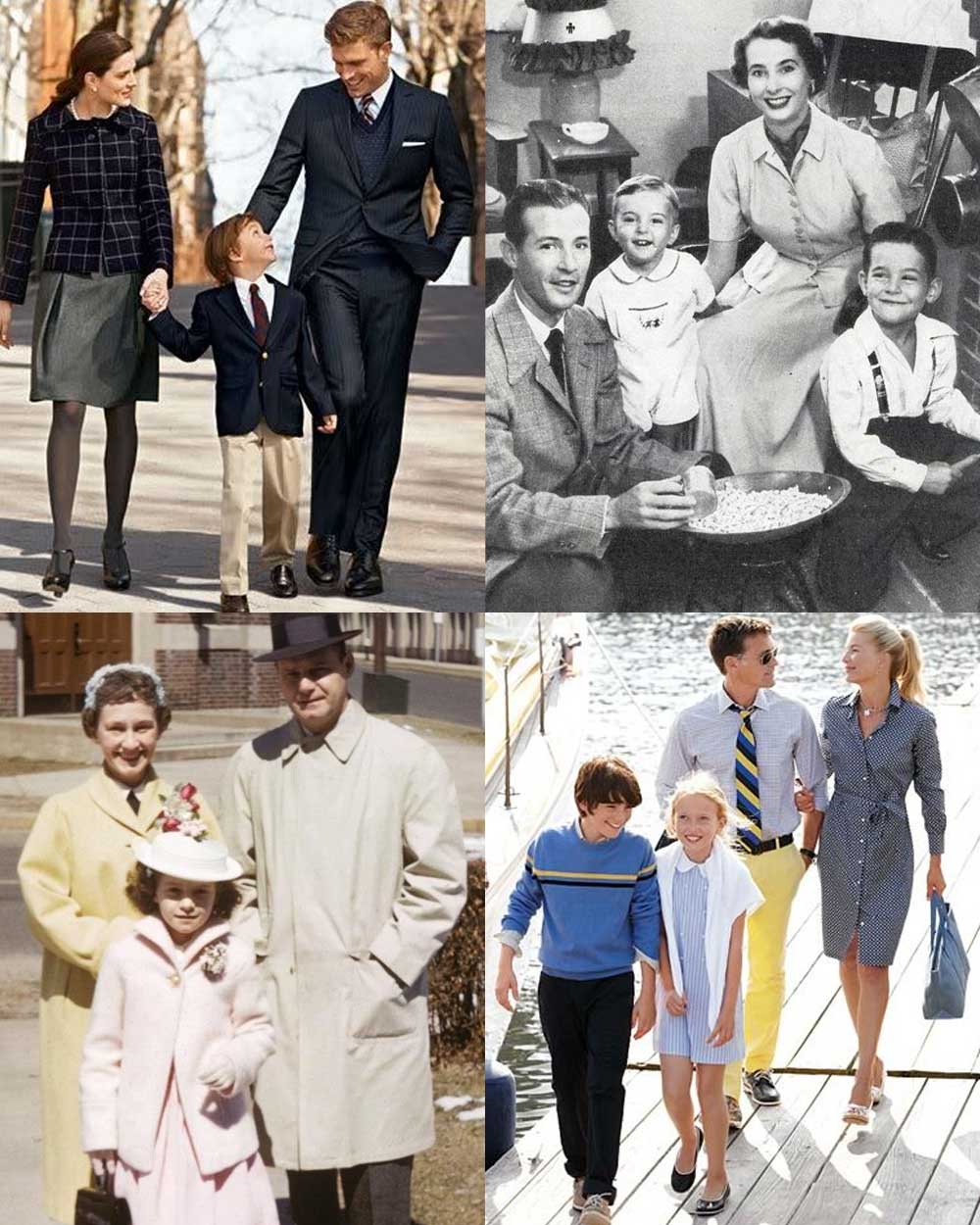
Inherited garments, such as a father’s tweed jacket or a family’s old sweaters, are a recurring theme in preppy dressing, which favours clothes that look worn rather than new.
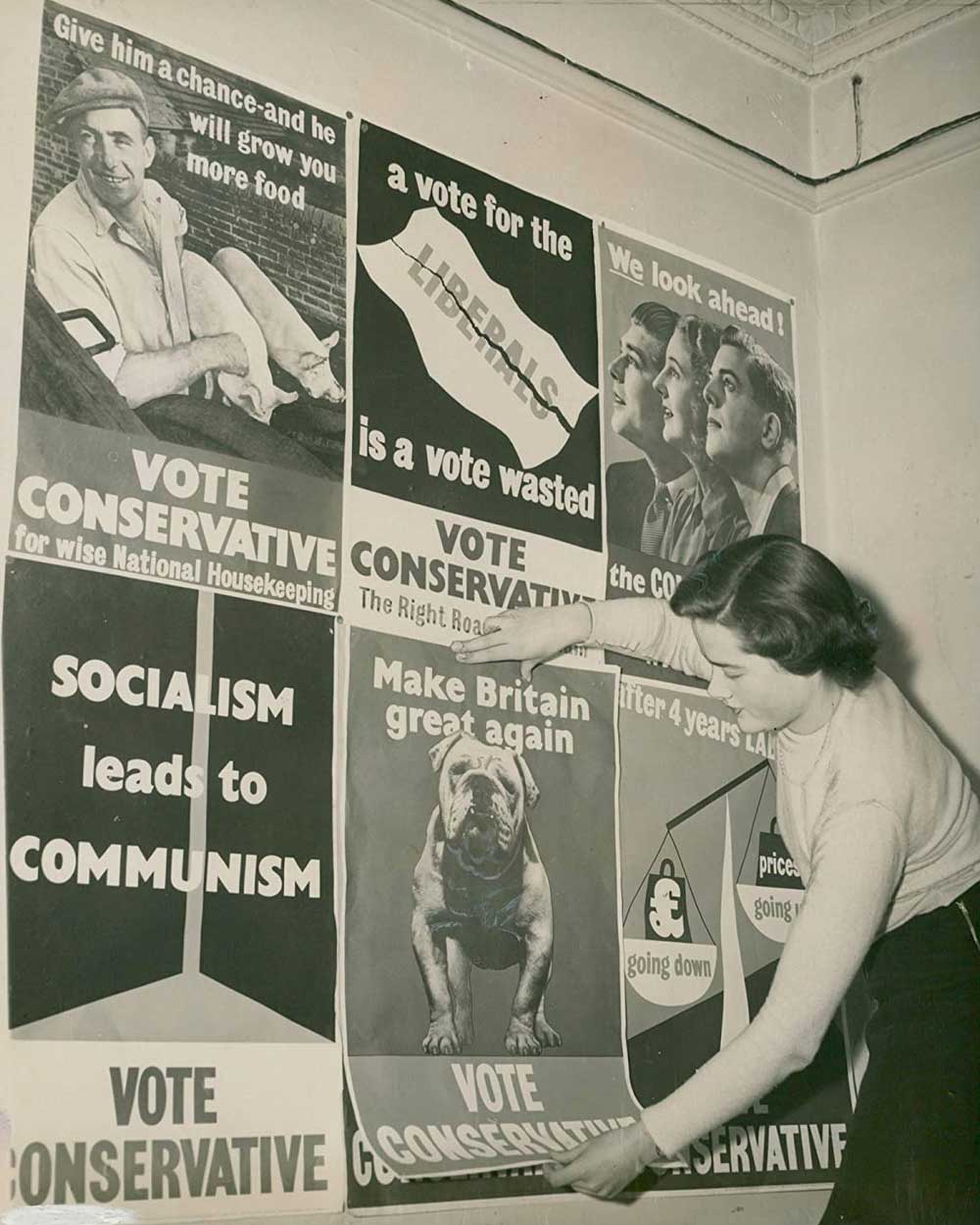
The stereotype has also attached political views to preppy clothes, but a blazer or a pair of chinos says nothing about the politics, background or income of the person wearing it.
Social occasions
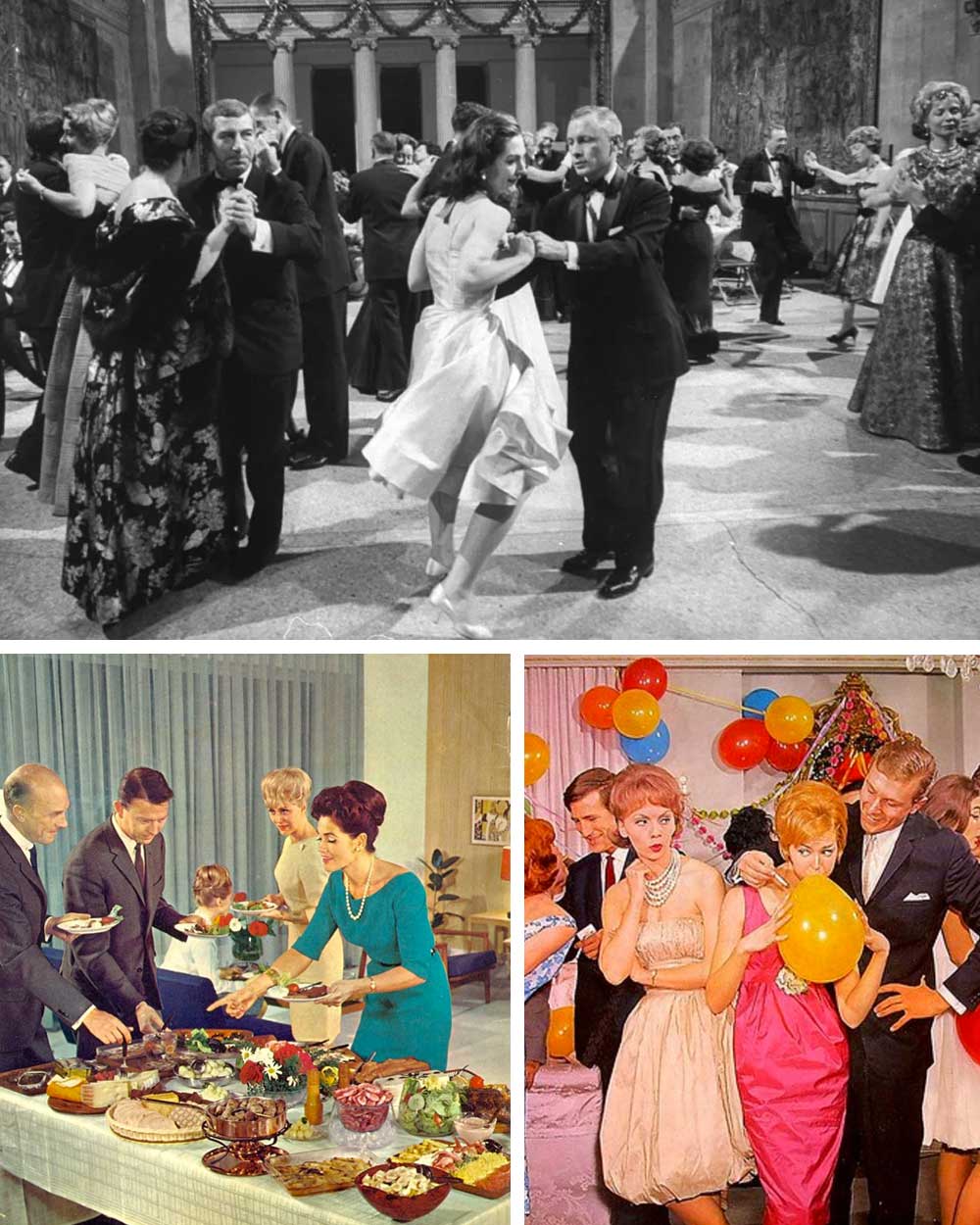
Parties, dinners and dances are where the dressier side of the wardrobe appears, from a navy blazer to a dinner jacket.
Check the invitation or the host’s dress code rather than relying on a style label.
Community service
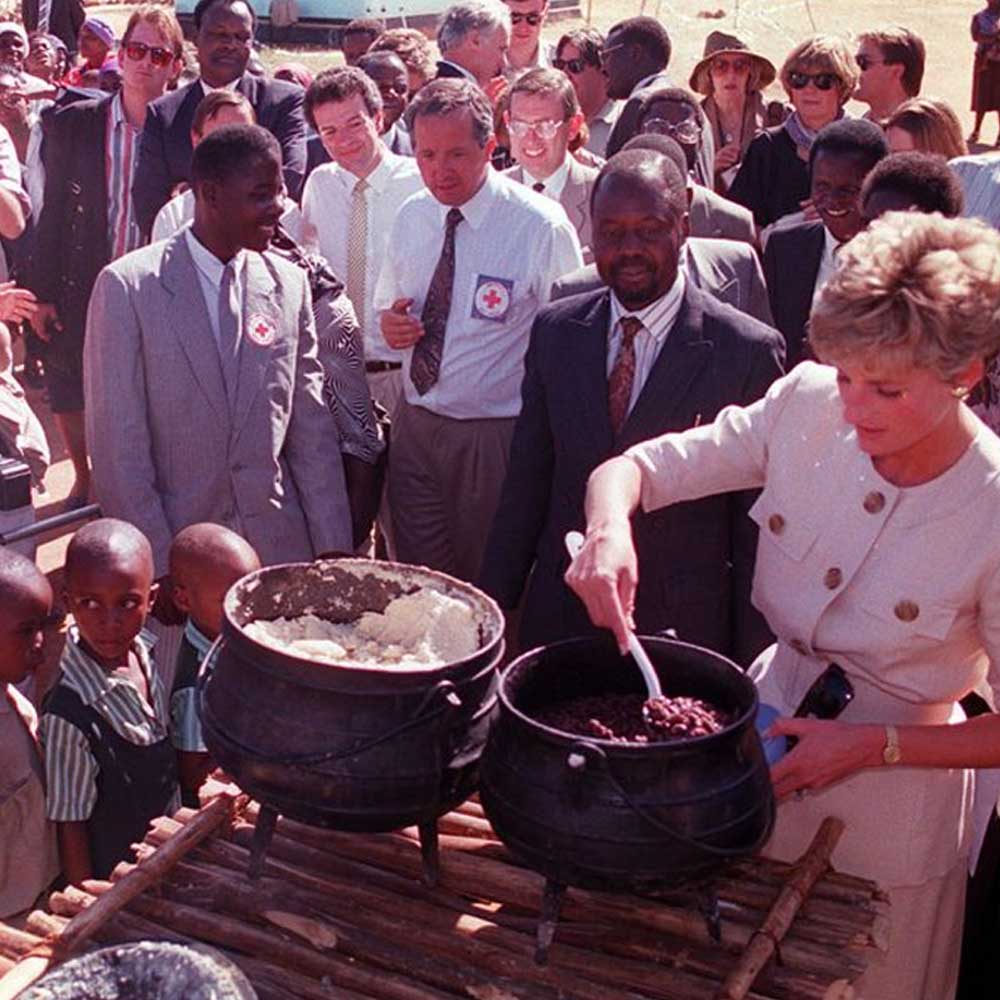
Volunteering and charity events also appear in descriptions of preppy life, though they are open to everyone and set no dress requirement.
Arts and culture
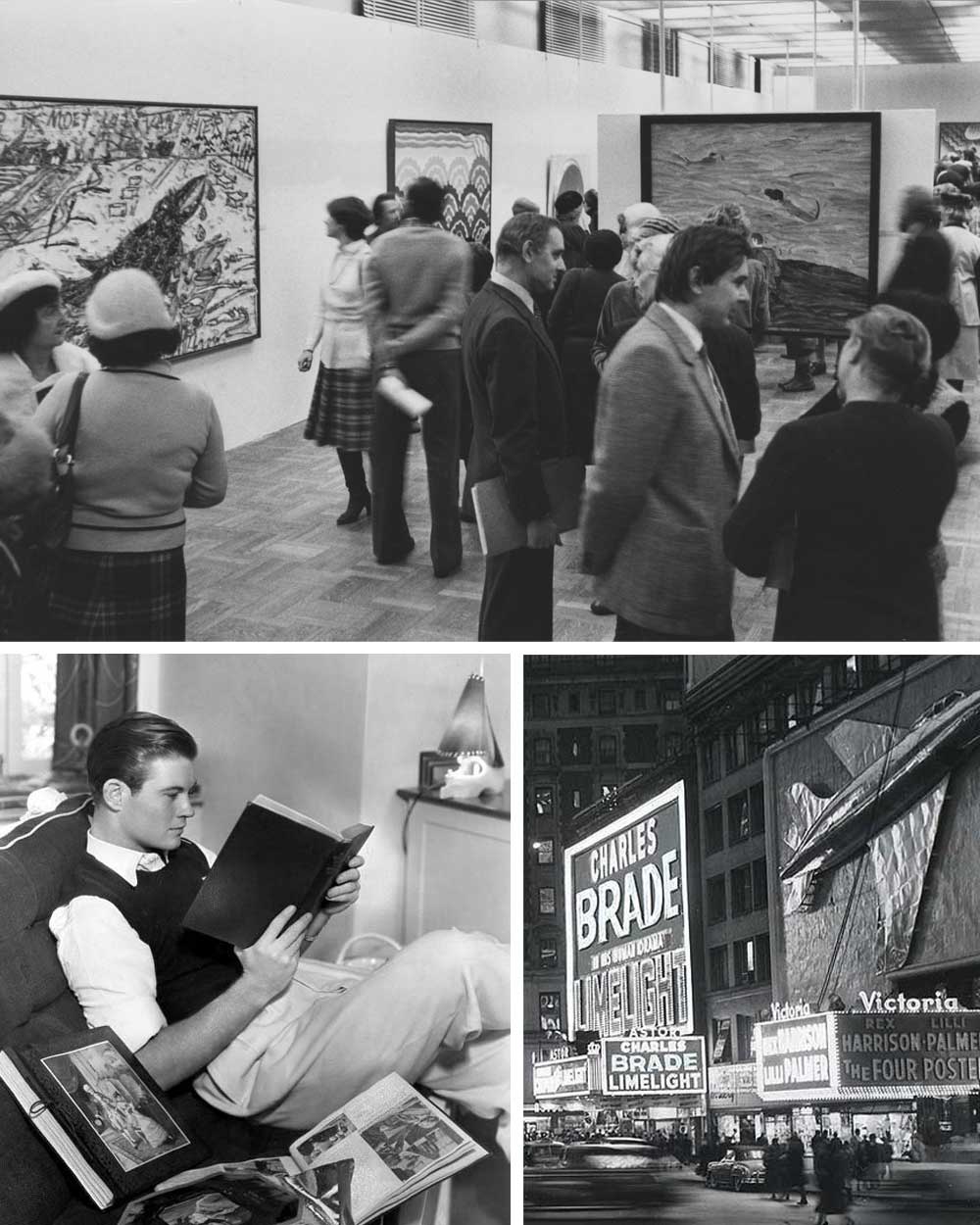
Galleries, theatre and reading are other activities linked with the stereotype, and they explain why the tweed jacket and the sweater are often pictured indoors.
Books and films that shaped the preppy image
Several books and films have shaped how the public pictures preppy culture.
The Official Preppy Handbook (1980)
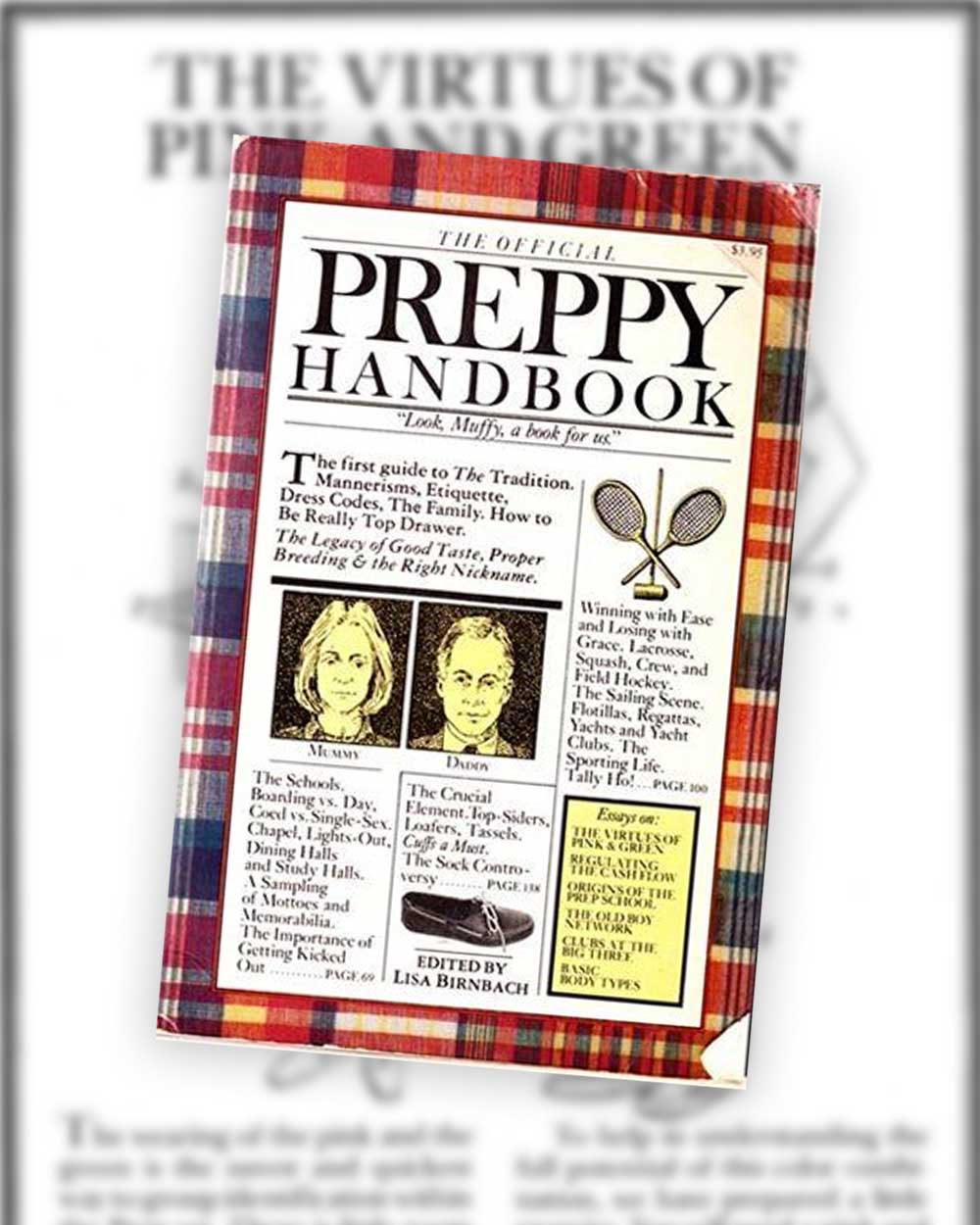
The Official Preppy Handbook, edited by Lisa Birnbach and published by Workman in 1980, was written as satire, yet it became a widely used guide to the clothes and helped fuel the preppy revival of the 1980s.
Prep (2005)
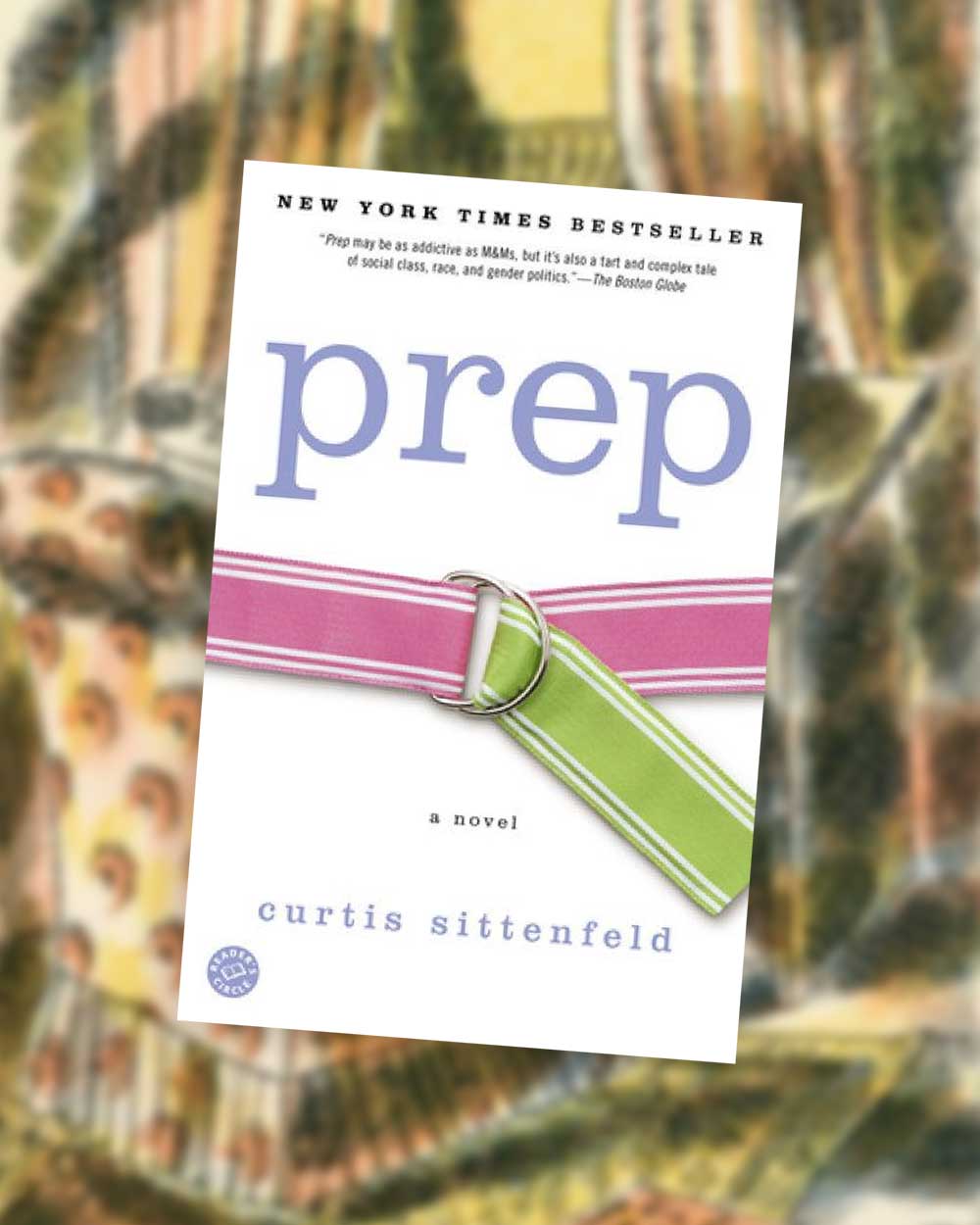
Curtis Sittenfeld’s novel Prep follows a scholarship student at a fictional New England boarding school and looks at the social pressures behind the image.
The Catcher in the Rye (1951)
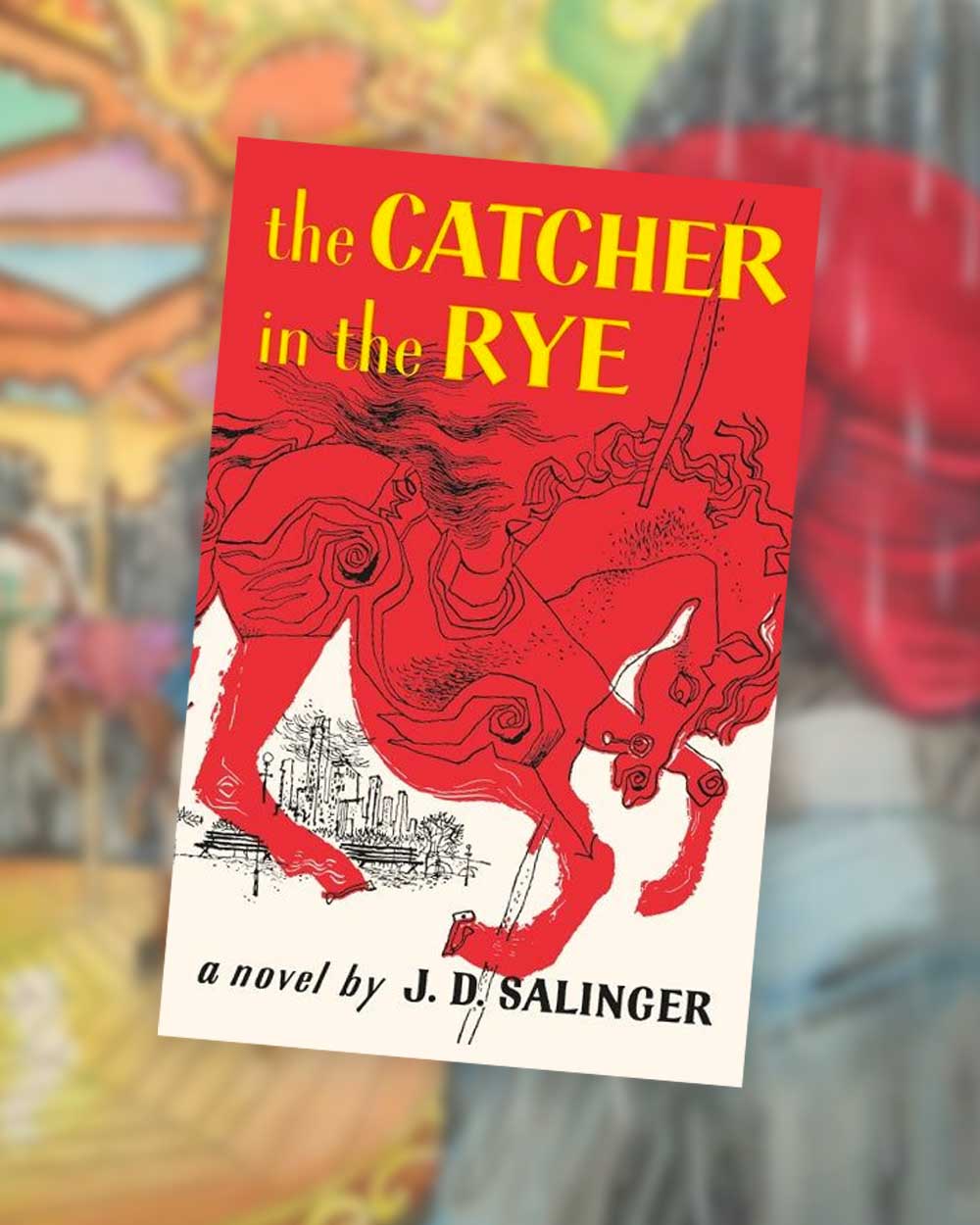
J. D. Salinger’s novel opens with its narrator, Holden Caulfield, leaving a Pennsylvania prep school, and it has shaped how readers picture boarding-school life and the rebellion against it.
Dead Poets Society (1989)
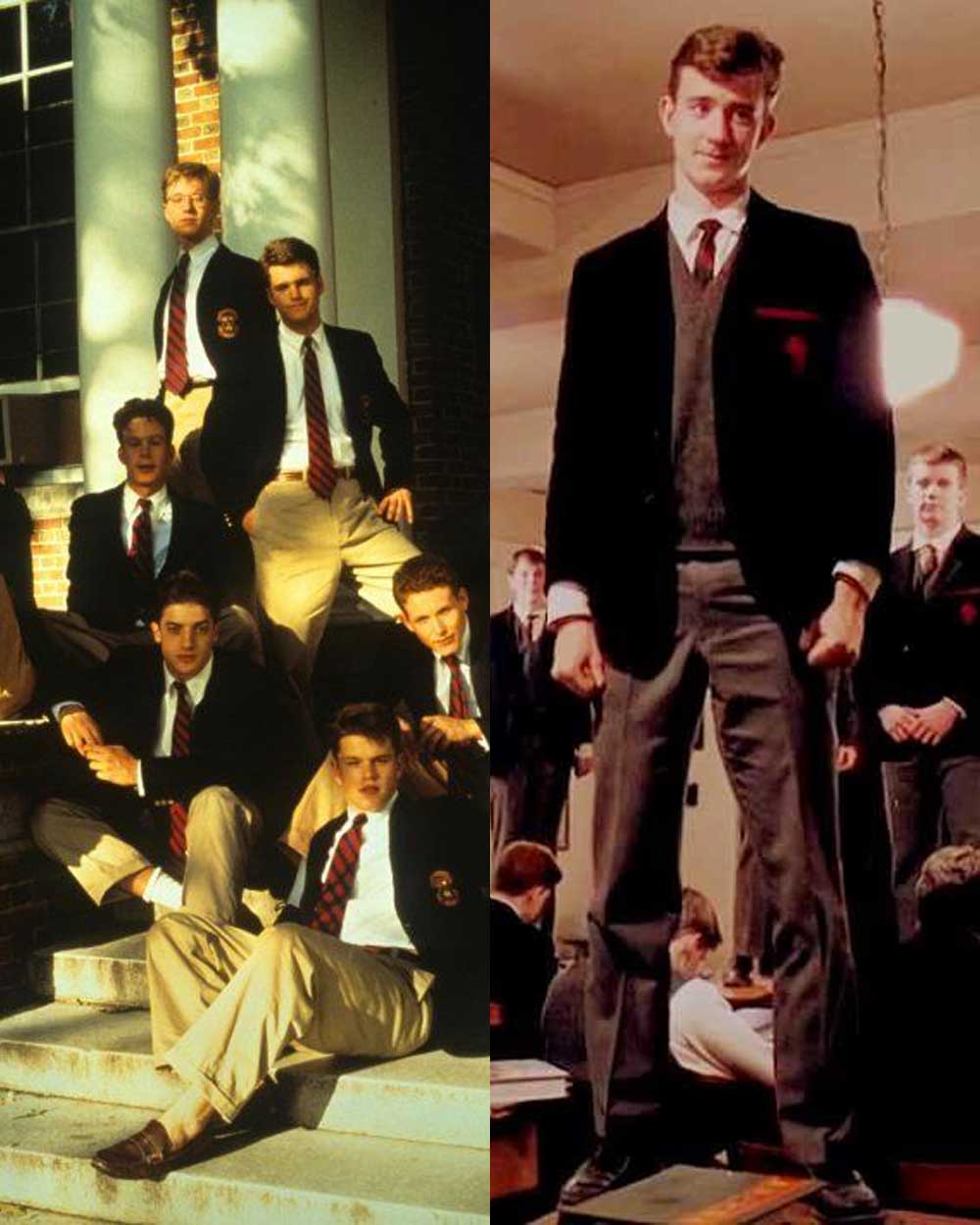
Dead Poets Society is set in 1959 at a fictional boys’ boarding school, and its blazers, striped ties and grey trousers are among the most recognised images of prep-school uniform.
The Great Gatsby (1925 novel; films 1974 and 2013)
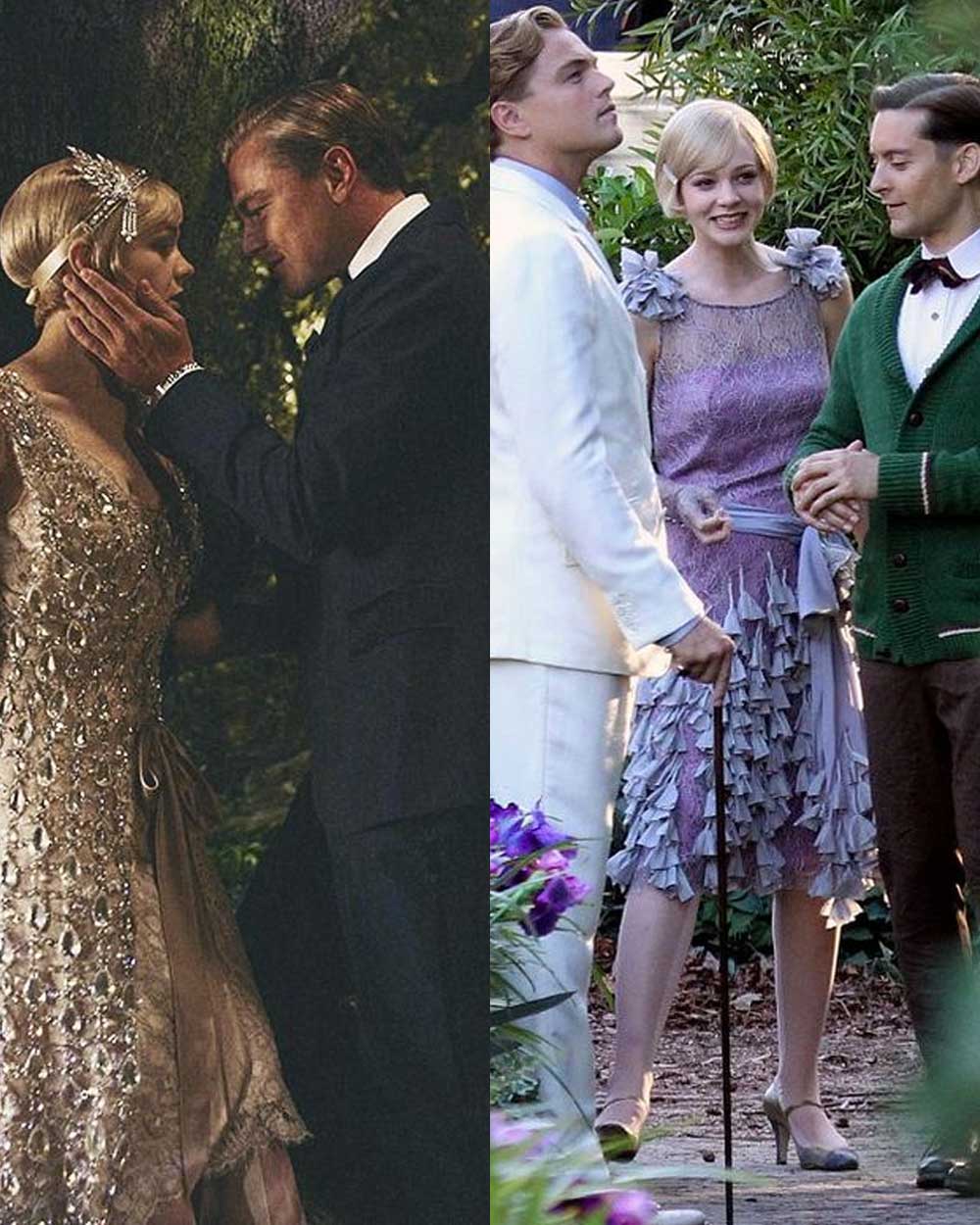
F. Scott Fitzgerald’s novel is set among wealthy Long Island society in 1922, and its film versions show 1920s white suits, cardigans and bow ties that many later preppy collections have borrowed from.
Love Story (1970)
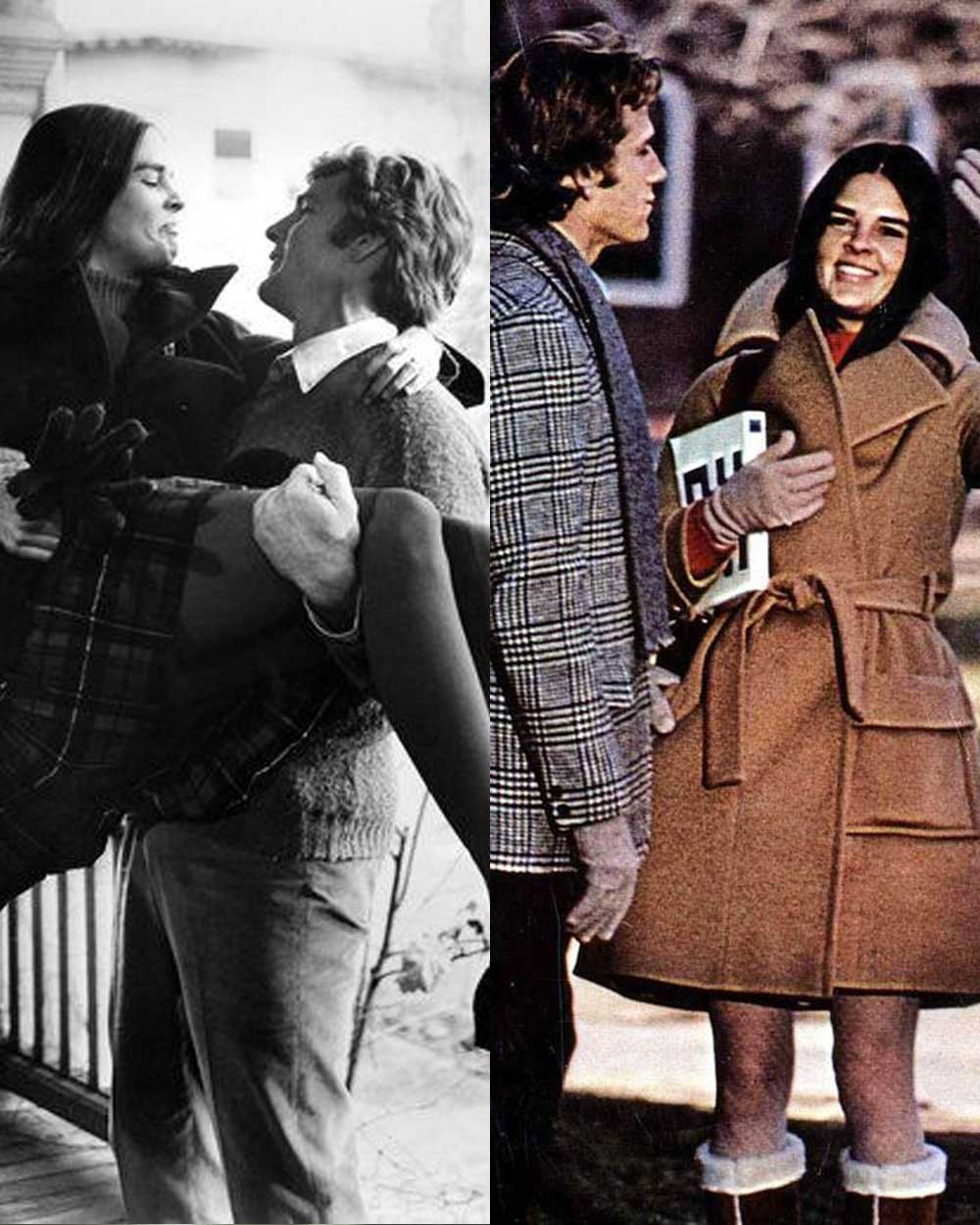
Love Story follows a Harvard student and a music student, and the heroine calls him “Preppie” throughout, while the couple’s coats, scarves and sweaters are often cited as preppy references.
Preppy style and fashion
Preppy fashion’s history runs from these campus origins through the 1980s revival to today’s neo-prep.
The preppy wardrobe builds on Ivy League style and on East Coast seaside dressing.
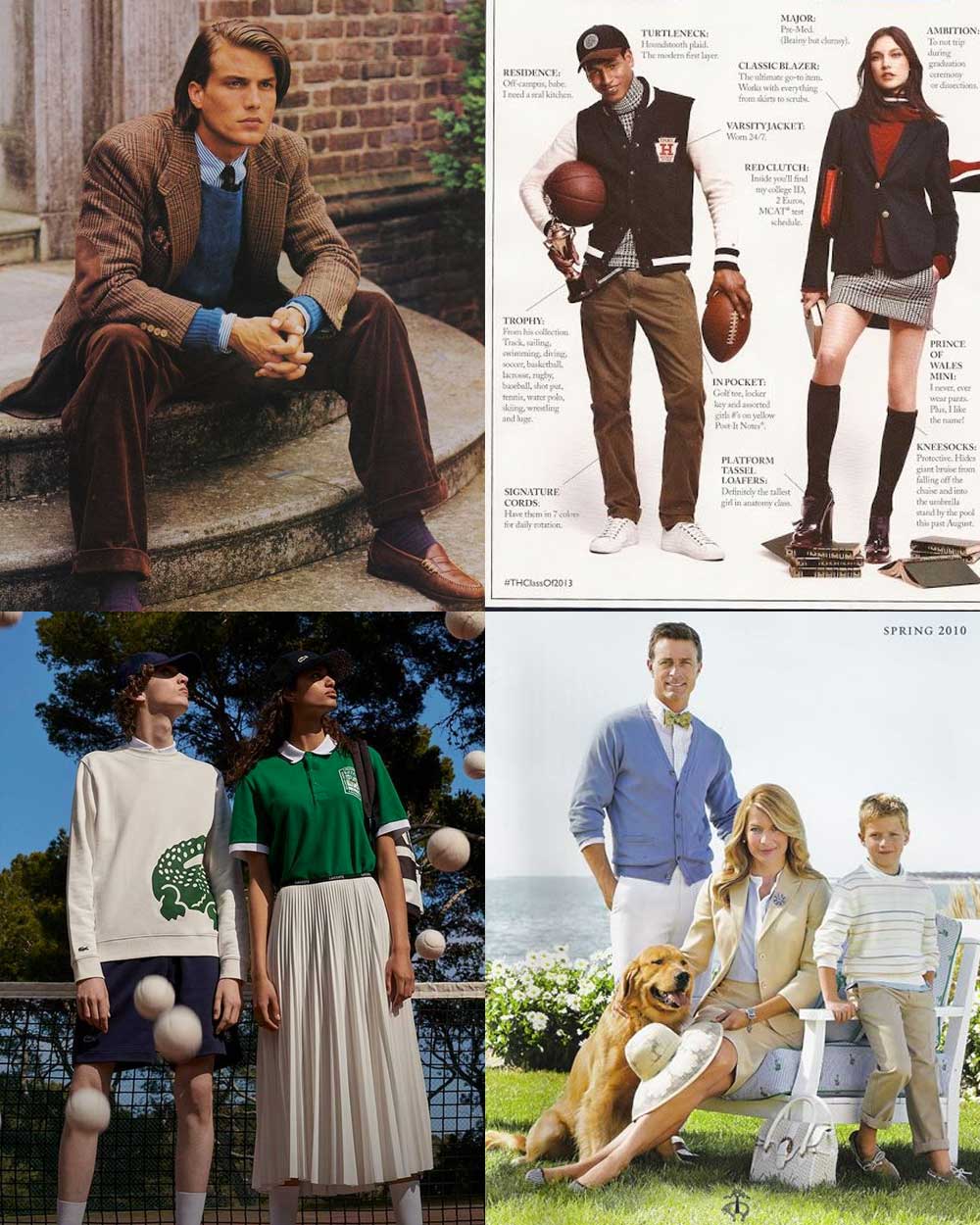
Preppy outfits range from smart casual to smart.
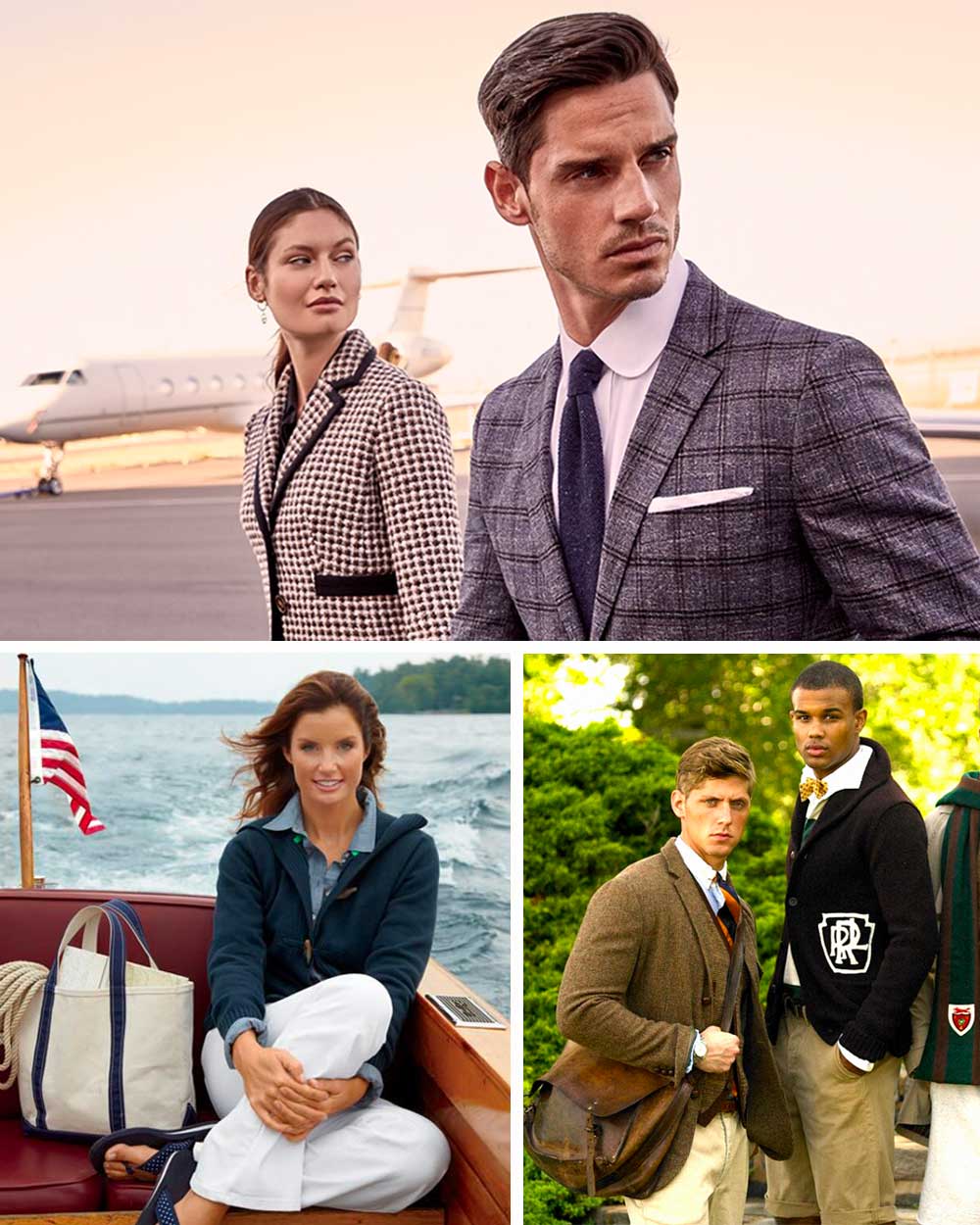
Navy blazers, Oxford cloth button-down shirts, cable-knit sweaters, chinos, loafers and boat shoes, needlepoint belts and repp ties are common in preppy wardrobes, and brands such as Ralph Lauren, Brooks Brothers, Lacoste, Tommy Hilfiger, L.L.Bean and J.Crew sell them, although none is required.
Mandy Meyer’s focus at The VOU is men’s body-shape styling, garment fit and outfit proportions. Her coverage addresses the practical questions behind a wardrobe choice: how a jacket sits across the shoulders, how trousers fall and how different cuts change the silhouette a wearer wants to create.
Her subject areas include the triangle, inverted triangle, rectangle, oval, trapezoid, hourglass and diamond labels used in body-shape styling. These provide starting references for comparing visible proportions; they do not capture every body or prescribe one correct way to dress. The focus connects those observations with garment shape, construction, length and the relationship between the upper and lower parts of an outfit.
Mandy’s editorial coverage combines visual comparisons with fit checks for comfort and movement. Readers can consider whether a cut gives them the room they need, where clothing pulls or gathers and which changes might support their preferred look. The aim is to make menswear choices more understandable while keeping personal preferences and the wearer’s own styling goals central.