Start here
What’s This About
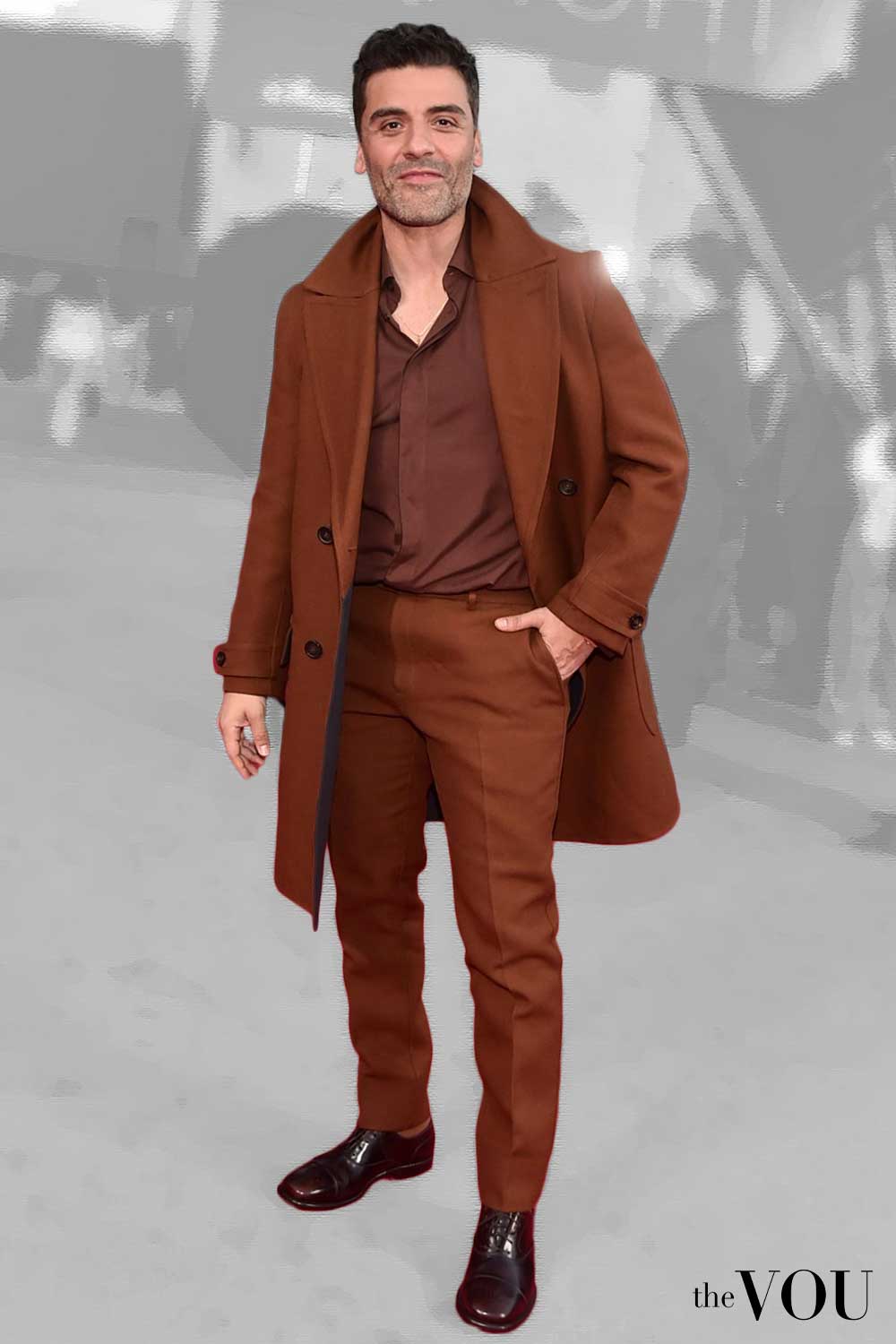
Monochrome dressing, wearing one colour or close shades from top to toe, is a popular styling technique for men who want to look a little taller, though its effect on apparent height is a styling convention rather than a measured result.
This guide explains how to put a monochrome outfit together, such as:
keeping top, trousers, socks and shoes in one colour family
using a gentle light-to-dark shade progression, or none at all
mixing textures within one colour so the outfit does not look flat
choosing shoes and details that continue the line to the ground
and many more!
Start with well-fitted clothes in the right lengths, then compare each idea in a mirror.
Key Points
01A one-colour outfit avoids a strong break at the waist, which is meant to keep the eye moving along the whole figure.
02Lighter shades at the top and darker ones below are one option; a single even shade is another, and both are a matter of taste.
03Trousers and sleeves cut to the right length are the first step, before any colour choice.
04Only a heel or thicker sole adds actual height; matching shoes to trousers continues the colour to the ground.
The art of dressing to appear taller has been a longstanding interest in men’s fashion, with monochrome outfits among the most often suggested techniques.
This guide walks you through the practical choices involved in monochrome dressing for men who want to look a little taller.
Monochrome dressing will not change your height, and there is little controlled research on how much it changes how tall someone looks, so treat each technique as a styling convention to compare in a mirror.
Start With Fit and Length
Before choosing colours, check that your clothes are the right length.
Trousers that pool in several folds above the shoe can make the leg look shorter, so a common suggestion for looking taller is a hem with little or no break; jackets that cover the seat without running much past it, and sleeves that show a little shirt cuff, keep the proportions tidy.
Height and body shape are separate considerations: a shorter man can have any outline, and the fit of each garment to your own torso and leg lengths matters more than any colour rule.
Wear the Same Colour from Head to Toe
The idea behind monochrome dressing is an unbroken vertical line in your clothing.
Without a colour break between top and trousers, the outfit reads as one uninterrupted visual flow, which is meant to keep the eye moving along the whole figure rather than stopping at the waist.
The same idea appears in our styling tips for a fuller middle.
This is a common styling rationale rather than a tested perceptual effect, so judge the result in a mirror or a full-length photo.
Choose a single colour family and stick to it for your entire outfit, from your shoes to your topmost layer.
Select garments within the same colour family that are close in shade (like a navy blazer with midnight blue trousers, or a charcoal grey jumper with graphite trousers).
If you are unsure which colour family to start from, our seasonal colour quiz suggests a palette that may suit you.
Keep your socks the same colour as your trousers to maintain the vertical line.
A belt in the same colour as your trousers keeps the line unbroken; a contrasting belt adds a horizontal break in your outfit, which is fine when you want that detail.
Avoid mixing warm and cool tones of the same colour.
Examples: A charcoal grey suit with a grey shirt and dark grey Chelsea boots, or navy chinos with a navy crew neck and navy suede loafers.
1. Try a Light-to-Dark Shade Progression
Within monochrome dressing, you can wear one even shade throughout or vary the shade from top to bottom.
Related advice on proportions appears in our guide to clothes that make men look slim.
A gradual transition from lighter shades at the top to darker shades at the bottom is a common styling suggestion: a lighter shade near the face draws some attention there, while darker trousers and shoes look settled at the ground.
If you want to try it, start with your lightest shade at the top (near your face) and darken gradually as you move down.
Keep the shade progression subtle and within the same colour family, so the outfit still reads as one colour.
Your darkest shade can go on your shoes and trousers.
A dark top with lighter trousers reverses the emphasis, placing more attention on the legs; it is a valid choice, especially in summer, but it is not the usual monochrome approach for height.
Randomly mixing light and dark shades, or using stark contrasts, creates separate blocks of colour and works against the one-colour idea.
Examples: A light grey crew neck with a mid-grey blazer, charcoal trousers, and black Oxford shoes, or an ivory cashmere jumper with light beige chinos and medium brown suede boots.
2. Layer with Different Textures of the Same Colour
Different fabric textures within a monochrome outfit add visual interest while keeping one colour throughout.
Different textures create subtle depth that keeps the outfit from looking flat while the colour stays continuous.
Combine fabric finishes like matte, shine, and textured materials within your chosen colour.
Layer garments with contrasting textures (like a silk shirt with brushed cotton trousers or a matte wool blazer with glossy wool-silk blend trousers).
Use seasonal fabrics to create natural texture variations (like heavyweight wool with cashmere in winter or linen with cotton poplin in summer).
Our polo shirt guide covers another summer option.
Very strongly contrasting textures can read as separate blocks, so keep the contrast moderate if the continuous line is your aim.
Patterns that compete with each other, even in the same colour (such as wide stripes with pinstripes or cable knit with ribbed knit), make the outfit busier.
Examples: A black merino wool jumper over a smooth silk-cotton blend T-shirt with black wool trousers or a navy cashmere jumper with navy cotton chinos and smooth leather shoes.
3. Consider Vertical Details
Vertical design details are often recommended for looking taller because they run in the same direction as the monochrome line.
Studies of stripes have found effects in both directions and none that settles a rule, whether on vertical lines and height or horizontal lines and width, so treat these details as a matter of style rather than a measurable effect.
Vertical details that follow your body’s length include the front darts and seams of a fitted jacket or vertical pintuck details on a formal shirt.
A single row of buttons, a vertical zip or a placket also runs down the length of a garment.
Vertical ribbing in knitwear keeps the texture running the same way as the outfit.
Bold horizontal stripes or patterns break up a one-colour outfit more than vertical ones, so choose them when you want that look rather than a continuous line.
Pockets and yokes are horizontal on most garments, which is fine; very large or contrasting horizontal details simply draw more attention.
Examples: A black coat with vertical seaming worn over a black ribbed jumper or charcoal trousers with subtle vertical pinstripes paired with a matching jacket.
4. Wear Shoes in the Same Colour as Your Trousers
Your choice of footwear completes a monochrome outfit.
Shoes in the same colour as your trousers continue the line of the outfit all the way to the ground.
Select shoes in the same colour family as your trousers.
Shoes with a modest heel or a slightly thicker sole are the only choice here that adds actual height; choose a height you can walk in comfortably.
A slightly elongated toe shape, such as an Oxford cap-toe rather than a very round-toe derby, is often suggested for a longer-looking foot and leg; pointed toe shapes go further, and many men prefer a classic rounded toe, as on most penny loafers, so compare them.
Very chunky shoes add bulk at the foot, which some men like and others find shortens the line.
Contrasting shoe colours add a break at the ankle; they are a good choice when you want the shoes to stand out.
Examples: Black Chelsea boots with a slight heel worn with black trousers, or navy Oxford shoes paired with navy suit trousers.
Final Thoughts
Monochrome dressing is a popular technique in your style arsenal if you want to look a little taller, and there are other reasons men choose monochrome dressing as well.
Start with clothes that fit and are hemmed to the right length, then use these techniques to build outfits with a continuous line and a sophisticated and polished appearance.
Consistency in colour, careful use of texture and attention to vertical details are the main tools; compare the results in a mirror and keep the ones you like.
Style Like a True Gentleman
Before we say goodbye, fit does most of the work, whether or not you ever work with image consultants.
Professional styling starts with getting the fit right and choosing clothes that suit the occasion; knowing your body shape and seasonal colour palette can make the choosing quicker.
Our guides also cover styling by occasion, location, season and time of day, garments, footwear, accessories and heritage fashion brands.
Take our three quizzes, then book a consultation if you would like personal help:
1. Find Your Body Shape
Different garments suit different silhouettes.
To compare your outline with the seven body shape descriptions, take our body shape quiz for men.
2. Find Your Seasonal Colours
The garments in your outfits come in many colours.
To see which seasonal colour palette may suit you, take our seasonal colour quiz for men.
3. Find Your Fashion Style
To explore your personal fashion style, take our fashion style quiz for men; it suggests styles, outfit ideas and brands to explore.
Book a Consultation with The VOU
For personal help, you can book paid consultations with our image consultants and fashion stylists.
Our styling services for men page lists the paid consultations.
Wearing luxury brands is not enough on its own; how your clothes fit and suit the occasion matters more, and our personal style guide covers the rest.
For more on labels, see our guide to logo-heavy luxury brands and how to wear them.
Contact us if you would like to book a consultation.