
What is a Fashion Accessory?
With roots in the Latin ‘accessorius,’ meaning approach, fashion accessories are objects worn on clothes or the body to augment garment functionality or to enhance one’s look.
Accessories fall into a broad category, from jewellery, scarves, and hats to handbags, shoes, and eyewear, and the process of matching garments with accessories is called accessorizing.
Origin and Evolution
The use of accessories dates back to ancient civilisations, depicted in the hieroglyphs and paintings of past cultures as people wearing collars, rings, and body ornaments.

Over centuries, accessories have evolved alongside shifts in clothing styles, social norms, and technologies, culminating in digital accessories that transcend fashion.
Types of Accessories
Fashion accessories can categorized into two types:
- Soft Accessories. Textile-based accessories such as scarves, shawls, ties, and hosiery.
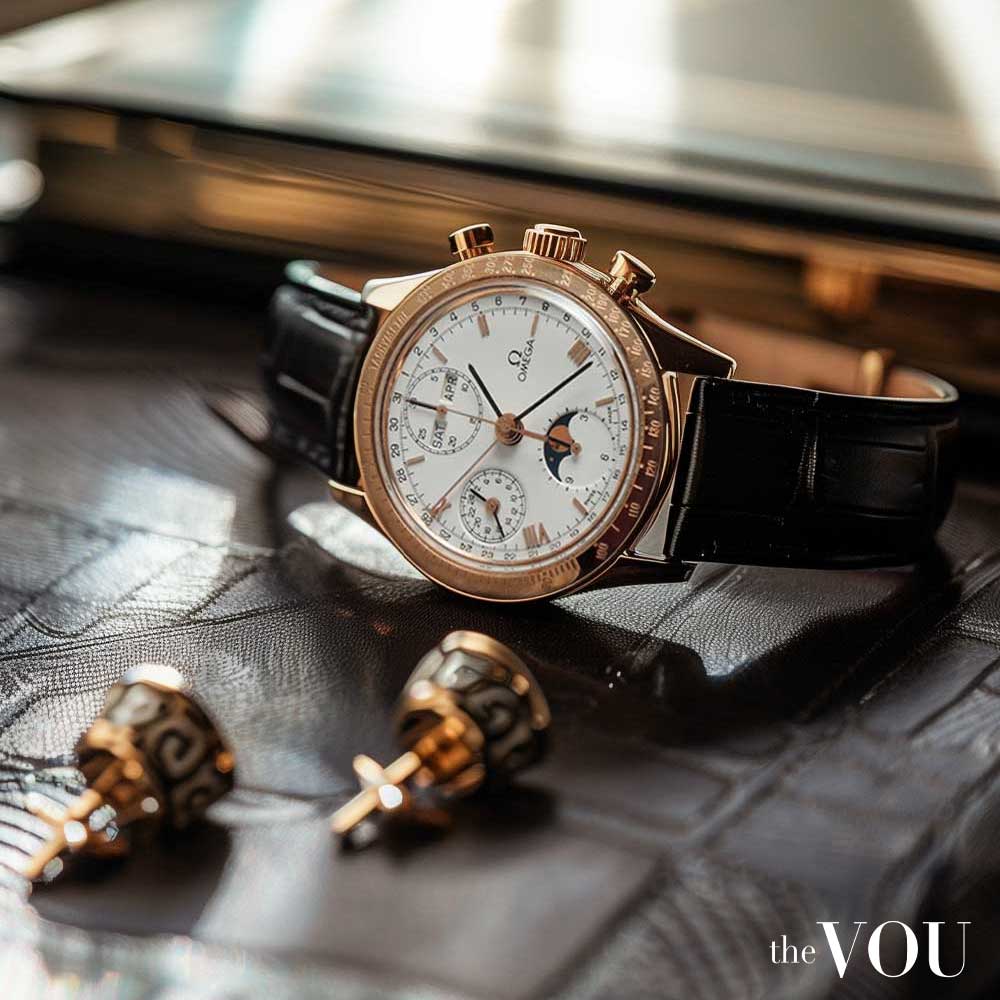
- Hard Accessories. Non-textile items like jewellery, watches, handbags, eyewear, and belts.
The Role of Fashion Accessories
The smart usage of accessories can transition an outfit from a day look to an evening look with minimal effort.
Accessories can accentuate and draw attention toward a unique outfit feature or contrast with the primary colour and style to create a distinct look.
In addition to aesthetic appeal, accessories like belts, handbags, and glasses serve practical functions.
Aside from personal style or cultural identity, accessories signify social status. For example, a Rolex watch means affluence, while a string of pearls might suggest sophistication.
Examples of Fashion Accessories
- Belts. A Hermès “H” belt serves the practical function of holding up trousers and the aesthetic purpose of signalling luxury and attention to detail.
- Eyewear. Oliver Peoples’ spectacles are not only for vision correction but have become a style statement worn even without prescription lenses.
- Hats. While offering sun protection, a Borsalino Fedora can transform one’s look to convey elegance or mystery.
- Gloves. A pair of Gucci leather gloves serves the dual function of keeping the hands warm and adding a touch of luxurious sophistication.
- Shawls. An Alexander McQueen shawl made of luxurious materials like cashmere or silk augments an outfit’s look while providing warmth.
Accessory vs. Apparel vs. Wearables
In fashion, the terms accessories, apparel, and wearables are often used interchangeably.
However, despite having the same function of adorning one’s look, the functional part is where these terms differ.
While apparel forms the foundation of a clothing ensemble, accessories serve as the finishing touches, lending character and personal style to the outfit.
On the other hand, while wearables offer function and form, they mainly focus on the former.
Accessories
Not required for basic decency or protection from elements but used to enhance aesthetic appeal, accessories are supplementary items that provide a certain level of functionality while augmenting a dressing ensemble.
Apparel
With origins in the Old French word ‘apareil,’ meaning ‘fitting’ or ‘suit,’ apparel is an umbrella term for everything that can be worn on a human body, such as clothes, shoes, accessories, and gadgets.
Wearables
Technology-enabled devices worn on the body, such as smartwatches or fitness trackers, are designed to serve specific functional needs rather than prioritizing improving the wearer’s look.
The VOU Men's Styling Newsletter
Gain access to weekly insights on expert men's styling, professional advice on how to improve your status and social image with clever styling tips, and excellent discounts from our designer partner brands.
Take the First Step With The VOU’s Styling Quizzes
Start with our quizzes. First, take our Face Shape Quiz to see which face shape yours is closest to and get first styling suggestions.
Then, see which colours the seasonal colour approach suggests for you with our Seasonal Colour Analysis Quiz.
See which cuts are usually recommended for your build with our Body Shape Quiz, and explore the styles that suit your taste with our Fashion Style Quiz.
Transform Your Image with The VOU’s Professional Guidance
If you want help with choosing accessories, The VOU’s stylists offer paid styling services, from single analyses to a complete package.
Our Professional Face Shape Analysis package provides you with a stylist’s assessment of your face shape from the photos and measurements you send, personalised hairstyle recommendations, customised facial hair styling guide, expert eyewear selection guidance, and detailed grooming recommendations tailored to your unique features.
For the most comprehensive transformation, consider our Complete Image Transformation Package.
The Complete Image Transformation Package includes our Fashion Style, Seasonal Colour, Body Shape and Face Shape analyses, a brand-specific shopping guide and two weeks of support.
The package brings the analyses together into one plan for your clothes, colours and grooming.
Lawrence Anderson’s focus at The VOU is old-money style, British heritage menswear and the wider strategy behind a man’s wardrobe. His coverage addresses readers who want a composed, consistent style but need practical guidance on where to begin, what to keep and which pieces deserve a place in their wardrobe.
His subject areas connect classic tailoring, knitwear, footwear and accessories with the proportions and formality of a complete outfit. British countryside clothing, preppy dressing and Ivy-inspired references provide context for understanding different versions of the look. The emphasis is on recognising the relevant details and adapting them to the wearer’s life, rather than treating an aesthetic as a requirement to buy particular labels.
Lawrence’s editorial coverage brings wardrobe planning back to the reader’s needs: everyday clothing, professional presentation, occasion dressing and a workable budget. It considers existing pieces, outfit coordination and repeat use, giving men a basis for building personal style over time. A coherent wardrobe should reflect the person wearing it and the situations they actually need to dress for.
Raf Adams’s focus at The VOU is luxury menswear, brand analysis and quiet-luxury styling. His coverage addresses men who want to understand the difference between a recognisable label, a documented garment feature and a buying choice that makes sense for their wardrobe.
His subject areas include materials, construction details, brand positioning and the understated clothing references associated with quiet luxury. This focus examines what can be established from product information and what remains a matter of appearance or preference. Price and reputation provide context, but neither replaces attention to fit, intended use and the details of the item being considered.
Raf’s editorial coverage connects those comparisons with complete outfits and repeat wear. Readers exploring premium clothing can consider how a purchase works with existing pieces, which features matter to them and whether a less conspicuous look suits their needs. The aim is to make luxury menswear easier to assess without turning a brand name into a promise of quality or personal style.