
Start here
What’s This About
Preppy fashion grew from American campus menswear and has been reinterpreted in every decade since the 1950s, from the Ivy look to today’s neo-prep.
This guide follows how preppy menswear changed and spread, such as:
Why northern and southern preppy are climate adaptations of one wardrobe
How the 1980 Official Preppy Handbook fuelled a 1980s revival
How 1990s preppy mixed with streetwear and hip-hop style
What neo-prep changes and what it keeps
Preppy variations in Britain, France, Japan and Korea
Brands linked with the look, from Brooks Brothers to Rowing Blazers
and many more!
No brand or background is needed, so treat these variations as ideas to borrow from.
Key Points
01The Ivy League became a formal athletic conference in 1954, but Ivy campus clothing is decades older.
02Northern and Southern preppy are later names for cold-weather and warm-weather versions of the same wardrobe.
03Japan’s VAN Jacket (founded 1951) and the 1965 photo book Take Ivy helped keep the style alive.
04A preppy garment says nothing about the wearer’s wealth, ethnicity or background.
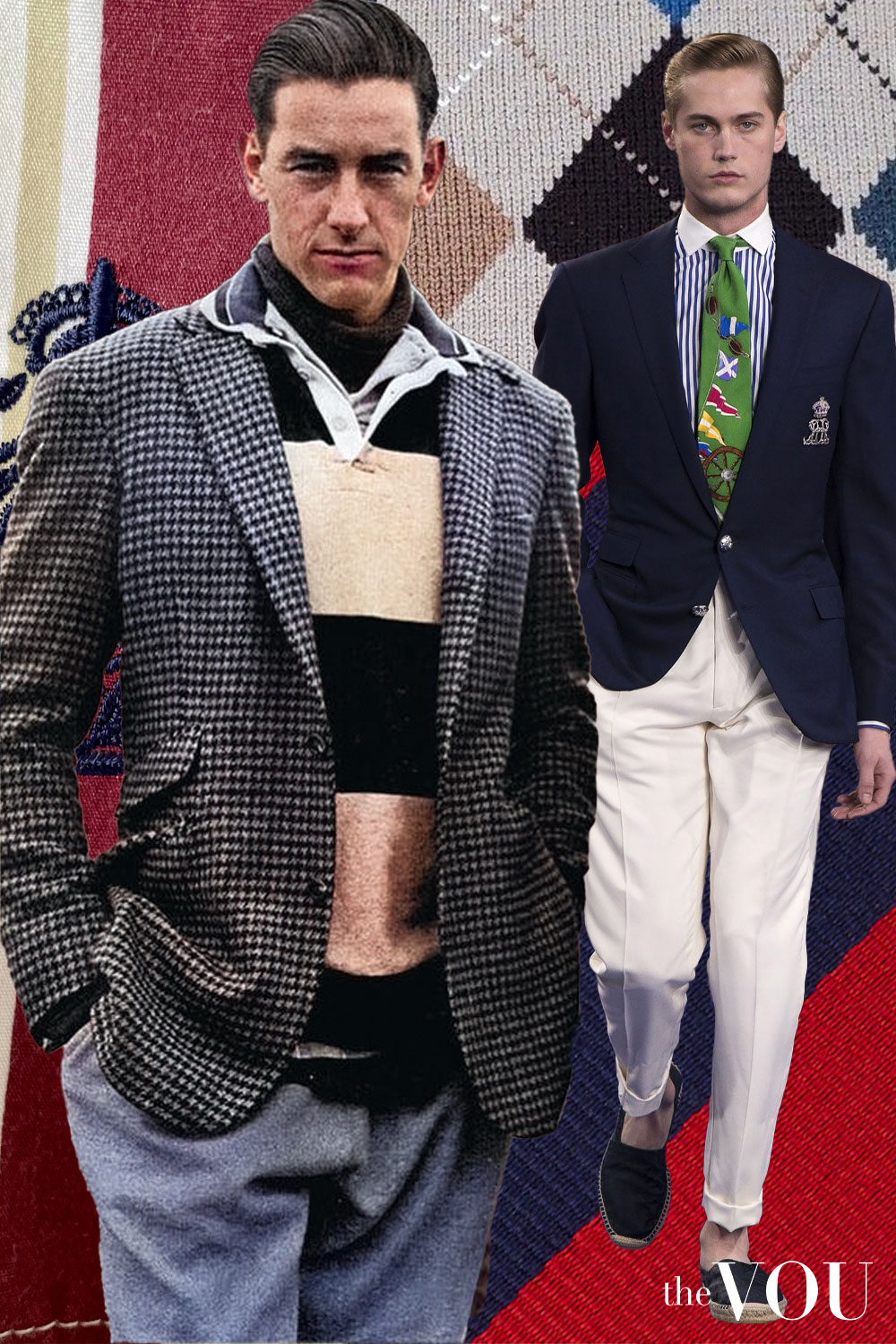
Preppy fashion is a way of dressing built on the campus clothes of north-eastern American universities and preparatory schools: navy blazers, Oxford button-down shirts, chinos, knitwear, loafers and boat shoes.
Its name comes from college-preparatory schools, and much of its clothing comes from Ivy League campus style, which in turn adapted English tweeds and sporting clothes; our guide to the preppy wardrobe covers each garment.
This guide follows how preppy menswear changed from the 1950s to today, its regional and international variations, the brands linked with it and some notable runway shows.
Preppy fashion origins
The look began on campuses rather than in any one region, and the origins of preppy style, from prep schools to the books and films that shaped its image, have their own guide.
Northern and Southern preppy are later names for the way the same wardrobe adapts to colder and warmer climates, not separate origins that appeared at the same time.
1. The North-East (Ivy League)
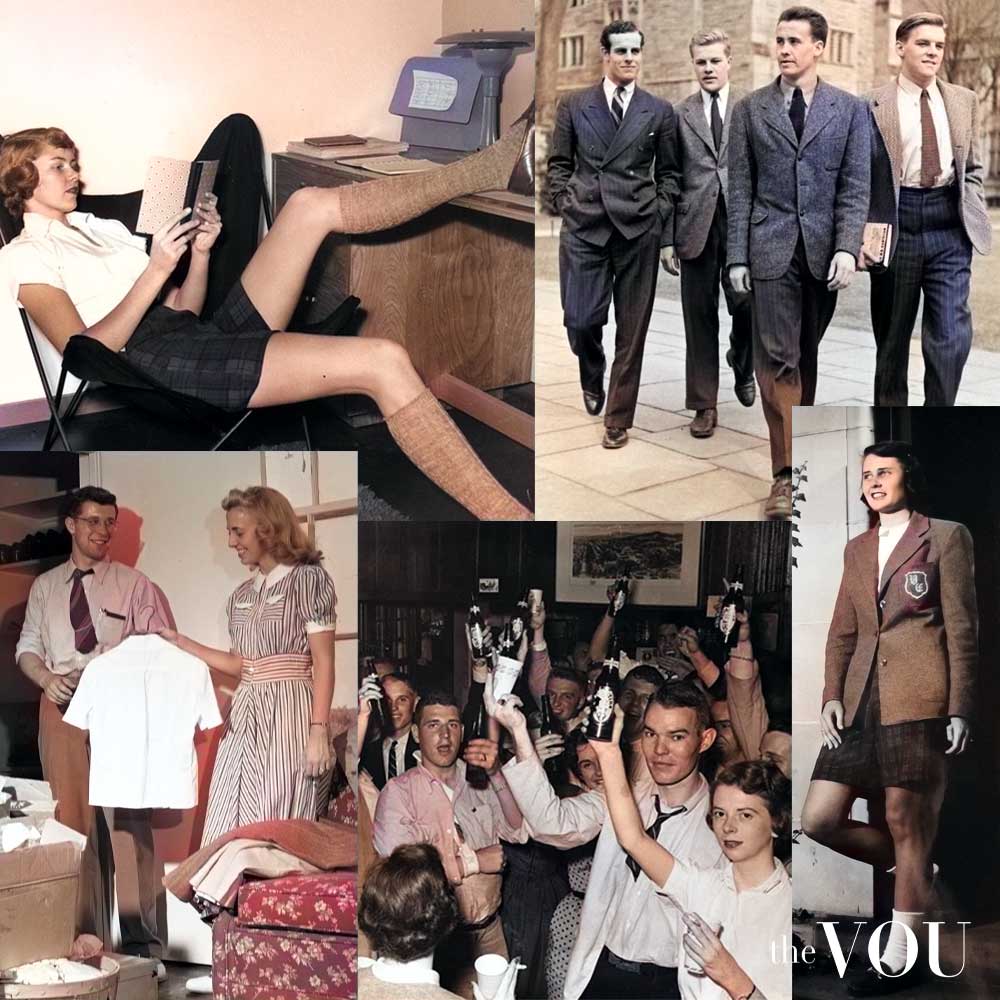
Ivy League style, the campus menswear of the early to mid-twentieth century, is the foundation of preppy dressing.
The Museum at FIT’s Ivy Style exhibition traces it to elite campuses before the Second World War, where outfitters such as Brooks Brothers and J. Press adapted English garments like tweed jackets and polo coats.
The Ivy League is a group of eight north-eastern universities, Brown, Columbia, Cornell, Dartmouth, Harvard, Pennsylvania, Princeton and Yale; sportswriters were using the name by the 1930s, and it formally became an athletic conference in 1954.
The core wardrobe includes navy blazers, Oxford button-down shirts, chinos, loafers or boat shoes, Shetland and argyle sweaters and tweed jackets.
Today the Ivy look is often grouped under the Old Money label, which describes an appearance and says nothing about a wearer’s background or wealth.
2. The Upper Midwest (Northern preppy)
The Northern preppy style is the cold-weather version of the wardrobe, associated with states such as Michigan, Minnesota and Wisconsin.
It leans on flannel shirts, cable-knit sweaters, heavy chinos or corduroys, duck boots and insulated or waxed jackets.
3. The American South (Southern preppy)
The Southern preppy style is the warm-weather version, associated with states such as Virginia, the Carolinas and Georgia.
It favours seersucker and linen suits, madras and gingham shirts, light chinos or pastel shorts, polo shirts, loafers without socks, Panama hats and bow ties.
Brighter colours and playful prints, such as those from Vineyard Vines, suit outdoor summer events like horse races and garden parties.
How preppy fashion evolved
Preppy fashion has changed with the decades, but its core garments have stayed recognisable.
The 1950s and 1960s
After the Second World War, according to the FIT exhibition, Ivy clothing spread beyond the campus, and by November 1954 LIFE magazine reported that the look had reached discount clothiers across the country.

Sack jackets, button-down shirts, chinos, crewneck sweaters and loafers became everyday menswear far beyond the universities.
Ralph Lauren began his Polo neckwear line in 1967, the start of the label most associated with preppy dressing today.
The 1970s
The FIT exhibition records that Ivy fell out of favour in the late 1960s, as more casual and colourful clothes took over.
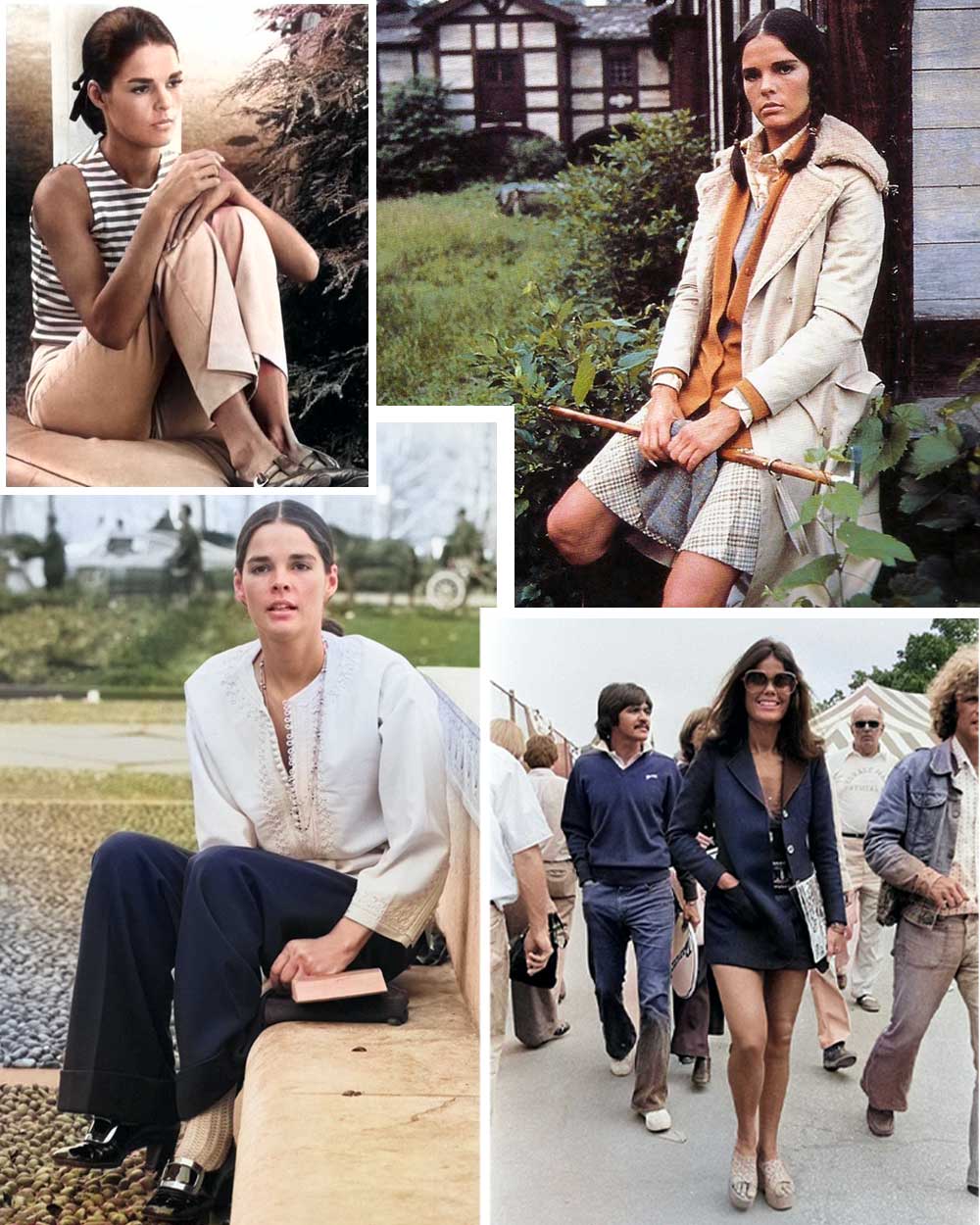
Preppy clothes were often mixed with the softer, bohemian clothing of the decade, and the 1970 film Love Story, set at Harvard, gave its hero the nickname “Preppie” and dressed both leads in preppy clothes, which set off a brief run on the look.
The 1980s
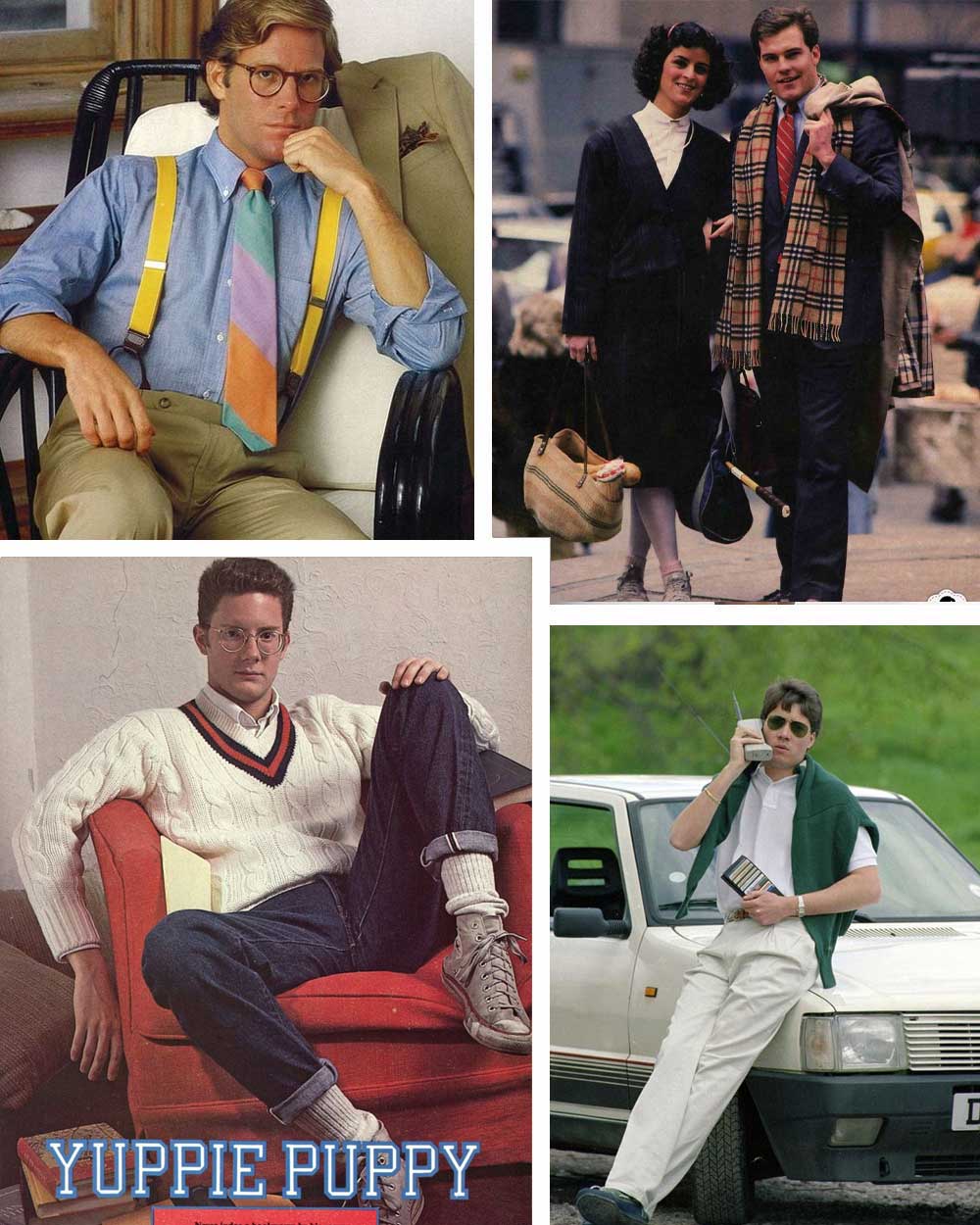
The decade’s revival owed much to The Official Preppy Handbook, a 1980 Workman parody edited by Lisa Birnbach, whose tongue-in-cheek dress rules ended up being read as real advice.
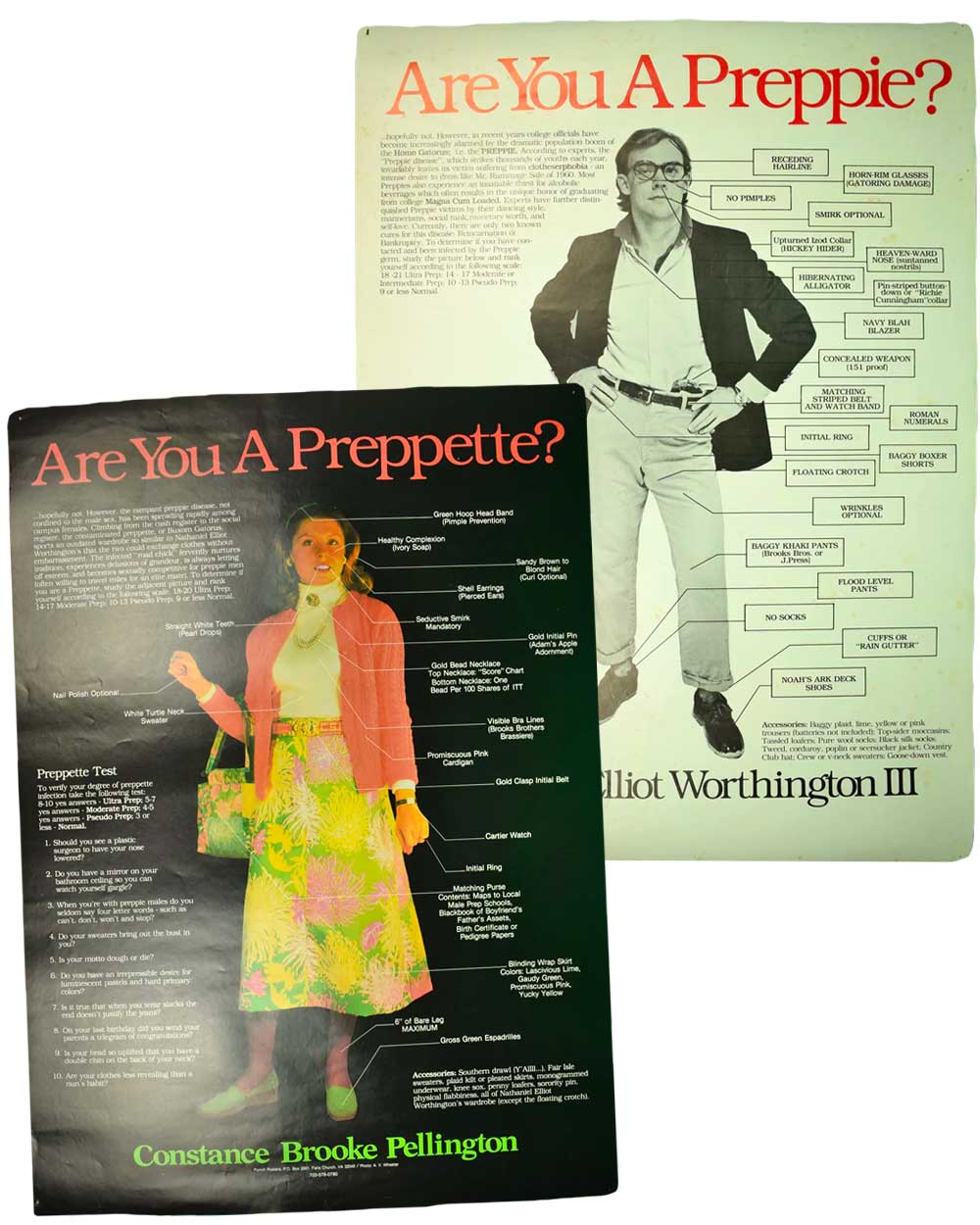
Ray-Ban Wayfarer sunglasses, polo shirts with the collar turned up, sweaters knotted over the shoulders and boat shoes all appear in many images of the period.
The word “yuppie”, for young urban professional, also appeared in the early 1980s, and yuppie office dressing borrowed many of the same garments.
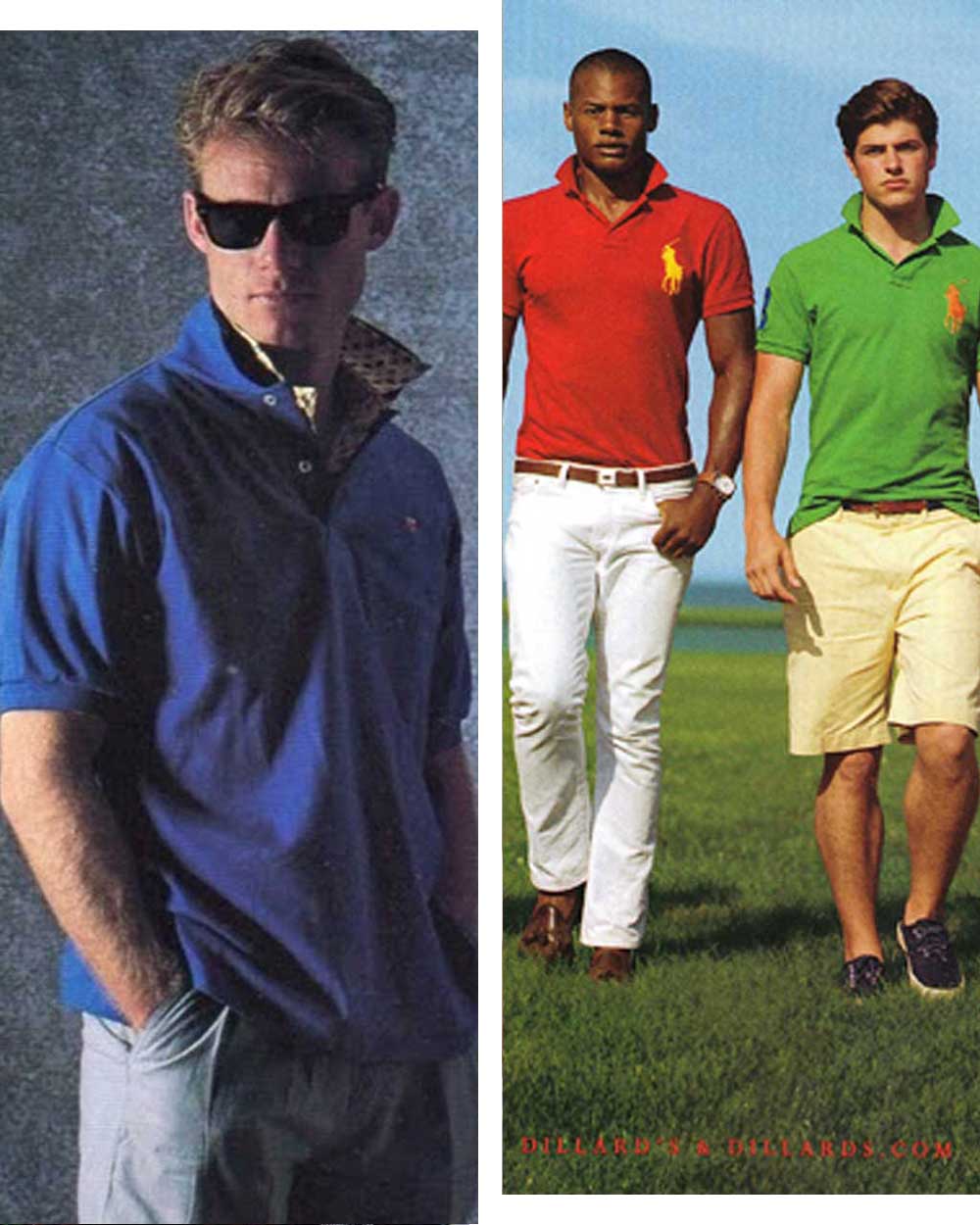
The popped-collar polo shirt became one of the decade’s best-known preppy looks.
Ralph Lauren, Lacoste and Izod helped move preppy clothing into the mainstream during the decade, and Tommy Hilfiger launched his label in 1985.
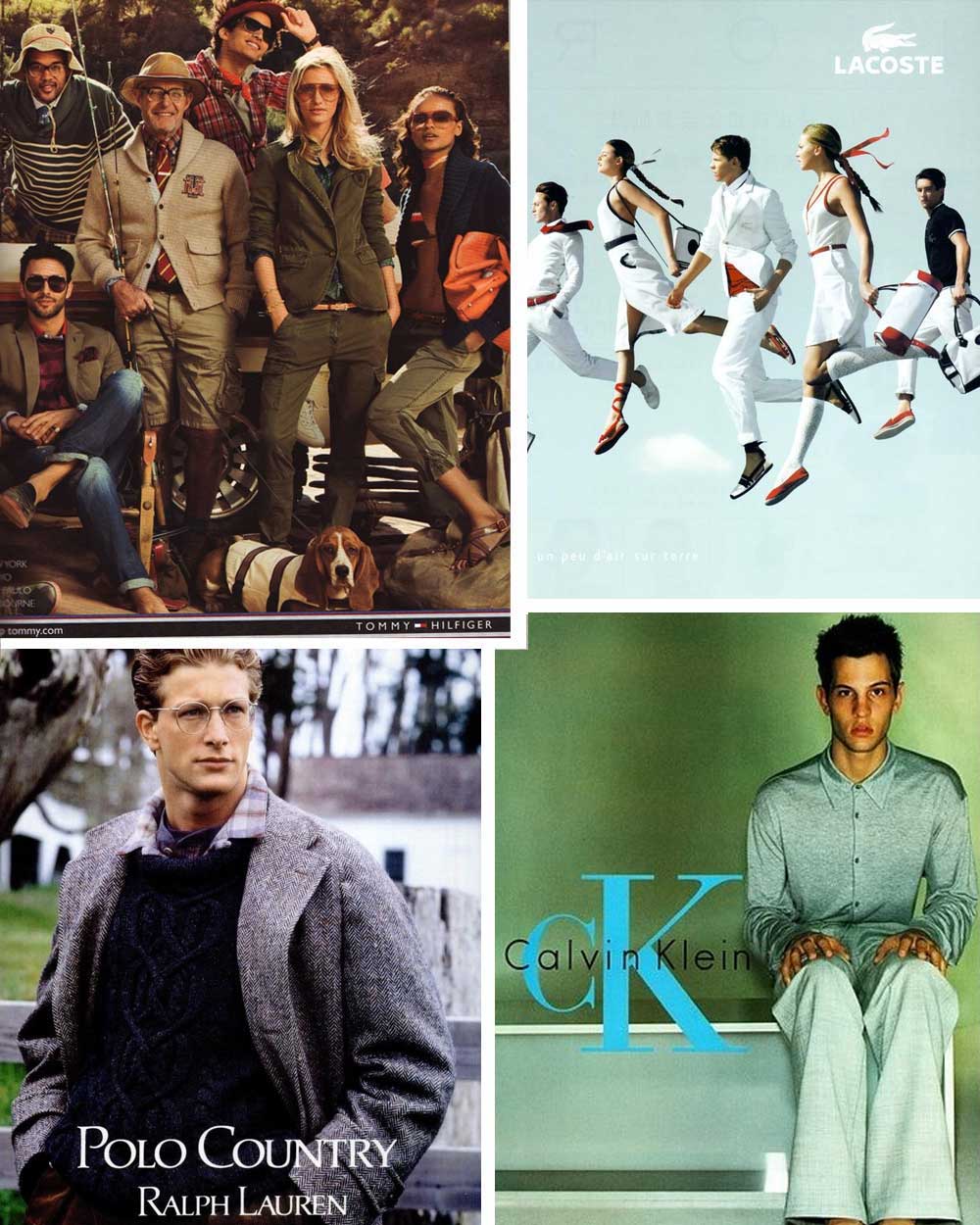
Advertising by these and other American labels spread the look internationally.
The 1990s
In the 1990s, preppy clothing mixed with the casual and streetwear styles of the decade.
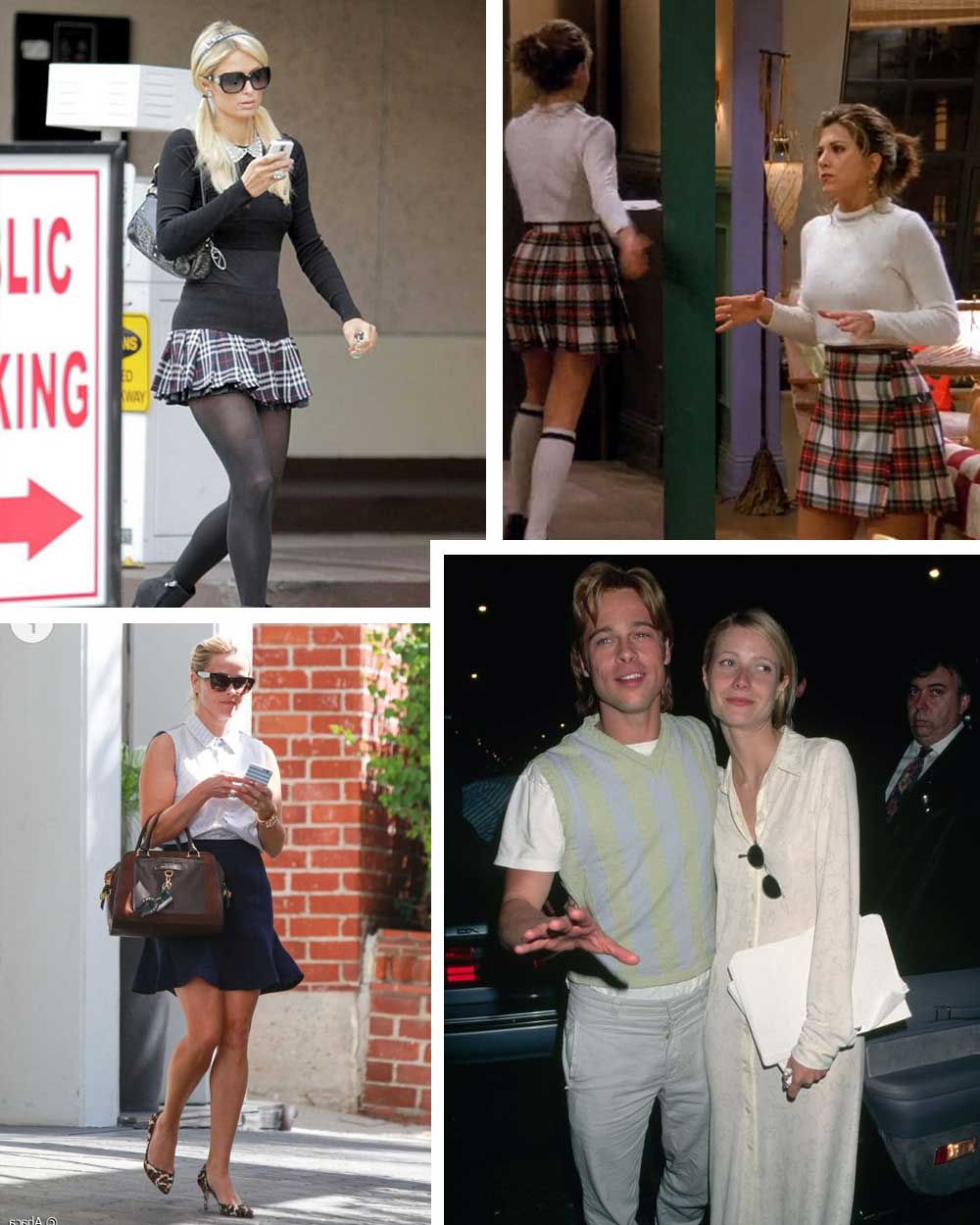
As preppy borrowed from streetwear and grunge, the look became looser and more casual than the polished styles of the 1980s.
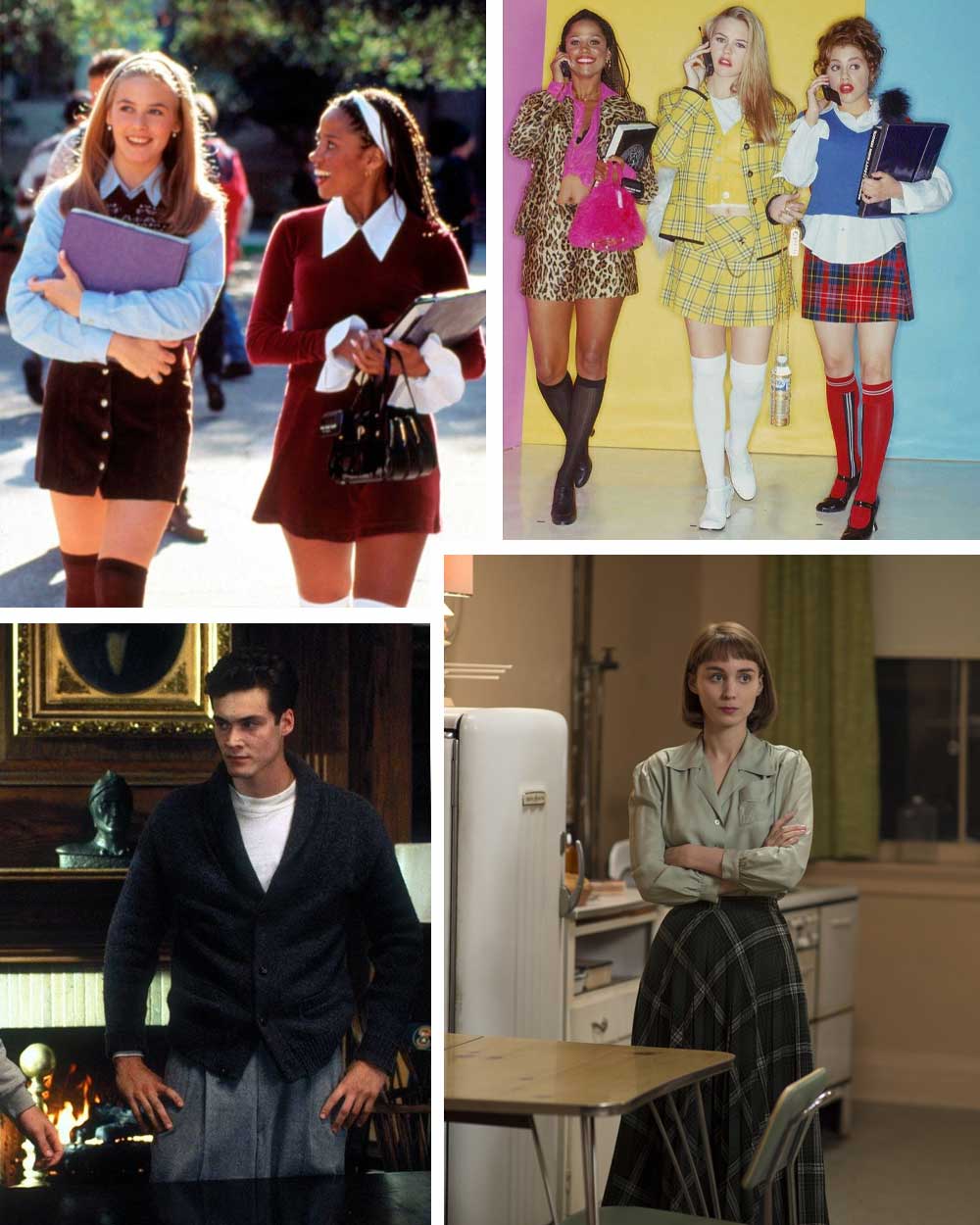
Films and television of the decade often borrowed school-uniform clothes such as blazers, ties and cardigans.
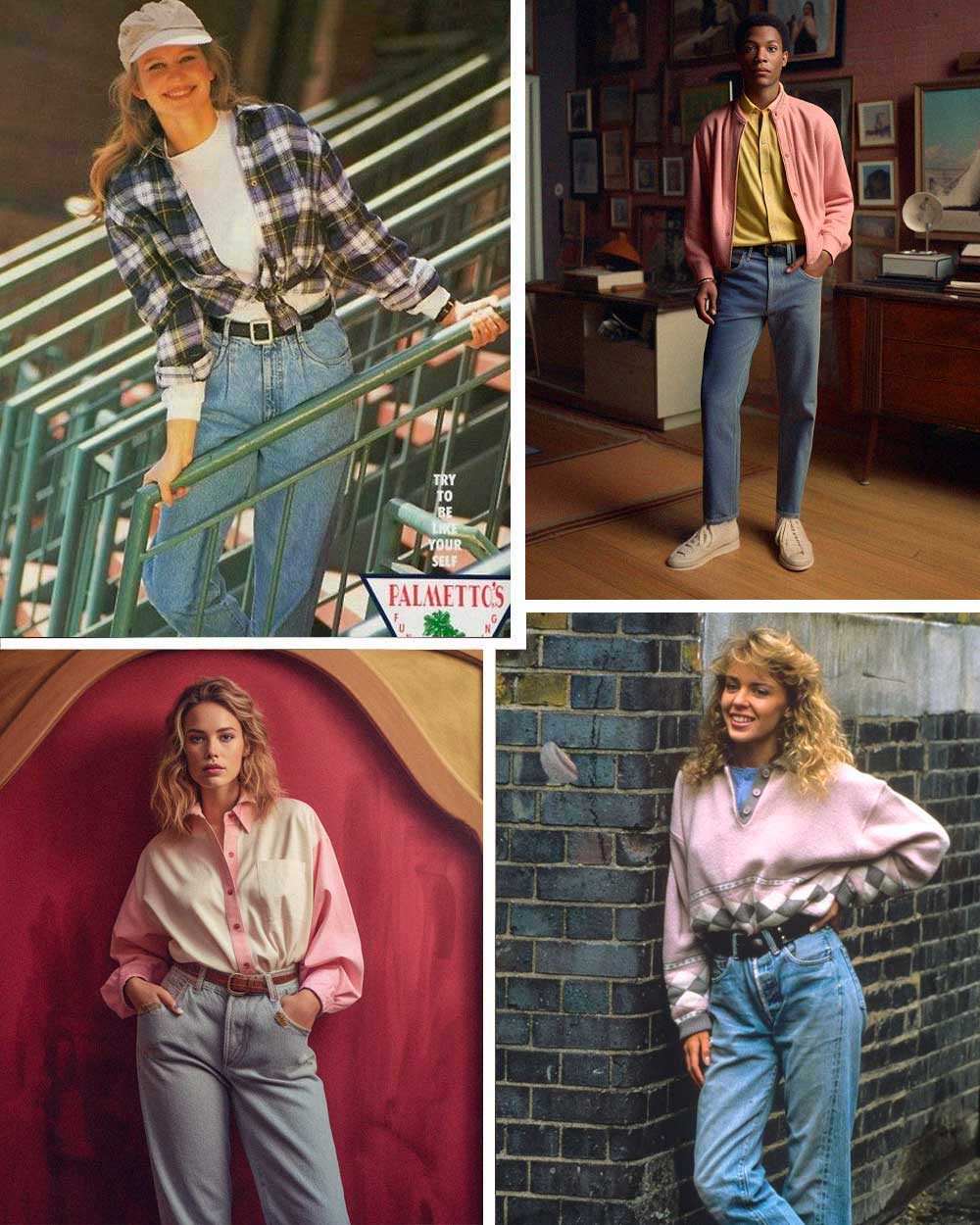
For men, rugby shirts, oversized sweaters, chinos and jeans replaced much of the tailoring, and labels such as Polo Ralph Lauren and J.Crew kept selling rollneck sweaters and other traditional preppy clothes.
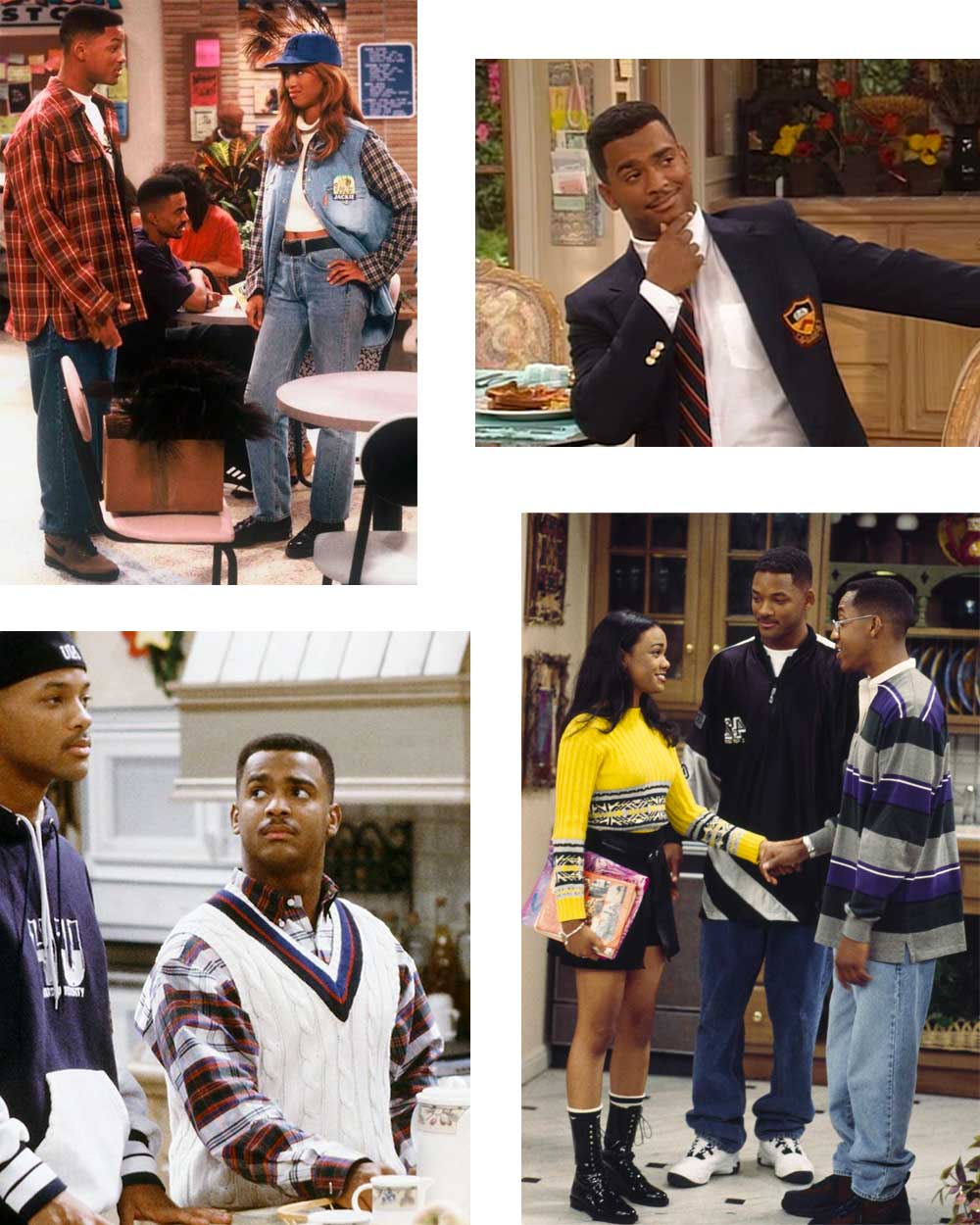
Television such as The Fresh Prince of Bel-Air (1990 to 1996) put crested blazers, repp ties, tennis sweaters and sweater vests on screen, and hip-hop musicians and fans mixed preppy garments with streetwear.
Men’s outfits mixed oversized shirts, loose jeans and boat shoes with traditional preppy garments.
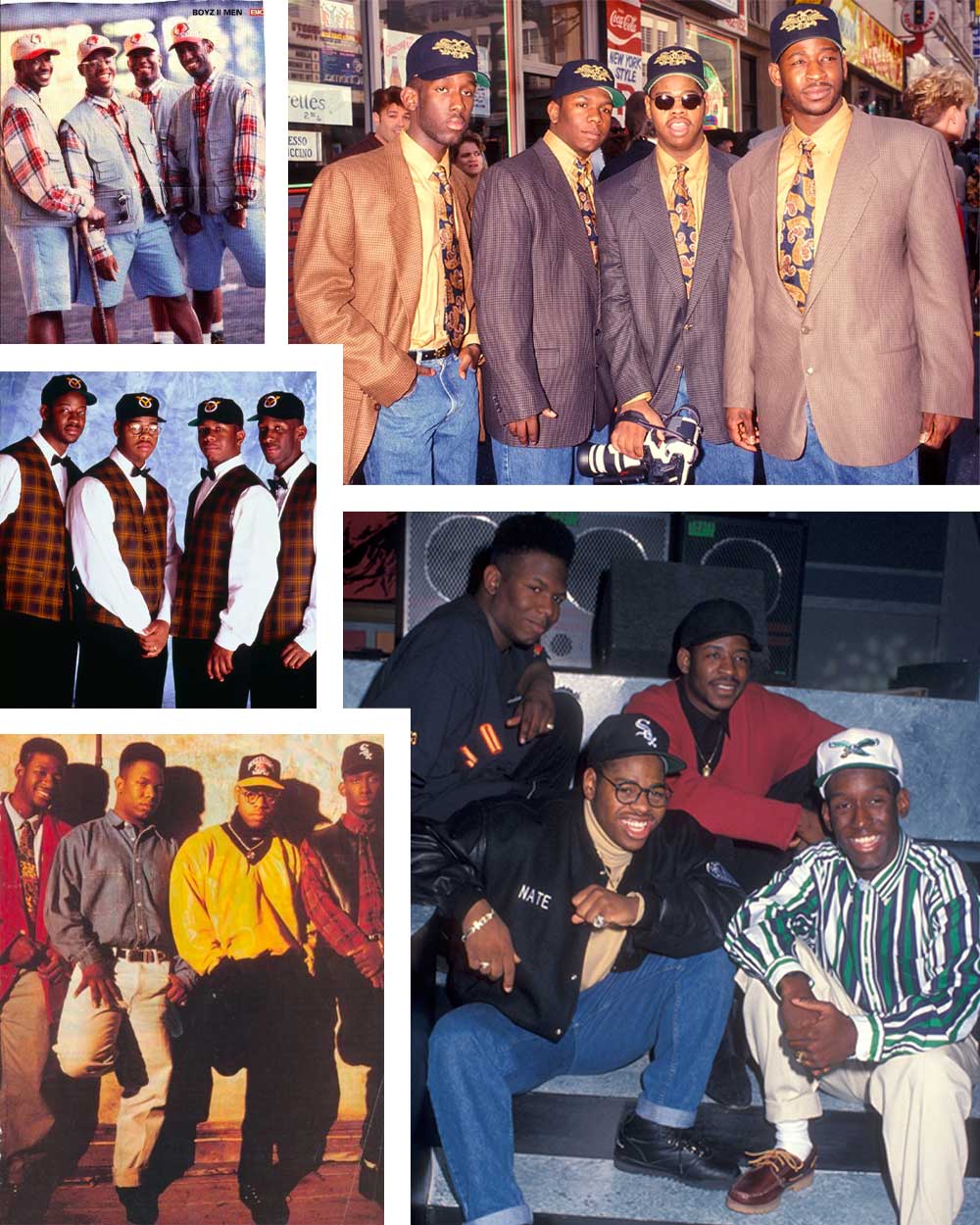
The vocal group Boyz II Men was known for coordinated outfits of sweater vests, cardigans, turtlenecks, blazers and ties.
Many young men also chose Nantucket Reds, nautical-striped T-shirts, loafers and short-sleeved madras or gingham shirts over more formal clothes.
The 2000s
In the 2000s, television such as Gossip Girl (2007 to 2012) put school blazers, ties and plaid back in the spotlight.
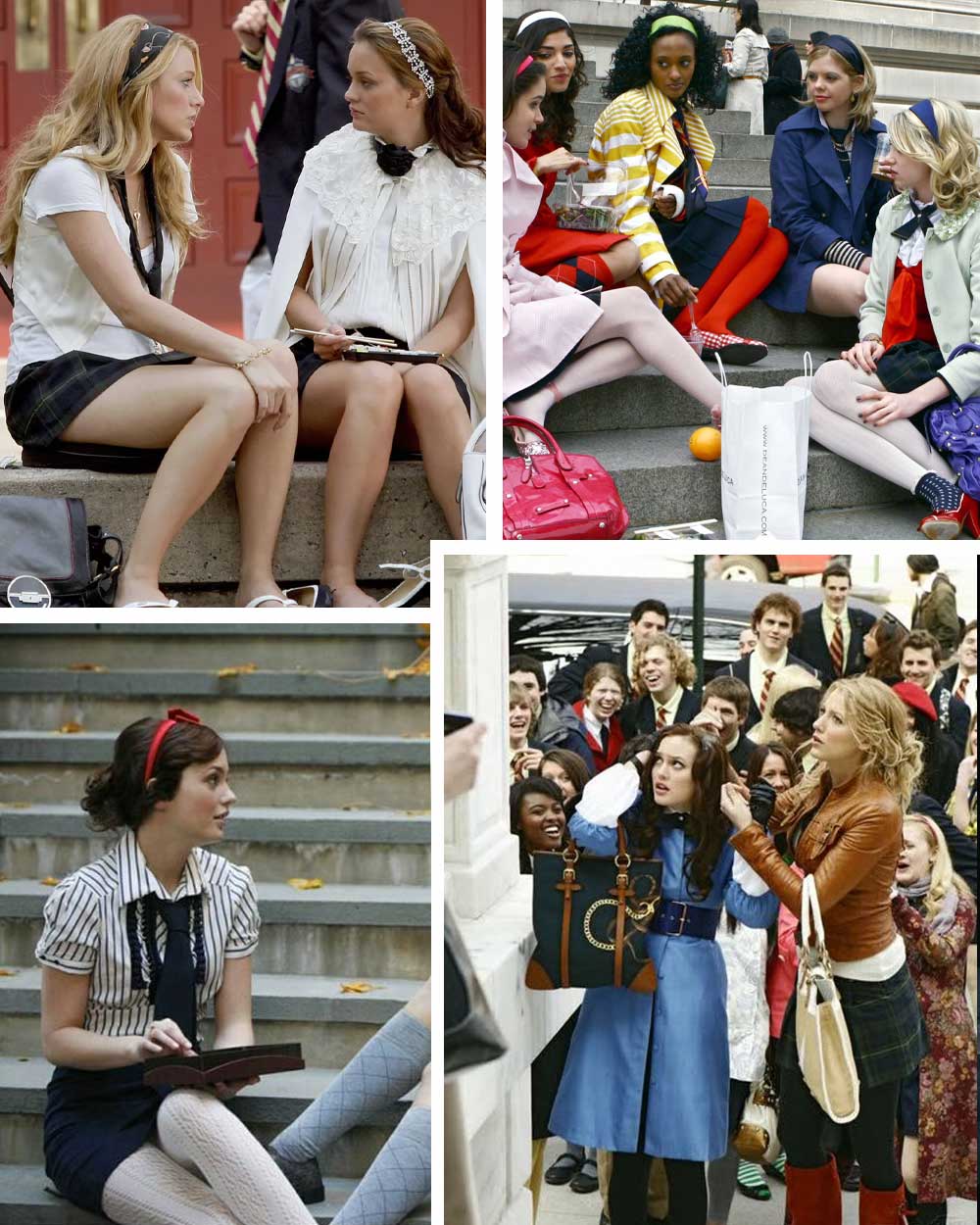
Bright colours, layered polo shirts and a retro mood marked the middle of the decade.
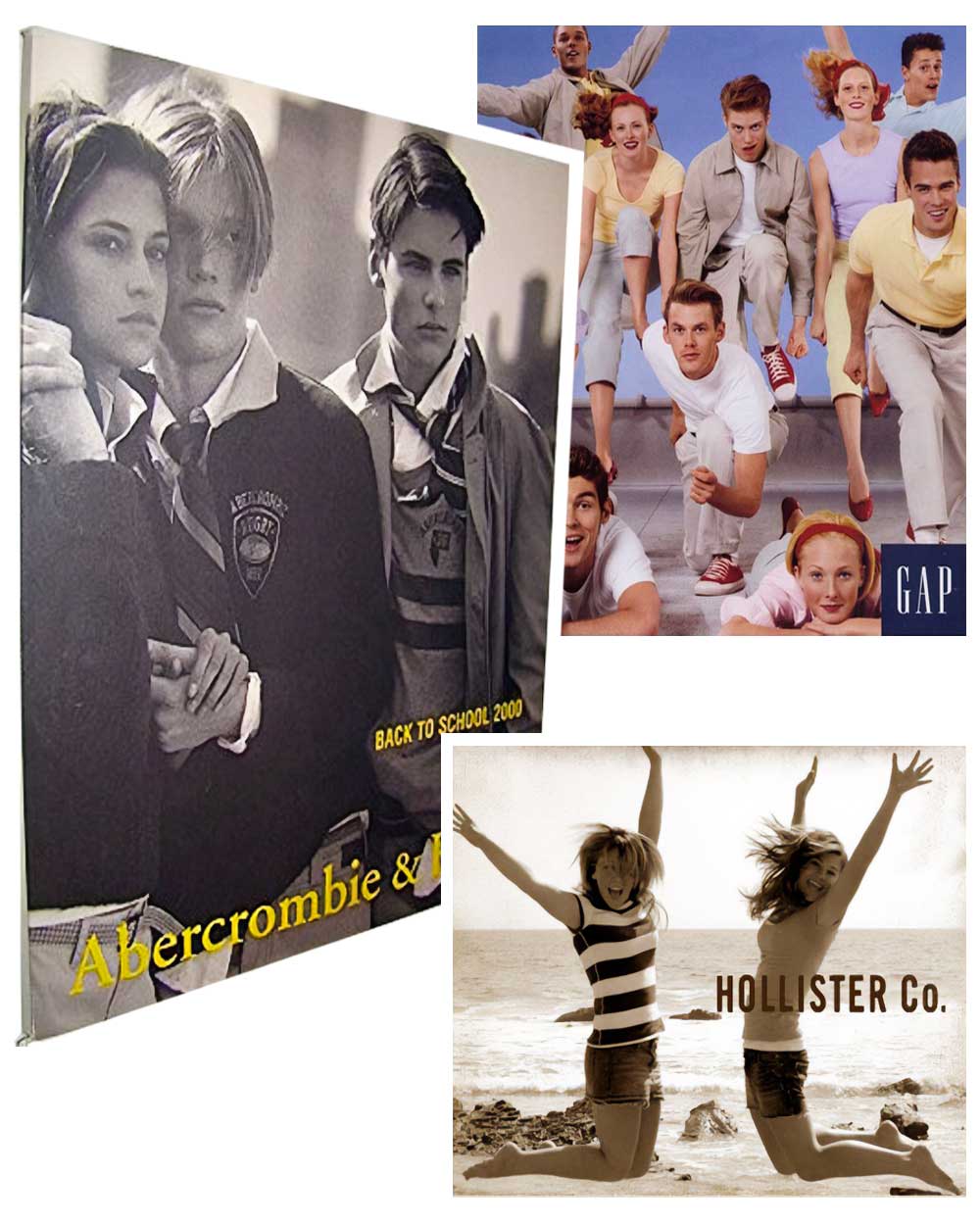
Abercrombie & Fitch, Gap, Old Navy and Hollister were among the most popular retailers of casual preppy clothes for young people.
At the same time, musicians such as Kanye West mixed polo shirts, cardigans, argyle and pastel colours with hip-hop styling.
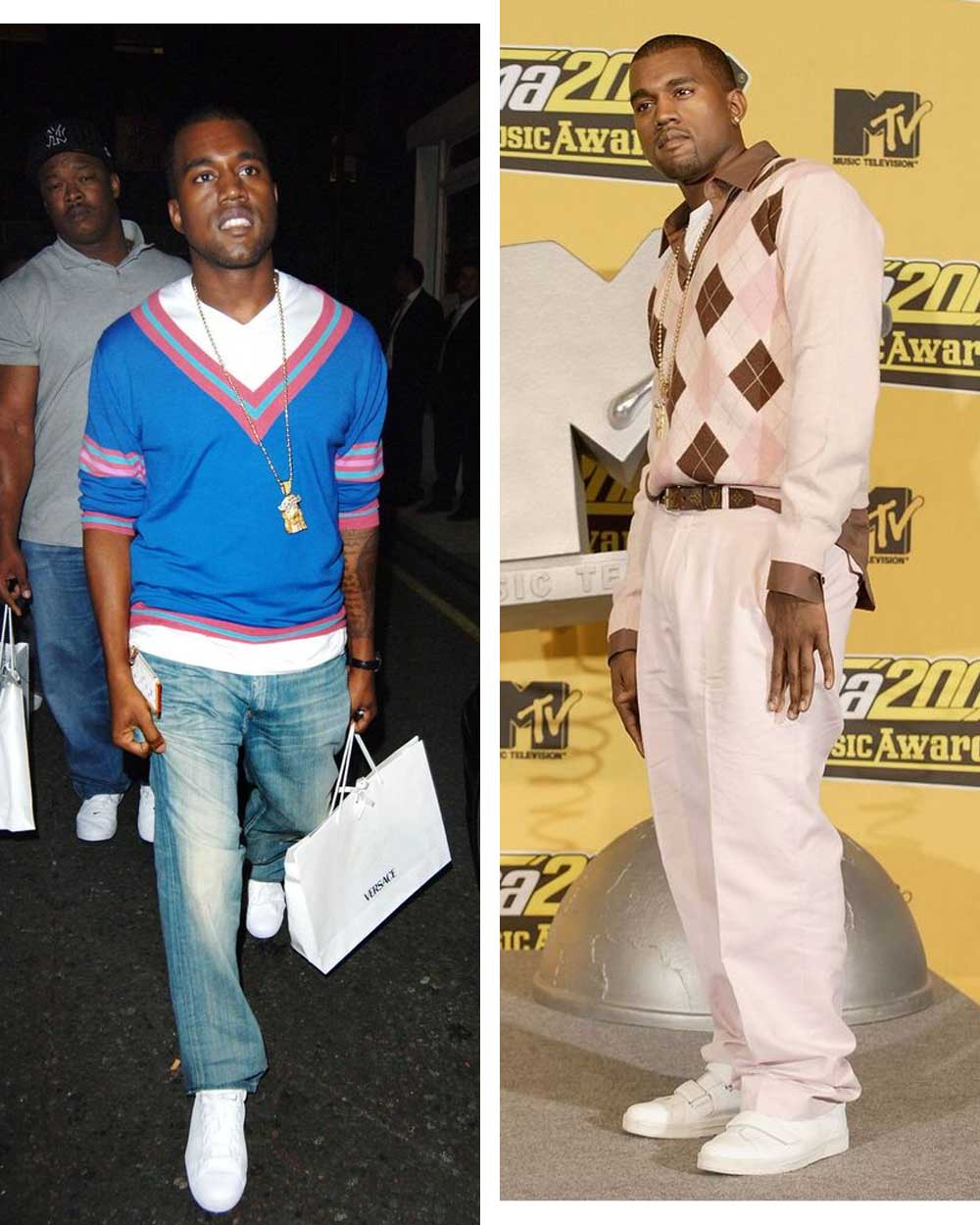
Late-2000s preppy outfits often combined polo shirts layered over long-sleeved shirts, cardigans, coloured jeans and argyle patterns.
Mass retailers sold a youthful version of the look widely, while luxury labels also put more emphasis on preppy designs.
From 2010 to today
In the 2010s and 2020s, preppy clothing has been reinterpreted again, often under the name neo-prep, borrowing from streetwear, athleisure and other subcultures.
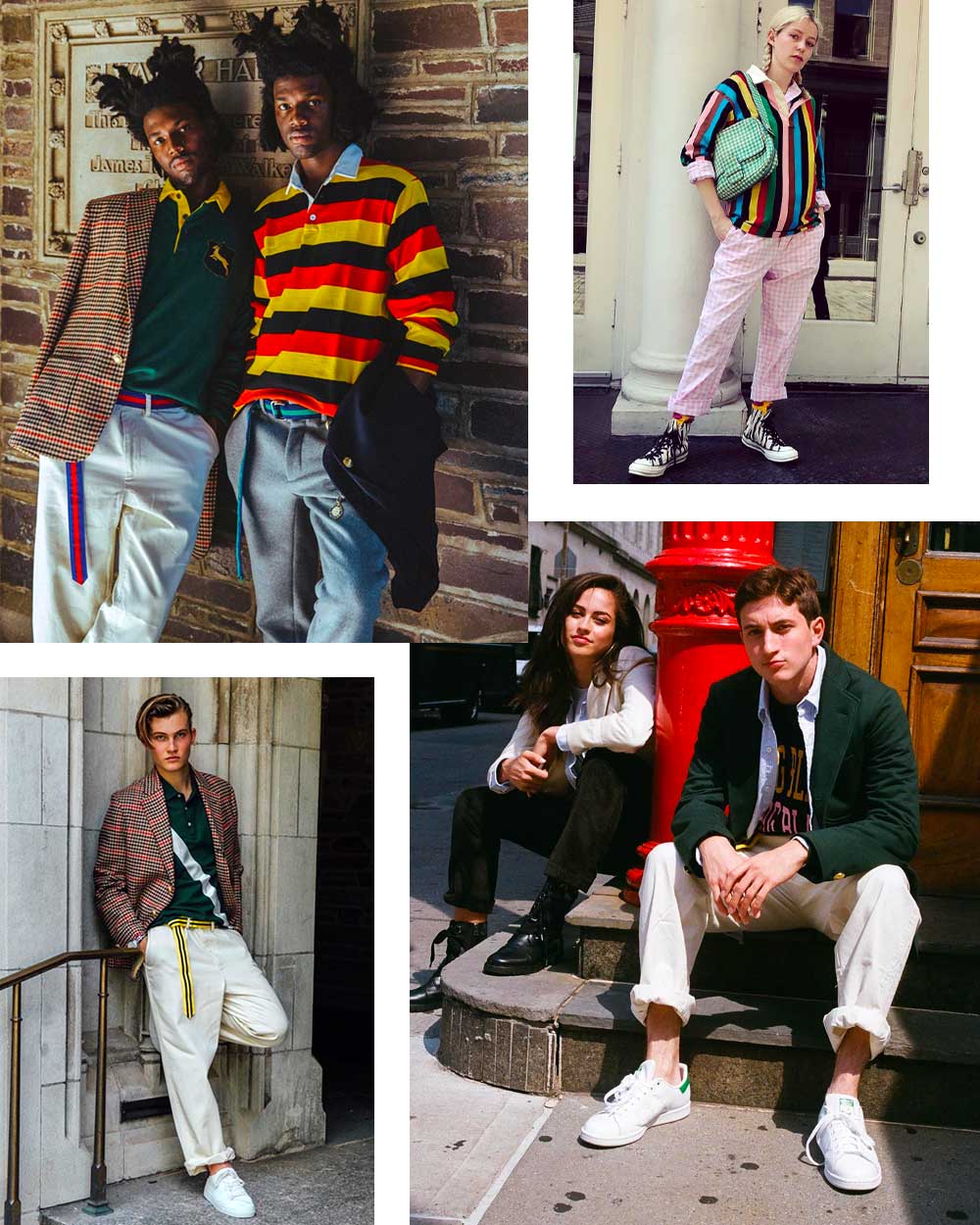
Social media has spread many personal versions of the look.
Rugby stripes, collegiate sweaters and plaid have reappeared in collections from designer labels as well as high-street retailers.
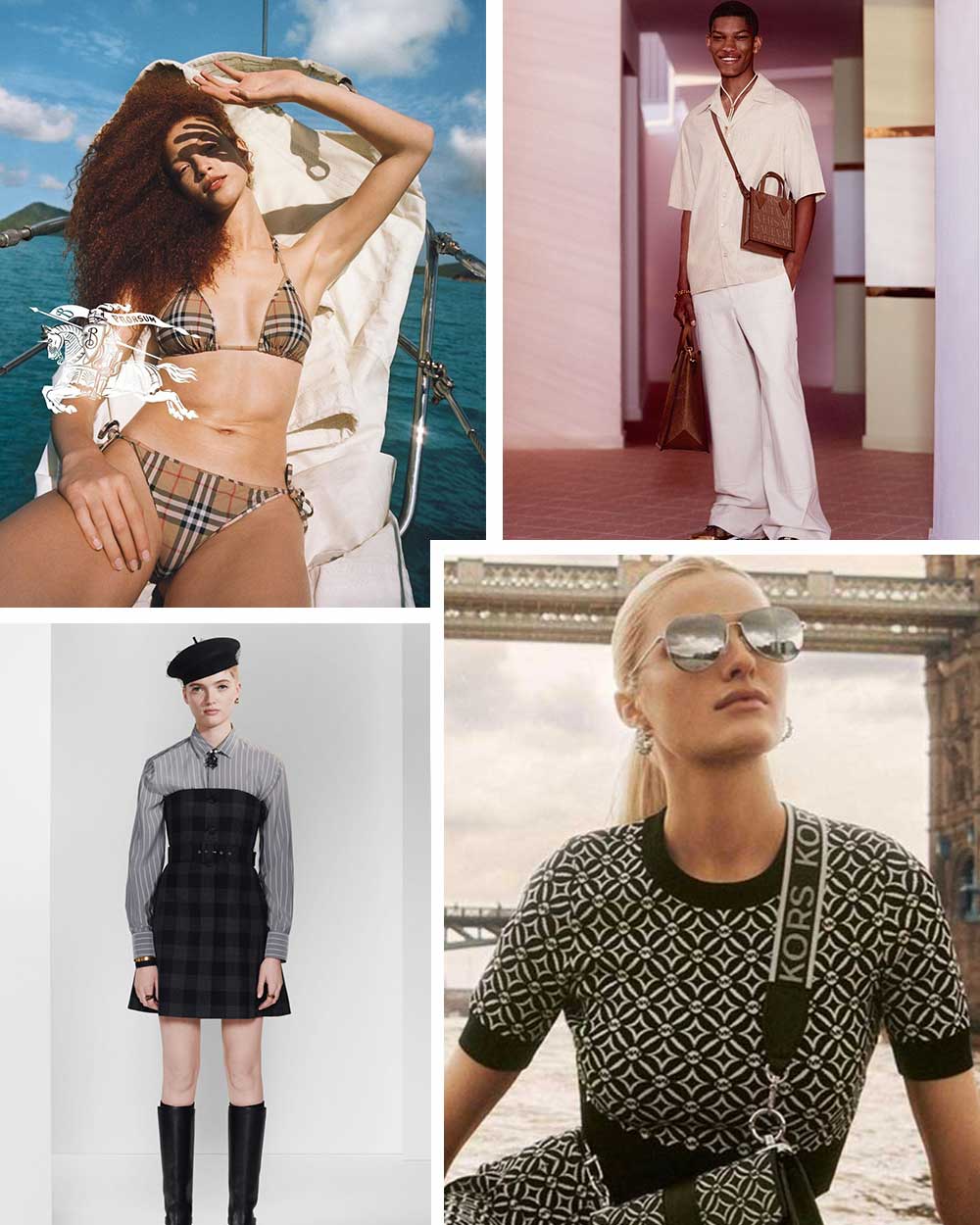
Neckties, chinos, sweater vests and argyle have also returned, often worn in a more casual way.
White button-down shirts, collegiate sweaters, navy jackets and argyle vests are now often combined with sneakers and jeans.
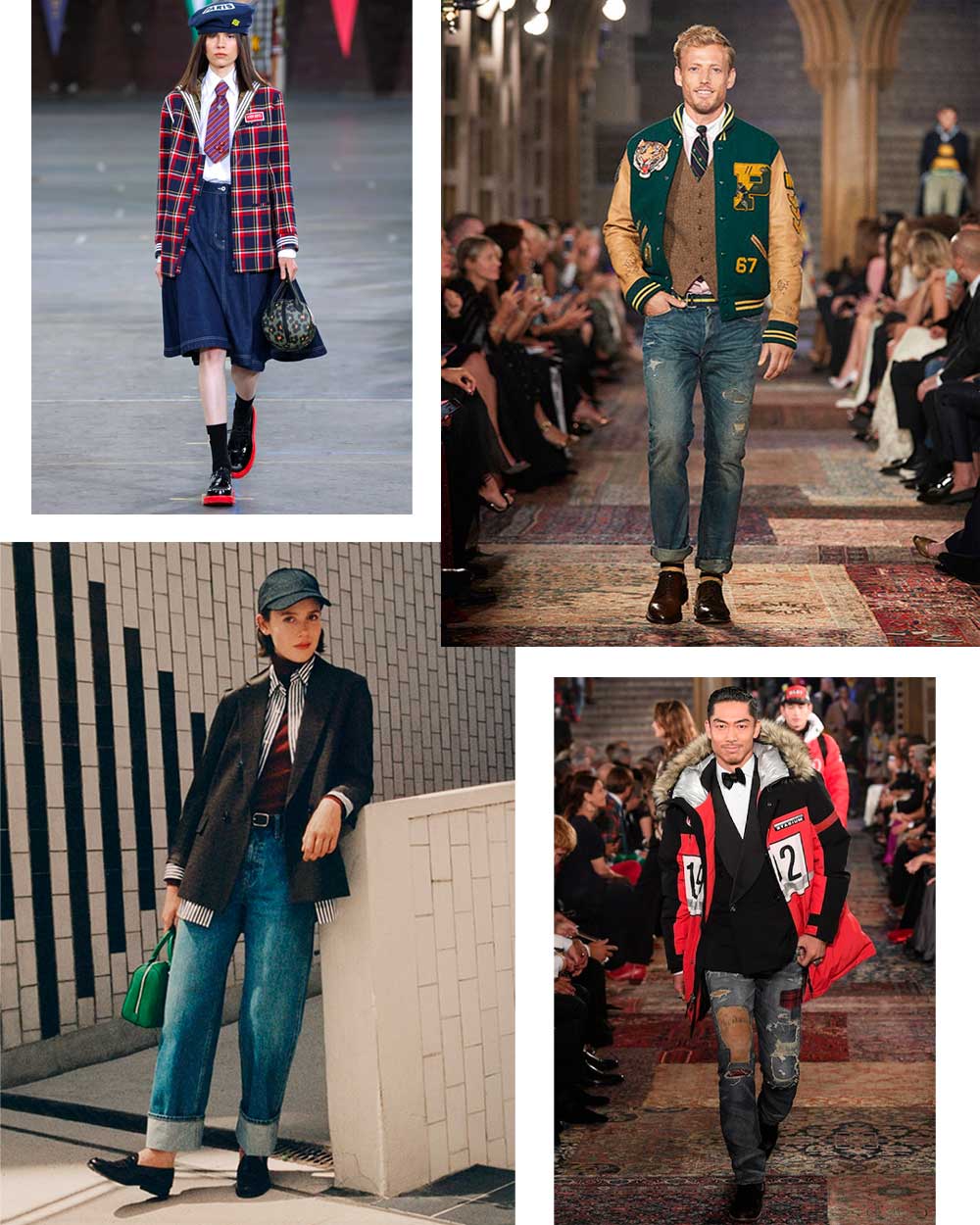
Pairing knitwear with relaxed trousers or a varsity jacket with jeans shows how flexible the core garments have become.
Modern preppy fashion (neo-prep)
Neo-prep reinterprets classic preppy garments in bold colours, unexpected patterns and non-traditional fabrics.
Picture a navy blazer worn with a graphic T-shirt, or a cashmere sweater layered over a striped dress shirt.
The underlying garments still come from the traditional preppy wardrobe, even when the proportions and colours change.
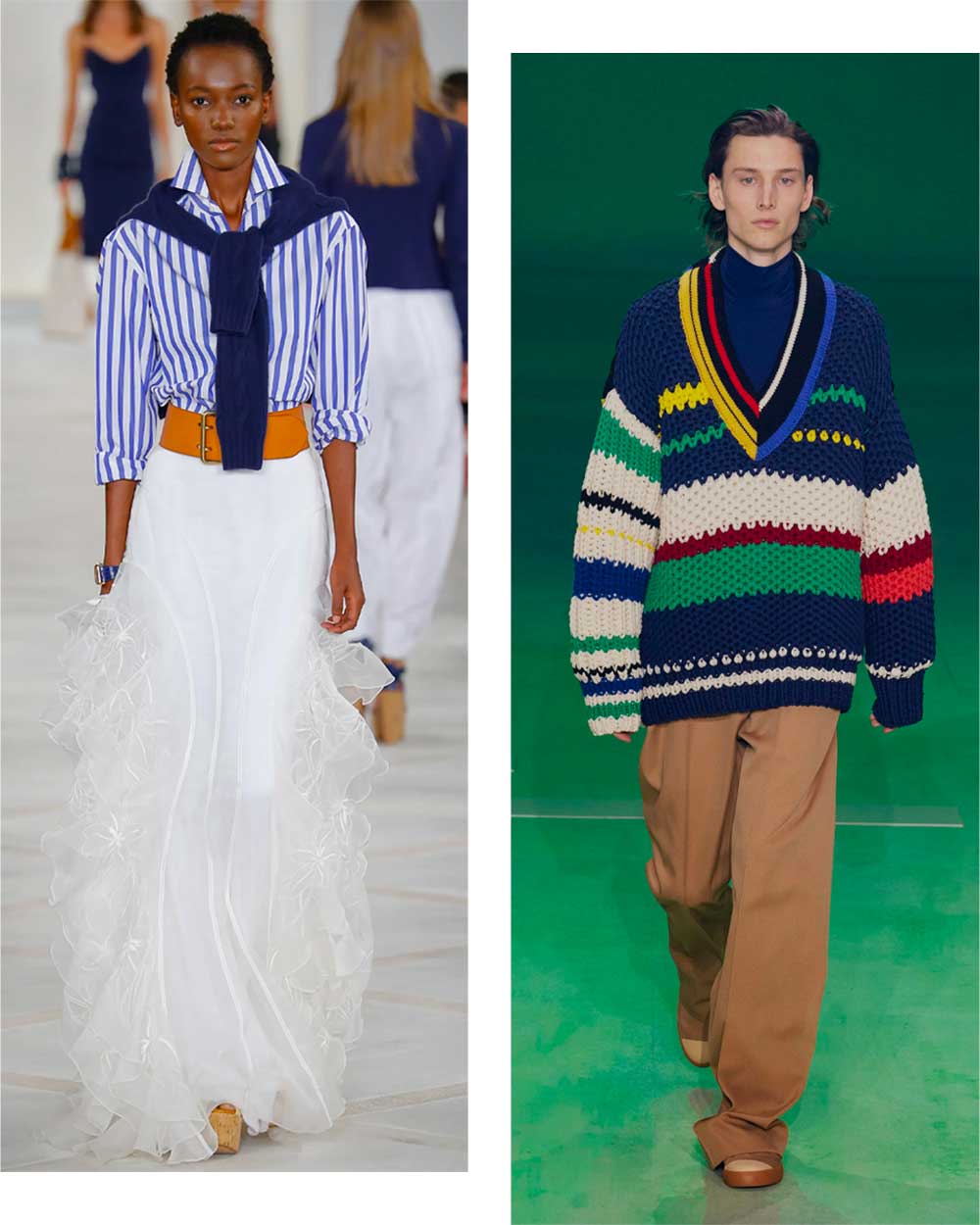
Sporting references, such as nautical stripes, chinos and golf sweaters, are still present, but stripes may be oversized or irregular, chinos may be replaced by tailored joggers, and sweaters may carry bold geometric patterns.
Established preppy labels such as Brooks Brothers and Ralph Lauren also sell more contemporary versions of their classics.
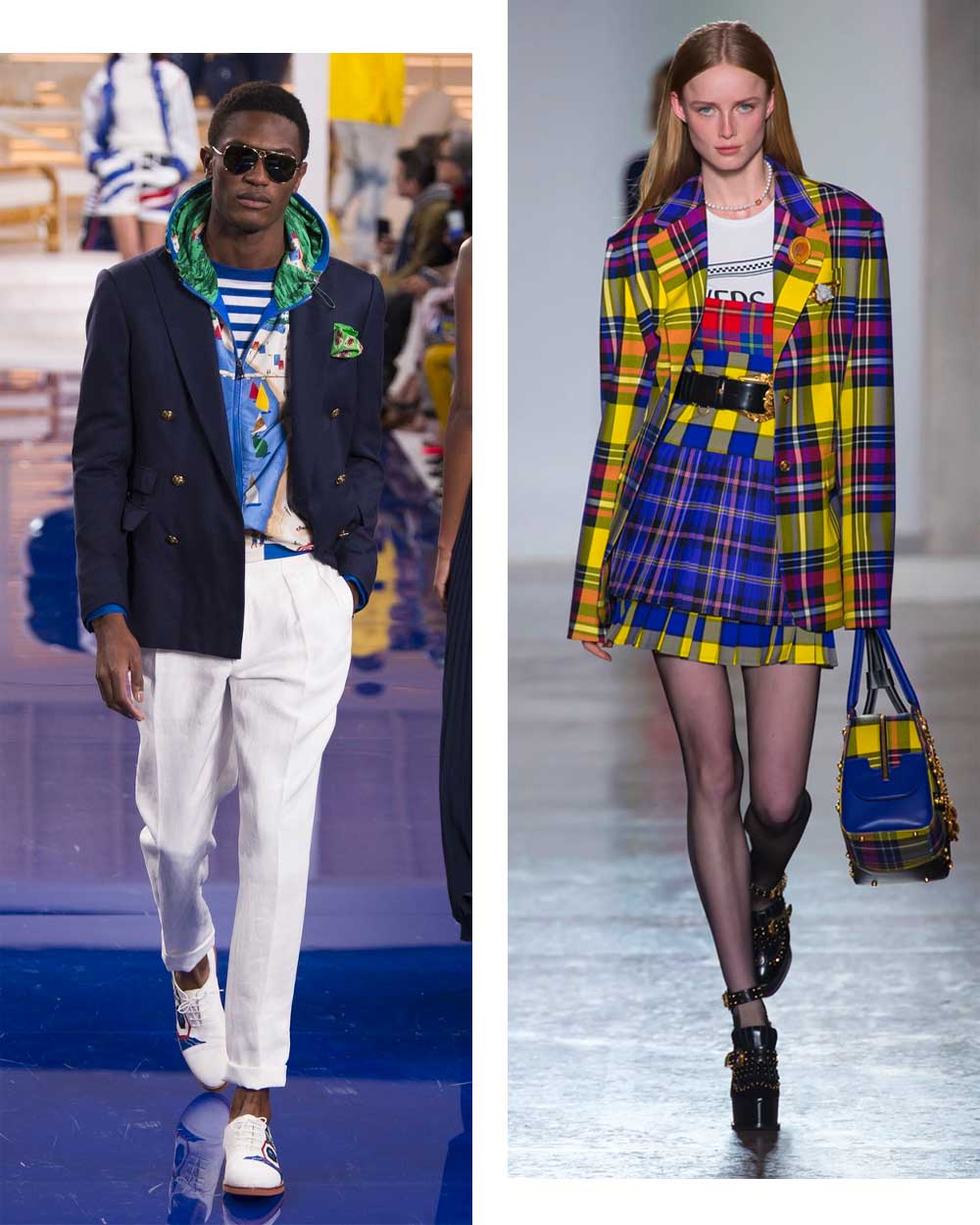
Neo-prep often treats the traditional look with a sense of humour or irony.
Labels such as Rowing Blazers, founded in New York in 2017, and Noah mix classic preppy clothes with streetwear and athleisure.
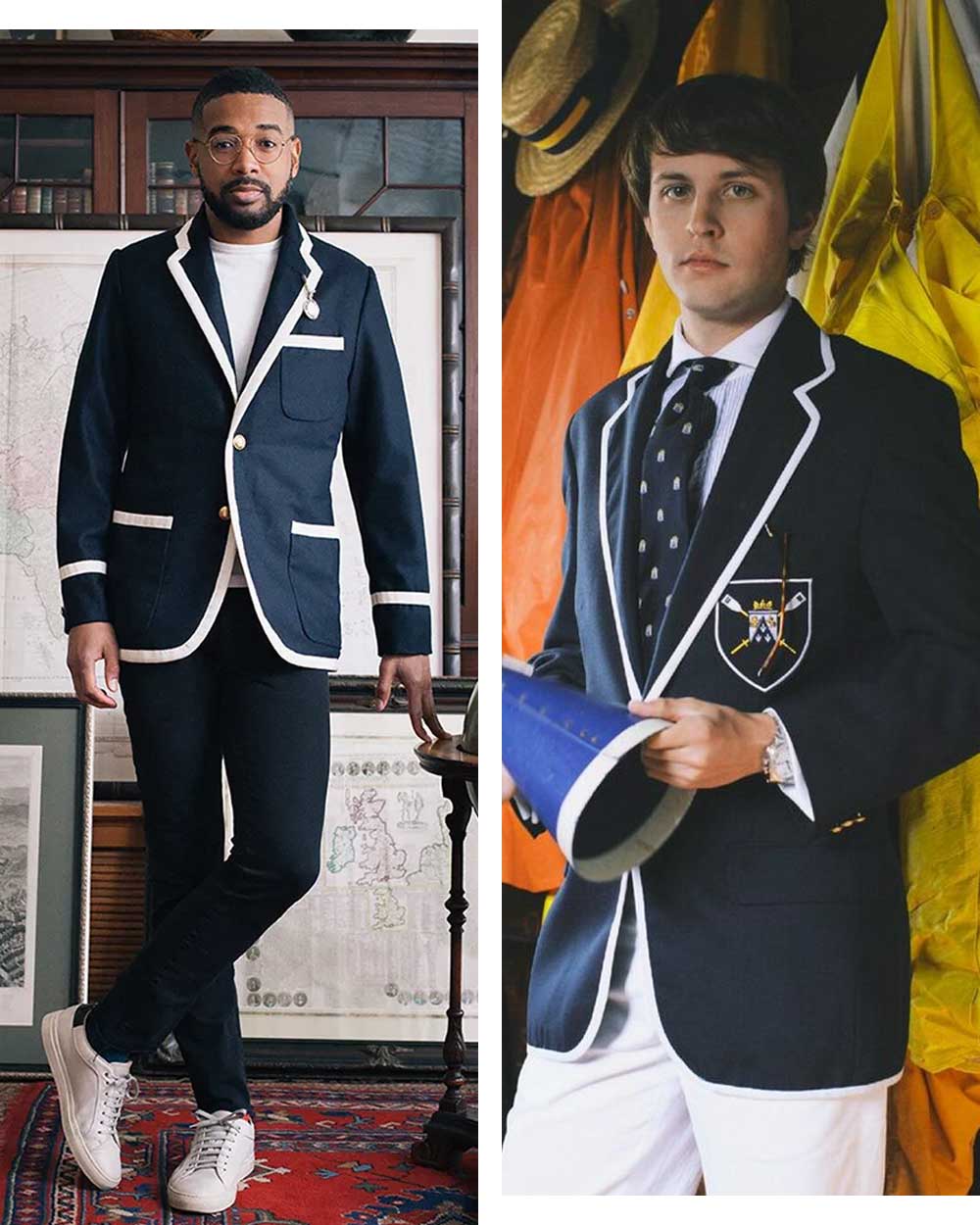
For a men’s neo-prep outfit, try a piped or striped blazer with a T-shirt, straight jeans or chinos and clean leather sneakers.
Preppy fashion in other countries
Preppy clothing has travelled well beyond the United States, and each place has added its own references.
The variations below are combinations of clothing, not descriptions of how everyone in a country dresses.
English preppy (Sloane Ranger)
The Sloane Ranger name was coined at Harpers & Queen magazine in 1975 and comes from Sloane Square in Chelsea, London. The British Sloane Ranger look mixes town and country clothing.
Peter York and Ann Barr’s Official Sloane Ranger Handbook (1982) made the look widely recognised.

For men, the look includes tweed and checked jackets, corduroy trousers, rugby shirts and waxed cotton jackets from companies such as Barbour, often in greens and browns.
European preppy
European versions of preppy tend to be more minimal: a structured navy blazer, slim neutral trousers and a crisp white shirt.
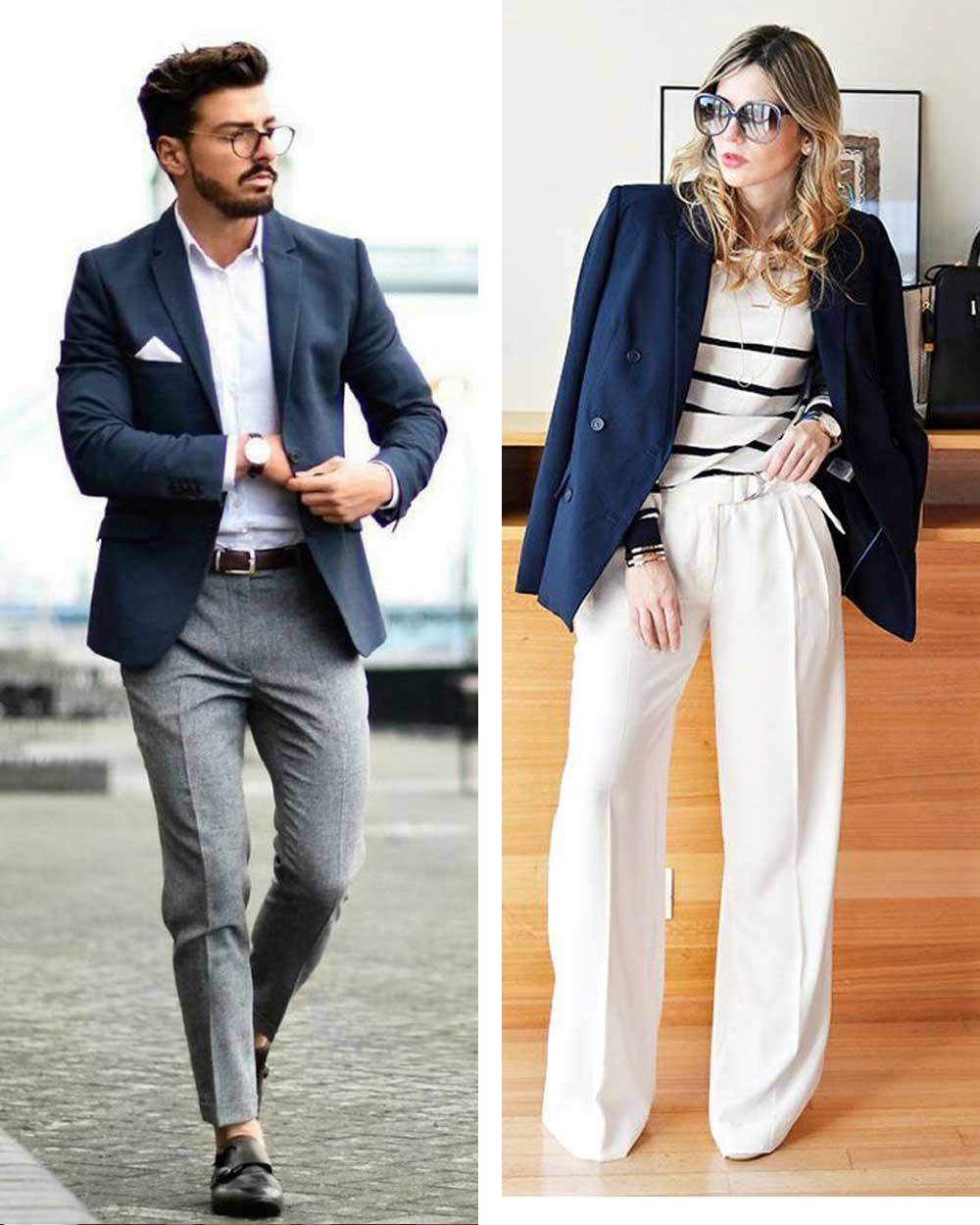
In France, a similar polished style is called Bon Chic Bon Genre, or BCBG, and Milan has its own tailored version.
Japanese Ivy and trad
Japanese Ivy dressing traces back to Kensuke Ishizu’s Osaka company, VAN Jacket, set up in 1951, whose collegiate clothes reached a young Japanese audience in the 1960s.
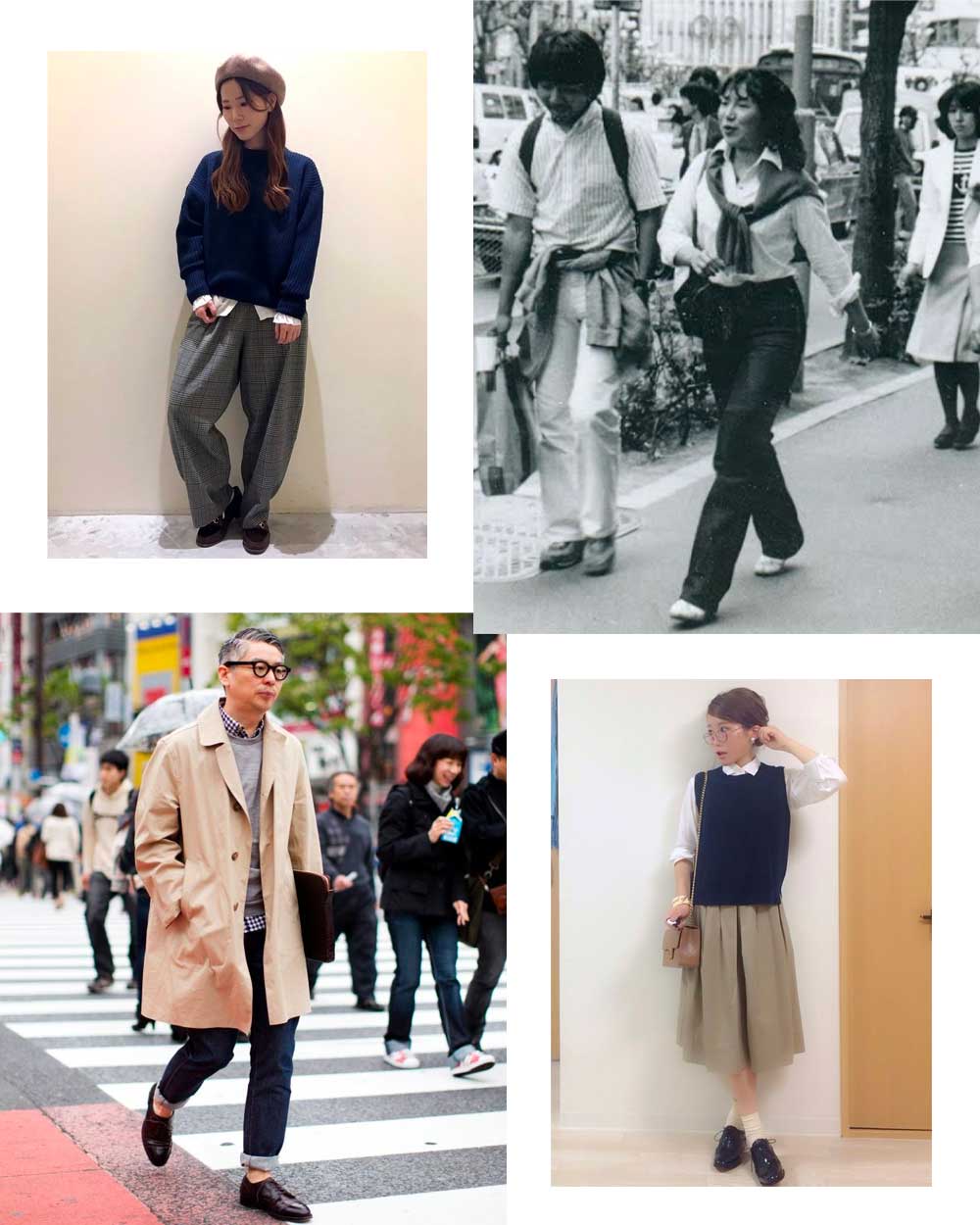
The Miyuki-zoku, young people in Ivy clothes on Tokyo’s Miyuki-dori in the mid-1960s, followed, and the 1965 campus photo book Take Ivy, made with Ishizu’s involvement, is still consulted by Ivy enthusiasts.
Japanese Ivy and trad dressing is known for close attention to detail in cardigans, Oxford shirts, varsity jackets, chinos and leather shoes.
Korean preppy
Korean preppy styling often combines Ivy garments with the oversized tailoring of contemporary Korean fashion and references to school uniforms.
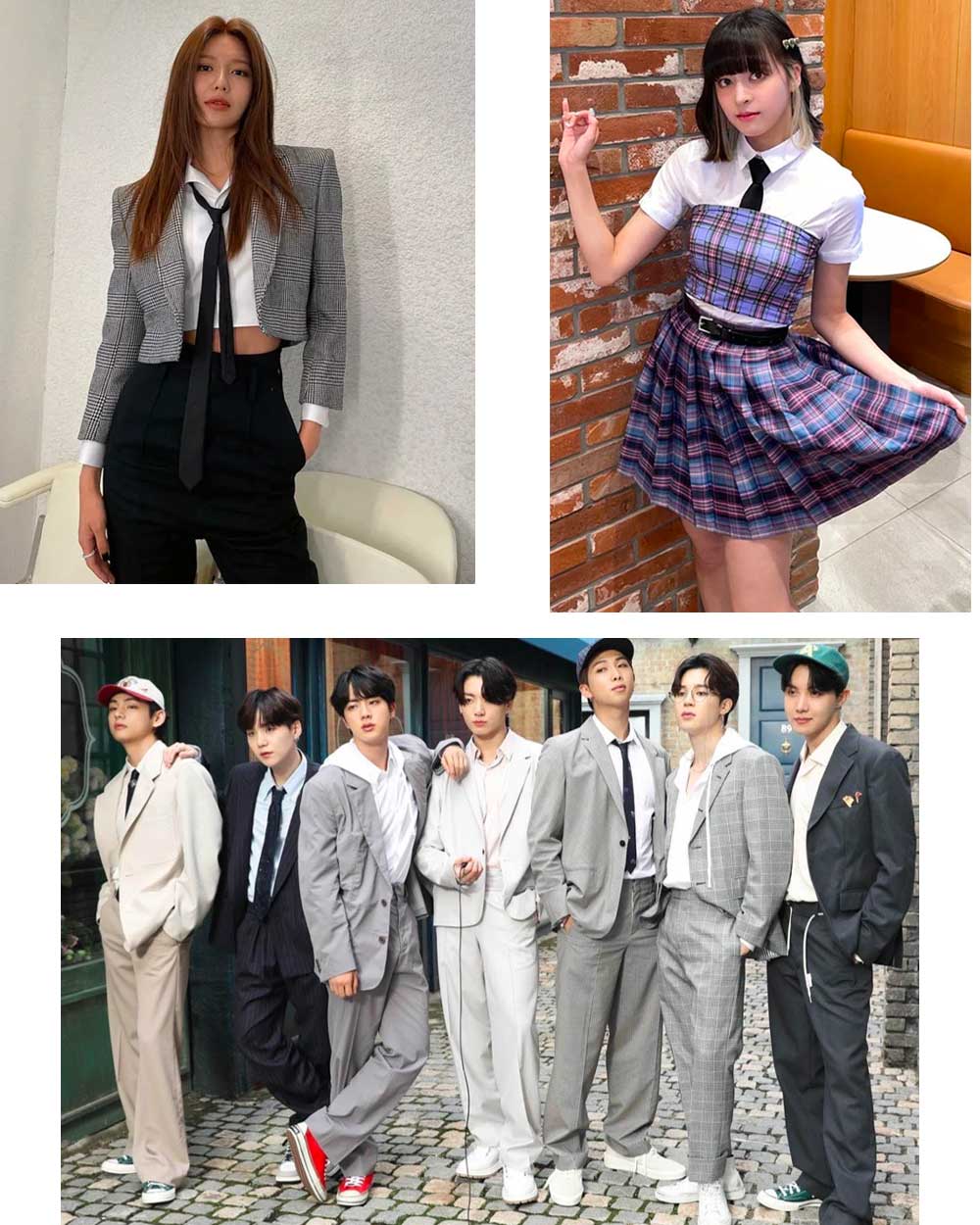
K-pop performers and their stylists have helped spread looks built on loose blazers, wide trousers and loosely knotted ties.
Preppy combined with other dress traditions
Preppy garments are also combined with textiles and clothing from many other traditions.
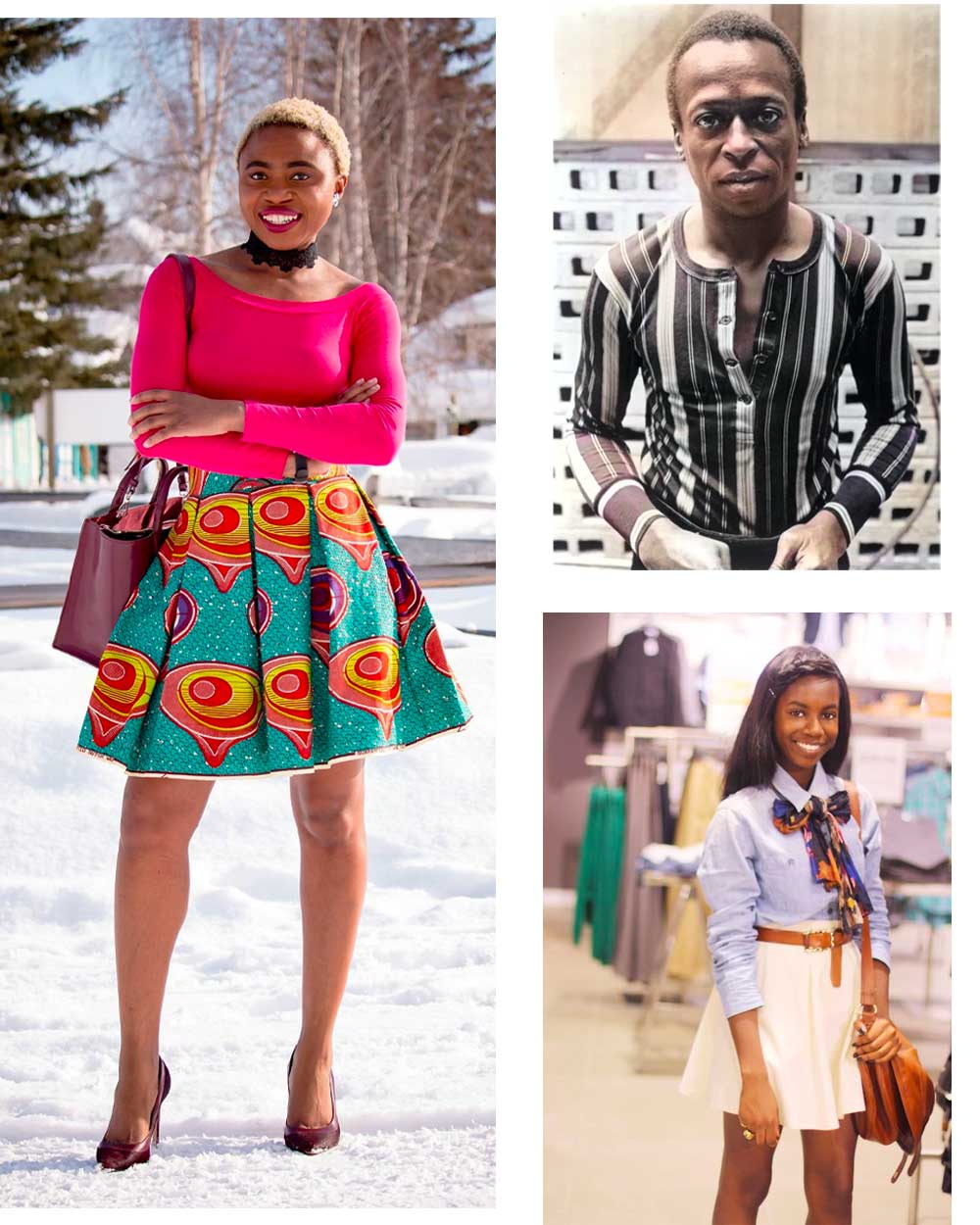
Wax-print or kente-inspired fabrics, for example, can be made into blazers, ties or trousers worn with chinos and loafers.
Such combinations reflect individual choices, and the clothes say nothing about the wearer’s ethnicity or background.
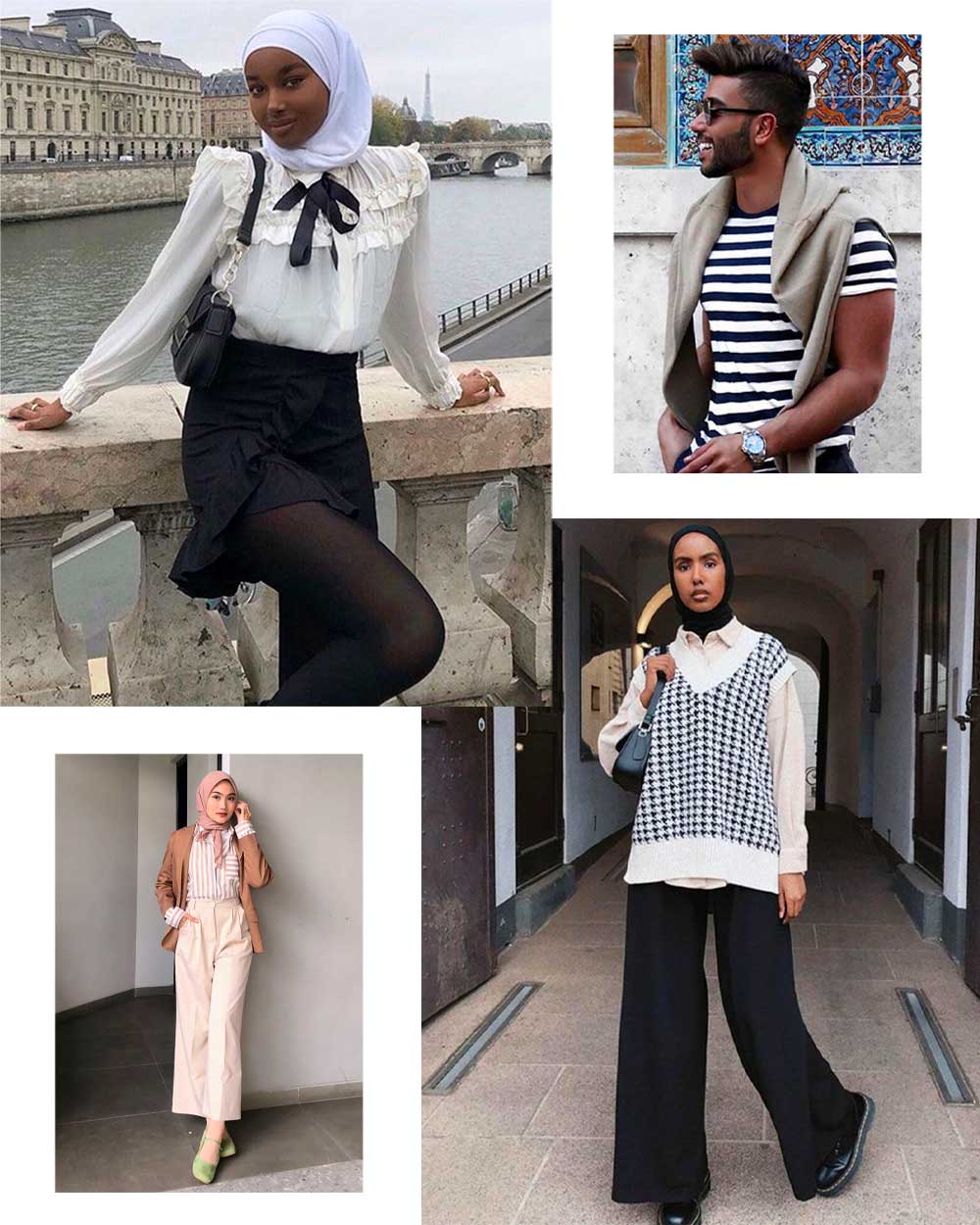
Similarly, men can layer a longer tunic or kurta with a sweater vest, chinos and loafers.
Preppy brands and designers
Some clothing brands have become closely linked with preppy dressing, but no label is needed to wear the look.
Ralph Lauren
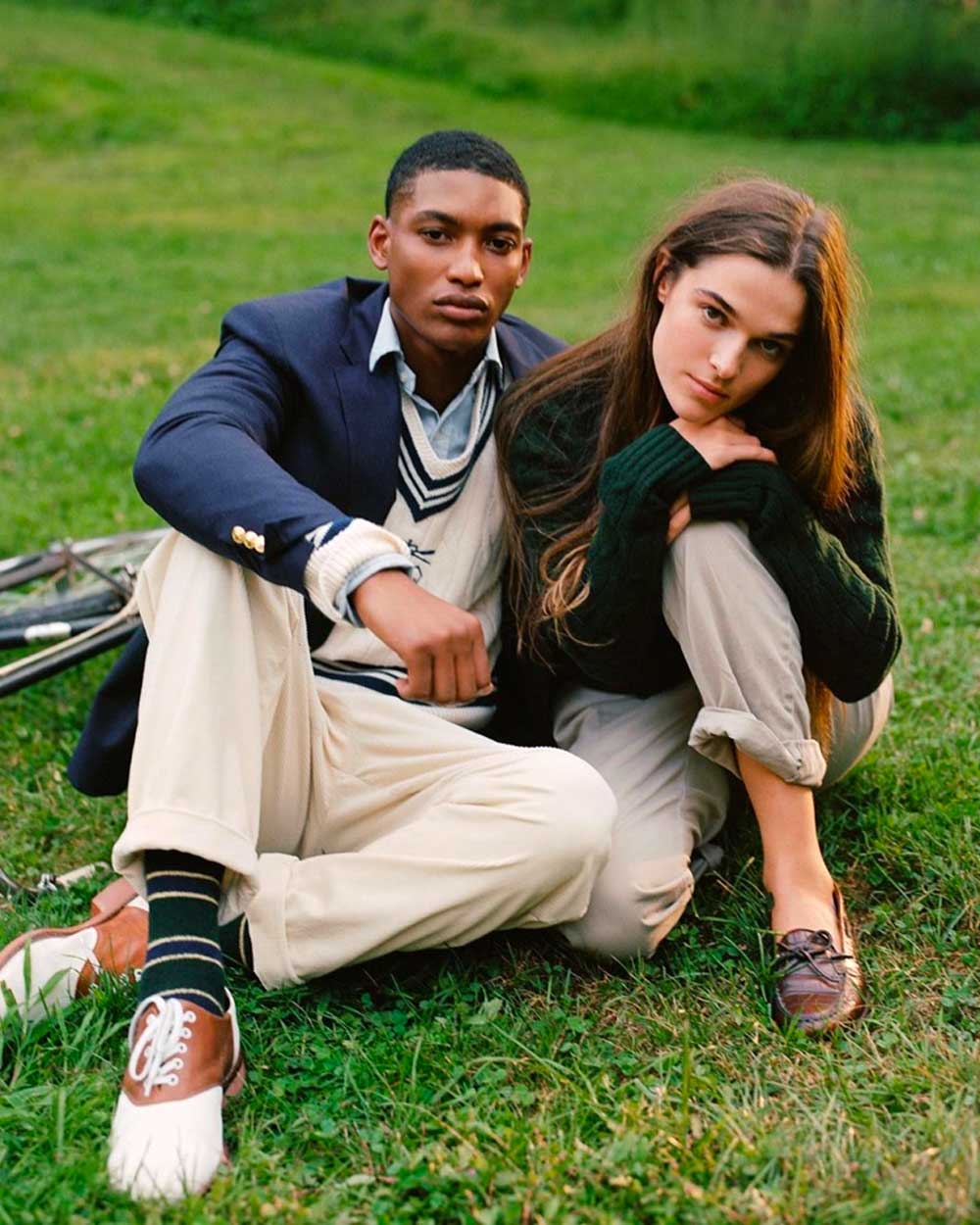
Ralph Lauren began with neckties in 1967, and its Polo Ralph Lauren line became one of the labels most associated with American preppy style.
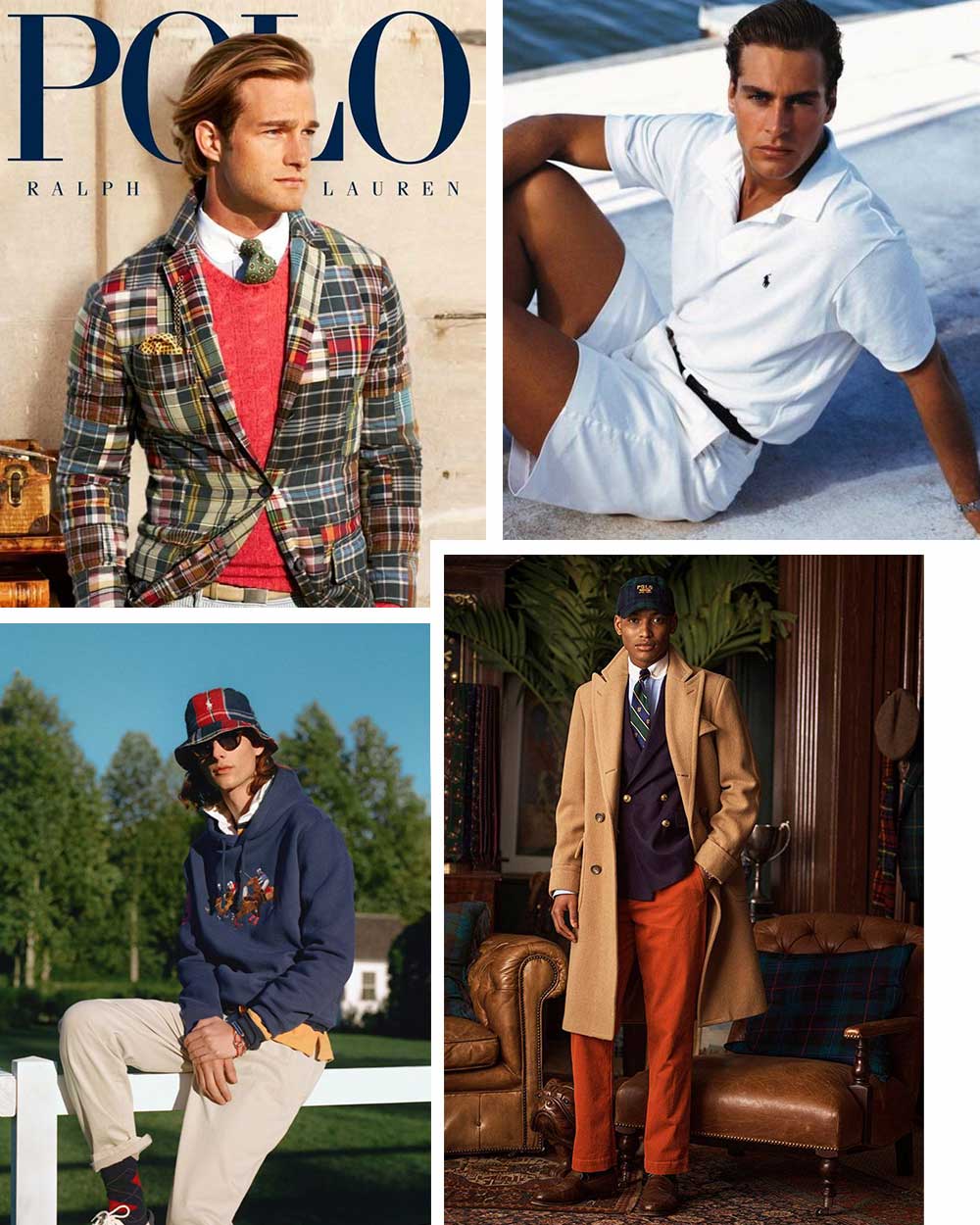
Its polo shirts, blazers, madras and khakis cover both the Ivy and the Southern side of preppy dressing.
Tommy Hilfiger
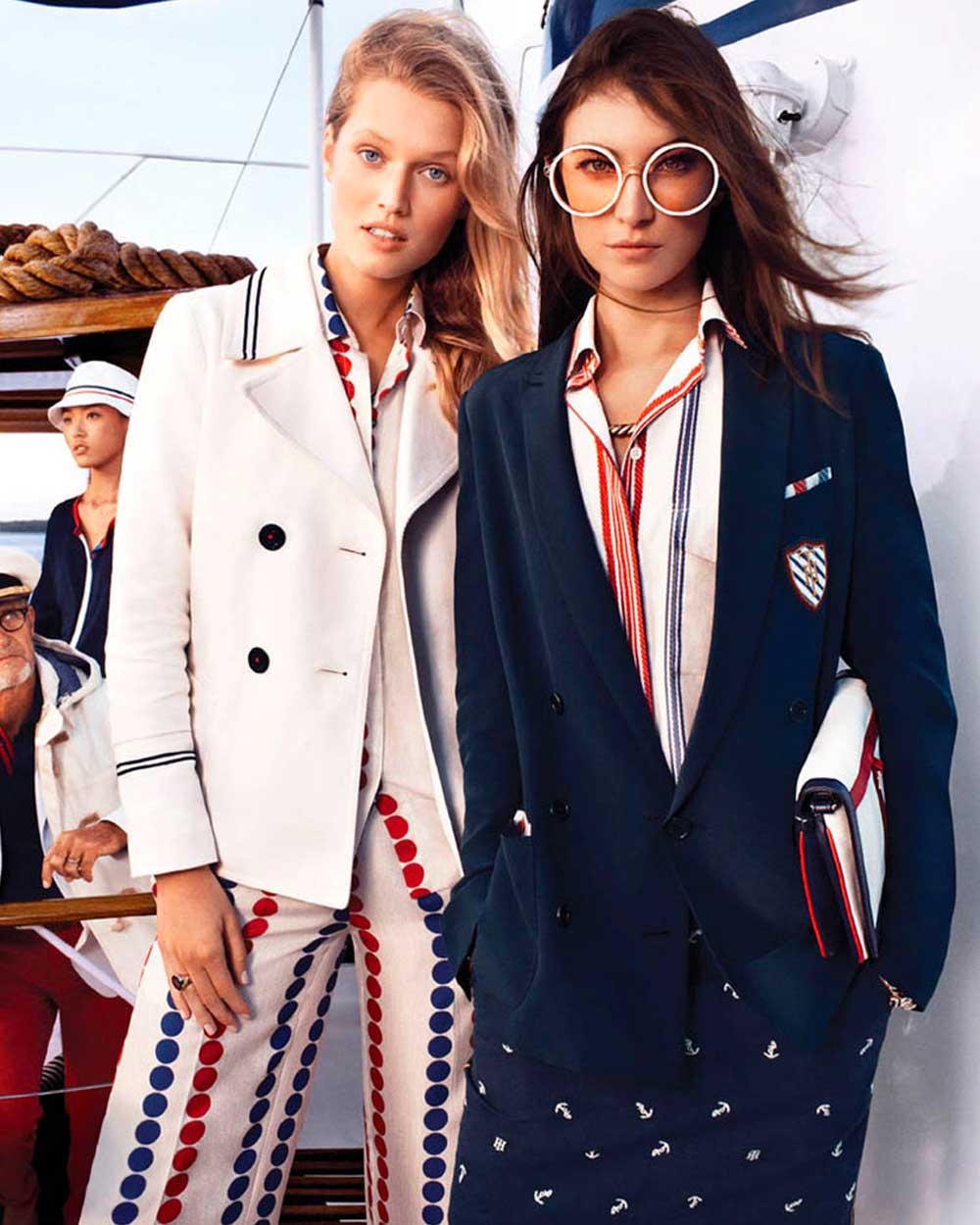
Tommy Hilfiger, launched in 1985, is known for a red, white and navy Americana take on preppy clothing.
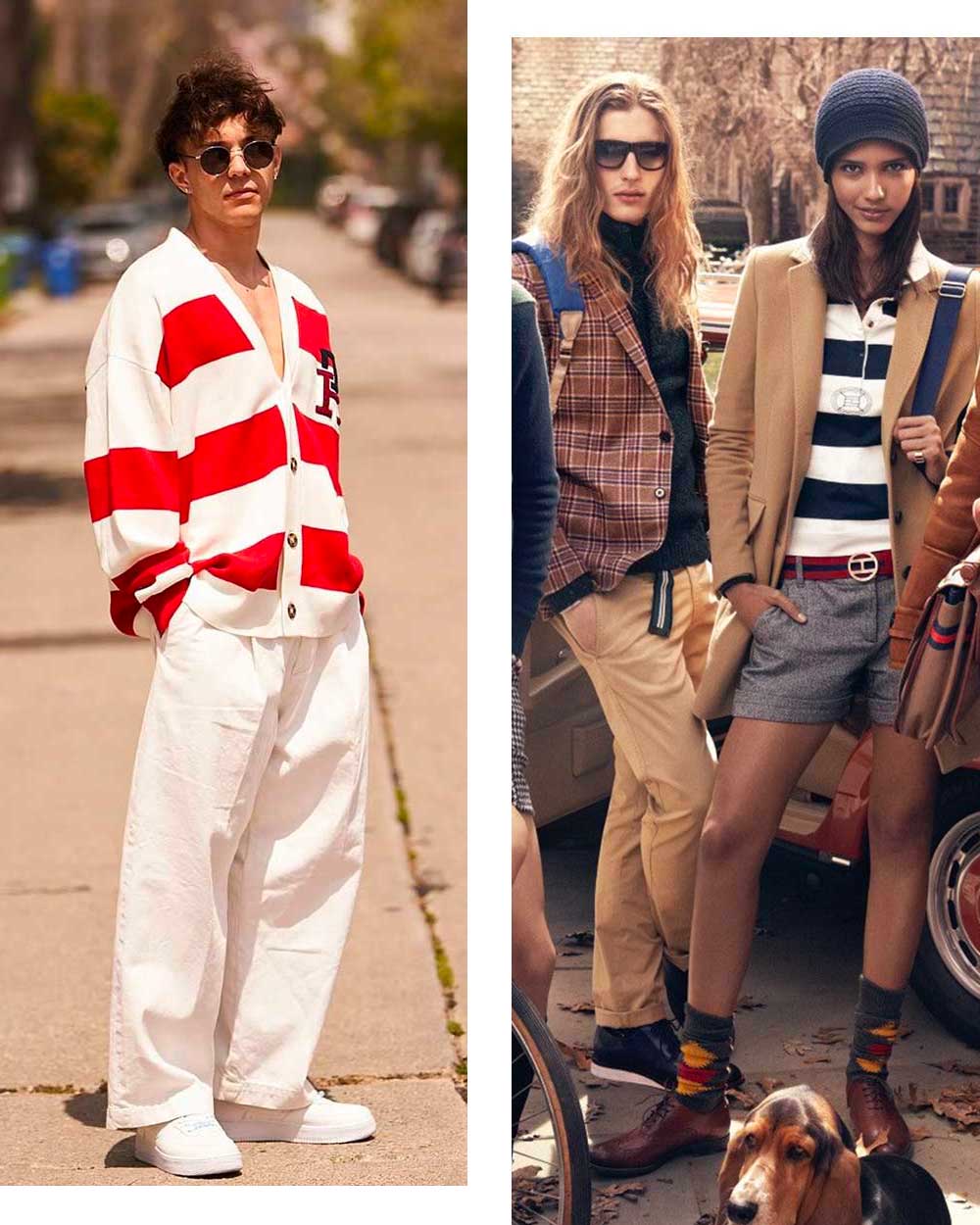
The label often mixes preppy staples with streetwear and other influences.
Brooks Brothers
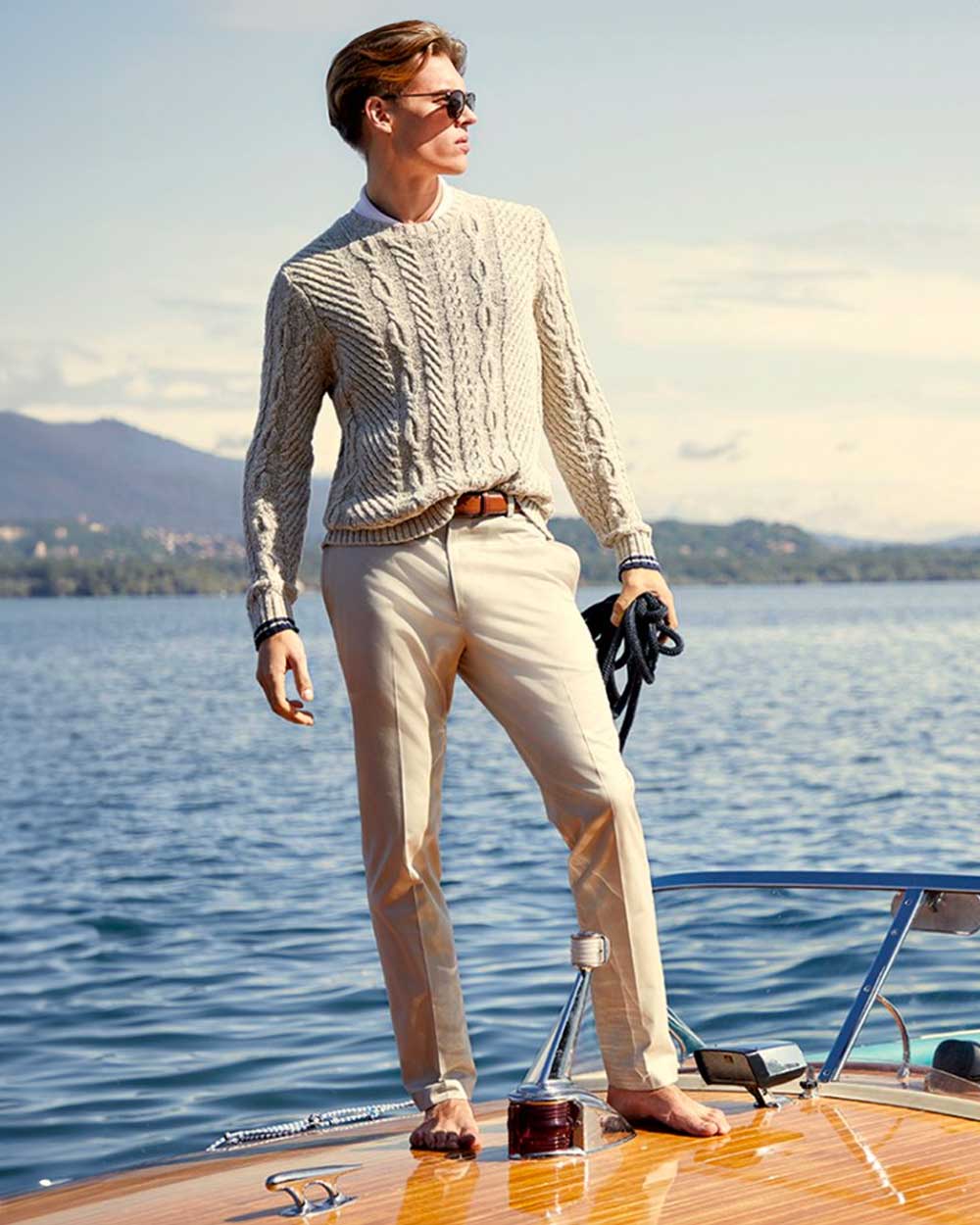
Brooks Brothers, founded in New York in 1818, introduced its sack suit, generally dated to 1895, and its button-down collar shortly afterwards, two foundations of Ivy and preppy dressing.
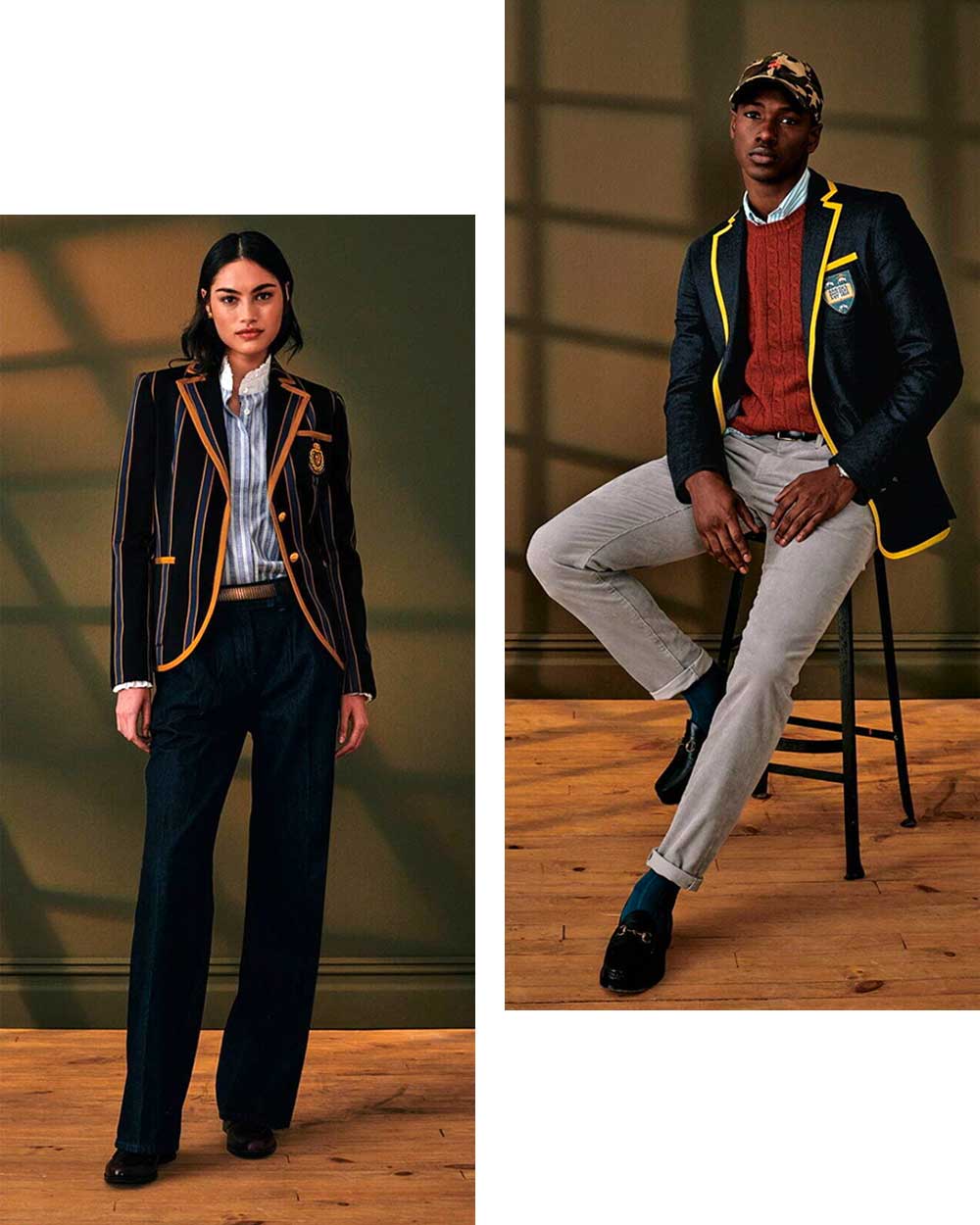
Abraham Lincoln wore a Brooks Brothers coat to his second inauguration in 1865.
Lacoste
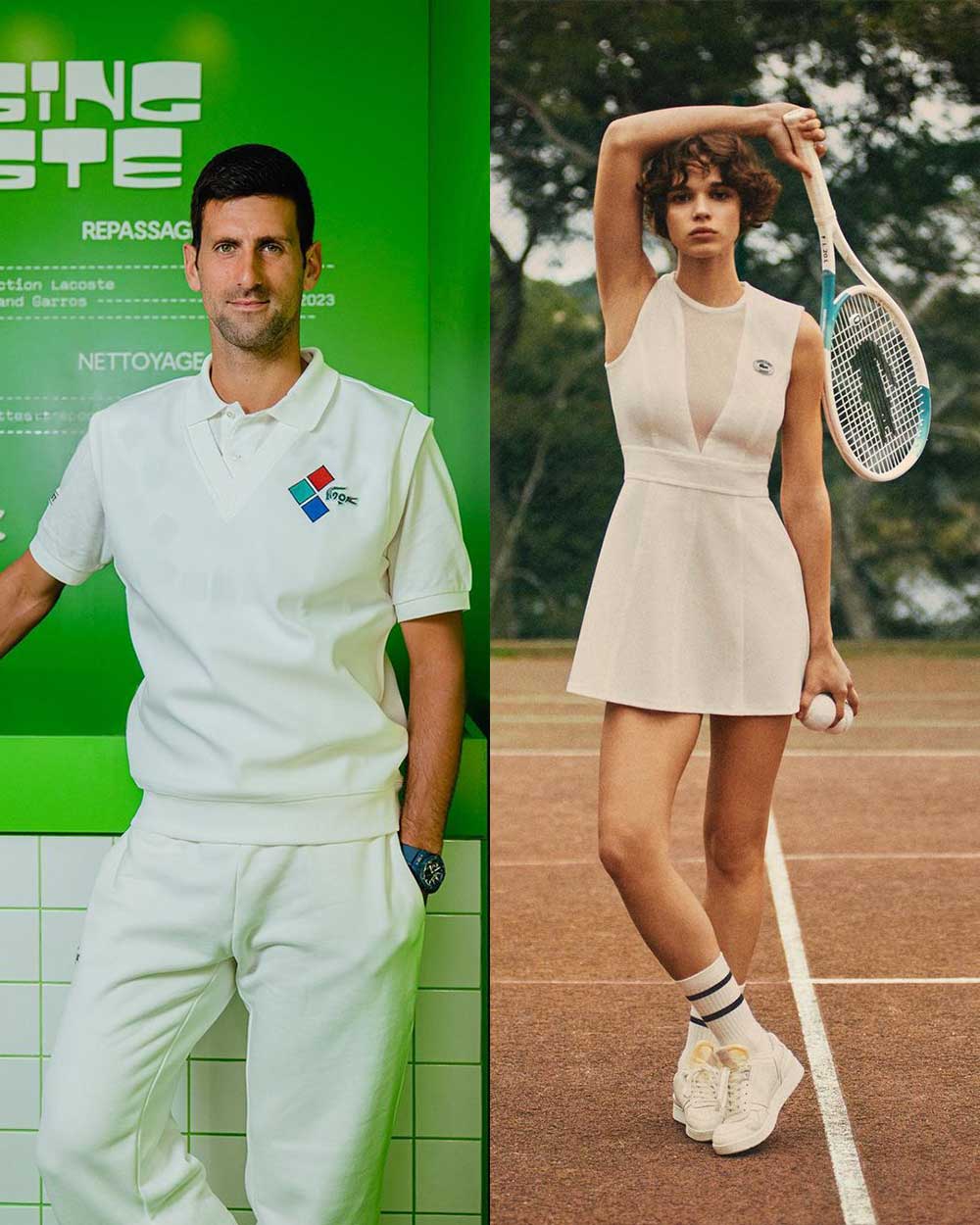
Lacoste was founded in France in 1933 by the tennis player René Lacoste, and its piqué polo shirt with a crocodile logo became a preppy staple.
In the United States, the shirts were long sold under the Izod Lacoste name.
J.Crew
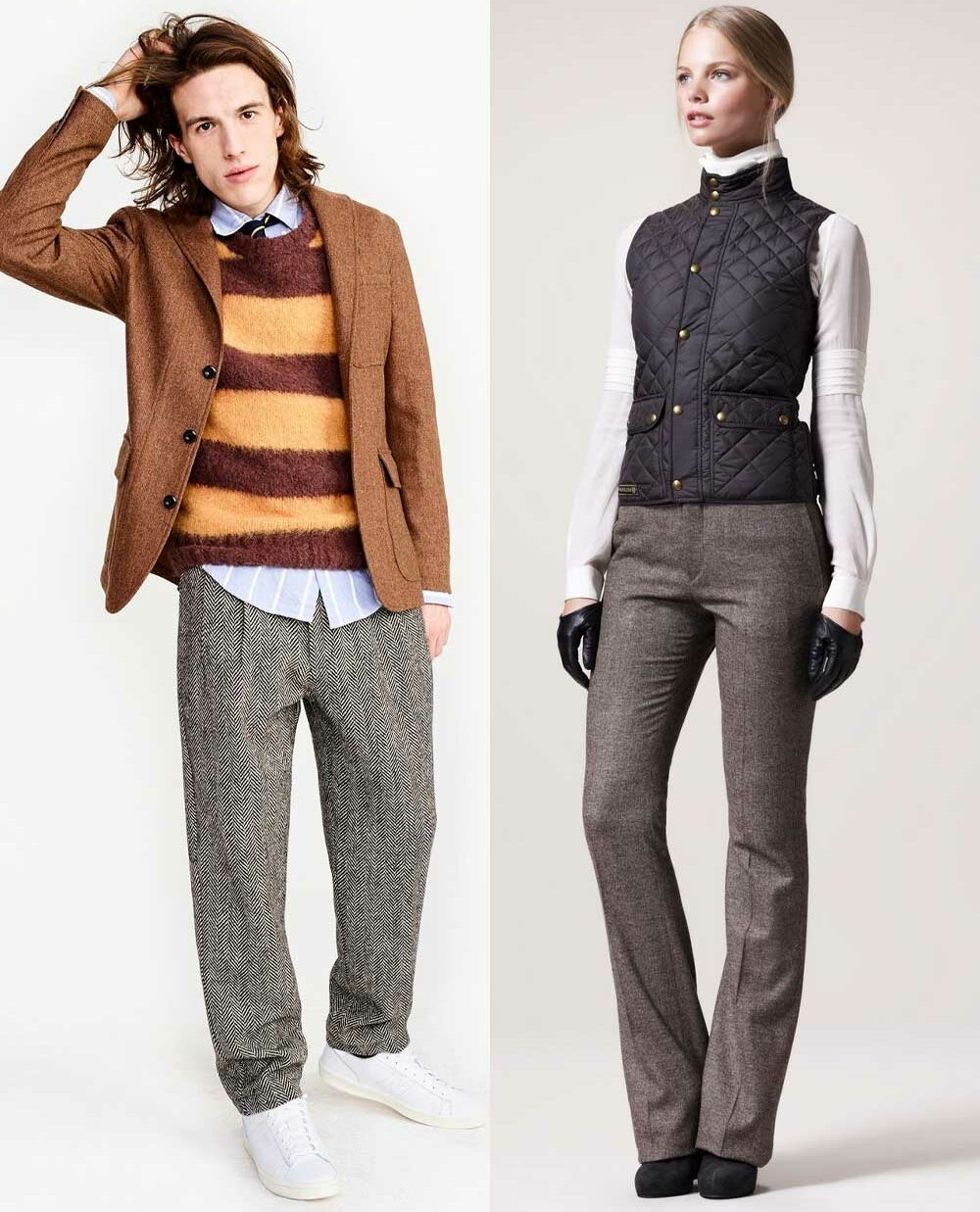
J.Crew built its reputation on updated versions of classic American clothing, mixing traditional preppy garments with current trends.
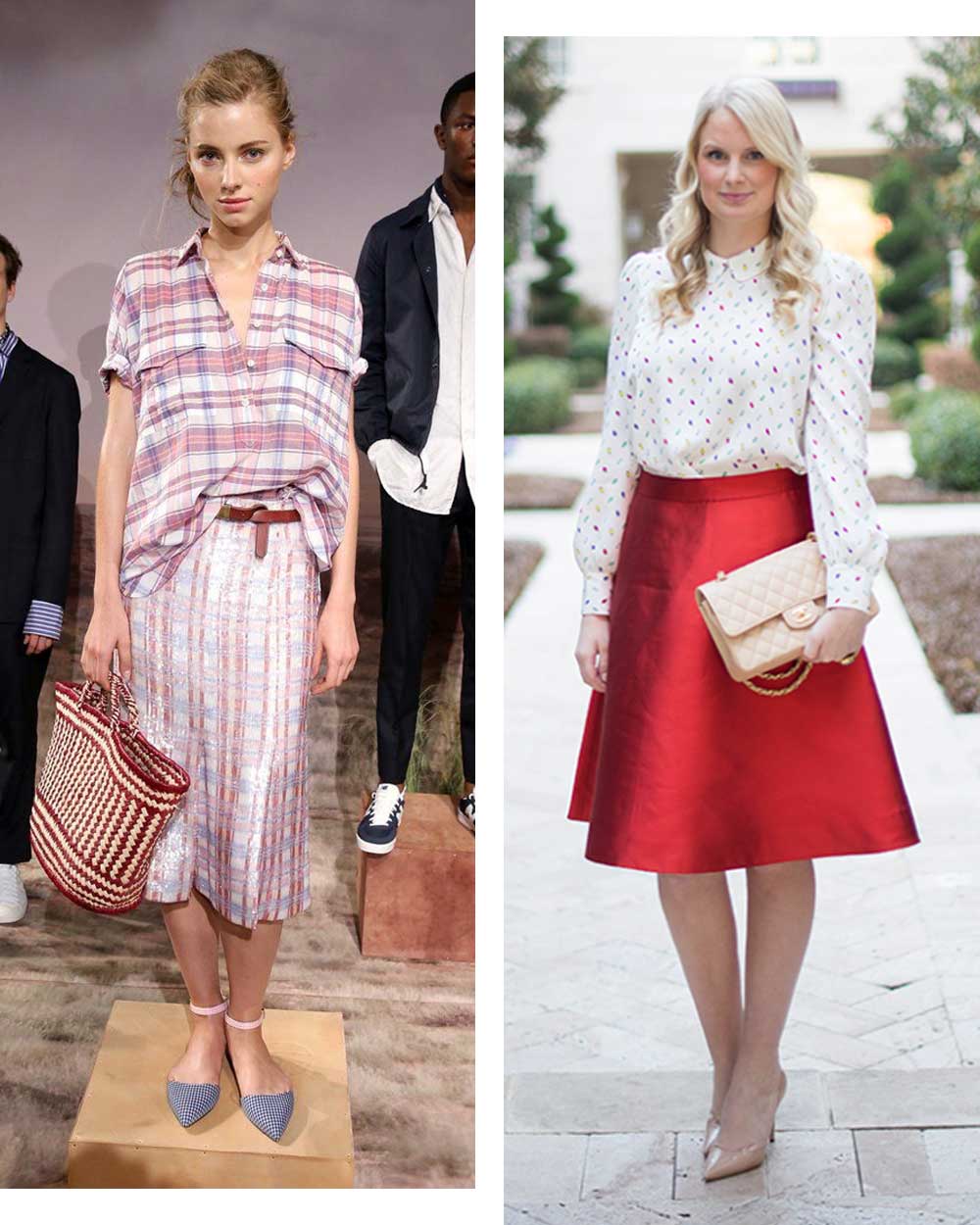
Its menswear includes Oxford shirts, chinos, tweed and knitwear.
Barbour
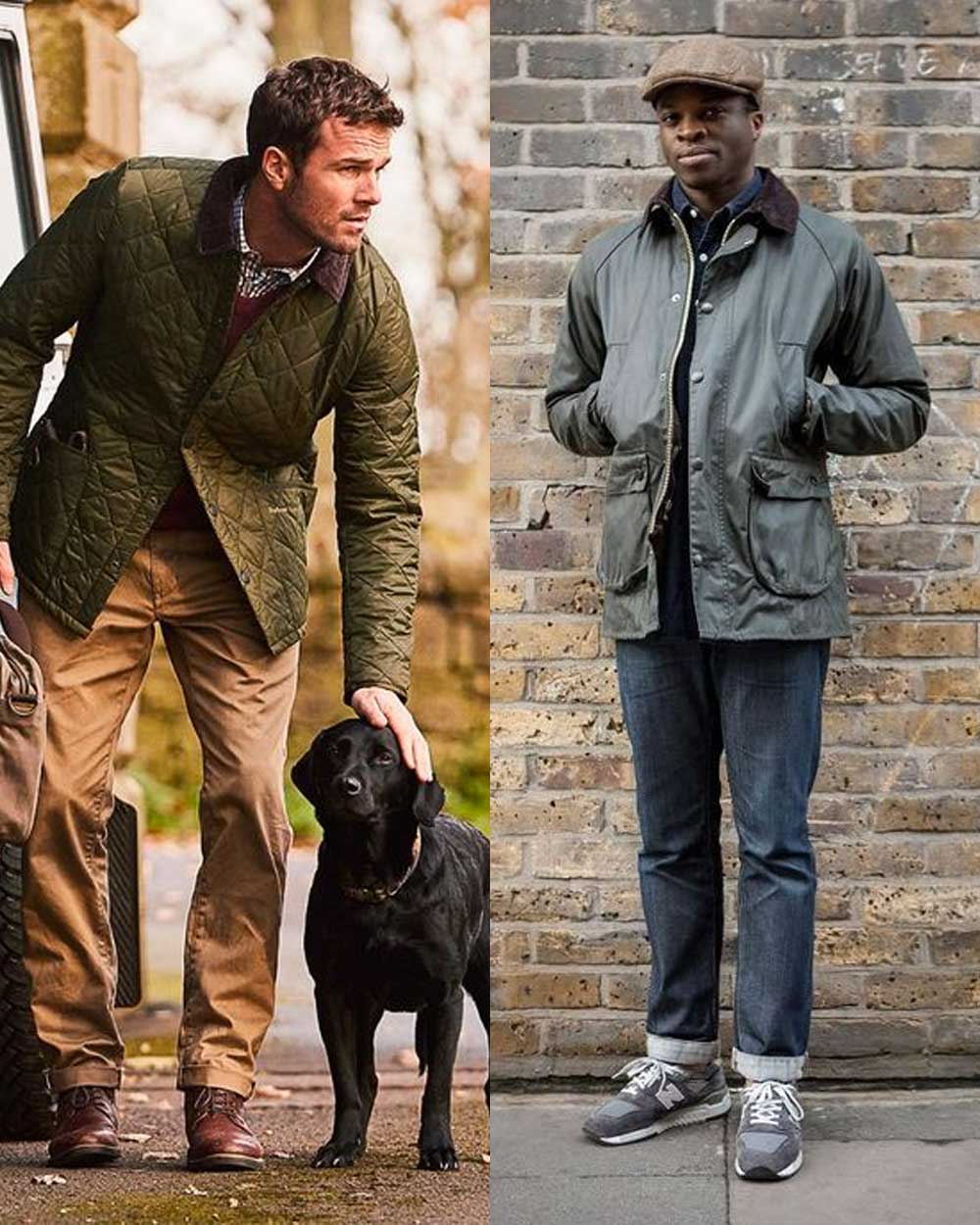
Barbour is a British company known for waxed cotton and quilted jackets, which joined country and preppy wardrobes on both sides of the Atlantic.
J. Press
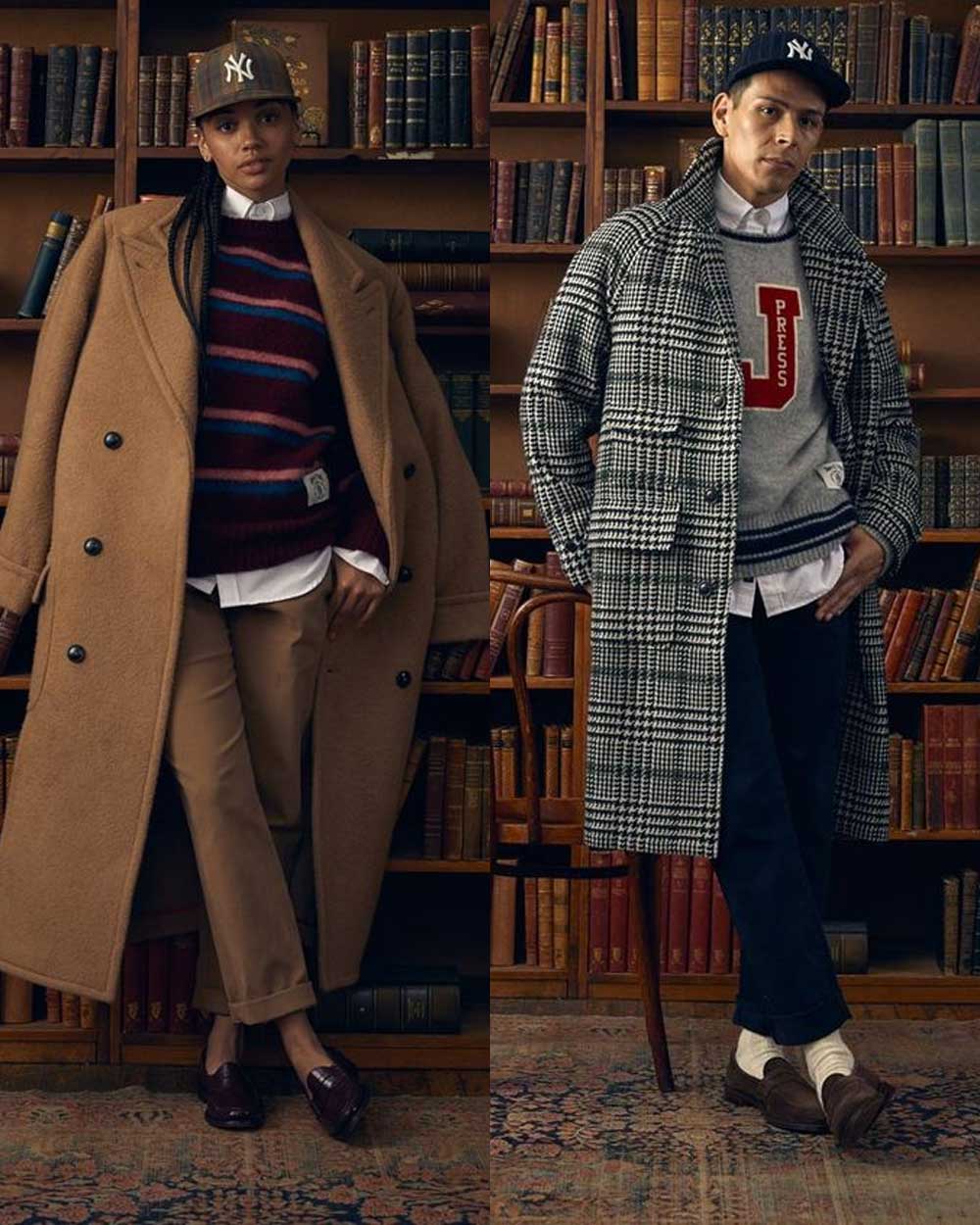
J. Press was founded in New Haven, beside Yale, in 1902, and is known for traditional Ivy jackets, Shetland sweaters and ties.
L.L.Bean
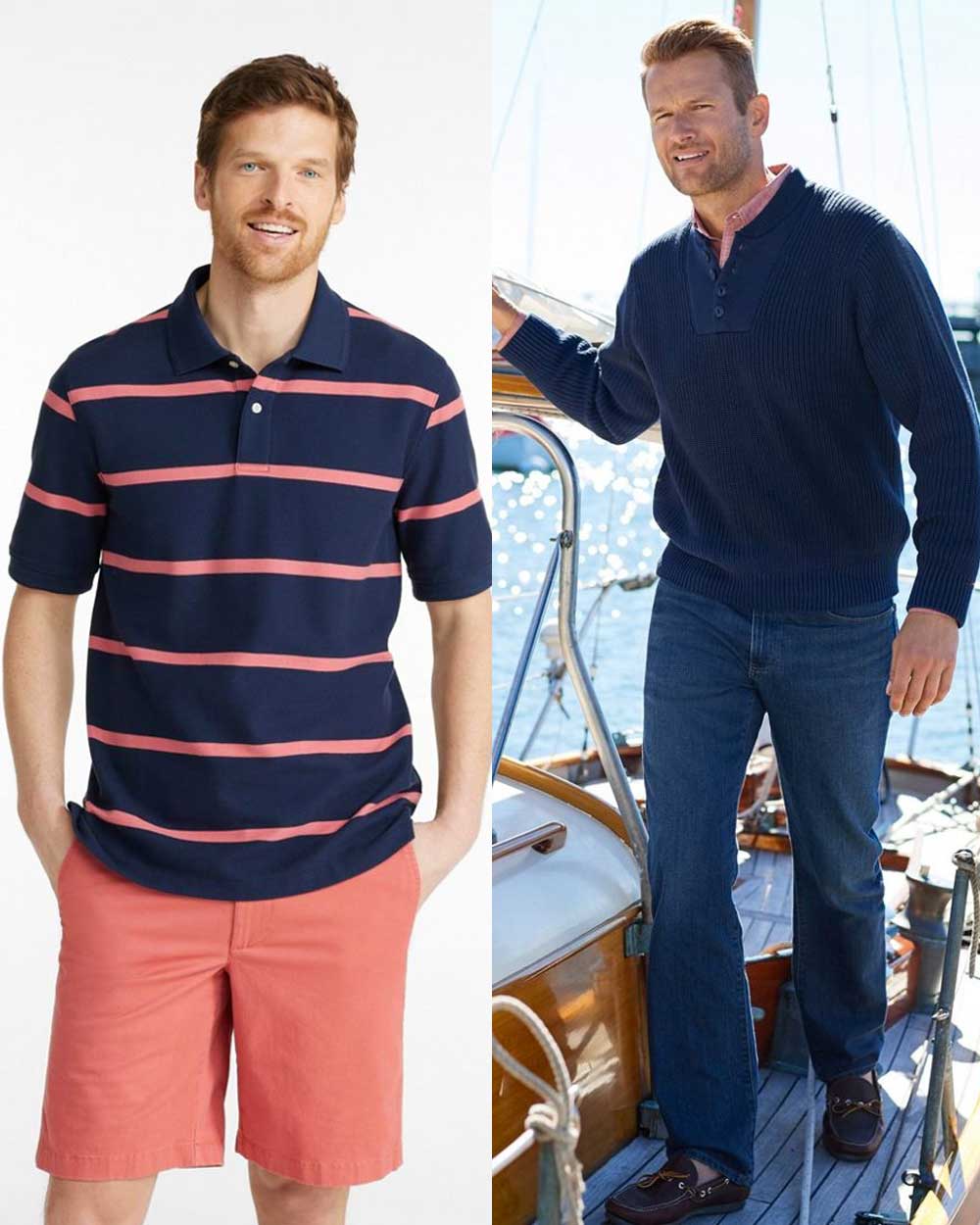
L.L.Bean, based in Freeport, Maine, is best known for its Bean Boot and durable outdoor clothing, the rugged New England side of preppy dressing.
Sperry
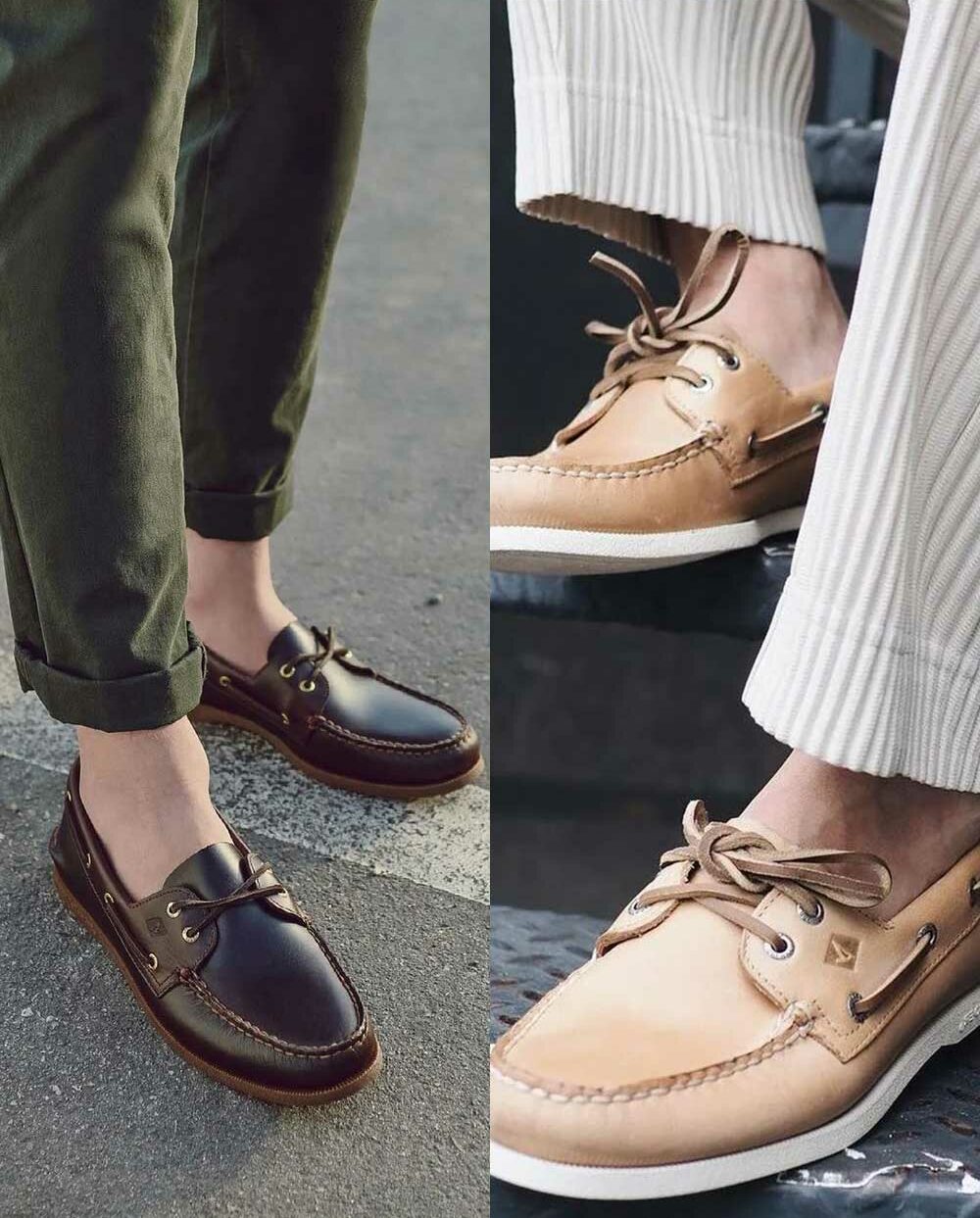
Paul Sperry created the Top-Sider boat shoe in 1935, with a grooved rubber sole designed to grip wet decks, and the shoe became a preppy staple.
Gant
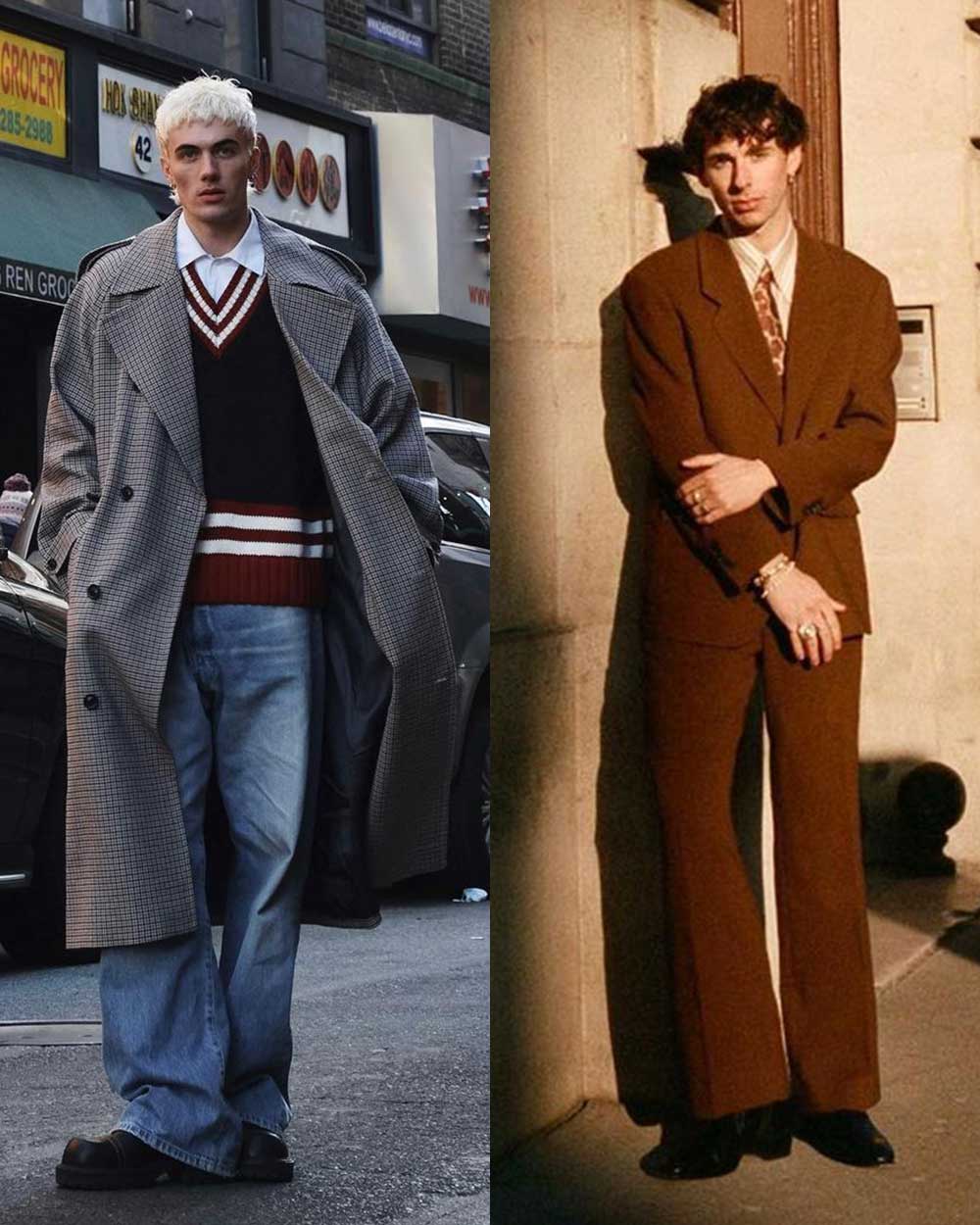
Bernard Gantmacher’s shirt company, in New Haven since 1927, launched the Gant label in 1949, and its button-downs are recognised by three back details: a collar button, a box pleat and a locker loop.
The company is now headquartered in Stockholm.
Izod
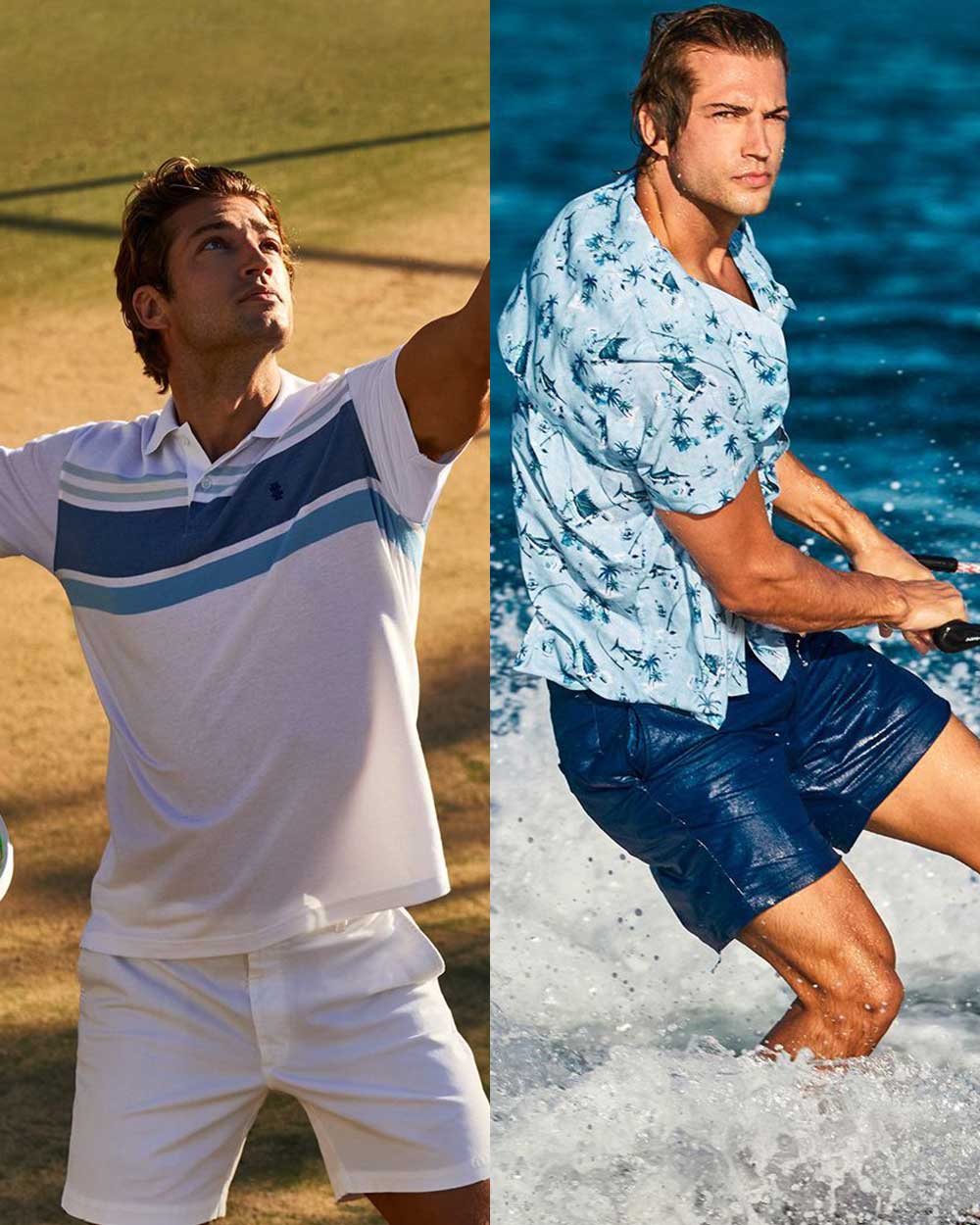
Izod’s partnership with Lacoste helped popularise the polo shirt in the United States.
Preppy runway moments
Designers have repeatedly brought preppy clothing to the runway, and the shows below illustrate how the look has been reinterpreted.
Tommy Hilfiger, Spring 1993
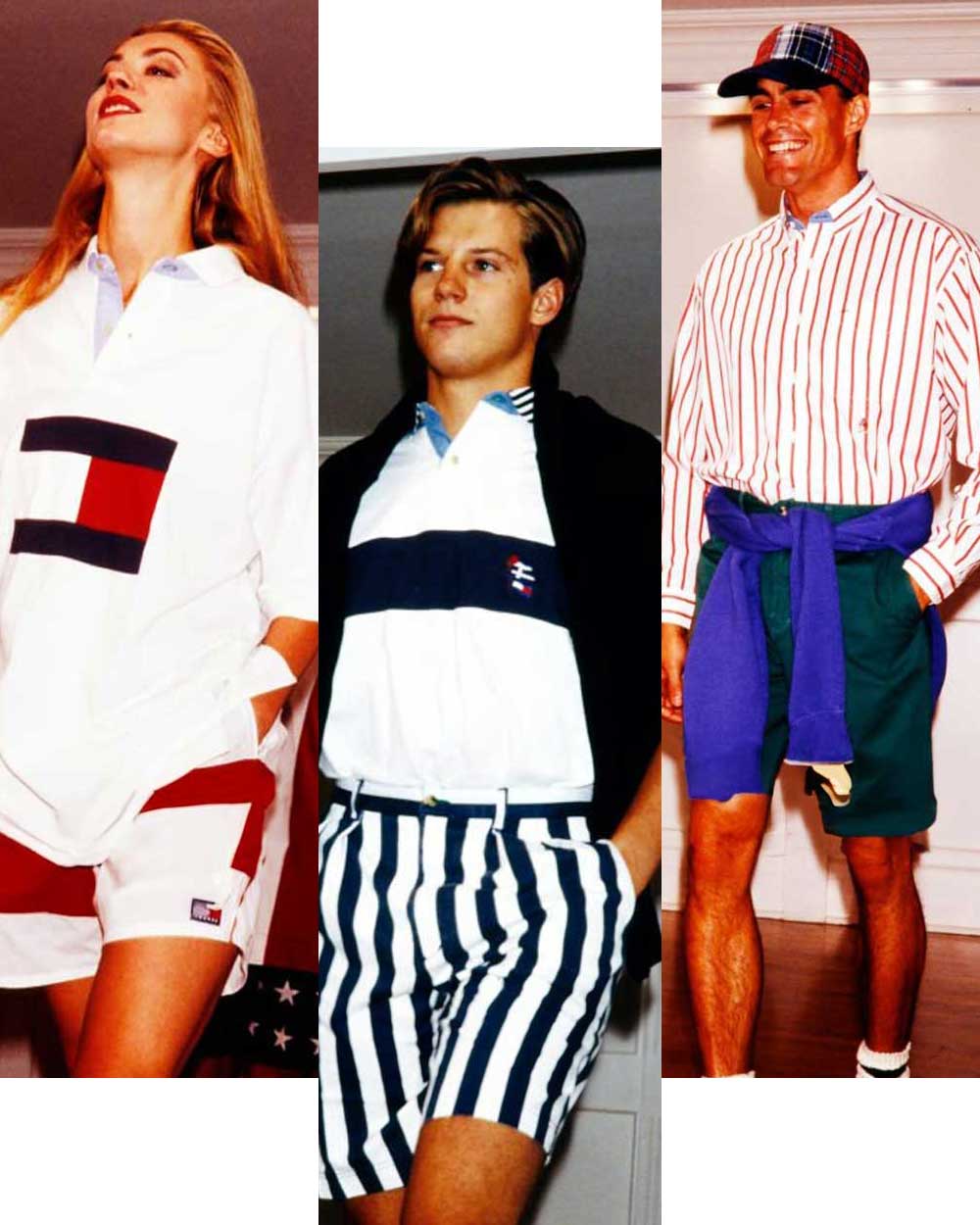
This collection had a nautical, summery feel, with striped shirts in red, white and navy, sweaters tied around the waist and shorts.
Phat Farm, Spring 1998
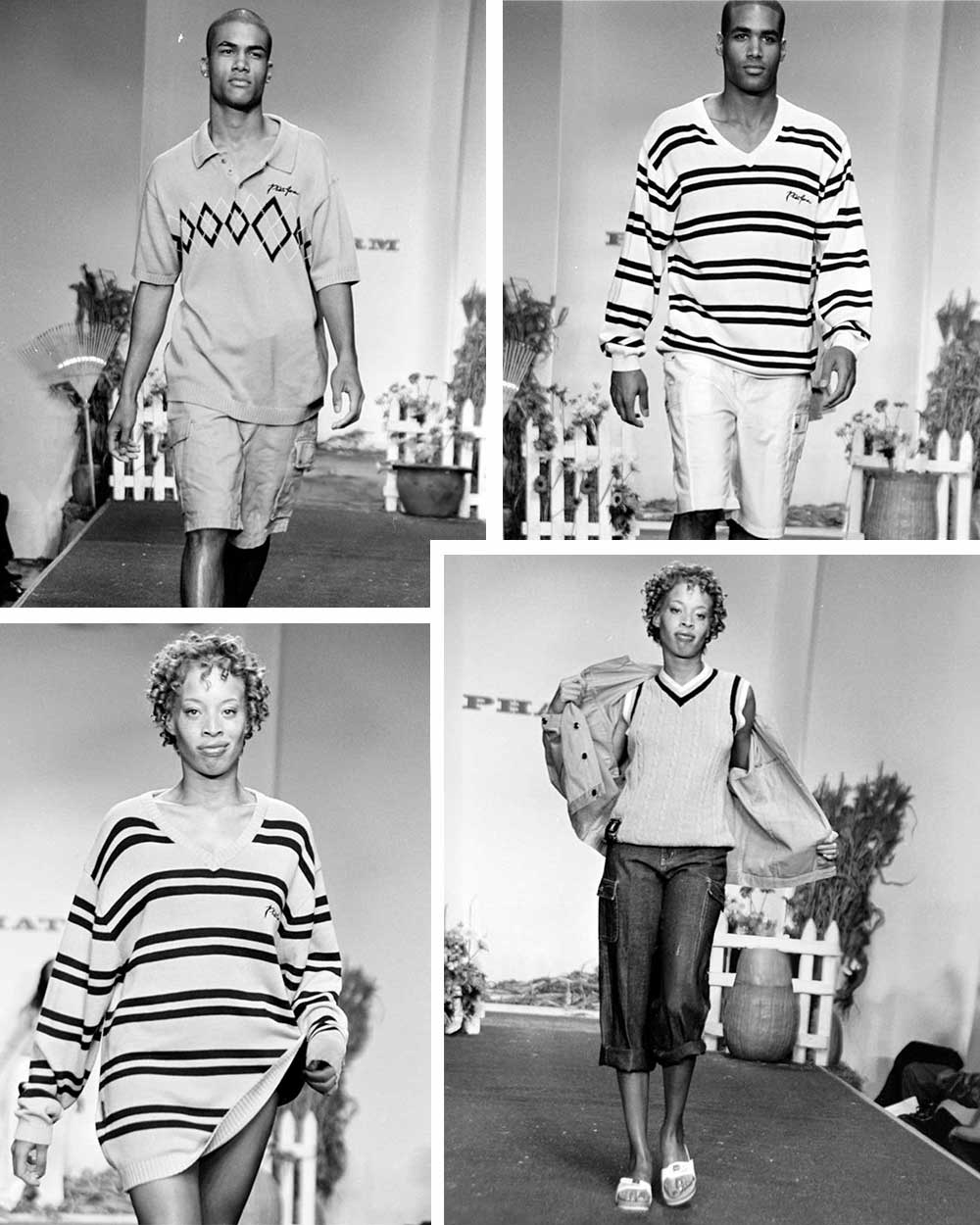
Phat Farm, founded in New York by Russell Simmons in 1992, mixed preppy clothing with hip-hop style.
The show photographs include diamond-pattern sweaters, striped tops and V-neck knitwear worn with shorts and cropped trousers.
Lacoste, Spring 2010
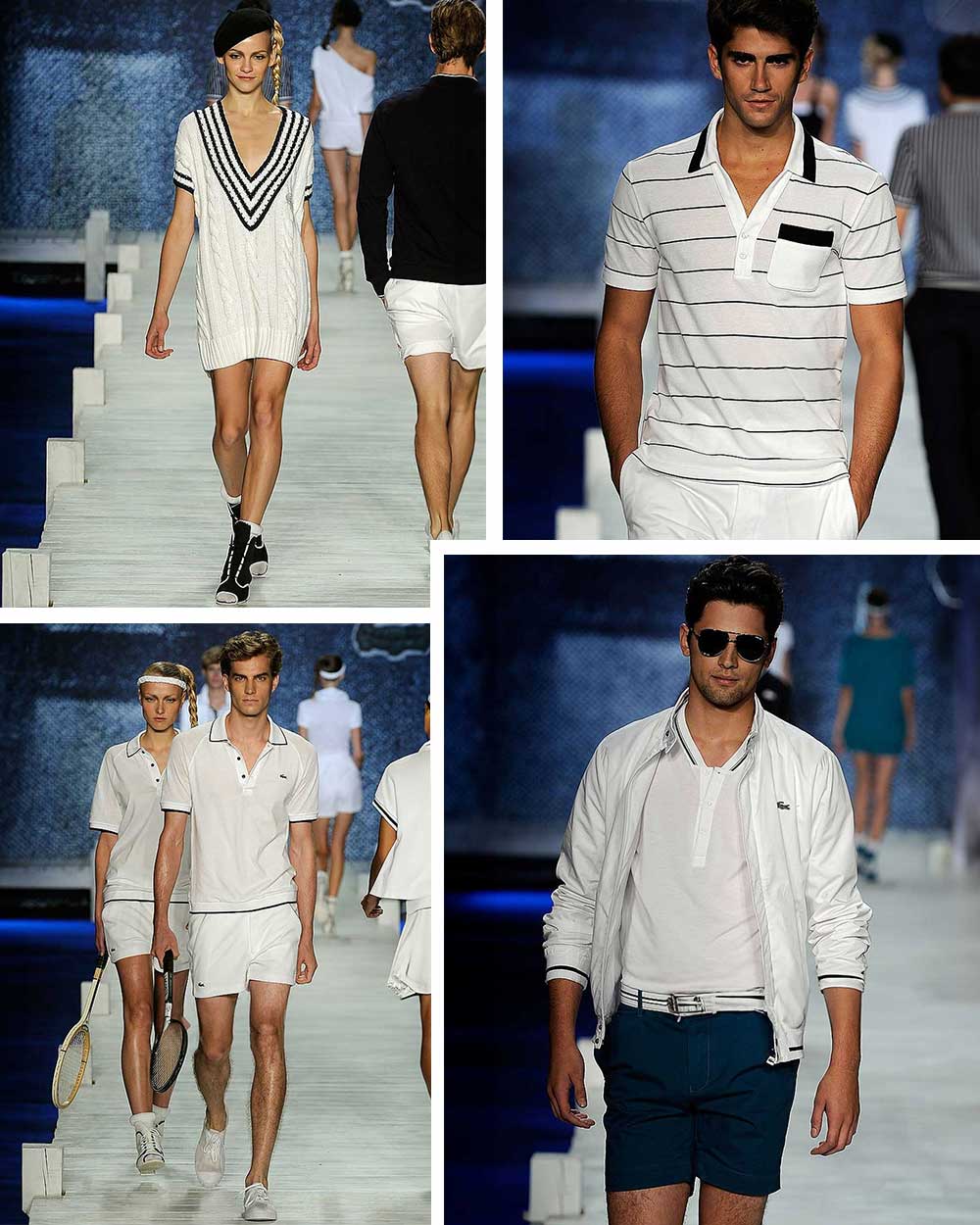
Under creative director Christophe Lemaire, Lacoste’s Spring 2010 show drew on tennis clothing, with white polo shirts, V-neck knitwear and shorts for men.
Brooks Brothers, 200th anniversary show (2018)
Brooks Brothers marked its bicentennial with a show at Pitti Uomo in Florence in January 2018, held in the Palazzo Vecchio.
The brand’s video above shows how it presented its archive of tailoring and preppy classics for the anniversary.
Lacoste, Spring 2020
Louise Trotter’s Spring 2020 collection for Lacoste was shown at the Court Simonne-Mathieu in the Roland-Garros tennis complex in Paris, with oversized versions of sporty tops.
Ralph Lauren, Spring 2023
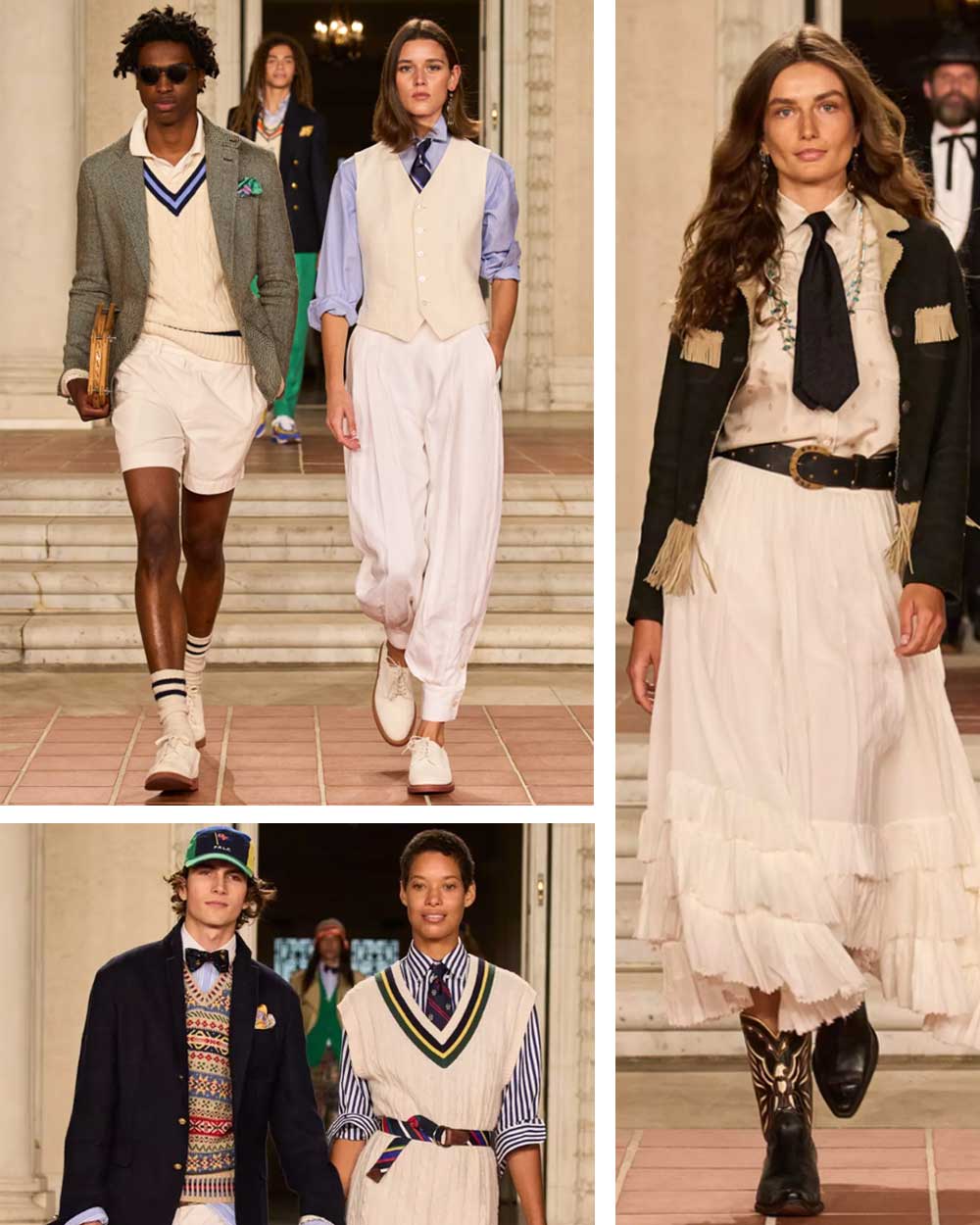
Ralph Lauren showed this collection at the Huntington Library in California, mixing preppy tailoring with western references.
The menswear looks pictured include a grey jacket with a cricket sweater and white shorts, and a navy blazer with a fair-isle vest and bow tie.
Tommy Hilfiger, Spring 2023
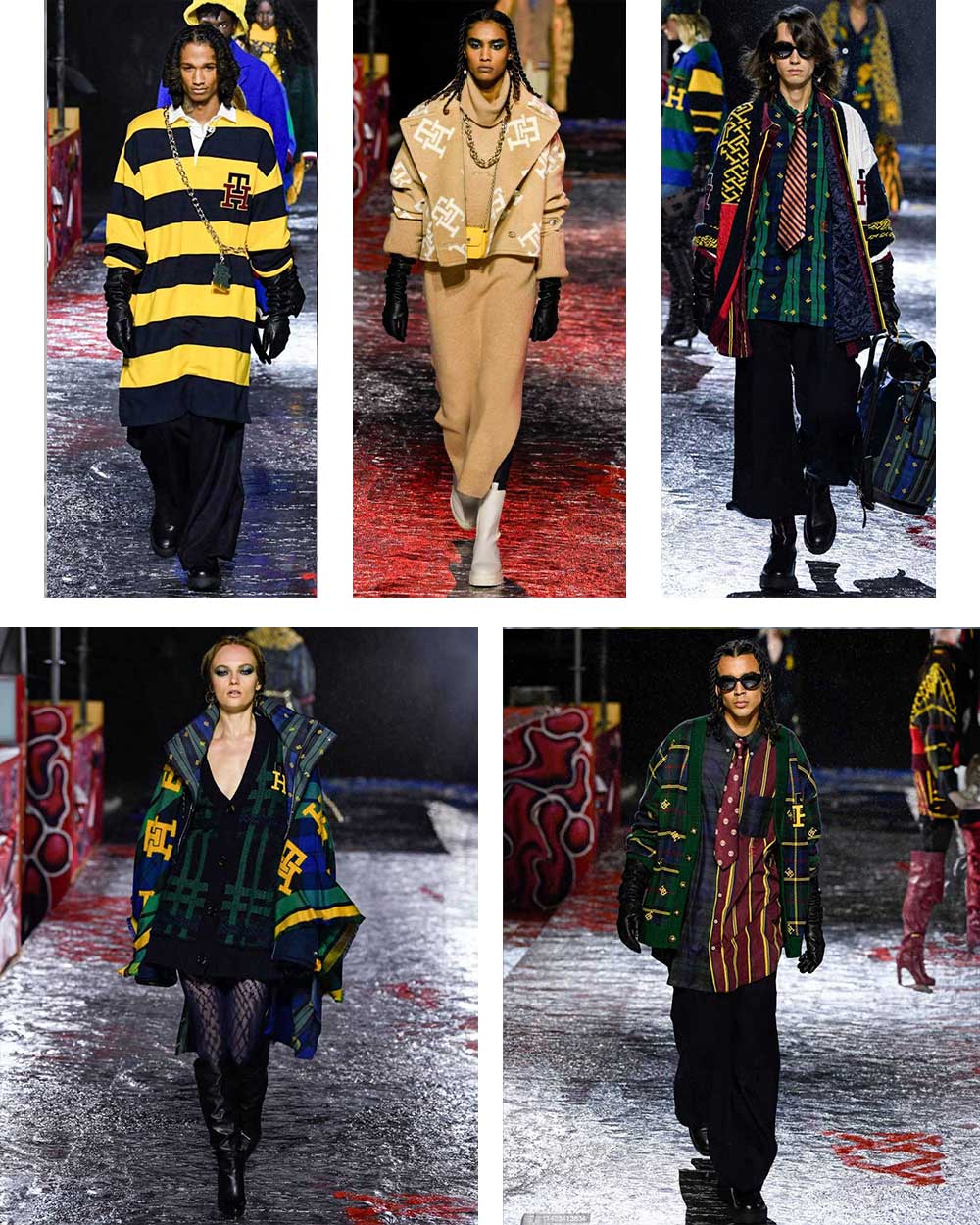
Tommy Hilfiger showed his Spring 2023 collection in New York in September 2022, in a show inspired by Andy Warhol’s Factory and with nautical and collegiate references.
The runway photographs placed here show oversized rugby stripes and check coats, although they cannot be confirmed as looks from this show.
The VOU Men's Styling Newsletter
Gain access to weekly insights on expert men's styling, professional advice on how to improve your status and social image with clever styling tips, and excellent discounts from our designer partner brands.
Optional tools from The VOU
If you would like to explore further, The VOU has quizzes: a Face Shape Quiz, a Seasonal Colour Analysis Quiz, a Body Shape Quiz and a Fashion Style Quiz.
None of them is required to wear preppy clothing.
For personal help after the quizzes, you can book a consultation through The VOU’s paid analysis services, including a Professional Face Shape Analysis package with hairstyle, facial hair and eyewear suggestions.
A combined Complete Image Transformation Package combines the face shape, seasonal colour, body shape and fashion style analyses.
Mandy Meyer’s focus at The VOU is men’s body-shape styling, garment fit and outfit proportions. Her coverage addresses the practical questions behind a wardrobe choice: how a jacket sits across the shoulders, how trousers fall and how different cuts change the silhouette a wearer wants to create.
Her subject areas include the triangle, inverted triangle, rectangle, oval, trapezoid, hourglass and diamond labels used in body-shape styling. These provide starting references for comparing visible proportions; they do not capture every body or prescribe one correct way to dress. The focus connects those observations with garment shape, construction, length and the relationship between the upper and lower parts of an outfit.
Mandy’s editorial coverage combines visual comparisons with fit checks for comfort and movement. Readers can consider whether a cut gives them the room they need, where clothing pulls or gathers and which changes might support their preferred look. The aim is to make menswear choices more understandable while keeping personal preferences and the wearer’s own styling goals central.